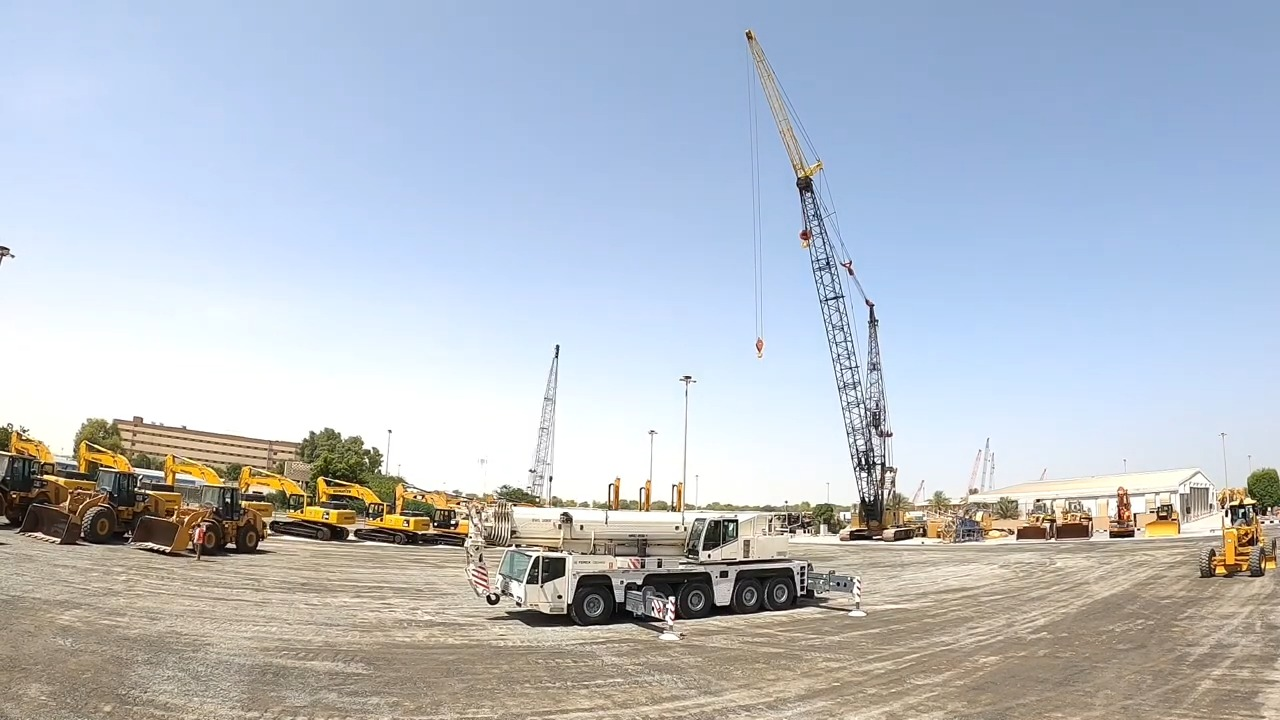
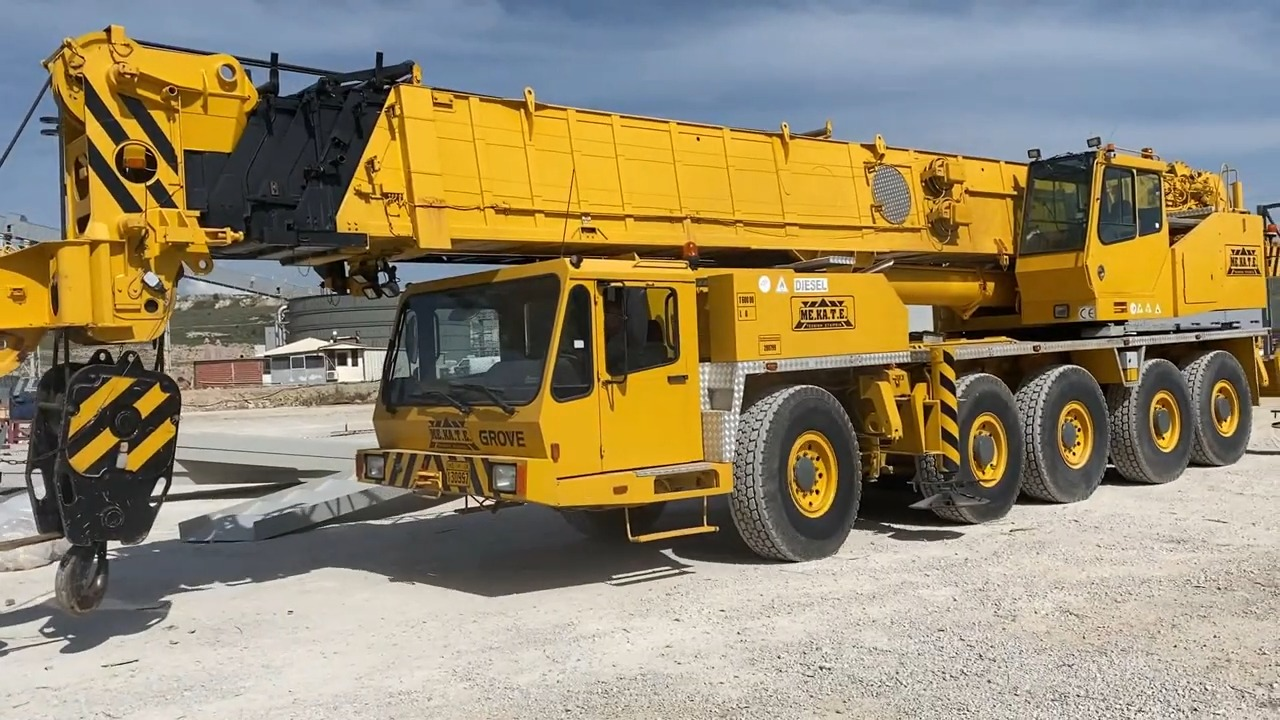
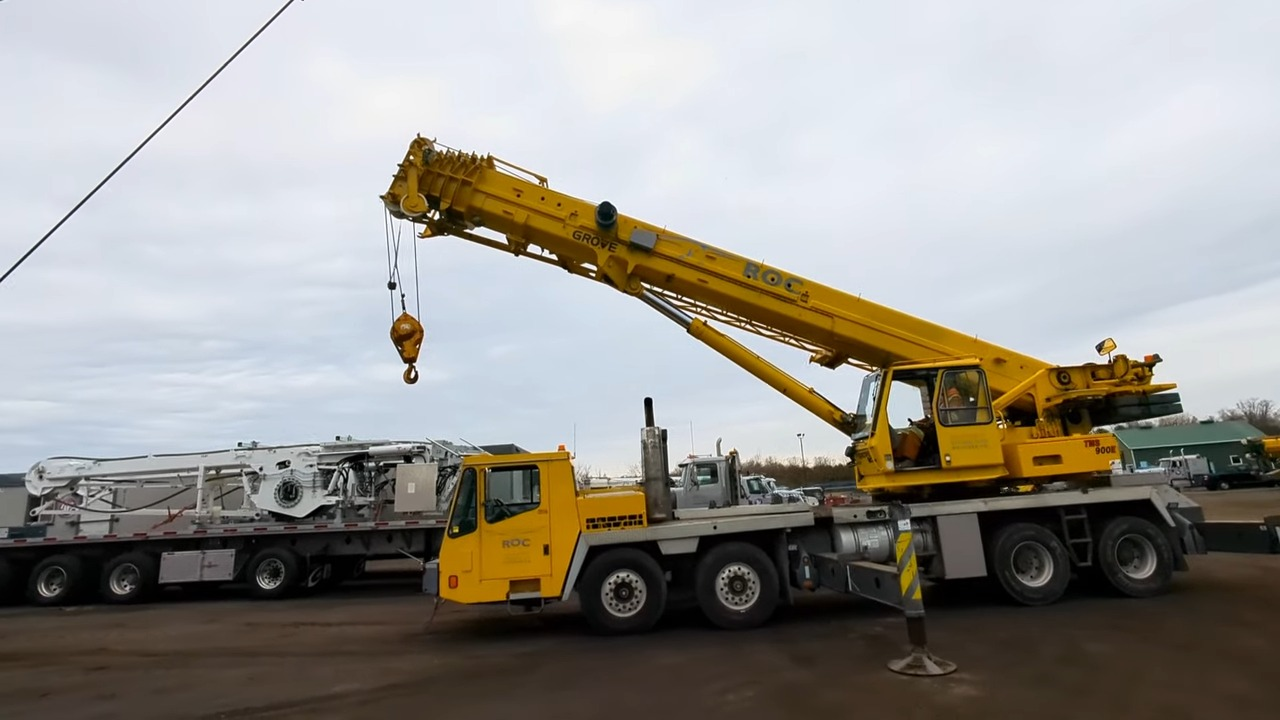
What Is An Overhead Crane

Mediapayperlead-com December 11, 2024

What Is An Overhead Crane

Meta Description: Discover what an overhead crane is and its key types, components, benefits, and selection considerations. Learn how these cranes work and their applications in various industrial settings.

An overhead crane, also known as a bridge crane, is a vital heavy-duty lifting equipment commonly found in industrial facilities. This article provides an overview of overhead cranes, including their types, components, working principles, benefits, and considerations for choosing the right crane for specific industrial applications.

Key Takeaways:

  • Overhead cranes are industrial lifting machines that transport heavy materials horizontally across facilities.
  • They come in different types like bridge, gantry, jib, and workstation cranes suited for various applications.
  • Understanding crane components like hoists, beams, and controls is essential for safe operation.
  • Proper selection depends on factors like load capacity, span, and frequency of use.
  • Overhead cranes are commonly used in manufacturing, construction, mining, and other industries for material handling needs.

What Is An Overhead Crane?

An overhead crane, also known as a bridge crane, is a heavy-duty type of crane found in many industrial facilities that requires the frequent lifting and movement of heavy materials.

Overhead cranes have various components that lift and transport loads horizontally across wide areas. Some key things to know about overhead cranes include:

Types of Overhead Cranes

Several common overhead cranes are suited to different lifting needs and industrial environments. The main types include:

  • Bridge cranes – Feature two overhead beams and move loads across vast spaces. Varieties are single-girder and double-girder bridge cranes.
  • Gantry cranes – Similar to bridge cranes, they run on legs along the floor instead of suspended runway beams. Common in shipyards and other outdoor applications.
  • Monorail cranes – Utilize a single I-beam track for lifting loads in straight lines, like along assembly lines.
  • Jib cranes – More compact wall or ceiling-mounted cranes that rotate but do not traverse long distances.
  • Workstation cranes – Lighter duty cranes optimized for ergonomic lifting by workers within a small work area.

Critical factors like the load weight, type of material handled, required range of motion, and available floor/ceiling space determine the best crane type for each industrial setting and application.

How Overhead Cranes Work

Overhead cranes function by using various components working together to lift and transport loads across vast areas. The main components include the bridge beams, girders, hoists, trolleys, end trucks, and control panels.

Bridge cranes use overhead bridge beams supported by end trucks along fixed runway beams. The electric hoist and lifting trolley can then traverse the bridge beams horizontally. Gantry cranes lift loads but run on ground-level legs along an industrial floor space instead of suspended beams.

The hoist contains a lifting mechanism, such as a wire rope or chain hoist, which can utilize electric, pneumatic, or hydraulic power to raise or lower loads attached to the hoist hook or lifting device. The powered trolley moves the hoist laterally across the bridge.

Operators control the overhead crane from a ground-level or pendant control station to facilitate precise load lifting and transportation as needed.

Benefits of Using Overhead Cranes

There are several key benefits to utilizing overhead cranes in industrial and manufacturing facilities:

  • Increased efficiency – Overhead cranes allow for faster loading and unloading of materials compared to manual labor or ground-level lifting equipment.
  • Improved safety – Cranes remove risks to workers from lifting very heavy or hazardous loads. They provide fall protection and reduce ergonomic injuries.
  • Higher load capacities – Overhead cranes can lift and move much heavier loads than forklifts or other ground-level load-lifting devices.
  • Frees up floor space – Without cranes taking up overhead space, facilities have more room for inventory storage and material flow on the plant floor.
  • Reduced costs – Overhead cranes boost productivity and reduce costs associated with manual labor and injuries over time.

Components of an Overhead Crane

Overhead cranes have various components that lift and transport loads horizontally across wide areas. Understanding each component is important for selecting the right crane system for your facility’s needs.

Bridge and Girders

The bridge beams provide the main horizontal structure of the crane. Bridge cranes commonly use single or double bridge beams, also known as girders, to bear the weight of loads. These load-bearing beams are made of rolled steel or fabricated box sections for strength.

  • Single girder cranes utilize a single steel beam supported on each end by end trucks.
  • Double girder cranes contain two parallel bridge beams to allow for increased load capacities and longer spans across large industrial spaces like steel mills and shipyards.

The bridge beams are supported at either end by end trucks. These wheeled trucks connect the beams perpendicularly and facilitate the movement of the entire crane bridge along fixed runway beams embedded in the building structure.

Single and double-girder cranes can be customized with various beam styles and materials based on the weight and size of the lifted loads.

Hoist and Trolley

The electric hoist and lifting trolley lift and transport loads horizontally. Hoists may use wire rope or chain mechanisms to raise loads. A powered trolley traverses the bridge beams using an integrated lifting mechanism like a motor, reducer, and wheels. This allows operators to position loads precisely using pendants or remote controls.

End Trucks

End trucks connect the bridge and runway beams, facilitating the crane’s movement. These wheeled trucks support either end of the single or double bridge beams.

Most end trucks contain multiple wheels, often four or eight, depending on the weight capacity of the crane. The wheels ride along the top surface of embedded crane runway beams. Both powered and non-powered end truck designs are available, with powered options allowing additional crane functionality.

Controls

Overhead cranes require a control system to direct crane functions from a safe position. Control panels are usually mounted in a ground-level control box or on a wireless pendant that operators can move with them.

Controls regulate functions like powering electric overhead traveling bridge movements, lifting and lowering loads using wire rope or chain hoists, and powering any top running trolley hoists needed to move the lifting device horizontally along bridge beams. This allows for precise load positioning and transport.

Bridge Cranes

Bridge cranes are among the most common overhead cranes used across various industries. These cranes consist of bridge beams that traverse overhead runway beams.

Single Girder Bridge Cranes

Single girder bridge cranes contain a single load-bearing bridge beam or girder attached at either end by end trucks. This allows the crane to move loads horizontally across wide areas below. They utilize a single i-beam constructed of rolled steel.

A hoist and under-running trolley then operate along the bottom flange of the girder to lift and transport materials. These cranes offer simpler designs and are often more economical for lighter-duty applications than double-girder cranes.

Double Girder Bridge Cranes

Double girder bridge cranes feature two parallel bridge beams to handle heavier lifting capacities and longer spans. Their two bridge girders are supported by end trucks at both ends and connected by lateral bracing for additional stability.

A hoist and top-running trolley operate along rails installed above the bridge beams. This crane type excels in applications like steel mills requiring frequent lifts of bulkier or heavier loads over broad industrial floor spaces.
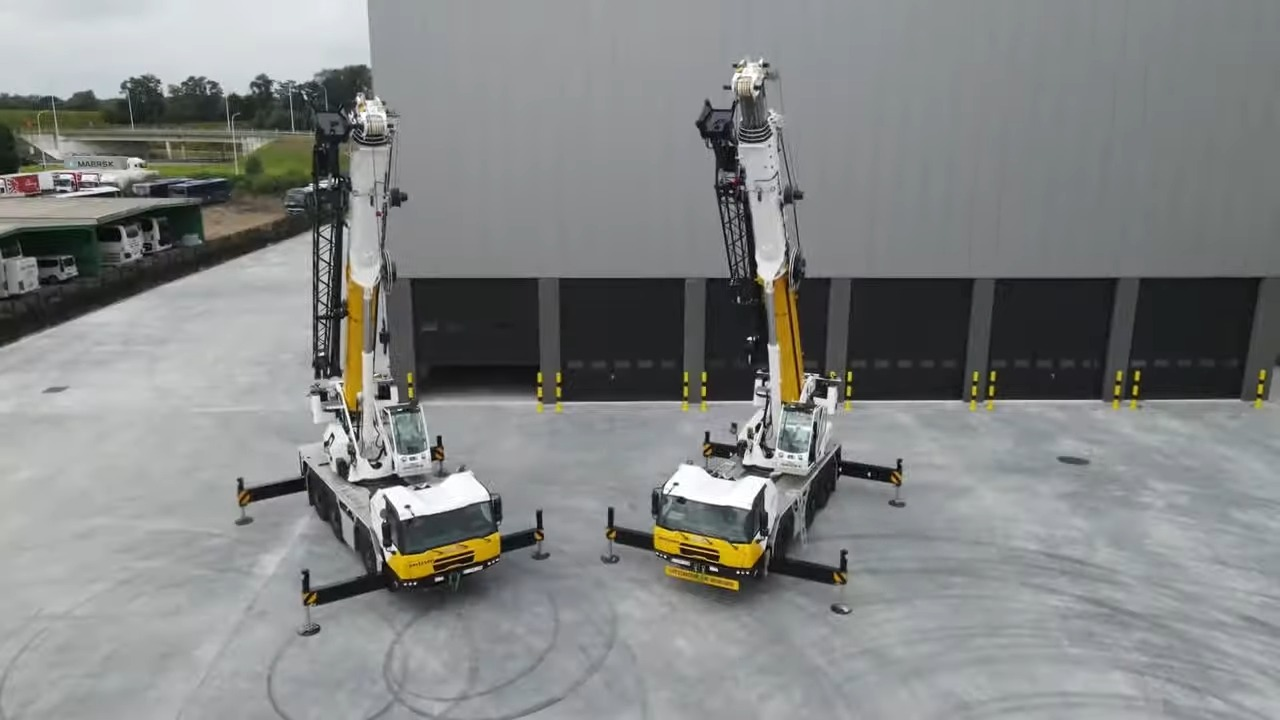
Two mobile crane trucks equipped with advanced lifting technology parked in front of a large industrial warehouse, showcasing modern logistics and heavy machinery capabilities

Gantry Cranes

Gantry cranes are another important overhead crane used across various industrial sectors. These cranes have both similarities to and key differences from bridge cranes.

Design and Features

Unlike bridge cranes suspended above a work area on overhead runway beams, gantry cranes run on heavy industrial floor-level tracks or rails instead of an overhead system. This allows them to traverse open areas like shipyards or extensive manufacturing facilities.

Gantry cranes consist of a bridge structure mounted on a rail-guided movable platform supported by two or more legs. The bridge beams hold the trolley and hoist, while the legs allow the entire crane to move laterally on an embedded track system. Gantry cranes also commonly use wire rope hoists to lift heavy loads.

Applications

Given their ability to move loads at ground level, gantry cranes excel in environments like ports and shipbuilding yards where overhead infrastructure may not be possible. They are well-suited for tasks like loading and unloading cargo from ships and transporting bulky components throughout large industrial spaces.

Gantry cranes are also frequently used in steel mills, power plants, construction sites, and other outdoor applications requiring horizontal and lateral load movement without barriers above. Their design provides flexible material handling in wide-open and difficult-to-enclose industrial areas.

Monorail Cranes

Monorail cranes provide overhead lifting capabilities focused along a single plane of motion. Their design addresses some specific material handling needs.

Design and Mechanism

Unlike bridge cranes that span a work area using two end trucks and a bridge beam, monorail cranes consist of an overhead I-beam track mounted to the building structure or crane runway beams. This single-beam configuration lets them lift and transport loads linearly along an assembly line or process flow.

A trolley rides along the track system utilizing wheels. It supports the hoist, usually a wire rope or cable reel type, for vertically lifting loads. An electric chain hoist then helps maneuver the load horizontally as needed.

Uses in Industries

Monorail cranes excel in applications requiring straight-line material movement, such as assembly or production lines where loads must stop at designated workstations.

They see frequent use in manufacturing plants and factories where parts are added sequentially as they move down the line. Common uses include loading docks, shipping and receiving, and stock movement between warehouse aisles or storage racks in limited overhead spaces.

Jib Cranes

Jib cranes provide overhead lifting capabilities for smaller work areas and more precise load positioning than other crane types.

Types of Jib Cranes

Jib cranes are available in various styles to suit different lifting needs. Wall jib cranes feature a fixed jib arm attached to a wall or column for loads in a defined zone. Full-revolving jib cranes have a rotating jib that pivots around its base, allowing a full 360-degree range of motion.

Compact floor jib cranes are mounted to the floor on a rotating pedestal. Each jib crane type uses an electric chain or wire rope hoist to lift and lower materials along the jib arm.

Common Applications

Given their compact footprints, jib cranes excel in confined work areas with overhead lifting needs. They see widespread use in manufacturing applications requiring precise load positioning, such as assembly, quality control stations, and finishing processes.

Other common uses include loading docks, fabrication shops, and maintenance work, where loads must be lifted into equipment or structures. Jib cranes provide flexible overhead lifting solutions in space-restricted industrial environments.

Workstation Cranes

Workstation cranes are a specialized type of overhead crane designed to improve ergonomics in manufacturing environments.

Design for Ergonomics

Unlike other crane types, workstation cranes focus on lifting loads into and out of individual workstations where assembly or production tasks are performed. Their design prioritizes operator comfort and safety.

To reduce reaching and lifting stresses, workstation cranes often feature adjustable lifting heights, articulating arms, and compact footprints tailored for unobstructed movement around work cells. Many incorporate electric chain hoists or lightweight lifting mechanisms like cable reels that are easier for workers to operate.

Uses in Work Cells

By integrating lifting capabilities directly into workstations, these cranes help transfer loads efficiently while minimizing ergonomic risks to employees. Typical applications include automotive production, electronics assembly, machine tending, and other precision tasks requiring overhead access.

Workstation cranes free up floor space and improve workflow compared to stationary lifting tables. They provide flexible, operator-centered material handling in detailed manufacturing environments.

Selecting the Right Overhead Crane

Choosing the ideal overhead crane for your facility requires evaluating key application factors. Let’s examine the primary considerations for ensuring the best material handling solution.

Factors to Consider

  1. Lifting capacity – Consider maximum load weights and potential future increases.
  2. Lifting height – Sufficient height is needed to clear tall loads and machinery.
  3. Span/clearance – Bridge, gantry, and monorail cranes need adequate overhead or floor space.
  4. Duty cycle – Frequent or infrequent lifts impact motor sizing and crane design.
  5. Environmental conditions – Outdoor use may require weatherproofing and corrosion protection.
  6. Budget – Consider equipment, installation, power connection, and long-term maintenance costs.

Evaluating Your Needs

Thoroughly assess your specific lifting, maneuvering, and throughput needs to determine the ideal crane type, configuration, and optional features. Consultation with experienced crane suppliers addresses all-important application factors and industry standards.

Requesting demonstrations and references further aids evaluation. Proper evaluation leads to a solution that maximizes your operation’s safety, productivity, and ROI.

Frequently Asked Questions (What Is An Overhead Crane)

An overhead crane system, including overhead bridge cranes, gantry cranes, and process cranes, is vital for industrial operations. These systems, featuring double girder or monorail cranes, consist of various configurations. Overhead cranes cover diverse applications, yet not every overhead crane is the same, offering versatility for different load capacities.
A double girder overhead crane with two bridge beams ensures stability and efficient load lift. The running crane, equipped with a top-running trolley hoist and bridge crane control, facilitates precise movements. Unlike heavier alternatives, workstation cranes offer flexibility for specific applications, making them essential in various industries.
Overhead crane components, such as a load-bearing beam, running trolley hoist, and bridge crane control, contribute to the system’s functionality. Monorail cranes, a subset of overhead cranes, provide a focused and linear approach to load transport. The overhead crane consists of single or double bridge beams, offering tailored solutions based on load capacity and operational needs.
A single-girder crane, distinct from double-girder overhead cranes, features a single bridge beam attached to the running crane. This design suits lighter loads and specific applications, meeting industry standards set by the Crane Manufacturers Association. The overhead crane work involves efficiently lifting materials, with options for various crane configurations, including workstation cranes.
Modular cranes, including overhead bridge cranes, offer adaptability in design. These cranes facilitate load lift in various configurations, making them ideal for different applications. Whether it’s a double girder crane or a monorail crane, modular cranes provide versatile solutions, enhancing the efficiency of overhead crane systems in diverse industrial settings.

Overhead Crane Maintenance

Mediapayperlead-com December 11, 2024

Overhead Crane Maintenance

Meta Description: Discover the importance of overhead crane inspections and maintenance and best practices for maximizing safety and longevity. Learn about regular inspections, manufacturer guidelines, and addressing common issues.

Overhead cranes are essential to material handling operations in many industrial facilities. Proper maintenance is vital to maximizing these critical lifting systems’ safety, productivity, and lifespan.

This article discusses best practices for establishing an effective preventative maintenance program based on in-depth research. Critical areas like regular inspections, adhering to manufacturers’ guidelines, addressing wear issues, and more will be covered. Proper crane upkeep ensures safe, reliable operation over the long run.

Key Takeaways:

  • Regularly inspect critical components like hooks, wires, and controls to catch issues early.
  • Follow manufacturer guidelines to maximize crane lifespan and performance.
  • Promptly address common problems such as electrical issues, wear and tear, and misalignment.
  • Establish inspection routines tailored to your crane’s usage and environment.
  • Stop operations immediately if any abnormalities are detected for worker safety.

Understanding the Importance of Overhead Crane Maintenance

Overhead cranes are crucial lifting equipment used in many industrial and manufacturing facilities. They provide an efficient means of transporting heavy loads over long distances through their railed overhead support systems.

However, proper maintenance must be carried out on these critical systems through regular inspections and preventative maintenance programs. This helps ensure the safety of crane operators and others working nearby and protects the significant financial investment made in these important pieces of machinery.

Maximizing Safety for Operators and Those Around the Equipment

Frequent inspections of all crane components and systems are vital to any preventative maintenance program.

Through daily, monthly, and annual inspection routines, potential issues with wires, ropes, rigging hardware, limit switches, and electrical systems can be identified before they cause accidents or injuries. Careful inspection of hooks, chains, and other load-bearing elements also helps confirm they can withstand rated load capacities.

Maintaining equipment in good working condition minimizes the risk of unexpected failures or unusual noises, keeping operators and other employees safe from safety procedure concerns near moving cranes.

Protecting Financial Investment and Avoiding Costly Downtime

Rigorous and routine maintenance through adherence to manufacturer-recommended inspection intervals and service schedules also helps avoid costly repairs and downtime over the crane’s lifetime. Proper lubrication and cleaning reduce wear on parts like wheels, gears, and wire ropes that require frequent replacement due to excessive wear if neglected.

Additionally, promptly addressing issues prevents further damage, leading to higher maintenance fees. By catching small problems early, facilities can benefit from increased uptime and productivity while safeguarding their investment in these valuable lifting equipment.

Key Components to Inspect Regularly

Overhead cranes consist of many components that require regular inspection to ensure safe operation and prevent costly downtime. A well-planned inspection routine is crucial.

Daily Inspections of Hooks, Chains, Controls, and Surrounding Area

Daily inspections allow crane operators to closely examine critical load-bearing parts like hooks and hoist chains for signs of cracks, wear, or deformities. This helps confirm the crane’s load capacity and internal integrity before each lift.

Operators should inspect pendant controls and limit switches to check for proper functioning and avoid unexpected contact interruptions. Taking time to inspect the area around the crane is also essential to identify any obstructions or potential safety concerns near moving cranes.

Having crane operators adhere to a daily inspection checklist ensures all components and the surrounding workspace meet OSHA compliance standards before each shift. Addressing any issues promptly prevents workplace injuries to employees.

Monthly Inspections of Electrical Systems, Structural Parts, and More

Beyond daily checks, monthly inspections provide a more thorough examination of the crane’s systems. Crane maintenance staff should inspect the electrification system and copper rails for signs of corrosion, damage, or faulty circuits that could cause electrical issues or interruptions.

Wire ropes are carefully evaluated for broken wires or excessive wear. Structural components are also closely inspected for cracks, breaks, or other abnormalities.

By performing these more robust inspections monthly, issues are caught before requiring costly repairs or downtime. A crane specialist can ensure all crane components meet OSHA compliance standards and the crane operates properly according to its duty cycle.

Annual Professional Inspections of All Crane Components

Regulations require cranes also to undergo annual inspections by qualified personnel. An authorized crane service provider conducts rigorous inspections of all load-bearing elements, hoists, brakes, controls, and safety systems per the manufacturer’s recommendations.

They ensure components function precisely and internal integrity is maintained according to the crane’s design limitations.

A licensed inspector examines the crane’s overall condition of any findings and makes suggestions for preventative maintenance. This helps facilities plan repairs and avoid unexpected failures that put employees at risk.

Manufacturer Guidelines For Overhead Crane Maintenence

Every overhead crane system is unique, with components customized for the facility’s specific duty cycle and load requirements. The manufacturer designs maintenance schedules tailored to each model’s intended operation conditions and capabilities. Strictly adhering to these expert recommendations is vital for facilities.

Preventative Maintenance Schedules Tailored for Your Crane’s Usage

Crane manufacturers provide comprehensive manuals with service advice developed from extensive testing and lifecycle data. The schedules consider factors like the crane’s duty rating and operating environment challenges like chemical exposure or induction heating.

Following the manufacturer’s periodic inspection intervals and lubrication procedures ensures all parts function precisely as intended. This protects facilities from potential safety concerns over unexpected failures and keeps maintenance costs low through proper record-keeping.

Ensuring Optimal Performance and Lifespan

By adhering to schedules customized for each crane, preventative maintenance programs can avoid issues like excessive wear, broken wires, or corrosion developing over the crane’s lifetime. Regular inspections and maintenance catch minor problems before requiring costly repairs or downtime.

Facilities benefit from increased uptime, productivity, and a strong return on their initial investment. With manufacturer guidelines as the roadmap, overhead cranes can safely achieve their designed lifespan through rigorous maintenance programs.

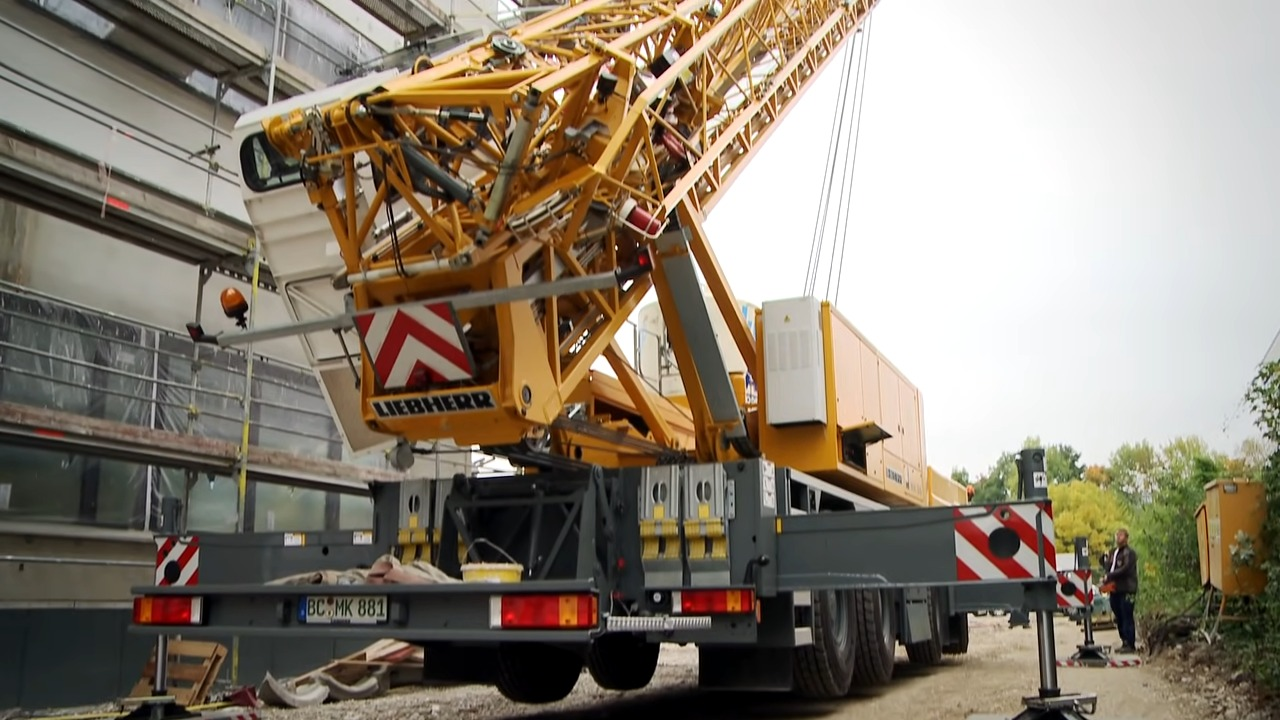
Yellow Liebherr mobile crane extended on a construction site near a building with workers in safety gear operating and monitoring the equipment

Establishing an Effective Overhead Maintenance Program

A well-planned preventative maintenance program is critical to maximizing the lifespan of overhead cranes while keeping operators and staff safe. Regular inspections and timely repairs are crucial.

Using a Detailed Inspection Checklist

  • Inspect critical components like hooks, slings, and wire ropes daily for signs of cracks, corrosion, or wear
  • Check electrical systems monthly for loose wires, faulty circuits, or contact interruptions that could lead to issues
  • Examine structural elements and ensure all load ratings are posted
  • Record inspection results to monitor parts for premature wear requiring maintenance

Stopping Use Immediately if Issues Arise

Taking cranes out of service promptly when issues are found prevents potential safety concerns from unresolved problems. Following a clear protocol keeps employees safe from unexpected failures until a crane specialist can assess repairs.

With diligent inspections guided by checklists and quick responses to findings, facilities can achieve OSHA compliance and protect their investment in lifting equipment through optimized preventative maintenance programs.

Frequently Asked Questions (What Is An Overhead Crane)

An overhead crane system, including overhead bridge cranes, gantry cranes, and process cranes, is vital for industrial operations. These systems, featuring double girder or monorail cranes, consist of various configurations. Overhead cranes cover diverse applications, yet not every overhead crane is the same, offering versatility for different load capacities.
A double girder overhead crane with two bridge beams ensures stability and efficient load lift. The running crane, equipped with a top-running trolley hoist and bridge crane control, facilitates precise movements. Unlike heavier alternatives, workstation cranes offer flexibility for specific applications, making them essential in various industries.
Overhead crane components, such as a load-bearing beam, running trolley hoist, and bridge crane control, contribute to the system’s functionality. Monorail cranes, a subset of overhead cranes, provide a focused and linear approach to load transport. The overhead crane consists of single or double bridge beams, offering tailored solutions based on load capacity and operational needs.
A single-girder crane, distinct from double-girder overhead cranes, features a single bridge beam attached to the running crane. This design suits lighter loads and specific applications, meeting industry standards set by the Crane Manufacturers Association. The overhead crane work involves efficiently lifting materials, with options for various crane configurations, including workstation cranes.
Modular cranes, including overhead bridge cranes, offer adaptability in design. These cranes facilitate load lift in various configurations, making them ideal for different applications. Whether it’s a double girder crane or a monorail crane, modular cranes provide versatile solutions, enhancing the efficiency of overhead crane systems in diverse industrial settings.

Industries That Use Overhead Cranes

Mediapayperlead-com December 11, 2024

Industries That Use Overhead Cranes

Meta Description: Many automotive, aviation, and construction industries rely on overhead cranes to handle heavy loads efficiently. Learn how these versatile lifting machines are used in various sectors.

Overhead cranes are some of the most versatile lifting machines in several industries. Whether handling heavy components in manufacturing or moving large shipments in logistics, these cranes provide invaluable support.

This article analyzes how several important sectors leverage overhead cranes daily. From automotive assembly lines to aircraft maintenance, we will explore the primary applications of these lifting machines.

Key Takeaways:

  • Overhead cranes are essential for handling heavy loads across manufacturing, construction, automotive, shipping, and power generation industries.
  • Different overhead cranes include bridge, gantry, hoist, and jib cranes, which are used based on workspace and payload needs.
  • Industries leveraging overhead cranes the most are metal fabrication, shipbuilding, concrete production, and automotive repair facilities.
  • Applications range from assembly and material handling to maintenance activities like precise lifting of large machinery for repairs.
  • These versatile lifting machines help increase efficiency, safety, and productivity across diverse industrial operations.

1. Automotive Industry

The automotive industry is one of the largest sectors that leverage overhead cranes. Whether it’s the assembly of new vehicles or the maintenance of existing ones, these lifting machines play a vital role in handling heavy components and moving large machinery. Some key applications include:

Applications in Vehicle Assembly

Overhead cranes are widely used on automotive assembly lines to move raw materials, large auto parts, and partially or fully assembled vehicles from one station to another. This helps transport heavy items like engine blocks, steel beams for vehicle bodies, and other heavy components quickly and precisely.

The cranes greatly increase the efficiency of assembly lines by making the process seamless. They also ensure workplace safety by reducing manual lifting of heavy or oversized materials.

Applications in Auto Repair Facilities

Apart from assembly, overhead cranes also assist mechanics in repair shops. Smaller gantry cranes are often used to lift car bodies, inspect vehicle undersides, or pull engines for maintenance. This enables repairs to be conducted safely without risking injuries to workers.

Such cranes also help efficiently unload large factory equipment, engines, or transmission parts for repair. They allow lifting components to an optimal repair station, improving productivity.

2. Aviation Industry

The aviation industry relies heavily on overhead cranes to assemble and maintain large aircraft. Given the size and weight of airplanes, these lifting machines are crucial for handling heavy components and moving massive machinery safely.

Assembly of Aircraft Components

Overhead cranes play a vital role in the assembly process of airplanes. They are used inside hangars to transport heavy loads like steel beams, engine blocks, and other heavy parts precisely. This enables the seamless assembly of various sections on the assembly line.

Cranes also ensure workplace safety by reducing manual lifting of oversized materials during aircraft manufacturing.

Maintenance of Aircraft

Overhead cranes are equally crucial for aircraft maintenance activities. They are used for tasks like lifting entire aircraft engines, landing gear, or other heavy components for inspection in repair stations. This allows mechanics to conduct repairs safely without risk of injuries.

Cranes also help unload large factory equipment or parts for maintenance work easily. Their use guarantees job safety when handling massive or hazardous materials.

3. Metal Manufacturing Industry

The metal manufacturing industry extensively uses overhead cranes for various material handling needs. Given the hazardous nature and weights, these lifting machines are crucial in safely processing and handling metals.

Processing of Molten Metals

Overhead cranes are vital for moving crucibles containing molten metal and pouring raw materials into furnaces. They allow metal workers to stay safe from the hazardous molten ore. Cranes also help transport melting buckets and handle slags – ensuring the safety and precision demanded by such dangerous operations.

Handling of Metal Products

These cranes efficiently handle finished metal sheets and help load steel rolls onto production lines. Specialized jib cranes and attachments help move spools of wire or metal foils.

They can also load raw bar stock and safely lift heavy or oversized materials without risk of injuries. Overall, overhead cranes are key to this industry’s material handling needs.

4. Construction Industry

The construction industry extensively leverages overhead cranes for handling heavy loads involved in building projects. Their use is vital across various operations:

Concrete Production

  • Cranes help move concrete blocks and bags of premix and pour architectural spans with precision.
  • They efficiently handle precast components and ensure yard safety.
  • Gantry cranes assist in concrete manufacturing sites by lifting heavy crates of material.

Erection of Structural Elements

  • Overhead cranes are used on construction sites to unload and lift steel beams, machinery, and factory equipment into place.
  • They enable the safe erection of structural elements like floors and walls on high-rise projects.
  • Cranes also assist in assembling formwork and rebar cages for foundations with accuracy.
  • Their use guarantees safety by reducing manual lifting of heavy loads across many job sites.

5. Shipping Industry

A vital sector that relies on overhead cranes is the shipping industry. These lifting machines are critical in shipbuilding and port activities given the massive sizes.

Shipbuilding

Overhead gantry cranes are indispensable for constructing ship hulls. Their ability to move freely inside slanted hulls allows the precise transport of heavy components and steel beams. This helps in the assembly process of large vessels on building berths. Cranes also ensure workplace safety when handling hazardous materials.

Port Operations

The most visible use of overhead cranes is at busy ports for loading and unloading cargo ships. Massive bridge cranes lift and transfer heavy crates and roll-on/roll-off equipment to and from massive container ships.

They are key in efficient inventory management and material handling at port terminals. Cranes allow seamless import-export operations, which are critical for international trade.

6. Power Generation Industry

A reliable source of power is critical for modern industries. In this sector, overhead cranes are essential in plant maintenance activities.

Maintenance of Power Plants

  • Power plants require constant uptime to avoid blackouts, so downtime must be minimized.
  • Overhead cranes allow quick replacement of heavy equipment like turbines or generators for repair.
  • Their positioning inside active plants enables swift removal and installation of large machinery.
  • Precise bridge crane systems are essential for handling heavy components with care and safety.
  • Cranes also help save valuable floor space in power stations while delivering reliable performance.
  • This helps reduce maintenance time and costs, which is important for this vital utility sector.

Frequently Asked Questions (What Is An Overhead Crane)

An overhead crane system, including overhead bridge cranes, gantry cranes, and process cranes, is vital for industrial operations. These systems, featuring double girder or monorail cranes, consist of various configurations. Overhead cranes cover diverse applications, yet not every overhead crane is the same, offering versatility for different load capacities.
A double girder overhead crane with two bridge beams ensures stability and efficient load lift. The running crane, equipped with a top-running trolley hoist and bridge crane control, facilitates precise movements. Unlike heavier alternatives, workstation cranes offer flexibility for specific applications, making them essential in various industries.
Overhead crane components, such as a load-bearing beam, running trolley hoist, and bridge crane control, contribute to the system’s functionality. Monorail cranes, a subset of overhead cranes, provide a focused and linear approach to load transport. The overhead crane consists of single or double bridge beams, offering tailored solutions based on load capacity and operational needs.
A single-girder crane, distinct from double-girder overhead cranes, features a single bridge beam attached to the running crane. This design suits lighter loads and specific applications, meeting industry standards set by the Crane Manufacturers Association. The overhead crane work involves efficiently lifting materials, with options for various crane configurations, including workstation cranes.
Modular cranes, including overhead bridge cranes, offer adaptability in design. These cranes facilitate load lift in various configurations, making them ideal for different applications. Whether it’s a double girder crane or a monorail crane, modular cranes provide versatile solutions, enhancing the efficiency of overhead crane systems in diverse industrial settings.

Energy Efficiency Of Overhead Cranes

Mediapayperlead-com December 11, 2024

Energy Efficiency Of Overhead Cranes

Meta Description: Optimizing energy efficiency in overhead crane operations is crucial for cost reduction and environmental sustainability in industrial settings.

Energy efficiency in operating overhead cranes is paramount for industrial operations, aiming to minimize costs and reduce environmental impact. Various factors, including transportation parameters, payload dynamics, and equipment conditions, influence the energy consumption of overhead cranes. Adhering to energy efficiency standards, embracing technological advancements, and conducting regular energy audits are essential for optimizing energy usage in industrial settings.

Key Takeaways:

  • Energy efficiency in overhead cranes is vital for cost reduction and environmental impact mitigation.
  • Transportation parameters, payload dynamics, and equipment conditions influence energy usage.
  • Adherence to energy efficiency standards and technological advancements are crucial for optimization.
  • Regular energy audits and compliance with regulations are essential for industrial operations.

Improving Energy Efficiency in Overhead Cranes

Overhead cranes are widely used in manufacturing, construction, and shipping industries to lift and transport heavy loads—however, the significant power required for their operation results in high energy consumption.

There is an opportunity to optimize this usage through various techniques. Research on applying optimal control theory and defining optimal trajectories can help minimize energy consumption while maintaining operational safety. Adopting automated control systems with advanced motion planning capabilities can improve efficiency.

Periodic energy audits and retrofitting older cranes with new energy-efficient components, drives, and automation technologies per updated standards can also help reduce energy waste generation and lower overall operating costs cost-effectively.

Factors Affecting Energy Efficiency in Overhead Cranes

Several interrelated factors determine the energy consumption of overhead cranes during their operation for lifting and transporting loads. Understanding these parameters provides opportunities to optimize efficiency through various techniques.

Transportation Parameters

The motion planning and control of overhead cranes heavily influence the energy required—parameters like load weight, lift speed, transportation time, and distance covered impact power usage. Higher speeds and heavier payloads increase energy needs.

Applying optimal control theory by defining optimal trajectories focused on minimizing energy consumption while maintaining operational safety can significantly improve efficiency. Research on automatically determining the most cost-effective trajectories to reduce transportation time is ongoing.

Control systems with advanced motion planning capabilities based on automation science principles further enhance performance. Periodic analysis of these critical operational factors through energy audits helps identify areas for upgrading older equipment or controls to meet revised energy efficiency standards.

Payload Dynamics

The weight, distribution, and movement of the payload being lifted and transported heavily influence the power required by overhead cranes. Heavier payloads with dynamic properties like double pendulum loads increase the energy needs. Research on modeling these dynamics more accurately and applying optimal control is ongoing to minimize consumption while maintaining safety.

Environmental Conditions

  • Outdoor cranes experience varying weather conditions like wind, rain, and temperature that impact efficiency.
  • Harsh environments with dust, chemicals, or humidity can quickly deteriorate electrical/mechanical parts.
  • Strict emissions standards in many regions necessitate improving efficiency to reduce environmental impact.

Equipment Condition

  • Older cranes with worn components consume more power compared to newer equipment.
  • Not adhering to preventive maintenance schedules leads to deterioration that increases energy usage over time.
  • Upgrading controls, drives, motors, and other parts to meet revised energy efficiency standards delivers significant savings.
  • Periodic condition monitoring through engineering assessments identifies refurbishment requirements.

Considering these operational factors provides opportunities to enhance efficiency through automation technologies, motion planning principles, predictive maintenance practices, and equipment modernization programs.

Maintenance Strategies for Energy Efficiency In Overhead Cranes

Maintenance practices play a critical role in optimizing the energy performance of overhead cranes over their lifespan. Adopting a proactive maintenance approach can help improve efficiency and reduce operational costs.

Regular Inspection and Lubrication

Conducting periodic inspections of mechanical and electrical systems through engineering checks helps identify issues early before they significantly degrade performance. Inspecting components that influence energy usage, like motors, drives, ropes, and hoists, is essential.

Proper lubrication of these parts per OEM guidelines minimizes friction losses and wear, thereby maintaining optimal efficiency. Automating inspection processes using industrial IoT technologies provides real-time equipment monitoring capabilities.

This helps schedule maintenance more precisely based on actual operating conditions and parameters like load cycles, operating hours, and power consumption data.

Monitoring And Addressing Wear And Tear

Periodic condition monitoring of high-wear components like bearings, gears, ropes, and electrical contacts is vital to catch deterioration before energy efficiency is significantly impacted. Vibration monitoring and oil analysis help detect abnormal wear that can increase power consumption if unaddressed.

Thermography inspections also identify loose connections or hot spots that reduce performance over time. Replacing or refurbishing worn parts based on OEM replacement guidelines is critical to maintaining optimal operational reliability and energy efficiency.

Upgrading Components For Improved Efficiency

Retrofitting older cranes with new electrical and mechanical systems aligned with updated energy efficiency standards delivers substantial savings. Converting main hoist components to high-efficiency gearboxes, motors, and variable frequency drives enhances control and lowers electrical losses.

Automation technologies like advanced motion planning and predictive control systems further boost efficiency. Replacing aging ropes and hoist components prevents waste and improves load-handling capabilities.

Conducting energy audits aids in identifying the most cost-effective systems upgrades or retrofits to maximize returns through energy and maintenance cost reductions.

Environmental Impact and Regulatory Compliance

As industries aim to lower emissions and comply with sustainability mandates, the energy usage of material handling equipment is under increased scrutiny. Proper assessment and optimization of consumption help overhead cranes adhere to these requirements.

Assessment Of Carbon Footprint

Periodically conducting a lifecycle carbon footprint analysis of overhead crane systems provides valuable insights into their environmental impact. Tracking operational parameters influencing emissions, like energy and fuel consumption, helps benchmark performance.

This data aids in prioritizing the most effective efficiency upgrades to reduce a facility’s carbon footprint by its environmental targets.

Adherence To Energy Efficiency Regulations And Standards

Updating older cranes with new electrical motors, drives, controls, and other components that meet the latest energy efficiency standards delivers compliance. Conducting energy audits and retro-commissioning identifies refurbishment requirements.

Proper record-keeping of maintenance and efficiency improvement measures proves adherence to regulatory norms. Overall, a proactive approach to assessing environmental performance and compliance helps lower operating costs sustainably.

Frequently Asked Questions (What Is An Overhead Crane)

An overhead crane system, including overhead bridge cranes, gantry cranes, and process cranes, is vital for industrial operations. These systems, featuring double girder or monorail cranes, consist of various configurations. Overhead cranes cover diverse applications, yet not every overhead crane is the same, offering versatility for different load capacities.
A double girder overhead crane with two bridge beams ensures stability and efficient load lift. The running crane, equipped with a top-running trolley hoist and bridge crane control, facilitates precise movements. Unlike heavier alternatives, workstation cranes offer flexibility for specific applications, making them essential in various industries.
Overhead crane components, such as a load-bearing beam, running trolley hoist, and bridge crane control, contribute to the system’s functionality. Monorail cranes, a subset of overhead cranes, provide a focused and linear approach to load transport. The overhead crane consists of single or double bridge beams, offering tailored solutions based on load capacity and operational needs.
A single-girder crane, distinct from double-girder overhead cranes, features a single bridge beam attached to the running crane. This design suits lighter loads and specific applications, meeting industry standards set by the Crane Manufacturers Association. The overhead crane work involves efficiently lifting materials, with options for various crane configurations, including workstation cranes.
Modular cranes, including overhead bridge cranes, offer adaptability in design. These cranes facilitate load lift in various configurations, making them ideal for different applications. Whether it’s a double girder crane or a monorail crane, modular cranes provide versatile solutions, enhancing the efficiency of overhead crane systems in diverse industrial settings.

Can An Overhead Crane Hook Be Used As A Tie Off Point

Mediapayperlead-com December 11, 2024

Can An Overhead Crane Hook Be Used As A Tie Off Point

Meta Description: Explore the regulations and standards governing tie-off points in fall protection systems to ensure worker safety. Learn about the purpose of tie-off points, and compliance with safety regulations.

Tie-off points serve a vital purpose – to securely attach fall arrest equipment and stop a fall from occurring or limit its consequences should one happen. However, not all attachment points are suitable, so determining effectiveness and compatibility is paramount.

Standards provide guidelines on requirements like load capacity to keep workers safe. In this guide, we will cover the purpose of a tie-off point in safety regulations and Considerations for Tie-Off Points.

Key Takeaways:

  • Industrial overhead cranes serve as potential crane attachment points for fall protection anchorage.
  • Compliance with rigorous requirements ensures the safety of equipment operators and workers.
  • The fall protection system, including enclosed track anchorage systems, must adhere to construction industry codes.
  • A qualified person must determine the suitability of the fall protection plan and the number of workers covered.
  • Personal fall arrest systems are permitted for use on suspended platforms.

Purpose Of a Tie-Off Point In Safety Regulations

A tie-off point, also known as an anchorage point, is a secure attachment point used in fall protection systems to prevent workers from falling or arresting a fall. The primary purposes of a tie-off point, as outlined in safety regulations, are:

  • To provide workers with personal fall arrest systems or equipment with a secure anchorage to stop or reduce impact forces in the event of a fall.
  • To meet strength requirements for supporting heavy loads during falls as specified in standards.
  • To be determined suitable by a qualified safety professional using their professional judgment.
  • To ensure fall protection systems using tie-off points meet safety factors to protect workers properly.
  • To comply with OSHA regulations for general industry and construction.
  • To provide alternative anchorage solutions when no engineered system is present.
  • It can only be used as a last resort in some cases according to provisions laid out by standards.

Safety Regulations and Standards

Safety regulations and standards provide important guidelines for ensuring fall protection systems and tie-off points are properly designed, installed, and utilized to keep workers safe.

Overview Of Safety Regulations Related To Fall Protection

Regulations like OSHA 1910 and 1926 set requirements for fall arrest anchorages, personal fall arrest systems, and safety factors. Standards address proper use of fall protection equipment, qualified person determinations, and compliance with general industry and construction industry codes.

Requirements For Designated Tie-Off Points

Tie-off points must support heavy loads as specified, usually at least 5,000 pounds. They must maintain safety factors and only be used as anchorage points or attachments for personal fall arrest systems, equipment, and restraints. A qualified person must ensure that the rated capacity and setup are suitable.

Importance of Compliance With Occupational Safety and Health Administration (OSHA) Guidelines

Strict adherence to OSHA regulations is crucial as they aim to protect workers through administrative controls and strict requirements.

Consulting local OSHA offices ensures fall protection plans, systems, and any alternative anchor solutions like overhead crane hooks, where permitted, meet all applicable standards and permits for general industry or construction worksites. Non-compliance can compromise safety.

Considerations for Tie-Off Points

When selecting or evaluating tie-off points, certain factors must be examined to ensure fall protection systems can safely arrest falls. Equipment compatibility and structural integrity are vital.

Criteria For An Effective Tie-Off Point

An effective tie-off point is a secure attachment capable of supporting heavy loads like a worker’s weight should a fall occur. It must maintain safety factors and be compatible with personal fall arrest systems, equipment, and restraints for arresting falls or limiting fall distance per regulations.

Compatibility Of Overhead Crane Hooks As Tie-Off Points

Overhead crane hooks require consideration as their suitability depends on provisions outlined in standards for general industry or construction. A qualified person must determine if the crane’s hook, setup, rated capacity, and compliance with requirements for supporting at least 5,000 pounds meet definitions for functioning as a fall arrest anchorage point.

Evaluation of Structural Integrity and Load Capacity

Regardless of the tie-off point, a qualified safety professional should assess its ability to withstand dynamic or static loads before approval for fall protection use.

This ensures the integrity and rated capacity of any alternative anchor solution, including non-moving crane hooks, will not compromise coverage in the event of a fall by an employee attached.

Frequently Asked Questions (What Is An Overhead Crane)

An overhead crane system, including overhead bridge cranes, gantry cranes, and process cranes, is vital for industrial operations. These systems, featuring double girder or monorail cranes, consist of various configurations. Overhead cranes cover diverse applications, yet not every overhead crane is the same, offering versatility for different load capacities.
A double girder overhead crane with two bridge beams ensures stability and efficient load lift. The running crane, equipped with a top-running trolley hoist and bridge crane control, facilitates precise movements. Unlike heavier alternatives, workstation cranes offer flexibility for specific applications, making them essential in various industries.
Overhead crane components, such as a load-bearing beam, running trolley hoist, and bridge crane control, contribute to the system’s functionality. Monorail cranes, a subset of overhead cranes, provide a focused and linear approach to load transport. The overhead crane consists of single or double bridge beams, offering tailored solutions based on load capacity and operational needs.
A single-girder crane, distinct from double-girder overhead cranes, features a single bridge beam attached to the running crane. This design suits lighter loads and specific applications, meeting industry standards set by the Crane Manufacturers Association. The overhead crane work involves efficiently lifting materials, with options for various crane configurations, including workstation cranes.
Modular cranes, including overhead bridge cranes, offer adaptability in design. These cranes facilitate load lift in various configurations, making them ideal for different applications. Whether it’s a double girder crane or a monorail crane, modular cranes provide versatile solutions, enhancing the efficiency of overhead crane systems in diverse industrial settings.

What Is An All Terrain Crane

Mediapayperlead-com December 11, 2024

What Is An All Terrain Crane

Meta Description: A versatile guide to all-terrain cranes, including critical features, applications, and benefits over other crane types. Learn about their robust design and common uses in construction and infrastructure.

All-terrain cranes are versatile mobile lifting equipment used widely in construction, infrastructure, and industrial applications. Their unique design enables excellent mobility across rough terrains along with powerful lifting capacity.

This article provides an in-depth overview of all-terrain cranes. It explores their key features, common uses, applications in various industries, and benefits over other crane types.

Key Takeaways:

  • All-terrain cranes, including rough terrain and truck-mounted cranes, offer the right crane for completing numerous lifting tasks at construction sites.
  • All-terrain crane mobility, base stability, and load capacity make them ideal for the construction industry and specialized equipment needs.
  • All-terrain cranes, with two engines and more tires, provide maximum weight lift loads for various construction projects.
  • Consider crane rental options for efficient use in the crane industry.

What is an All-Terrain Crane?

An all-terrain crane is a versatile mobile lifting equipment specifically designed to handle remote worksites or difficult terrain conditions. As the name suggests, all-terrain cranes can travel across rough terrain and on public roads, making them well-suited for a wide range of construction, infrastructure, and industrial projects.

Key Features and Specifications

All-terrain cranes feature a compact yet robust design that combines the attributes of truck-mounted cranes and rough-terrain cranes. They have a mobile undercarriage for stability on uneven ground and a hydraulically powered telescopic boom for reaching lifting heights. Their four-wheel drive system is an important specification, which enables mobility across rough terrain and high road speeds.

All-terrain cranes come equipped with load capacities ranging from 40 to 1000 tons, allowing them to lift heavy loads. Their hoist system capacity and maximum reach of up to 500 feet ensure versatility in lifting equipment and loads. Durability and ground clearance allow all-terrain cranes to handle rugged terrain and weather conditions effectively.

Operator visibility and ergonomics allow for safe and efficient operation even in remote job sites. Adjustable features let these cranes meet lifting needs at construction sites and complete numerous tasks.

How All-Terrain Cranes Are Built

All-terrain cranes are precision-engineered machines designed to tackle the most demanding job sites. Their construction incorporates rugged and durable components.

Design and Engineering

An all-terrain crane’s design combines the attributes of truck-mounted cranes and rough-terrain cranes for maximum mobility and lifting capacity.

Engineers carefully select materials and components to withstand heavy loads, uneven terrain, and changing weather conditions. The frame design provides high ground clearance while the mobile undercarriage and hydraulic boom enable adjustability.

Drive Systems and Suspension

A robust four-wheel drive system with all-wheel steering powers these cranes. The suspension incorporates an all-wheel-drive steering system for excellent maneuverability across rough terrain and smooth travel on roads and highways.

This enables all-terrain cranes to easily move through rugged landscapes, including sand and gravel. The suspension helps achieve speeds up to 55 mph while maintaining stability under heavy lifting loads.

Benefits of All-Terrain Cranes

All-terrain cranes offer numerous advantages, making them a versatile choice for construction and industrial job sites. Their design delivers powerful lifting performance along with exceptional mobility.

Mobility and Maneuverability

Featuring a robust four-wheel drive system, all-terrain cranes can easily traverse rough terrain and travel smoothly on roads.

This enables them to access remote job sites without road access. Their all-wheel steering suspension allows easy maneuvering across rugged landscapes, including uneven, slippery surfaces like sand and gravel. Mobility gives all-terrain cranes the flexibility to travel between construction sites independently.

Lifting Capacity and Reach

All-terrain cranes provide lifting capacities ranging from 40 to 1000 tons, making them suitable for lifting heavy loads. Their hydraulically powered telescopic booms offer maximum heights of up to 500 feet.

This high lifting capacity and extended reach enable these cranes to hoist and position various heavy equipment and loads. The hoist system capacity supports lifting loads efficiently at job sites.

Versatility and Adjustability

All-terrain cranes offer the versatility to complete numerous lifting tasks at job sites. Their integrated telescopic booms travel with the crane, making them suitable for various lifting applications.

The mobile undercarriage and hydraulic boom allow all-terrain cranes to adjust on job sites to meet lifting requirements easily. This versatility enables these cranes to handle varied lifting equipment and loads.

Durability for Tough Conditions

All-terrain cranes are built to last and perform reliably under demanding conditions:

  • A rugged frame and components allow them to withstand heavy loads, uneven terrain, and changing weather conditions at outdoor construction sites.
  • Their high ground clearance and robust suspension let these cranes safely traverse rugged ground and off-road areas.
  • Durable engines and drive systems keep all-terrain cranes operational in remote job sites with rugged terrain and uneven environments.
  • Tough construction ensures all-terrain cranes maintain lifting stability and prevent falling loads, even under extreme weather and difficult terrain.
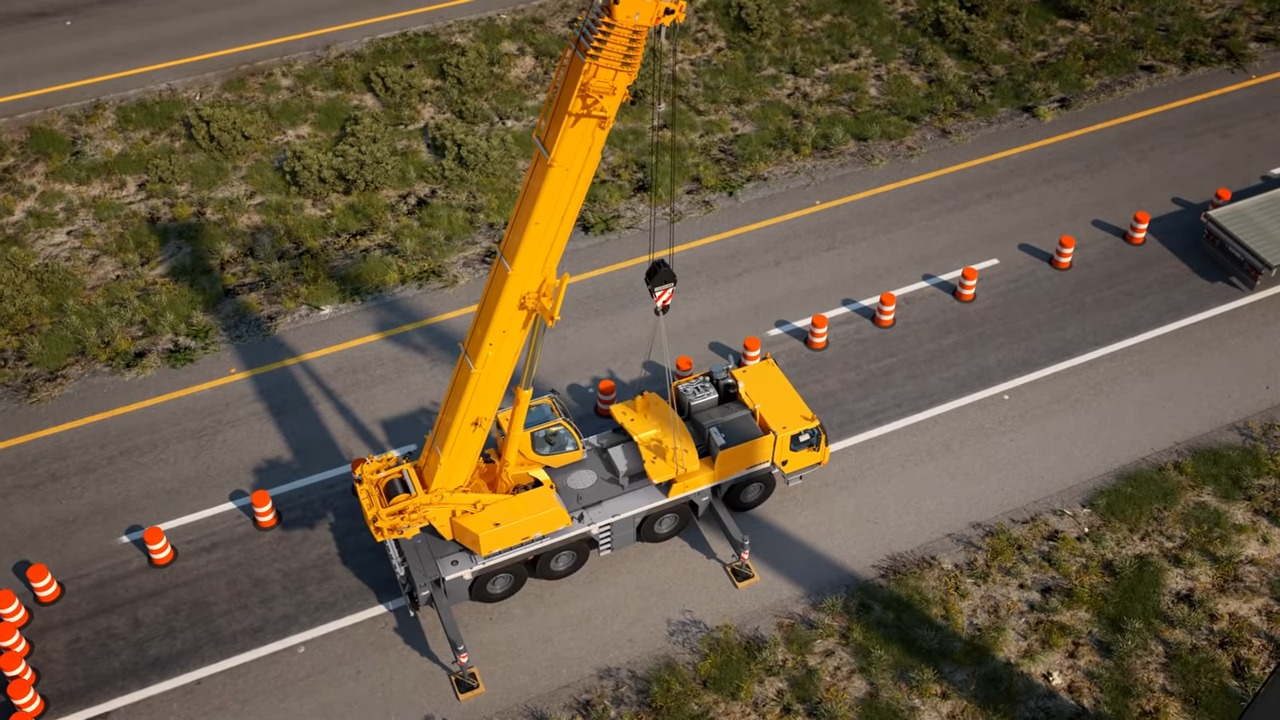
Yellow all-terrain crane operating on a road, lifting machinery with the boom extended, surrounded by orange traffic cones for safety

Common Applications Of All-Terrain Crane

All-terrain cranes excel at handling various lifting tasks thanks to their powerful performance and mobility. Their robust design makes them well-suited for challenging job sites.

Construction

Construction projects widely utilize all-terrain cranes for their lifting needs. These cranes can lift heavy equipment and loads to assemble structures at construction sites. They are valuable for erecting wind turbines and setting pre-cast building segments in place.

All-terrain cranes can also hoist and load materials around job sites for transport. Their mobility allows efficient movement between work areas. The cranes support infrastructure like installing oil and gas pipelines in remote terrain.

Their lifting capacity and stability under changing weather conditions make all-terrain cranes highly productive at outdoor construction sites.

Infrastructure Projects

All-terrain cranes are widely used in infrastructure projects due to their lifting capacity and mobility across rough terrain. They are used to install utility structures in remote areas without road access. Some applications include erecting electricity transmission towers and setting up poles and lines for telecommunication networks on rugged grounds.

These cranes also aid in lifting tasks for projects like constructing roads, bridges, and rail lines. Their suitability for off-road works makes all-terrain cranes valuable in the infrastructure industry.

Frequently Asked Questions (What Is An Overhead Crane)

An overhead crane system, including overhead bridge cranes, gantry cranes, and process cranes, is vital for industrial operations. These systems, featuring double girder or monorail cranes, consist of various configurations. Overhead cranes cover diverse applications, yet not every overhead crane is the same, offering versatility for different load capacities.
A double girder overhead crane with two bridge beams ensures stability and efficient load lift. The running crane, equipped with a top-running trolley hoist and bridge crane control, facilitates precise movements. Unlike heavier alternatives, workstation cranes offer flexibility for specific applications, making them essential in various industries.
Overhead crane components, such as a load-bearing beam, running trolley hoist, and bridge crane control, contribute to the system’s functionality. Monorail cranes, a subset of overhead cranes, provide a focused and linear approach to load transport. The overhead crane consists of single or double bridge beams, offering tailored solutions based on load capacity and operational needs.
A single-girder crane, distinct from double-girder overhead cranes, features a single bridge beam attached to the running crane. This design suits lighter loads and specific applications, meeting industry standards set by the Crane Manufacturers Association. The overhead crane work involves efficiently lifting materials, with options for various crane configurations, including workstation cranes.
Modular cranes, including overhead bridge cranes, offer adaptability in design. These cranes facilitate load lift in various configurations, making them ideal for different applications. Whether it’s a double girder crane or a monorail crane, modular cranes provide versatile solutions, enhancing the efficiency of overhead crane systems in diverse industrial settings.

What Is A Tower Crane?

Mediapayperlead-com December 11, 2024

What Is A Tower Crane?

Meta Description: A tower crane is a crucial construction machine. Learn about its components, operations, and installation. Discover the significance of tower cranes in construction.

This article provides a comprehensive overview of tower cranes used widely at construction sites. Tower cranes are essential for lifting heavy materials and equipment efficiently. We will discuss the different types of tower cranes, their key components, and their operations.

The guide aims to explain how tower cranes work, their importance, and the installation and dismantling process. It also highlights factors to consider when selecting the right tower crane.

Key Takeaways:

  • Tower cranes, including luffing jib and self-erecting cranes, are vital in the construction sector for lifting heavy materials.
  • Construction companies often opt for tower crane rentals to handle heavy equipment on loading docks and transport trucks.
  • Typical tower cranes consist of parts like the slewing unit, tower mast, and base, enabling them to lift a weight.
  • Flat-top cranes are commonly used in construction, often installed on existing structures to aid construction workers.

Understanding the Vital Role of Tower Cranes in Construction

Tower cranes have become essential equipment for construction sites because they can lift and precisely position heavy loads over long distances with minimal ground space requirements.

Their versatility allows tower cranes to access entire job sites and support various construction activities from initial material delivery to completion.

A Brief History of Tower Crane Development

The first tower cranes used in construction were Derrick, named after inventor Thomas Derrick. These early lifting tools featured a horizontal boom hinged to a rotating base, a design that paved the way for later tower crane models.

In the early 20th century, gantry tower cranes were introduced but proved too heavy for most urban job sites. The modern tower crane design was conceived in 1949 by German engineer Hans Liebherr. It features a rotating tower and horizontal jib for improved mobility and efficiency. Liebherr’s innovative crane design inspired many subsequent tower crane prototypes.

By the 1970s, most manufacturers had switched from hydraulic to electric power systems, enhancing tower cranes’ functionality, performance, and energy efficiency.

Components and Mechanisms of Tower Cranes

Tower cranes have several key components that lift and precisely position heavy loads. A thorough understanding of these parts is essential for contractors utilizing tower cranes on construction projects.

Base and Support Structure

Its base and support structure are among the most essential components of a tower crane. This typically consists of a reinforced concrete foundation or pad that provides a sturdy, stable platform to anchor the entire crane assembly.

The base may be a steel grillage mounted on the building for tower cranes installed on existing structures. Proper engineering ensures the base can withstand substantial overturning and uplift forces from crane operations.

Tower Mast

The tower mast is the primary supporting element, rising vertically from the base. It must be sufficiently rigid to counterbalance heavy lifting loads. Tower masts commonly feature a square steel lattice configuration to achieve high strength-to-weight ratios.

Their height determines the crane’s operational reach. On self-erecting tower cranes, the mast can extend telescopically to climb the crane upward as the building rises.

Slewing Mechanism

The slewing unit is one of the critical mechanisms enabling a tower crane’s maneuverability. This consists of a significant circular bearing mounted to the top of the tower mast. It facilitates 360-degree rotation of the entire upper crane assembly, including the jib, counter jib, and operator’s cabin.

The slewing unit bearing allows smooth rotation via an electric motor or hydraulic system. It must withstand substantial overturning moments from load swings and shifts in wind conditions during crane operations.

Jib and Counterjib Arms

Projecting horizontally from the top of the rotating slewing unit are the jib and counterjib arms. The jib carries the trolley and hook block used for lifting loads. It can extend the crane’s reach up to its rated capacity.

The counter jib is located on the opposite end of the jib and helps balance the heavy jib and suspended loads. It also anchors counterweights necessary to counterbalance the jib and payload during lifting operations. Jibs and counter jibs commonly feature an open-web steel lattice construction for strength and low weight.

Trolley and Hook Block Assembly

One of the primary load-handling mechanisms is the trolley and hook block assembly. The trolley travels horizontally along the jib on rails, allowing the operator to position the hook block directly over the load. The hook block consists of pulley systems that enable the hook to be raised and lowered using wire ropes.

This raises and lowers suspended loads from the crane hook. For precise load positioning, most trolleys and hook blocks also include functions like powered trolley travel and computer-controlled load moment limiting devices.

Counterweight System

  • Counterweights are necessary to counterbalance the heavy jib and payload during lifting operations.
  • They are made of concrete, iron, or steel blocks and adjustable to match the crane’s lifting capacity.
  • Counterweights are positioned on the opposite end of the jib from the hook block and suspended load.
  • Tower crane operators can add or remove individual counterweight sections to achieve balance for different load configurations.
  • Proper counterweighting is critical for safe and efficient lifting by preventing tipping or instability of the entire crane system under load.

Common Types of Tower Cranes

Tower cranes come in various designs to suit different lifting needs on construction sites. Understanding the primary types is important for contractors selecting the right crane.

Hammerhead Tower Cranes

One common variety is the hammerhead tower crane, recognizable by its vertical mast and horizontal jib, forming a “T” shape. This configuration positions the operator’s cabin at the end of the horizontal jib. Hammerhead tower cranes are versatile and can access work areas on multiple sides of the crane.

They are well-suited for urban construction sites where space is limited. The horizontal jib also allows for unobstructed lifting of steel beams and other long materials from all directions around the crane.

Luffing Jib Tower Cranes

Another common variety is the luffing jib tower crane. It features a diagonal jib that can “luff” or adjust its angle, extending and retracting to lift loads around obstacles. Luffing jib cranes can access tight spaces more quickly than other types.

They are well-suited for dense urban construction sites where space is constrained. The ability to angle the jib also allows for lifting loads from multiple directions around the crane.

Self-Erecting Tower Cranes

Self-erecting tower cranes are highly efficient on tall building projects since they can climb upward as construction progresses. The mast sections can be extended hydraulically to raise the entire crane.

An onboard climbing frame allows it to walk up the completed floors and anchor securely to the rising structure. This eliminates the need for a separate mobile crane to dismantle and re-erect the tower crane at each level. Self-erecting tower cranes provide continuous lifting coverage throughout the entire construction cycle of high-rise buildings.

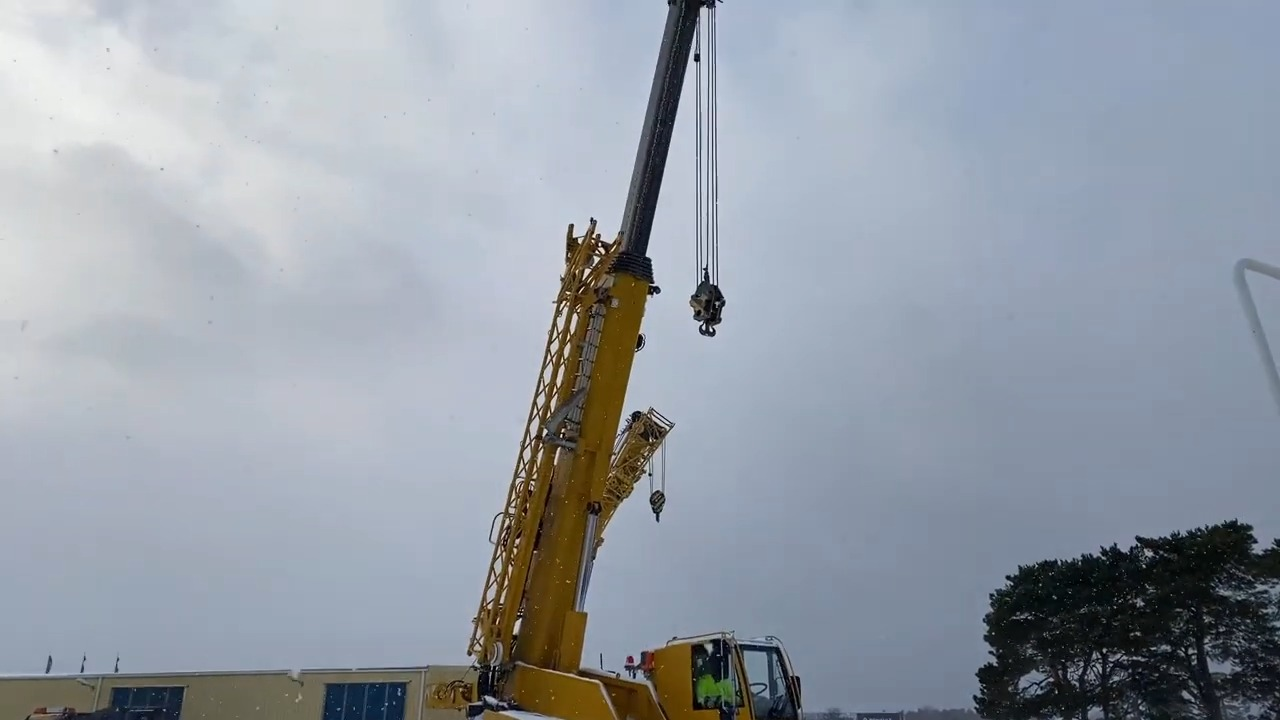
Yellow tower crane operating on a snowy day with a cloudy sky in the background, demonstrating heavy lifting machinery at a construction site

Erecting and Installing Tower Cranes

Proper planning and execution are crucial for erecting and installing tower cranes on construction sites. Contractors must follow specific best practices.

Planning and Preparation

Thorough planning includes selecting the right crane type, consulting engineers for the foundation design, and obtaining necessary permits. The base/foundation and tower sections must be engineered to withstand significant weight loads.

A detailed lifting plan is also required to safely lift the crane components into place using auxiliary cranes or mobile cranes. Protection from overhead power lines must likewise be addressed.

Proper preparation of the laydown and assembly areas ensures efficient crane installation. Coordination with other trades prevents scheduling delays.

Assembly Process

Once the foundation is prepared, assembly begins with erecting the tower sections. Lifting each section precisely into place requires experienced riggers and signals from spotters. The mast, jib, and counterjib components are attached and anchored securely.

Assembly also involves installing the slewing ring, counterweight system, and hook block. Commissioning tests are performed before operations begin to ensure all crane functions meet safety standards.

Climbing Tower Cranes

  • On tall building sites, climbing tower cranes facilitate vertical construction.
  • They feature a climbing frame that locks onto completed floors, allowing the entire crane to hoist upwards.
  • Hydraulic cylinders extend the mast sections telescopically during climbing.
  • This process requires riggers to guide the sections and engage locking pins at each level.
  • Climbing occurs in carefully planned stages to maintain the crane’s stability and center of gravity.
  • Safety devices prevent accidental climbing until the area above is cleared for the crane to lift itself to the next level.

Operating Tower Cranes Safely and Efficiently

Once erected, tower cranes must be operated carefully according to safety protocols. This ensures efficient material handling without risks.

Operator’s Cabin and Controls

The operator’s cabin also called the operator cab, is positioned at the end of the jib or hammerhead. It contains seats, control panels, and instrumentation. The cabin provides the crane operator with a safe, stable platform to oversee lifting operations and view the surrounding work area.

Control panels allow operating functions like slewing, luffing, trolley travel, and load hoisting using joysticks or levers. Modern tower cranes also incorporate computerized load moment and radius indicators to prevent overloading and guide safe working radii.

Communication and Signaling

Clear communication is essential for coordinating lifting operations safely. Tower crane operators communicate with riggers, spotters, and other workers using two-way radios. Standard hand signals are also employed when verbal communication isn’t possible. Spotters relay signals from below to guide load positioning precisely.

Safety Mechanisms and Procedures

  • Tower cranes incorporate load moment limiting devices and radius indicators to prevent overloading or exceeding the safe working zone.
  • Regular inspections and maintenance per the manufacturer’s schedule ensure all safety-critical components function correctly.
  • Regulations require comprehensive training and certification for crane operators. They must demonstrate proficiency in operating procedures, emergency response, and safety compliance.

Dismantling and Removing Tower Cranes

Once a construction project is complete, tower cranes must be carefully dismantled and removed. Proper planning and execution are crucial.

Disassembly Process

The disassembly process begins by removing the jib and counterjib sections. The trolley, hook block, and other lifting gear are also detached. Riggers then disassemble the mast in a controlled manner from the top down using tag lines. Each section is lowered securely to the ground using the crane’s lifting capabilities.

Using Auxiliary Cranes

An auxiliary crawler or mobile crane may be needed on some projects to lift the heavy tower crane components down. Coordination ensures the auxiliary crane has sufficient reach and capacity. Temporary ground stabilizers extend their outriggers.

Planning for Removal

Dismantling and site preparation require as much planning as the original installation. Contractors account for load limits, overhead obstructions, and transporting the crane off-site. An engineered lifting plan maintains safety, and permits are obtained for street closures during heavy load movement.

Considerations for Choosing the Right Tower Crane

Selecting the most suitable tower crane requires evaluating key site and project factors. Understanding these ensures efficient material handling.

Required Lifting Capacity

The tower crane’s maximum rated capacity is one of the most important considerations. Contractors must accurately determine the heaviest lift weights throughout construction, accounting for building materials like steel beams.

The capacity needed now and in future phases should be estimated. An under-sized crane will cause project delays from multiple lifts. Oversizing is cost-efficient. The crane’s lifting charts must satisfy all load requirements safely.

Site Conditions and Access

Another critical factor is evaluating the construction site itself. Contractors must assess space constraints and clearances and choose a tower crane with a jib and tail swing radius that avoids obstructions.

Site access for transporting and erecting large crane components is likewise important. Ground conditions are also reviewed to ensure the foundation design supports the crane loads adequately.

Project Timelines

Project timelines and phasing influence crane selection. Contractors estimate the duration of lifts in each phase to prevent crane overcapacity early on and undercapacity later on.

Self-erecting tower cranes may be preferable for tall buildings to facilitate vertical construction continuously without dismantling and re-erecting a crane at each level. Planning ensures the right crane capacity, type, and climbing ability (if needed) to service material handling efficiently throughout the schedule.

Frequently Asked Questions (What Is An Overhead Crane)

An overhead crane system, including overhead bridge cranes, gantry cranes, and process cranes, is vital for industrial operations. These systems, featuring double girder or monorail cranes, consist of various configurations. Overhead cranes cover diverse applications, yet not every overhead crane is the same, offering versatility for different load capacities.
A double girder overhead crane with two bridge beams ensures stability and efficient load lift. The running crane, equipped with a top-running trolley hoist and bridge crane control, facilitates precise movements. Unlike heavier alternatives, workstation cranes offer flexibility for specific applications, making them essential in various industries.
Overhead crane components, such as a load-bearing beam, running trolley hoist, and bridge crane control, contribute to the system’s functionality. Monorail cranes, a subset of overhead cranes, provide a focused and linear approach to load transport. The overhead crane consists of single or double bridge beams, offering tailored solutions based on load capacity and operational needs.
A single-girder crane, distinct from double-girder overhead cranes, features a single bridge beam attached to the running crane. This design suits lighter loads and specific applications, meeting industry standards set by the Crane Manufacturers Association. The overhead crane work involves efficiently lifting materials, with options for various crane configurations, including workstation cranes.
Modular cranes, including overhead bridge cranes, offer adaptability in design. These cranes facilitate load lift in various configurations, making them ideal for different applications. Whether it’s a double girder crane or a monorail crane, modular cranes provide versatile solutions, enhancing the efficiency of overhead crane systems in diverse industrial settings.

A Complete Guide to Maintenance of Tower Cranes

Mediapayperlead-com December 11, 2024

A Complete Guide to Maintenance of Tower Cranes

Meta Description: Learn the essential maintenance of tower cranes, including inspections, lubrication, and repairs. Ensure safe and efficient operation with proper care

Proper maintenance is essential to ensure tower cranes’ safe and efficient operation over the long run. This article provides a comprehensive guide to maintaining these tall construction machines through scheduled procedures like cleaning, inspections, lubrication, and repairs.

Understanding best practices can help construction companies maximize uptime and minimize costs while avoiding safety issues that result from neglected upkeep. Let’s explore the various aspects of tower crane servicing and care.

Key Takeaways:

  • To ensure safe operation, tower cranes require scheduled maintenance of components like the mast, jib, hoist, and electrical systems.
  • Daily visual checks, weekly cleanings, and monthly inspections catch minor issues before they require repairs.
  • Maintenance plans must be customized based on a crane’s usage, manufacturer recommendations, and environmental conditions.
  • Safety is critical and requires adherence to inspection schedules, proper certifications, and personal protective equipment for operators and workers.
  • Preventative maintenance through inspections and scheduled servicing helps reduce downtime and maximize equipment lifespan.

Understanding the Importance of Tower Crane Maintenance

Tower cranes are essential equipment on most construction sites, playing a key role in hoisting materials and performing other heavy lifts. But as with any heavy machinery, they require regular servicing to ensure the structural integrity of components and smooth operation of systems like the hydraulic oil-powered hoist and jib.

Why Maintenance Matters for Safety

If essential parts like the mast, boom, cables, or motors are not properly maintained, it could lead to physical damage or unexpected wear. This poses a severe safety risk to crane operators, construction workers below, and other personnel on the job site.

Proactive maintenance helps identify visual signs of issues with the electrical system, moving parts, or structural components early to prevent accidents.

How Regular Upkeep Prevents Downtime and Costly Repairs

Neglected maintenance can also result in more frequent breakdowns that halt construction work. This leads to delays and increased costs from downtime.

However, by establishing scheduled procedures for cleaning, lubrication, inspections, and repairs, equipment like tower cranes can continue to be productively operated over many years with minimal disruption. Regular maintenance even helps reduce long-term costs by extending the lifespan of parts.

Components that Require Routine Care

As complex machines, tower cranes have many moving parts and electrical/hydraulic systems that need regular maintenance to ensure safe operation. Key components must be carefully inspected and serviced on a scheduled basis.

Cleaning the Trolley and Hook Block

Two areas that require thorough cleaning at least once a week are the trolley and hook block. As these components come into direct contact with lifted loads, contaminants can build up over time if not removed.

Construction sites are often dirty environments, so debris, dust, and residue must be cleaned off the trolley and hook block. This is usually done by maintenance workers using appropriate cleaning agents and personal protective equipment like gloves and eye protection.

A clean trolley and hook block allow the crane to precisely handle materials without the risk of contaminants interfering with load bearing or electrical components. It also prevents corrosion of these structural parts over the long run.

Inspecting the Structure and Documenting Damage

  • Visual inspections of the tower crane’s structural components, like the mast, jib, bolts, and base section, are essential to maintenance.
  • Crane operators and certified technicians inspect these parts regularly for any signs of cracks, corrosion, or physical damage.
  • Any visual issues detected, no matter how minor, are properly documented by maintenance workers.
  • Thorough inspections help catch problems early before they worsen and impact the crane’s structural integrity.
  • Documentation of inspections is important for safety compliance and repair planning.

Lubricating Moving Parts

Friction from moving parts like the hoist, trolley, wheels, and limit switches can cause unnecessary wear over time on a tower crane. Regular lubrication helps reduce this tension and prevents potential issues.

Maintenance technicians apply the appropriate lubricant or hydraulic oil to these components per the manufacturer’s manual. Using lubrication extends the lifespan of moving parts and keeps the hoisting system operating smoothly. It also lowers repair costs in the long run.

Scheduled Maintenance Procedures

Maintenance tasks must be performed methodically according to scheduled procedures to keep tower cranes functioning reliably. Regular inspections and servicing help construction companies comply with safety regulations while maximizing equipment uptime.

Daily Visual Checks and Fluid Level Inspections

Daily maintenance is crucial for tower cranes that are operated continuously on active job sites. Crane operators perform visual checks daily, paying particular attention to the mast, jib, cables, hooks, and other main parts.

They inspect for issues like damage, loose bolts, or cracks. Operators also check fluid levels in motors, hydraulic systems, and the hoist to ensure they are properly filled. Low or high levels could impact performance.

These quick daily inspections catch small problems before they become bigger and more expensive. It also alerts operators to potential issues for further inspection by maintenance technicians.

Weekly Cleaning of Accessible Areas

Weekly maintenance involves cleaning components that are reachable by workers. Maintenance technicians remove dirt, dust, debris, and other contaminants from areas like the base section, mast, jib, hoist, and wheels.

They thoroughly scrub and wipe down these parts using appropriate cleaning tools and equipment. Cleaning is essential to minimize corrosion and ensure the smooth operation of moving parts. It also improves visual inspections by technicians and operators.

With personal protective gear like gloves and masks, cleaning tasks are performed safely according to the manufacturer’s instructions.

Monthly Inspections of Electrical and Internal Systems

Given the complexity of tower cranes, deeper monthly inspections by qualified technicians are essential. They carefully examine the crane’s internal components, electrical systems, and wiring to identify issues.

Technicians pay close attention to the main electrical components, wire ropes, power supply, and safety systems. Any damage is repaired or noted for future work. Inspections help ensure the motor, electrical equipment, and controls, like limit switches, meet safety and regulatory standards. They also catch problems before they require extensive repair work.

Yellow construction tower crane operating on a cloudy day with a backdrop of winter trees

Repair and Replacement Requirements

Proper maintenance also involves repairing or replacing tower crane components as needed. Following manufacturer guidelines ensures safe and productive operation.

When to Perform Component Replacements

Tower crane parts experience gradual wear over time based on factors like frequency of use. During inspections, maintenance technicians evaluate components for physical damage, cracks, or excessive wear.

They compare the state to the manufacturer’s recommendations to determine if replacement is required. Replacing parts before failure prevents potential issues and unexpected downtime.

The Role of Certified Technicians in Repair Work

  • Certified technicians are specially trained to perform repair work on tower cranes safely.
  • They have extensive knowledge of crane systems and proper repair procedures from the manufacturer’s manual.
  • All repairs are done per instructions to ensure equipment safety standards are met.
  • Technicians document repair jobs carefully according to regulatory guidelines.
  • They use appropriate tools and wear required personal protective equipment while working.
  • Repairs are only done by authorized technicians to maintain the crane’s structural integrity.
  • Their repairs and inspections help cranes remain in good operating condition.

Annual Inspections and Regulations

Beyond daily/weekly maintenance, compliance with industry safety standards is important.

HSE Guidelines for Annual Testing

Regulatory bodies like the UK’s Health and Safety Executive provide tower crane operation tips and maintenance requirements. They require thorough annual inspections by competent persons to ensure equipment safety.

These detailed tests check for issues beyond regular visual checks. All inspections are performed per the manufacturer’s manual by authorized technicians and documented properly.

Ensuring Compliance with Safety Standards

Annual inspections evaluate the crane’s structural integrity, electrical system wiring, limit switches, and safety controls in close detail. Any non-compliances are addressed before further operation. This confirms the equipment meets industry regulations.

By adhering to inspection schedules and using properly trained operators, construction companies can avoid safety non-compliance fines and ensure worker protection.

Customizing Maintenance Plans

While general guidelines exist, each tower crane has unique needs. Adaptability is important.

Adjusting Tasks Based on Manufacturer Recommendations

Tower crane models and usage vary, so manufacturers provide specific maintenance manuals. Technicians must review these recommendations, which take into account factors like:

  • Crane design and components
  • Environmental conditions at job sites
  • Frequency of operation
  • Types of loads lifted

They then adjust scheduled tasks accordingly, like changing lubrication intervals or focus areas. This tailors the plan to the equipment’s requirements. Inspections ensure all manufacturer instructions are properly followed to preserve structural integrity and safety over the equipment’s lifespan. Custom plans maximize uptime while avoiding unnecessary repairs or downtime.

Tailoring Schedules to Equipment Usage Conditions

  • Maintenance schedules must account for how intensively a tower crane is operated on the job site.
  • Craness used for lifting heavier or more frequent loads requires more thorough inspections.
  • Environmental conditions like weather exposure are also considered. Harsh sites demand more robust maintenance.
  • Mobile tower cranes that are repeatedly assembled/disassembled need more focus on bolted connections.
  • Technicians observe wear patterns and consult operators to adjust tasks for high-use components.
  • Schedules are less stringent for tower cranes used infrequently or in mild conditions.
  • Customizing care keeps equipment in good working condition while optimizing service costs.
  • Manufacturer input ensures all potential risks are addressed for each crane’s unique use case.
  • Maintenance preserves structural integrity and safety regardless of a tower crane’s duty cycle.

Frequently Asked Questions (What Is An Overhead Crane)

An overhead crane system, including overhead bridge cranes, gantry cranes, and process cranes, is vital for industrial operations. These systems, featuring double girder or monorail cranes, consist of various configurations. Overhead cranes cover diverse applications, yet not every overhead crane is the same, offering versatility for different load capacities.
A double girder overhead crane with two bridge beams ensures stability and efficient load lift. The running crane, equipped with a top-running trolley hoist and bridge crane control, facilitates precise movements. Unlike heavier alternatives, workstation cranes offer flexibility for specific applications, making them essential in various industries.
Overhead crane components, such as a load-bearing beam, running trolley hoist, and bridge crane control, contribute to the system’s functionality. Monorail cranes, a subset of overhead cranes, provide a focused and linear approach to load transport. The overhead crane consists of single or double bridge beams, offering tailored solutions based on load capacity and operational needs.
A single-girder crane, distinct from double-girder overhead cranes, features a single bridge beam attached to the running crane. This design suits lighter loads and specific applications, meeting industry standards set by the Crane Manufacturers Association. The overhead crane work involves efficiently lifting materials, with options for various crane configurations, including workstation cranes.
Modular cranes, including overhead bridge cranes, offer adaptability in design. These cranes facilitate load lift in various configurations, making them ideal for different applications. Whether it’s a double girder crane or a monorail crane, modular cranes provide versatile solutions, enhancing the efficiency of overhead crane systems in diverse industrial settings.

How Do Tower Cranes Work?

Mediapayperlead-com December 11, 2024

How Do Tower Cranes Work?

Meta Description: Discover the detailed process of how tower cranes work, from assembly to operation and safety mechanisms. Learn about their vital role in construction projects.”

Tower cranes are a common sight at construction sites across cities. These massive machines play a vital role in building tall structures by lifting heavy materials. However, not everyone understands how these cranes function high above the air without tipping over.

This article provides a detailed overview of tower crane components, assembly process, balancing techniques, safety mechanisms, and operation – explaining step-by-step how these cranes efficiently accomplish their crucial work.

Key Takeaways:

  • Tower cranes are tall, stationary cranes that lift heavy loads high on construction sites.
  • They consist of a concrete base, tall mast, rotating cab, long jib arm, and counterweights for stability.
  • Skilled operators precisely maneuver loads as directed by signal persons for the safe assembly of buildings.
  • Some tower cranes can climb higher as buildings rise using additional mast sections and hydraulic jacks.
  • They play a vital role in efficient construction by hoisting materials, while mobile cranes are portable for temporary use between locations.

Importance of Tower Cranes

Tower cranes play a vital role in modern construction by efficiently lifting heavy materials like steel and concrete and using extensive tools to build tall structures. Their ability to hoist loads and precisely position building materials is crucial for projects that require lifting so much weight to great heights, allowing construction crews to assemble buildings and erect towers section by section from the ground up.

The Key Components of a Tower Crane

The core components of tower cranes enable them to lift heavy building materials to great heights efficiently.

1. The Concrete Base

The massive concrete foundation, or pad, provides the stable base needed to support the entire weight of the crane and loads. Pouring such a large concrete pad allows tower cranes to stand securely on construction sites.

2. The Mast

Rising hundreds of feet into the air, the tall tower section known as the mast allows cranes to lift loads and position materials on higher floors. The last section is constructed of steel and assembled vertically, section by section.

3. The Slewing Unit

At the top of the mast is the slewing unit, which contains a large ring gear and motor. This crucial component enables the entire crane to rotate 360 degrees, allowing the operator to position the jib and hook block precisely for lifting and moving different loads into place. The slewing unit is essential in the crane’s ability to work around a construction site.

4. The Jib

The jib, also known as the boom, is attached to the slewing unit. This long arm extends out from the crane and is used to haul loads.

Steel cables and a hook are attached to the end of the job, which can extend up to 230 feet depending on the weight and material being lifted or lowered. The jib allows the crane to lift loads and other building materials into their proper locations on the construction project.

5. The Machinery Arm

Extending in the opposite direction of the jib is the machinery arm. Shorter than the jib, this arm contains massive concrete counterweights that help balance the crane and counteract overturning forces as heavy loads are lifted and extended along the long jib. The counterweights are crucial for stability.

6. The Operator’s Cab

The operator’s cab is located at the top of the slewing unit, where the skilled crane operator carefully coordinates all movements above the construction site.

Using control panels, the operator precisely directs the lifting of steel beams, concrete, tools, and other building materials into their proper positions on the building structure. The operator’s cab gives the crane coordinator full visibility of the job site while working.

How a Tower Crane is Assembled

The assembly of a tower crane is a meticulous process requiring skilled workers.

1. Laying the Concrete Base

The first key step is pouring a massive concrete foundation or pad on the job site where the crane will be erected. This concrete pad, which can weigh over 400,000 pounds, is the stable base needed to support the entire weight of the crane and any loads.

2. Securing the Mast

After the concrete dries and hardens for several weeks, assembly of the tower crane can begin. Using bolts, workers first attach the tall steel mast section to the top of the concrete foundation. They then lift and secure additional tower sections one by one to gradually build the mast skyward.

3. Attaching the Slewing and Jib Units

Once the mast is fully erected, workers attach the slewing unit to the top section to enable rotation. They then connect the long jib arm to the slewing unit to extend from the crane.

4. Adding the Counterweights

Massive concrete counterweights are then lifted into place and secured on the opposing machinery arm using lifting equipment like cranes.

5. Final Checks Before Operation

  • Inspect all bolted connections for integrity
  • Confirm slewing and jib movement through a full range of motion
  • Check wiring and functions of control panels
  • Perform test lifts under minimum load
  • Certified crane operator inspects all components
  • Receive final approval verification from the site coordinator

Only after passing all safety checkpoints can the tower crane be approved for full operation on the job site.

View of a large construction equipment yard featuring multiple cranes and assorted heavy machinery under clear blue skies

Maintaining Balance and Stability Of Tower Crane

A key factor in how tower cranes function is balancing the entire machine while hoisting loads.

The Role of Counterweights

The massive concrete counterweights secured to the machinery arm are integral in counterbalancing the longer jib arm. This allows the crane to lift heavy loads and building materials without tipping over.

Lifting Procedures for Different Loads

Depending on the load’s weight, the crane operator carefully follows protocols for hoisting and positioning materials. Heavier loads are lifted closer to the mast to minimize overturning forces from the load’s weight. Lighter materials can be extended further out along the long jib. This helps ensure safe operation and stability at construction sites.

Safety Mechanisms and Limitations

Tower cranes employ various safety systems and protocols to prevent accidents on busy construction sites:

  • Load Moment Limiting Devices: Sensors monitor the load weight about its distance from the mast, cutting power if an unsafe load moment is reached.
  • Overload Protection: Load cells detect if the lifting capacity is exceeded, immediately stopping all operations to avoid structural failure.
  • Wind Speed Sensors: Anemometers automatically shut down the crane if wind speeds rise above the operational threshold for safe lifting based on load weight.
  • Certified Operators: Only personnel who complete extensive crane operation training and licensing can control the lifting equipment from the cab. Their expertise helps ensure loads are precisely maneuvered without risk of accidents.

These important mechanisms help tower cranes function safely within their operational design limits for lifting heavy building materials on job sites.

Frequently Asked Questions (What Is An Overhead Crane)

An overhead crane system, including overhead bridge cranes, gantry cranes, and process cranes, is vital for industrial operations. These systems, featuring double girder or monorail cranes, consist of various configurations. Overhead cranes cover diverse applications, yet not every overhead crane is the same, offering versatility for different load capacities.
A double girder overhead crane with two bridge beams ensures stability and efficient load lift. The running crane, equipped with a top-running trolley hoist and bridge crane control, facilitates precise movements. Unlike heavier alternatives, workstation cranes offer flexibility for specific applications, making them essential in various industries.
Overhead crane components, such as a load-bearing beam, running trolley hoist, and bridge crane control, contribute to the system’s functionality. Monorail cranes, a subset of overhead cranes, provide a focused and linear approach to load transport. The overhead crane consists of single or double bridge beams, offering tailored solutions based on load capacity and operational needs.
A single-girder crane, distinct from double-girder overhead cranes, features a single bridge beam attached to the running crane. This design suits lighter loads and specific applications, meeting industry standards set by the Crane Manufacturers Association. The overhead crane work involves efficiently lifting materials, with options for various crane configurations, including workstation cranes.
Modular cranes, including overhead bridge cranes, offer adaptability in design. These cranes facilitate load lift in various configurations, making them ideal for different applications. Whether it’s a double girder crane or a monorail crane, modular cranes provide versatile solutions, enhancing the efficiency of overhead crane systems in diverse industrial settings.

How Do Tower Cranes Stay Up?

Mediapayperlead-com December 11, 2024

How Do Tower Cranes Stay Up?

Meta Description: Discover how tower cranes stay up with counterweights, concrete ballast, and climbing mechanisms. Learn about wind resistance and maintenance for crane safety.

Tower cranes are essential in the construction industry for their ability to lift heavy materials to great heights. Understanding how these towering structures remain stable and secure is crucial for safe and efficient construction operations.

This guide will delve into the mechanisms and design features that enable tower cranes to stay upright and function effectively on construction sites.

Key Takeaways:

  • Tower cranes utilize counterweights, reinforced mast sections, and deep foundations to stabilize against wind loads and cantilever forces from lifted materials.
  • Their design remains fixed to prevent falling risks, unlike mobile cranes through strong tie-ins incorporated during erection.
  • Precise control of hydraulic functions when lowering loads combined with safety protocols ensures tower cranes can efficiently hoist and place heavy construction components without risk of falling accidents on sites.
  • Regular inspections, maintenance, and monitoring of changing weather conditions help tower cranes safely carry out lifting operations over the lifespan of high-rise building projects.

Importance of Understanding How Tower Cranes Stay Up

Construction workers, engineers, and crane operators must understand how tower cranes can stay upright and stable while lifting heavy loads high into the air. Their tall and slender mast design makes stability analysis essential to tower cranes’ mechanical engineering and design phase.

Counterweights, jibs, and leverage are key in counteracting wind loads and preventing the massive cranes from falling over. A thorough knowledge of factors like mass, balance, counterweights, and stability can help ensure the safety of those working near the towering cranes on busy construction sites.

Basic Structure of Tower Crane

The tall and slender structure of tower cranes allows them to lift heavy loads high into the air at construction sites. Their unique design relies on key components working together to ensure stability.

Description Of The Main Components

Tower cranes have several main structural elements, including the mast or tower, jib, counter jib, turntable, hook block, and counterweights. The tall tower section rises from the concrete foundation to support the other components.

Attached to the tower is the rotating turntable, which allows the jib and counterjib to pivot. At the end of the horizontal jib beam is the hook block from which loads are lifted and lowered. For balance, counterweights are fixed at the opposite end of the jib.

Function Of Each Component in Supporting The Crane

The mast provides the height and stability to lift loads to lofty heights on the construction site. The jib and counter jib work as levers, using counterweights and the forces of lifted loads to balance the crane. The turntable enables the entire rotating structure to swing loads into position.

Properly engineered counterweights are essential for counteracting wind loads and other forces to stabilize the tall crane as loads are lifted and moved by the hoist and hook block.

The balanced interaction of each component is essential for safely carrying out lifting operations on high-rise projects.

Stability Mechanisms Of Tower Cranes For Stay Up

One of the most important aspects of tower crane design is ensuring the massive machines remain stable while lifting heavy loads. Their tall, exposed positioning requires effective stability systems.

Counterweights

Counterweights play a vital role in counterbalancing the lifting and lowering of materials on the construction site. Their purpose is to provide stability by counteracting the loads.

Purpose of Counterweights

Counterweights are fixed near the end of the counter jib, directly opposite the jib. Their large mass is carefully engineered based on the expected lifted loads to provide stability. As the hook and block hoist loads, the counterweights shift the crane’s center of gravity to prevent tipping.

This balancing of weight distribution is essential for safely carrying out lifts without the risk of the entire crane falling over. The counterweights work together with the jib and counterjib as levers to maintain stability.

How Counterweights Help Maintain Balance And Stability

Counterweights play a vital role in ensuring tower cranes can safely lift heavy loads without risk of falling over. They provide an opposing reactionary force that counteracts the load being hoisted.

As the crane operator lifts materials using the hook and block, the fixed counterweights positioned at the end of the counter jib help maintain stability. Their mass is carefully engineered based on stability analysis to balance the shifting weight distribution as the load is raised and lowered. This prevents the tall tower crane from tipping over due to changes in its center of gravity.

The stabilizing effect of the counterweights counterbalances external forces like wind loads and other excitations from the environment. Their weight distribution ensures the entire crane structure can withstand variable weather conditions without instability while hoisting heavy construction materials.

Concrete Ballast

In addition to counterweights, tower cranes rely on concrete ballast near their base to provide stability. The heavy mass is crucial for withstanding the tremendous forces involved in lifting loads.

Role of The Concrete Ballast in Stabilizing the Crane

The concrete ballast acts as a counterweight close to the ground level, helping offset the cantilevered moments generated by the lifted load. Several weeks are often required for the concrete to cure before a crane is assembled, ensuring its weight firmly secures the tall structure against falling over. Its role is to resist tipping by maintaining a low center of gravity.

Importance of Proper Placement and Weight Distribution

Careful engineering goes into determining the proper placement and mass of concrete ballast. Its weight distribution relative to the mast and other components is vital for stability.

Improper ballast could compromise the crane’s ability to hoist heavy construction materials and withstand environmental forces like wind loads on the construction site. The stability it provides allows the crane to lift components safely to greater total heights for high-rise projects.

Jib and Slewing Unit

The jib and slewing unit enable tower cranes to position loads precisely through horizontal movement and rotation functions.

Horizontal Movement and Rotation

Extendable jibs allow the crane operator to reach further distances using hydraulic or mechanical systems. The slewing unit, consisting of bearings and gears, facilitates smooth 360-degree jib rotation. Hydraulic motors power this rotation to swing loads into location efficiently. Together, the jib and slewing unit maximize the crane’s effective workspace around the construction site.

Distribution of Loads

Jibs are carefully engineered to distribute heavy-lifting loads effectively through their structure. Truss designs and material choices consider the dynamic analysis of the crane’s operating envelope.

This ensures loads remain balanced and stable as they are carried horizontally during lifting operations. Proper load distribution prevents overstressing weak points, which could disrupt safety and productivity.

Anchoring To The Building

As high-rise construction projects progress, tower cranes must lift components higher into the air. This requires a secure attachment to the growing structure for added stability.

How Tower Cranes Are Anchored To The Structure

Cranes are anchored through tie-ins installed as the building increases in height. Steel plates or rings are bolted directly to the mast and structure, firmly binding them together. This is typically done in stages to match the climbing lifts of the crane.

The Significance Of Secure Anchoring For Stability

  • Anchoring prevents potential sway or lateral movement that could disrupt lifting operations or endanger workers.
  • Tie-ins redistribute cantilevered forces across the building framework for enhanced stability at greater heights.
  • Proper anchoring ensures the tall crane mast can withstand wind loads and dynamic effects during hoisting without risk of falling.
  • As projects reach high levels, anchoring is essential for safety so lifting can continue without the risk of falling accidents on congested construction sites.

Climbing Mechanism Of Tower Cranes For Stay Up

As high-rise construction projects progress, tower cranes must lift themselves to greater heights using their unique climbing system.

How Tower Cranes Are Raised During Construction

Tower cranes are designed to climb along with the building. The mast and counterjib sections are added one above the other as needed. Hydraulic jacks attached to the mast lift the entire crane structure piece by piece, utilizing the growing building framework for support and stability.

The Role Of Climbing Frames Or Mast Sections in The Process

Mast sections comprise the individual climbing pieces hoisted into place using an upper climbing hook. Climbing frames provide a mounting platform and aid in safely assembling each additional mast section.

Their function is essential for gradually and securely raising the tall crane to greater heights as lifting operations continue on the construction site.

Yellow Grove tower crane parked on a construction site with visible company logos and detailed boom structure, highlighting its large tires and robust design

Wind Resistance

As tall structures are exposed to weather elements, tower cranes require robust engineering to withstand wind loads safely during lifting operations.

How Tower Cranes Are Designed To Withstand Wind Forces

Tower cranes feature a streamlined design that minimizes wind resistance. Their guy wires, mast sections, and other components are carefully constructed based on dynamic analysis to absorb strong gusts without failure or falling.

Stability analysis also accounts for natural frequencies and wind loads and ensures proper counterweight distribution. Crane operators monitor weather conditions and may use storm ties for added security in high winds.

Overall, the structural design and components provide essential resistance against toppling from external excitations on construction sites.

Use Of Anemometers and Safety Measures For Windy Conditions

  • Tower cranes are equipped with anemometers to monitor wind speed and direction. These devices help crane operators assess stability risks from changing weather.
  • Lifting is halted if winds exceed safe levels, and storm ties may be installed as added security. These anchor the crane more rigidly to resist gust forces.
  • Based on dynamic wind load effects analysis, counterweights can also be adjusted to lower the crane’s center of gravity. This enhances stability in variable conditions.
  • Safety protocols require evacuating the crane cab and securing loads before winds become dangerous. Stowed jibs and booms help reduce wind resistance and the potential for falling accidents.
  • Project managers conduct failure analysis and modal testing to understand natural frequencies better and plan accordingly for inclement weather. This helps minimize risks on exposed construction sites.

Safety Measures and Maintenance

Ensuring tower cranes remain in safe working order through regular inspections and maintenance is crucial for construction site safety.

Regular Inspections

All tower crane components, including the mast, jib, ropes, hooks, counterweights, and hydraulic systems, undergo thorough inspections by qualified personnel. This helps identify any issues requiring repair or replacement before they can disrupt stability and lifting operations. Inspections are scheduled based on crane usage and engineering standards to catch defects early.

Wind and Weather Considerations

Crane operators carefully monitor weather conditions. Anemometers help determine if wind speeds exceed safe levels as defined by stability analysis. If needed, lifting is halted, and storm ties or other precautions are implemented. Regular maintenance keeps anemometers calibrated to provide accurate readings for safety management during changing wind loads on the construction site.

Frequently Asked Questions (What Is An Overhead Crane)

An overhead crane system, including overhead bridge cranes, gantry cranes, and process cranes, is vital for industrial operations. These systems, featuring double girder or monorail cranes, consist of various configurations. Overhead cranes cover diverse applications, yet not every overhead crane is the same, offering versatility for different load capacities.
A double girder overhead crane with two bridge beams ensures stability and efficient load lift. The running crane, equipped with a top-running trolley hoist and bridge crane control, facilitates precise movements. Unlike heavier alternatives, workstation cranes offer flexibility for specific applications, making them essential in various industries.
Overhead crane components, such as a load-bearing beam, running trolley hoist, and bridge crane control, contribute to the system’s functionality. Monorail cranes, a subset of overhead cranes, provide a focused and linear approach to load transport. The overhead crane consists of single or double bridge beams, offering tailored solutions based on load capacity and operational needs.
A single-girder crane, distinct from double-girder overhead cranes, features a single bridge beam attached to the running crane. This design suits lighter loads and specific applications, meeting industry standards set by the Crane Manufacturers Association. The overhead crane work involves efficiently lifting materials, with options for various crane configurations, including workstation cranes.
Modular cranes, including overhead bridge cranes, offer adaptability in design. These cranes facilitate load lift in various configurations, making them ideal for different applications. Whether it’s a double girder crane or a monorail crane, modular cranes provide versatile solutions, enhancing the efficiency of overhead crane systems in diverse industrial settings.

How Are Tower Cranes Erected

Mediapayperlead-com December 11, 2024

How Are Tower Cranes Erected

Meta Description: Learn the step-by-step process of erecting tower cranes, from planning and site preparation to assembling components and adding sections on construction sites

Tower cranes are vital to many construction projects involving tall buildings and structures. While these cranes are common on construction sites, erecting them is pretty complex.

This article provides a detailed overview of the step-by-step process for tower crane erection. From planning and site preparation to assembling components and adding sections, we will explain each phase of erecting tower cranes.

Key Takeaways

  • Tower crane erection is a complex process involving careful planning, assembly of components, and incremental height increases.
  • A sturdy foundation and initial mast sections are critical to support the entire crane structure safely.
  • The climbing frame and hydraulic jacks enable precise guidance of additional mast sections into place to extend the crane’s reach as needed.
  • Components like the counterweights, slewing unit, and lifting assembly must be correctly installed to lift and maneuver loads safely during construction.
  • Following each step in sequence while enforcing safety protocols is important for efficient and risk-free erection, climbing, and eventual dismantling of tower cranes on busy construction sites.

Understanding Tower Cranes Erection

Tower cranes are vital in many construction projects involving tall structures like buildings and bridges. Their primary function is to lift and lower materials and equipment during construction.

Tower cranes consist of a vertical mast or tower with lifting components attached. The mast supports the counterweight and jib, allowing the crane to lift heavy loads.

Planning for Tower Crane Erection

Proper planning is essential for safely and efficiently erecting tower cranes. Several factors must be considered during the planning stage, such as the intended construction project, load requirements, site conditions, and local regulations. A detailed plan ensures all necessary approvals and preparations are in place before assembly begins.

Site Preparation

One of the first steps in planning is evaluating the construction site to ensure it can adequately support a tower crane. The ground must be leveled, compacted, and stabilized if required. Perimeter protection like barricades and warning signs are also installed at this stage.

Concrete foundations are then poured with steel reinforcements to provide a sturdy base for the crane mast. Complex calculations determine the appropriate foundation design based on load and soil conditions.

Foundation Requirements

The concrete foundation is one of the most critical components in tower crane erection. It must support the immense weight of the fully assembled crane and any loads it lifts.

Based on soil conditions and estimated weights, complex calculations determine the foundation’s appropriate thickness, depth, and reinforcement. Proper drainage is also considered to prevent water accumulation that could weaken the foundation over time.

Permitting Process

Before the erection process begins, necessary permits and approvals must be obtained. This involves submitting structural plans and calculations to local authorities for review. Permits are required to assemble cranes according to building codes and safety standards.

The permitting process may require modifications to plans based on authority feedback. Only after all permits and sign-offs are received from relevant bodies can erect tower cranes formally commence.

Initial Assembly

After completing all planning and permitting, the next step is assembling the initial components of the tower crane on site. This stage lays the foundation for the whole erection process.

  • Setting Up The Base and First Mast Section: Using mobile cranes, the first section of the mast is lifted and bolted onto the prepared concrete foundation. This forms the base for the entire crane structure. Anchor bolts securely fasten the mast section to transfer its immense weight loads to the foundation. Additional sections are stacked and bolted to assemble other components to achieve the desired initial height.
  • Installing The Slewing Unit: At the top of the assembled mast, workers attach the slewing unit. This heavy-duty turntable allows the upper crane structure to rotate 360 degrees. It is the base for the lifting components and the operator’s cab. The slewing unit is precisely positioned and bolted into place to support the counterweights and jib.
  • Attaching The Lifting Components: With the slewing unit installed, workers then lift and connect the counter jib and working jib. Steel tie rods securely join the opposing jibs. The cathead is assembled above to transfer load between the jibs and mast. This completes the initial lifting assembly, which will be used to raise additional mast sections.

Reaching Initial Height

Once the base components are assembled, the next step is raising the tower to its initial operating height. This allows it to function while additional sections are added later.

  • Adding Mast Sections With Mobile Cranes: Mobile cranes lift subsequent mast sections into place. Workers carefully guide each section into position before securing it with bolts. This process is repeated until reaching the desired initial height for the crane.
  • Securing Sections With Bolts: Every mast section added is firmly bolted to the one below it using heavy-duty fasteners. This bolted connection ensures each section can withstand tremendous lifting loads without movement. Precise alignment is critical, so weight is evenly distributed throughout the tower structure.
Yellow Grove mobile crane operating on industrial site, lifting machinery onto flatbed trailer, with cloudy sky background for construction equipment and heavy machinery scenario

Enabling Height Increases

While initial height is achieved using mobile cranes, climbing raises the crane even higher for taller construction projects.

  • Assembling The Climbing Frame: Workers first construct the climbing frame – a lattice structure that will climb the mast. It is temporarily fastened around the lower mast section.
  • Lifting and Securing The Climbing Frame: A hydraulic jack lifts the entire climbing frame and attached mast sections. It is secured at the new height before the process repeats to add further sections. This continues until reaching the crane’s maximum operational height.

Continued Climbing

The climbing process enters the next phase of incrementally increasing the tower crane’s elevation at the job site.

  • Inserting New Mast Sections: A new mast section is lifted with the climbing frame in position. It must be precisely guided to engage the climbing frame smoothly.
  • Repeating The Climbing Cycle: Once secured, the hydraulic jack resumes lifting the assembly higher before locking it off. This cycle of lifting, inserting, and securing sections is repeated until the crane reaches its necessary height for the construction project.

Frequently Asked Questions (What Is An Overhead Crane)

An overhead crane system, including overhead bridge cranes, gantry cranes, and process cranes, is vital for industrial operations. These systems, featuring double girder or monorail cranes, consist of various configurations. Overhead cranes cover diverse applications, yet not every overhead crane is the same, offering versatility for different load capacities.
A double girder overhead crane with two bridge beams ensures stability and efficient load lift. The running crane, equipped with a top-running trolley hoist and bridge crane control, facilitates precise movements. Unlike heavier alternatives, workstation cranes offer flexibility for specific applications, making them essential in various industries.
Overhead crane components, such as a load-bearing beam, running trolley hoist, and bridge crane control, contribute to the system’s functionality. Monorail cranes, a subset of overhead cranes, provide a focused and linear approach to load transport. The overhead crane consists of single or double bridge beams, offering tailored solutions based on load capacity and operational needs.
A single-girder crane, distinct from double-girder overhead cranes, features a single bridge beam attached to the running crane. This design suits lighter loads and specific applications, meeting industry standards set by the Crane Manufacturers Association. The overhead crane work involves efficiently lifting materials, with options for various crane configurations, including workstation cranes.
Modular cranes, including overhead bridge cranes, offer adaptability in design. These cranes facilitate load lift in various configurations, making them ideal for different applications. Whether it’s a double girder crane or a monorail crane, modular cranes provide versatile solutions, enhancing the efficiency of overhead crane systems in diverse industrial settings.

What Is A Rough Terrain Crane?

Mediapayperlead-com December 11, 2024

What Is A Rough Terrain Crane?

Meta Description: Discover the versatility of rough terrain cranes in construction, mining, and more. Learn about their design, features, and off-road applications.

Rough terrain cranes play a vital role in many industries by enabling heavy lifting in challenging outdoor environments. They are specially designed to handle off-road conditions and terrain where regular cranes cannot access application sites.

This article comprehensively overviews rough terrain cranes, their key features, design aspects, applications, and benefits over other crane types. The aim is to help construction managers, plant operators, and contractors better understand these versatile lifting machines.

Key Takeaways:

  • Rough terrain cranes are designed to lift heavy loads in challenging outdoor environments like construction sites, mines, forests, etc.
  • They have features such as large tires, outriggers, and strong chassis that provide stability for lifting on uneven grounds that regular cranes cannot access.
  • Their powerful engines and all-wheel drive enable operations in muddy, slippery off-road conditions with better mobility than other crane types.
  • Telescopic boom, adjustable outriggers, and a stable undercarriage allow heavy equipment and materials to be safely lifted in constrained job sites.
  • Industries like construction, mining, utilities, and logging widely use rough terrain cranes for their versatility in outdoor lifting applications.

What is a Rough Terrain Crane?

Rough terrain cranes, or all-terrain cranes, are specialized lifting machines designed to handle off-road conditions and operate in rugged, uneven environments that regular cranes cannot access. They are suited for lifting heavy loads in challenging job sites and construction areas with rough, muddy, or slippery surfaces.

Key Applications Of Rough Terrain Crane

Some key industries where rough terrain cranes are used include construction, mining, utility work, forestry, and landscaping. They are widely used in remote job sites, outdoor construction projects, and uneven terrain areas for tasks like installing transmission towers, lifting equipment in quarries, felling trees, loading trucks, and much more. Their versatility makes them suitable for a broad range of applications compared to regular cranes.

Design and Features

Rough terrain cranes are purpose-built with features that enhance their performance in challenging job sites and off-road conditions. Their design focuses on stability, mobility, and durability.

1. Chassis & Undercarriage

These cranes have a very robust, heavy-duty chassis and undercarriage made of steel that can withstand rugged terrain. The broader and stronger frame provides stability even on uneven surfaces. Most models have multiple tires and a suspension system that determines the crane’s base stability to lift heavy loads effectively.

2. Wheels & Tires

Equipped with oversized tires for rough surfaces, they have high ground clearance and a broader footprint. The four large rubber tires can handle muddy, slippery conditions and distribute weight for lifting maximum weight capacity. Tires are also spaced farther for additional stability on uneven ground and soft soils.

3. Power & Engine

Powerful diesel or gas engines power rough terrain cranes to handle heavy loads in challenging conditions. Most models have an all-wheel-drive system and power steering for navigating various off-road and uneven surfaces. The two engines provide higher torque to the undercarriage and boom.

4. Boom & Lifting Mechanism

The telescopic boom extends to lift loads in tight spaces with limited access. It has a hoist system with a broad lifting capacity to handle heavy equipment. Booms often come with different configurations, like longer booms for increased reach.

5. Stability & Outriggers

Outriggers are fitted to the crane for better stability while lifting loads. When extended, they distribute the crane and load’s weight for maximum lifting over uneven ground. Cranes also have adjustable outrigger pads that level the crane based on terrain to lift heavy loads safely in off-road job sites.

Applications Of Rough Terrain Cranes

Rough terrain cranes excel in various industries due to their versatility and ability to access challenging job sites. Some key sectors where they are widely used include:

  • Construction: Their robust design and maneuverability make them useful for construction sites, projects, and industries. They can lift heavy equipment and materials and perform tasks in uneven, constrained environments limited to regular cranes.
  • Utilities & Infrastructure: Rough terrain cranes install and maintain utilities like power transmission towers in remote or rugged areas. Their reach and stability help in tasks like stringing lines, even in adverse weather conditions.
  • Mining: Mines and quarries utilize these cranes for loading trucks in muddy, slippery areas with uneven ground. Their flotation ensures the safe lifting of heavy loads in such environments.
  • Forestry & Logging: The logging and landscaping industry uses rough terrain cranes for felling, loading, and transporting trees or equipment. Their mobility is suitable for operating in forested lands with tight spaces.

Frequently Asked Questions (What Is An Overhead Crane)

An overhead crane system, including overhead bridge cranes, gantry cranes, and process cranes, is vital for industrial operations. These systems, featuring double girder or monorail cranes, consist of various configurations. Overhead cranes cover diverse applications, yet not every overhead crane is the same, offering versatility for different load capacities.
A double girder overhead crane with two bridge beams ensures stability and efficient load lift. The running crane, equipped with a top-running trolley hoist and bridge crane control, facilitates precise movements. Unlike heavier alternatives, workstation cranes offer flexibility for specific applications, making them essential in various industries.
Overhead crane components, such as a load-bearing beam, running trolley hoist, and bridge crane control, contribute to the system’s functionality. Monorail cranes, a subset of overhead cranes, provide a focused and linear approach to load transport. The overhead crane consists of single or double bridge beams, offering tailored solutions based on load capacity and operational needs.
A single-girder crane, distinct from double-girder overhead cranes, features a single bridge beam attached to the running crane. This design suits lighter loads and specific applications, meeting industry standards set by the Crane Manufacturers Association. The overhead crane work involves efficiently lifting materials, with options for various crane configurations, including workstation cranes.
Modular cranes, including overhead bridge cranes, offer adaptability in design. These cranes facilitate load lift in various configurations, making them ideal for different applications. Whether it’s a double girder crane or a monorail crane, modular cranes provide versatile solutions, enhancing the efficiency of overhead crane systems in diverse industrial settings.