Construction Equipment Innovations

Mediapayperlead-com December 10, 2024

Construction Equipment Innovations

Meta Description: Latest technology innovations in the construction equipment industry, including remote control, predictive analytics, electric power, and 3D printing.

This article overviews the latest technological innovations impacting the construction equipment industry. Several developments in remote control, predictive analytics, electric power, and 3D printing are reshaping how construction machinery is operated and managed.

These innovations are essential for equipment rental businesses to understand as they can help clients improve project outcomes. The article discusses each trend in detail, along with examples.

Key Takeaways:

  • Construction companies are leveraging various innovations to address challenges and enhance productivity.
  • Technologies like remote-controlled equipment, drones, predictive analytics, and mobile apps help optimize operations and reduce risks and costs.
  • Remote equipment allows safer operations from distances while drones aid inspections and monitoring of worksites.
  • Predictive analytics and mobile apps optimize workflows, asset management, and decision-making through real-time data insights.
  • Technologies like 3D printing and equipment-focused mobile applications help minimize downtime and maintenance costs.

How Technology is Transforming Construction Equipment Rentals

The construction equipment rental industry is experiencing significant changes with the rise of new technologies. Innovations in areas like remote operation, and predictive analytics, allow equipment rental businesses to provide solutions to their clients that improve safety, efficiency, and their clients.

By understanding these latest construction innovations, rental companies can help customers select the right equipment and technologies for their projects.

Remote-controlled Machinery Enhances Safety and Productivity

One prominent technology transforming the industry is remote-controlled construction machinery. Remote operation technology allows operators to perform dangerous tasks from a safe distance using equipment like remote-controlled demolition machines.

This increases worker safety on job sites. Telematics solutions also provide fleet managers with equipment utilization data through technologies like GPS tracking. Remote control allows for improved line of sight during tasks and eliminates the need for spotters.

As a result, projects can be completed more productively while minimizing operational costs and improving safety. Remote operation is a significant innovation rental businesses should discuss with customers to enhance outcomes on their construction projects.

Drones Provide Aerial Insights for Improved Planning and Monitoring

Drones, or unmanned aerial vehicles (UAVs), are widely used across construction sites due to their benefits. They provide aerial photography and videography capabilities.

With advanced sensors, drones can capture high-resolution images, thermal scans, and 3D models of job sites and existing infrastructure. This real-time data provides insights to construction project managers.

Drone footage and photos offer a bird’s-eye view that improves site planning, monitoring of on-site progress, and identification of potential safety hazards. Project teams can make better data-driven decisions from aerial insights.

Drones also enable remote infrastructure inspections that enhance worker safety by eliminating the need for humans to conduct dangerous rooftop or structure examinations. This improves safety on job sites.

The data collected by drones equipped with thermal cameras can detect issues like moisture, cracks, or energy loss. Addressing such challenges early improves efficiency, and reduces maintenance costs.

Construction companies are increasingly utilizing drones as they are more cost-effective than traditional surveying methods and provide timely aerial data to track the progress of projects. This helps construction businesses complete projects productively.

Optimizing Equipment Management with IoT and Analytics

Connecting equipment to the Internet of Things (IoT) allows leveraging data insights to optimize management.

Predictive Maintenance Prevents Downtime and Cuts Costs

Equipment telematics solutions utilizing real-time data, predictive analytics of historical usage patterns, and digital twin simulations are helping construction equipment manufacturers and rental businesses foresee maintenance needs before breakdowns occur.

This improves safety, impacting job site productivity and time, which impacts productivity on job sites.

Real-time Tracking Boosts Equipment Utilization

Fleet managers can track location history and utilization rates of machinery through technologies like GPS on their digital records. This provides insights to efficiently allocate the right equipment and maximize productivity across project sites while meeting the demands of diverse construction projects.

Electric and Alternative Fuel Equipment Support Sustainability Goals

Construction equipment powered by electric motors, batteries, hybrids, and fuel cell technologies can help reduce carbon emissions and reliance on fossil fuels for a greener industry.

  • Lower Operating Costs Incentivize Adoption of Electric Machinery: Electric construction equipment powered by lithium-ion batteries is gaining increased interest from construction companies and equipment rental businesses as they provide benefits like lower fueling and maintenance costs over time than diesel equipment. This improves operational efficiency on job sites.
  • Hybrid and Fuel Cell Equipment Expand Usage in Restricted Sites: The quieter operations and lack of exhaust emissions from equipment using electric motors, batteries, or hydrogen fuel cells allow work to continue safely in noise-sensitive or indoor areas like urban infrastructure projects. This increases the utilization of the available labor force.

Virtual and Augmented Reality Enhance Customer Service

Emerging technologies like augmented and virtual reality provide innovative ways for construction equipment manufacturers and rental businesses to support clients remotely.

Remote Support Streamlines Breakdown Response

Utilizing augmented reality applications on mobile devices, technicians can access schematics and manuals and collaborate with experts in real time to resolve equipment issues on job sites faster, reducing downtime and improving productivity.

AR-assisted Training Improves Safety and Productivity

Augmented reality enhances training programs by overlaying digital information directly onto equipment. This improves the skills of operators and project teams. It also increases safety through hands-on instruction without risk while maximizing the efficient use of the available labor force.

3D Printing and Additive Manufacturing Reduce Downtime

Advanced manufacturing techniques like 3D printing enable the on-site or on-demand production of replacement parts for construction equipment. This helps address issues with traditional global supply chains.

On-demand Parts Manufacturing Cuts Delivery Times

By utilizing 3D scanning and digital replica data files, additive manufacturing technologies allow construction equipment manufacturers and rental businesses to print replacement components locally within hours versus waiting for shipping.

This capability significantly reduces downtime for equipment needing repairs, avoiding project delays and improving overall productivity on job sites. The ability to print replacement parts on demand from metal, plastic, or composite materials supports more efficient construction work.

Advanced Designs with 3D Printing Open New Opportunities

3D printing and additive manufacturing techniques enable construction equipment manufacturers to produce parts with advanced designs not possible with traditional methods.

This includes components with complex internal structures and optimized designs that reduce weight and material usage for higher efficiency.

The ability to 3D print end-use products directly from CAD files without expensive tooling costs also lowers the barrier to innovative new designs.

Construction companies can work with manufacturers to develop and test prototype equipment components printed in hours using new materials. This improves the process of evaluating new technologies.

Data from real-world usage of 3D printed parts provides insights into future outcomes like durability. Over time, this helps equipment manufacturers customize advanced products to meet evolving industry demands.

As 3D printing technologies continue to progress, they will unlock more opportunities to re-imagine construction equipment designs for benefits like reduced maintenance needs and extending the lifetime of machinery.
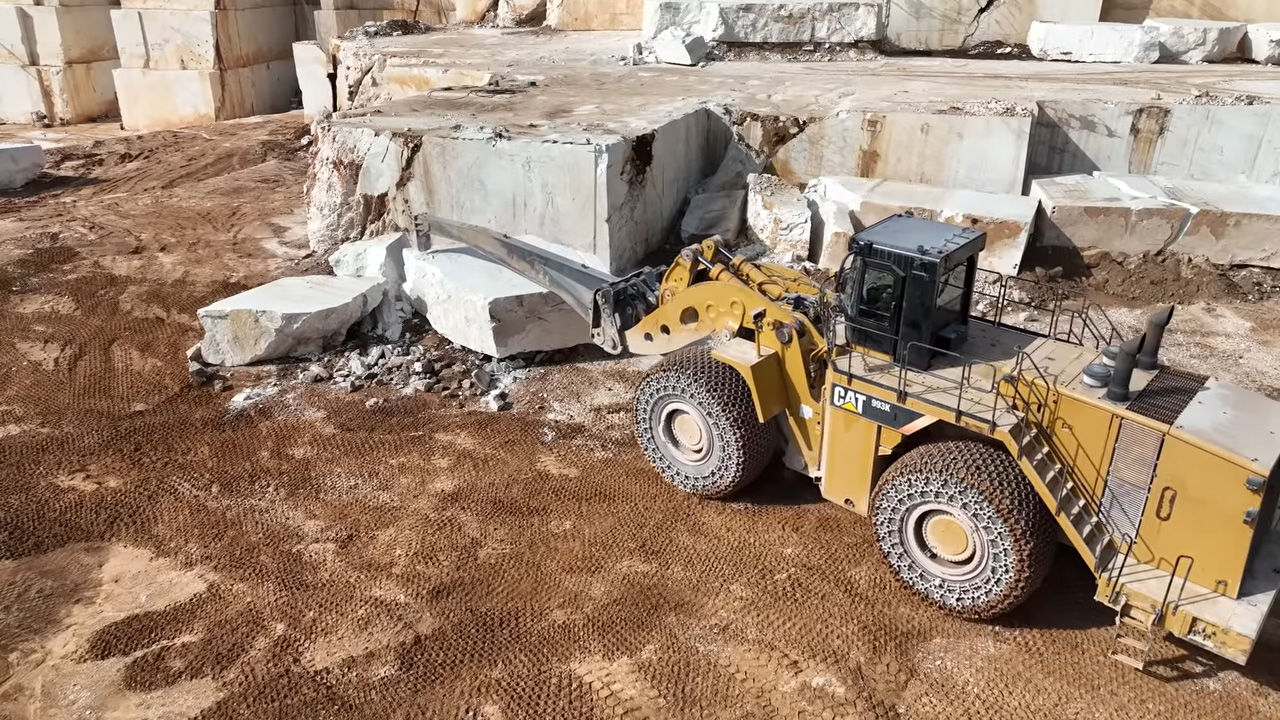
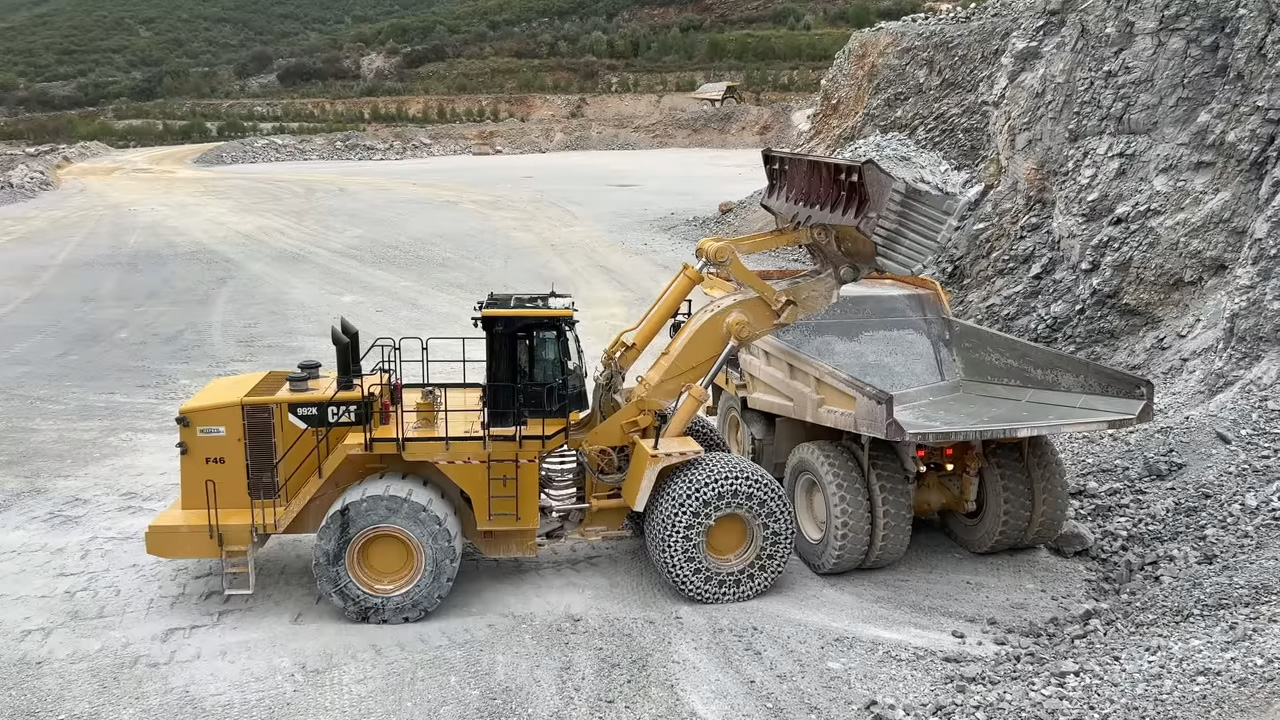
A yellow front-end loader transferring gravel into the back of a large dump truck at a quarry site with a rocky hillside in the background

Mobile Apps and Software Connect the Jobsite Ecosystem

Digital tools are transforming on-site operations through integrated mobile applications for construction equipment, workforce, and project management.

Integrated Workforce Management Boosts Efficiency

Mobile apps deployed on job sites now connect project managers, equipment operators, and field workers. Real-time data sharing between these project teams supports more efficient task coordination and allocation of machinery. Digital work orders and timesheets eliminate paperwork for higher productivity.

Analytics drawn from real data collected on equipment, labor, and materials improves decision-making for optimized construction workflows. This significantly impacts productivity across the industry through innovative connectivity of all on-site resources.

Real-time Asset Tracking Strengthens Security

Equipment telematics solutions deployed across construction machinery fleets provide real-time visibility into the location and utilization of heavy assets. This helps address safety and security issues that are a growing concern for construction companies and equipment rental businesses in today’s industry.

GPS tracking integrated with geo-fencing capabilities notifies managers of any unauthorized movement of vehicles beyond job sites. Telematics also monitors machine health remotely to detect suspicious activity indicating potential theft.

The insights from digital records of equipment whereabouts and operating hours support more efficient allocation of resources while securing valuable machinery against theft or misuse. Over time, innovative asset-tracking technologies will continue enhancing security as an important aspect of construction project management.

The Future is Bright for Construction Technology

Emerging technologies are helping address long-standing challenges like skilled labor shortages, rising costs, and improving safety.

Autonomous equipment, digital twin modeling, drones, 3D printing, AR/VR, and remote operation tools are transforming project workflows.

Forward-thinking companies exploring innovative solutions will gain competitive advantages over time.

Partnerships between equipment providers, technology firms, and contractors will accelerate developing and adopting new productivity-boosting technologies.

Integration of connected digital tools and smart machinery will continue advancing rapidly, becoming more seamless within a few years.

Data insights and automation have tremendous potential to enhance many aspects of construction, including planning, safety, sustainability, and addressing labor issues.

Businesses can thrive and lead in this evolving industry landscape by embracing innovation instead of resisting change.

The most successful equipment manufacturers and contractors will be frequent learners continuously exploring new technology frontiers.

Major industry events showcase the latest innovations and help shift mindsets across the industry.

Frequently Asked Questions (Construction Equipment Innovations)

Construction businesses are adopting cutting-edge technology, such as remote-controlled equipment and drones, to revolutionize their operations. This shift towards construction innovation is driven by a high demand for increased safety, improved productivity, and efficiency in today’s industry.
Remote-controlled equipment significantly impacts construction sites, allowing operators to manage heavy equipment, including wheel loaders, from a safe distance. This increases safety and results in less maintenance and improved productivity, making it a no-brainer for construction businesses to explore these new solutions.
Predictive analytics leverages historical data to foresee potential issues in existing equipment, providing construction companies with valuable insights. This proactive approach allows for timely decision-making, minimizing disruptions, reducing maintenance costs, and ensuring construction projects stay on the right track.
Mobile apps tailored for construction management streamline processes, from task management to asset tracking. This digitization enhances efficiency, allowing teams to collaborate seamlessly and make informed decisions. It’s a game-changer in getting construction businesses out of their comfort zone and into the realm of optimized resource allocation.
Drones are transforming construction site operations by gathering real-time data for improved safety, quality, and productivity. With the ability to perform tasks faster and more safely than humans, drones are just a matter of time before becoming a standard tool for vice presidents and project managers, ensuring the right projects are completed on time and with precision in the construction industry.

When to Buy or Rent Heavy Equipment

Mediapayperlead-com December 10, 2024

When to Buy or Rent Heavy Equipment

Meta Description: Everything you need to know about renting or purchasing construction equipment. Factors to consider include costs, project length, risks, tax benefits, transportation costs, etc.

Whether you need equipment for a short-term project or to expand your long-term operations, deciding between renting or purchasing can be challenging. This article provides a straightforward analysis of critical factors from a rental perspective.

By looking at costs, risks, management needs, and industry trends, we aim to help you objectively evaluate your options to choose the most suitable equipment-sourcing strategy for your business needs and financial situation.

Key Takeaways

  • Consider your budget and planned equipment use – long-term projects may merit purchase, while short-term jobs likely warrant rental.
  • Compare total costs of ownership versus rental over time, factoring in maintenance, financing, taxes, depreciation, and transportation.
  • Owning equipment provides availability and control while renting offers flexibility with varying needs and budgets.
  • Research equipment options thoroughly to choose solutions tailored to your unique business needs and circumstances.

Factors to Consider When Determining if You Should Rent or Purchase Construction Equipment

Whether acquiring construction equipment through a rental agreement or outright purchase, commercial construction companies must evaluate their short and long-term equipment needs.

By carefully considering key factors like project timelines, total cost of ownership, and operational requirements, businesses can determine the most cost-effective strategy for the right piece of equipment.

Evaluating Your Short and Long-Term Needs

The first step is assessing equipment needs over the short and long term. Renting works well for one-off projects or short stints, helping avoid costs like interest and resale value risks. However, if the equipment is used regularly for an extended period,

The total rental cost may exceed the purchase price. Purchasing spreads expenses over time and builds ownership equity. It also ensures availability for future projects versus rental uncertainties.

Comparing The Total Cost of Ownership and Rental

The total cost of ownership includes major expenses like purchase price, interest, insurance, maintenance, and resale value. Rental costs cover these, but long-term leases can become more expensive.

Most rental companies provide fixed monthly rates to simplify budgeting. However, ownership may be more cost-effective if factoring tax advantages and possible resale income. Construction companies must calculate expected usage periods to compare total rental operating costs versus ownership expenses.

By carefully considering factors like needs, costs, and operational requirements, commercial construction businesses can determine the most advantageous strategy for acquiring the right equipment through a rental agreement or outright purchase.

The right choice supports completing projects on schedule and cost-effectively expanding a company’s capabilities.

Understanding Equipment Ownership Costs

While owning equipment outright can provide benefits like customization options and potential tax advantages, it also comes with significant ongoing costs that many commercial construction companies may find prohibitive.

Proper evaluation of equipment ownership costs is crucial for determining whether purchasing or renting equipment makes the most sense for a particular business.

Depreciation Expenses

One of the most significant ongoing costs of owning equipment is depreciation. Heavy machinery loses value rapidly over time as it accumulates hours of use and ages. Accounting for depreciation expenses is essential for tax purposes but also represents the declining resale value of owned equipment. Equipment may depreciate to less than half its original purchase price within a few years.

Maintenance and Repair Costs

Keeping equipment in good working condition requires regularly scheduled maintenance plus repairs for any issues. Maintenance costs include tune-ups, fluid changes, and replacement of regular-wear items. Repair bills can be substantial for mechanical failures or damage from rough use on job sites. Unexpected repairs disrupt cash flow if a business pays for repairs without the equipment, generating revenue during downtime.

Insurance and Tax Implications

Owned equipment must be insured against loss or liability risks like theft or damage to property. Heavy equipment insurance premiums can place a notable burden on expenses. Meanwhile, depreciation expenses can impact tax filings, and the resale of heavily depreciated equipment may result in tax obligations on any proceeds.

Proper evaluation of ongoing ownership costs like depreciation, maintenance/repairs, and insurance/tax implications is necessary to understand the total cost of owning versus renting equipment to determine the most cost-effective option for a commercial construction company’s needs and financial capabilities.

Renting shifts the burden of these expenses to rental companies while providing flexibility to adapt equipment needs to changing projects and market conditions.

Benefits and Drawbacks of Renting Equipment

When acquiring the necessary equipment for commercial construction projects, business owners often debate whether renting or purchasing is the most cost-effective approach. While buying equipment outright provides long-term ownership, renting equipment offers several advantages depending on a company’s specific needs and circumstances. Let’s explore some key benefits and drawbacks of the rental option.

Flexibility and Access to Latest Technology

One significant benefit of renting equipment is the flexibility it provides construction companies. A business can access specialty equipment only needed for specific jobs or tasks by renting short-term.

This allows the company to take on a broader variety of projects without the significant capital costs of purchasing multiple types of machinery.

Additionally, most rental companies only work with new equipment manufacturers, so business owners are guaranteed to have the latest technologies available. This helps reduce downtime and ensures construction projects stay on schedule.

Eliminating Ownership Responsibilities

When renting equipment, business owners do not have to worry about expenses associated with ownership, like maintenance costs, insurance, and storage fees. The rental company handles All repair and upkeep, removing this administrative burden from the construction business.

Renting also eliminates concerns over equipment depreciation and resale value at the end of the machine’s lifecycle. This provides greater cash flow flexibility without long-term capital commitments.

Budgeting for Rental Expenses

Construction companies can easily budget equipment expenses in their project proposals with a set rental rate, usually daily, weekly, or monthly. Upfront rental payments are also typically lower than a large down payment required for purchases.

This makes cash flow management more predictable. The rental price also covers Any repairs or maintenance, so unexpected costs are minimized. Overall, renting construction equipment provides a fixed expense structure that is simpler to forecast versus complex ownership costs.

I hope this overview of key rental benefits provides business owners with useful considerations as they evaluate their own equipment acquisition options. Please let me know if any part of the explanation needs further clarification or expansion. I’m happy to discuss this topic in more detail.

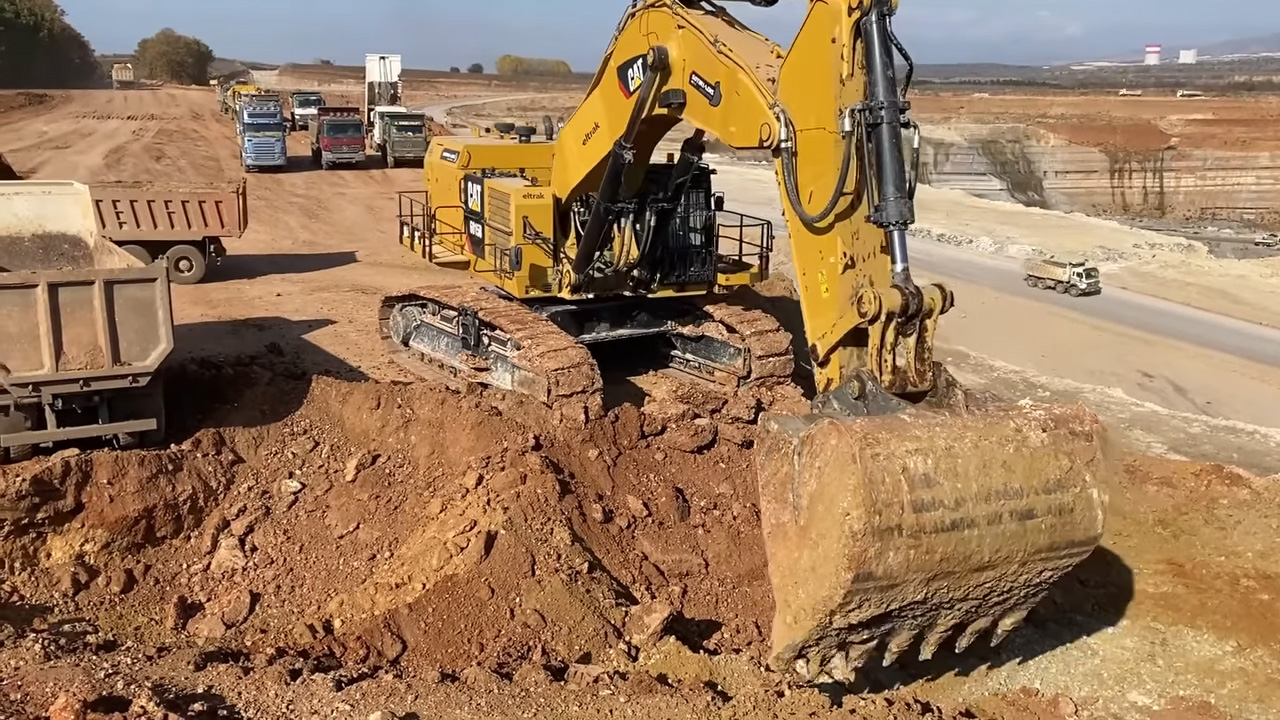
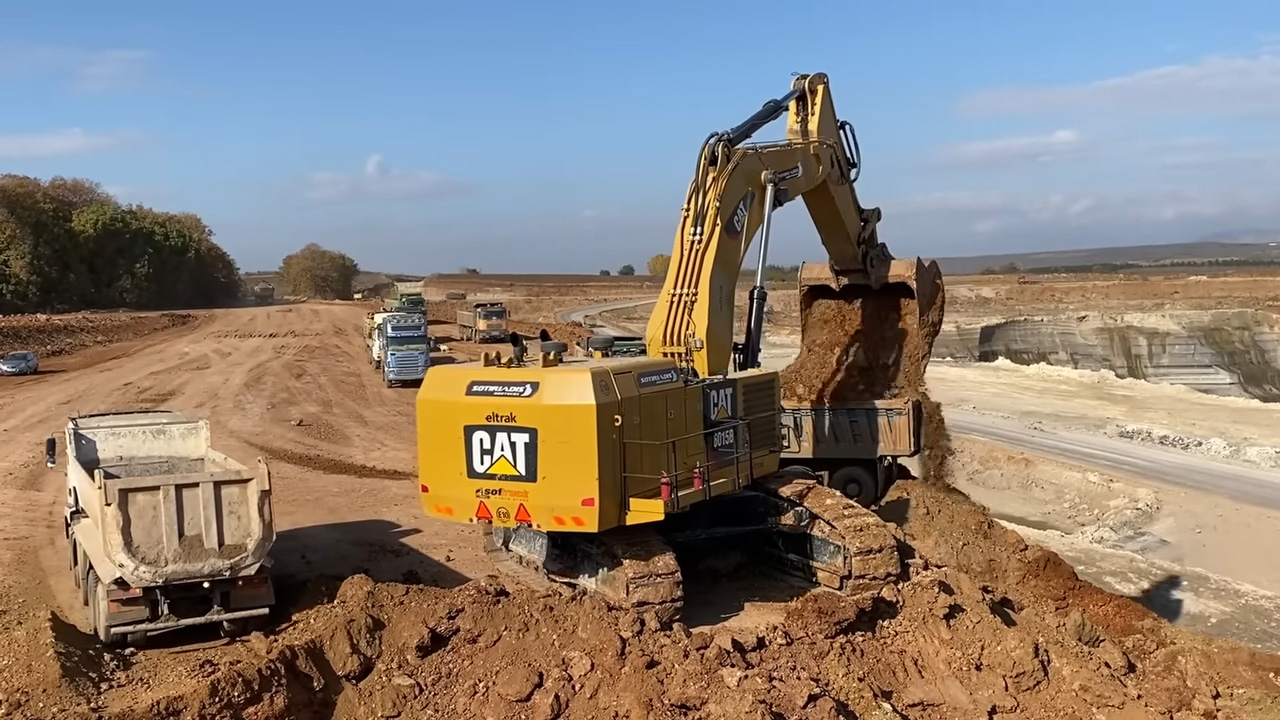
A yellow excavator with a hydraulic hammer attachment breaking ground at a construction site, with several trucks and dirt roads in the background

Equipment Type and Intended Usage

When determining whether to rent or purchase construction equipment, one of the most important factors is the type of equipment needed and how it will be used.

Will the equipment be needed for short-term projects or used more regularly over the long term? Understanding the intended usage can help identify the most cost-effective approach.

Equipment for Short-Term or Infrequent Use

Certain pieces of equipment may only be needed temporarily or for occasional use on variable projects. In these situations, renting often provides the most significant financial flexibility.

By renting equipment as needed, a business can access specialized machinery without the high upfront capital costs of purchase or commitment to ownership. Most rental companies allow renting equipment by the day, week, or month, making this an ideal option for short-term jobs.

Multi-Purpose Equipment

Conversely, multi-functional equipment such as skid steers, excavators, loaders, and forklifts can be deployed on various project types. This multi-purpose machinery has resale value and can be a worthwhile capital investment if used regularly over numerous job sites and construction projects.

Owning equipment that serves diverse needs across a business’s operations may prove more cost-effective in the long run versus continuous rental costs. Proper inventory controls are necessary to maximize the value of such multi-use equipment fleets fully.

In conclusion, considering the intended application and duration of use will help identify whether renting construction equipment short-term or purchasing versatile machinery for the long haul will likely generate the best financial outcomes for a commercial construction company. Both approaches suit different equipment types and usage scenarios within the industry.

Developing an Equipment Acquisition Strategy

Commercial construction companies must develop an overall strategy when planning equipment acquisition. This strategy should consider short- and long-term equipment needs, financial considerations, and operational efficiency. By creating a well-rounded plan, businesses can make cost-effective decisions regarding purchasing, renting, or leasing equipment for any job.

Purchasing Quality Pre-Owned Equipment

Purchasing pre-owned equipment can be a capital-efficient option for construction companies, especially when establishing an equipment inventory. Used machines have already borne the brunt of initial depreciation and may be available at prices thousands of dollars below new equipment.

It is crucial to carefully inspect any pre-owned purchase for functionality and expected remaining life. Equipment history reports and thorough inspections by a certified mechanic can help identify quality, pre-owned options. When purchasing used, aiming for machines only a few years old can maximize value for ongoing use.

Leveraging Equipment Financing Options

Construction equipment represents a significant capital expense, making financing a valuable strategy. Low-interest loans can help businesses acquire needed machinery while keeping monthly payments affordable.

Some equipment manufacturers offer financing programs, and banks may provide loans for capital equipment. Amortizing large purchases over several years through loans and leases can help construction companies better manage long-term budgets versus paying entirely upfront. It is essential to shop around and compare rates from multiple lenders to find the most cost-effective financing solutions.

Creating an Inventory Management Plan

Once an equipment fleet is established, ongoing maintenance is critical. Developing a formal inventory management plan can help businesses efficiently track inspection schedules, repairs, fuel, and parts usage over time.

This allows construction companies to budget and schedule maintenance in advance. An equipment replacement timeline should also be established through the plan. By forecasting replacement cycles, businesses can set aside funds each year to thoughtfully upgrade older machines and avoid costly downtime.

Regularly revisiting the inventory management plan keeps equipment operational and supports a well-rounded acquisition strategy.

Frequently Asked Questions (Construction Equipment Innovations)

Construction businesses are adopting cutting-edge technology, such as remote-controlled equipment and drones, to revolutionize their operations. This shift towards construction innovation is driven by a high demand for increased safety, improved productivity, and efficiency in today’s industry.
Remote-controlled equipment significantly impacts construction sites, allowing operators to manage heavy equipment, including wheel loaders, from a safe distance. This increases safety and results in less maintenance and improved productivity, making it a no-brainer for construction businesses to explore these new solutions.
Predictive analytics leverages historical data to foresee potential issues in existing equipment, providing construction companies with valuable insights. This proactive approach allows for timely decision-making, minimizing disruptions, reducing maintenance costs, and ensuring construction projects stay on the right track.
Mobile apps tailored for construction management streamline processes, from task management to asset tracking. This digitization enhances efficiency, allowing teams to collaborate seamlessly and make informed decisions. It’s a game-changer in getting construction businesses out of their comfort zone and into the realm of optimized resource allocation.
Drones are transforming construction site operations by gathering real-time data for improved safety, quality, and productivity. With the ability to perform tasks faster and more safely than humans, drones are just a matter of time before becoming a standard tool for vice presidents and project managers, ensuring the right projects are completed on time and with precision in the construction industry.

Leasing vs Renting Heavy Equipment: What’s Right for Your Business?

Mediapayperlead-com December 10, 2024

Leasing vs Renting Heavy Equipment: What’s Right for Your Business?

Meta Description: Understand the differences between leasing and renting equipment by comparing their pros, cons, costs, and other factors when temporarily acquiring machinery for construction or different business needs.

Whether you need equipment for a short-term project or ongoing business operations, renting or leasing are two standard options. This article compares renting versus leasing equipment and helps you determine the best option based on your unique needs and situation.

Factors like budget, project duration, maintenance responsibilities, and ownership terms are examined to help you make an informed decision.

Key Takeaways

  • Renting equipment is best for short-term use when ownership is not needed. Leasing is for longer-term use when flexibility and upgrades are essential.
  • Renting has lower costs but limited availability. Leasing has more ownership benefits and flexibility over time.
  • Consider project length, budget, maintenance responsibilities, and equipment needs to decide between renting and leasing options. Understanding the pros and cons of each approach can help you choose what’s best for your business.

Renting vs. Leasing Equipment – Key Differences Explained

When determining how to acquire the necessary equipment for construction projects or operating a business, renting and leasing are two options that are often considered.

While both involve obtaining the use of equipment through a contractual agreement rather than purchasing outright, there are some important distinctions between renting and leasing that contractors and business owners need to understand.

Short-Term vs. Long-Term Needs

One primary factor influencing whether renting or leasing is a better choice is how long the equipment will be needed. Renting is well-suited for short-term needs, such as having a piece of machinery for a project or job that lasts a few weeks or months.

Leasing is preferable for longer-term needs, like having a vehicle or heavy equipment used continuously over multiple years. The length of commitment and contractual obligations associated with leasing makes it more appropriate when equipment will be retained for an extended period.

Ownership Rights

Another key difference lies in ownership rights. When renting equipment, the rental company maintains ownership of the machinery. The renter has temporary possession and use but does not acquire any equity.

In a lease, the leasing company purchases the equipment upfront but transfers use rights to the lessee for the duration of the contract. Some leases even provide options to buy the equipment at a reduced residual price eventually. So, leasing allows for more long-term control and potential future ownership.

Cost Structures

  • The way costs are structured also separates renting from leasing. Rental rates are typically calculated on a short-term, usage-based model, with fees covering days or weeks. Lease payments, on the other hand, are arranged as long-term financial obligations spread out over months or years.
  • Overall, leasing tends to cost more due to interest and the full-term commitment, but it also enables acquiring newer equipment with lower upfront expenditures and more predictable monthly costs. Maintenance responsibilities also differ, with rentals usually including repairs and leasing, shifting more costs to the lessee.
  • By understanding these fundamental differences between short-term versus long-term needs, ownership rights, and costing approaches, contractors and business owners can determine whether renting or leasing will better suit their specific equipment and budgetary needs.
  • The right choice depends on project timelines and goals for controlling costs and potentially owning assets over the long run. Consulting experienced rental companies is recommended to evaluate all factors for each situation.

Renting Equipment

When starting or expanding a construction business, renting equipment can be a cost-effective option for acquiring the machinery needed to complete jobs. This section will explore how equipment rental works and the advantages and disadvantages of this approach.

How Renting Works

Renting construction equipment involves signing an equipment rental agreement with a rental company. This contract outlines the rental period, equipment, rental rate, and other applicable fees.

The renter works with the rental company to determine equipment needs and the appropriate monthly rental pricing. Most rental companies will deliver the rented equipment to the job site and pick it up once the project is complete. This takes the responsibilities of transport and storage off the renter.

Advantages of Renting

There are several benefits to renting rather than owning or leasing equipment. Renting eliminates the need for large down payments to purchase the equipment outright or acquire it through an operating lease.

It also removes maintenance costs and responsibilities from the renter, as most rental companies will handle repairs and upkeep. As a tax-deductible operating expense, equipment rental costs can benefit small business owners.

Renting also provides access to specialized, advanced equipment without a long-term commitment or ownership responsibilities.

Disadvantages of Renting

While beneficial for short-term needs, renting does have some drawbacks. Availability may be limited if popular equipment is already rented. The renter also loses benefits of ownership, like resale value or using the equipment as collateral for a bank loan.

Renting construction equipment on a long-term, frequent basis may ultimately cost more than a lease agreement or equipment purchase. Damage or loss of rented property also remains the renter’s responsibility.

By understanding these factors, a construction company can determine if renting, leasing, or buying equipment best suits their budget and project timelines. With reliable rental companies regularly updating their inventory, renting provides a cost-effective way to access necessary machinery.

Equipment Leasing

When a construction company requires heavy machinery or vehicles for an extended period, leasing equipment can be a cost-effective alternative to purchasing outright or renting.

Leasing provides small business owners access to advanced equipment while lowering upfront and monthly costs through a leasing agreement.

How Leasing Works

  • Most rental companies allow construction firms to lease specialized equipment through an operating lease. This type of lease allows a company to acquire equipment for a set lease term, typically 12-60 months.
  • During this period, the lessee can rent equipment and make monthly lease payments treated as a tax-deductible operating expense. At the end of the lease term, the lessee can purchase the equipment, renew the lease, or return the machinery to the rental company.

Advantages of Leasing

Some key advantages of leasing include lower upfront costs compared to purchasing equipment outright. Leasing requires no hefty down payments and spreads equipment costs over an extended period.

It also provides construction firms access to newer equipment, as most rental companies regularly update their inventory. This allows companies to utilize more advanced equipment that improves productivity versus outdated alternatives.

Disadvantages of Leasing

While leasing keeps monthly costs lower than owning, the total money spent can be higher than purchasing over the long term. There is also no resale value with leased equipment at the end of the contract.

The lessee also takes full responsibility for maintenance fees, repair fees, and insurance costs during the lease term. Specialty repairs or long repair times can disrupt business operations at the lessee’s expense.

In conclusion, leasing is a cost-effective option for construction companies needing heavy machinery for an extended period when balanced with awareness of ongoing maintenance responsibilities and lack of long-term ownership benefits. Renting remains better for intermittent or short-term equipment needs.

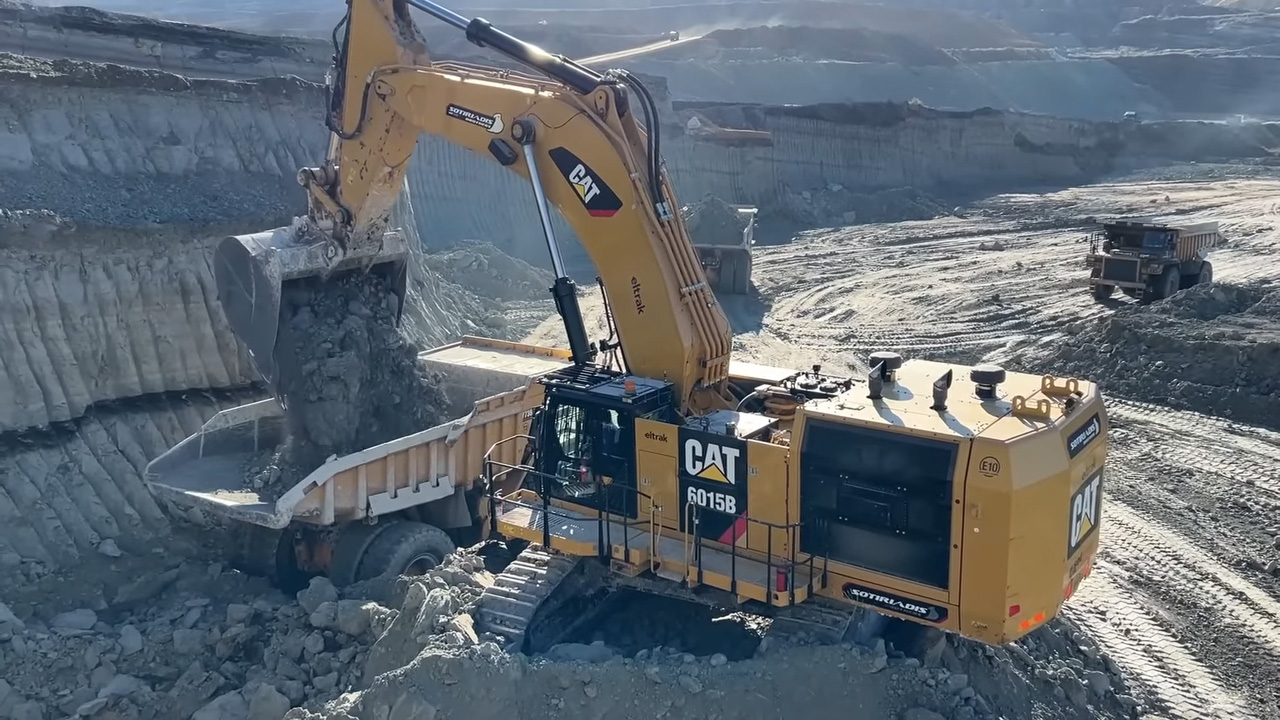
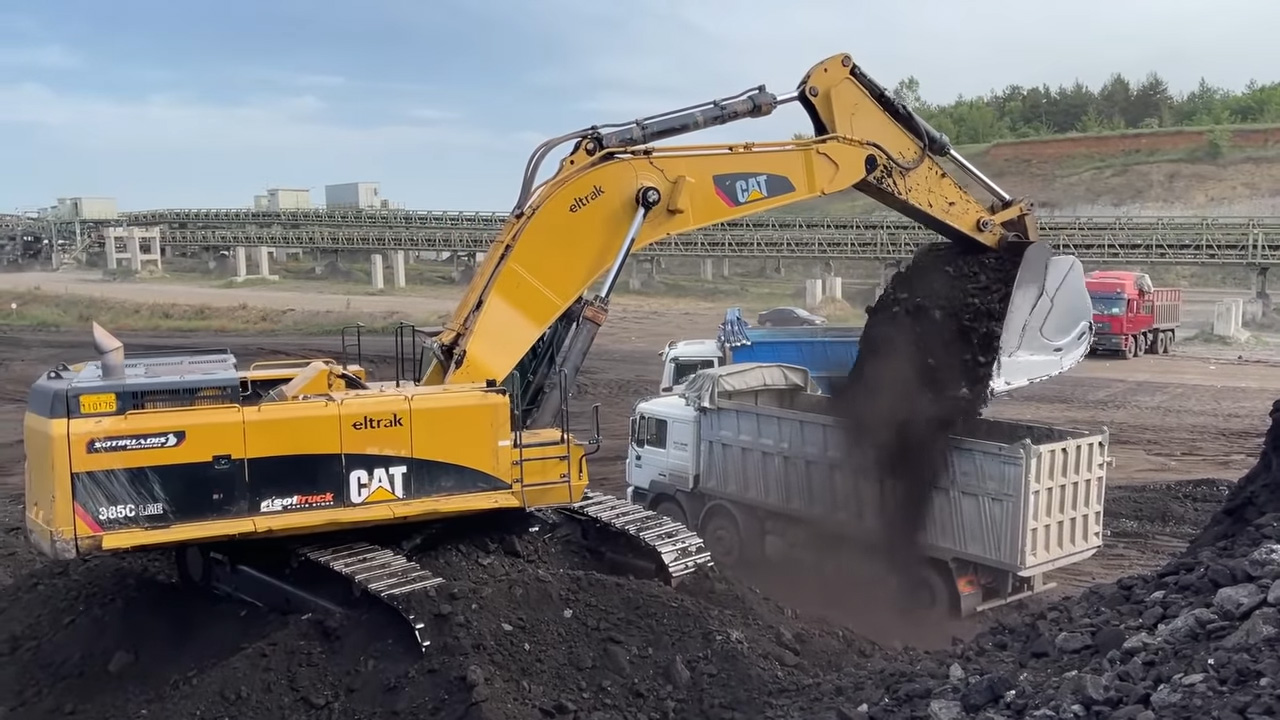
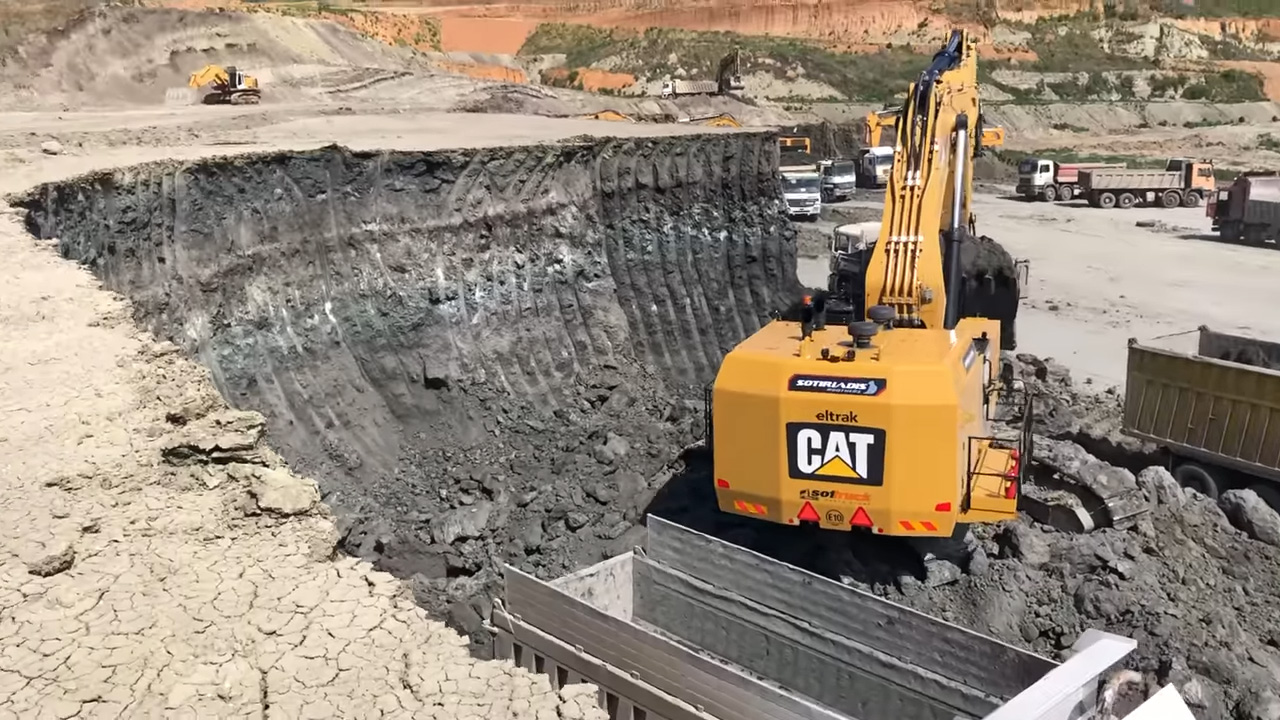
A yellow excavator with the CAT logo unloading rocks into the back of a large mining dump truck in an open-pit mine. Another truck is visible in the background on the rocky terrain under a clear sky

When is Renting Better?

Whether you’re a construction company, event planner, or office manager, determining the best approach for acquiring the equipment your business needs involves weighing various factors. Renting construction equipment makes the most sense for certain situations where it provides advantages over leasing or purchasing options.

Short-Term Projects

Renting equipment on a short-term basis for temporary projects can be highly cost-effective compared to leasing or buying. When a construction company only requires equipment for a single job, renting avoids long-term financial commitments. It allows utilizing specialized machinery without the large down payments or ongoing lease payments that come with leasing or ownership.

Limited Budgets

For businesses and contractors working with limited operating funds, renting equipment offers lower upfront costs than leasing or purchasing options. Renting construction machinery for a project keeps costs flexible without draining cash from a company’s capital. It provides access to required equipment while preserving working capital for other business expenses like payroll or materials.

Maintenance and Repairs

Most rental companies include maintenance, repairs, and insurance in their monthly pricing structures. This passes responsibilities and associated costs to the rental provider, saving contractors time and money.

Rather than handling mechanical issues themselves or paying third parties, renters can focus entirely on their work while the rental company’s technicians service the equipment. This makes renting attractive for companies that wish to minimize maintenance headaches.

In summary, renting construction equipment delivers the most significant benefits for contractors working on temporary projects, those with constrained budgets, or businesses seeking to outsource equipment maintenance.

By avoiding long-term financial obligations or responsibilities, renting remains a simple, low-commitment option to secure machinery for well-defined needs.

When is Leasing Better?

Leasing equipment can be more viable than renting when long-term machinery usage is required. Let’s explore some key instances where leasing construction equipment makes more sense for contractors and their businesses.

Long-Term Needs

If a construction company anticipates needing specialized equipment for an extended period that spans multiple projects, leasing may be the more cost-effective choice over repeatedly renting the same machinery.

Leasing allows consistent access to equipment for the lease term without incurring rising rental fees month after month. It offers stable, predictable costs that aid long-range budget planning.

Tax Benefits

Most rental companies treat lease payments as a tax-deductible operating expense, providing tax relief for business owners. Additionally, leasing equipment qualifies it as a tax asset that depreciates over time.

This means some lease payments can be deducted annually from taxable income. Such tax benefits help lower the total expense of leasing versus purchasing equipment outright.

Equipment Upgrades

Rental companies regularly update their inventories with newer models, so a reputable leasing company ensures contractors always have access to advanced equipment.

Leasing contracts sometimes allow lessees to upgrade leased machinery before the agreement ends by adjusting payments. This lets small businesses acquire new technologies without large down payments or taking out bank loans.

In summary, leasing construction equipment provides ownership benefits and flexibility that renting long-term cannot match. It presents a cost-effective option for contractors with continuous needs who want the newest tools while taking advantage of associated tax deductions.

Additional Considerations for Heavy Equipment

When determining whether to rent or lease heavy equipment for construction projects, additional factors should be considered beyond the standard pros and cons. Let’s explore some key considerations for specialized heavy machinery.

Cost Factors

Cost is always essential, but it adds complexity for heavy equipment. Purchasing large vehicles or machinery requires massive down payments that many small businesses and contractors cannot afford.

Leasing or renting allows equipment to be acquired without large down payments, distributing costs over an extended period. Most rental companies also regularly update their fleets, so renting provides access to newer technologies.

Project Flexibility

Construction projects vary in scope and duration. Renting matches cash flows with project timelines, while leasing commitments may exceed a project. Renting offers flexibility to change equipment as needed. Returning or exchanging a rental preserves capital for other projects.

Specialized Needs

Heavy equipment has specialized applications. Purchasing a specialized item like a bulldozer costs far more if it sits idle. Renting ensures the right equipment arrives for specialized short-term tasks, avoiding costs of equipment not utilized regularly.

Insurance Requirements

Construction companies must understand the insurance requirements when leasing or renting heavy equipment. Most rental companies and leasing agencies require renters and lessees to carry appropriate liability and property damage coverage for the rental period or lease term.

Liability Insurance

Liability insurance protects the renter or lessee in case an accident occurs while operating the leased or rented equipment, resulting in bodily harm to others or damage to other property. Construction companies need to have adequate general liability insurance that also covers the use of leased or rented equipment. This helps limit financial liability in case of accidents and injuries on job sites.

Property Damage Coverage

Property damage insurance covers repairs or replacement costs if the leased or rented equipment is damaged due to accidents, acts of nature, or normal wear and tear during use. It protects the renter or lessee from incurring heavy repair or replacement costs. Most rental companies and leasing agencies require renters and lessees to carry property damage coverage for the total value of the equipment.

Additional Insurance Options

In addition to liability and property damage coverage, construction companies may purchase additional insurance options like equipment breakdown insurance. This covers repair costs if the equipment malfunctions or breaks down due to mechanical or electrical failure.

Renters and lessees can also consider adding equipment theft coverage to protect against losses if the machinery is stolen at job sites. Comprehensive insurance policies that bundle various coverage types are a convenient option.

By understanding these key insurance requirements upfront, construction companies can ensure they have the necessary protections to safely lease or rent heavy equipment according to their agreements with rental companies. This helps limit financial risks and protect their business costs.

Frequently Asked Questions (Construction Equipment Innovations)

Construction businesses are adopting cutting-edge technology, such as remote-controlled equipment and drones, to revolutionize their operations. This shift towards construction innovation is driven by a high demand for increased safety, improved productivity, and efficiency in today’s industry.
Remote-controlled equipment significantly impacts construction sites, allowing operators to manage heavy equipment, including wheel loaders, from a safe distance. This increases safety and results in less maintenance and improved productivity, making it a no-brainer for construction businesses to explore these new solutions.
Predictive analytics leverages historical data to foresee potential issues in existing equipment, providing construction companies with valuable insights. This proactive approach allows for timely decision-making, minimizing disruptions, reducing maintenance costs, and ensuring construction projects stay on the right track.
Mobile apps tailored for construction management streamline processes, from task management to asset tracking. This digitization enhances efficiency, allowing teams to collaborate seamlessly and make informed decisions. It’s a game-changer in getting construction businesses out of their comfort zone and into the realm of optimized resource allocation.
Drones are transforming construction site operations by gathering real-time data for improved safety, quality, and productivity. With the ability to perform tasks faster and more safely than humans, drones are just a matter of time before becoming a standard tool for vice presidents and project managers, ensuring the right projects are completed on time and with precision in the construction industry.

How Heavy Rental Equipment Can Fill the Gaps During Your Equipment Maintenance

Mediapayperlead-com December 10, 2024

How Heavy Rental Equipment Can Fill the Gaps During Your Equipment Maintenance

Meta Description: Learn how renting construction equipment from a reputable supplier provides businesses numerous advantages over ownership, like lower costs, flexibility, and access to the latest tools to boost any project’s success.

Whether you need equipment for a one-time project or seasonal workload fluctuations, renting machinery is often a wise choice compared to ownership.

This article provides an overview of common issues contractors face and how renting equipment can help solve such problems cost-effectively. It also explores the advantages of rental options, such as access to the latest technology and reduced repair costs.

Key Takeaways 

  • Renting construction equipment provides flexibility and access to the right tools for varied projects while avoiding ownership costs like maintenance and repairs.
  • Owners of rental fleets ensure equipment is dependable through servicing, freeing customers to focus on their work.
  • Rentals allow adjusting needs according to workload fluctuations or trying new technologies before buying.
  • Storage, transportation, and replacing aging assets are non-issues, lowering expenses and simplifying operations for renters.

Why Rental Equipment is Important During Scheduled Maintenance

Scheduled maintenance is crucial when maintaining your heavy equipment, but it can also cause downtime that impacts productivity.

Renting equipment from a reliable rental provider during maintenance periods helps minimize lost time and keep your jobs on track.

Scheduled Maintenance is Necessary but Causes Downtime

Performing regular preventive maintenance is essential to keep your owned equipment running efficiently and identify any issues before they become problems that cause unplanned downtime.

However, taking machines out of service for maintenance means they cannot be used on your job sites during that time. This lost productivity can significantly affect your schedule and budget.

Equipment Helps Minimize Lost Productivity

  • Renting similar equipment from a rental provider allows you to fill in the gaps created by maintenance downtime. With a vast inventory network, an excellent rental company can quickly get the right replacement piece to your job site.
  • This ensures your crews have the tools to stay on schedule through regular maintenance cycles without work stoppages. Flexible rental agreements also let you keep productivity high for any maintenance period.
  • Rather than losing money from idle crews or rushed repairs, rentals keep your team working efficiently. They reduce the risks of maintenance-related delays impacting important deadlines or budgets.
  • The right rental provider delivers reliable, well-maintained machines to smoothly see your crews and projects. Their responsive service helps minimize downtime costs and lets you focus on your core construction business.

Benefits of Using Rental Equipment During Maintenance

When maintaining heavy equipment, renting machinery from a reliable rental provider can help fill the gaps during scheduled downtime and prevent project delays.

With a vast inventory network and responsive customer service, rental companies are well-positioned to offer flexible short-term options that suit your needs while providing access to the latest technology without long-term commitments.

Reliable Backup Support to Avoid Project Delays

Daily maintenance is essential for keeping equipment in good working order. However, not all equipment dealers can guarantee that rented and owned equipment will be available simultaneously.

A trusted rental partner with an extensive dealer network means you can obtain wide load permits and deliver replacement equipment swiftly to your job site. This helps minimize downtime and prevents costly project delays that hurt your bottom line.

Flexible Short-Term Options to Suit Your Needs

Whether you need to rent equipment for a few hours or multiple weeks, many rental companies offer flexible rental agreements tailored to your schedule.

This allows you to rent specialized machinery to fill in during maintenance without being tied to long-term ownership costs like insurance, taxes, and resale expenses.

Access to the Latest Machinery Without Long-Term Commitment

By renting from a provider with a massive distribution network, you can access the most efficient equipment on the market, including newer models with the latest innovations.

Renting allows you to test new equipment before purchase without a long-term capital commitment. If the technology does not meet your needs, you can easily switch to something more suitable.

Maintaining equipment is essential for safety and productivity. However, downtime during scheduled service can disrupt your construction business in today’s challenging business environment.

Partnering with a rental provider offers flexible solutions and access to reliable backup machines through their extensive inventory network. This helps fill the gaps and keep your projects on schedule.

Things to Consider When Renting Equipment for Maintenance

When it comes to maintaining your fleet of heavy equipment, renting machinery from a reliable rental provider can help fill the gaps during scheduled downtime and prevent productivity losses on your job sites.

Planned repairs and preventive maintenance are necessary in any construction business, and renting the right equipment can help reduce costs.

Equipment Requirements for Your Jobs

Whether you need a backhoe for excavation, a bulldozer for grading, or a crane for lifting materials, understanding your specific equipment needs for upcoming jobs is essential. This will help you work with your rental provider to source suitable machines.

Having the suitable equipment lined up beforehand ensures your crew can switch seamlessly to rental machines and continue working without delays once your owned equipment enters the shop for repairs or servicing.

Rental Period based on Maintenance Timelines

Keeping track of your fleet’s maintenance schedules and repair timelines allows you to plan rental windows accordingly.

Working with an experienced rental provider will enable you to arrange short—or long-term rental agreements based on anticipated downtime for preventive maintenance or emergency repairs. Depending on the nature of work and maintenance plans, these could range from daily to weekly or even monthly rentals.

Additional Features or Attachments are Required

Specialized attachments like hydraulic breakers, augers, mulching heads, or grapples allow machines to perform multiple tasks.

Discussing attachment requirements for rental equipment upfront ensures you have the right job tools. Your rental provider can help source attachments to go along with base machines and deliver fully configured packages to sites.

Partnering with an extensive inventory network capable provider is key to obtaining the most efficient equipment rentals. This helps reduce maintenance costs and prevent productivity losses.

Keep operations running seamlessly even when owned equipment enters the shop for repairs or servicing. The right equipment, delivered on time through flexible rental agreements, makes maintenance a non-issue for construction businesses.

Partnering with Rental Experts for Smooth Operations

Partnering with a reliable rental provider is key to ensuring smooth operations when supporting your construction business with the right tools.

Having the right equipment for each job is essential to complete projects efficiently while avoiding costly delays. Consulting rental experts help match the most suitable machines to your needs.

Consultation on the Right Equipment-Job Match

Seeking advice from knowledgeable rental professionals allows for obtaining insights into the most efficient equipment options. Experts understand various machine capabilities and can recommend the best equipment-job combinations.

This helps deploy the suitable tools for each task and prevents issues that arise from using the wrong equipment. Rental experts stay current on the latest technologies and can suggest specialized equipment ideal for specific project requirements.

Quick Delivery and Setup of Rental Equipment

Relying on a rental provider’s extensive inventory network means quickly accessing needed machines. Their massive distribution capabilities facilitate fast, just-in-time equipment delivery.

Professionals then efficiently set up rentals on-site to get your crew up and running promptly. This allows for minimizing downtime and avoiding costly project delays.

Maintenance of Rented Machines by Professionals

Rental agreements from reputable suppliers cover repair and preventive maintenance costs, saving on operating expenses. Regular servicing by qualified technicians helps maintain reliable uptime. Thanks to routine maintenance performed by experts, rental equipment is always in top condition.

This reliable performance prevents unexpected failures that pose safety risks and disrupt schedules. Partnering with rental experts provides well-maintained tools and frees your team to focus on productive work.

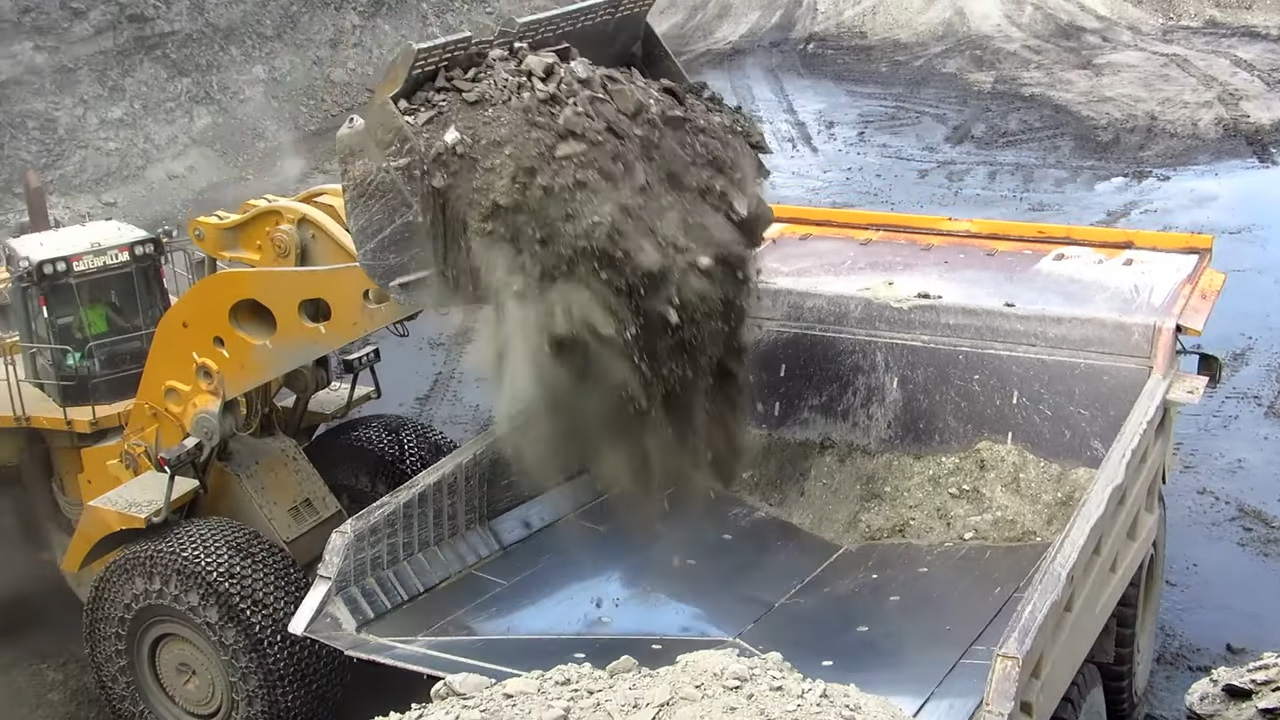
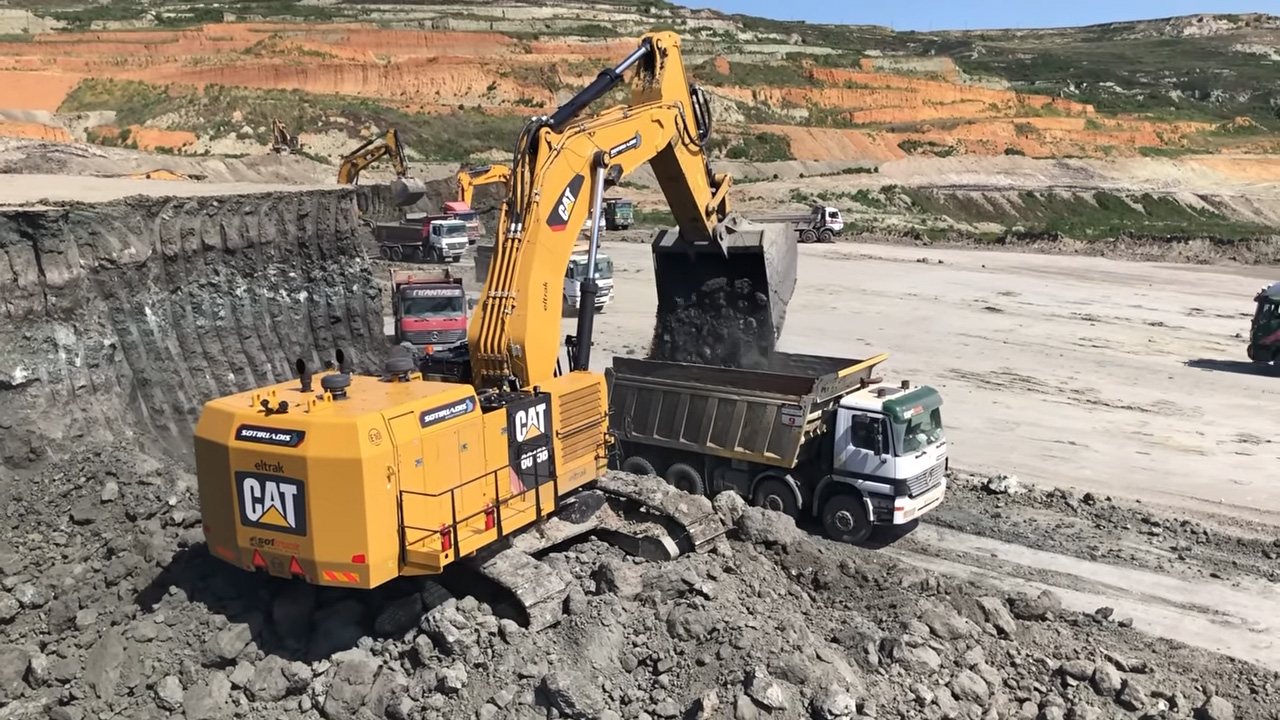
A yellow construction vehicle with a Caterpillar logo dumping a pile of rocks into the back of a large truck with a metallic bed

Cost Effectiveness of Rental Over Ownership

Whether you’re a small contractor just starting or an established large-scale construction firm, balancing equipment expenses with your budget is always important. Relying on rented equipment from a reputable rental provider can significantly reduce costs compared to owning machines outright.

Avoidance of Repair and Maintenance Expenses

Owning construction equipment involves substantial repair and maintenance costs to keep machines running efficiently throughout their lifespan. Contractors must employ technicians, purchase parts and tools, and schedule regular maintenance to retain value in owned assets.

Rental equipment transfers these expenses to the rental provider, saving on technician labor costs, preventive maintenance costs, and emergency repairs. The provider maintains well-serviced rental machines and ensures job sites have reliable equipment.

Lower Initial Investment than Equipment Purchase

Purchasing heavy machinery requires large upfront costs for buying or financing equipment. Renting eliminates this barrier, giving contractors flexible access to the right equipment for each job without immense initial investment. Rental agreements allow adjusting needs on a short-term basis as projects change.

Flexible Rental Periods as Needed Basis

Seasonal industries or those with fluctuating demand can optimize transportation costs through flexible rental periods. Short-term rentals for specialized equipment avoid owning machines used infrequently.

Rental machines fill gaps when owned assets undergo maintenance or failures occur. Contractors obtain only the equipment required without long-term ownership commitments.

Enting heavy equipment transfers substantial repair, maintenance, and storage expenses to the rental provider while giving contractors reliable access to efficient machines.

The lower initial investment and flexibility of rental agreements make this an attractive option for many construction firms, large and small. Partnering with a reputable rental company provides a cost-effective solution meeting contractors’ ever-changing equipment needs.

Rental Options for Different Machine Types and Sizes

Not all equipment dealers have an extensive inventory network capable of fulfilling every rental need. Choosing the right rental provider is essential if you require compact equipment for residential jobs or large-scale machinery for commercial projects.

Access to a wide selection of specialized equipment suited to various applications ensures you always have the most efficient options.

Compact Equipment Rentals

Smaller job sites with space constraints often call for compact machines. Renting equipment like mini excavators, skid steers, compact track loaders, and tractors gives contractors flexibility. It allows for the easy tackling of residential jobs or working in tight urban areas.

A reliable rental provider should have various compact equipment models to choose from. You can select the right-sized machine without safety or productivity issues.

Mid-Sized Equipment Rentals

Mid-sized equipment becomes necessary as project scales increase, including commercial developments and infrastructure works. Equipment such as backhoes, wheel loaders, motor graders, haul trucks, and cranes enter the picture.

Choosing an equipment rental company with the inventory to support these machine types saves costs compared to purchasing each piece. Flexible rental agreements ensure you only pay for the equipment during active use versus owning idle assets.

Large Equipment Rentals

Massive equipment is required for maximum efficiency for large-scale industrial and civil projects. Relying on rental providers with the inventory to fulfill these heavy-duty needs saves overhead. They ensure convenient access to hydraulic excavators, bulldozers, pavers, and crushers.

Emergency access to repair trucks and wide-load transport also gives contractors peace of mind. The right rental partner can obtain permits, deliver equipment, and ensure safe and legal transportation.

Frequently Asked Questions (Construction Equipment Innovations)

Construction businesses are adopting cutting-edge technology, such as remote-controlled equipment and drones, to revolutionize their operations. This shift towards construction innovation is driven by a high demand for increased safety, improved productivity, and efficiency in today’s industry.
Remote-controlled equipment significantly impacts construction sites, allowing operators to manage heavy equipment, including wheel loaders, from a safe distance. This increases safety and results in less maintenance and improved productivity, making it a no-brainer for construction businesses to explore these new solutions.
Predictive analytics leverages historical data to foresee potential issues in existing equipment, providing construction companies with valuable insights. This proactive approach allows for timely decision-making, minimizing disruptions, reducing maintenance costs, and ensuring construction projects stay on the right track.
Mobile apps tailored for construction management streamline processes, from task management to asset tracking. This digitization enhances efficiency, allowing teams to collaborate seamlessly and make informed decisions. It’s a game-changer in getting construction businesses out of their comfort zone and into the realm of optimized resource allocation.
Drones are transforming construction site operations by gathering real-time data for improved safety, quality, and productivity. With the ability to perform tasks faster and more safely than humans, drones are just a matter of time before becoming a standard tool for vice presidents and project managers, ensuring the right projects are completed on time and with precision in the construction industry.

How Heavy Equipment Rentals can Reduce Labor Expenses?

Mediapayperlead-com December 10, 2024

How Heavy Equipment Rentals can Reduce Labor Expenses?

Meta Description: Learn the advantages of renting construction equipment over buying for your business. Key benefits to renting equipment include lower costs, flexibility, and access to the latest models without long-term commitments.

This article objectively analyzes dumpster rental offerings to help readers make an informed decision. Reviewing publicly available information, key factors are examined, including service types, equipment sizes, pricing structures, and coverage areas.

Comparisons are made based on relevance to typical user needs. The aim is to understand the options thoroughly for assessing what best fits your waste management requirements. Relevant details are extracted while maintaining impartiality.

Key Takeaways:

  • Renting construction equipment provides flexibility and ensures you have the right tool for each job without long-term costs or commitments.
  • It allows businesses of all sizes to complete projects efficiently while avoiding expenses like maintenance, repairs, storage, and transportation.
  • Rentals improve cash flow and control over budgets by eliminating unpredictable repair costs. Companies have access to the latest technologies through rentals as well.

How Renting Heavy Equipment Can Help Small Businesses Complete Projects Efficiently

For many small construction businesses and contractors, accessing the specialized tools needed to complete jobs in a timely and cost-effective way can often seem like an impossible challenge.

With tight budgets and limited capital for expensive upfront purchases or rent heavy equipment, owning all the necessary heavy machinery is not feasible.

However, equipment rentals provide an affordable solution that helps smaller companies stay competitive by gaining temporary access to the right tools for every job.

Accessing the Right Tools for Every Job

No two construction projects are exactly alike, and different tasks require specialized equipment tailored for the job.

By partnering with reputable rental companies, businesses have the flexibility to source the precise machinery needed, whether it’s a small backhoe for residential landscaping or a large excavator for commercial demolition.

With a wide selection of quality rental options available as needed, contractors can complete even complex projects without being constrained by the limitations of permanently owning a fixed fleet of vehicles and heavy machinery.

Lowering Upfront Capital Requirements

  • Purchasing heavy equipment requires substantial initial investments that many smaller operations cannot afford. Rentals eliminate this hurdle by allowing equipment access as needed without the significant upfront capital outlays of ownership.
  • This preserves working capital and lowers financial risk, freeing up funds for core business operations, payroll, marketing, or expanding service offerings to take on more projects.
  • The predictable rental fees provide stable short-term costs versus the uncertainties of unexpected repair and maintenance expenses that come with equipment ownership.
  • By leveraging equipment rentals, smaller construction businesses and contractors can efficiently access the specialized tools necessary to tackle diverse projects while avoiding the high costs of permanent ownership.
  • Whether needing a piece of machinery for a specific job or temporarily supplementing an existing fleet, rentals offer an affordable and flexible solution that helps smaller companies stay competitive in today’s construction industry.

Understanding Your Equipment Needs

When taking on construction projects, it’s important to evaluate all your equipment carefully to ensure you have the right tools for the job while keeping costs low. The first step is analyzing the construction project, scope, and timeline to determine your required machinery.

Evaluating Project Scope and Timelines

Examining the scope of work and expected duration will reveal the equipment needs. List all tasks involved, such as demolition, earthmoving, lifting, transporting materials, and power needs. Note how long each phase may take to estimate equipment usage hours.

This evaluation prevents purchasing equipment for more than what’s required or renting longer than needed, reducing expenses.

Choosing the Right Equipment Size

Carefully selecting the appropriate size for each machine is also crucial. Equipment that is too small will increase labor expenses from inefficient work, while equipment that is too large may be unsafe, costly, and challenging to maneuver in tight spaces. Consult rental companies about options to purchase equipment and seek expert recommendations for optimally sized equipment.

By methodically analyzing project details upfront, construction companies can gain clarity on specific equipment needs. Partnering with an equipment rental provider ensures access to well-maintained tools tailored to the job scope, minimizing costs and risks.

Regular communication during the rental period further ensures the right equipment remains available as required. A needs-based approach to procuring the most suitable machinery supports completing projects on schedule and within budget.

The Financial Benefits of Renting Equipment

Controlling costs is paramount to maintaining a profitable business when undertaking construction projects. While equipment is indispensable, ownership comes with high operating expenses that strain budgets. Renting machinery provides numerous financial advantages over purchasing.

Reducing Operating Expenses

Renting shifts responsibilities like repair, maintenance, and storage costs to the rental company. This significantly reduces overhead for construction firms. Rental fees cover all servicing by professional service technicians, saving on labor.

Insurance, fuel, and transportation are typically also included in competitive rental rates. As a result, operating expenses are much lower versus owning multiple pieces of heavy equipment with high and unpredictable maintenance needs.

Gaining Tax Advantages

Tax deductions make renting more cost-effective for many companies. Equipment rental expenditures are fully tax-deductible as regular business expenses. This lowers the tax burden for construction businesses.

Additionally, rentals do not require significant capital investments that take longer to deduct. Tax deductions from rentals improve cash flow and tax savings for small contractors and startups compared to expensive equipment ownership early on.

Construction firms minimize financial risks by choosing rentals over purchases by focusing resources on core operations. Access to quality rental equipment on an as-needed basis supports flexible resourcing of multiple projects simultaneously.

This maintains strong competitive bidding power regardless of fluctuating demand in the construction industry. Overall, the lower operating costs and tax benefits of rentals provide a major advantage for optimizing project profits.

Simplifying Logistics & Project Management

When taking on construction projects, the logistics of coordinating equipment, transportation, storage, and maintenance can become a complex overhead that strains budgets and resources.

For most companies, especially smaller operators, efficiently managing these backend activities to support field operations is crucial for delivering projects on schedule and budget. Renting heavy equipment offers various advantages in streamlining logistics and simplifying project management.

Eliminating Transportation and Storage Hassles

By choosing equipment rentals, contractors can eliminate transportation costs associated with moving owned machines between job sites. They also avoid expenses for dedicated storage facilities to house equipment long-term.

The rental company handles deliveries and pickups of machines, taking the coordination burden off internal staff. With no equipment idle in storage areas, overhead is reduced. This allows companies to reallocate labor expenses towards more revenue-generating tasks.

Maintaining Flexibility for Changing Demands

Renting equipment as needed provides flexibility to adapt resource needs for varying project scopes and timelines. Should job requirements or specifications change, rental options allow adjusting the equipment lineup seamlessly without long-term commitments to owned assets.

This maintains productivity even with shifting demands that could stall field operations if reliant only on a fixed equipment fleet. The flexibility of rentals streamlines the management of scheduling adjustments.

By simplifying logistics activities like transportation, storage, and equipment coordination, rental options help construction firms operate with lower overhead costs. This allows a tighter focus on core field operations while preserving nimbleness to react swiftly to changing project circumstances.

The reduced burden on management and labor resources enhances competitiveness and makes weathering uncertain industry conditions more achievable—especially for smaller companies.

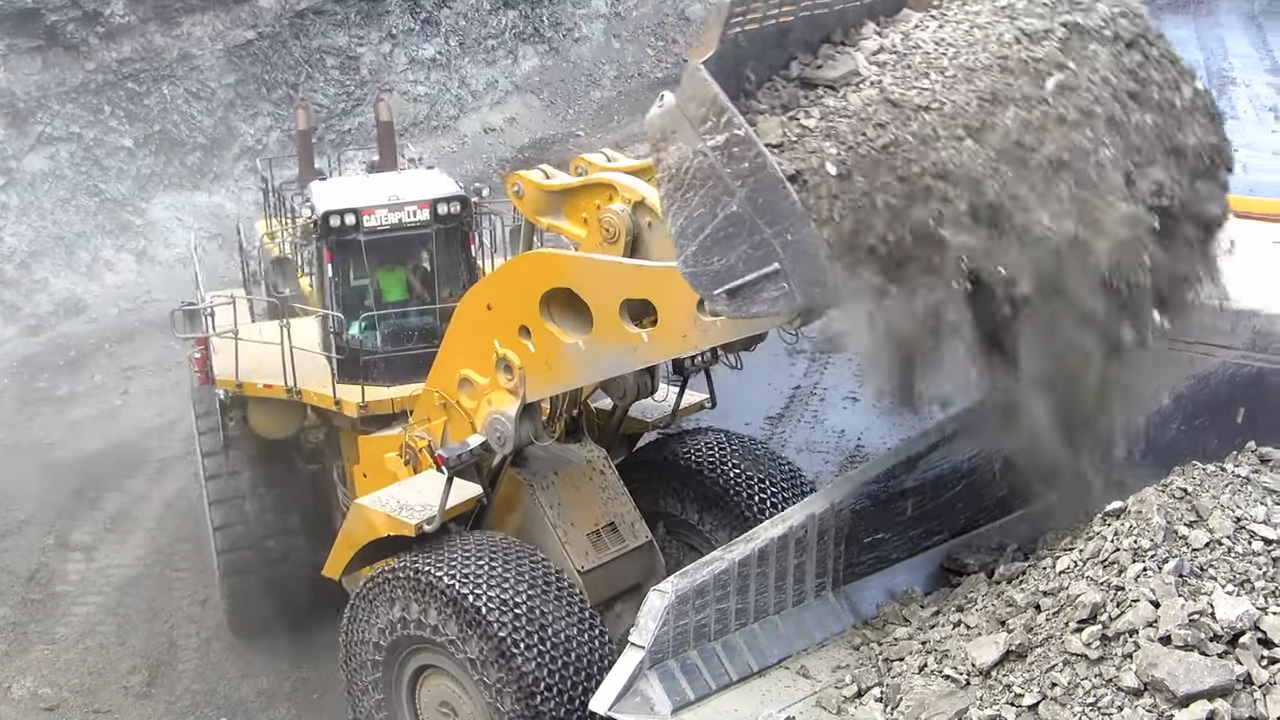
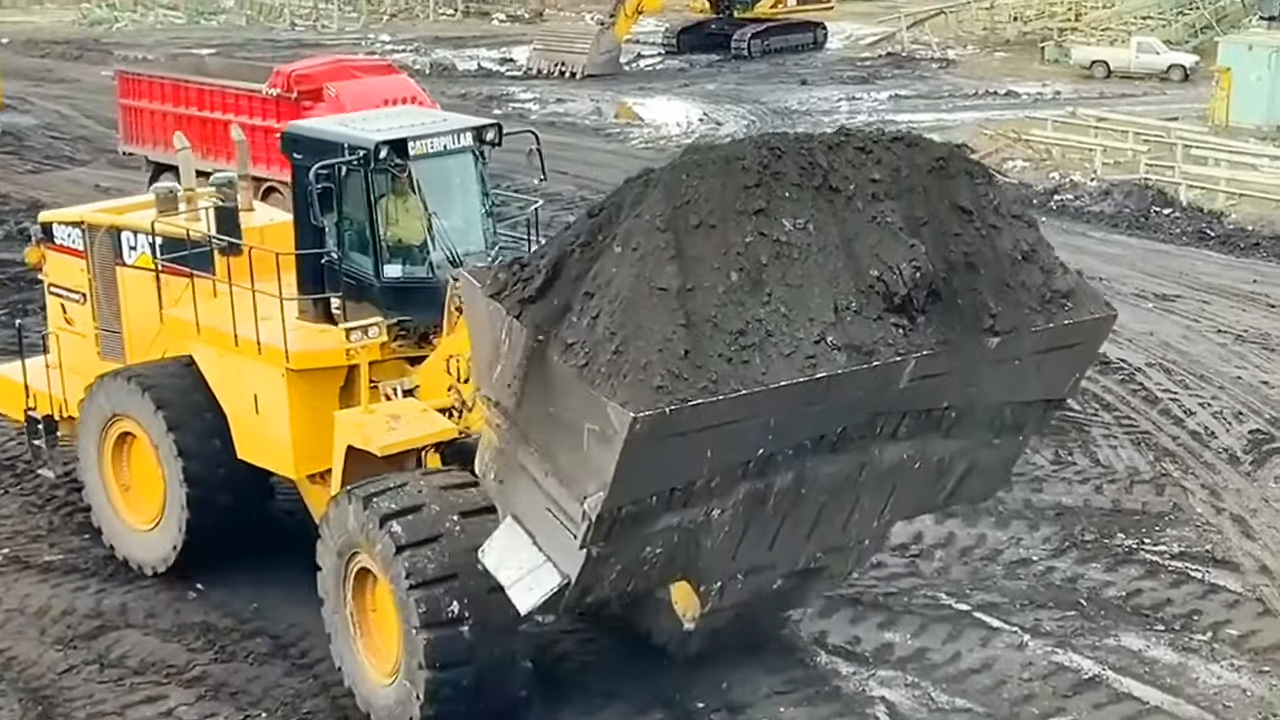
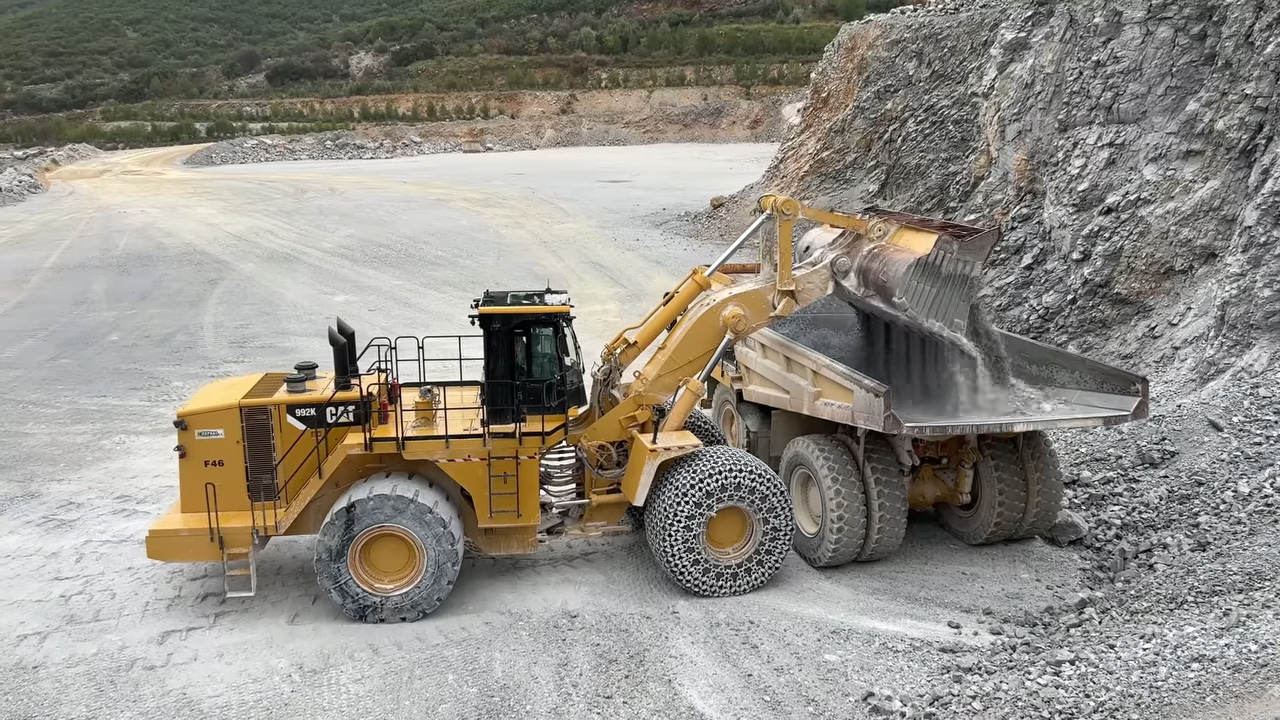
A yellow Caterpillar wheel loader with a large bucket scooping up a pile of rocks and dumping them into the back of a large dump truck in a quarry

Accessing the Latest Technologies

When taking on complex construction projects, having access to advanced equipment with the latest technologies is crucial. While purchasing the newest machinery involves a substantial upfront investment, equipment rentals provide contractors with an affordable way to utilize cutting-edge tools.

Boosting Productivity with Advanced Features

Renting the most updated equipment models allows construction firms to maximize efficiency on job sites. Integrated technologies like machine control, telematics, and analytics provide real-time insights that help operators work smarter.

GPS grading systems and 3D visualization features streamline earthmoving tasks, while remote monitoring prevents downtime from unexpected breakdowns. Keeping pace with technological advancements ensures teams fulfill demanding project schedules on budget.

Future-Proofing Your Business

Opting for short-term rental agreements over equipment ownership safeguards companies from long-term commitments. This flexibility allows businesses to adapt quickly to shifting market needs.

Renting the latest machinery through reputable rental firms provides hassle-free access to innovative solutions. Contractors can explore supplemental revenue streams and specialized applications. Staying on the cutting edge with rentals positions businesses for sustainable growth well into the future.

By partnering with an equipment rental company, construction firms can access Cat machines and other heavy equipment with advanced technologies.

Rentals provide an affordable way for businesses of all sizes to utilize the most current features, from 3D visualization and remote monitoring to predictive analytics and machine control.

Incorporating the latest innovations boosts productivity on job sites while future-proofing operations. Whether for specialized short-term needs or routine upkeep of standard tools, equipment rentals ensure contractors can complete complex projects on schedule and budget.

Partnering with Experienced Professionals

When taking on construction projects, partnering with experienced equipment rental professionals can provide numerous advantages for your business.

By relying on full-service providers with extensive expertise, you can focus on core operations while gaining access to well-maintained equipment, expert guidance for every project, and lower overall costs.

Relying on Full-Service Equipment Maintenance

Working with reputable rental companies specializing in construction equipment allows you to rely on their full-service maintenance programs.

As the equipment owner, rental providers assume responsibility for all repair costs, regulatory compliance inspections, and routine servicing to keep machinery in top operating condition.

By outsourcing maintenance needs to service technicians, you avoid these additional expenses and labor costs. Rental companies ensure their fleets meet the latest safety and emissions standards through comprehensive maintenance schedules.

This lets you focus on projects while knowing that any rented equipment will be properly cared for and always available in safe working order.

Receiving Expert Guidance for Every Project

In addition to handling regular maintenance,, experienced rental partners can provide expert guidance on choosing the right equipment for each job. Their equipment specialists are well-versed in the capabilities and applications of different heavy machinery.

By consulting with a rental company’s recommendations, you gain access to the specialized equipment ideally suited for the needs of any particular project. This ensures jobs are completed efficiently without investing in expensive equipment that may only be needed occasionally.

Expert guidance also helps pair the proper equipment size to each job site to maximize productivity and minimize downtime between tasks.

Partnering with full-service equipment rental professionals provides construction companies with many benefits, such as lower operating costs, expert maintenance programs to keep machinery in good working condition, and specialized guidance to choose the right equipment for any job.

These advantages allow businesses to focus on their core operations while gaining reliable equipment access for all projects as needed.

Frequently Asked Questions (Construction Equipment Innovations)

Construction businesses are adopting cutting-edge technology, such as remote-controlled equipment and drones, to revolutionize their operations. This shift towards construction innovation is driven by a high demand for increased safety, improved productivity, and efficiency in today’s industry.
Remote-controlled equipment significantly impacts construction sites, allowing operators to manage heavy equipment, including wheel loaders, from a safe distance. This increases safety and results in less maintenance and improved productivity, making it a no-brainer for construction businesses to explore these new solutions.
Predictive analytics leverages historical data to foresee potential issues in existing equipment, providing construction companies with valuable insights. This proactive approach allows for timely decision-making, minimizing disruptions, reducing maintenance costs, and ensuring construction projects stay on the right track.
Mobile apps tailored for construction management streamline processes, from task management to asset tracking. This digitization enhances efficiency, allowing teams to collaborate seamlessly and make informed decisions. It’s a game-changer in getting construction businesses out of their comfort zone and into the realm of optimized resource allocation.
Drones are transforming construction site operations by gathering real-time data for improved safety, quality, and productivity. With the ability to perform tasks faster and more safely than humans, drones are just a matter of time before becoming a standard tool for vice presidents and project managers, ensuring the right projects are completed on time and with precision in the construction industry.

A Guide to Heavy Equipment Rental Pros and Cons

Mediapayperlead-com December 10, 2024

A Guide to Heavy Equipment Rental Pros and Cons

Meta Description: Learn the pros and cons of renting versus owning heavy construction equipment for your business. Factors like costs, flexibility, maintenance responsibilities, and compliance requirements are compared to help you decide the best option.

Whether you need equipment for a construction project or to maintain your landscape business, renting can be an intelligent choice over buying.

This article provides an overview of the benefits rental offers businesses, like flexibility, lower costs, and stress-free compliance. We analyze essential factors to consider when deciding between options. We aim to help you understand the pros and cons of making an informed choice for your needs.

Key Takeaways

  • Renting construction equipment provides flexibility and access to the latest models with lower initial costs than ownership.
  • Ownership requires expenses like maintenance, storage, transportation, and depreciation.
  • Renting equipment as needed saves money for businesses with temporary or changing equipment needs for different projects.
  • Rental companies handle equipment maintenance and logistics, saving contractors time and hassle.

Should You Rent or Buy Heavy Construction Equipment?

When starting or running a construction business, one of the most important decisions you will face is whether to rent or purchase heavy equipment needed for jobs. While owning equipment provides long-term benefits, renting offers flexibility and reduced costs that are advantageous, especially for companies just starting out or with variable project needs.

Factors to Consider Before Making the Decision

There are several important factors to weigh carefully based on your company’s unique situation:

  • Repair and maintenance costs for owned equipment can be substantial over time. We are renting and transferring these expenses to the rental provider, saving on operating costs.
  • Purchasing new earthmoving or construction machinery requires a sizeable upfront investment not all businesses can afford. Renting allows you to access quality equipment for a fraction of the purchase price.
  • Owning outdated or specialty equipment with irregular use results in depreciation costs but no revenue when not on job sites. Renting on an as-needed basis avoids these non-productive expenses.
  • Insurance, storage, transportation, and other ownership costs are eliminated by renting. Only rental payments are due for the duration of use versus long-term obligations of equipment loans or leases.
  • Specialized equipment required for only a few jobs may not be worth an ownership investment. Rental satisfies these short-term, variable needs more cost-effectively.
  • Downtime from machinery breaks or repairs costs money in lost productivity. Rental guarantees a replacement machine to keep work moving until repairs are done.

Overall, renting construction equipment provides the flexibility and reduced costs many construction companies require, especially for short-term or specialized projects. However, ownership can make sense for companies using heavy machinery regularly over the long haul.

The Pros of Renting Heavy Equipment

Whether you’re a small construction company just starting or an established business tackling large projects, heavy equipment is essential for completing jobs on time and within budget.

However, purchasing this specialized machinery requires a substantial upfront investment, ongoing maintenance costs, and responsibilities like storage and transportation that take your focus away from core operations.

For many contractors, renting heavy equipment from reputable rental providers makes more financial sense and allows greater flexibility to adapt to changing project needs.

Flexibility to Adapt to Changing Project Needs

One of the most significant advantages of renting rather than owning heavy equipment is the ability to adapt your machinery lineup as project requirements evolve quickly. When you rent, you can access a wide selection of the latest models, from earthmoving equipment to cranes.

If your project expands in scope part way through, requiring a different type or larger machine size, you can easily upgrade your rental without being tied to outdated equipment in your ownership fleet. Renting also prevents costly delays if you need to wait for a specialized piece of machinery to become available.

Avoid High Upfront Capital Investment

Purchasing heavy construction equipment requires a sizable upfront expense not all construction businesses can afford, especially in the early growth stages. Renting eliminates this hurdle by allowing you to use quality machinery without making a large capital outlay.

You have more working capital to invest in other important areas like personnel, materials, marketing, or pursuing new job opportunities. Over time, rental payments also tend to be more predictable than unexpected repair bills with equipment ownership.

Reduce Operating and Maintenance Costs

Owning heavy equipment incurs constant operating expenses like insurance, repairs, routine maintenance, and eventual replacement. These ongoing ownership costs can be substantial over the lifespan of the machinery.

However, with rentals, maintenance responsibilities shift to the rental provider. They handle repairs, upgrades, and compliance with emissions standards so you avoid unpredictable repair bills. Any downtime is also their responsibility rather than cutting into your productivity.

Access Latest Models and Technologies

Rental providers constantly refresh their fleets with new equipment to meet customer needs. You can access state-of-the-art machinery with the latest technologies like telematics and onboard diagnostic systems as a renter.

You gain competitive advantages through efficient, compliant, and productive equipment without waiting for your owned assets to become outdated. Renting is an intelligent path for construction businesses that want cutting-edge equipment without long-term ownership commitments.

Focus on Core Business Instead of Equipment Management

  • Owning heavy machinery involves responsibilities beyond operation on job sites, like transportation between locations, storage when not in use, and compliance paperwork. However, rental providers handle all the logistics and documentation requirements for you.
  • This allows your personnel to dedicate more time to estimating, bidding, project management, and other core business functions rather than equipment coordination and administration tasks. Outsourcing equipment responsibilities to experts lets you run a leaner operation.
  • In conclusion, flexibility, reduced costs, and focus on core competencies are major pros that make renting heavy equipment an attractive option for many construction companies.
  • Whether you need machinery for a few jobs or ongoing projects, evaluating a rental program can help lower your ownership expenses and allow adaptation to changing industry and project needs.

Potential Drawbacks of Renting Heavy Equipment

While equipment rentals provide numerous advantages for construction companies, there are also some potential drawbacks. By understanding both sides, businesses can make the most informed choice for their unique needs and situations.

Higher Long-Term Costs for Long-Term Rentals

If a construction project requires equipment for an extended period, the costs of long-term rentals may exceed what it would cost to purchase and own the machinery outright. While rental payments are spread out over time, the total expense can exceed the purchase price.

if the equipment is needed continuously for many months or years. Companies must calculate estimated rental fees versus ownership costs over the expected usage duration to determine the most cost-effective option.

Lack of Ownership and Resale Value

Another potential disadvantage is that renting equipment provides no return on investment through resale value. Owned machinery retains a resale price at the end of its useful life, allowing recovery of some costs.

However, all money paid for rental payments disappears since the equipment is never truly owned. For jobs likely to utilize equipment for many years, ownership may be more financially beneficial in the long run.

Limited Availability During Peak Seasons

Availability can become an issue during peak construction seasons when there is high demand for certain types of heavy equipment. Since rental companies have a limited inventory of each machine, desired models might not be accessible for the time frame needed.

This could pose a risk of project delays if an essential piece of machinery is unavailable. Critical equipment in your fleet helps ensure it is readily on hand when required on the job site.

By weighing these potential drawbacks against the various advantages, construction businesses can determine the best strategy for their circumstances.

whether renting certain equipment or purchasing key machines within their operations. The right balance of ownership and rentals will optimize efficiency and costs.

A yellow Caterpillar wheel loader lifting a large block of white marble in a quarry with other marble blocks and debris in the background

When is it Better to Purchase Heavy Equipment?

While renting construction equipment provides numerous benefits like flexibility and lower upfront costs, purchasing equipment outright makes sense for certain situations. Before deciding between renting or owning, carefully evaluating your unique business needs and circumstances is important.

Equipment Needed for Long-Term or Repeated Use

Suppose a piece of heavy machinery will be used regularly for an extended period, like multiple years. In that case, the ongoing costs of renting it long-term may exceed the purchase price of buying it.

Owning equipment that will see frequent and sustained usage helps maximize its value over time. Repeated, long-haul rental costs for equipment used on many jobs or projects may not be as financially sustainable as purchasing it.

Ability to Absorb High Upfront Costs

Purchasing heavy equipment requires a sizable upfront investment, especially for sizeable earthmoving machinery. But if a construction company has the capital available and a strong balance sheet to absorb the initial equipment costs without taking on burdensome debt, ownership can make financial sense. The ability to pay for new equipment outright while maintaining positive cash flow is ideal for maximizing savings over time.

Potential Tax Benefits of Ownership

Construction companies that purchase new equipment can benefit from tax deductions and depreciation write-offs that spread equipment costs over multiple years.

While rental payments are also deductible as business expenses, owning equipment allows for additional tax savings through depreciation schedules. For companies in higher tax brackets, the potential tax benefits of equipment ownership should factor into the purchase decision.

In conclusion, renting remains the most flexible option for construction equipment needs. However, if usage will be long-term, frequent, and sustained, the financial ability to absorb high upfront costs or potential tax benefits is significant.

Then, purchasing heavy machinery can be the most cost-effective decision over extended periods. Businesses must evaluate their unique needs and situations to determine the best strategy.

Integrating Both Rental and Purchase Options

For most construction companies, integrating rental and purchase options for heavy equipment is the ideal scenario. This allows businesses to enjoy the benefits of both while mitigating the downsides of each.

Flexibility Through a Mix of Owned and Rented Equipment

A construction business gains flexibility by owning some equipment outright and renting other machinery. Owning equipment that is used regularly on multiple jobs provides stability.

However, renting equipment for specialized jobs or those requiring a few uses allows companies to take on diverse projects without investing in equipment that sits idle.

This strategy was more economical for one company that realized renting an earthmoving excavator for only one job saved significantly on ownership costs.

Cost Savings from Strategic Purchasing

Purchasing equipment that sees high utilization, such as backhoes, bulldozers, and loaders, can lead to long-term cost savings versus constant rentals. One manager found owning front-end loaders used on every job helped recoup the purchase price in only two years.

Meanwhile, renting a specialty skid steer for an infrequent task prevented unused money in an owned asset. Strategic purchasing focused on core equipment needs, while tactical renting addressed irregular requirements.

Compliance is Made Simple Through Rental Assistance

By partnering with an equipment rental provider, one business ensured construction machinery on every job site met evolving emissions standards without hassle.

The rental store handled regulatory compliance for all rented equipment, saving the construction company personnel costs related to tracking policy changes. Outsourcing compliance to experts provided peace of mind.

In conclusion, an integrated strategy of balanced equipment ownership and rental leverages the advantages of both approaches. Construction firms optimize flexibility and lower expenses by keeping regularly used machinery in-house while renting specialized or infrequently required heavy equipment and machinery.

Outsourcing non-core functions like compliance supports the business and simplifies operations. Overall, strategically determining rental versus purchase on a case-by-case basis yields the best results.

Selecting the Ideal Equipment Rental Partner

When renting equipment for construction jobs, choosing a rental company that can meet all your needs is important. Consider these factors to ensure you have the right rental partner:

  • Equipment Selection: Look for a provider with various rental equipment like loaders, excavators, cranes, etc. This allows you to rent what you need for each unique construction project without buying all the equipment. You want options to rent heavy equipment and specialized machinery if projects require it. Having the right rental equipment is key in the construction industry.
  • Service and Support: Go with a company that offers top-notch service. Quick response when a rented machine breaks down saves on costs compared to delays. Leading rental providers handle maintenance, repairs, and compliance for rented equipment so you don’t have to. This saves money you’d otherwise pay personnel to manage upkeep.
  • Cost Savings: Evaluate total costs of long-term rentals versus ownership expenses like repairs, storage, and equipment depreciation. Renting construction equipment provides flexibility at a lower initial price point than buying. With rental, all the money goes to your core projects rather than owning machinery that sits idle between jobs.
  • Equipment Management: Choose a partner that delivers and picks up heavy machinery right to your construction site. This cuts transport costs and logistical hassles. From equipment renting to permits and insurance, quality rental companies manage many details so you can focus on work.
  • Cutting Edge Technology: Top brands continually invest in new rental equipment with the latest safety and productivity features. Try to rent heavy machinery that keeps your work efficient. Renting provides faster access to construction technologies compared to waiting to buy updated machines for your own fleet.
  • Reputation: Consider highly rated national chains trusted for quality rental equipment across the construction market. Partners like these can supply all your equipment needs through high-capacity stores.

Overall, carefully evaluating rental options ensures the right rental equipment, support, and total costs for your variety of construction projects. The ideal rental company helps maximize the benefits of renting over buying construction equipment outright.

Frequently Asked Questions (Construction Equipment Innovations)

Construction businesses are adopting cutting-edge technology, such as remote-controlled equipment and drones, to revolutionize their operations. This shift towards construction innovation is driven by a high demand for increased safety, improved productivity, and efficiency in today’s industry.
Remote-controlled equipment significantly impacts construction sites, allowing operators to manage heavy equipment, including wheel loaders, from a safe distance. This increases safety and results in less maintenance and improved productivity, making it a no-brainer for construction businesses to explore these new solutions.
Predictive analytics leverages historical data to foresee potential issues in existing equipment, providing construction companies with valuable insights. This proactive approach allows for timely decision-making, minimizing disruptions, reducing maintenance costs, and ensuring construction projects stay on the right track.
Mobile apps tailored for construction management streamline processes, from task management to asset tracking. This digitization enhances efficiency, allowing teams to collaborate seamlessly and make informed decisions. It’s a game-changer in getting construction businesses out of their comfort zone and into the realm of optimized resource allocation.
Drones are transforming construction site operations by gathering real-time data for improved safety, quality, and productivity. With the ability to perform tasks faster and more safely than humans, drones are just a matter of time before becoming a standard tool for vice presidents and project managers, ensuring the right projects are completed on time and with precision in the construction industry.

Can You Rent to Own Heavy Equipment?

Mediapayperlead-com December 10, 2024

Can You Rent to Own Heavy Equipment?

Meta Description: Learn how rent-to-own programs for heavy equipment through reputable rental companies can help smaller contractors and businesses acquire the necessary machinery.

Renting heavy equipment can be a substantial investment for construction and industrial projects. This is where rent-to-own options provide an alternative worth considering.

These programs allow users to acquire the necessary machines while spreading payments over time.

This article explores the rent-to-own model in depth, examining how it works and the factors to consider when determining if this approach makes sense for your needs and circumstances.

Key Takeaways

  • Renting heavy machinery is an affordable alternative to ownership for both short and long-term equipment needs in various industries.
  • Rent-to-own programs through rental companies allow users to apply rental payments towards the eventual purchase of assets over flexible terms.
  • A wide selection of brands for heavy equipment like excavators, skid steers, loaders, and more are available to rent by the month or year from reputed rental firms.
  • Financing for leased equipment acquisition is readily available through lending partnerships, expediting the approval process.
  • Cost-effective rentals provide the latest machinery without large capital outlays and full-service support from rental providers.

Rent-to-Own Heavy Equipment – A Viable Option for Construction Projects

Understanding the Rent-to-Own Model

The rent-to-own model provides a flexible financing option for construction companies and contractors to acquire the equipment needed for their projects.

Instead of a large upfront cash purchase, renting allows businesses to pay for machinery in affordable monthly installments over the rental period. This can significantly reduce operating expenses and ease cash flow compared to buying equipment outright with cash.

Most rental companies apply a portion of regular rental fees towards the eventual purchase price if the renter decides to buy the machinery.

Typically, this portion increases the longer the equipment is rented. Some companies even offer the first few months as a down payment credit. This makes the rent-to-own option an attractive alternative to traditional leasing for construction equipment like backhoes, excavators, skid steers, and trucks.

If the project ends earlier than planned and the equipment is no longer necessary, renters can return it without a purchase commitment. But if they want to own the machine, rental history may help with faster financing approval.

The rental period also provides time to evaluate if a particular model meets their needs before a long-term buying decision.

Deciding If Rent-to-Own is Right for Your Project

  • When renting, leasing, or buying equipment for construction projects, factors like timeline, budget, utilization rate, insurance responsibilities, maintenance costs, fuel and repair expenses, and future needs should be considered. Rent-to-own flexibility may be preferable for shorter-term or one-off jobs.
  • However, higher rental rates could outweigh ownership savings over time for long-term high-usage equipment.
  • Analyzing project specifics and equipment type can help determine the most cost-effective option to optimize costs and cash flow, whether choosing skid steers, excavators, backhoes, or other machinery. Informed decisions require evaluating available rent, lease, and purchase options.

Evaluating Your Equipment Needs and Timelines

Determining Project Requirements and Duration

The first step for construction companies is to assess project specifications and expected timelines accurately. This includes determining the type and size of machinery required based on job scope, site conditions, and local regulations.

Estimating equipment usage hours daily and weekly will help identify short vs long-term needs. Documenting these requirements gives rental companies the necessary details to recommend suitable equipment options within budget.

Having clear expectations upfront facilitates choosing optimal rent vs buy solutions.

Considering Equipment Alternatives

Thoroughly evaluating available alternatives is essential for making informed decisions. Rental companies offer a wide selection of brands to handle different tasks. Consider machinery like excavators, backhoes, skid steers, and dump trucks.

Newer fuel-efficient models may seem attractive but cost more to rent long-term. Used equipment proves more affordable for shorter jobs. Renting multiple smaller machines for different stages could replace one more significant rental.

Equipment sharing between subcontractors also saves costs. Properly researching all viable alternatives leads to selecting solutions perfectly matched to project needs and timelines.

Weighing the Costs of Renting vs Buying Equipment

Upfront Investment Required for Purchasing

Construction companies must carefully consider the upfront investment needed to buy equipment. Purchasing requires a sizable down payment plus taxes, registration, delivery costs, and other fees.

This large cash outlay can strain budgets, especially for smaller businesses. Renting avoids such a substantial initial investment, making it easier to acquire the machinery needed without major cash flow impacts.

Total Cost of Ownership Over Time

While renting carries ongoing rental fees, buying shifts costs to other items like interest, depreciation, and maintenance over the long run. Rental rates are typically higher than ownership costs for short-term needs.

However, total expenses must be analyzed over the equipment’s lifespan to compare renting vs buying accurately. Unexpected repairs or a market downturn could increase buyer costs substantially. Renting provides more cost certainty without long-term commitments.

Flexibility and Cash Flow Benefits of Renting

Renting offers flexibility to change equipment as project needs evolve without being tied to a fixed asset. It also allows equipment sharing between job sites, which lowers costs. Returned rentals provide immediate cash flow boosts versus selling owned assets.

These benefits prove invaluable for fluctuating workloads and industries like construction. Renting is a smart choice for many short-term, seasonal, or one-off projects.

Qualifying for Rent-to-Own Programs

Most rental companies that offer rent-to-own programs have standardized procedures to qualify equipment users for these flexible financing options. Understanding the process and terms is crucial for construction firms to make informed decisions on acquiring the machinery required for their projects.

Credit Approval Process

The first step involves a simple credit application where essential business and ownership details are collected. This allows the rental company to run a soft credit check to evaluate payment history and ability to take on new debt.

For those with minimal or no credit, a larger security deposit may be required upfront instead of a down payment. Proof of proper insurance is also mandatory before equipment delivery.

Terms and Conditions

If approved, standard program terms apply. The rental period is usually 3-18 months, with ownership transferring once the purchase price is paid in full through rental credits. Rental fees must remain current, and equipment must continuously be rented to qualify.

Maintenance as per manufacturer guidelines is the renter’s responsibility. Damage beyond normal wear is also their liability.

A yellow Caterpillar wheel loader carrying a large bucket full of dirt in a muddy construction site

Maintaining Equipment and Meeting Obligations

Keeping rented heavy equipment in good working condition is crucial for any rent-to-own agreement. Both parties have responsibilities to make the arrangement a success.

Required Maintenance and Responsibilities

The renter assumes liability for regular upkeep of the machinery according to manufacturer guidelines. This includes fluid changes, filter replacements, greasing points, and cleanliness.

Any damage beyond normal wear must be repaired before returning the equipment. Replacement of broken or worn components like teeth, tracks, and tires also falls under the renter’s obligations.

Conditions for Applying Rental Payments

Some conditions must be met for the rental company to apply payments towards the purchase price. The equipment must be rented continuously throughout the program, usually for 3-18 months.

All rental fees must remain current with no missed or late payments. The machinery must also be kept in re-rental condition to qualify for credits. The renter can eventually own the equipment by fulfilling maintenance duties and financial obligations.

Completing the Purchase or Returning Equipment

Customers must decide whether to finalize the purchase or return the machinery at the end of a rent-to-own program. Let’s explore both options in more detail:

Finalizing the Purchase

If all rental payments and obligations are fulfilled, the total amount credited from the rental period is deducted from the purchase price. Customers can then pay the remaining balance or arrange financing through the rental company’s partners.

Final sale documents, maintenance records, and any warranty coverage still in effect are provided. This allows smaller businesses to acquire the necessary equipment using affordable, flexible terms.

Equipment Return Requirements

Should plans change and the purchase not be completed, renters are responsible for returning the machinery in the condition outlined in their rental agreement. This typically involves refueling, cleaning both the inside and out, and addressing any repairs from damage beyond normal wear and tear. Returning the equipment promptly avoids additional fees.

By meeting return obligations, renters can use rent-to-own programs again for short-term equipment needs or construction projects.

Frequently Asked Questions (Construction Equipment Innovations)

Construction businesses are adopting cutting-edge technology, such as remote-controlled equipment and drones, to revolutionize their operations. This shift towards construction innovation is driven by a high demand for increased safety, improved productivity, and efficiency in today’s industry.
Remote-controlled equipment significantly impacts construction sites, allowing operators to manage heavy equipment, including wheel loaders, from a safe distance. This increases safety and results in less maintenance and improved productivity, making it a no-brainer for construction businesses to explore these new solutions.
Predictive analytics leverages historical data to foresee potential issues in existing equipment, providing construction companies with valuable insights. This proactive approach allows for timely decision-making, minimizing disruptions, reducing maintenance costs, and ensuring construction projects stay on the right track.
Mobile apps tailored for construction management streamline processes, from task management to asset tracking. This digitization enhances efficiency, allowing teams to collaborate seamlessly and make informed decisions. It’s a game-changer in getting construction businesses out of their comfort zone and into the realm of optimized resource allocation.
Drones are transforming construction site operations by gathering real-time data for improved safety, quality, and productivity. With the ability to perform tasks faster and more safely than humans, drones are just a matter of time before becoming a standard tool for vice presidents and project managers, ensuring the right projects are completed on time and with precision in the construction industry.

Benefits of Renting Heavy Equipment in Winter

Mediapayperlead-com December 10, 2024

Benefits of Renting Heavy Equipment in Winter

Meta Description: Everything you need to know about renting the right winter equipment, like snow removal attachments, heaters, and light towers to keep your business running smoothly through the colder months – popular rental items, benefits vs buying, factors for choosing a rental provider, and safety protocols.

Winter weather brings challenges for construction and landscaping businesses. Snow and freezing temperatures can hamper outdoor work. However, renting the proper Equipment makes it possible to continue operations productively during cold months.

This article provides an overview of various types of rental Equipment that help businesses work effectively in winter conditions. It also highlights the benefits of leasing gear temporarily versus owning it.

Key Takeaways

  • Renting heavy machinery is an affordable alternative to ownership for both short and long-term equipment needs in various industries.
  • Rent-to-own programs through rental companies allow users to apply rental payments towards the eventual purchase of assets over flexible terms.
  • A wide selection of brands for heavy equipment like excavators, skid steers, loaders, and more are available to rent by the month or year from reputed rental firms.
  • Financing for leased equipment acquisition is readily available through lending partnerships, expediting the approval process.
  • Cost-effective rentals provide the latest machinery without significant capital outlays and full-service support from rental providers.

Benefits of Renting Heavy Equipment for Winter Operations

Renting heavy equipment like backhoes, excavators, skid steers, and other machinery provides numerous benefits compared to owning equipment for winter work. Some key advantages include reduced capital expenditure, access to the latest technologies, lower maintenance costs, and flexibility to scale operations based on seasonal needs.

Reduce Capital Expenditure

Renting heavy equipment benefits construction companies and other businesses conducting outdoor work during winter. One key advantage is reducing capital expenditure. Purchasing specialized equipment for snow removal and other winter tasks for only a few months requires a significant initial investment. Renting allows businesses to avoid this upfront cost and focus resources on more essential owned Equipment.

Access Latest Technology

Another benefit is gaining access to the latest technology. Rental companies frequently update their fleets with new machines featuring improved fuel efficiency, productivity, and operator comfort. Businesses can utilize the most cutting-edge technology without heavy purchasing costs by renting rather than owning winter equipment long-term. They also have more flexibility to try different equipment types to determine the suitable machine for each job site’s needs.

Lower Maintenance Costs

Lower maintenance costs are another advantage. When Equipment is rented short-term, the rental company—not the business—is responsible for ongoing maintenance, repairs, and preparation for long-term storage. This saves construction companies’ expenses and frees their maintenance crews to focus on core-owned Equipment.

Renting eliminates storage space requirements as well. Storing-owned winter equipment takes up valuable space for most of the year and associated losses from damage and theft risks during long-term storage.

By renting the proper heavy Equipment, businesses can keep their workers warm and remove snow efficiently to maintain productivity throughout winter. Renting skid steers, backhoes, excavators, and other machinery allows cost-effectively addressing job sites’ changing needs.

Construction companies avoid equipment transport costs between sites when rentals include delivery and pickup. Making an informed decision to rent equipment temporarily offers many financial and practical benefits over purchasing it for seasonal use.

Types of Equipment Useful for Winter Operations

Winter brings unique challenges for construction sites and other outdoor operations. Frozen ground, snow accumulation, and cold temperatures can hamper productivity if businesses do not have the right Equipment. Renting specialized machinery allows companies to stay productive throughout winter while avoiding significant initial investments and ongoing maintenance expenses.

Heating Equipment

Portable heaters help keep workers warm and materials like concrete from freezing on job sites. Indirect-fired and direct-fired heaters warm freshly poured concrete to the required strength without risk of damage. Hydronic ground thawing systems also prepare the earth for tasks like digging. Heating equipment saves money by preventing work stoppages and associated losses from frozen supplies or surfaces.

Lighting Equipment

With shorter daylight hours in winter, light towers extend the work day. Towable generators power bright lighting to flood work areas, improving safety by reducing shadows. Proper illumination allows construction to continue into the evenings while keeping workers productive.

Snow Removal Equipment

Snowplow blades, blower attachments, and angle brooms help clear job sites for safe access. Skid steers, backhoes, and compact track loaders effectively remove snow piles. Rental companies offer the right attachments to convert on-site machinery into multi-purpose snow-clearing Equipment.

Ground Preparation Equipment

Ground thawing machines warm frozen earth, making digging and concrete work possible. Their use avoids project delays from frozen ground, keeping work moving forward. Rental access to these specialized tools prevents downtime while circumventing high initial costs and storage requirements associated with ownership.

Access to high-quality, specialized winter equipment through rental allows construction firms and other businesses to stay productive throughout cold weather. Renting saves money on transportation, maintenance, and storage versus owning equipment that is used only seasonally.

Companies avoid significant upfront costs while gaining access to new technologies through equipment updates. The focus remains on operations rather than equipment expenses, which helps many construction firms complete projects on schedule throughout the winter season.

Factors to Consider When Renting Winter Equipment

Construction companies and other businesses involved in winter work should consider several important factors when renting Equipment for seasonal projects. Carefully evaluating intended usage, budget, and specific equipment needs can help ensure the right machines are acquired to maximize productivity and savings throughout the colder months.

Intended Usage and Duration

One of the primary considerations is how the Equipment will be used and for how long. Many specialized tools needed solely for snow removal or other winter tasks sit idle for most of the year once spring arrives.

Rather than purchasing machines that provide little value outside a short seasonal window, renting allows access to high-quality gear tailored to the task. Businesses avoid ongoing maintenance, storage costs, and associated losses from machines depreciating without being utilized.

Budget

It’s also important to realistically assess budgetary constraints and how a potential rental agreement fits long-term financial goals. While an initial investment may be required to purchase needed equipment, ongoing rental fees are often more cost-effective for seasonal or temporary needs than maintenance, fuel, and repairs of owned machinery. Renting spreads expenses throughout use rather than requiring a large up-front capital outlay that ties up funds better spent elsewhere.

 Equipment Needs

Finally, carefully evaluating the types of tasks to be performed and the conditions faced helps determine the right Equipment for the job. Will frozen ground need thawing to continue excavation work? Is a skid steer better suited than a backhoe for clearing tight spaces?

By consulting experts at reputable rental companies, businesses can make informed decisions to access the latest technology and keep workers warm and productive through the winter months. Proper planning is critical to a successful and cost-saving winter season.

A yellow Caterpillar excavator with the Eltrak logo, dumping a load of coal into the bed of a waiting white dump truck

Keeping Workers Safe in Winter Conditions

Working in winter conditions poses unique safety challenges for construction crews. Ensuring worker safety must remain the top priority even as projects move forward. The right preventative measures, illness awareness, and schedule flexibility can help keep teams productive while reducing risks.

Preventing Cold-Related Illnesses

Proper cold weather attire, warming stations, and awareness training can help construction companies avoid issues. Rental firms offer specialized Equipment like portable heaters to provide on-site warmth quickly. Educating workers on dressing for the elements and recognizing early signs of issues empowers them. Staying dry and taking breaks indoors prevents moisture-related problems.

Recognizing Signs of Illness

Knowing what to look for is critical. Conditions like hypothermia, frostbite, and trench foot develop gradually. Training all staff to be alert for issues in themselves and co-workers allows quick response. Even mild signs require attention, as conditions can progress rapidly in extreme cold. Rental firms recommend stopping work and seeking medical care immediately if problems arise.

Adjusting Work Schedules as Needed

Safety must come before schedules. Extreme wind chills can endanger health even briefly. Recognizing limits and adjusting schedules accordingly keeps teams safe without lost productivity. Renting high-quality, specialized winter equipment from experienced firms takes the guesswork out of uncertain conditions. Teams stay efficient while prioritizing safety above all else.

By addressing prevention, awareness, and flexibility, rental firms empower construction companies to meet project goals safely all winter. The proper preventative measures, illness awareness, and schedule flexibility through specialized equipment rentals can help keep teams productive while reducing cold-weather safety risks.

Tips for Maintaining Productivity in Winter

Winter brings unique challenges for construction sites and outdoor work. However, with proper planning and resources, companies can continue progressing on their projects throughout the colder months. Here are some important tips for maintaining productivity when the temperatures drop.

Supplying Adequate Lighting

One salient factor is supplying adequate lighting at the job site. With shorter daylight hours during winter, construction companies need solutions to illuminate work areas later into the evening. Renting high-quality light towers from a reputable Equipment rental company is a cost-effective way to cast a bright light over the construction site, allowing work to continue safely even after sunset.

Portable light towers powered by on-board generators provide up to 5,000 watts of lighting, sufficient to flood large workspaces. This additional lighting helps extend the daily productive hours at the site.

Keeping Work Areas Clear and Accessible

Another important consideration is keeping work areas clear and accessible. Accumulated snow and ice can obstruct movement around the construction site if not removed promptly. Renting specialized equipment like skid steers, backhoes, and compact track loaders outfitted with a snow plow or blower attachments enables efficient and rapid clearing of walkways, loading zones, and other high-traffic regions. This ensures smooth workflow and safe access for workers and machinery throughout winter.

Allowing Warm-Up Breaks as Needed

Allowing warm-up breaks when temperatures dip low is crucial for worker safety and wellness. Many equipment rental companies provide portable heaters and shelters to help construction crews stay warm on breaks.

By implementing these good practices and tapping specialized rental resources, construction firms can stay on schedule through winter’s coldest months.

Best Practices for Renting Winter Equipment

Renting the proper winter equipment is crucial for many construction companies and other businesses to continue their operations during the colder months. Doing so requires careful planning and following best practices to ensure a smooth rental experience and safe work site.

Inspect Equipment Thoroughly

When renting Equipment, it is important to thoroughly inspect each machine before accepting delivery. Check for any safety or performance issues, such as leaks, damage, or worn parts. This allows you to address any concerns with the rental company upfront. It also establishes a baseline so you aren’t held responsible for pre-existing problems down the line. Be methodical and thorough in your inspection.

Review Contract Terms

Carefully reviewing the rental agreement terms is also essential. Understand details such as liability, permitted uses of Equipment, repair responsibilities, and insurance coverage. Ask questions about any unclear parts. Having all expectations set from the start helps avoid disputes later on—request written documentation outlining the contractual obligations of both parties.

Establish Clear Communication Channels

Open communication is vital for a smooth experience. Discuss the best ways to reach rental representatives for assistance, repairs, or other issues that could arise. Whether by phone, email, or other means, having clear contact protocols in place prepares you and the rental company to address any needs as they come up quickly. Proper planning at the front end helps ensure winter work continues to progress smoothly.

Construction firms and other businesses can make informed choices on the best winter machinery by inspecting rental equipment, understanding contract terms thoroughly, and establishing clear communication.

This allows a focus on staying productive throughout the season versus worrying over equipment or maintenance headaches. Renting heavy machinery from reputable companies provides high-quality gear and saves money versus the costs and challenges of ownership for just a short period of use.

Frequently Asked Questions (Construction Equipment Innovations)

Construction businesses are adopting cutting-edge technology, such as remote-controlled equipment and drones, to revolutionize their operations. This shift towards construction innovation is driven by a high demand for increased safety, improved productivity, and efficiency in today’s industry.
Remote-controlled equipment significantly impacts construction sites, allowing operators to manage heavy equipment, including wheel loaders, from a safe distance. This increases safety and results in less maintenance and improved productivity, making it a no-brainer for construction businesses to explore these new solutions.
Predictive analytics leverages historical data to foresee potential issues in existing equipment, providing construction companies with valuable insights. This proactive approach allows for timely decision-making, minimizing disruptions, reducing maintenance costs, and ensuring construction projects stay on the right track.
Mobile apps tailored for construction management streamline processes, from task management to asset tracking. This digitization enhances efficiency, allowing teams to collaborate seamlessly and make informed decisions. It’s a game-changer in getting construction businesses out of their comfort zone and into the realm of optimized resource allocation.
Drones are transforming construction site operations by gathering real-time data for improved safety, quality, and productivity. With the ability to perform tasks faster and more safely than humans, drones are just a matter of time before becoming a standard tool for vice presidents and project managers, ensuring the right projects are completed on time and with precision in the construction industry.

Benefits of Renting Heavy Equipment in Uncertain Times

Mediapayperlead-com December 10, 2024

Benefits of Renting Heavy Equipment in Uncertain Times

Meta Description: Learn the top benefits of renting construction equipment for your business projects over buying, from reducing maintenance costs to gaining flexibility with an equipment rental option that suits your needs.

Whether you need equipment for a short-term project or require flexible access to machinery, equipment rentals offer several advantages over ownership. This article analyzes benefits such as cost savings, flexibility, and reduced risks through a critical lens.

It examines key factors like maintenance responsibilities, cash flow impact, and technological advantages to help businesses make informed decisions based on their needs.

Key Takeaways

  • Renting construction equipment provides flexibility and reduces costs compared to ownership.
  • You only pay for equipment when needed, avoiding maintenance fees and storage costs.
  • Access the latest machinery with new technologies suited for specialized jobs.
  • Improve cash flow and control project budgets by renting equipment as needed.
  • Rentals allow testing equipment before purchase and scaling your fleet to match changing needs.

Understanding the Benefits of Renting Heavy Machinery

For many business owners in construction and industrial operations, deciding whether to rent or purchase heavy equipment can have significant financial implications. In uncertain economic times, the rental model provides advantages, enabling operations to weather volatility while meeting job site demands. 

Reduce Costs and Improve Cash Flow

  • To begin, renting heavy machinery transfers significant costs from the business owner to the rental company in ways that both reduce expenses and strengthen cash flow. By outsourcing equipment maintenance to reputable rental providers, contractors avoid unpredictable significant repairs, scheduled servicing, and replacements that can drain budgets. This protects profit margins and allows valuable time and resources to focus on core operations. 
  • Additionally, rental agreements typically make repair and maintenance costs the supplier’s responsibility, preventing equipment downtime expenses that can strain cash flow.
  • For many business owners, outsourcing such duties through an equipment rental removes financial risk and uncertainty during disruptive events. Renting also eliminates the need for large capital outlays towards purchases that burden cash flow, especially for smaller operations on tight budgets. 
  • Instead, renting enables continued work through flexible, short-term commitments tailored to each unique project or job site. Rental expenses also provide tax deductions as business costs,
  • Allowing more money to cover operating costs or addressing unexpected equipment shortages in the short term. Overall, renting transfers unplanned fiscal burdens while improving financial flexibility, positioning many contractors to weather volatility.

Flexibility to Meet Changing Project Needs

One of the greatest benefits that equipment rental provides business owners is flexibility. With rental options, contractors have the power to access the right equipment for any job and scale up or down their fleet quickly based on evolving project needs, saving both time and money in the process.

Access the Right Equipment for Any Job

Whether a project requires compact equipment for residential work or large machinery for heavy civil tasks, equipment rental allows business owners to access any machine needed. Maintaining a large, owned fleet comes with high capital and storage costs, yet rental provides the solution required for any application. Business owners can rely on their rental provider’s extensive inventory to source the perfect equipment for each unique scope of work.

Scale Up or Down Quickly

With rental options, scaling operations to meet changing project demands is seamless. Should additional equipment be necessary to complete a job on an accelerated schedule, renting the required assets prevents costly delays.

Likewise, if workloads fluctuate, rentals allow rapid fleet downsizing to reduce expenses. By avoiding long-term ownership commitments, rental empowers contractors to scale as project timelines evolve without heavy financial burdens. Rental companies also offer short-term rates perfect for temporary needs.

Overall, equipment rental places the control to access specialized machinery and flexibly scale operations squarely in the hands of business owners. Whether requiring unique attachments for technical tasks or needing to ramp up capacity for seasonal work, rental offers a low-risk solution to ensure jobs are completed efficiently, on schedule, and on budget. The flexibility rental provides is invaluable for businesses of all sizes working to meet shifting project demands in any industry.

Focus on Your Core Business

Many business owners find that concentrating on their core operations and services allows them to run more efficiently. However, maintaining a large equipment fleet can distract from the main business activities. Renting equipment is a smart option that helps business owners focus on what matters – their customers and core work.

Eliminate Equipment Maintenance Burdens

Maintaining and servicing equipment properly is crucial but also requires valuable time and resources. Business owners can eliminate equipment maintenance burdens from their plates by renting equipment from a reputable rental provider.

When equipment is rented, the rental company takes on the full responsibility of repairs, maintenance, and servicing. This allows business owners and employees to dedicate more time and effort to their key business functions without worrying about equipment downtime or repair costs.

No Need for Costly Storage

Owning large equipment requires appropriate storage facilities to protect valuable assets. However, securing proper warehouse space can involve significant costs such as rent payments, insurance, round-the-clock security, and monitoring.

By renting equipment as needed, business owners do not need to bear the overhead costs associated with equipment storage. Rental companies store and maintain the equipment for their customers, saving business owners money and real estate space.

Focusing on core competencies is vital for business success. Owners can free up resources and optimize operations by partnering with reputable rental providers. Renting heavy equipment eliminates equipment-related burdens and allows smoother workflow. This helps boost efficiency and strengthen business performance over the long run.

Access to the Latest Construction Equipment Technologies

With construction projects constantly evolving to meet new demands and regulations, staying up-to-date with the latest equipment technologies available is paramount for contractors to complete jobs efficiently and remain competitive. This section will discuss how equipment rental allows businesses to maximize productivity and ensure safety compliance through innovative new technologies.

Maximise Efficiency and Productivity

By gaining access to the newest equipment models through rental, contractors can leverage the most innovative features and operational enhancements bundled with today’s advanced construction machinery. Updated machines are purposefully designed with new technologies integrated directly into the equipment to streamline workflows.

For example, advanced GPS systems and auto-guidance functions allow operators to grade sites, dig trenches, or move materials accurately and precisely. This level of precision enables contractors to shave valuable time off project schedules and reduce per-unit operating costs.

Telematics solutions also provide real-time operating data and fleet management insights, empowering business owners to track utilization rates, fuel usage, and other metrics that reveal opportunities to cut expenses and boost outputs.

Ensure Safety and Compliance

Maintaining equipment with evolving industry and emissions regulations is another crucial advantage of renting the latest models. By regularly accessing new rental equipment, contractors can rest assured their machinery meets all applicable safety and environmental standards without incurring the high costs of frequent overhauls or retrofits on owned assets.

Newer models integrate the most advanced safety features like backup cameras, collision detection sensors, and automatic braking systems that help protect workers on crowded job sites. On-board telematics also provide remote emergency alerts and geo-fencing capabilities that enhance job site security.

Partnering with reputable rental companies provides contractors affordable access to innovative new construction equipment technologies. This enables businesses to maximize productivity through precision, data-driven insights, and streamlined workflows while ensuring fleet compliance and crew safety – critical success factors for any contractor focused on efficiently completing projects in today’s rapidly changing industry landscape. Renting the latest models is a wise business decision that drives bottom-line impacts while preserving working capital for growth.

A yellow Caterpillar excavator on tracks is loading dirt into the back of a dump truck at a construction site. There's a road with other construction vehicles and equipment in the background, with a clear blue sky

Risk-Free Project Planning

With any construction project, planning accurately and budgeting is crucial for success. However, unforeseen costs can easily throw even the best-laid plans off course in today’s uncertain economic climate. Contractors and business owners can use rental equipment to introduce risk-free elements to their project planning.

Accurately Budget Upfront Costs

When renting equipment from a reputable rental provider, you have the advantage of upfront fixed rental rates. This lets you know precisely what your equipment costs will be for the project’s duration. You can factor these rental expenses directly into your budget without worrying about unexpected maintenance fees or repairs derailing your numbers.

Rental companies also provide transparency around additional costs like insurance and fuel, so you have total cost of ownership figures to work from. Calculating your equipment outlay confidently removes uncertainties from the budgeting process.

Remain Flexible for Changes

  • Even with the most well-researched plans, construction projects can encounter unexpected changes. By renting equipment as needed, you maintain flexibility to adapt quickly. If project specifications evolve, you can access specialty equipment options that accommodate new requirements without significant capital investments.
  • Should schedules need adjustment, you aren’t tied to long-term ownership commitments of idle equipment. And if economic conditions impact material or labor costs, you aren’t burdened by ongoing equipment payments, allowing funds to be reallocated where most needed. Overall, rental equipment keeps your options open to flex with unexpected job site variances.
  • Equipment rental introduces risk-free elements to construction project planning. Contractors and business owners can accurately budget upfront costs with fixed rental rate transparency. They also maintain flexibility to adapt quickly should job site changes occur.
  • Overall, rental equipment removes uncertainties from the planning process and keeps operations running smoothly even in uncertain economic times. Did you find this overview helpful in understanding the benefits of the rental model for construction project planning? Please let me know if any part of the explanation requires further clarification.

Partner with Industry Experts

When taking on large-scale projects requiring a wide array of heavy machinery, it’s crucial to partner with industry experts with the equipment, expertise, and resources to do the job efficiently. Relying on rental providers with decades of experience and extensive fleets allows business owners to focus on their core operations while minimizing risks. 

Rely on Well-Maintained Equipment

Trusted rental businesses maintain their equipment according to manufacturers’ specifications or even higher standards to maximize uptime. Regular servicing and repairs are performed by certified technicians using genuine parts.

This ensures your machinery will perform at its best productivity throughout the rental period. You won’t need to worry about unexpected breakdowns that can cause costly project delays. With well-cared-for tools, your operators can concentrate on the task without interruptions.

Get Expert Advice and Support  

Industry-leading rental suppliers employ experienced fleet managers, application specialists, and service technicians to support your operations. Their deep application knowledge and long-standing relationships with OEMs allow them to recommend the ideal equipment-work tool pairings for any job.

Throughout the rental, you’ll have direct access to technical experts who can help troubleshoot issues and optimize performance. Some providers even offer training programs to help crews efficiently operate new machinery types and maximize productivity.

Partnering with reputable rental professionals takes maintenance, disposal, and transportation concerns off your plate. It allows you to benefit from well-maintained, heavy-duty equipment matched to your specific project needs.

With industry expertise, certified technicians, and personalized support constantly available, you can focus on core operations while mitigating risks in uncertain times. Relying on rental equipment from experienced suppliers is a smart, cost-effective strategy for many business owners and contractors.

Maximizing Uptime While Minimizing Expenses

By renting quality equipment from trusted suppliers as needed, many businesses can access the latest construction equipment technology without facing significant long-term maintenance duties and disposal costs.

Rental agreements transfer responsibilities like major repairs, maintenance duties, and proper disposal according to emissions standards to the rental company. This allows contractors to focus their financial resources on core operations rather than expensive ownership expenses.

Storing and maintaining a large fleet of owned equipment requires large storage space and money. Renting equipment regularly from suppliers eliminates these storage costs and allows businesses to scale up quickly with the right machine for each job.

Rather than a major down payment to buy equipment that sits idle when not in use, renting provides flexibility to save money by utilizing different machines for projects in varying locations.

Larger companies can particularly benefit from bulk rental rates on CAT machines and other brand equipment. They can access a diverse fleet stored across many locations, rather than owning and maintaining full fleets underutilized much of the year.

After natural disasters or during seasonal peaks, renting heavy equipment allows businesses to meet demand at a lower expense than owning full fleets. Many industries have realized the substantial benefits of renting versus owning.

Frequently Asked Questions (Construction Equipment Innovations)

Construction businesses are adopting cutting-edge technology, such as remote-controlled equipment and drones, to revolutionize their operations. This shift towards construction innovation is driven by a high demand for increased safety, improved productivity, and efficiency in today’s industry.
Remote-controlled equipment significantly impacts construction sites, allowing operators to manage heavy equipment, including wheel loaders, from a safe distance. This increases safety and results in less maintenance and improved productivity, making it a no-brainer for construction businesses to explore these new solutions.
Predictive analytics leverages historical data to foresee potential issues in existing equipment, providing construction companies with valuable insights. This proactive approach allows for timely decision-making, minimizing disruptions, reducing maintenance costs, and ensuring construction projects stay on the right track.
Mobile apps tailored for construction management streamline processes, from task management to asset tracking. This digitization enhances efficiency, allowing teams to collaborate seamlessly and make informed decisions. It’s a game-changer in getting construction businesses out of their comfort zone and into the realm of optimized resource allocation.
Drones are transforming construction site operations by gathering real-time data for improved safety, quality, and productivity. With the ability to perform tasks faster and more safely than humans, drones are just a matter of time before becoming a standard tool for vice presidents and project managers, ensuring the right projects are completed on time and with precision in the construction industry.

Benefits Of Renting Heavy Equipment For Your Business

Mediapayperlead-com December 10, 2024

Benefits Of Renting Heavy Equipment For Your Business

Meta Description: Renting heavy equipment offers cost savings, increased productivity, risk reduction, budget reliability, and expert support. It also provides scalability and flexibility for businesses.

Renting heavy equipment can provide many benefits for businesses compared to purchasing equipment outright. This article will explore the top five advantages of renting machinery for your company’s construction, landscaping, or infrastructure projects.

Understanding these benefits lets you decide if a rental option makes more sense for your business needs and budget than ownership. Let’s examine how equipment rental can help your business complete projects on time and under budget.

Key Takeaways:

  • Renting construction equipment allows scale-up or down flexibility depending on changing project needs and sizes.
  • Contractors can acquire precisely what they require for each job site and phase without long-term equipment storage or maintenance costs.
  • Businesses may add new machinery to jobs through rentals without large initial investments or ownership commitments.

Cost Savings

Renting heavy equipment provides numerous cost-saving benefits for construction businesses compared to purchasing machinery. Avoiding sizeable upfront capital costs allows companies to redirect finances towards other priorities.

Rental allows specialized machinery based on project demands without long-term ownership obligations. When your project is complete, return the rented equipment.

Avoid Large Capital Expenditures

Purchasing heavy machinery such as bulldozers, excavators, loaders, backhoes, cranes, and other specialized construction equipment requires massive initial investments that are not feasible for many businesses, especially contractors just starting.

Renting equipment eliminates massive capital outlays in the hundreds of thousands or even millions of dollars for owning a fleet. This saves on upfront costs and allows avoiding large bank loans, which gives more flexibility.

Renting enables construction companies of all sizes, from small businesses to large construction firms, to access the latest equipment without significant capital expenditures.

Only Pay for What You Need, When You Need It

Renting construction equipment as needed allows companies to match their equipment needs to each specific project precisely. You only pay for the equipment when it is being used on-site, avoiding the costs of purchasing more equipment than necessary.

This provides significant savings over being locked into owning idle equipment when not on a job. Rental ensures paying only for the equipment hours actively used on the project. Depending on project demands and size, you can scale your equipment needs up or down.

Flexibility

Renting construction equipment provides unmatched flexibility for contractors and construction companies. Whether the job is large or small, rental allows the use of the appropriate equipment.

Access Equipment for Any Project Size

With the rental, you can access a wide range of earthmoving, lifting and material-handling machinery from skid steers and excavators to bulldozers, cranes and pavers. This ensures the use of the right equipment for projects of all scopes, from small residential developments to large infrastructure jobs.

Equipment rental allows scale-up or down depending on project needs, avoiding being locked into an owned fleet that may not match your job requirements. You can rent specialized equipment like boring machines, tunnelling equipment or dredgers for unique projects.

Rent Equipment on Short Notice

At times, construction projects may need an extension with a tight deadline. Rental makes it possible to add equipment to your job site quickly.

Rental providers maintain large machinery inventories across all categories that can be delivered on short notice, sometimes within 24 hours. This ensures you won’t lose time or money if your project needs additional equipment capacity immediately.

Renting also provides a quick solution when owned equipment breaks down. The flexibility of short-term rental agreements protects construction businesses from uncertainties and delays.

Increased Productivity

Renting construction equipment provides various benefits that boost productivity for contractors.

Focus on Core Business Instead of Equipment Management

When renting rather than owning heavy machinery, you don’t have to spend time and resources on equipment administration duties like repairs, maintenance scheduling, regulatory compliance and record-keeping.

This frees your attention to running productive job sites and growing your construction business. Rental ensures experienced equipment experts handle maintenance and repairs, keeping machinery in top operating condition.

Access the Latest Equipment Models

Rental companies continually invest in the newest heavy equipment technologies like advanced engine Tier 4 models from manufacturers like Caterpillar that provide higher fuel efficiency and lower emissions.

Renting gives access to these latest earthmoving, lifting and paving machines with cutting-edge features. New equipment improves productivity through higher performance, speeds and capacities compared to older machinery.

Risk Reduction

Mitigating risks is crucial for construction companies. Rental offers protection in some key areas.

No Equipment Depreciation or Maintenance Costs

You don’t face equipment depreciation expenses over time when you rent rather than own heavy machinery. Rental transfers equipment repair and maintenance costs to the rental provider, avoiding unexpected operating expenses that can hurt profits.

Insured Equipment Covers Liabilities

Rental providers carry full insurance coverage on all rented machinery, protecting you from liability claims if accidents occur on the job site. This removes risks you take when operating owned equipment without proper liability waivers.

Insurance gives contractors strong borrowing power and business opportunities.

A yellow CAT front-end loader with a full bucket of rocks is preparing to unload its contents into the back of a large dump truck at a quarry site

Budget Reliability

Precise budgeting is essential for a construction business to thrive. Rental offers predictability.

Fixed Rental Rates for Cost Predictability

Rental providers offer transparent rental rates upfront per hour, day, week or month. This allows accurate forecasting of equipment costs for bidding on jobs. Fixed rental pricing eliminates uncertainties from repair and maintenance costs that arise with equipment ownership. Budgets stay reliable throughout projects. Rental agreements also cap liability if equipment is damaged, unlike owning machinery outright.

Return Equipment When the Project is Complete

Once the project ends and rented heavy machinery is no longer required on-site, it can swiftly be returned to the rental yard. This saves on idle costs like long-term storage expenses. Rental ensures paying only for the timeframe the equipment was actively used on the construction job.

Budgets stay under control, and profits increase. Rental providers also handle equipment disposal and upgrading to the latest models.

Versus ownership, rental provides budget predictability through transparent rates and a pay-per-use model. This gives contractors strong borrowing power and the flexibility to take on more projects without worrying about rising ownership costs hurting profits over time.

Expert Support

Access to expert support services is important for construction businesses to work efficiently. Rental providers deliver high-quality assistance.

Operators Included with Rental

Many rental companies include experienced, certified operators with heavy machinery rentals. This provides a significant value. Finding qualified operators can be challenging, while high turnover hurts productivity and budgets.

Rental ensures entrusting your projects to professionals familiar with the latest earthmoving, lifting and material handling equipment technologies. Experienced operators speed completion of job sites on time. Rental transfers staffing responsibilities and related costs like training to the rental provider.

24/7 Service and Maintenance Included

Top-tier rental providers deliver industry-leading service through their in-house maintenance technicians and mechanics. They perform regular equipment checks, repairs and preventative maintenance to keep rented machinery in peak operating condition on all job sites.

This around-the-clock support is a significant advantage over owning equipment and hiring outside contractors for repairs. Rental transfers all operating risks to the rental company, giving peace of mind that rented heavy machinery like excavators, bulldozers, loaders, cranes and other specialized equipment will function reliably.

Scalability

One of the significant benefits of renting construction equipment rather than owning it outright is the ability to scale operations up or down depending on project needs. As a construction company, the volume and scale of projects can fluctuate from year to year or even month to month.

Rather than being stuck with equipment that sits idle when not needed, renting allows businesses to have precisely the right equipment for each job site as required.

Whether it’s a small renovation that needs only a few tools or a massive new development that requires a fleet of earthmoving machinery, rental providers ensure their clients have access to all the heavy machines, specialized equipment, tools and vehicles necessary to do the job efficiently.

Scale Up or Down Depending on Project Needs

By renting from experienced rental companies, contractors retain the flexibility to scale their equipment needs up or down depending on the specific requirements of each construction project. Rather than owning equipment that sits, taking up valuable storage space and incurring ongoing maintenance costs when not in use, businesses can rent precisely what they require for the duration of a job. This allows them to complete more projects in a given timeframe while avoiding unnecessary capital expenses on equipment that spends most of its time idle.

Add Equipment As Needed Without Long-term Commitments

By working with experienced rental providers, construction firms can add equipment to their operations as needed without long-term commitments like ownership. Contractors can rent additional machinery, tools, or vehicles for specialized tasks as project needs evolve.

Whether it’s a piece of heavy equipment like an excavator for extensive site work or smaller gear like power tools, scaffolding or traffic control equipment, rental companies ensure the right equipment is available whenever and wherever it’s required.

Frequently Asked Questions (Benefits Of Renting Heavy Equipment For Your Business)

Renting avoids large initial investments in buying construction equipment and ongoing depreciation costs. This allows companies to allocate funds more efficiently.
Strong rental agreements outline terms, conditions, and maintenance responsibilities to guarantee reliable, well-maintained heavy equipment rentals and construction equipment rentals.
Renting eliminates investing all the money in storage facilities, reducing costs substantially for owning their fleet at the construction site.
Renting enables easy scaling to meet rising costs and needs for certain projects without long-term equipment commitments.
Renting provides cost savings by avoiding major investments in owning equipment. Flexible access to quality rental equipment boosts competitiveness in the construction industry.

Benefits Of Renting Heavy Equipment For The Environment

Mediapayperlead-com December 10, 2024

Benefits Of Renting Heavy Equipment For The Environment

Meta Description: Renting heavy equipment offers environmental benefits such as reduced emissions, lower raw material consumption, and extended equipment lifespans. It also promotes sustainability and supports local communities.

Renting heavy equipment can offer significant environmental benefits compared to ownership. This article will explore how the rental model helps reduce pollution, conserve natural resources, and promote sustainability.

We’ll examine how renting lowers emissions through newer fleets, decreases raw material use, and incentivizes the reuse of durable assets. The cost and flexibility advantages of renting will also be covered, alongside the positive community impacts.

Overall, there are compelling ecological reasons for choosing equipment rental.

Key Takeaways:

  • Renting heavy equipment provides clear environmental benefits over ownership through newer fleets that emit less pollution and maximize asset reuse.
  • The rental model conserves resources by optimizing equipment utilization, extending reusable lifecycles, and lessening manufacturing impacts.
  • It also offers financial flexibility for scaling needs while avoiding surplus costs and promotes sustainability within project execution.
  • Positive community impacts are seen through specialized safety practices, emissions compliance, and the provision of well-paid local jobs.

How Renting Heavy Machinery Helps Reduce Environmental Pollution

One of the most significant ways renting heavy equipment benefits the environment is through lower emissions. Construction and renting earthmoving machinery typically come from a fleet of newer machines.

Rental companies strive to keep their assets up-to-date with the latest emissions standards and fuel-efficient technologies. This allows job sites to utilize equipment 5-7 years old on average, compared to decades-old owned machines that may be operated long past their prime.

Newer equipment equipped with refined diesel engines and particulate filters can reduce nitrogen oxide and particulate matter by over 80% relative to older, unregulated models still in use. This provides meaningful reductions in air pollution around project sites and neighboring communities.

The continuous upgrading of rental fleets also ensures a steady deployment of the most advanced emissions controls as standards progressively tighten. According to independent research companies, each year of age added to equipment increases its greenhouse gas and particulate emissions by 5-10%.

Lower Emissions from Newer Fleet of Equipment

By relying on major rental companies’ high-quality, well-maintained inventories, contractors and owners have access to earthmoving equipment, cranes, excavators, loaders, and other heavy machinery that averages 5-7 years of age.

This is significantly newer than the average age of owned fleets, which independent studies show is often over 15-20 years due to the equipment being kept in operation long past its intended lifespan. Older machines lack modern emissions systems and use more fuel per hour of operation.

Renting from companies that regularly refresh their inventories with new models ensures that job sites benefit from the 80% reductions in nitrogen oxide and particulate emissions that current Tier 4 Final and Stage V engines provide.

Reduced Transportation Needs for Older Equipment

Another factor in reducing emissions is less transportation of aging equipment between job sites. When renting, the equipment comes to the project location and is picked up when it is no longer needed.

In contrast, contractors managing owned fleets face higher costs of mobilizing old machines as they get moved from one job to the next, racking up further emissions in the process. Rental companies optimize the placement of their assets within territories, reducing the “deadhead” miles that come from moving pieces to new locations.

They also have centralized maintenance and storage yards, so equipment is not left idle and deteriorating at temporary work sites. The centralized model of rental businesses ensures heavy machinery fleets produce fewer carbon dioxide and particulate emissions over their lifecycles through less transportation between jobs.

Environmental Advantages of Sharing Equipment Resources

The rental model promotes a sharing economy approach to heavy machinery, providing clear environmental advantages over individual ownership. When equipment is rented out on an as-needed basis and efficiently shared between multiple users, it drives down the consumption of raw materials.

Decreased Raw Material Consumption

By optimizing asset utilization, the rental system reduces the overall demand for newly produced equipment. Rental companies maintain extensive product inventories and ensure that each piece of heavy machinery, such as excavators, loaders, cranes, and earthmoving equipment, works across different job sites and industries.

This borrowing power means one machine can serve numerous short-term needs that may have otherwise required separate purchases. Estimates show equipment rental fulfills up to 30% of construction equipment demand that would require new manufacturing if each customer owned individual assets.

Less extraction of iron, aluminum, plastics, and other compounds is needed when equipment has a high reuse rate through rental fleets.

Less Waste Generated from Equipment Production

Sharing also lessens manufacturing waste sent to landfills or incinerated. Rental fleets extend the lifecycle and secondary market value recovered from each piece of heavy machinery. Equipment can remain in serviceable condition for 10-15 years when rental companies perform regular maintenance and refurbishment.

This is significantly longer than the 5-7-year lifespan of most owned assets that are often left to deteriorate in fields or at job sites. Promoting equipment reuse through rentals generates less scrap metal and other industrial byproducts per machine.

Rental fleets help construction and industrial businesses achieve a more circular economy model of production and consumption.

Cost-Effectiveness of Rental Options for Businesses and Projects

The rental model provides significant financial benefits for construction firms and project owners through its flexibility and avoidance of surplus capacity costs.

Flexibility to Scale Up or Down as Needed

Renting equipment as needed allows businesses to adapt their capacity to changing market demands. They can scale up the quantity and types of heavy machinery, such as excavators, loaders, cranes, and earthmoving equipment, to match periods of high workload.

Conversely, rental fleets allow scaling down during off-peak seasons without being saddled by ownership costs. This as-needed rental basis provides flexibility that the large fixed costs of owning fleets cannot match.

Avoidance of Purchasing Surplus Capacity

Perhaps the greatest long-term cost savings come from avoiding purchases of surplus capacity. Owned fleets often accumulate equipment that sits idle for lack of sufficient work.

Rental eliminates large upfront purchases and associated depreciation expenses for such underutilized assets. Firms can instead right-size their equipment usage to specific user practices.

By paying for only the hours, weeks, or months of use they require from rental inventories, construction businesses gain a competitive advantage over those locked into owning underused heavy machinery.

A yellow CAT excavator working in a large open-pit mining site, with several trucks and other heavy machinery visible in the background

Renting Promotes Sustainability in Construction Projects

The rental model provides inherent incentives that promote sustainability goals within construction and industrial projects.

Ability to Use the Latest Technology and Safety Features

By always having access to young and well-maintained fleets, renting allows contractors to utilize the newest equipment technologies. Rental companies invest heavily in the latest models that have advanced features providing precise performance, such as GPS, telematics, and laser guidance.

This allows job sites to benefit from improved fuel efficiency and safety systems that help prevent accidents. Contractors gain competitive advantages through reliable access to heavy machinery equipped with the most current emissions controls, safety cabs, and other innovations that lead to more efficient and responsible project execution.

Incentive to Return Equipment in Reusable Condition

Another advantage is that rental terms incentivize customers to return assets in good working order to avoid repair fees.

This motivates sustainable usage practices focused on the long-term viability of equipment. Contractors are discouraged from overuse, abuse, or neglect that could take machines past the point of economical repair.

By emphasizing reusability, the rental model diverts heavy machinery from early retirement and keeps it within the productive circular economy for additional lifecycles.

How the Rental Model Helps Conserve Natural Resources

The rental business model promotes the conservation of natural resources through the optimized reuse of durable equipment over longer lifespans.

Longer Lifespan of Durable Products and Components

Rental companies are incentivized to perform regular repairs and refurbishments to maximize the life cycle of each piece of heavy machinery. Their specialized equipment maintenance practices keep assets in productive service for 10-15 years on average.

This significantly exceeds the 5-7-year lifespan of most owned equipment fleets that are retired prematurely.

By extending the use of durable earthmoving products, such as excavators, loaders, cranes, and other heavy equipment types, the embodied energy and resources invested in manufacturing them are conserved for additional years of productive use.

Reduction of Equipment Storing and Maintenance

Centralizing maintenance and storage at rental yards rather than job sites reduces the need for dispersed long-term storage. Fewer acres of land are required when equipment is efficiently circulated between rental customers.

Central facilities also provide economies of scale for maintenance. Well-maintained rental fleets experience lower repair costs than piecemeal upkeep of owned assets.

The centralized model leads to more efficient use of maintenance labor, tools, and spare parts that would otherwise be required across numerous small fleets. This translates to reduced consumption of maintenance resources on a per-machine basis.

Environmental Stewardship through Equipment Reusability

The rental model exemplifies good environmental stewardship by promoting the long-term reuse of durable assets.

Lower Total Lifecycle Impacts from Reuse of Assets

Rental companies significantly reduce manufacturing impacts over the total lifecycle by extending the productive lifespan of each piece of heavy machinery, such as excavators, loaders, cranes, and earthmoving equipment.

Independent research shows each additional year of use translates to 5-10% lower embodied emissions and resource consumption versus premature retirement. Reuse also lessens the need for new component production through part replacement and repairs.

These factors lower the overall carbon footprint and raw material demands associated with recurrently re-rented equipment.

Diversion of Waste from Landfills

Rental companies’ specialized refurbishment practices keep machinery in a reusable condition far beyond the typical ownership model. This diversion of durable products from landfill disposal provides major environmental benefits.

Maintaining a circular flow of equipment circulating among rental customers creates less industrial waste per machine. Estimates indicate rental fleets reuse over 90% of components during refurbishment, keeping functional parts in use versus discarded.

The model exemplifies sustainable waste diversion that larger construction and industrial companies increasingly demand from their equipment suppliers and partners.

Positive Impact on Local Communities and Jobs Market

Beyond environmental benefits, the equipment rental sector strengthens communities through jobs and responsible work practices.

Strong Safety Practices and Equipment Standards

As specialized businesses, rental companies maintain the highest safety and operations standards. They ensure all heavy machinery, such as earthmoving equipment, cranes, excavators, and loaders, receives comprehensive maintenance and operator training.

This reduces accident risks compared to piecemeal owner-managed fleets. Communities benefit from specialized expertise and rigorous compliance with large-scale rental operations.

Customers’ access to equipment meeting all emissions, stability, and safety requirements protect local workers and neighborhoods.

Opportunities for Skilled Technician Employment

Rental yards are also major local employers, providing high-paying jobs for mechanics, technicians, engineers, and fleet managers. Opportunities exist for careers maintaining and supporting advanced machinery.

Estimates show rental companies employ 30% more technicians than customer-owned fleets. As sustainable businesses, they offer stable long-term positions and opportunities for skills development.

Rental is an economic multiplier through well-compensated local employment, supporting communities near major project sites.

Frequently Asked Questions (Construction Equipment Innovations)

Construction businesses are adopting cutting-edge technology, such as remote-controlled equipment and drones, to revolutionize their operations. This shift towards construction innovation is driven by a high demand for increased safety, improved productivity, and efficiency in today’s industry.
Remote-controlled equipment significantly impacts construction sites, allowing operators to manage heavy equipment, including wheel loaders, from a safe distance. This increases safety and results in less maintenance and improved productivity, making it a no-brainer for construction businesses to explore these new solutions.
Predictive analytics leverages historical data to foresee potential issues in existing equipment, providing construction companies with valuable insights. This proactive approach allows for timely decision-making, minimizing disruptions, reducing maintenance costs, and ensuring construction projects stay on the right track.
Mobile apps tailored for construction management streamline processes, from task management to asset tracking. This digitization enhances efficiency, allowing teams to collaborate seamlessly and make informed decisions. It’s a game-changer in getting construction businesses out of their comfort zone and into the realm of optimized resource allocation.
Drones are transforming construction site operations by gathering real-time data for improved safety, quality, and productivity. With the ability to perform tasks faster and more safely than humans, drones are just a matter of time before becoming a standard tool for vice presidents and project managers, ensuring the right projects are completed on time and with precision in the construction industry.

What To Know Before Renting Heavy Equipment

Mediapayperlead-com December 10, 2024

What To Know Before Renting Heavy Equipment

Meta Description: Before renting heavy equipment, consider project scope, equipment type, rental company comparison, safety protocols, and maintenance responsibilities.

Renting heavy equipment can be daunting for those who have never done it. This guide will walk you through everything you need to know to rent machinery like excavators, bulldozers, loaders, and more successfully.

From determining equipment needs and comparing rental companies to safety protocols and return procedures, this article covers all aspects of the rental process. You’ll feel confident renting equipment for your next project by the end.

Key Takeaways:

  • Carefully evaluate your project needs before choosing the right rental equipment.
  • Compare multiple rental companies based on availability, pricing, insurance policies, and reputation.
  • Ensure all paperwork, licenses, and safety requirements are in order before pickup.
  • Carefully inspect equipment at pickup and understand operating instructions.
  • Adhere to maintenance, repair, and cleaning protocols, then thoroughly inspect equipment upon return.

Determining Your Equipment Needs

Properly determining your equipment needs upfront is crucial for a successful rental. Take time to evaluate the scope of your project thoroughly. Consider specifics like the type of work involved, site conditions and constraints, timeline for completion, and expected productivity levels.

Asking questions like what tasks need accomplishing, the size of the area to be graded, or where materials will be transported to and from will give you clarity on the machine capabilities required.

This evaluation allows you to choose the right equipment type and size to suit your job site conditions and complete the work efficiently.

Considering the Project Scope

When considering the project scope, look closely at site layout plans and assess any space constraints or limitations. Measure and note the dimensions of the area where work will be done. This helps determine if specialized compact or smaller equipment better suits tight spaces.

Also, research job site conditions like the ground surface and terrain to be worked on. Rocky, muddy, or steeply sloped areas may require machinery with greater power, traction, or reach. Analyzing workload specifics like the amount of material to be moved daily helps ensure the right equipment capacity.

Considering the timeline for completion aids in deciding whether renting by the day, week, or month fits your schedule needs. Scoping the project fully allows choosing the most cost-effective and productive equipment for your anticipated tasks.

Choosing the Right Equipment Type

Once the project scope is clear, research the equipment types suited to your needs. Options include excavators, wheel loaders, backhoes, bulldozers, trenchers, skid steer loaders, and more. Compare machine specifications to determine the best fit.

Consider required lift capacity, digging depth, breaker or auger attachment compatibility, and transportation size constraints. Ensure the equipment power and functionality align with your workload.

Request equipment demonstrations to view machine operation firsthand. Discussing your project details with experienced rental representatives helps identify the most versatile and cost-effective machinery options. Choosing equipment wisely ensures timely and safe completion of tasks while optimizing your budget and resources.

Comparing Rental Companies

Once you’ve determined your equipment needs, comparing rental companies thoroughly is important. This ensures choosing the most reliable option that meets your budget and offers optimal support for a successful project.

Equipment Availability

Getting the right equipment on time is crucial when renting for a construction project. Contact rental providers to check if the desired machinery is available for your rental period. Larger, well-stocked rental fleets increase the chances of having the needed equipment or a suitable alternative.

Consider backup options in case of unexpected maintenance issues or if equipment becomes damaged. A reliable rental company maintains detailed, up-to-date online inventory so you can view the real-time availability of various machines.

Pricing and Rates

Get rate quotes from multiple rental providers and request all applicable fees be included. Compare daily, weekly, and monthly rental rates and factors like fuel charges, delivery costs, and minimum rental periods. Watch for additional charges like weekend or after-hours fees.

Negotiate competitive rates, especially for long-term rentals or when renting multiple pieces of equipment. Some companies offer volume discounts or special promotional pricing. Understanding total rental costs upfront prevents unexpected expenses.

Insurance and Damage Coverage

Inquire about the rental company’s insurance policies and what is covered should accidents occur. Find out your level of liability for equipment repairs or potential injuries. Ask if a damage waiver is available and how much it reduces your risks.

Weigh the costs of additional insurance against your project budget and risks. Opt for coverage if renting more expensive or specialized equipment. Upon return, rental agreements should clearly outline maintenance, repairs, and equipment conditions responsibilities.

Negotiating ideal coverage policies gives you peace of mind for the rental period.

Rental Requirements and Paperwork

Ensuring all rental requirements are addressed properly is an important part of the process. Having the proper documentation in place helps ensure a smooth rental experience.

Licenses and Certification

Many rental companies require operators to have certification or licenses to operate certain heavy machinery like cranes, excavators, or bulldozers. Confirm what qualifications or training requirements exist for the equipment you need.

Some providers offer operator training and certification at their rental locations. Having valid licenses on file before the rental period starts avoids delays.

Deposits, Damage Waiver, and Insurance

Most rental agreements require an initial deposit payment or proof of insurance. Deposits may range from 10-30% of the estimated rental costs and are refunded when equipment is returned without damage. Inquire about damage waivers that cover accidental damage for an additional fee. This offers protection and reduces your liability if issues arise.

Review rental contracts to understand your maintenance, repairs, and insurance responsibilities. Having paperwork and policies in order upfront ensures compliance and a smooth pickup process.

Picking Up and Inspecting Equipment

Proper inspection of rental equipment is important to assess condition and ensure safe operation. Following guidelines maximizes productivity during your rental period.

Performing a Walkaround Inspection

When picking up machinery, allow time to inspect each piece thoroughly. Walk entirely around equipment and inspect undercarriages, hydraulics, tires, or tracks for leaks, damage, or wear issues. Check fluid levels, lights, and gauges and test all functions.

Note any existing dents, scratches, or non-functioning parts on the rental agreement to avoid liability for pre-existing damage. Involve the rental company representative to document inspection findings. This establishes equipment conditions for reference upon return.

Understanding Equipment Operations

Request an in-depth demonstration from rental providers on operating all functions and safety features. Ensure you feel comfortable with machine controls before leaving the yard. Ask questions to clarify proper operation techniques.

Some companies offer free introductory operator training and certification. Familiarize yourself with all maintenance requirements, including recommended service intervals and fluid-checking procedures.

Comprehensive inspection and training maximize safe and efficient equipment use throughout the rental period.

A yellow CAT excavator is loading a dump truck with soil at a construction site with a rocky cliff and other heavy machinery in the backgroun

Safety Protocols for Equipment Operation

Safety should always be the top priority when operating heavy machinery. Rental companies have protocols to help ensure proper safety practices are followed.

Following safety guidelines and wearing proper PPE can help prevent injuries and keep workers safe. Most rental providers require basic safety training before equipment use. They may also offer optional advanced certification courses.

Complying with training requirements helps operators identify potential hazards and understand how to manage risk safely.

Required Safety Training

Many rental companies require all operators to complete a safety orientation or introductory training program before using equipment. These sessions usually take half a day and cover proper inspection techniques, hazard identification, emergency procedures, and general safety best practices.

Some equipment, like aerial lifts or cranes, require more advanced certification, which can often be arranged through the rental provider. Taking the time for proper instruction helps operators familiarize themselves with safe operation procedures before getting to the job site.

Personal Protective Equipment

All operators should wear necessary personal protective equipment like a hard hat, safety glasses, steel-toe boots, and high-visibility clothing when operating machinery. Rental providers often have policies requiring essential PPE and may supply some items.

More specialized gear like fall protection or respirators may also be needed for specific tasks. Ensuring workers have the proper PPE helps prevent injuries from falling or shifting objects.

Following safety protocols and wearing required safety equipment helps protect operators and keeps rental equipment operation incident-free.

Maintenance and Fuelling Responsibilities

Ensuring proper maintenance keeps rented equipment performing optimally to maximize productivity. Understanding protocols is key.

Daily Equipment Checks

Rental agreements outline the operator’s responsibility for daily preventative maintenance, such as checking engine oil, transmission fluid, hydraulic fluid levels, and tire pressure. Operators must also inspect filters, hoses, belts, lights, and running components for signs of wear.

Documenting checkups protects operators if issues arise. Some rental companies offer maintenance packages to reduce client workload, including regular fluid changes and filter replacements.

Repairs and Downtime Protocol

Operators must promptly notify the rental provider of any needed repairs or breakdowns. Minor issues may be repaired onsite, but equipment may require a return to the rental branch for significant work. Downtime can be costly, so rental contracts specify acceptable response times for service trucks and loaner machine availability.

Careful preventative maintenance and daily checks help prevent unnecessary repairs or expensive rental extensions due to equipment failure. Understanding protocols protects clients and keeps projects on time and budget.

Returning Equipment and Evaluating the Rental

Once the project is complete, properly returning rented equipment on time is important. Taking steps to clean and inspect machinery ensures any issues are documented and the rental experience is fully evaluated.

Cleaning and Preparing for Return

When finished onsite, thoroughly clean all rented equipment’s interior and exterior per company guidelines. This includes removing mud, debris, or material residue from undercarriages, tracks, and hard-to-reach areas.

Fuel tanks should also be emptied to the levels indicated in rental agreements. Cleaning streamlines the return process and inspection. Notifying the rental company of your anticipated return date allows them to plan for machine acceptance.

Post-Rental Equipment Inspection

Upon returning to the rental yard, request a joint post-rental inspection with a representative. Carefully inspect all aspects of each piece of equipment again for any new damage or excess wear.

Note findings to compare with your original inspection report. This allows for accurately assessing any repairs needed before refunding your deposit.

Be prepared to address minor repairs yourself according to your rental contract. Provide feedback on your overall experience with the rental fleet to help companies enhance customer service. Completing the final inspection diligently ensures a smooth conclusion to the rental process.

Frequently Asked Questions (Construction Equipment Innovations)

Construction businesses are adopting cutting-edge technology, such as remote-controlled equipment and drones, to revolutionize their operations. This shift towards construction innovation is driven by a high demand for increased safety, improved productivity, and efficiency in today’s industry.
Remote-controlled equipment significantly impacts construction sites, allowing operators to manage heavy equipment, including wheel loaders, from a safe distance. This increases safety and results in less maintenance and improved productivity, making it a no-brainer for construction businesses to explore these new solutions.
Predictive analytics leverages historical data to foresee potential issues in existing equipment, providing construction companies with valuable insights. This proactive approach allows for timely decision-making, minimizing disruptions, reducing maintenance costs, and ensuring construction projects stay on the right track.
Mobile apps tailored for construction management streamline processes, from task management to asset tracking. This digitization enhances efficiency, allowing teams to collaborate seamlessly and make informed decisions. It’s a game-changer in getting construction businesses out of their comfort zone and into the realm of optimized resource allocation.
Drones are transforming construction site operations by gathering real-time data for improved safety, quality, and productivity. With the ability to perform tasks faster and more safely than humans, drones are just a matter of time before becoming a standard tool for vice presidents and project managers, ensuring the right projects are completed on time and with precision in the construction industry.