Tips For Renting Heavy Equipment The First Time

Mediapayperlead-com December 10, 2024

Tips For Renting Heavy Equipment The First Time

Meta Description: Renting heavy equipment for the first time? Learn essential tips for a smooth, cost-effective rental, from equipment selection to safety protocols and cost-saving strategies.

Renting heavy equipment for the first time can feel overwhelming without proper guidance. This guide provides essential tips for a smooth, cost-effective first-time heavy equipment rental.

It outlines a step-by-step process for selecting the right equipment, understanding rental agreements and insurance needs, safely operating machinery, maintenance requirements, return procedures, potential additional expenses, and ways to save on costs. Let’s get started!

Key Takeaways:

  • Carefully select the right equipment for each job and inspect machines thoroughly before use.
  • Understand insurance maintenance requirements and thoroughly review rental agreements.
  • Ensure all operators are properly trained and certified to use equipment safely.
  • Carefully plan projects, maximize productivity, and ask about discounts for frequent rentals.
  • Properly maintain and care for equipment, returning it cleaned in agreed condition.

Equipment Selection

The first critical step for any first-time heavy equipment rental is selecting the right equipment. Proper equipment selection is vital to efficiently complete tasks while avoiding costly downtime from mechanical issues or an inability to perform specific jobs.

This section will outline the critical factors to consider regarding your specific project needs, determining the required equipment specifications, and thoroughly inspecting machines before agreeing to a rental contract.

Consider Your Project Needs

Carefully assessing the scope of tasks, job site conditions, project timeline, and tight work areas is crucial to determining the appropriate equipment.

For example, excavating a large area may require an excavator, while smaller jobs like landscaping may be suited for equipment like skid steers. Considering your specific needs upfront will help narrow options to machines that can best handle tasks productively and cost-effectively.

Determine Equipment Specifications

With project needs in mind, carefully evaluate required equipment specifications. Key factors include engine horsepower, operating capacity, attachment compatibility, safety features, etc.

The right size is important—too small can increase costs from lower productivity or needing multiple machines, while too large may be overkill or unable to fit in tight spaces. Consultation with rental providers ensures the selection of premium machines from leading manufacturers that meet or exceed specifications.

Inspect Equipment Thoroughly

Upon delivery and before signing rental contracts, thoroughly inspect all equipment for any existing damage, wear, or issues. Check hydraulic and fuel systems, moving parts, and safety mechanisms, and ensure all requested attachments are included and in good condition.

Note any existing issues that could impact costs with repair fees upon return. Photographing problem areas ensures proper documentation to avoid assumptions of responsibility later. This upfront diligence avoids potential costly mistakes.

Rental Equipment Agreement Process

Finalizing the rental agreement process is important to understand obligations and avoid costly mistakes. This involves carefully reviewing insurance standards and contractual terms and conditions with rental providers.

Proper coverage protects against liability, while contractual reviews ensure clarity on responsibilities for maintenance, repair costs if damage occurs, and other potential fees. Let’s explore these vital aspects in more detail.

Understand Insurance Requirements

Nearly all rental companies require renters to hold active commercial general liability insurance, often with a minimum coverage of one million dollars, to protect against any injuries or property damage that might occur during equipment operation.

Investigate options for obtaining a short-term rental insurance policy through the rental company or your provider.

Be sure all operators are properly certified and licensed to reduce risks and premiums. Maintaining the necessary coverage ensures protection against financial losses from accidents and compliance with contractual obligations.

Review Contract Terms and Conditions

Thoroughly read all rental contracts, paying close attention to clauses around responsibilities for repairs, maintenance schedules, fueling requirements, overtime fees, damage coverage, and more. Understand if you are liable for repair costs from normal wear and tear versus accidental damage.

Clarify procedures for extensions or equipment returns outside standard hours. Ask questions about unclear terms to avoid assumptions leading to unexpected charges later. Negotiating rates upfront for volume rentals over a long-term project or for repeat customers of a rental company can also offer savings.

Operating Equipment Safely

Safety should always be the top priority when operating any heavy machinery. Accidents can cause significant injuries, liability issues, and costly repairs or downtime.

This section focuses on the importance of proper training and certification and diligently following best safety practices to avoid risks while maximizing productivity. Let’s explore these crucial aspects for maintaining a safe worksite.

Ensure Proper Training and Certification

Nearly all rental providers require evidence of certification showing equipment operators have completed proper safety training courses. These may include OSHA certifications for excavation, scaffolding, or lift operations.

Training ensures an understanding of machine capabilities and limitations, while certification demonstrates operators can safely control specific equipment. It may even qualify for reduced insurance rates.

Renters should only allow properly certified personnel to operate machinery and closely supervise any trainees to minimize risks and avoid accidents that could damage expensive equipment or injure workers.

Follow All Safety Protocols

Once on a job site, diligently practicing safety should be a top priority. This involves properly using personal protective equipment like hard hats, steel-toed boots, and high-visibility vests.

All safety mechanisms and operational protocols outlined in equipment manuals must be followed, including pre-operation inspections, avoiding overloaded or unstable working conditions, and never operating under the influence.

Keeping a safe distance from power lines when using elevated machinery is also critical. Taking the necessary precautions helps avoid costly repairs and fines and protects workers.

Maintenance and Daily Use

Proper maintenance is vital for equipment reliability, maximizing rental value, and avoiding costly repairs. Renters must conduct thorough pre-operation checks daily and follow any preventative maintenance schedules required by rental agreements. This ensures early detection of issues before they worsen and disrupt project timelines. Let’s examine these crucial maintenance tasks in detail.

Perform Pre-operation Checks

Comprehensive pre-operation checks should be conducted during every workday or shift change. This involves inspecting fluid levels, tire pressure, hydraulic and electrical systems, and safety mechanisms and checking for leaks, loose components, or unusual noises/vibrations.

Immediately address minor issues to avoid expensive repairs down the line. Maintaining detailed inspection records also demonstrates due diligence if repairs are needed later. Following checklists from equipment manuals ensures a consistent process for early problem identification.

Follow Preventive Maintenance Schedule

Rental agreements may require adherence to a preventative maintenance schedule set by manufacturers, such as completing scheduled fluid changes, filter replacements, and greasing components after a set number of operating hours. Sticking to this schedule preserves the long-term value of expensive equipment and prevents avoidable breakdowns.

Renters should keep detailed maintenance logs and receipts if rental providers request documentation. Outsourcing scheduled maintenance to certified technicians ensures quality parts and workmanship, avoiding issues caused by unqualified labor down the line.
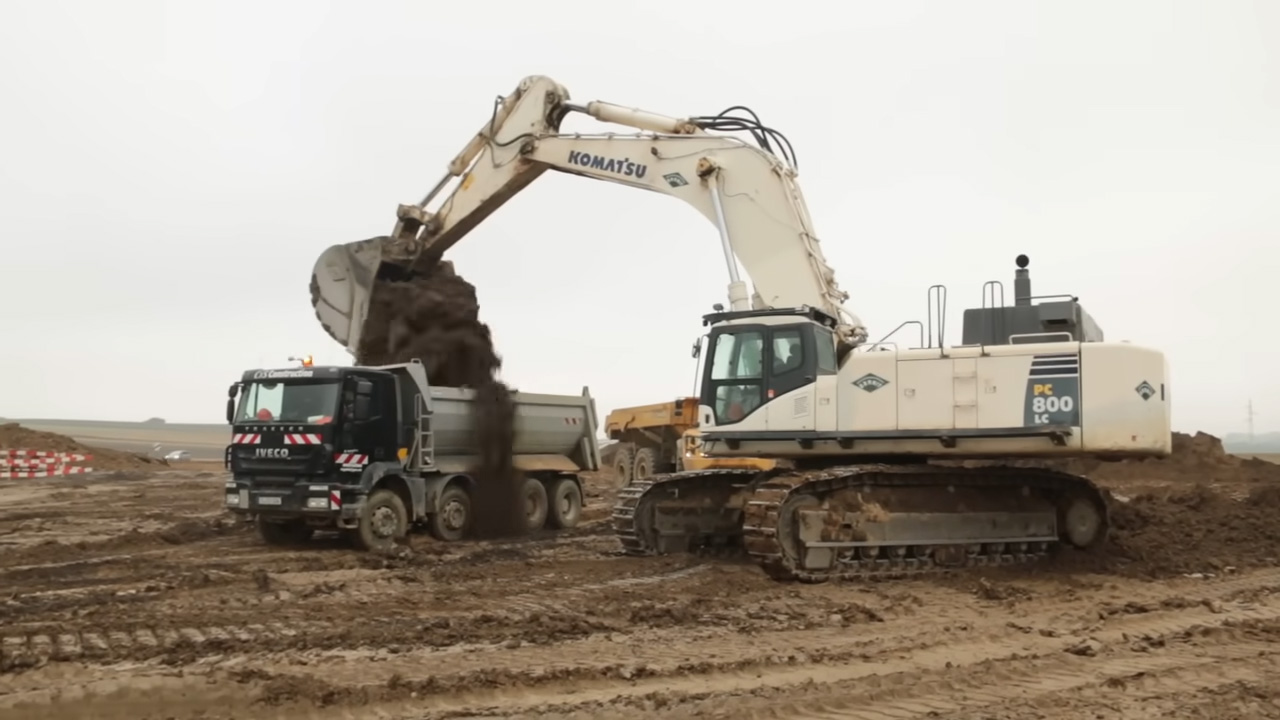
A white Komatsu excavator dumping dirt into the back of a gray IVECO dump truck at a construction site with a bulldozer in the background

Return Procedures

Handling returns professionally ensures the highest chances of positive rental references and potential volume discounts on future projects. This involves thoroughly cleaning equipment and documenting any existing damage or repair needs. Let’s examine these crucial end-of-rental tasks in detail.

Clean Equipment Properly

Rental agreements require machinery to be returned in a similar condition as received. This means removing debris, mud, or materials from undercarriages, tracks, buckets, and interior cabins.

Pressure washing or using solvents for harsh residues helps speed up the inspection process and quickly gets equipment back into the rental fleet for the next customer. Some companies may charge cleaning fees for machines returned in unsatisfactory condition.

Note Any Damage or Issues

Carefully inspecting equipment for pre-existing versus new damage protects from unwarranted fees. Photograph and list any issues, dents, or repairs needed with estimated repair costs to submit. Negotiate responsibility for normal wear versus accidental damage.

Returning machinery with empty fuel tanks or a full service also demonstrates respect for the next renter’s time. Overall communication and honesty build credibility and influence potential references for future projects.

Additional Expenses to Expect

While rental rates provide equipment access, hidden costs can impact budgets if not anticipated. This section examines common additional fees associated with rentals like fuel, transportation, and potential repair charges. Factor these expenses into project estimates to avoid cost overruns. Let’s explore these items to allocate funding properly.

Fuel and Transportation Costs

Rental contracts typically require customers to refuel machinery before returning it. Budget accordingly based on fuel type, machine size, and planned operation hours. Transporting equipment also requires planning—more oversized items may necessitate flatbed trucks and permits.

Rental providers can assist with hauling logistics, but these services come at an additional cost. For longer-term rentals, on-site fuel storage and a project vehicle can minimize transportation expenses over the life of a job.

Potential Damage Fees

Accidental damage occurs, so understand liability policies. While some contracts waive fees for the first incident, subsequent repairs are usually the renter’s responsibility. Budget a contingency to cover repair costs from operator error to avoid exceeding estimates. Photograph and document pre-existing damage to avoid charges.

Consider optional damage waivers, though these increase rates. Proper training, maintenance adherence, and following safety protocols help prevent equipment damage and unnecessary charges that cut into project margins.

Tips for Cost Savings

Maximizing value from equipment rentals requires exploring strategies to reduce total costs. This final section suggests leveraging rental time frames and inquiring about volume discounts with providers. Implementing these techniques helps stretch budgets further on construction and land development projects.

Consider Rental Time Frame

Rates often decrease the longer a rental period. Monthly versus daily rentals offer substantial savings. Investigate purchasing or renting-to-own options for larger, long-term projects, which may prove more cost-effective in the long run.

Confirm equipment availability before making multi-month commitments. Short-term daily needs may be better served through alternative rental options. Understanding time requirements enables choosing the most economical framework.

Ask About Volume Discounts

Rental companies commonly provide discounts for frequent, high-volume customers. Inquire about tiered pricing for multiple concurrent rentals or anticipated long-term project needs. Volume commitments sometimes qualify for 5-15% off standard rates.

Build relationships with local rental providers—discussing anticipated equipment needs over the next six to twelve months allows for negotiating customized package deals incorporating discounts. Honest communication fosters partnerships that save money while supporting equipment access throughout project lifecycles.

Choosing the Right Rental Provider

Selecting the proper equipment rental provider is instrumental to having a smooth experience. While the lowest rates may seem attractive, hidden costs or lack of support can negatively impact projects. Consider choosing a company with a proven track record that invests in quality, certified staff, and well-maintained fleets.

Larger, national rental firms with extensive branch networks offer maximum equipment selection across all power classes to suit various job requirements.

This ensures the right machines are available when needed to avoid project delays. Their extensive rental fleets provide backup options if primary units require service. Large providers also offer consolidated billing and volume discounts for frequent customers.

However, smaller, locally-owned yards have advantages, too – often with more personalized customer service and flexible contract terms. Their proximity minimizes equipment delivery/pick-up times and costs.

Building strong relationships with these regional providers fosters honest communication and a thorough understanding of individual needs over multiple projects. Renters are treated more like partners than just a number.

Evaluate rental yards considering factors like maintenance/repair response times, certification qualifications, and availability of training/support services. Optimal providers invest in well-trained, experienced staff that can offer expert equipment guidance.

Their commitment to safety, certifications, and operating standards helps protect workers and equipment. Comprehensive insurance policies also offer peace of mind.

Frequently Asked Questions (Tips For Renting Heavy Equipment The First Time)

Answer: To ensure the reliability of your rented construction equipment, carefully assess its condition, inquire about maintenance records from the rental company, and consider opting for high-quality equipment from reputable sources like the Cat Rental Store. This diligence helps prevent downtime and ensures a smooth rental experience.
Renting heavy equipment offers financial benefits, such as avoiding high upfront costs and reducing maintenance expenses. It allows construction companies to access specialized machinery for specific projects without committing to long-term ownership, thus optimizing project budgets and cash flow.
Answer: Rental companies often include preventive maintenance to ensure rented equipment’s reliability. Understanding the upfront maintenance costs, which may vary among rental companies. Clear communication on maintenance expectations helps manage overall project costs effectively.
When deciding between new or used equipment, consider the nature of your construction project, budget constraints, and resale value. While new equipment may offer the latest features, used equipment from reputable rental stores can provide cost savings without compromising on performance for many similar projects.
Choose a rental store with convenient locations, high-quality equipment, and a diverse range of construction equipment rentals, including aerial lifts to boost productivity. Research online reviews to gauge others’ rental experience, ensuring the rented equipment meets safety standards and the project’s requirements.

Mistakes To Avoid When Renting Heavy Equipment

Mediapayperlead-com December 10, 2024

Mistakes To Avoid When Renting Heavy Equipment

Meta Description: Avoid common mistakes when renting heavy equipment by understanding certification requirements, inspecting machinery, and comprehending insurance policies.

Renting heavy machinery can seem complicated if you’re new to operating large equipment. This guide will help you avoid common rental errors and have a smooth experience.

This article discusses the key areas to focus on, from adequately evaluating your certification level to thoroughly inspecting machines and understanding insurance policies. Let’s get started.

Key Takeaways:

  • Thoroughly inspect equipment for defects and only use it for intended purposes.
  • Understand safety protocols and ensure proper PPE is used at all times.
  • Fully document machine conditions through video, photos, and written records.
  • Carefully review insurance policies and your liability for repairs or damages.
  • Proper planning prevents costly mistakes when transporting or using rented machinery.

Understanding Operator Training Requirements

Proper training is essential when renting heavy machinery to avoid costly mistakes. Many rental companies require certification, which varies depending on the equipment’s size and capabilities. For example, operating a large excavator or bulldozer requires more experience and certification than a compact track loader.

Understanding your experience level and the equipment’s complexities upfront helps rent the right machinery for the job and prevents unauthorized or dangerous operations.

Evaluating Your Experience Level

Your experience level directly affects the type of heavy equipment you can legally and safely operate. If you’re only used to operating a mini excavator or backhoe on past projects, renting a 20-ton bulldozer may be beyond your experience and lead to accidents.

Take an honest assessment of your hours of operating different equipment types and sizes. Also, consider the work tasks planned for the rental period. Complex jobs like digging trenches in tight spaces or lifting heavy loads require more experience. Playing it safe by starting with rental machinery suited to your skills helps avoid costly mistakes.

Required Certification and Documentation

Most reputable rental companies require certification like an OSHA card to rent heavy equipment, depending on the machinery’s size and attachments. Be sure to research certification needs for the specific equipment you need, like excavators or loaders, and any planned attachments like a brush cutter or forged shotcrete hammer bit.

Get certified well in advance of your project if needed. Maintaining valid documentation like certificates and licenses and providing copies to the rental dealer allows the legal operation of the equipment and ensures a smooth rental experience without facing late fees.

It also gives peace of mind that you’re using certified, dependable equipment from a trusted source.

Preventing Unauthorized or Reckless Equipment Use

Operating machinery within approved parameters is important when renting heavy equipment to avoid costly mistakes.

Understanding Approved Project Sites

Be very clear with the rental dealer on the job site and the location where the rented equipment will be used. Many rental agreements only permit use on specific sites for insurance and safety reasons. Operating rented machinery on a different construction site or for private jobs can void coverage and lead to hefty fines.

Confirm with the rental company which sites are pre-approved under the agreement to ensure legal and insured equipment use.

Avoiding Risky Operations

Also, understand that rental equipment types and attachments are only approved for specific tasks. Using a compact track loader beyond its capacity by trying to lift extremely heavy loads or dig trenches in tight spaces can damage the machinery and cause accidents.

Rather than taking risks, play it safe by renting tools like a mini excavator, backhoe, or midsize excavator suited for complex operations. Return rented equipment in the same condition, avoiding costly mistakes.

Inspecting Equipment Thoroughly at Pickup

A thorough pre-rental inspection is crucial to avoid facing costly mistakes or penalties down the line. Most rental agreements have provisions addressing existing wear and damage, so it pays to be diligent.

Checking for Damage and Malfunctions

When picking up rented equipment from the dealer, closely check for any defects, dents, or signs of repair. Inspect moving parts and functions for smooth operation. Note anything amiss in writing to avoid conflict over late fees if issues arise during the rental period.

Don’t assume equipment condition – carefully verify even small issues that could later impact work. This protects you and ensures dependable, well-maintained machinery for your construction project or job.

Verifying Correct Attachments

Also, double-check that the right attachments, like a brush cutter or forged shotcrete hammer bit, were provided based on your agreement. Mismatched accessories could compromise safety, affect performance, or be the wrong type for your needs.

Confirming attachments are present and in good working order helps operations go smoothly without surprises.

Maintaining Safe Work Practices

Proper safety protocols are essential to avoid costly mistakes like penalties, accidents, or injuries when renting heavy equipment for construction projects.

Following Safety Protocols

All equipment operation, no matter the scale of work, requires adherence to proper safety protocols. Rental companies have these protocols in place and conduct training for a reason – to ensure safe machinery use and job site compliance.

Be sure to understand protocols upfront for areas like fall protection, lock-out procedures, signal operations, and more. Confirm your crew also follows protocols to avoid issues that impact work and pose risks.

Safety should be the top priority over work timing when using rented equipment for excavation, lifting, or demolition tasks.

Using Proper Personal Protective Equipment

In addition to equipment protocols, proper PPE is non-negotiable when operating machinery. Ensure you and all operators use appropriate gear like steel-toed boots, hard hats, high-visibility clothing, safety glasses, and gloves, depending on the tasks.

PPE helps prevent costly mistakes that can ruin projects like on-site injuries needing medical care or OSHA violations. Some rental companies even require proof of PPE for operators before releasing machinery.

Taking safety seriously by following protocols and gearing up appropriately helps jobs go smoothly.

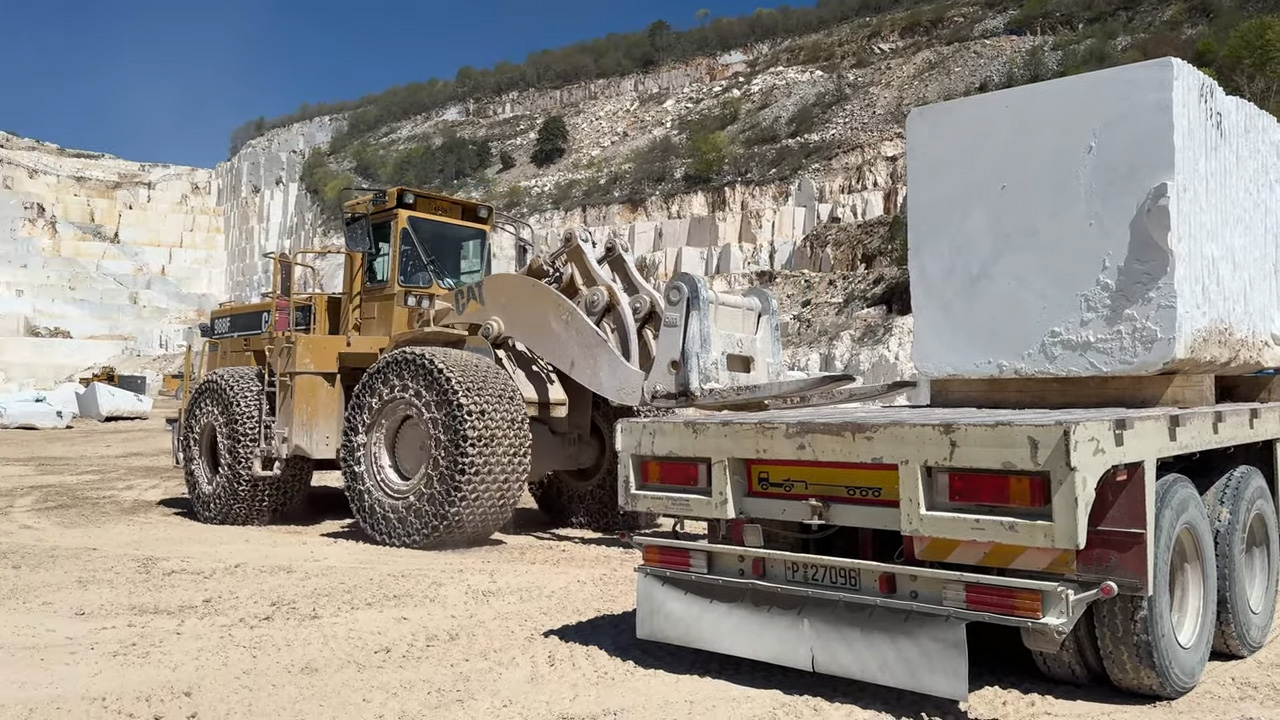
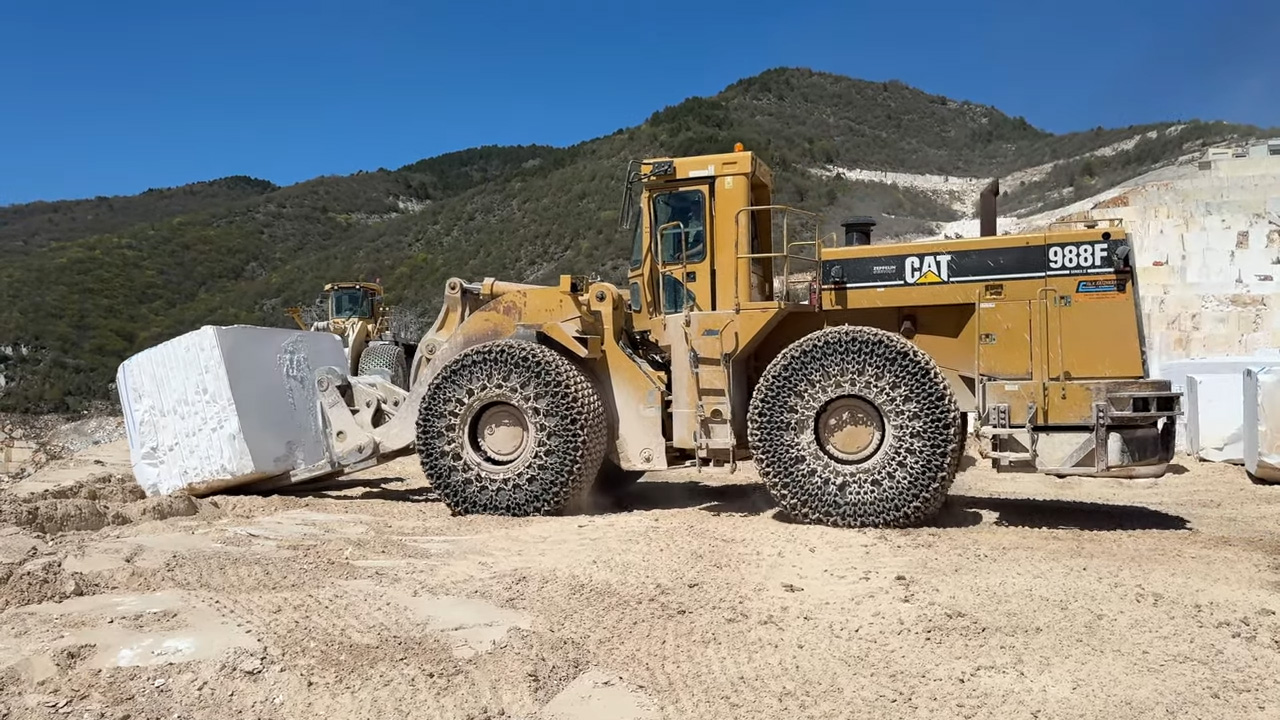
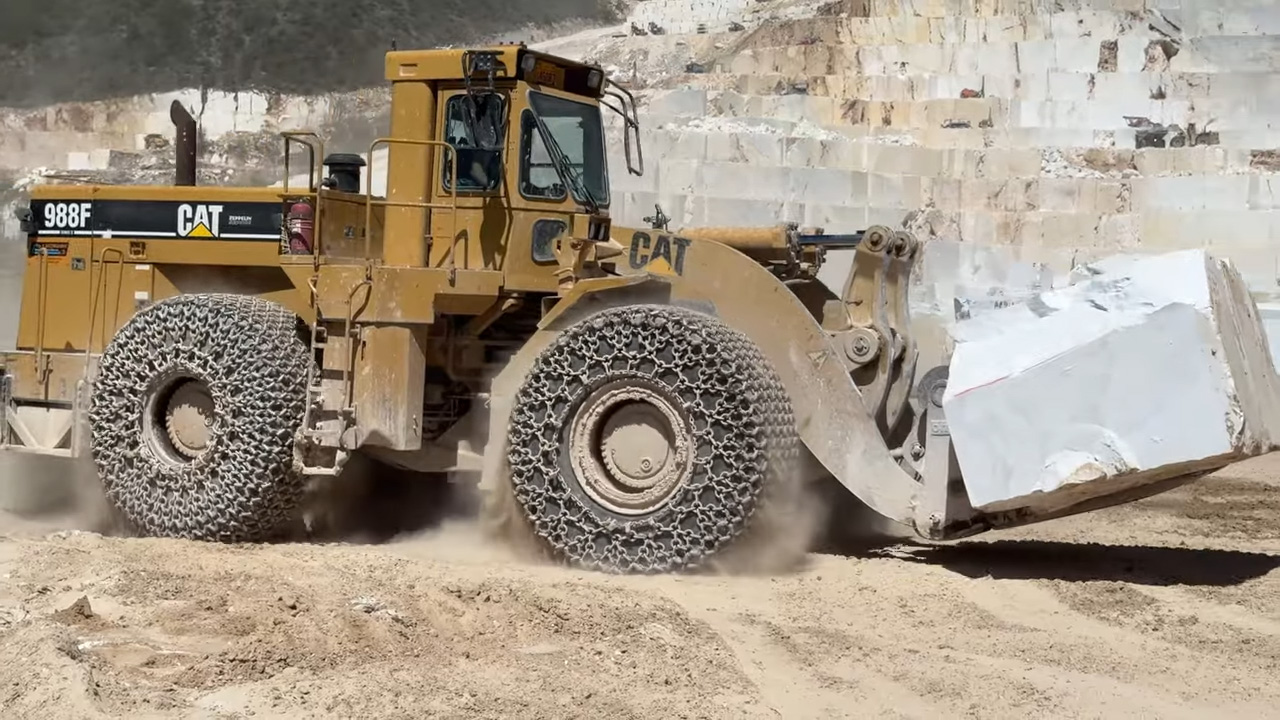
A large yellow wheel loader with chains on its tires preparing to lift a massive block of white marble onto a flatbed trailer in a marble quarry

Planning For Transportation and Mobilization

Proper planning is crucial when transporting rented heavy equipment between job sites to avoid costly mistakes from delays or accidents.

Arranging Transport Permits and Escorts

Moving heavy machinery on public roads requires permits and escorts to be legal and safe. Contact rental companies ahead of time to understand permit needs for transporting equipment like excavators, compact track loaders, or mini excavators.

Arrange permits well in advance from state departments of transportation to avoid work delays. Consider hiring escorts for the transport of oversized or overweight loads if required. Confirm equipment is loaded properly before moving to complete the trip without issues.

Selecting Suitable Equipment Trailers

In addition, select trailers designed for moving construction equipment. Improperly loading machinery onto makeshift or undersized trailers risks equipment damage and accidents. Rental companies may offer trailer rental as part of package deals.

Factors like equipment weight and dimensions, trailer payload capacity, tow vehicle size, and road access all impact trailer selection. Choose trailers with heavy-duty features like brakes, lights, and ramps suited for the job. Proper trailers and planning eliminate surprises, ensuring smooth mobilization between job sites.

Understanding Insurance and Damage Policies

When renting heavy equipment like excavators, backhoes, compact track loaders, or mini excavators, it’s important to have a firm grasp of insurance coverage and liability policies to avoid potentially costly mistakes.

Rental companies clearly outline their policies to protect customers, but it’s critical to understand coverage limitations upfront. Most reputable equipment rental dealers provide liability insurance during the rental period. However, this usually doesn’t cover damage you cause, such as dropping a backhoe or getting a mini excavator stuck in tight spaces.

Be sure to review any applicable deductibles for repairs thoroughly, too. Some companies require a 20% customer deductible on accident claims. Maintaining your commercial general liability insurance in case of on-site injuries or third-party property damage from machinery operations is also wise. Rental agreements may ask for proof of your policy as well.

Taking time to comprehend the nuances of insurance documents minimizes surprises. You’ll know precisely what scenarios you’re liable for financially versus what’s covered. This helps projects stay on schedule without unexpected repair or replacement costs that can damage budgets.

Frequently Asked Questions (Mistakes To Avoid When Renting Heavy Equipment)

One mistake to avoid is renting the wrong equipment type. Assess your project’s specific needs and consult with the rental dealer to ensure you get the right machinery, preventing delays and operational issues.
Neglecting to review the rental agreement, especially the fine print thoroughly, can be a costly mistake. Pay close attention to delivery charges, maintenance responsibilities, and extra lifting capacity fees to avoid unexpected expenses and disputes.
Choosing a reputable dealer is crucial to avoid receiving poor-quality equipment. Always rent from a trusted source that offers certified equipment from well-known brands, ensuring reliability, safety, and professional appearance on your job site.
Poor timing is a common mistake to avoid. Plan and give the rental dealer advance notice of your equipment needs, especially if you require newly available attachments like a brush cutter for a midsize excavator, preventing delays in your project timeline.
Renting the wrong size equipment is a costly error. Consult with a trusted dealer to assess the specific requirements of your project, ensuring you get equipment with the right capacity and capabilities for the job at hand.

Can You Rent Heavy Equipment Long Term

Mediapayperlead-com December 10, 2024

Can You Rent Heavy Equipment Long Term

Meta Description: Long-term heavy equipment rental offers cost-effective construction and industrial project solutions. Learn about standard rental terms, cost comparisons, and available equipment for extended rent.

Long-term rental can be a cost-effective alternative to ownership for construction and industrial projects requiring heavy equipment for extended periods.

This article will explore the ins and outs of renting heavy equipment long-term, including standard rental terms, costs compared to buying, and the types of equipment commonly available for rent over multiple months.

Key Takeaways:

  • Renting heavy equipment long-term provides flexibility and lower costs compared to ownership
  • Proper planning and communication are key to determining equipment needs and negotiating the best rental rates
  • Consider the total project timeline, estimated usage, and maintenance when working with rental companies
  • Clarify important details like insurance, condition requirements, and end-of-rental process in agreements
  • Thorough research and communicating volume commitments can help secure the most competitive rental deals

Is Long-Term Rental an Option for Heavy Equipment?

For construction and industrial projects requiring heavy equipment use over multiple months or years, long-term heavy machinery rental can provide a cost-effective solution compared to outright equipment purchase or ownership.

  • Many contractors, construction companies, and businesses undertaking long-term projects have found renting necessary equipment from reputable rental companies to be an optimal way to access high-quality, well-maintained heavy machinery.
  • This allows access without the significant initial investment and ongoing costs associated with buying and owning the machines.

Rental Companies Offer Specialized Equipment for Extended Periods

  • Many rental companies specialize in renting all types of heavy equipment and specialized machinery to construction firms, industrial operations, and other commercial customers.
  • Most rental companies are equipped to handle both short-term rentals for temporary needs as well as longer-term rentals spanning several months or years.
  • Longer-term rentals accommodate construction projects, infrastructure jobs, mining work, and other large-scale industrial activities.

Benefits of Long-Term Rental vs Ownership

Lower Upfront Costs

One of the most significant advantages of renting heavy equipment long-term rather than purchasing it is the significantly lower initial investment required.

Buying large machinery like excavators, loaders, cranes, and bulldozers requires a substantial upfront expenditure that can run into hundreds of thousands of dollars for some specialized equipment. This heavy initial investment strains cash flow for many construction businesses and contractors.

Renting avoids this high down payment and allows operations to use needed equipment without a large hit to the balance sheet.

Most rental companies require only a refundable security deposit at the beginning of the rental period, which is a fraction of the total purchase price. This preserves working capital and minimizes financial risk for companies renting equipment long-term for projects.

Depending on current job demands, contractors can scale operations up or down without the burden of a large equipment purchase. They can rent different models from rental companies to suit changing project needs while avoiding unused or outdated equipment sitting idle if owned.

The reduced initial investment of renting also makes it easier for new businesses and many contractors to access high-quality machinery they could not otherwise afford in the early stages.

Flexibility to Update Equipment

Construction companies and contractors can easily upgrade or substitute rented machines by renting rather than purchasing heavy equipment long-term as project needs or technologies change over time. Rental agreements allow customers to return existing equipment and rent replacement machinery from the same or different rental company.

This ensures job sites have the right equipment and the latest models to optimize productivity. If owned, firms would be stuck with outdated equipment that is difficult to re-sell or trade in, continuing to incur storage and maintenance costs.

Renting provides more flexibility to access different equipment types and keep the fleet modern without significant additional investments in purchasing new machinery.

No Equipment Maintenance or Repairs

Another significant benefit of renting heavy equipment long-term is avoiding the high costs of repairs, maintenance, and wear-and-tear repairs that come with equipment ownership.

Routine maintenance, repairs to worn or damaged parts, and fixing or replacing machines after major breakdowns can impose substantial unplanned expenses on a company’s balance sheet over time. These unexpected repair bills are eliminated by renting, as the rental company handles necessary maintenance and any repairs or replacements under the rental agreement.

This gives construction businesses greater cost certainty compared to the unpredictable maintenance costs arising from equipment purchases. It also ensures rented machinery always remains in safe, fully operational condition while on job sites through the rental provider’s quality maintenance program.

Common Equipment Available for Extended Rent

Earthmoving Equipment

Many rental companies have a wide selection of earthmoving machinery that are commonly rented long-term for construction and excavation projects. Popular choices include excavators, backhoes, loaders, bulldozers, motor graders, and trenchers.

Access to different models of this heavy equipment through rental allows contractors to move dirt efficiently, dig foundations, grade land, and perform other earthworks using the right equipment for each project phase.

Rental companies ensure their earthmoving rental machines are in good condition to optimize productivity on job sites while minimizing maintenance costs and repairs for customers.

Lifting and Hoisting Equipment

Cranes, forklifts, boom lifts, scissor lifts, and man lifts are some types of lifting and hoisting equipment that construction firms regularly rent for extended periods. Specialized equipment rentals provide flexible access to the proper lifting machinery without significant capital investment in these specialty items that may only be needed temporarily.

Rental firms deliver and set up cranes at job sites, along with qualified crane operators if needed, to safely lift heavy materials, equipment, and pre-fabricated sections into position.

Material Handling Equipment

Moving large materials around busy construction sites requires reliable material-handling equipment. Skid steers, telehandlers, dump trucks, cement mixers, haul trucks, and other heavy-duty vehicles are commonly available for rent on a long-term basis from reputable rental companies.

This ensures an always-available fleet of machinery to transport concrete, dirt, debris, and other supplies on projects without the high ownership costs.

Determining Rental Needs and Terms

Proper planning is key to determining equipment rental needs and negotiating optimal terms for long-term projects. Contractors and construction firms must carefully estimate projected timelines, phases of work, and expected equipment use over the life of infrastructure or building jobs. Considering duration of use, frequency of required preventative maintenance, and expected lifetime operating hours helps define the specialized machinery and models most suitable. This estimation allows rental companies to propose rental packages with the right fleet of heavy equipment and pricing structures tailored for extended jobs.

Estimating Project Timeline and Equipment Use

Thoroughly evaluating project schedules, scope of work, and activity sequencing helps contractors accurately predict equipment needs over the long-term rental period. Understanding timeline benchmarks for tasks like site clearing, excavation, foundation laying, structural work, and final landscaping is important for determining peak and off-peak equipment demand.

  • Developing a preliminary equipment utilization forecast with estimated operating hours by machine type allows rental providers to ensure the availability of required equipment. It also helps identify any specialized attachments, tools, or safety features needed.
  • This upfront evaluation and communication of long-term needs to rental companies ensures the most cost-effective rental program tailored to each project phase and optimized asset deployment.
  • Detailed projections also help rental firms appropriately maintain machinery on long jobs. They can plan for routine service schedules that minimize disruptions.
  • Contractors gain certainty that required equipment will remain in safe, fully operational condition throughout extended projects.

Comprehensive estimates further support negotiations with rental businesses to secure the best pricing, discounts for bulk hours, or extended commitment through flexible rental contracts.

Negotiating Discounts for Longer Rental Periods

Providing estimated equipment use projections for 12-24 month periods allows negotiation of block booking rates well before a project’s start. It ensures the availability of required machinery while signaling commitment that is valuable to rental businesses. Contractors should also explore packaged rates for fleets of equipment rather than individual machine pricing, which may qualify for deeper volume discounts.

  • Requesting all-inclusive hourly or daily rates that cover scheduled maintenance, minor repairs, and consumables can simplify budgeting versus fees charged separately.
  • Upfront payment of security deposits may also make contractors eligible for small discounts applied to the overall rental costs.
  • Rental periods extending beyond one year provide an opportunity to negotiate rates inclusive of annual cost escalations built in to protect from inflation.
  • Leveraging estimated equipment run times to negotiate firm caps on maximum rental costs protects long-term budgets from overages.
  • Bonus discounts for exceeding estimated hours through more efficient operations are another strategy.

Overall, thorough planning and open communication of project timelines paired with an expressed commitment to rental partner support maximizing savings on extended equipment rentals.

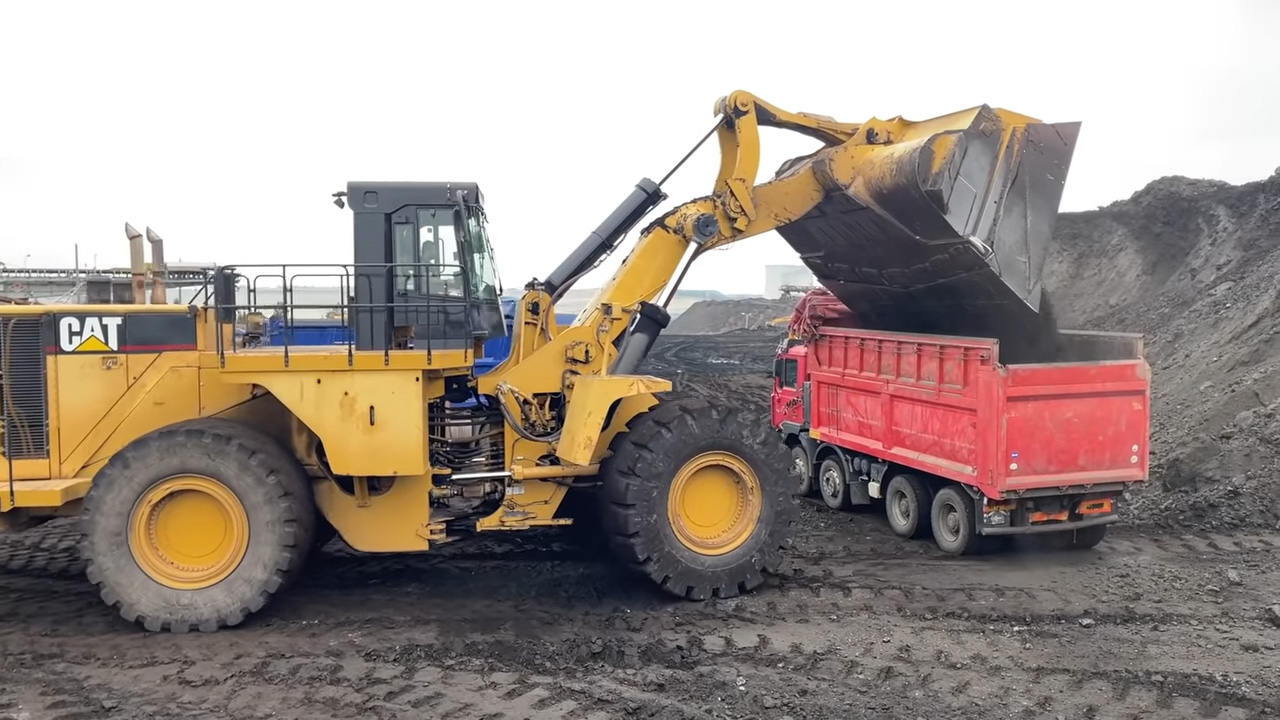
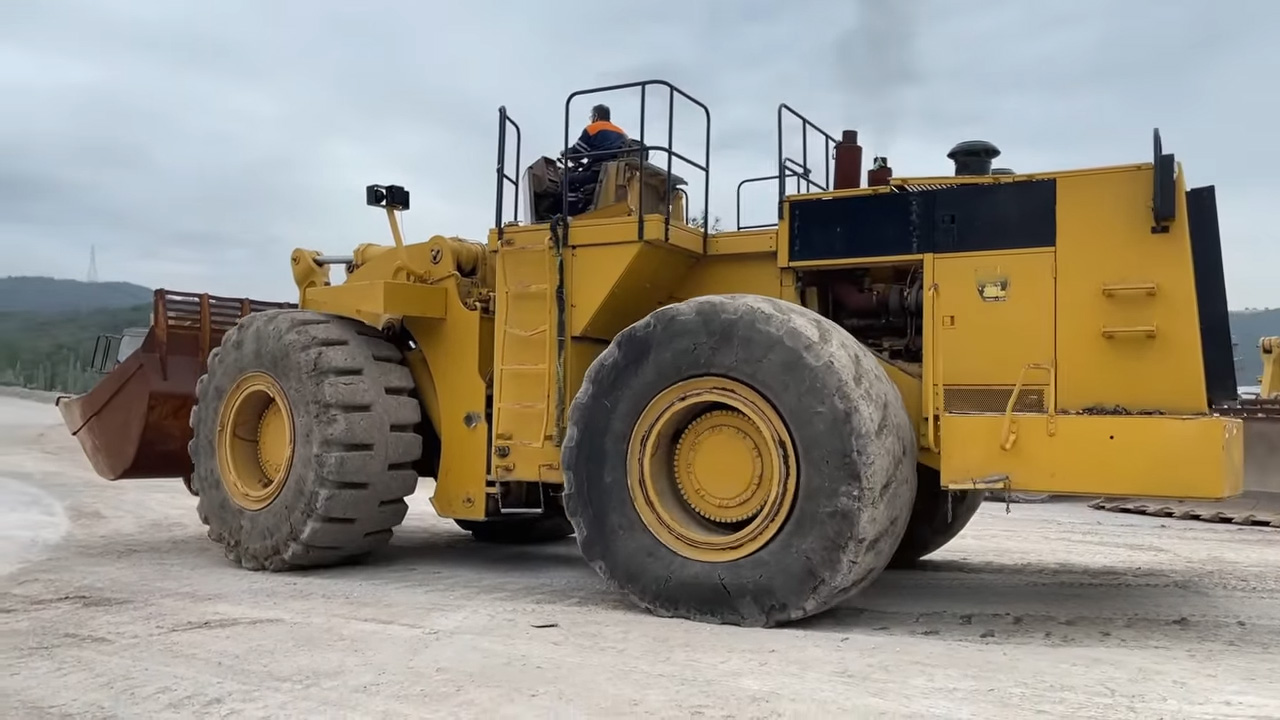
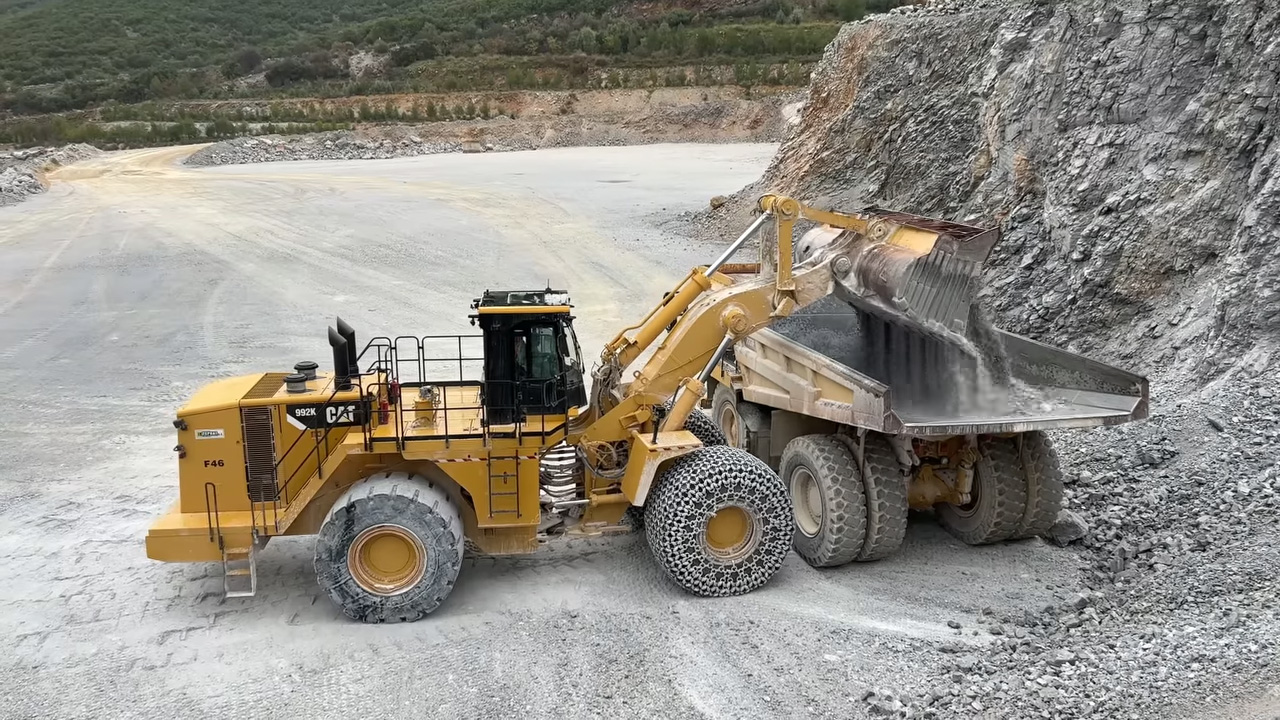
A large yellow wheel loader dumping dirt into the back of a red dump truck at a construction site

Cost Comparison Between Rental and Ownership

Comparing the total costs of renting heavy equipment versus purchasing machines outright over the long term is essential for construction companies and contractors to consider. While the initial purchase investment may seem less than rental deposits, factoring in all associated ownership expenses often shows renting to provide greater cost certainty and savings.

Renting provides several potential cost advantages compared to equipment ownership:

  • Renting eliminates large down payments and allows spreading equipment costs over months or years through affordable rental rates.
  • It also removes unpredictable repair bills, resale value risks if markets change, and long-term storage costs if equipment sits idle after projects.
  • Maintenance is included in rental rates, so no costly repairs or replacement parts can strain cash flow. This provides a more cost-effective solution for contractors focused on their core business.
  • Renting is a tax-deductible business expense each month, whereas equipment depreciation is claimed over several years on tax returns. The upfront capital freed up through rental payments improves cash flow to use on other priorities.
  • Rental companies also take on equipment upgrades and replacing machinery to keep current with advancing technologies, saving money compared to the constant reinvestment needed when owning fleets.

For longer-term projects, total rental expenditures often prove lower than debt financing large equipment purchases and associated interest payments. Ownership also subjects assets to loss of resale value from market changes, and normal depreciation hits balance sheets over time.

Most rental companies offer volume discounts when the longer equipment is needed, further improving savings on extended rentals versus owning. A detailed cost-benefit analysis is essential for determining the most economical option.

Important Considerations for Long-Term Rentals

Equipment Condition Requirements

There are several important considerations construction and industrial firms must address when entering into long-term rental agreements with equipment providers.

One primary factor is ensuring rented machinery meets specific condition qualifications essential for large projects. Most reputable rental companies conduct thorough pre-rental inspections and maintenance to verify equipment safety and performance capabilities.

However, for job sites with strict quality standards, clearly defining minimum expected condition requirements upfront in rental contracts can be worthwhile. This may include stipulating equipment must be under a specific operating hour threshold, have no major damage dents or leaks, and pass independent inspections verifying the proper functioning of all features.

Negotiating pre-approval rights protects the job site from unexpected repairs or delays caused by subpar rented equipment. It also prevents additional costs that could arise if machinery fails during critical phases of long-term construction works.

Confirming equipment condition qualifications is especially important for specialized attachments, safety accessories, or integrated technology assets influencing workflow. Rental contracts should also specify processes for periodic inspections over extended rental periods to catch any new issues proactively.

With clear condition expectations established, construction firms gain assurance that high-quality, fully-functioning heavy machinery essential for their operations and safety standards will remain available throughout necessary infrastructure and building projects.

Insurance and Liability Coverage

Another key long-term consideration when renting heavy machinery is clarifying insurance responsibilities between the rental company and the customer. Most reputable rental providers maintain their liability coverage to protect against equipment-related incidents.

However, it is essential to confirm this in writing as part of rental contracts. Customers should also verify whether coverage extends to authorized operators or the renter.

For large projects, construction firms may need to demonstrate higher liability limits are in place. Negotiating that rental fees include additional insured status recognizes customer interests is prudent. Comprehensive policies protect all parties from financial losses due to accidents or damaged property claims.

Ensuring responsibilities are clearly defined upfront avoids disputes that can stall projects if incidents occur. Proper insurance planning ensures long-term equipment rentals have protections to keep worksites and operations running smoothly.

End of Rental Process

Equally important is outlining the end of rental procedures in advance. This includes arrangements for equipment returns, final inspections, security deposit refunds, and other closing tasks. Providing timeframes and processes for these activities prevents disruptions or disputes holding up projects at their conclusion.

It is wise to schedule post-rental inspections jointly with rental companies to document any excess wear or damage issues earlier. This establishes clear expectations for holdover rental billing if machinery cannot be immediately replaced or switched out.

Upfront agreements on ending rental periods protect customer relationships and ensure smooth transitions at worksite completion.

Tips for Getting the Best Deal on an Extended Rental

When renting heavy equipment for long-term construction projects, taking specific steps can help contractors and firms get the most competitive rental rates.

Thoroughly researching different rental companies allows for comparing total costs and value-added services between providers.

  • Ask for written quotes itemizing base rental rates, expected fees, and potential additional costs. This empowers customers during negotiations.
  • Communicate estimated hours of intended equipment usage. This permits rental partners to structure their most attractive volume-based pricing packages.
  • Bundle common equipment combinations into single block-booked rental agreements. This could qualify for deeper savings.
  • Pay a larger security deposit upfront. Sometimes this makes contractors eligible for small percentage discounts on the overall rental costs.
  • Request all-inclusive hourly rates covering routine maintenance and repairs. This simplifies budgeting versus fees charged separately.
  • Invoice rental charges monthly versus weekly. This may also reduce administrative costs passed to customers.

Thoroughly planning project timelines allows for negotiating firm caps on maximum rental expenditures to protect long-term budgets.

Leverage estimated equipment runtimes to negotiate bonus discounts for exceeding hourly utilization targets. This incentivizes efficient operations.

Maintaining open communication and expressing long-term commitment to a reputable rental company supports developing strong business partnerships and maximizing savings on extended equipment rentals essential for construction projects.

Frequently Asked Questions (Tips For Renting Heavy Equipment The First Time)

Answer: To ensure the reliability of your rented construction equipment, carefully assess its condition, inquire about maintenance records from the rental company, and consider opting for high-quality equipment from reputable sources like the Cat Rental Store. This diligence helps prevent downtime and ensures a smooth rental experience.
Renting heavy equipment offers financial benefits, such as avoiding high upfront costs and reducing maintenance expenses. It allows construction companies to access specialized machinery for specific projects without committing to long-term ownership, thus optimizing project budgets and cash flow.
Answer: Rental companies often include preventive maintenance to ensure rented equipment’s reliability. Understanding the upfront maintenance costs, which may vary among rental companies. Clear communication on maintenance expectations helps manage overall project costs effectively.
When deciding between new or used equipment, consider the nature of your construction project, budget constraints, and resale value. While new equipment may offer the latest features, used equipment from reputable rental stores can provide cost savings without compromising on performance for many similar projects.
Choose a rental store with convenient locations, high-quality equipment, and a diverse range of construction equipment rentals, including aerial lifts to boost productivity. Research online reviews to gauge others’ rental experience, ensuring the rented equipment meets safety standards and the project’s requirements.

Can Anyone Rent Heavy Equipment

Mediapayperlead-com December 10, 2024

Can Anyone Rent Heavy Equipment

Meta Description: Renting heavy equipment requires specific qualifications, certifications, and insurance. Choosing a reputable rental company ensures cost-effective, safe, and compliant equipment rentals.

If you’re a contractor or construction worker, you know that accessing the right heavy machinery can be crucial. However, renting equipment comes with specific requirements. This guide will break down who can rent excavators, bulldozers, and other large machinery.

We’ll explore the rules around licensing, insurance needs, and age limits. By the end, you’ll clearly understand whether you can legally and practically rent the equipment needed for your next job.

Key Takeaways:

  • Renting heavy equipment requires being an adult and having proper licenses and certifications, depending on the machine.
  • Insurance is typically needed, and rental companies have age, certification, and insurance requirements that must be met.
  • Common rental equipment includes excavators, bulldozers, and loaders.
  • The rental process involves deciding your needs, contacting companies, and completing agreements and paperwork.
  • Costs include rental rates, deposits, and potential additional fees that should be determined upfront.
  • Following inspection, operation, and maintenance best practices helps ensure a smooth, successful rental experience.

Who Can Rent Heavy Equipment

A few key factors determine who is eligible when accessing heavy machinery through rental. First and foremost, the renter needs to be of legal adult age. While the minimum age varies by state and rental company, most require renters to be 18 years old. Beyond age, proper licensing and certification are crucial for safety and insurance reasons.

Operating equipment for a construction project may require a commercial driver’s license (CDL), depending on the machine.

For example, a CDL is generally necessary to rent and drive larger dump trucks, tractor-trailers, or other heavy haulers transporting equipment between job sites. Licenses ensure renters understand proper vehicle operation and safety procedures when working with heavy loads.

Operator certification is another common requirement among rental companies. Certifications demonstrate proficiency in operating specific types of heavy machinery.

Some examples include certifications for equipment like forklifts, excavators, bulldozers, backhoes, cranes, and telehandlers. Rental firms want assurance that you can competently use rented machines to avoid accidents or damage on worksites.

Proof of general liability insurance is also frequently necessary. This provides coverage if the rented equipment causes property damage or injuries while in the renter’s care. Comprehensive insurance demonstrates the fiscal responsibility expected of those accessing large, powerful machinery.

With the proper age, licenses, certification, and verified insurance, you’ll meet eligibility standards to rent heavy equipment from reputable rental companies. Just be sure to check each company’s specific guidelines before signing rental agreements.

Licenses and Certifications Required

Most rental companies require operators to have the proper licensing and certification when renting heavy machinery like excavators, bulldozers, and dump trucks. This is for both safety and insurance purposes.

Suppose you are operating equipment for a construction project. In that case, you may need a commercial driver’s license (CDL), depending on the piece of equipment. For example, a CDL must rent and operate larger dump trucks or tractor-trailers transporting equipment.

Many rental companies also expect renters to have an operator training certification showing proficiency with the machines. Some standard certifications required include OSHA for forklifts, telehandlers, and cranes. The training ensures operators know how to properly and safely use rented equipment to avoid accidents and damage.

It’s a good idea to ask the rental company beforehand about their operator training requirements and certification needs. With the right credentials, you can rent heavy machinery from reputable rental companies.

Equipment Rental Requirements

Minimum Age Requirements

Most rental companies have a minimum age limit to rent equipment legally. Many require renters to be at least 18 before signing rental agreements. This ensures operators are mature enough to handle heavy machinery responsibly.

However, some firms may have higher age limits of 21+ for large vehicles like dump trucks or cranes requiring commercial driving licenses. Be sure to check the age policies of potential equipment rental companies.

Insurance Needs

General liability insurance is commonly necessary when renting machinery to protect rental companies in case of accidents. Comprehensive coverage demonstrates fiscal responsibility as a renter of expensive, powerful equipment.

Some rental firms may even require additional auto insurance if renting vehicles. Beyond primary liability insurance, rental companies may offer supplemental protection policies like limited damage waivers for additional fees.

These provide coverage for repairs from minor dents or repairs from mishaps. Just be aware that such supplemental policies often have limitations, and renters may still be liable for excessive damage costs.

Common Types of Rental Equipment

There are many different machines available for rent from equipment rental companies. Three very common varieties used in construction and land development include:

Bulldozers

Bulldozers are heavy-duty vehicles with sturdy metal blades for land clearing, grading, and leveling. They are useful for site preparation and moving large amounts of dirt. Rental bulldozers come in various sizes, from compact track loaders to full-size Caterpillar D9 bulldozers, ideal for major earthmoving projects.

Excavators

Excavators, called diggers, are versatile machines for digging foundations, trenches, and more. They have an arm mounted to a base with a bucket on the end for scooping earthen materials. Rental excavators allow contractors flexibility for utility installation or septic system replacement without the high ownership costs.

Loaders

Loader vehicles have a bucket on the front. They are commonly used for loading trucks, moving debris, and handling work site materials. Wheel loaders and skid steer loaders are typical rental options. They provide excellent lifting capabilities for tasks like clearing demolition waste or placing fill.

Choosing the right piece of heavy equipment depends on project needs. Contacting reputable rental companies allows determining the best machines for construction projects at competitive rental rates.

The Rental Process

When renting heavy machinery, there are several key steps to follow:

Deciding What Equipment You Need

Carefully determine your construction project needs and requirements. Consider what machines will help accomplish tasks most efficiently. Look at options from multiple rental companies to compare different equipment, rental rates, and available attachments.

Contacting a Rental Company

Once you know the ideal piece of equipment, contact rental companies to discuss rental options, availability, delivery, and estimated costs. Reputable companies can help ensure you rent the right machine for your job.

Completing Paperwork and Agreements

All rental transactions require signing agreements that outline terms, liability, insurance requirements, and rental periods. Equipment rental companies must verify your credentials and collect payment details upfront.

Be prepared to provide identification, certificates, and proof of coverage. Completing paperwork properly is key to a smooth, compliant rental.

The process allows for finding the best heavy machinery from rental companies at competitive rates. Proper planning and research lead to a successful, cost-effective equipment rental experience. Don’t hesitate to ask rental representatives questions throughout the process as well.

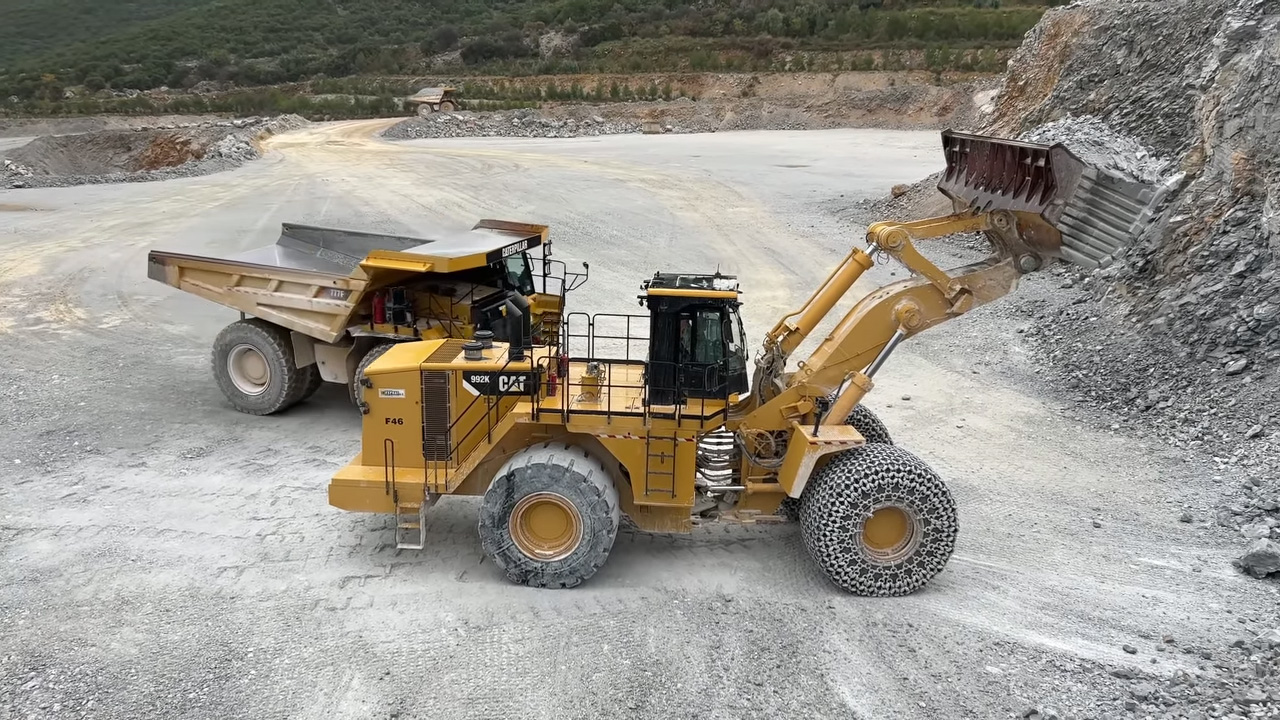
A large yellow mining truck being loaded with rocks by an excavator in a quarry

Costs Involved in Renting

It’s important to understand all potential expenses when renting heavy equipment.

Rental Rates

Daily, weekly, and monthly rental rates vary depending on equipment type, age, and attachments. Rates may decrease for longer-term rentals. Compare rates from multiple rental companies to find the most cost-effective solution for your project timeline.

Deposits

A security deposit is usually required upfront and refunded upon return of the rented machine without damage. Deposit amounts depend on equipment value but can range from several hundred to several thousand dollars.

Additional Fees

Delivery, pickup, and equipment transportation to job sites may incur additional fees. Other costs include optional protection policies, limited damage waivers, insurance, and maintenance.

Be sure to determine all potential costs, like repairs in case of accidents, when budgeting equipment rentals versus purchases. Signing rental agreements ensures an understanding of your total rental account and payment responsibilities.

Considering all expense factors allows choosing the rental option that fits your business needs within budget. Don’t hesitate to ask rental representatives about costs to understand what to expect.

Tips for a Successful Rental

Following best practices will help the rental period go smoothly:

Inspect Equipment Thoroughly

When heavy machinery is delivered, carefully examine it for any pre-existing damage. Take photos of areas like dents or scratches. This protects renters in case of claims of additional damage charges upon return. It’s essential to document the machine’s condition up front.

Learn How to Operate Safely

Ensure proper operator training is provided through certification or by the rental company. Fully understand controls, safety mechanisms, and operating procedures before taking equipment to the job site. Seek guidance on maintenance tasks, too. Proper handling prevents accidents and protects renters.

Maintain Equipment Properly

Routinely check fluid levels, filters, and moving parts. Catching small issues early prevents costly repairs down the road. Proper maintenance as per manufacturer guidelines extends equipment life and performance. It also ensures smooth rental transactions with minimal fees upon return.

Adhering to best practices and getting guidance from rental representatives helps make the most of any heavy machinery rental. Contact companies with any questions for guidance throughout the rental period.

Alternatives to Renting

Depending on project needs and budgets, renting equipment may not always be the best option for some contractors and construction firms. Here are a few potential alternatives:

Purchasing used machinery can provide ownership for longer-term cost savings, especially if equipment will be used regularly on multiple job sites. However, maintenance and repair expenses become the buyer’s responsibility.

Equipment leasing transfers equipment ownership to the lessee for a set period, often with options to purchase at the lease end. Leasing spreads equipment and maintenance costs over several years rather than large upfront payments.

Outsourcing to specialized subcontractors allows tapping into others’ owned equipment fleets without capital expenses. This can work well for short-term, specialized tasks like drilling or paving.

Equipment-as-a-service programs are emerging where construction firms pay per use rather than owning or leasing. This offers flexibility, like renting without long-term commitments.

Carefully evaluating project needs, timelines, and budgets helps determine the best option between renting, purchasing used, leasing, outsourcing, or other alternatives for heavy equipment acquisition. Consider the costs of repairs, maintenance, fuel, and more in your evaluation.

Frequently Asked Questions (Tips For Renting Heavy Equipment The First Time)

Answer: To ensure the reliability of your rented construction equipment, carefully assess its condition, inquire about maintenance records from the rental company, and consider opting for high-quality equipment from reputable sources like the Cat Rental Store. This diligence helps prevent downtime and ensures a smooth rental experience.
Renting heavy equipment offers financial benefits, such as avoiding high upfront costs and reducing maintenance expenses. It allows construction companies to access specialized machinery for specific projects without committing to long-term ownership, thus optimizing project budgets and cash flow.
Answer: Rental companies often include preventive maintenance to ensure rented equipment’s reliability. Understanding the upfront maintenance costs, which may vary among rental companies. Clear communication on maintenance expectations helps manage overall project costs effectively.
When deciding between new or used equipment, consider the nature of your construction project, budget constraints, and resale value. While new equipment may offer the latest features, used equipment from reputable rental stores can provide cost savings without compromising on performance for many similar projects.
Choose a rental store with convenient locations, high-quality equipment, and a diverse range of construction equipment rentals, including aerial lifts to boost productivity. Research online reviews to gauge others’ rental experience, ensuring the rented equipment meets safety standards and the project’s requirements.

What Are Forestry Equipment

Mediapayperlead-com December 10, 2024

What Are Forestry Equipment

Meta Description: Forestry equipment, including feller bunchers and log loaders, plays a crucial role in efficiently felling, processing, and transporting trees. Learn about the significance of this heavy machinery in forestry operations.

Forestry operations require specialized heavy machinery to harvest, transport, and process trees efficiently. This article overviews the various equipment used in the forestry and logging industries.

From feller bunchers and harvesters that fell and collected trees to forwarders and log loaders that transport logs to equipment that further processes wood – we will explore the different machinery and their key functions.

Key Takeaways:

  • Forestry operations require specialized heavy machinery to harvest efficiently, transport, process, and split trees.
  • Equipment like feller bunchers, harvesters, forwarders, and log loaders are used to fall, collect, transport, and load logs.
  • Machines such as harvesters, Delimbers, and cut-to-length systems further process logs.
  • Stump grinders and log splitters remove stumps and split logs as needed.
  • Protective gear, including helmets, glasses, and boots, help ensure operator safety around this machinery.

Common Machinery Used in Forestry Operations

Feller bunchers, harvesters, forwarders, and skidders are some of the most common types of equipment used in forestry operations.

Feller Bunchers

Feller bunchers are highly productive machines that fill trees and bunch them for processing or transport. Fitted with a cutting head equipped with sharp blades or saws, feller bunchers can quickly fall trees via their rotating cutting disks.

Larger feller bunchers may be capable of cutting down trees measuring up to 60 cm in diameter. Many feller bunchers are also wheeled feller bunchers, featuring large wheels for improved mobility over rough terrain.

Harvesters

Harvesters are multi-functional machines that harvest, delimb, and cut trees to length in a single pass. Equipped with a harvesting head containing a saw and rotators, harvesters fell the tree. They processed it into logs of specified lengths.

Some harvesters are wheeled, while others are tracked for improved traction. Harvesters play a key role in modern logging operations by efficiently producing processed logs from the felling site.

Forwarders

Forwarders transport logs from the felling site to a landing area or roadside in forestry operations. Fitted with a cargo space and powered by wheels or tracks, forwarders “forward” logs and wood materials over ground.

Forwarders feature large wheels or tracks for mobility and can transport heavy loads of logs over rough terrain. Their cargo areas can hold 10 to 30 logs or smaller pieces of wood.

Skidders

Skidders are another machine used to transport logs from the felling site. Unlike forwarders carrying logs, skidders drag logs by lifting boom and cables. Powerful skidders are well-suited to dragging heavy logs or loads of logs through challenging conditions. They are commonly used in ground skidding applications.

Equipment for Transporting Logs

Transporting logs efficiently from the harvesting site to sawmills or construction sites requires specialized equipment.

Log Loaders

Log loaders play an essential role in loading logs onto transport trucks. Fitted with grapples or claws, log loaders can lift and load logs onto log trucks. Larger log loaders can lift and handle heavy logs with boom and arm attachments. Some log loaders feature large wheels or tracks for mobility over rough terrain during logging operations.

Log Trucks

Log trucks are heavily built vehicles designed to transport logs over public roads. Equipped with strong frames and suspension, log trucks can carry heavy loads of logs securely while operating on highways. Log trucks feature log bunks, stakes, and chains to secure harvested logs during transportation safely. Their bodies are designed to contain any loose bark or wood chips produced during transport.

Log trucks deliver wood materials from forests to industrial facilities such as sawmills and construction sites.

Transporting harvested logs efficiently requires machinery such as log loaders to place logs onto log trucks. These specialized vehicles then deliver the heavy logs and wood materials to their next destination, playing essential roles within the forestry industry.

Machines for Processing Trees

Once trees are felled, specialized machinery is used to process them further.

Felling Heads

Felling heads, or harvesting heads, are mounted on the front of feller bunchers and harvesters. Equipped with a rotating cutting disk containing sharp blades or saws, felling heads cut down trees with swinging hammers or blades. Felling heads may incorporate features like fixed tooth rotor systems to aid in cutting. They play an essential role in the initial felling and delimbing of trees during logging operations.

Cut-To-Length Systems

Cut-to-length systems allow harvesters and feller bunchers to process felled trees into logs of specified lengths at the stump. Equipped with a felling head to fall the tree and a delimbing knife to remove branches, cut-to-length machines then use their sawing mechanism to cut the trunk into logs of precise lengths.

This efficient system produces appropriately sized logs without further processing at a landing area.

Delimbers

Delimbers are machinery that removes the branches from felled tree trunks. Fitted with rotating knives or saws, Delimbers efficiently strip branches off logs to produce branch-free trunks.

Delimbers may be stand-alone machines or integrated into harvesters and cut-to-length systems. They help produce raw log materials for further processing down the supply chain of the forestry and lumber industries.

Various machines play essential roles in processing harvested trees into standardized log materials. Felling heads, cut-to-length systems, and delimbers help produce properly sized logs efficiently at the harvesting site.

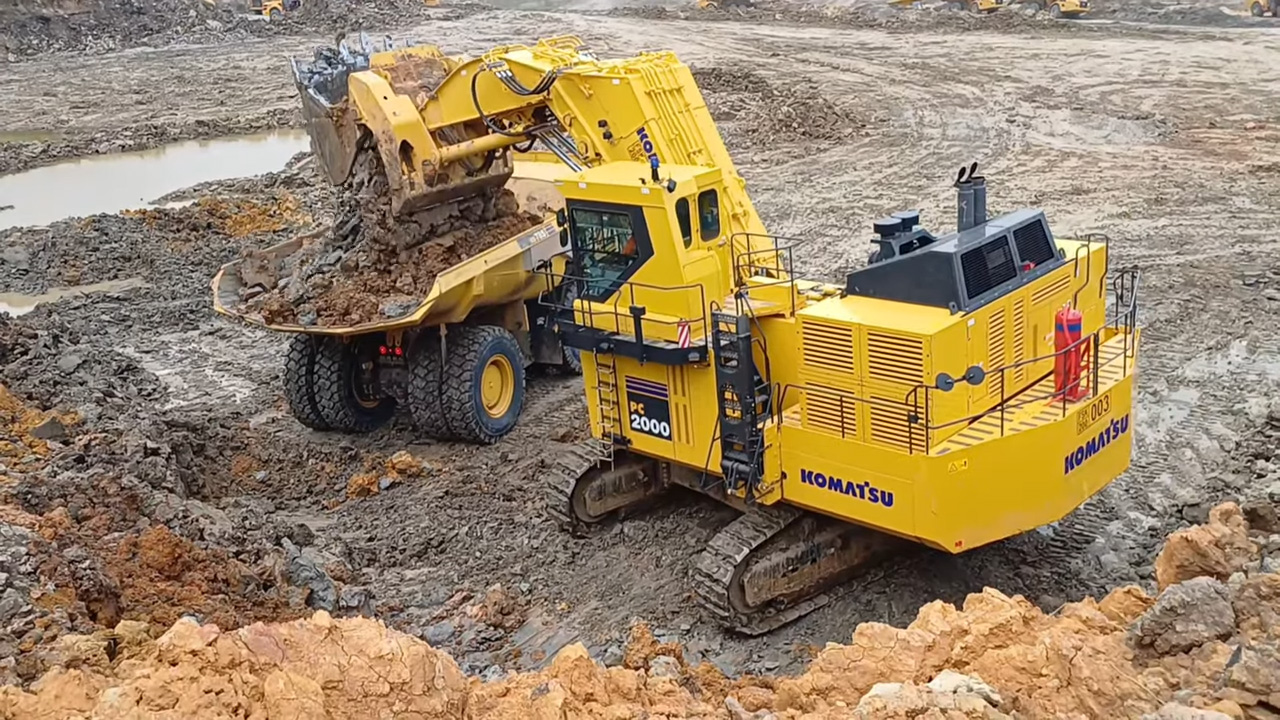
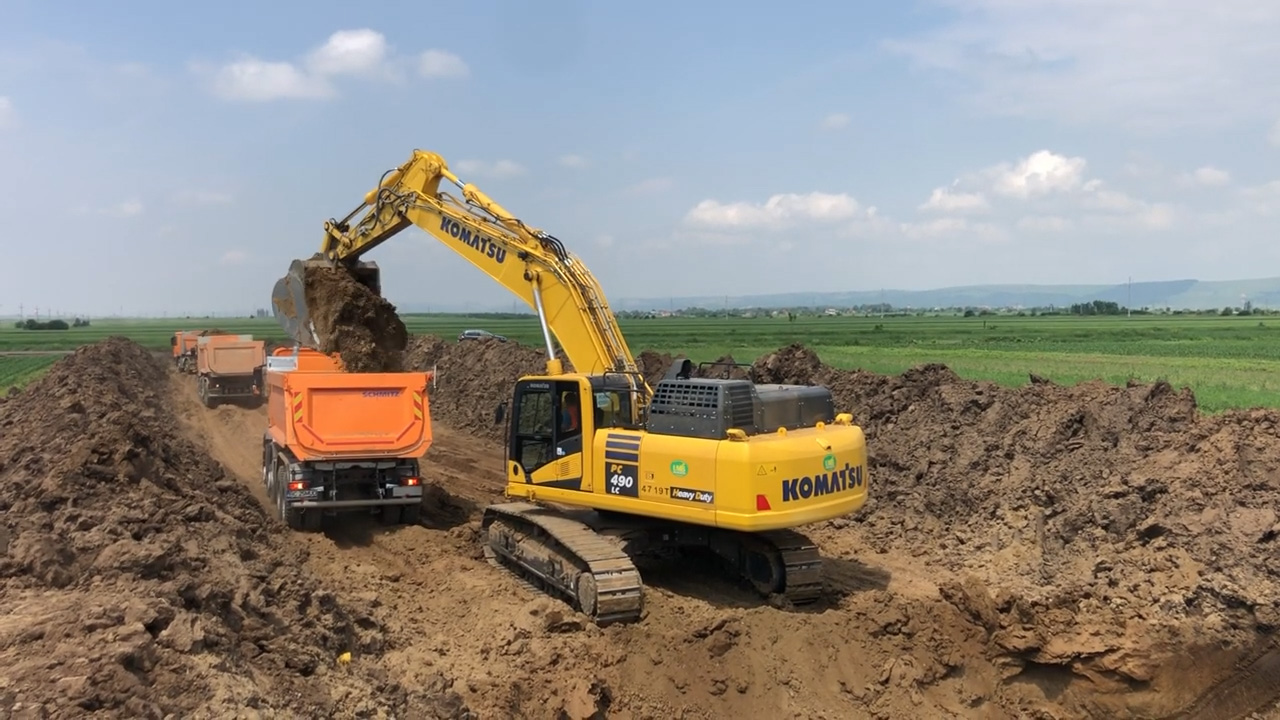
A yellow Komatsu excavator loading dirt into the bed of a similarly colored dump truck at a construction site with muddy terrain

Equipment for Removing Stumps

Once trees are felled, the remaining stumps must be removed to clear the area for new growth. Specialized machinery is used for this task.

Stump Grinders

Stump grinders are powerful machines designed to remove tree stumps to ground level. Equipped with a grinding wheel or cutting disk fitted with sharp teeth or carbide blades, stump grinders efficiently reduce stumps into woodchips.

The rotating cutting disk or grinding wheel is lowered onto the stump and spun at high speeds, shredding the stump material. Teeth on the cutting edge may be replaceable to maintain grinding performance.

Stump grinders play an important environmental role in clearing stump debris from harvested or developed sites. Their grinding function efficiently removes unwanted stumps left after tree felling operations.

Removing unsightly and potentially hazardous tree stumps requires heavy-duty equipment like stump grinders. With their rotating cutting disks and sharp blades, stump grinders efficiently reduce stumps to soil level, clearing the ground for future use. Their grinding capabilities help complete forestry and land development projects.

Machinery for Splitting Wood

Once logs are harvested and processed, some require further splitting into firewood or smaller pieces. Specialized equipment is used for this task.

Log Splitters

Log splitters are powered machinery designed to split felled logs into firewood. Equipped with a splitting wedge or blade, log splitters leverage significant force to break logs down along the grain into pieces suitable for burning in stoves or fireplaces.

Both electric-powered and gas-powered log splitters are commonly used, with gas models offering more power for splitting larger logs. Log splitters safely and efficiently break logs into manageable pieces for firewood.

Protective Gear for Operators

Working with heavy forestry machinery poses risks that require appropriate protective equipment.

Helmets

Sturdy helmets made of strong materials help protect the operator’s head from falling branches, flying debris, or other common overhead hazards in logging environments. Many feature face shields for added face protection.

Safety Glasses

Protective eyewear with reinforced lenses and frames, such as safety glasses, helps safeguard operators’ eyes from flying wood chips or other potentially damaging particles generated during forestry work.

Work Boots

Rugged, steel-toed work boots provide foot protection for forestry workers and operators. Their reinforced toes help protect from falling logs or equipment while working in rough terrain.

Frequently Asked Questions (Tips For Renting Heavy Equipment The First Time)

Answer: To ensure the reliability of your rented construction equipment, carefully assess its condition, inquire about maintenance records from the rental company, and consider opting for high-quality equipment from reputable sources like the Cat Rental Store. This diligence helps prevent downtime and ensures a smooth rental experience.
Renting heavy equipment offers financial benefits, such as avoiding high upfront costs and reducing maintenance expenses. It allows construction companies to access specialized machinery for specific projects without committing to long-term ownership, thus optimizing project budgets and cash flow.
Answer: Rental companies often include preventive maintenance to ensure rented equipment’s reliability. Understanding the upfront maintenance costs, which may vary among rental companies. Clear communication on maintenance expectations helps manage overall project costs effectively.
When deciding between new or used equipment, consider the nature of your construction project, budget constraints, and resale value. While new equipment may offer the latest features, used equipment from reputable rental stores can provide cost savings without compromising on performance for many similar projects.
Choose a rental store with convenient locations, high-quality equipment, and a diverse range of construction equipment rentals, including aerial lifts to boost productivity. Research online reviews to gauge others’ rental experience, ensuring the rented equipment meets safety standards and the project’s requirements.

What Are Agricultural Machinery? Demystifying Farm Equipment

Mediapayperlead-com December 10, 2024

What Are Agricultural Machinery? Demystifying Farm Equipment

Meta Description: This article explores agricultural machinery, tracing its evolution and highlighting the benefits of farm equipment like tractors, harvesters, and planting tools that enhance productivity.

Agricultural machinery enhances farm productivity and efficiency in modern farming practices. This equipment encompasses tools like tractors, plows, irrigation systems, and harvesting machines designed to support farmland cultivation and management. Understanding the benefits and evolution of farm machinery provides insight into their importance for agriculture.

Key Takeaways

  • Agricultural machinery plays a crucial role in enhancing productivity and efficiency on farms.
  • The history and evolution of farm equipment reflect innovation and technological advancement in agriculture.
  • Agricultural machinery provides numerous benefits, such as increasing farm production, countering labor shortages, and improving soil and land quality.
  • Common types of agricultural machinery include tractors, attachments like plows and seeders, specialty crop tractors, and the incorporation of robot technology for precision farming.

Introduction to Agricultural Machinery

Agricultural machinery encompasses a wide array of equipment designed to support the cultivation and management of farmlands, enhancing efficiency and productivity.

Tracing the history of farm equipment reveals a significant evolution from rudimentary hand tools to advanced, mechanized systems.

Understanding the importance and benefits of these machines is essential for appreciating their role in modern agriculture and how they have transformed farming practices.

What is Agricultural Machinery?

Machines and equipment designed for the agricultural sector play a crucial role in enhancing productivity and efficiency on farms across the globe. Agricultural machinery encompasses a wide array of farm equipment essential for crop production.

  • Tractors for versatile utility
  • Plows for soil preparation
  • Combine harvesters for efficient harvesting.
  • Irrigation systems for water management

These farm implements are pivotal in modern agriculture, ensuring greater control over farming operations.

History and Evolution of Farm Equipment

Building on the foundation of modern farm operations, the history and evolution of agricultural equipment reflect a narrative of innovation and technological advancement.

The transition from manual labor to steam power marked a pivotal shift in farming methods.

The invention of the tractor further propelled agricultural machinery into the era of modern mechanized agriculture.

This progression underscores how agricultural machinery refers to essential tools for efficient and productive farming.

Importance and Benefits of Agricultural Machinery

Advanced agricultural machinery has revolutionized farming practices, significantly enhancing productivity and sustainability on farms worldwide.

  • Increase in farm production: Optimizing various farming operations.
  • Efficiency: Ability to harvest efficiently, boosting crop yields.
  • Labor management: Countering labor shortages with mechanization.
  • Soil and land benefits: Improving land reclamation and reducing soil erosion.

Utilizing agricultural machinery empowers farmers to take command of their cultivation processes and outcomes.

Common Types of Agricultural Machinery

As we examine the variety of equipment essential for modern farming practices, it becomes evident that specific machines are pivotal for efficient agricultural operations.

Tractors, for instance, are the backbone of farm mechanization, providing the power and versatility to perform many tasks across the farming cycle.

Other specialized machinery, including harvesting, planting, spraying, and hay and forage, are critical in optimizing crop production and management.

Tractors

Tractors, the workhorses of modern agriculture, play a pivotal role in various farming operations, from soil preparation to harvest. They are critical in small-scale and large-scale farming operations, powered predominantly by robust diesel engines.

  • Essential for soil cultivation, planting, and pest control
  • Versatile attachments like plows and seeders
  • Specialty crop tractors for specific needs
  • Incorporate robot technology for precision farming

Harvesting Equipment

Moving beyond the realm of soil preparation and planting, harvesting equipment is the next critical category of agricultural machinery, essential for the efficient collection of mature crops. Combines, designed explicitly for grain crops, integrate cutting, threshing, and separating processes. Harvester machines cater to various crops harvested, while forage harvesters are pivotal for fodder production. Properly maintained, these machines ensure the timely and effective harvest of a farm’s yield.

Planting Equipment

Planting equipment, a cornerstone of agricultural operations, encompasses a variety of machines designed to precisely deposit seeds into the soil, setting the stage for successful crop growth.

  • Seed drill: Ensures accurate spacing and depth for seeds
  • Broadcast seeder: Disperses seeds over a wide area
  • Seed cum fertilizer drill: Combines seeding and fertilization
  • Precision planter: Allows for exact placement to maximize plant growth and yield

These agricultural machines are vital to sowing seeds and fostering robust plant growth efficiently.

Spraying Equipment

Having discussed the machinery that introduces seeds to the earth, we now focus on the equipment essential for protecting and nurturing those seeds: spraying machinery, which plays a pivotal role in agricultural pest and nutrient management.

Spraying equipment delivers fertilizers and pest control solutions efficiently, aiding nonorganic farming practices to control weeds and enhance crop health. Proper use ensures precision in application, optimizing resources, and safeguarding yields.

Hay and Forage Equipment

Hay and forage machinery are indispensable for harvesting and processing crops destined to become livestock feed.

  • Mowers: Essential for cutting forage crops efficiently.
  • Belt Rakes: Gather cut forage into windrows, facilitating drying.
  • Forage Harvester: A critical tool for chopping and collecting forage.
  • Round Balers: Compact cut forage into manageable hay bales for easy transport and storage.

Tillage Equipment

Delving into the world of tillage equipment, cultivators, plows, and harrows stand out as fundamental tools for soil preparation, setting the stage for a successful planting season.

Chisel plows penetrate the ground deeply, minimizing soil erosion. At the same time, rotary tillers finely pulverize the soil, enhancing aeration and nutrient distribution.

This tillage equipment is pivotal for optimizing soil conditions and achieving precise control over crop cultivation.

Uses of Agricultural Machinery

Agricultural machinery plays a pivotal role in the efficiency and sustainability of modern farming operations.

These machines enhance productivity and crop uniformity, from preparing the soil through land development and tillage to placing seeds during planting.

Furthermore, machinery dedicated to crop care, harvesting, and processing of hay and forage is essential in meeting the demands of both local and global agricultural markets.

Land Development and Tillage

How does modern agricultural machinery facilitate the crucial land development and tillage process for successful crop cultivation?

  • Breaking up the soil: enhancing aeration and drainage.
  • Incorporating organic matter: improving soil fertility.
  • Controlling weeds: creating a cleaner seedbed.
  • Routine maintenance: ensuring the longevity and efficiency of farming equipment.

Agricultural machinery is pivotal in land development and tillage, establishing the foundation for high-yielding crops through efficient soil management.

Planting and Fertilizing

Building upon the well-prepared soil achieved through land development and tillage, modern agricultural machinery plays a vital role in the subsequent stages of planting and fertilizing.

These machines ensure precise seed placement and nutrient application for optimal crop growth.

Farm machines like seed drills and broadcast seeders efficiently sow crops during the planting season.

Simultaneously, manure spreaders evenly distribute fertilizers, enhancing yields and promoting effective farm productivity management.

Crop Care and Harvesting

In crop management, sophisticated machinery such as irrigation systems, sprayers, and fertilization units is essential for maintaining plant health and ensuring the harvest’s success.

  • Irrigation Systems: Automate water delivery to ensure the hydration of cereal crops.
  • Jaguar Forage Harvester: Streamlines harvesting by efficiently cutting and processing crops.
  • Sprayers: Apply pesticides and nutrients precisely, safeguarding crop vitality.
  • Plastic Mulch Layers: Improve soil conditions and facilitate cut crop recovery.

Hay and Forage Harvesting

While sophisticated machinery plays a pivotal role in crop care, equally important are the specialized tools used for hay and forage harvesting, which are crucial for the preparation of animal feed.

Agricultural machinery such as mowers, tedders, rakes, and balers are indispensable equipment that helps farmers with greater efficiency. These tools enable farm workers to meet livestock nutritional needs and ensure sustainability in feed production and storage.

Features to Consider When Selecting Farm Equipment

Selecting the right farm equipment is a critical decision that can significantly influence a farm’s operational efficiency and long-term productivity.

When evaluating machinery, one should consider the engine horsepower and fuel efficiency to ensure optimal performance and cost-effectiveness.

Furthermore, the availability of attachments and implements, the equipment’s durability and reliability, and its safety features are essential factors that must be carefully assessed to meet specific agricultural needs.

Engine Horsepower

Understanding the engine horsepower is crucial when determining the power and efficiency required for your agricultural machinery to meet the demands of various farm tasks.

  • Higher horsepower for plowing and tilling
  • Specific needs guide horsepower selection
  • Lower horsepower suitable for mowing, baling,
  • The balance between power and fuel efficiency

Selecting the right engine horsepower ensures control over your farm operations, optimizing the performance of your machinery.

Fuel Efficiency

Considering the significant impact on operational costs and environmental sustainability, fuel efficiency is critical in selecting agricultural machinery.

Advanced technologies in farm equipment optimize fuel use across large areas, enhancing agricultural work.

Engine type, transmission, and power management systems are pivotal in minimizing fuel expenses.

Prioritizing fuel-efficient machinery ensures control over long-term costs and supports eco-friendly farming practices.

Attachments and Implements

When choosing agricultural machinery, the compatibility, versatility, and durability of attachments and implements are crucial factors that can significantly enhance farm productivity and efficiency.

  • Compatibility with existing agricultural tool systems
  • Versatility for handling diverse arrays of tasks
  • Durability and robust material quality
  • Maintenance ease and safety features

Selecting the right farm equipment attachments and implements empowers farmers with control over their cultivation and harvesting processes.

Durability and Reliability

As farmers evaluate agricultural machinery, the durability and reliability of equipment emerge as critical factors that directly impact the longevity and effectiveness of their farming operations.

High-quality materials and solid construction contribute to durability, reducing breakdowns, while reliability ensures consistent performance, enhancing operational efficiency.

Selecting equipment with a strong track record for these attributes can result in significant cost savings and enduring farm productivity.

Safety Features

Prioritizing safety features in agricultural machinery is essential to mitigate risks inherent to farm operations and ensure the well-being of operators.

  • Roll-over protection structures (ROPS)
  • Safety guards and shields
  • Operator presence systems
  • Emergency stop buttons and kill switches

These safety features are paramount in agricultural machinery, providing control and reducing hazards on farms, while advancements in artificial intelligence enhance proactive safety measures.

Technology and Automation

In modern agriculture, selecting farm equipment embedded with cutting-edge technology and automation capabilities is critical to optimizing productivity and operational efficiency.

Agricultural machinery now integrates advanced sensors, artificial intelligence, and even autonomous drones, catering to various sizes and types of farming operations.

These machines are pivotal in transforming farming practices with precision, enhanced decision-making, and multifunctional capabilities.

A yellow Komatsu excavator is scooping up a large amount of dirt and loading it into the back of an orange dump truck on a construction site. In the background, there are green fields and hills under a blue sky

Routine Maintenance of Agricultural Machinery

The longevity and reliability of agricultural machinery hinge on the adherence to routine maintenance practices. Daily inspections and checks, along with regular fluid changes, are foundational tasks that ensure the smooth operation of farm equipment.

Adhering to manufacturer guidelines and ensuring proper storage and sheltering of machinery are also critical to mitigating wear and extending the service life of agricultural assets.

Daily Inspections and Checks

Farmers’ daily inspections and routine maintenance checks are crucial for the longevity and efficient operation of agricultural machinery.

  • Inspect for wear, loose parts, and leaks.
  • Lubricate, clean filters, and check belts.
  • Monitor fluid levels and tire pressure.
  • Calibrate and adjust for quality control.

These steps are vital in ensuring that the machinery used in agriculture remains reliable and effective on the farm.

Regular Fluid Changes

Regular fluid changes in agricultural machinery are a critical component of routine maintenance that ensures optimal performance and longevity of farm equipment.

Whether for track tractors on expansive fields or implements on small farms, executing regular fluid changes is essential.

This practice sustains machinery reliability within the agricultural industry. It empowers operators with control over their equipment’s functionality and operational readiness.

Following Manufacturer Guidelines

Adhering to the manufacturer’s guidelines for routine maintenance is pivotal for the efficient operation and durability of agricultural machinery. This ensures that equipment is meticulously cared for and functional for critical farming activities.

Proper maintenance leads to optimal performance and longevity of machinery. Following the recommended maintenance schedule and procedures helps prevent unexpected breakdowns and accidents. It also ensures that the machinery is in top condition during planting seasons when needed most.

Proper Storage and Sheltering

Ensuring that agricultural machinery is properly stored and sheltered is a fundamental aspect of routine maintenance. This practice is crucial for protecting these valuable assets from the detrimental effects of environmental conditions. Proper storage and sheltering avert rusting and deterioration, which is vital for machinery tasked with digging holes or supplying fresh nutrients to crops.

This practice also extends the lifespan of the machinery and maintains its efficiency. This is essential for machines that support numerous other tasks in modern agriculture.

Agricultural Machinery Safety Tips

As we focus on the critical aspect of safety within agricultural operations, we must highlight the importance of thoroughly reviewing manuals and adhering to warning labels on machinery.

Protective gear is a fundamental requirement for operators, as it serves as a first line of defense against potential hazards.

Comprehensive training and strict adherence to established safety procedures form the backbone of a secure and efficient agricultural work environment.

Read Manuals and Warning Labels

Understanding agricultural machinery’s proper operation and safety precautions begins with thoroughly reading equipment manuals and warning labels. This knowledge is power for those invested in agriculture and food production. It allows them to:

  • Prevent accidents with informed usage
  • Ensure adherence to safety guidelines
  • Maintain control over operation risks
  • Optimize machinery performance for other agriculture tasks

Educate yourself to operate machinery effectively and safely.

Wear Protective Equipment

Having established the importance of familiarizing oneself with manuals and safety guidelines, it is equally critical to highlight the role of personal protective equipment in safeguarding individuals who operate agricultural machinery.

Gloves, goggles, ear protection, and sturdy footwear are fundamental. Apparel like long sleeves and pants protect against machinery hazards, while helmets and face shields guard against debris.

Ensure protective gear is regularly inspected and maintained for effective protection.

Ensure Adequate Training

Why is ensuring adequate training essential when operating agricultural machinery?

  • Prevents accidents and injuries
  • Covers the use of personal protective equipment
  • Educates on safe operating procedures and emergency protocols
  • Requires ongoing refresher training

Adequate training is the cornerstone of safety and efficiency in agricultural operations. It gives individuals the knowledge to control machinery effectively and prevent hazardous incidents.

Follow Safety Procedures

Adhering to established safety procedures is imperative when operating agricultural machinery, as it significantly reduces the risk of accidents and injuries on the farm. Employ personal protective gear, ensure operator training and certification, and conduct regular equipment inspections.

Moreover, establish clear safety protocols, including signage and barriers, to maintain a secure working environment. These measures are crucial for controlling and mitigating hazards associated with farm equipment.

Frequently Asked Questions (Tips For Renting Heavy Equipment The First Time)

Answer: To ensure the reliability of your rented construction equipment, carefully assess its condition, inquire about maintenance records from the rental company, and consider opting for high-quality equipment from reputable sources like the Cat Rental Store. This diligence helps prevent downtime and ensures a smooth rental experience.
Renting heavy equipment offers financial benefits, such as avoiding high upfront costs and reducing maintenance expenses. It allows construction companies to access specialized machinery for specific projects without committing to long-term ownership, thus optimizing project budgets and cash flow.
Answer: Rental companies often include preventive maintenance to ensure rented equipment’s reliability. Understanding the upfront maintenance costs, which may vary among rental companies. Clear communication on maintenance expectations helps manage overall project costs effectively.
When deciding between new or used equipment, consider the nature of your construction project, budget constraints, and resale value. While new equipment may offer the latest features, used equipment from reputable rental stores can provide cost savings without compromising on performance for many similar projects.
Choose a rental store with convenient locations, high-quality equipment, and a diverse range of construction equipment rentals, including aerial lifts to boost productivity. Research online reviews to gauge others’ rental experience, ensuring the rented equipment meets safety standards and the project’s requirements.

Heavy Equipment Vs Compact Equipment: Choosing the Right Size

Mediapayperlead-com December 10, 2024

Heavy Equipment Vs Compact Equipment: Choosing the Right Size

Meta Description: Compare heavy and compact construction equipment. Assess key factors like size, cost, durability and maneuverability to determine the best fit for your project’s scale and workspace.

Choosing between heavy and compact equipment is crucial when undertaking construction projects. Heavy machinery excels for large-scale operations, yet compact equipment offers greater maneuverability for confined spaces. Key factors like cost, durability, and environmental impact distinguish these categories. Understanding these differences allows selecting equipment tailored to your project’s specific demands.

Key Takeaways

  • Heavy construction equipment is suitable for large-scale operations. It offers greater durability, while compact equipment excels in maneuverability for small-scale tasks.
  • Cost considerations, durability, and environmental impact distinguish heavy and compact equipment, with heavy equipment incurring higher equipment and ongoing fuel costs.
  • Compact equipment has a significant cost advantage in acquisition and operational expenses, making it well-suited for projects with tighter budgets.
  • Compact equipment is the superior choice for small residential or commercial projects, offering ease of transport between job sites and a reduced environmental footprint.

Introduction to Heavy and Compact Construction Equipment

Understanding the distinction between heavy and compact machinery is crucial for efficient and cost-effective project management when selecting construction equipment.

Heavy construction equipment, typically characterized by large-scale machinery such as articulated trucks and asphalt pavers, is essential for substantial earthmoving tasks and infrastructure development.

Conversely, compact construction equipment, including machines like mini excavators and compact track loaders, is designed for smaller construction sites where limited space and precision are paramount.

Defining Heavy Construction Equipment

Understanding the diverse range of heavy construction equipment is essential for selecting the right machinery for specific construction, mining, and infrastructure development tasks.

Heavy machinery refers to large machines such as articulated trucks, asphalt pavers, backhoe loaders, cold planers, and compactors. Each larger machine serves a distinct purpose, from material handling and road repair to soil compaction and waste management in landfills.

Defining Compact Construction Equipment

Compact construction equipment is characterized by its smaller size and versatility. It is designed to perform various tasks on projects requiring limited space or less power. These compact machines excel in environments with space constraints, offering agility and efficiency. They are suitable for landscaping and construction, ensuring precise handling and productive operations in confined areas.

Key Differences Between Heavy and Compact Equipment

Understanding the key differences between heavy and compact equipment is essential for making informed decisions in construction and related industries.

Size and capacity often dictate the suitability of heavy machinery for large-scale operations versus the convenience and maneuverability of compact equipment in confined spaces.

Cost considerations, durability, and environmental impact further distinguish these categories, informing project planning and equipment selection to optimize efficiency and effectiveness.

Size and Capacity

The distinction between heavy and compact equipment hinges on their size and capacity, each tailored for specific construction projects and work environments.

  • Heavy equipment is built for large-scale construction projects like highways and high-rise buildings.
  • Compact equipment excels in maneuverability for small-scale tasks such as landscaping.
  • Size determines suitability for open or confined construction sites, impacting the overall project efficiency and costs.

Maneuverability

Beyond the basic size and capacity considerations, maneuverability is critical in determining whether heavy or compact equipment is most suitable for a given construction project.

A compact machine excels in maneuverability, deftly navigating tight spaces and confined areas where larger equipment cannot.

For projects with limited operating room, the agility of compact equipment often makes it the more pragmatic and cost-effective choice.

Cost Considerations

When selecting equipment for construction projects, weighing the long-term cost implications of heavy versus compact machinery is crucial.

Key cost differences include:

  • Initial purchase and maintenance: Heavy equipment incurs higher equipment costs.
  • Operational expenses: The fuel consumption of heavy machinery leads to greater ongoing costs.
  • Transportation and logistics: Compact equipment reduces labor and logistics expenses, enhancing cost-effectiveness.

Choose wisely for control over your project’s budget.

Durability and Robustness

Considering the cost implications, it is equally important to evaluate the durability and robustness of equipment, as these factors significantly impact the lifespan and performance of machinery in various construction environments.

Heavy equipment, designed for enduring rough terrain and heavy materials, offers greater durability for severe operations.

In contrast, while more economical regarding operational expenses, compact equipment is best suited for lighter construction tasks with its adaptability.

Fuel Efficiency and Environmental Impact

How do fuel efficiency and environmental considerations influence the choice between heavy and compact construction equipment?

  • Less Fuel Consumption: Compact equipment’s superior fuel efficiency reduces operational costs and environmental impact.
  • Maneuverability: The smaller footprint of compact equipment minimizes ecological disruption.
  • Sustainability: Choosing compact equipment aligns with eco-friendly practices, offering a sustainable solution with lower environmental impact.

When to Choose Heavy Construction Equipment

Selecting heavy construction equipment is a strategic decision when undertaking large-scale projects that demand the lifting and movement of substantial materials. These robust machines are designed for high-intensity workloads and continuous operation, providing durability and efficiency.

Moreover, their versatility makes them suitable for various tasks within major construction endeavors, from building infrastructure to erecting commercial edifices.

Large-Scale Construction Projects

When tackling large-scale construction projects, selecting the appropriate heavy construction equipment is crucial for enhancing efficiency and ensuring the timely completion of tasks such as excavation, material hauling, and pavement laying.

  • Larger Machine: A larger machine provides the necessary power and capacity for extensive operations and heavy lifting.
  • Heavy Lifting: Bigger equipment can handle the substantial weight requirements of long-term projects.
  • Long-Term Projects: Durable and robust machinery ensures reliability over the project’s duration.

Moving Heavy Materials

Building on the consideration of equipment size for large-scale construction endeavors, it is essential to address the specifics of moving heavy materials, which often necessitates using specialized heavy construction equipment.

Articulated dump trucks and wheel loaders excel in material handling, offering robustness for mining, construction, and quarry tasks while ensuring control over the efficient relocation of substantial resources.

Continuous High-Intensity Workloads

Heavy construction equipment is a critical component for efficiency and effectiveness for construction projects demanding continuous high-intensity workloads. Consider the following:

  • Articulated dump trucks excel in off-road hauling, adeptly navigating challenging terrains.
  • Asphalt pavers are vital for extensive hot mix asphalt operations, from loading to compaction.
  • Compactors ensure foundational stability, which is crucial for roadways and landfill management in construction projects.

Versatility Across Applications

Selecting heavy construction equipment becomes pivotal as versatility across applications greatly enhances project efficiency and adaptability to various environments.

These robust machines can perform multiple tasks by utilizing various attachments, making them suitable for multiple jobs despite their lack of compact size.

Their ability to handle diverse conditions, from rough terrain to large-scale construction sites, underscores their essential role in efficient project management.

When Compact Equipment is the Better Option

Compact equipment often emerges as the superior choice for small residential or commercial projects where space is premium and maneuverability is essential. These machines offer a significant cost advantage in terms of acquisition and operational expenses, making them well-suited for projects with tighter budgets.

Additionally, their ease of transport between job sites and reduced environmental footprint aligns with the growing demand for efficient and sustainable construction practices.

Small Residential or Commercial Projects

When tackling small residential or commercial projects, the agility and efficiency offered by compact equipment frequently outshine their larger counterparts.

  • Mini excavators and compact track loaders excel in landscaping projects, offering precise control.
  • Their smaller size is crucial for moving materials in confined spaces.
  • Cost-effectiveness is a significant advantage, providing a balance between performance and expenses.

Such tools empower users to manage projects with confidence and economy.

Tight Spaces and Access Limitations

Navigating the complexities of job sites with tight spaces and access limitations necessitates utilizing compact equipment. This equipment offers superior maneuverability and efficiency in constrained environments.

Mini excavators, skid steer loaders, and compact wheel loaders are specifically designed to deliver the agility required to perform tasks where larger machinery can’t fit.

Opting for compact excavators ensures cost-effectiveness and precise control in tight quarters. This enhances productivity and improves project outcomes.

Lower Budget Projects

Acknowledging the agility and cost-effectiveness of smaller machinery in constrained environments, it becomes evident that compact equipment emerges as the superior choice for lower-budget projects.

Key advantages include:

  • Lower purchase and operational costs.
  • Versatility in tasks such as landscaping and road work.
  • Enhanced maneuverability, especially when working within one job site with limited space.

Compact equipment, including mini construction equipment, is the smart financial move for budget-conscious projects.

Reduced Environmental Impact

Compact equipment stands out as the more sustainable choice for reducing environmental impact due to its lower fuel consumption and emissions.

Compact track loaders or even the smallest machines on construction sites significantly diminish the ecological footprint.

This makes compact equipment the preferred option for projects where environmental conservation is paramount, ensuring control over the site’s impact on the surrounding ecosystem.

Transport Between Job Sites

Compact machinery emerges as a superior choice when considering the logistics of moving equipment between job sites due to its enhanced mobility and cost efficiency.

  • Lower Fuel Consumption: Unlike heavy equipment, compact machinery requires less fuel for relocation, leading to significant savings.
  • Ease of Maneuverability: Compact units navigate tight spaces and obstacles with ease.
  • Versatility for Multiple Tasks: Their smaller size does not restrict their capability to perform various tasks effectively.

Key Types of Heavy Construction Equipment

Selecting the appropriate heavy construction equipment is crucial for project efficiency and cost-effectiveness.

Excavators and bulldozers are fundamental for earthmoving tasks, while backhoes offer multifunctional capabilities for digging and material handling.

Cranes and dump trucks, on the other hand, are indispensable for vertical lifting and transportation of materials across the construction site.

Excavators

Excavators, essential for various earthmoving tasks, come in various sizes, ranging from compact mini models to massive machines designed for large-scale construction projects. On the job site, choosing the right excavator involves:

  • Assessing the space for maneuvering and digging trenches.
  • Evaluating the weight of heavy objects to be lifted.
  • Considering the depth and volume of material to be moved.

Select with precision for optimal control and efficiency.

Bulldozers

Just as the right excavator is crucial for trenching and lifting, the appropriate bulldozer is essential for efficiently pushing, digging, and leveling vast expanses of terrain in various construction and land-clearing projects.

In the debate of heavy equipment vs compact equipment, choosing the right bulldozer aligns with construction equipment needs, particularly in site preparation.

Its power and versatility make it the right equipment for heavy-duty earthmoving tasks.

Backhoes

Backhoe loaders, recognized for their versatility, are indispensable in various construction tasks, from digging and trenching to material handling and back-filling.

When considering equipment for your project:

  • Evaluate the need for a compact wheel loader or a skid steer as alternatives.
  • Consider the specific capabilities of backhoe loaders, such as dig depths and attachment options.
  • Assess the benefits of renting regularly serviced, low-hour machines for reliability.

Cranes

Understanding the various types of cranes and their specific uses is crucial when selecting the right lifting equipment for construction projects.

Tower cranes excel in erecting tall structures, while mobile cranes provide versatility for diverse tasks, such as transporting compact hot mix asphalt.

Crawler cranes offer stability on rugged terrain, beneficial when working alongside articulated trucks, compact telehandlers, and skid steers.

Dump Trucks

Moving from the lifting capabilities of cranes, dump trucks, specifically articulated trucks, offer vital hauling functionality in various construction and quarry environments.

For those seeking control over their project requirements, note that:

  • A single machine can handle a broad range of tasks.
  • Advanced features enhance operator comfort and efficiency.
  • Even the smallest machines are robust, ensuring productivity on rough terrains.

Motor Graders

With their distinctive long blades, motor graders play a critical role in shaping and finishing surfaces for road construction, maintenance, and other infrastructure projects. Their precision in creating smooth surfaces can significantly impact project outcomes.

Unlike backhoes or wheel loaders, motor graders specialize in fine grading, offering the control needed for intricate slopes and camber, which is essential for safe and efficient transportation infrastructure.

A large yellow front-end loader with massive tires and a person operating it on a construction site

Key Types of Compact Construction Equipment

When selecting compact construction equipment, it’s essential to understand the capabilities and functionalities of key types such as skid steer loaders, compact track loaders, mini excavators, compact wheel loaders, and compact utility vehicles.

Each piece of equipment is designed to perform in tight spaces and can be a cost-effective solution for various projects that require precision and maneuverability.

In the subsequent sections, we will explore these compact machines’ specific applications and advantages to guide you in making an informed decision for your project needs.

Skid Steer Loaders

Skid steer loaders, renowned for their agility and compact design, are indispensable in various landscaping, construction, and agriculture sectors.

  • Versatility: Easily switch between asphalt pavers, concrete mixers, and other attachments.
  • Visibility: Equipped with glare-resistant glass for safer operation.
  • Terrain Adaptation: Choose between wheeled models or track loaders for enhanced stability.

These features provide operators with the control required to tackle diverse challenges efficiently.

Compact Track Loaders

Compact track loaders, with their robust design and exceptional versatility, have become a cornerstone in the arsenal of compact construction equipment for small to medium-sized projects.

Certain equipment is pivotal for operational success, so these loaders offer a cost-effective solution with lower purchase and operational costs while handling heavy lifting and extensive travel.

This signifies their adaptability to diverse job requirements in various industries.

Mini Excavators

Building on essential compact construction equipment, mini excavators emerge as another crucial category, offering high mobility and versatility for projects requiring precision in confined spaces. They stand out due to their ability to efficiently perform tasks such as digging and trenching. Mini excavators have lower operational costs, making them cost-effective for small to medium projects. Furthermore, they come in various sizes and capacities to cater to different project needs.

Compact Wheel Loaders

When it comes to equipment that combines functionality with agility, compact wheel loaders stand as a fundamental asset for small to medium-sized construction and landscaping projects.

These versatile machines excel in material handling, lifting, and clearing tasks.

Their maneuverability and cost-effectiveness make them ideal for confined spaces, ensuring operators control diverse project demands without compromising efficiency or performance.

Compact Utility Vehicles

Understanding the various types of compact utility vehicles is essential for selecting the right equipment for small-scale construction and landscaping projects. These types include track loaders, wheel loaders, mini excavators, skid steer loaders, and telehandlers.

  • Maneuverability: These compact utility vehicles are designed to navigate tight spaces easily. Their compact size and maneuverability make them ideal for working in confined areas.
  • Cost-Effectiveness: Compact utility vehicles offer a lower initial investment and operational costs than larger machinery. They are more affordable to purchase and maintain, making them a cost-effective option for small-scale projects.
  • Versatility: Despite their smaller size, compact utility vehicles are highly versatile. They can perform diverse tasks, from lifting heavy materials to clearing debris. This versatility allows for increased efficiency and productivity on the job site.

Compact Cranes

Compact cranes, encompassing models like spider cranes, mini crawler cranes, and compact rough terrain cranes, are essential for performing heavy lifting in constrained spaces across various industries.

Their adaptability for indoor and outdoor use and exceptional maneuverability allow them to navigate tight spaces and efficiently manage urban construction, renovation, and maintenance tasks that demand precision and control.

Choosing the Right Equipment for Your Needs

Selecting the appropriate equipment is crucial for the success of any project. This requires a thorough assessment of the project’s size and scope. Budgetary considerations are also paramount, as they directly influence the capacity and quality of equipment one can afford while ensuring a good return on investment.

Additionally, it is essential to evaluate the limitations of the workspace and the specific tasks at hand. This ensures the chosen equipment can operate efficiently and safely within the given environment.

Assess Project Size and Scope

Evaluating the dimensions and scale of your project is an essential first step in identifying the appropriate machinery and equipment required to meet your objectives efficiently and effectively. Key considerations include:

  • Volume and nature of work involved
  • On-site space limitations and ground conditions
  • Desired balance between upfront and operating costs

These elements guide the selection process, ensuring optimal functionality and cost-effectiveness for your project needs.

Evaluate Budget Constraints

Having identified the scale of your project, it is now critical to consider the financial implications of equipment size on your overall budget.

Assess affordability, balancing upfront costs against long-term efficiency.

Analyze operating expenses, including fuel consumption, and recognize that larger machines may incur higher initial costs; their speed could diminish rental time, potentially mitigating expenses and aligning with budgetary constraints.

Consider Workspace Limitations

When selecting the appropriate size for equipment, it is imperative to account for the spatial dimensions of the work site to ensure optimal maneuverability and efficiency.

  • Assess site space to determine if compact equipment enhances maneuverability.
  • Consider equipment size for improved mobility in areas with obstacles or limited space.
  • Factor in ground conditions; smaller models may navigate soft or muddy terrain more effectively.

Analyze Required Tasks and Flexibility

Analyzing the tasks and the project’s need for flexibility is crucial in selecting equipment that aligns with size requirements and operational goals. Evaluate the specific job demands, budgetary constraints, spatial limitations, workload, and the adaptability of the equipment.

Prioritize environmental considerations and fuel efficiency. The decision between heavy and compact machinery must be meticulously tailored to project difficulties and resource availability.

Compare Environmental Impacts

In choosing the right equipment for your needs, assessing the environmental impacts is critical. Compact equipment generally offers greater eco-friendliness and lower fuel consumption than their heavier counterparts.

  • Compact equipment typically results in lower emissions.
  • Heavy equipment may increase operational costs through greater fuel usage.
  • Selecting equipment also involves evaluating the demands of the job and ground conditions.

Weigh Maintenance Requirements

Beyond considering the environmental impacts of equipment size, it is equally important to evaluate the maintenance requirements that accompany different types of machinery.

Compact equipment typically demands less upkeep, offering cost savings and fewer operational disruptions.

However, while more demanding in its maintenance schedule, heavy machinery can deliver unparalleled performance that justifies the additional effort and resources committed to its care.

Frequently Asked Questions (Tips For Renting Heavy Equipment The First Time)

Answer: To ensure the reliability of your rented construction equipment, carefully assess its condition, inquire about maintenance records from the rental company, and consider opting for high-quality equipment from reputable sources like the Cat Rental Store. This diligence helps prevent downtime and ensures a smooth rental experience.
Renting heavy equipment offers financial benefits, such as avoiding high upfront costs and reducing maintenance expenses. It allows construction companies to access specialized machinery for specific projects without committing to long-term ownership, thus optimizing project budgets and cash flow.
Answer: Rental companies often include preventive maintenance to ensure rented equipment’s reliability. Understanding the upfront maintenance costs, which may vary among rental companies. Clear communication on maintenance expectations helps manage overall project costs effectively.
When deciding between new or used equipment, consider the nature of your construction project, budget constraints, and resale value. While new equipment may offer the latest features, used equipment from reputable rental stores can provide cost savings without compromising on performance for many similar projects.
Choose a rental store with convenient locations, high-quality equipment, and a diverse range of construction equipment rentals, including aerial lifts to boost productivity. Research online reviews to gauge others’ rental experience, ensuring the rented equipment meets safety standards and the project’s requirements.

What Is a Heavy Equipment Permit: Understanding When and Why They’re Needed

Mediapayperlead-com December 10, 2024

What Is a Heavy Equipment Permit: Understanding When and Why They’re Needed

Meta Description: Heavy equipment permits ensure the safe transit of oversized machinery. Learn when permits are required, types of equipment needing permits, and how to get a heavy equipment license.

Heavy equipment permits are crucial regulatory documents for transporting oversized or overweight machinery. They promote road safety, protect infrastructure, and ensure secure transit of heavy loads.

Understanding when permits are needed and why they matter is key to compliance and efficiency.

Key Takeaways

  • Heavy equipment permits are regulatory documents required to transport oversized or overweight machinery.
  • Permits ensure road safety, protect infrastructure, and secure the transit of heavy loads.
  • Different types of heavy equipment may require specific permits, and obtaining the appropriate permits enhances safety and control over transportation logistics.
  • Compliance with heavy equipment permits is crucial, as neglecting them can result in legal consequences and compromise public safety.

Introduction to Heavy Equipment Permits

Heavy equipment permits are regulatory documents required to transport oversized or overweight machinery. These permits are crucial to maintaining road safety, protecting infrastructure, and ensuring the secure transit of heavy loads.

Understanding the purpose of these permits, their necessity, and the types of equipment they apply to is essential for compliance and operational efficiency.

What is a Heavy Equipment Permit?

A heavy equipment permit is a regulatory document that authorizes the transportation of oversized or overweight loads, ensuring adherence to safety standards and route specifications.

It mandates compliance with weight and size limits, necessitating proper permits for different types of transport, such as single trip or annual.

Obtaining the necessary permits helps mitigate risks, as only qualified drivers can operate heavy machinery under such permits, promoting secure transit.

Why Are Permits Required?

Understanding the importance of a heavy equipment permit naturally explains why such permits are indispensable for transporting oversized or overweight loads.

  • Permits ensure adherence to regulations for safe transit on public roads.
  • They address safety concerns by setting size and weight limits.
  • Permits are crucial to operate heavy equipment without causing infrastructure damage.

Common Types of Heavy Equipment Requiring Permits

Securing the appropriate permits is critical when transporting heavy equipment that exceeds standard size or weight restrictions on public roadways. Operators must obtain the right permits, such as Single Trip or Annual Oversize/Overweight Permits, for oversize loads.

Whether hauling heavy equipment through different jurisdictions or managing superloads, heavy haul permits ensure compliance with legal requirements, enhancing safety and control over transportation logistics.

Heavy Equipment Operator License Requirements

Navigating the landscape of heavy equipment operator license requirements is essential for compliance and safety.

Prospective operators must meet age and valid driver’s license prerequisites, undergo specific testing for competency, and often complete formal training and certification programs.

Additional specialized requirements must be met for those operating cranes to prevent oversized and overweight load designations that could necessitate further permitting.

Age and Driver’s License Requirements

To operate heavy machinery legally, individuals must hold a valid driver’s license and meet the minimum age requirement of 18 years. Valid driver’s license requirements must be met for legality. The minimum age for obtaining a heavy equipment operator license is 18. Some states have higher age requirements for a commercial driver’s license.

Testing Requirements

Acquiring a heavy equipment operator license necessitates passing a series of proficiency tests designed to assess an individual’s capability to operate large machinery safely. These testing requirements often include a practical road test, part of a certification program.

The national commission overseeing these programs ensures applicants meet rigorous standards essential for the control and safety implied by a heavy equipment permit.

Training and Certification Requirements

Building on the foundation of testing requirements, obtaining a heavy equipment operator license also involves comprehensive training and adherence to specific certification standards.

  • Heavy Equipment Operator Training: Vocational schools or community colleges provide intensive courses.
  • Apprenticeship Program: On-the-job training combined with classroom instruction.
  • Certification: Verification of skills and knowledge, often required by employers and regulatory bodies.

These steps ensure operators are proficient and regulations are met.

Crane Operator-Specific Requirements

Crane operators are required to obtain a specialized license. This license mandates the successful completion of written and practical examinations tailored to the intricacies of crane operation. This ensures that crane operators uphold heavy equipment operation standards and occupational safety.

As construction equipment operators, crane operators may also need to acquire additional licenses to comply with varying state regulations. This reinforces their expertise and ensures compliance with specific requirements. Additionally, crane operators must undergo periodic recertification to maintain proficiency and stay up-to-date with any changes in regulations or best practices.

Avoiding Oversize and Overweight Designations

While crane operators must adhere to licensing requirements for safe operation, heavy equipment operators, in general, need to be equally diligent in securing the appropriate oversized and overweight permits to avoid infractions during transport.

  • Ensure load complies with specific weight and dimension limits
  • Select the correct permit type based on the route and load characteristics
  • Obtain special permits for particular equipment transport

Steps to Earn a Heavy Equipment Operator License

Securing a Heavy Equipment Operator License requires a structured approach.

The first step is comprehensive training. Aspiring operators must possess at least a high school diploma or GED. In many cases, additional specialized licenses and certifications are necessary.

Complete Proper Training

Embarking on a heavy equipment operator career requires comprehensive training and certification through an accredited program.

  • Gain hands-on experience with construction equipment through apprenticeships.
  • Comply with health administration regulations and secure OSHA certification.
  • Pursue additional licenses and continuous learning to maintain industry competency.

This structured approach ensures proficiency in operating heavy machinery, reinforcing safety and operational excellence.

Earn a High School Diploma or GED

Having established the necessity of proper training and certification for operating heavy machinery, the next foundational step is to complete a high school diploma or GED. This is a basic educational requirement for obtaining a heavy equipment operator license.

This credential demonstrates to potential employers a level of education that underpins specialized training, ensuring readiness to pursue the heavy equipment permit necessary for the role.

Obtain Additional Licenses and Certifications

Upon completing a high school diploma or GED, individuals aiming to become heavy equipment operators must pursue additional licenses and certifications pertinent to the industry.

  • Obtain a heavy equipment permit for oversized or overweight loads.
  • Acquire specialized licenses for operating on construction sites.
  • Secure necessary certifications for interstate commercial vehicle travel.

These credentials ensure compliance and safe operation within the field.

Pass Written and Practical Licensing Exams

After securing the necessary permits and certifications, candidates must pass written and practical licensing exams to demonstrate their proficiency in operating heavy equipment.

These exams rigorously assess the candidate’s understanding of operational techniques and adherence to safety protocols.

Completing and passing these exams is crucial to earning a heavy machinery license, which signifies a recognized level of expertise and control in heavy equipment operation.

A large yellow front-end loader with its bucket in the foreground and the operator visible in the cabin, on a construction site with tire tracks on the ground and a partly clouded sky in the background

Finding the Right Heavy Equipment Training

Selecting the appropriate heavy equipment training program is a pivotal step toward career advancement. Prospective trainees should evaluate the program options available, ensuring they provide a blend of classroom learning and practical, hands-on experience led by qualified instructors.

Additionally, the program’s duration and structure should be considered to ensure it meets the individual’s career objectives and fits within their available time and resources.

Training Program Options

Choosing the appropriate heavy equipment training program is crucial, as it should provide comprehensive education, including accredited coursework, practical operation experience, and thorough instruction on safety protocols.

  • Explore accredited heavy equipment training program options.
  • Seek programs with hands-on machinery operation experience.
  • Ensure the program covers safety protocols and license preparation.

Ideal training fosters mastery of construction equipment, ultimately granting operators the control and confidence required for successful careers.

Program Duration and Structure

Understanding the duration and structure of heavy equipment training programs is essential for prospective operators to align their educational path with career objectives and personal commitments.

These programs vary in length, from weeks to months, and often blend classroom learning with hands-on training.

Flexible schedules accommodate full-time or part-time attendance, leading to certifications or the heavy equipment permit—a crucial document issued in many states to operate specific vehicles professionally.

Classroom and Hands-On Instruction

When seeking quality heavy equipment training, it is imperative to find a program that effectively combines theoretical classroom instruction with practical, hands-on experience.

  • Comprehensive classroom teaching on machine operation and job site safety.
  • Direct operation of equipment for real-world proficiency.
  • The balance between knowledge acquisition and skill application for heavy equipment permits readiness.

Such an approach ensures mastery of the concepts and the controls of heavy machinery.

Instructor Qualifications and Experience

As you embark on the journey to become a proficient heavy equipment operator, selecting a training program with highly qualified and experienced instructors is critical.

Ensure the facility’s staff have the necessary certifications and a record of effective training. These instructors should be well-versed in safety regulations and industry practices, directly impacting your ability to secure a heavy equipment permit and excel in your job.

Getting Your Heavy Equipment License

Securing a license for operating heavy equipment is a critical step that involves a thorough application process.

It is essential to stay abreast of the requirements for renewal to ensure continuous compliance with industry regulations.

Furthermore, engaging the services of an experienced heavy hauler can provide valuable expertise in navigating the complexities of heavy equipment transportation.

Applying for Your License

Obtaining a heavy equipment permit necessitates submitting a comprehensive application to the Department of Transportation, accompanied by proof of valid insurance and a driver’s license.

Documentation of route stops and estimated timeframe for arrival.

Varying costs based on load size, weight, and type.

Importance of permits for safe transport across states.

Careful planning is crucial for trucking heavy loads, ensuring compliance with regulations in other states.

Renewing Your Heavy Equipment License

Having established the importance of obtaining the necessary permits for heavy equipment transport, ensuring that your license remains valid through timely renewal is equally imperative.

Monitor the expiration date closely, assemble required documents, such as proof of insurance and a valid driver’s license, and understand your local renewal procedures.

Consider professional assistance to streamline the process for your dump trucks, cranes, trailers, and excavators.

Hiring an Experienced Heavy Hauler

When transporting heavy equipment, hiring an experienced heavy hauler is crucial to ensure compliance with all necessary permits and safe delivery of your oversized load.

  • Heavy Equipment Permit Expertise: Navigate complex permit requirements for varying load widths and weights.
  • Safe Transportation: Secure handling of heavy machinery to any destination.
  • Efficient Routing: Optimize travel routes for oversized loads, avoiding delays and legal issues.

Frequently Asked Questions (Tips For Renting Heavy Equipment The First Time)

Answer: To ensure the reliability of your rented construction equipment, carefully assess its condition, inquire about maintenance records from the rental company, and consider opting for high-quality equipment from reputable sources like the Cat Rental Store. This diligence helps prevent downtime and ensures a smooth rental experience.
Renting heavy equipment offers financial benefits, such as avoiding high upfront costs and reducing maintenance expenses. It allows construction companies to access specialized machinery for specific projects without committing to long-term ownership, thus optimizing project budgets and cash flow.
Answer: Rental companies often include preventive maintenance to ensure rented equipment’s reliability. Understanding the upfront maintenance costs, which may vary among rental companies. Clear communication on maintenance expectations helps manage overall project costs effectively.
When deciding between new or used equipment, consider the nature of your construction project, budget constraints, and resale value. While new equipment may offer the latest features, used equipment from reputable rental stores can provide cost savings without compromising on performance for many similar projects.
Choose a rental store with convenient locations, high-quality equipment, and a diverse range of construction equipment rentals, including aerial lifts to boost productivity. Research online reviews to gauge others’ rental experience, ensuring the rented equipment meets safety standards and the project’s requirements.

The Complete Guide to Types of Heavy Equipment Permit

Mediapayperlead-com December 10, 2024

The Complete Guide to Types of Heavy Equipment Permit

Meta Description: A guide to heavy equipment permits – types, regulations, applications, compliance, loading techniques, working with haulers, FAQs – everything operators need for legal and safe transport.

Heavy equipment permits are mandatory for oversized machinery’s legal and safe transport. Different types exist based on dimensions, weight limits, and travel routes. Operators must identify the appropriate permitting agency, gather equipment details, submit permit applications, and allow sufficient processing time. Strict compliance with permit terms is also essential during transport to avoid fines and delays. Proper loading, securing, and working with reputable haulers facilitates efficient shipping.

Key Takeaways

  • Heavy equipment permits are essential for legal compliance, optimizing efficiency, and avoiding delays and legal complications in the construction, mining, and transportation industries.
  • Different types of permits exist, such as special or annual permits, trip & fuel permits, single trip permits, annual permits, superload permits, and county & city permits, each tailored to specific dimensions, weights, and transit routes.
  • Applying for permits involves gathering necessary information, identifying the appropriate permitting agency, submitting a detailed permit application, and allowing sufficient processing time.
  • Best practices for heavy equipment transport include selecting the right trailer, loading using proper equipment and techniques, tying down equipment securely, and working with a reputable heavy haul transport company.

Introduction to Heavy Equipment Permits

Heavy equipment refers to large-scale machinery used in various industries, including construction, mining, and transportation. The operation of such machinery on public roadways necessitates specific permits to ensure compliance with safety regulations and transport guidelines.

This discussion will provide an overview of why permits are essential and the various types of permits required for the legal transport of the equipment.

What is Heavy Equipment?

Heavy equipment refers to vehicles and machinery that exceed standard-size loads, necessitating specialized permits for their relocation.

This category includes construction equipment and heavy machinery, which, due to their oversized loads, require meticulous planning and adherence to regulations to transport heavy equipment safely and efficiently.

Why Permits Are Needed

To ensure the safe and lawful transit of oversized loads, obtaining the necessary heavy equipment permits is a fundamental requirement for operators in the transport sector.

These permits are crucial for compliance with state regulations, coordinating transport logistics, and maintaining public safety.

They facilitate route planning to navigate obstacles and inform local agencies of large load movements, ensuring a controlled and secure transportation process.

Overview of Permit Types

Navigating the complexities of heavy equipment transport requires a clear understanding of the numerous permit types available. Each permit is tailored to specific dimensions, weights, and transit routes of oversized loads.

Securing the correct heavy haul permits is crucial for the lawful transit of an overweight load. This includes special or annual permits. By obtaining these permits, regulatory compliance is ensured, and the smooth operation of heavy haul shipping is maintained.

Common Heavy Equipment Permit Types

Navigating the realm of heavy equipment transport requires an understanding of the various permits essential for legal and safe operations.

Among these, single-trip and Annual Permits cater to one-time moves and repeated transports over a year, respectively.

Superload Permits, as well as County and City Permits, address specific local regulations.

Trip & Fuel Permits ensure compliance with fuel tax obligations during interstate journeys.

Single Trip Permits

Single Trip Permits are often essential for the legal transportation of oversized or overweight heavy equipment on a one-time basis across various jurisdictions.

These necessary permits specify the approved route and include critical details such as the equipment’s dimensions and weight.

Tailored for specific projects, Single Trip Permits ensure compliance with transportation regulations, facilitating a controlled and lawful process to transport heavy equipment.

Annual Permits

Facilitating frequent and recurring transport, annual permits are a popular choice for companies requiring regular heavy equipment movement across familiar routes.

These permits offer a practical solution for managing oversized loads and efficiently adhering to weight limits and axle weights.

Superload Permits

While annual permits are suitable for frequent and regular heavy equipment transport, superload permits are necessary for moving loads that exceed standard size and weight limits, demanding meticulous planning and coordination.

These specialized permissions ensure the legal transit of oversized loads, where overall dimensions and weight substantially surpass norms.

Operators must secure these permits, which involve precise route planning and adherence to strict transportation regulations, to maintain control over these extraordinary conveyances.

County & City Permits

When transporting heavy equipment through various municipalities, obtaining county and city permits is critical to ensure compliance with local transportation regulations and to secure a smooth journey for oversized or overweight loads.

Permits typically encompass:

  • Dimensions & Weight: Specifying limits for county routes and city streets.
  • Compliance: Proof of insurance and adherence to local traffic laws.

Research and obtain permits from local jurisdictions to avoid delays.

Trip & Fuel Permits

Beyond adhering to county and city regulations, operators transporting heavy equipment must secure trip and fuel permits to ensure compliance across state lines and with interstate transportation laws.

Single trip and quarterly permits are essential for meeting the International Fuel Tax Agreement (IFTA) requirements. Obtaining valid IFTA documentation is crucial for operators to avoid fines and ensure controlled, lawful transit of heavy loads through various jurisdictions.

When Permits Are Required

Determining when permits are required for heavy equipment transportation is pivotal for compliance with legal standards. Permits are mandated when equipment surpasses established weight and size thresholds, which vary by jurisdiction and roadways.

Additionally, specific route restrictions may require a permit to ensure safe and coordinated movement through designated areas.

Weight Thresholds

Understanding the specific weight thresholds for heavy equipment permits is essential, as these thresholds dictate when transportation of such equipment requires regulatory approval.

  • Axle Weight: Critical for determining permit necessity.
  • Gross Weight: Key factor for overweight loads.

Obtaining proper permits ensures legal compliance and avoids penalties for transporting overweight loads without authorization.

Always verify gross weight against state-specific weight thresholds.

Size Thresholds

Are you aware of the size thresholds that necessitate heavy equipment transport permits for your load?

Permits become mandatory when your equipment exceeds standard length, width, height, or weight dimensions. Each state sets specific limits, and surpassing these can incur fines or transport delays.

For controlled compliance, precisely assess your load’s dimensions to determine if your transport requires special permission due to size.

Route Restrictions

Having established the importance of size thresholds for securing heavy equipment transport permits, it’s equally critical to consider route restrictions that may affect the pathway choice and necessitate additional permissions.

  • Adherence to state guidelines
  • Selection of public roads accommodating dimensions

These factors ensure compliance and control over transport logistics, minimizing disruptions due to unforeseen constraints and optimizing the efficiency of heavy equipment movement.

Applying for Heavy Equipment Permits

The process of applying for heavy equipment permits is a meticulous one that begins with gathering all necessary information, including the specifics of the equipment and intended route.

Identifying the appropriate permitting agency, whether at the state or federal level, is critical in ensuring compliance with transportation regulations.

Once the relevant data is compiled, submitting a detailed permit application and allowing sufficient time for processing are imperative to facilitate a smooth transport operation.

Gathering Required Information

Gathering precise details about the dimensions, weight, and type of heavy equipment to transport is a critical first step when applying for the necessary permits.

Regulations require:

  • Exact load dimensions
  • Accurate weight documentation

Permit applications must reflect the following:

  • Specific equipment type
  • Intended transportation route

Ensuring compliance with these details facilitates adherence to safety standards and regulatory guidelines, ultimately granting control over the transportation process.

Finding the Right Permit Agency

Identifying the correct permit agency is pivotal in legally transporting heavy equipment, as it varies by location and equipment type.

Research the specific requirements, including temporary vehicle registration or adherence to the International Registration Plan.

Contact the agency directly to clarify procedures, ensuring you have the documentation prepared.

Stay informed about regulations and restrictions to effectively plan your heavy equipment permit application and transport.

Submitting the Permit Application

Submitting a permit application for transporting heavy equipment requires attention to detail to ensure all necessary documentation is accurately completed. Key considerations include:

Transport Vehicle Specifications:

  • Dimensions and weight
  • Purpose and type of equipment

Compliance and Insurance:

  • State or regional regulations
  • Cargo insurance details

Timely submission and follow-up are critical for successfully acquiring a heavy equipment permit.

Allowing Adequate Processing Time

After ensuring the permit application is complete with all pertinent vehicle specifications and compliance details, allocating sufficient processing time to approve heavy equipment transport permits is crucial.

Careful planning is essential, considering factors like distance traveled and safety concerns.

This foresight ensures cost-effective transport and mitigates potential delays, empowering operators to maintain control over their heavy equipment shipping timelines.

A large yellow Caterpillar wheel loader with a full bucket of marble in a quarry, surrounded by white marble blocks and mountains in the background

Abiding by Permit Terms and Conditions

Compliance with permit terms and conditions is fundamental to transporting heavy equipment. Operators must strictly adhere to designated routes, observe specified weight limits, and utilize required escorts to ensure the safety and legality of their operations.

Additionally, adhering to permitted travel times and visibly displaying permit documentation is essential to avoid disruptions and enforcement actions.

Following Approved Routes

Navigating heavy equipment transportation requires strict adherence to designated routes as mandated by the terms of the issued permit. This compliance is pivotal for:

Heavy Equipment Transport:

  • Avoiding accidents and equipment damage
  • Maintaining regulatory good standing

Hauling Heavy Equipment with Commercial Vehicles:

  • Minimizing fines and penalties
  • Ensuring legal and safe transit

Abiding by approved routes is fundamental to controlling heavy equipment transport.

Obeying Weight Limits

Adhering strictly to weight limits is a fundamental aspect of transporting heavy equipment. It ensures the safety of the transit process and upholds the legal requirements outlined in the permit terms and conditions.

Compliance with weight limits is crucial because it prevents accidents, avoids fines, and maintains the company’s reputation. Heavy equipment hauling must not let the load exceed stipulated weight limits. Doing so can lead to severe legal repercussions, including the obligation to pay taxes and penalties.

Traveling at Permitted Times

Compliance with designated travel times as stipulated in heavy equipment permit terms and conditions is critical to the transportation process, ensuring legality and minimizing the risk of incurring fines.

Most states mandate specific hours for equipment transport, emphasizing the importance of adhering to these schedules. Understanding and following these guidelines is essential for maintaining control over your logistics and avoiding penalties.

Displaying Permit Documentation

Ensuring that permit documentation is prominently displayed within the vehicle, operators must strictly adhere to the specified terms and conditions to maintain compliance with transportation regulations. Key points include:

Documentation Visibility:

  • It must be visible and accessible
  • For inspection at job sites

Regulatory Compliance:

  • Abide by travel times/routes
  • Provide documentation to enforcement officers on request

Displaying the heavy equipment permit is critical while transporting to or from a job site.

Preparing Equipment for Permitted Transport

Before transporting heavy equipment, a meticulous inspection is essential to ensure all components, including tires and lights, are in optimal condition and securely fastened.

The trailer choice must be suitable for the equipment’s size and weight, and proper loading equipment is critical for safety and compliance with permit regulations.

Additionally, securing the load with the correct chains and straps is imperative to prevent movement during transit and safeguard against potential hazards.

Inspecting Equipment Condition

A thorough inspection is required to verify its condition before heavy equipment can be transported under a permit. This inspection identifies any leaks, damages, or loose components that could pose risks during the journey.

Document findings to control the heavy equipment shipping process and ensure safe transportation.

Securing Loose Parts Properly

Having completed the inspection of heavy equipment to identify leaks, damages, or loose components, attention must now turn to the crucial task of securing these loose parts adequately in preparation for permitted transport.

Utilize appropriate chains and straps, reference manufacturer’s guidelines, and double-check all securing devices.

For farm equipment or any typical load, ensure loads are immobilized.

If in doubt, seek professional advice to secure loose parts properly.

Selecting Suitable Trailer

When preparing heavy equipment for transport, selecting an appropriate trailer is a pivotal step in ensuring safety and adherence to legal requirements during transit.

  • Ensure the trailer can securely accommodate the length and weight of the equipment.
  • Verify the truck license allows the operator to operate the selected trailer legally.

This ensures control over the transport process, complying with legal standards.

Loading Using Proper Equipment

Ensuring that heavy equipment is properly loaded onto flatbed trailers is critical for secure and compliant transport. This process involves using appropriate machinery, such as forklifts or cranes.

Securing machinery with chains and straps is mandatory to adhere to industry standards. This prevents movement during transit and ensures the equipment remains stable and secure.

Adhering to these protocols is important for complying with heavy equipment permit stipulations and safeguarding the equipment and all those involved in the transport process.

Proper loading and securing techniques help minimize the risk of accidents, equipment damage, and personnel injuries. By following these guidelines, companies can ensure the successful and safe transport of heavy machinery.

Tying Down Securely

Securing heavy equipment with chains, straps, or other approved mechanisms is a non-negotiable step for safe and compliant transport under heavy equipment permits.

  • Ensure chains and straps are appropriately rated for the equipment’s weight.
  • Regularly inspect tie-downs during transport for stability.

Compliance with certain heavy equipment permit requirements is essential to maintain control and prevent accidents.

Working With a Heavy Haul Transport Company

Selecting the right heavy-haul transport company is critical in ensuring the safe and efficient transportation of oversized equipment. It is essential to research and compare prospective haulers’ services and rates while verifying their insurance coverage and professional credentials.

Effective communication about the specific haul details and coordinating pickup and delivery schedules are fundamental to a successful heavy equipment transport partnership.

Researching Reputable Companies

Conducting thorough research on potential companies is essential for a successful and professional collaboration when embarking on a project that requires heavy haul transport.

Choose a company with a proven track record and transparent pricing to ensure control and reliability in handling your heavy equipment transport needs.

Comparing Services and Rates

After identifying reputable heavy haul transport companies with the necessary credentials and experience, it’s important to contrast their service offerings and fee structures to determine the most cost-effective and efficient option for your specific equipment transport needs.

Assess their range of services, insurance coverage, and comprehensive packages. Factor in shipment size, distance, and permit costs to ensure a controlled, cost-effective, and smooth transport process.

Verifying Insurance and Credentials

Before finalizing a contract with a heavy haul transport company, it is imperative to meticulously verify their insurance coverage and credentials to ensure full compliance and safeguard your interests.

  • Contact the insurer directly for verification
  • Ensure coverage for cargo and liabilities
  • Confirm regulatory and industry standard compliance
  • Check for a history of safe, successful transports

Communicating Haul Details

Establishing clear communication channels with your heavy haul transport company is crucial for conveying the intricate details of your heavy equipment and ensuring a seamless transport process.

Provide precise equipment dimensions, weight, special requirements, and site-specific challenges.

Maintain regular contact to manage changes and coordinate logistics, including loading and unloading schedules.

This meticulous collaboration guarantees an efficient, well-organized delivery of your heavy machinery.

Coordinating Pickup and Delivery

Coordinating the pickup and delivery logistics with a heavy haul transport company involves meticulous planning and precise timing to ensure the safe and timely relocation of heavy equipment.

Scheduling Considerations:

  • Identify the most efficient transport routes
  • Confirm the availability of specialized equipment for loading and unloading

Each step should align with permit stipulations and road regulations, optimizing the process while adhering to safety standards.

Frequently Asked Questions (Tips For Renting Heavy Equipment The First Time)

Answer: To ensure the reliability of your rented construction equipment, carefully assess its condition, inquire about maintenance records from the rental company, and consider opting for high-quality equipment from reputable sources like the Cat Rental Store. This diligence helps prevent downtime and ensures a smooth rental experience.
Renting heavy equipment offers financial benefits, such as avoiding high upfront costs and reducing maintenance expenses. It allows construction companies to access specialized machinery for specific projects without committing to long-term ownership, thus optimizing project budgets and cash flow.
Answer: Rental companies often include preventive maintenance to ensure rented equipment’s reliability. Understanding the upfront maintenance costs, which may vary among rental companies. Clear communication on maintenance expectations helps manage overall project costs effectively.
When deciding between new or used equipment, consider the nature of your construction project, budget constraints, and resale value. While new equipment may offer the latest features, used equipment from reputable rental stores can provide cost savings without compromising on performance for many similar projects.
Choose a rental store with convenient locations, high-quality equipment, and a diverse range of construction equipment rentals, including aerial lifts to boost productivity. Research online reviews to gauge others’ rental experience, ensuring the rented equipment meets safety standards and the project’s requirements.

Do You Need a Permit to Rent a Heavy Equipment? A Helpful Guide

Mediapayperlead-com December 10, 2024

Do You Need a Permit to Rent a Heavy Equipment? A Helpful Guide

Meta Description: A guide to permit requirements when renting heavy equipment. Covers factors determining needs, common permits, instances without permits, operator licensing, and training

When renting heavy equipment, it’s crucial to understand permit requirements, which depend on the type of equipment, project location, and scope of work. Though permits may not always be mandatory, verifying when needed helps avoid legal issues.

Operators must have proper licensing and training. This article explores factors determining permit needs, common types required, scenarios without permits, and key operator qualifications to consider when renting heavy equipment.

Key Takeaways

  • Permit requirements for renting heavy equipment depend on various factors.
  • Common permits may include those for operating certain equipment or specific job sites.
  • In some instances, permits may not be required, but it is important to verify this based on the specific circumstances.
  • Heavy equipment operators must have a Commercial Driver’s License (CDL), meet age requirements, and have specific training and certifications.

Do You Need a Permit to Rent Heavy Equipment?

When considering the rental of heavy equipment, it is crucial to address the topic of permits, as compliance with legal requirements is essential for any construction project.

Various factors, such as equipment type, project location, and the scope of work, determine the necessity and type of permits required.

In some cases, permits may not be required, but understanding when and which permits are needed helps avoid potential legal complications and project delays.

Factors that Determine Permit Requirements

Understanding the various factors that influence permit requirements is crucial when considering heavy equipment rental. Regional regulations may stipulate a temporary permit or a commercial driver’s license for specific equipment.

A rental agreement might highlight protection policies, especially for longer-term use or projects with environmental considerations. Ensure compliance with local laws for your project to maintain control and avoid legal complications.

Common Types of Permits Needed

Often, securing the appropriate permits is a necessary step before proceeding with the rental of heavy equipment such as excavators, backhoes, and bulldozers.

Common permits include transportation for moving equipment, environmental for certain activities, and zoning for construction.

Always verify with local authorities and the rental company about specific license requirements to prevent fines and delays in the heavy equipment rental process.

When Permits May Not Be Required

While securing permits is a standard procedure for many heavy equipment rental scenarios, there are instances where permits may not be mandatory, allowing for a more straightforward rental process.

  • Renting equipment for use on private property.
  • Short-term rentals that don’t impact public spaces or traffic.
  • Equipment types that are exempt due to their size or usage classification.

Understanding these parameters can enhance your control over the rental experience.

Operator’s License Requirements

When renting heavy equipment, it’s imperative to consider the operator’s qualifications. Depending on the machinery in question, a Commercial Driver’s License (CDL) is often required, alongside specific training and certification.

Additionally, age requirements must be met, ensuring operators have the maturity and experience to handle such equipment safely.

Commercial Driver’s License (CDL)

Individuals must obtain a Commercial Driver’s License (CDL) to legally operate heavy equipment, which varies in requirements depending on the vehicle’s class and the specific equipment being handled. CDL classes and endorsements are specific to the type of equipment. Age, medical, and training prerequisites must be met. Compliance with CDL regulations is crucial before operation.

Training and Certification

Before operating heavy equipment, renters must provide proof of the necessary training and certifications, ensuring compliance with safety and legal requirements. Operators must hold valid licenses and certifications.

Rental agreements should document these details, and records of operator training and certification must be readily available for verification by regulatory bodies, such as CARB or local air quality districts, to maintain accountability and uphold safety standards.

Age Requirements

Heavy equipment operators must satisfy specific age requirements, typically mandated by state and federal regulations, to ensure they are legally permitted to handle such machinery. When renting, customers should be aware that:

  • The minimum age is often stipulated by law.
  • A valid operator’s license is required.
  • Rental agreements may include additional operator age stipulations.

Ensure compliance to avoid liabilities and ensure the safe operation of rental equipment.

Insurance Requirements

Understanding the insurance requirements when renting heavy equipment is crucial for protecting the renter and the rental company. Liability insurance is essential as it safeguards against claims of property damage or bodily injury caused by the equipment.

Moreover, evaluating the extent of damage/loss coverage is important to ensure that the renter is not financially burdened by equipment theft, damage, or accidents.

Liability Insurance

Securing liability insurance is a critical step in renting heavy equipment. It is important because it safeguards against potential financial losses due to property damage or bodily injury to third parties.

Understanding the specifics of liability insurance is key. One key aspect is its coverage for repairs, theft, and accidents. Additionally, rental companies may offer limited damage waivers that can affect the level of coverage and protection provided.

Another important type of insurance to consider is general liability insurance. This type of insurance is essential for protecting against third-party property damage and bodily harm.

To ensure control and protection, it is important to thoroughly comprehend these insurance requirements and understand the level of coverage provided.

Damage/Loss Coverage

Having covered the importance of liability insurance, it’s equally crucial to consider Damage/Loss Coverage to safeguard against the financial implications of unforeseen harm to the rented heavy equipment.

Ensure your rental agreement specifies the scope of damage/loss coverage, including repairs and theft. This can prevent additional fees and provide peace of mind, granting control over the risks of operating such equipment.

Rental Company Policies

When renting heavy equipment, you must familiarize yourself with the insurance requirements outlined by the rental company’s policies, which detail the necessary coverage for the duration of the rental period.

  • Review the company’s rental agreement for mandatory insurance coverage specifics.
  • Ascertain if rentals include provisioned insurance options.
  • Obtain a clear understanding of potential additional charges that may be incurred.

Safety Rules and Regulations

Adhering to safety rules and regulations is paramount when renting heavy equipment. Compliance with OSHA standards, thorough equipment inspections, and a clear understanding of operating manuals are all critical in maintaining a safe job site.

Establishing robust job site safety protocols protects operators and workers. It ensures the smooth operation and longevity of the rented machinery.

OSHA Standards

Understanding OSHA standards is crucial for heavy equipment rental businesses to ensure they provide a safe working environment and comply with mandatory safety regulations.

Here are key points to consider:

  • Ensure operator training for job site safety.
  • Maintain heavy equipment according to OSHA guidelines.
  • Communicate hazards effectively to all personnel.

Rental companies must prioritize these regulations to avoid penalties and maintain control over safety practices.

Equipment Inspections

Conducting thorough equipment inspections is an essential responsibility for heavy equipment rental companies to ensure each piece of machinery meets safety rules and industry regulations.

Operators can guarantee that operating conditions align with regulatory standards by maintaining and promptly repairing equipment.

This dedication not only fosters customer trust but also upholds the integrity of the rental service, reinforcing adherence to stringent safety protocols.

Operating Manuals

Operating manuals are indispensable resources that detail the safety rules and regulations necessary to properly use heavy equipment. When using a machine from a rental companies, customers should:

  • Thoroughly review the operating manual for safe handling instructions.
  • Follow maintenance protocols to ensure reliable service.
  • Adhere to outlined safety precautions, minimizing the risk of accidents.

Understanding these manuals is essential for maintaining control and safety.

Job Site Safety

Ensuring job site safety is paramount when renting heavy equipment. This involves strict adherence to established safety rules and regulations to protect workers and prevent accidents. Mastery of site safety regulations is crucial to maintain control over project tasks. It ensures that the operation of rented machinery aligns with best practices. This vigilance is the cornerstone of a secure and efficient work environment.

A large yellow Caterpillar bulldozer with tire chains operating on a rocky mining site, surrounded by piles of rubble and a rocky cliff in the background

Rental Policies and Agreements

Navigating rental policies and agreements is crucial when renting heavy equipment. It ensures a clear understanding of financial obligations and operational guidelines.

Prospective renters should be aware of rental costs and fees, including any potential charges for pickup and delivery, to plan their budget accordingly.

Additionally, it is important to clarify maintenance responsibilities and damage policies. This helps prevent any unexpected liabilities or expenses during the rental period.

Rental Costs and Fees

While renting heavy equipment can be a significant expense, a comprehensive understanding of rental policies and agreements is crucial to accurately assess the fees and manage your project budget effectively.

  • Rental rates and deposit requirements
  • Potential additional fees such as late or damage charges
  • Insurance coverage and its effect on overall costs

Awareness of these factors ensures better control over the financial aspect of your project.

Pickup and Delivery

Understanding the specifics of pickup and delivery policies is essential when renting heavy equipment, as it can influence your project’s overall logistics and cost.

Rental companies typically outline precise terms for the pickup and delivery process, including coordination times, conditions for equipment return, and any potential additional fees.

Adherence to these agreements ensures controlled and efficient heavy equipment management throughout the rental period.

Maintenance Responsibilities

After considering the pickup and delivery logistics, it is equally important to recognize the maintenance responsibilities outlined in heavy equipment rental policies and agreements.

  • Regular Maintenance: Adhere to scheduled upkeep to prevent issues, ensuring the equipment’s reliability.
  • Prompt Repairs: Address any malfunctions immediately, using the proper tools mandated by rental agreements.
  • Cosmetic Care: Maintain the equipment’s appearance to meet the standards set by rental companies.

Damage Policies

Navigating the intricacies of damage policies is a crucial step for renters to ensure they are adequately prepared to handle any issues with heavy equipment during the rental period. Rental companies outline specific damage policies, detailing costs, repair processes, and the renter’s liability.

Understanding these policies, including additional insurance options and fees, is vital for a controlled, dispute-free rental experience.

Finding the Right Rental Company

Selecting a reputable rental company ensures reliability and quality in heavy equipment operations.

Assess the level of customer service, the maintenance status of the rental fleet, and the availability of operator training programs when choosing.

Additionally, carefully review the terms of the rental agreement, especially the insurance requirements and potential additional fees, to avoid unexpected costs.

Reputable Companies

Identifying a reputable rental company is crucial when renting heavy equipment, as it ensures reliability, safety, and adherence to industry standards.

Research rental companies’ safety records and customer reviews. Verify that the company provides thorough operator training and adheres to all permit rules. Review rental agreements for clear insurance and equipment servicing policies.

Choose a business partner that prioritizes your control over the rental process.

Customer Service

After establishing the credibility of rental companies, the next critical step is to examine their customer service to ensure it meets your project’s specific needs.

Assess their responsiveness and communication quality. Contact multiple providers to discuss heavy equipment options and decide based on who offers clear, supportive assistance.

Prioritize those with a track record of reliable customer service to secure a hassle-free rental experience.

Fleet Maintenance

When choosing a rental company for heavy equipment, it is vital to scrutinize their approach to fleet maintenance, ensuring that the machinery you rent is reliable and well-maintained.

Evaluate the mechanical condition of the machines.

Understand the maintenance terms in the rental agreements.

Ensure the rental companies have a stringent fleet maintenance protocol.

Select a company that prioritizes the upkeep of its heavy equipment for optimal control and performance.

Training Programs

To ensure a comprehensive understanding and safe operation of heavy equipment, choosing a rental company that offers robust training programs tailored to the machinery being rented is imperative.

Select rental companies with certified trainers, industry-recognized certifications, and a commitment to safety protocols.

Opt for those offering on-site training for practical, hands-on experience, making these programs essential when renting heavy equipment and obtaining the necessary permits.

Rental Agreement Terms

Navigating the intricacies of rental agreements is crucial in securing a reliable heavy equipment rental company that aligns with your project’s needs. Key aspects to consider:

  • Review Key Components: Ensure clarity on payment terms, damages, and termination procedures.
  • Compare Rates: Evaluate various rental companies for the best financial terms.
  • Insurance Requirements: Understand the permit and insurance obligations tied to the rental agreement terms.

Frequently Asked Questions (Tips For Renting Heavy Equipment The First Time)

Answer: To ensure the reliability of your rented construction equipment, carefully assess its condition, inquire about maintenance records from the rental company, and consider opting for high-quality equipment from reputable sources like the Cat Rental Store. This diligence helps prevent downtime and ensures a smooth rental experience.
Renting heavy equipment offers financial benefits, such as avoiding high upfront costs and reducing maintenance expenses. It allows construction companies to access specialized machinery for specific projects without committing to long-term ownership, thus optimizing project budgets and cash flow.
Answer: Rental companies often include preventive maintenance to ensure rented equipment’s reliability. Understanding the upfront maintenance costs, which may vary among rental companies. Clear communication on maintenance expectations helps manage overall project costs effectively.
When deciding between new or used equipment, consider the nature of your construction project, budget constraints, and resale value. While new equipment may offer the latest features, used equipment from reputable rental stores can provide cost savings without compromising on performance for many similar projects.
Choose a rental store with convenient locations, high-quality equipment, and a diverse range of construction equipment rentals, including aerial lifts to boost productivity. Research online reviews to gauge others’ rental experience, ensuring the rented equipment meets safety standards and the project’s requirements.

Renting Heavy Equipment Guide

Mediapayperlead-com December 10, 2024

Renting Heavy Equipment Guide

Meta Description: The construction equipment rental market offers cost-effective solutions for construction projects. This comprehensive guide covers everything from researching rental companies to safely operating machinery, emphasizing the benefits of construction equipment rentals.

Renting heavy equipment can be cost-effective for many construction projects and businesses with irregular needs. This guide will walk you through the construction equipment rentals process, from researching rental companies and their equipment fleets to preparing rental agreements and safely operating machinery.

Whether you need bulldozers, cranes, or other specialized equipment, following the best practices covered here will help maximize your rental experience.

Key Takeaways:

  • Review rental companies’ reputations, equipment fleets, insurance policies, and safety records before signing agreements.
  • Carefully inspect machinery upon delivery and return, maintaining thorough documentation to protect deposits.
  • Compare rental rates, extension options, and maintenance packages to identify cost-effective solutions within budgets.
  • Establish clear safety protocols, provide proper PPE, and conduct regular briefings to manage risks when operating machinery.
  • Evaluate budgets versus actual costs, equipment functionality, and logistical efficiency to enhance rental processes for upcoming construction projects continually.

The growing popularity and advantages of construction equipment renting highlight its role in completing projects efficiently, freeing up resources, limiting risk, and providing cost savings, making it an increasingly preferred option in the construction industry.

Understanding Heavy Equipment Rental Needs

Proper evaluation of project needs is the first step towards effectively renting heavy machinery. Thoroughly assessing the scope of work, timeline constraints, budget parameters, and site conditions allow contractors to establish precise rental equipment requirements.

This upfront analysis serves as the foundation for determining ideal machinery choices. Only with a comprehensive understanding of requirements can the right balance be struck between productivity and cost when selecting rental options. It’s crucial to choose a reputable equipment rental business that can meet your specific needs, operate with transparency, and provide essential support services.

Determining Your Project Requirements

Properly assessing the scope of any construction or renovation project is essential for determining equipment rental needs. Take time to evaluate critical details such as the size and layout of the job site, tasks that need to be completed, anticipated timelines, and budgets.

Having a clear vision of the project specifications allows you to establish realistic requirements for the equipment.

Essential factors to consider include the scale and type of work involved, such as excavation or lifting, any space constraints on the work area, and the desired completion schedule. Thoroughly analyzing the project scope upfront ensures rental equipment is well-suited to requirements.

Choosing the Right Equipment

Carefully matching the right rental equipment to your established project requirements prevents costly delays. Evaluate options like backhoes, cranes, bulldozers, or smaller machinery against load capacities and dimensions criteria.

Consider whether tasks demand high-lift functions or if general transport and groundwork tools suffice. Overly specialized or large equipment ties up more of the budget than necessary. Likewise, under-specifying needs could hinder progress.

Thoroughly researching equipment specs and capabilities assists in selecting the most cost-effective solutions suited to the job. Don’t forget to account for operator experience needs in choosing easy versus complex machinery.

Researching Equipment Rental Companies

Thoroughly vetting rental company options is crucial when relying on heavy machinery. Significant investments require identifying reputable suppliers with proven track records. Comparing multiple factors such as reviews, equipment quality, and legal protections helps distinguish the best partner for individual job site needs.

Reviews and Reputation

Websites like Yelp provide valuable third-party reviews from previous customers on service quality, equipment condition, and reliability.

Reviewing verified feedback helps identify rental suppliers with demonstrated responsiveness in meeting deadlines and resolving issues for diverse project types. A proven track record instills confidence in entrusting expensive assets.

Equipment Fleets

Inspecting detailed equipment listings online gives transparency into fleet sizes, ages, and maintenance schedules. More extensive inventories offer flexibility in finding the optimal tools without delays.

Comparing documented service histories assessed by independent parties helps evaluate overall durability and quality across available options. This vetting matches the highest-performing machinery.

Insurance and Liability

Understanding standard coverage, additional optional protections, and contractual obligations like responsibility for repairs and extra fees using company websites prevents unexpected costs.

Weighing liability waivers and policies from different firms identifies the most cost-effective supplier that adequately mitigates risks for varied environments and budgets. Clear expectations protect ongoing investments.

Preparing for the Rental Process

Proper planning is essential when renting heavy machinery for construction projects.

Permit Requirements

Confirming necessary permits and approvals from local authorities before finalizing rental agreements prevents costly delays. Regulations vary in each job site area, so researching these requirements allows sufficient time to obtain proper permits and adhere to guidelines.

This ensures smooth equipment operation and completion of work on schedule.

Developing a Budget

Creating a detailed budget accounting for estimated rental rates of each needed piece of equipment, potential additional fees, maintenance costs, insurance, and more helps choose the most cost-effective solution. Comparing rate quotes across rental companies and equipment options identifies the most affordable package fitting the estimated budget.

Creating a Project Timeline

Mapping out key project stages and deadlines integrates well with rental period timelines. Allowing time for equipment delivery, unforeseen adjustments, and return processes protects against penalties and ensures work progresses as planned.

Coordinating equipment availability with the schedule may also require rentals in stages or identifying backup options to complete tasks on a budget. Thorough planning is critical to a successful rental experience within estimated budgets and timelines.

A large yellow CAT wheel loader with chains on its tires moving a massive block of white marble in a quarry. Dust is flying as the machine works

Equipment Pickup and Return

Thoroughly managing machinery check-in and check-out is important for a smooth rental experience.

Inspection and Paperwork

Upon equipment delivery, carefully inspecting each machine for functionality and documenting existing damage protects against unwarranted fees. This inspection is typically verified by rental company representatives with signed reports. Maintaining thorough records of pre-rental conditions aids in establishing responsibilities for potential issues later.

Fuel and Maintenance Policies

Familiarizing yourself with fuel levels and mechanical condition requirements for return, such as standard/recommended fluid levels and wear item thresholds outlined in rental contracts, allows proper planning during the rental period.

Some companies require refueling equipment before return, while others provide maintenance packages. Knowing these policies upfront facilitates a seamless end process.

Clear policies and thorough documentation at both delivery and return time help resolve disputes to receive deposits back promptly and continue seamless equipment rental even for future projects.

Operating the Rental Equipment Safely

Proper safety practices are essential when operating heavy machinery. With significant costs at stake, protecting worker well-being and rental assets is also good for business.

Equipment Orientation

Thoroughly familiarizing operators with each rented machine through comprehensive demonstrations by rental company representatives can help prevent accidents before work begins.

Understanding unique controls, safety mechanisms, and maintenance needs outlined in equipment manuals ensures smooth operation and avoids improper handling that could lead to expensive repairs or injuries. New operators may require extra training time for complex gear.

Personal Protective Equipment

Enforcing strict PPE compliance is also important when operating loud, powerful tools. Basic precautions like hard hats, steel-toed boots, and high-visibility vests provide baseline protection from falling debris.

However, additional gear may be required to operate excavators near public areas. Rental contracts should specify minimum PPE standards based on OSHA regulations. It is wise for contractors to supply PPE to protect crews and avoid unsafe worksites.

Safe Operating Procedures

Establishing safety protocols, conducting pre-shift equipment inspections, and designing on-site coordinators to monitor proper procedures help manage risks. Guidelines like restricting access near moving parts and setting up barriers or speed limits based on terrain help avoid accidents.

Adhering to load capacity limits, following best practices for lifting, digging, or transporting heavy loads, and immediately reporting issues can also reduce hazards. Regular safety briefings keep risks top of mind.

Following comprehensive safety measures protects workers, bystanders, and costly rental equipment essential to meeting project deadlines. This also prevents costly penalties, fines, or liability claims that damage businesses’ reputations and finances.

Additional Costs and Extending the Rental

Thoroughly understanding all potential rental costs is important for on-budget projects.

Fees for Damage or Late Returns

Rental contracts clearly outline charges for repairs, cleaning, or fines if the equipment is returned late or in poor condition to cover maintenance costs for the rental business.

Fees can be significant, so properly caring for machinery and planning return logistics helps prevent unexpected expenses. Coordinating equipment return in the agreed rental period through the rental company prevents costly penalties.

Rental Extension Options

Most reputable rental firms offer flexible extension policies if unforeseen delays extend timelines. Comparing daily, weekly, or monthly extension rates across local equipment rental companies identifies the most affordable solution.

Some rental contracts waive extension fees with advance notice to support customers. Having a buffer built into schedules accommodates changes while staying on budget.

Thoroughly understanding all potential associated costs with rentals through careful contract review allows smooth management of heavy equipment essential to completing projects on time and within budget.

Evaluating the Rental Experience

Thoroughly assessing equipment rentals is important for improving future projects. With significant costs involved, it’s wise for construction companies to evaluate the rental process and identify areas for optimization thoughtfully.

Proper documentation throughout the rental period using inspection reports and correspondence with representatives allows streamlined review later.

Comparing estimated budgets and timelines against actual costs like rental rates, additional fees, and maintenance requirements provides transparency. This helps determine if estimated budgets are accurately factored in all necessary expenses or if adjustments are needed.

Critically examining equipment functionality based on project needs highlights what worked well and opportunities for enhancement.

For example, feedback like certain attachments saving time versus rented equipment sitting idle would guide more efficient selections. Similarly, logistics for coordinating large deliveries or complex maintenance requirements could be refined.

Thoroughly documenting operator and client satisfaction gauges service quality. Verified reviews on rental portals regarding equipment condition, repairs, training, and problem resolution aid in selecting reliable partners for upcoming projects. They also help rental businesses enhance support and planning.

Revisiting rental contracts assesses contractual clarity. Feedback on provisions like insurance coverage, liability clauses, extension policies, and documentation processes would improve future agreements for all parties.

Compiling comprehensive post-rental evaluations incorporating direct experiences and metrics allows continual refinement. This ensures identifying optimal equipment, flexible terms, and reputable rental partners to complete future construction jobs on schedule and budget.

Thorough reviews also help rental firms strengthen offerings to support clients in the best way.

Frequently Asked Questions (Tips For Renting Heavy Equipment The First Time)

Answer: To ensure the reliability of your rented construction equipment, carefully assess its condition, inquire about maintenance records from the rental company, and consider opting for high-quality equipment from reputable sources like the Cat Rental Store. This diligence helps prevent downtime and ensures a smooth rental experience.
Renting heavy equipment offers financial benefits, such as avoiding high upfront costs and reducing maintenance expenses. It allows construction companies to access specialized machinery for specific projects without committing to long-term ownership, thus optimizing project budgets and cash flow.
Answer: Rental companies often include preventive maintenance to ensure rented equipment’s reliability. Understanding the upfront maintenance costs, which may vary among rental companies. Clear communication on maintenance expectations helps manage overall project costs effectively.
When deciding between new or used equipment, consider the nature of your construction project, budget constraints, and resale value. While new equipment may offer the latest features, used equipment from reputable rental stores can provide cost savings without compromising on performance for many similar projects.
Choose a rental store with convenient locations, high-quality equipment, and a diverse range of construction equipment rentals, including aerial lifts to boost productivity. Research online reviews to gauge others’ rental experience, ensuring the rented equipment meets safety standards and the project’s requirements.

What Are The Heavy Equipment Emission Standards

Mediapayperlead-com December 10, 2024

What Are The Heavy Equipment Emission Standards

Meta Description: Understand the impact of heavy equipment emission standards on the industry and compliance with EPA regulations. Learn about common pollutants targeted by these standards.

As an equipment rental expert, it’s important to understand the emission regulations for heavy machinery. These standards aim to reduce harmful exhaust and promote a cleaner environment.

This article analyzes key resources on equipment emission guidelines to provide a straightforward overview of the standards. We’ll explore the regulations for compression and spark ignition engines commonly used in heavy equipment.

Key Takeaways:

  • Heavy equipment manufacturers must certify that products meet stringent emission standards before sale.
  • Compliance involves extensive testing and oversight throughout production and equipment lifetime.
  • Regulations are evolving to be even more rigorous, driving innovation in cleaner technologies.
  • Satisfying future standards will require optimizing engines while exploring alternate fuels and powertrains.
  • Meeting both environmental and performance demands presents ongoing opportunities for industry progress.

Types of Engines Used in Heavy Equipment

Heavy equipment relies on robust engines that deliver high power output to handle demanding workloads. Two main types of engines are utilized in these applications: compression and spark ignition.

Compression-Ignition Engines

Compression ignition or diesel engines are widely used to power heavy-duty vehicles and equipment due to their high torque output. Diesel engines use compression ignition, injecting fuel into hot, compressed air in the combustion chamber, causing it to self-ignite.

This allows diesel engines to achieve higher compression ratios for greater efficiency than gasoline engines. Diesel fuel also contains more energy per gallon than gasoline, improving fuel economy.

Diesel engines are commonly employed in heavy trucks, bulldozers, excavators, cranes, and other construction machinery.

They are well-suited to applications requiring sustained pulling or lifting power. However, diesel exhaust contains particulate matter and nitrogen oxides (NOx) that must meet stringent EPA emission standards to reduce health and environmental impacts.

Technologies like catalytic diesel particulate filters and exhaust gas recirculation help lower emissions from diesel engines to comply with regulations.

Spark Ignition Engines

Spark ignition or gasoline engines also play a role in powering some light and medium-duty equipment. These engines utilize the Otto cycle, relying on an electric spark to ignite an air-fuel mixture inside the combustion chamber.

Gasoline engines typically produce less torque than diesel but offer higher power-to-weight ratios for their size. This makes them viable for applications with frequent starts and stops or where weight is a critical factor, such as some utility vehicles.

Gasoline engines are subject to the same EPA emission standards as diesel engines to restrict pollutants from their exhaust. Technologies like direct fuel injection and turbocharging help optimize combustion for better fuel efficiency and lower emissions.

Gasoline particulate filters may also be required to reduce particulate matter from these engines. Overall, spark ignition engines power a smaller portion of heavy-duty vehicles than compression ignition diesel due to the higher energy density and efficiency of diesel fuel. However, they fill an important niche for certain specialty equipment applications.

Emission Standards for Heavy Trucks and Buses

As with other heavy-duty vehicles and equipment, heavy trucks and buses are subject to stringent emission regulations set by the EPA to limit health-harming pollutants from their exhaust. Understanding the pertinent emission standards for these vehicles is crucial for engine and vehicle manufacturers.

Current EPA Standards

The EPA enforces the NOx emission limits and particulate matter (PM) emission standards established under the Clean Air Act for model year 2007 and later heavy-duty highway engines.

These standards, which vary depending on the engine model year, generally require PM emissions to remain under 0.01 grams per brake horsepower-hour (g/bhp-hr) and NOx levels below 0.20 g/bhp-hr.

Compliance is demonstrated through certification testing that follows the federal test procedure involving an engine dynamometer cycle. Most heavy trucks and buses must meet these applicable conventional standards to be eligible for sale.

Upcoming EPA Standards

For model year 2021 and later, the EPA has signed more stringent emission standards that will take effect. These will lower the NOx emission limits to 0.10 g/bhp-hr for diesel engines. The agency also plans to set greenhouse gas standards starting in model year 2027 to help curb climate change.

Manufacturers are working to develop advanced engine control strategies and aftertreatment technologies like selective catalytic reduction to enable heavy-duty vehicles to comply with these forthcoming regulations within the specified timeframe.

State Regulations

Some states have adopted more rigorous emission regulations for heavy trucks and buses operating within their borders. For instance, California requires additional emission testing requirements beyond the federal test procedure for heavy-duty vehicles certified for sale in that market.

Original equipment manufacturers must demonstrate compliance with both federal and applicable state standards depending on the destination of the vehicles they produce.

This ensures that emissions from heavy-duty engines remain well-controlled nationwide and fleet-wide to protect public health and the environment.

Emission Standards for Nonroad Engines and Equipment

The EPA establishes stringent emission regulations for on-road vehicles and nonroad engines found in many types of heavy equipment. Ensuring these are met is crucial for equipment manufacturers.

Tier Standards for Equipment by Engine Horsepower

The agency implements Tier standards that set exhaust emission limits for various nonroad engine categories based on maximum engine power. For example, engines below 19 kilowatts have Tier 1 standards, while larger engines may have to meet Tier 4 requirements.

This regulates emissions from diverse nonroad equipment like agricultural tractors, construction machinery, and marine vessels. It helps address air pollution from this sector.

Emission Requirements Over Time

The EPA’s Tier standards have become progressively more stringent over the years. For instance, Tier 1 PM limits were 0.60 g/kW-hr but were lowered to 0.15 g/kW-hr under Tier 4. Similarly, Tier 1 NOx standards of 9.2 g/kW-hr were tightened to 0.4 g/kW-hr in Tier 4.

Meeting each new tier compels manufacturers to adopt advanced technologies like diesel particulate filters and SCR systems for compliance.

Testing Procedures

To demonstrate adherence to nonroad emission regulations, the EPA mandates that engines undergo certification testing using steady-state and transient cycles on an engine dynamometer. This measures pollutants under controlled conditions.

Additionally, in-use testing may be required to ensure that engines still satisfy standards during actual field operation. Original equipment manufacturers must certify that their equipment meets the pertinent emission standards to be eligible for US sales.

Meeting Emission Standards in Equipment Design

Original equipment manufacturers understand the importance of meeting applicable emission regulations when designing heavy machinery.

The EPA establishes stringent exhaust emission limits on nonroad equipment and on-highway vehicles to reduce public health impacts from air pollutants. Equipment makers invest in advanced engineering strategies to help their products satisfy these pertinent standards.

Engine Technologies

EPA and engine manufacturers are working to reduce heavy-duty engine emissions to meet stringent standards expressed as gram-per-mile limits (g/mile). Diesel fuel regulations and emission certification requirements for on-road and off-road heavy-duty engines include exhaust emission standards for nitrogen oxide (NOx), particulate matter (PM), and other pollutants. Manufacturers are adapting various engine technologies in existing engines and new engine cycle designs to meet these challenging standards.

Some key compliance approaches for highway heavy-duty engines and medium-duty passenger vehicles subject to EPA-signed emission standards for NOx include:

  • Natural Gas-Fueled Engines: Natural gas-fueled engines are being developed for their inherently low NOx emissions compared to diesel engines. However, infrastructure and onboard fuel storage limits remain challenges.
  • Engine Downsizing: Downsizing diesel engine models with turbocharging improves fuel efficiency to reduce greenhouse gases and comply with standards. Exhaust gas recirculation helps meet pertinent NOx emissions limits (NTE limits).
  • Flexible Engine Configurations: Chassis-certified vehicles can use multiple engine configurations certified at different gross vehicle weight ratings and engine speeds to provide compliance flexibility and require emission testing under various conditions.
  • Crankcase Emissions Control: Current regulations require limiting engine crankcase emissions and controlling blow-by gases.
  • Emission Testing: Complete vehicles undergo emission testing to measure exhaust and evaporative emissions, including deteriorated emissions levels, to account for exhaust deterioration factors.
  • Defeat Devices: Engine control software is designed to avoid using emission defeat devices that bypass emission controls under normal operating and temperature conditions.

This helps engine manufacturers set effective emission limits compared to the federal fuel economy standard expressed in gallons per mile for various applications and duty cycles.

Aftertreatment Devices

To meet stringent EPA emission regulations, original equipment manufacturers increasingly rely on advanced aftertreatment systems in heavy machinery. Exhaustive R&D has led to robust after-treatment technologies that work synergistically with optimized engine designs to lower harmful emissions to permissible levels.

Diesel particulate filters are a cornerstone technology that cuts particulate matter emissions from heavy-duty diesel engines below the stringent PM emission standards. These filters trap and oxidize particulate exhaust deteriorating factors using catalytic coatings.

Some manufacturers are developing inherently low-emission vehicles with advanced filter designs that meet the lowest PM limits without additional maintenance requirements.

Selective catalytic reduction (SCR) systems are also prevalent for reducing nitrogen oxide exhaust emissions to the NOx emission limits. SCR injects diesel exhaust fluid containing urea into the hot exhaust stream, initiating chemical reactions on the SCR catalyst to convert NOx into harmless nitrogen and water vapor. Properly functioning SCR and precise urea dosing are crucial to certification testing.

Low-Emission Fuel Requirements

Fuels play a key role alongside engines and aftertreatment in lowering emissions from heavy equipment. The EPA establishes applicable conventional standards for the composition of on-highway diesel fuel used in compression ignition engines.

Ultra-low sulfur diesel fuel allows advanced after-treatment technologies to perform optimally by removing sulfur as an exhaust deteriorating factor.

Some OEMs develop natural gas-fueled or dual-fuel engines compatible with lower-emission liquefied natural gas as a cleaner-burning alternative. However, fueling infrastructure and storage constraints remain challenges.

As emission regulations tighten, developing other low-emission fuels may be necessary. OEMs work closely with fuel suppliers to formulate compliant fuels meeting federal standards that enable equipment to satisfy increasingly stringent greenhouse gas and NOx emission limits over time.

A yellow wheel loader transferring gravel into the dump body of a haul truck at a quarry site

Compliance and Certification Process

Before entering the market, original equipment manufacturers must demonstrate that their heavy equipment complies with applicable emission regulations. A rigorous certification process ensures standards are satisfied.

Certification Testing

The EPA mandates that engine and vehicle manufacturers conduct certification testing using federal test procedures involving engine or chassis dynamometer cycles. This measures regulated pollutants under controlled conditions in the laboratory.

For compression ignition engines, the transient Federal Test Procedure simulates non-steady highway and urban driving. The steady-state Engine Dynamometer Cycle represents steady highway cruising. Results must satisfy the pertinent NOx and PM emission standards.

Spark ignition and fuel cell engines may undergo certification on a chassis dynamometer to capture vehicle-level emissions. The Otto Cycle engine is tested over the Federal Test Procedure to comply with emission limits.

Manufacturers must demonstrate that production models, not just prototypes, meet emission levels expressed during certification testing. They provide an engine family certification and an emission control system description.

The EPA or individual states may require additional in-use testing to maintain compliance throughout the engine or vehicle’s useful life.

Heavy equipment can only be deemed eligible for sale in the US market after passing certification. This ensures that each product effectively limits exhaust emissions to protect human health and the environment as federal regulations require. Compliance remains a top priority.

Production-Line Testing

To ensure certified emission levels carry over to production, the EPA mandates that engine and equipment manufacturers conduct testing on a percentage of products rolling off the assembly line. This involves dynamometer testing of randomly selected engines to check if they satisfy the pertinent emission standards under which they were certified.

Any engines that exceed certification limits may trigger a recall or production halt until the issue is resolved. It provides quality control and prevents the use of defeat devices to circumvent testing. The agency may also conduct confirmation testing on production models procured from dealer facilities.

In-Use Testing

Additionally, the EPA requires in-use testing to verify that heavy machinery remains compliant with regulations throughout their operational lifetimes on job sites. This involves evaluating equipment emissions under real-world operating and deterioration conditions.

Compliance with in-use requirements is important since exhaust emissions may increase over time. It drives manufacturers to design durable systems accounting for deterioration factors. In-use programs also help identify any issues with onboard diagnostics or the operation of emission controls in real-world cycling.

Penalties for Non-Compliance

Ensuring adherence to emission regulations is important not just for environmental protection but also to avoid penalties. The EPA enforces stringent consequences for violating standards.

Administrative Penalties

The agency is authorized to impose administrative penalties on manufacturers for non-compliance discovered during production-line or in-use testing. This may include recalls of non-certified engines/equipment, fines, and operating restrictions until the issue is addressed.

The EPA works closely with engine and vehicle manufacturers to resolve technical issues expeditiously through an administrative process.

Civil Penalties

The EPA can file civil lawsuits against companies and individuals in more severe cases. This subjects them to civil penalties per violation for each nonconforming product made, imported, or sold. Civil penalties currently range from $25,000 to $37,500 per engine, depending on the nature and scale of the violation. These amounts are increased annually for inflation.

Criminal Penalties

Knowingly making false statements or omitting information can also result in criminal penalties such as fines and imprisonment if convicted.

For example, using defeat devices to circumvent emissions testing is considered a criminal offense. Criminal enforcement sends a strong deterrent message regarding the EPA’s zero-tolerance approach to emission standard violations.

The Future of Heavy Equipment Emission Regulations

As environmental protection and public health remain top priorities, emission standards will likely progress to become even more stringent in the coming years. Original equipment manufacturers must plan appropriately.

Upcoming EPA Standards

The EPA is expected to sign additional greenhouse gas standards for construction and agricultural equipment, setting new limits on these emissions from 2028 onwards. Engine designs may integrate advanced technologies like hybridization or alternative fuels to satisfy these.

For on-highway heavy-duty vehicles, the agency will lower NOx emission limits further to 0.05 g/bhp-hr starting in model year 2027. This will require extensive development and optimization of after-treatment systems paired with low-temperature SCR catalysts. Natural gas or dual-fuel solutions may gain more traction.

Tier 5 standards are also anticipated for nonroad diesel engines above 56 kW by 2024. These will significantly tighten PM and NOx limits, challenging manufacturers to maximize control over combustion and exhaust treatment.

Meeting increasingly stringent regulations will likely involve new engine architectures and multi-modal certification cycles.

State Initiatives

Individual states also drive more stringent standards through their regulatory agencies. California requires some medium-duty vehicles to satisfy inherently low-emission vehicle standards several years ahead of federal regulations.

Other states often adopt California’s limits. This encourages engine and equipment manufacturers to expedite the development of innovative technologies like fuel cells and electric drivetrains to meet such requirements across broader product lineups.

Industry Innovation

In response to tightening regulations, the industry is accelerating R&D efforts. Some OEMs are designing natural gas-fueled or dual-fuel engines and vehicles suitable for medium-duty applications.

Others are developing hybrid and plug-in electric powertrains capable of demonstrating compliance via engine dynamometer testing cycles. Fuel cell and battery technologies also promise but require further cost reductions and infrastructure development.

Advanced control strategies will be critical to optimize combustion, fuel supply, and aftertreatment. New certification procedures may evaluate real-world emissions and fuel consumption.

Frequently Asked Questions (Tips For Renting Heavy Equipment The First Time)

Answer: To ensure the reliability of your rented construction equipment, carefully assess its condition, inquire about maintenance records from the rental company, and consider opting for high-quality equipment from reputable sources like the Cat Rental Store. This diligence helps prevent downtime and ensures a smooth rental experience.
Renting heavy equipment offers financial benefits, such as avoiding high upfront costs and reducing maintenance expenses. It allows construction companies to access specialized machinery for specific projects without committing to long-term ownership, thus optimizing project budgets and cash flow.
Answer: Rental companies often include preventive maintenance to ensure rented equipment’s reliability. Understanding the upfront maintenance costs, which may vary among rental companies. Clear communication on maintenance expectations helps manage overall project costs effectively.
When deciding between new or used equipment, consider the nature of your construction project, budget constraints, and resale value. While new equipment may offer the latest features, used equipment from reputable rental stores can provide cost savings without compromising on performance for many similar projects.
Choose a rental store with convenient locations, high-quality equipment, and a diverse range of construction equipment rentals, including aerial lifts to boost productivity. Research online reviews to gauge others’ rental experience, ensuring the rented equipment meets safety standards and the project’s requirements.