Understanding Equipment Rental Agreements: Your Legal Rights and Contract Options

Mediapayperlead-com December 9, 2024

Understanding Equipment Rental Agreements: Your Legal Rights and Contract Options

Understanding equipment rental agreements is vital for any project requiring temporary use of specialized gear. This guide explores the key elements to include in an equipment rental contract to help you navigate the agreement confidently while protecting your interests. It examines essential components like rental period, payment terms, maintenance responsibilities and liability clauses.

Key Takeaways

  • Equipment rental agreements are essential in defining the relationship between the lessor and lessee, outlining rights, responsibilities, and specifics of leasing equipment.
  • Rental agreements ensure mutual understanding, reduce misunderstandings and disputes, and provide legal protection and clarity in the rental process.
  • They allow for temporary use of equipment without the cost of ownership and provide a structured process for handling issues like damages or repairs.
  • Insurance and liability provisions in rental agreements protect both parties in case of accidents or damage and clearly define liability obligations and indemnity clauses.

What is an Equipment Rental Agreement?

An equipment rental agreement is a formal contract that defines your relationship with the owner when you rent equipment. It outlines the purpose, including the terms, fees, and condition of the equipment, ensuring you’re both on the same page.

You’ll need one whenever you’re looking to use specialized equipment temporarily, without the hefty investment of buying.

Purpose of an Equipment Rental Agreement

Understanding equipment rental agreements is essential as they serve as a mutual understanding between you (the lessee) and the owner (the lessor), outlining rights, responsibilities, and the specifics of leasing equipment, such as duration and payment.

These agreements ensure you’re aware of the rental period, costs involved, and the condition of the equipment you’re using. It’s a legally binding contract that clearly defines the roles of all parties involved, reducing the likelihood of misunderstandings and disputes.

By agreeing to an equipment rental contract, you gain the ability to use necessary equipment without the full cost of ownership, while also knowing there’s a structured process for any issues, such as damages or repairs.

It’s about securing flexibility while maintaining control over your rental situation.

When is an Equipment Rental Agreement Needed?

You’ll need an equipment rental agreement whenever you’re seeking to lease equipment for temporary use, whether it’s for a one-time event or an ongoing project. This contract is essential when renting equipment from a rental business, as it clearly sets out the terms for both parties.

It’ll cover the agreed on rental period, detailing whether you’re borrowing DJ equipment for a night or construction machinery for a month. The rental contract ensures legal protection, specifying payment terms, maintenance responsibilities, and how to handle disputes.

It’s your safeguard, providing control and understanding over the rental process. Always insist on a detailed equipment rental agreement to avoid confusion and protect your interests while using the rented assets.

Key Elements to Include in an Equipment Rental Agreement

When crafting your equipment rental agreement, it’s crucial to clearly identify both the lessor and the lessee, along with the specifics of the equipment being rented.

You’ll want to outline the rental period and the terms, including when the rental starts, when it ends, and any conditions tied to the extension of the term.

Additionally, ensure you include detailed payment terms, such as rental fees, security deposit details, and the responsibilities regarding insurance and liability.

Parties to the Agreement

Identifying each party involved in an equipment rental agreement, specifically the lessor and the lessee, is a critical step, requiring their full legal names and addresses for a binding contract. To ensure you’ve got a firm grip on this aspect of your lease agreement, here’s what you need to include:

  • The full legal name and address of the lessor, the party providing the rented equipment.
  • The full legal name and address of the lessee, the party who agrees to rent the equipment.
  • A clear statement of the lessee’s obligations concerning the equipment rental.
  • Confirmation that both parties involved understand and agree to the terms of the equipment rental.

Equipment Details

Ensuring that your equipment rental agreement includes a comprehensive description of the equipment, with details like make, model, and serial number, is essential for both clarity and legal protection. When you’re drafting or reviewing your equipment rental agreement template, pay particular attention to the equipment details section.

Include a detailed description of each piece, especially if it’s specialized equipment, which could affect its use and value.

Your rental agreements should clearly outline these specifics to avoid any misunderstandings. Precise identification helps in case of disputes, repairs, or maintenance issues.

Rental Period and Terms

Building on the importance of detailing equipment specifics, it’s equally crucial to define the rental period and terms to establish a clear timeline and conditions for the equipment use.

When drafting your equipment lease agreements, ensure you’re clear on:

  • Lease Term: Include exact start and end dates of the lease duration to prevent any ambiguity.
  • Rental Period and Terms: Specify the precise duration and the conditions under which the equipment is rented, including renewal options.
  • Payment Terms: Detail the rental fee, when payments are due, and penalties for late payments.
  • Termination Clauses: Understand how to issue a termination letter and the penalties for early termination.

Payment Terms

When setting up an equipment rental agreement, it’s vital to outline the payment terms clearly, including how and when you’ll make payments, to avoid any misunderstandings. Your lease agreement should specify the payment schedule, detailing the frequency and due dates for rent.

Be aware of any late fees outlined for delayed payments, as these can add up quickly. It’s also crucial to understand the security deposit requirements—both the amount and conditions under which it can be used or returned.

Ensure that the agreement includes accepted payment methods, such as credit card, check, or electronic transfer, to facilitate smooth transactions.

Lastly, don’t overlook any additional costs like taxes, insurance, or maintenance that could impact the total cost of your equipment lease.

Insurance and Liability

You’ll need to carefully consider insurance and liability terms in your equipment rental agreement to protect both parties in the event of damage or accidents. Here’s what to include:

  • Insurance Coverage: Specify the required type and amount of insurance coverage for the equipment, ensuring it’s adequate to cover potential damages.
  • Liability Obligations: Clearly define each party’s liability obligations, including what constitutes reasonable wear and tear versus damage.
  • Indemnity Clause: Incorporate an indemnity clause detailing responsibilities for claims or lawsuits that may arise from the use of the equipment.
  • Additional Insured: Add a provision to include the lessor as an additional insured on your insurance policy, offering them further protection.

Common Contract Options for Equipment Rental

As you explore your options for equipment rental, you’ll encounter a few common contract types.

Standard rental agreements offer straightforward terms for short-term use, while lease-to-own agreements set the stage for eventual purchase.

It’s crucial to understand the differences between verbal and written agreements, as they can affect your legal rights and obligations.

Standard Rental Agreements

Understanding the standard equipment rental agreement is crucial, as it outlines your legal rights and the terms of the contract, including the identification of both the lessor and the lessee, detailed equipment descriptions, the rental period, payment expectations, and the condition of the equipment.

As you dive into equipment leases in the equipment rental industry, remember that these contracts are more than just paperwork—they’re your safeguard. Here’s what you’ll typically find:

  • Parties Involved: Clearly identify lessor and lessee with their legal names and addresses.
  • Description of Equipment: Include detailed equipment specifications like make, model, and serial number.
  • Rental Term: Clearly define the duration of the rental with specific start and end dates.
  • Rental Fee and Payment Terms: Clearly state the rental fee, due dates, late fees, and any security deposit requirements.

These components are your control levers in the rental agreement, ensuring you’re equipped with knowledge and legal standing.

Lease-to-Own Agreements

Lease-to-own agreements offer a pathway to ownership, allowing you to eventually claim the equipment as your own after fulfilling the terms of the lease. These contracts typically involve higher lease payments since part of the cost is allocated toward the eventual purchase price.

As a lessee, you’ll enjoy potential tax perks, like depreciation benefits, which can be a game-changer for your financials.

It’s paramount to understand that under a lease-to-own equipment lease agreement, you’re responsible for the equipment’s upkeep at your own expense. This type of agreement is particularly advantageous for small businesses seeking to upgrade without the immediate capital outlay.

It’s a strategic move, offering an alternative to traditional financing, and puts you in control of turning a temporary solution into a long-term asset.

Verbal vs Written Agreements

When renting equipment, you’ll typically encounter two types of agreements: verbal, which are spoken and not written down, and written contracts, which clearly outline the terms and conditions on paper. Understanding the differences between verbal vs written agreements is crucial:

  • Enforceability: Written contracts provide stronger legal standing than verbal agreements, making them easier to enforce.
  • Clarity: With written agreements, all parties have a clear understanding of their responsibilities, reducing the potential for misunderstandings.
  • Dispute Prevention: Detailed contracts help prevent disputes by specifying terms regarding payments, duration, maintenance, and written notice requirements.
  • Protection: A written lease offers legal protection, clearly defining the rights of both the lessor and lessee.

Important Clauses in Equipment Rental Agreements

When you’re navigating an equipment rental agreement, it’s crucial to understand the key clauses that will define your experience.

Pay close attention to who’s responsible for maintenance, any stipulations on how you can use the equipment, and the specific conditions under which the agreement can be terminated.

Also, be aware of how disputes are handled, as this can save you from headaches if disagreements arise.

Maintenance Responsibilities

Understanding your maintenance responsibilities as a lessee is crucial, as you’re expected to keep the rented equipment in good working order throughout the term of your rental agreement. Here are key points to consider:

  • Regularly inspect the equipment and report any damages immediately to protect both your interests and the lessor’s interest.
  • Adhere to the manufacturer’s guidelines to prevent equipment malfunctions that could otherwise be avoided.
  • Schedule and perform regular servicing to manage normal wear and ensure safe operation.
  • Be prepared to cover repair costs for damage resulting from misuse or negligence, as stipulated in your rental agreement.

Always remember, maintaining the equipment not only fulfills your contractual obligations but also minimizes potential disputes and additional expenses.

Restrictions on Equipment Use

Navigating the restrictions on equipment use is essential to ensure you’re in compliance with your rental agreement and avoid potential legal issues.

When you rent equipment, the contract will specify the equipment subject to usage limitations. These clauses define the permitted use of the equipment and explicitly prohibit certain activities. Should you feel the need to modify the equipment, consult the conditions for modification in your agreement. Ignoring these stipulations can lead to serious consequences, including financial penalties or legal action.

Furthermore, if you engage in unauthorized use, you’re responsible for indemnifying the rental company. Always review these restrictions carefully to maintain control over your use of the equipment and sidestep any breaches that could jeopardize your project or business operations.

Termination of the Agreement

While adhering to restrictions on equipment use is key for compliance, it’s equally important to know how and when you can terminate your rental agreement to avoid being locked into an unfavorable situation.

Here’s what you need to focus on:

  • End Dates: Check your contract for specific end dates and the process for giving notice of your intent to terminate.
  • Non-Payment: Understand the consequences of non-payment, as this can often trigger termination of the agreement.
  • Termination Letter: Learn how to craft an equipment lease termination letter, should you need to end the lease early.
  • Month-to-Month Basis: If you’re on a month-to-month basis, know the required notice period to avoid unexpected obligations.

Grasping these points ensures you maintain control over your rental circumstances.

Dispute Resolution

When you rent equipment, it’s crucial to know how your rental agreement addresses dispute resolution to efficiently handle any disagreements that might arise. Your contract should include a dispute resolution clause that lays out the steps for resolving conflicts, whether through mediation, arbitration, or legal proceedings.

Pay attention to notification requirements, ensuring you understand how to inform the other party of a dispute formally.

The agreement must specify a timeframe for resolving issues to avoid prolonged disruptions. Also, look for indemnification clauses that might impact your financial responsibilities. If disputes remain unresolved within the agreed period, know the stipulated consequences—this could mean contract termination or financial penalties.

Understanding the governing law that applies to your contract can also give you control in the resolution process.
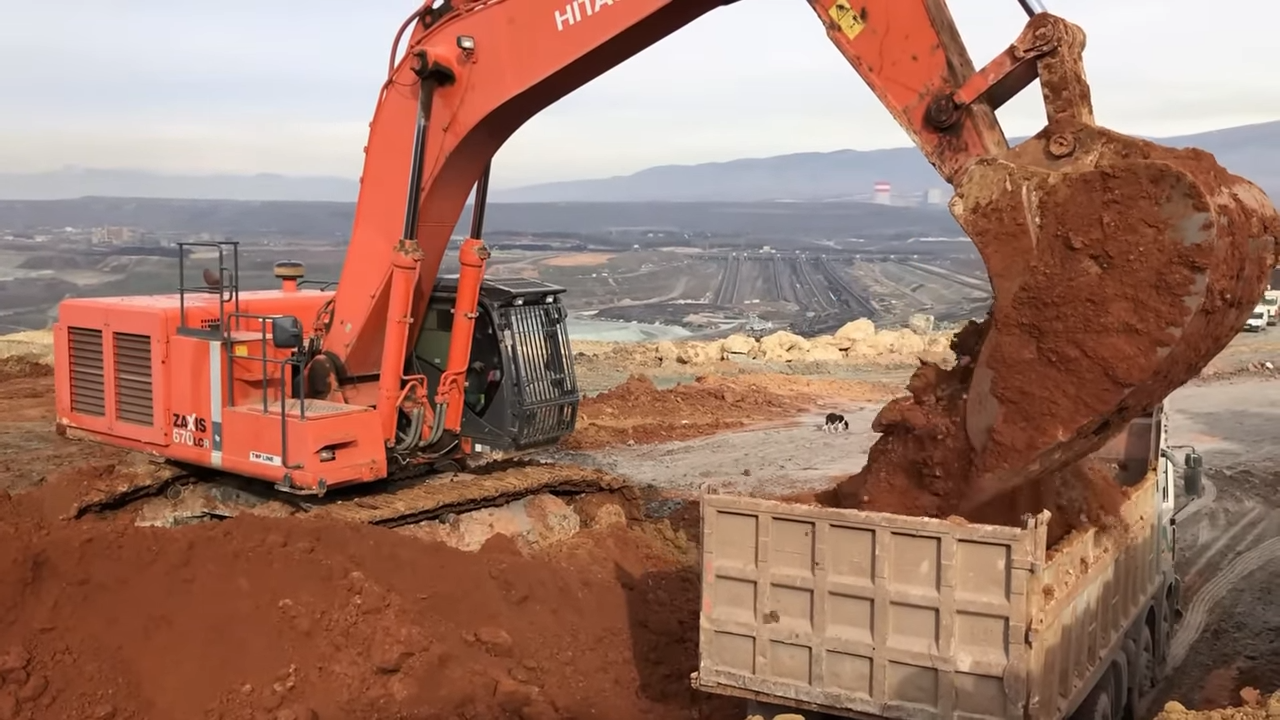
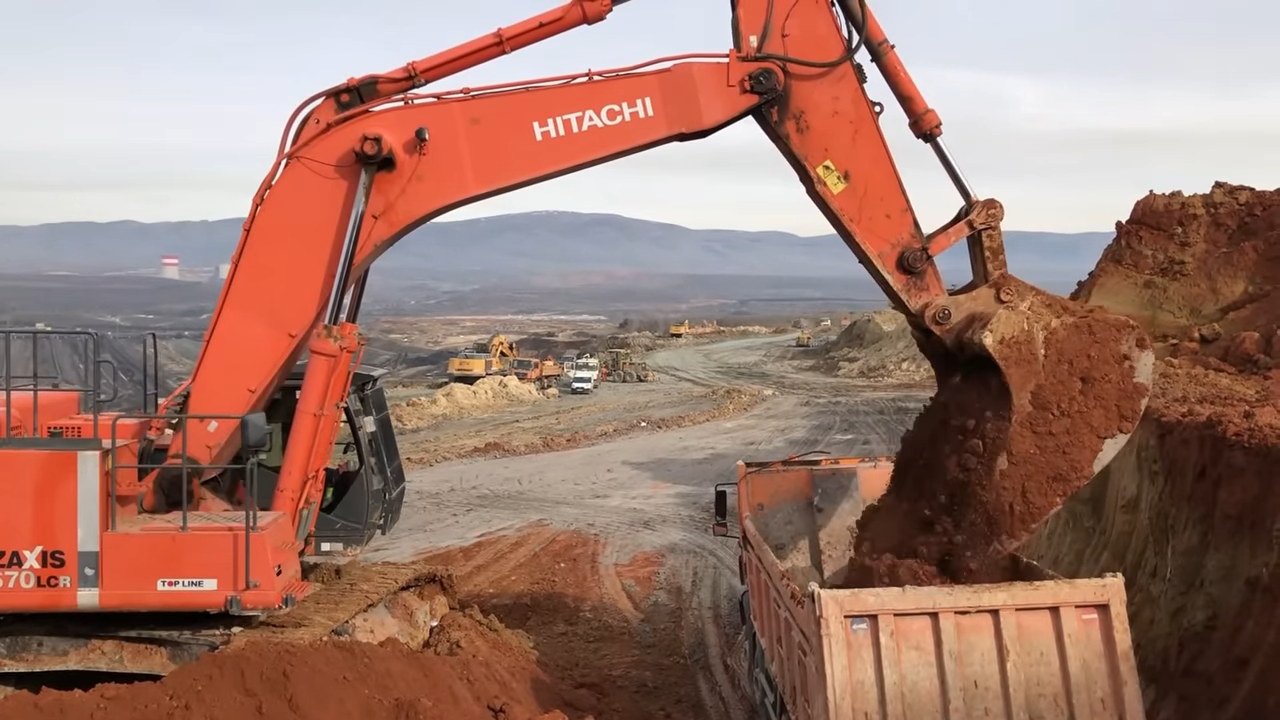
An orange Hitachi ZAXIS 670 LCR excavator dumping a load of dirt into the back of a haul truck at a mining site with a vast open-pit mine in the background

Your Legal Rights in an Equipment Rental

When you rent equipment, you’re entitled to certain implied warranties that ensure the gear works as expected.

You’ll also want to know who’s responsible if the equipment gets damaged or stolen under your care.

Lastly, it’s crucial to understand how payment disputes are handled to protect yourself from unexpected charges.

Implied Warranties on Rental Equipment

You’re automatically protected by implied warranties that ensure the rental equipment you use is safe, effective, and suitable for the purpose it was rented for. When you sign an equipment rental lease, here’s what you should expect:

  1. Equipment in good repair: The gear must function correctly throughout your rental period.
  2. Regular maintenance: The lessor should handle upkeep, adhering to applicable law and industry standards.
  3. Quality assurance: The items rented should meet the quality promised for your tasks.
  4. Legal recourse: If these standards aren’t met, you may be entitled to repairs, replacements, or refunds.

Understanding these implied warranties gives you control and assures that the equipment you rent won’t let you down.

Liability for Equipment Damage or Theft

While understanding implied warranties is crucial, it’s equally important to know your responsibilities regarding equipment damage or theft during the rental period. When leasing equipment, ensure you’re clear on the liability for equipment damage or theft as stated in your equipment rental agreements. You’re usually expected to exercise reasonable control over the assets to prevent damage or loss.

Should damage or theft occur, you might be on the hook for repair costs or even the replacement value of stolen items. Don’t overlook these details; review and, if possible, negotiate the liability clauses before signing. This proactive approach helps you avoid unexpected expenses like unpaid rent due to dispute resolution, empowering you to manage risks associated with equipment rentals effectively.

Payment Disputes

Understanding your legal rights is essential when navigating payment disputes that may emerge from disagreements over rental fees or payment terms in equipment rental agreements. To maintain control and effectively handle these disputes, consider the following:

  • Review Common Clauses: Familiarize yourself with the contractual language, especially those sections detailing registration fees and other costs that could be at the lessee’s expense.
  • Documentation: Keep all additional documents related to payments, as these records are vital for substantiating your claims.
  • Dispute Resolution: Follow the rental contract’s specified dispute resolution procedures for addressing payment disputes.
  • Legal Advice: Seek professional guidance to understand your rights thoroughly and to navigate the dispute with confidence.

Handling Equipment Rental Disputes

When you’re entangled in an equipment rental dispute, you might consider taking the matter to small claims court, especially for less significant monetary issues.

It’s crucial to know when it’s time to contact a lawyer; they can provide valuable guidance on whether your case is suitable for court or if other resolution paths are better.

Ensure you’re well-informed about both options to make a strategic decision on how to proceed with the dispute.

Small Claims Court Process

If you’re facing a dispute over an equipment rental agreement, small claims court offers a streamlined process to resolve the issue legally. Here’s how to take control and navigate this process:

  • Filing a Claim: Initiate the process by filing a claim in small claims court, officially starting the legal proceedings.
  • Evidence Presentation: During the hearing, you and the other party involved will present evidence that supports your respective positions concerning the equipment agreement dispute.
  • Judgment and Enforcement: After considering the evidence, the court will render a judgment. If you win, you’ll receive a court order to enforce the decision.
  • Legal Support: Although not mandatory, you have the right to seek legal representation to enhance your command of the situation.

When to Contact a Lawyer

Navigating the complexities of an equipment rental dispute, you may find that seeking the expertise of a lawyer is your next crucial step. When disagreements arise over the rental terms or conditions, particularly if there’s unclear language or ambiguity regarding equipment damage, maintenance responsibilities, or liability clauses, a lawyer can provide legal advice tailored to your situation.

If you’re wrestling with default issues, breach of the entire agreement, or termination woes, and negotiations have hit a dead end, it’s wise to consult a lawyer. They’ll help ensure that any additional attachments or modifications to your contract have prior written consent, maintaining your legal standing.

In essence, a lawyer is your ally in asserting control and finding a resolution within the legal framework.

Frequently Asked Questions (Understanding Equipment Rental Agreements: Your Legal Rights and Contract Options)

Typical lease terms include your rental period, payment details, equipment description, maintenance responsibilities, and condition upon return. You’ll need to understand these to maintain control and protect your rights.
An equipment rental agreement is a contract you sign to borrow gear for a set time. It outlines your use, payments, and responsibilities, ensuring you know your rights while renting.
You’ll find equipment leases structured with clear terms for use duration, payment schedules, and maintenance obligations, ensuring you’ve got control over your rental experience and financial commitments.
Your right to use leased equipment means you can operate it for a set time without owning it, but you’ve got to follow the lease terms and return it in good shape.

How to Calculate Equipment Rental Rates: A Complete Guide

Mediapayperlead-com December 9, 2024

How to Calculate Equipment Rental Rates: A Complete Guide

Meta Description: Learn the key factors any equipment rental business should consider when calculating profitable rental rates, such as costs, market rates, utilization, etc.

Calculating the right rental rates is crucial for equipment rental businesses to maximize profits while attracting new customers. However, determining the optimal pricing structure can be challenging, given the various factors involved. This comprehensive guide will walk you through how to analyze costs, conduct market research, set profitability targets, customize rates, and more. Following the step-by-step approach outlined here will help you establish profitable equipment rental rates for your unique business needs and local market conditions.

Key Takeaways

  • To set profitable pricing, rental companies must understand initial equipment costs, ongoing maintenance expenses, and local market rates.
  • Thorough research of competitors’ rates and customer needs ensures prices attract maximum bookings while optimizing profits.
  • Establishing clear break-even and ROI targets through cost analysis provides measurable rate benchmarks.
  • Tracking utilization rates aids pricing adjustments for seasonal demand fluctuations that boost income year-round.
  • Integrated software streamlines rate calculations, customizes structures, and automates updates for simplified operations, maximizing revenues.
  • Strategic fleet management guided by performance analytics sustains cash flows long-term above initial investment recovery levels.

Understanding Equipment Costs

Determining the costs associated with equipment is crucial when calculating profitable equipment rental rates. This includes analyzing the initial equipment prices and factoring in ongoing maintenance costs. Let’s take a deeper look at each:

Determining Initial Equipment Prices

When starting an equipment rental business, you must purchase various equipment to rent out. These initial equipment costs must be accounted for in your rental pricing calculations. Some factors to consider include:

  • Purchase price for each piece of equipment from the manufacturer or used market.
  • Total initial investment costs across all rental equipment acquired.
  • Depreciation rates, which show how much value equipment loses over time.

Carefully tracking these initial equipment prices allows rental companies to establish break-even points for recovering costs through rentals. It also helps determine residual values that impact long-term rental rates.

Factoring in Ongoing Costs

In addition to purchase prices, ongoing operating costs are a major factor when setting equipment rental rates. Some recurring expenses to budget for include:

  • Maintenance fees like repairs, part replacements, and scheduled servicing to keep equipment in top working condition between rentals.
  • Insurance costs to protect against liability, loss, or theft of rental equipment.
  • Storage and inventory management expenses for housing rental items when not used.
  • Administrative overhead like office utilities, payroll, and software/website services.

Proper accounting of initial equipment costs plus recurring maintenance, insurance, and other overhead expenses gives rental businesses a clear picture of total costs. This information is then used to establish profitable rental rates through break-even analysis and ROI calculations. Understanding equipment costs fully is foundational for any rental company’s pricing strategy development and sustainability.

Conducting Market Research

Thorough market research is essential for equipment rental companies to establish competitive rates. This involves analyzing both competitor pricing and customer demands.

Researching Competitor Prices

Studying how similar equipment is rented from other local companies gives insight into standard market rates. Look at pricing structures, discounts offered, and any additional fees charged. Benchmarking against competitors ensures your rates are competitive without being too high or low.

Online research makes gathering this industry pricing data easier. Rental equipment marketplace websites and competitor sites often provide rental cost examples. Some companies also share rate calculators for estimating rental prices.

Understanding Customer Needs

Gaining a customer perspective is equally important. Survey existing clients about their rental habits, preferred rental durations, and what they consider reasonable pricing. Ask new potential customers as well to learn their needs.

Customer affordability levels also impact optimal rates. Rental companies must tailor pricing to their target demographic’s spending power. For example, event rentals in affluent areas allow higher rates versus industrial equipment rentals serving lower-income jobs.

Thorough market research involving competitors and customers establishes a solid baseline for setting balanced rental rates. It helps ensure prices attract new business while still achieving profitability goals over the long run. Regularly reassessing the rental landscape keeps rental companies competitive in their local markets as customer and industry trends change over time.

Setting Profitability Goals

Establishing clear profitability targets is important for equipment rental companies when developing pricing strategies. This involves analyzing break-even points and return on investment goals.

Determining Break-Even Points

Break-even analysis identifies how long it will take for rental income to offset total equipment costs. Rental companies must calculate the number of rental days or periods needed to recover initial investment outlays.

Tracking monthly cash flows helps determine realistic break-even projections. Equipment utilization rates also impact projections. Proper break-even planning ensures rates incentivize sufficient rentals without dragging out recovery time unnecessarily.

Establishing Return on Investment Targets

Beyond recovering costs, rental profits aim to provide positive returns. Companies set ROI goals, like 150-200% of initial investment, to structure post-break-even rental rates.

Higher rates mean faster ROI but risk losing price-sensitive clients. Lower prices may slow ROI attainment. Balancing these factors requires close cost analysis. Equipment types also influence realistic ROI expectations.

Setting clear profitability aims through break-even and ROI targets gives rental businesses measurable pricing benchmarks. Regularly reevaluating targets against market dynamics and rental demand keeps pricing agile enough to maximize income over equipment lifecycles. Proper goal-setting combined with operational flexibility optimizes rental profitability long-term.

Utilization Rate Calculations

Tracking equipment utilization rates gives rental companies valuable insights into pricing strategies. It involves defining usage and adjusting for seasonal fluctuations.

Defining Equipment Usage

Utilization rates indicate the percentage of time rental items are booked versus sitting idle. They are commonly expressed as daily, weekly, or monthly usage rates.

Industry experience helps estimate typical utilization rates. Construction machinery rents far more in summer than in winter, for example. Proper definitions factor real-world usage patterns into pricing models.

Adjusting for Seasonal Demand

Demand for some equipment varies depending on seasons and local event cycles. Rental pricing must account for this.

Strategies include raising off-season rates to offset slower periods. Bundled packages and promotions also boost winter bookings for seasonal businesses.

Conducting usage audits provides accurate utilization data. This ensures rates correctly reflect demand fluctuations across booking periods. It also alerts rental companies to shifting usage trends over time.

By gaining clear visibility into equipment usage profiles through defined utilization metrics, rental businesses can proactively adjust pricing strategies. This optimizes profits throughout demand cycles while satisfying customer needs. Close monitoring of utilization rates is thus a key activity for sustaining healthy rental operations.

Customizing Rates

While calculating equipment rental rates involves analyzing costs, customizing specific pricing structures boosts revenue and customer satisfaction.

Daily, Weekly, and Monthly Rates

Offering flexible rental periods with tiered pricing provides value. Daily rates allow short rentals, while discounted weekly/monthly rates incentivize longer bookings, which increase utilization rates.

Bundled and Package Pricing

Bundling complementary equipment into packaged “kits” at discounted group rates versus individual item prices attracts customers. Including additional value-adds like delivery further enhances bundled deals.

Incentives and Discounts

Loyalty programs and promotions encourage repeat business. Early booking discounts, volume discounts for high-usage clients, and seasonal/off-peak specials boost rental numbers.

Combining flexible rental windows with bundled packages and targeted discounts satisfies diverse customer needs while driving higher profits. Customized rate structures suited to unique industry and market characteristics optimize rental revenues.

Periodic analytics of booking data helps refine customized pricing. Adjusting rates in response to changing demand patterns and competitors further improves rental income. A testing approach to rate customization identifies the most lucrative structures.

Adaptable pricing models empower rental companies to influence rental volumes and cash flows proactively. Customized rate strategies are a powerful profit-boosting tool when paired with ongoing market monitoring and optimization.

Additional Fees

Additional fees associated with services must be considered when calculating equipment rental rates. This includes delivery/installation costs and location-based charges.

Delivery and Installation Costs

Providing delivery and on-site setup is common for large, heavy items or those requiring assembly. Related expenses like fuel, labor, and transport insurance influence the fair pricing of these services.

Factors like mileage, equipment weight/size classes, terrain difficulty, and specialized rigging impact delivery costs. Installation also varies with complexity, crew size needed, and site conditions.

Mileage and Location Fees

For long-distance transport rentals, mileage-based delivery fees offset vehicle/driver costs. These may be structured as flat rates under a mileage threshold, then hourly charges above it.

Remote or hard-to-access locations often warrant higher fees. Similarly, dense urban areas with traffic/parking issues can increase delivery complexity and prices.

Transparency is key regarding additional fees. Clearly outlining all potential charges upfront builds customer trust in the rental process. Integrating fees seamlessly into online booking flows also streamlines transactions.

Proper accounting of all direct and indirect costs related to equipment rentals, from purchases to deliveries, ensures profitable rates. It protects the rental business from unexpected losses over the equipment lifecycle.

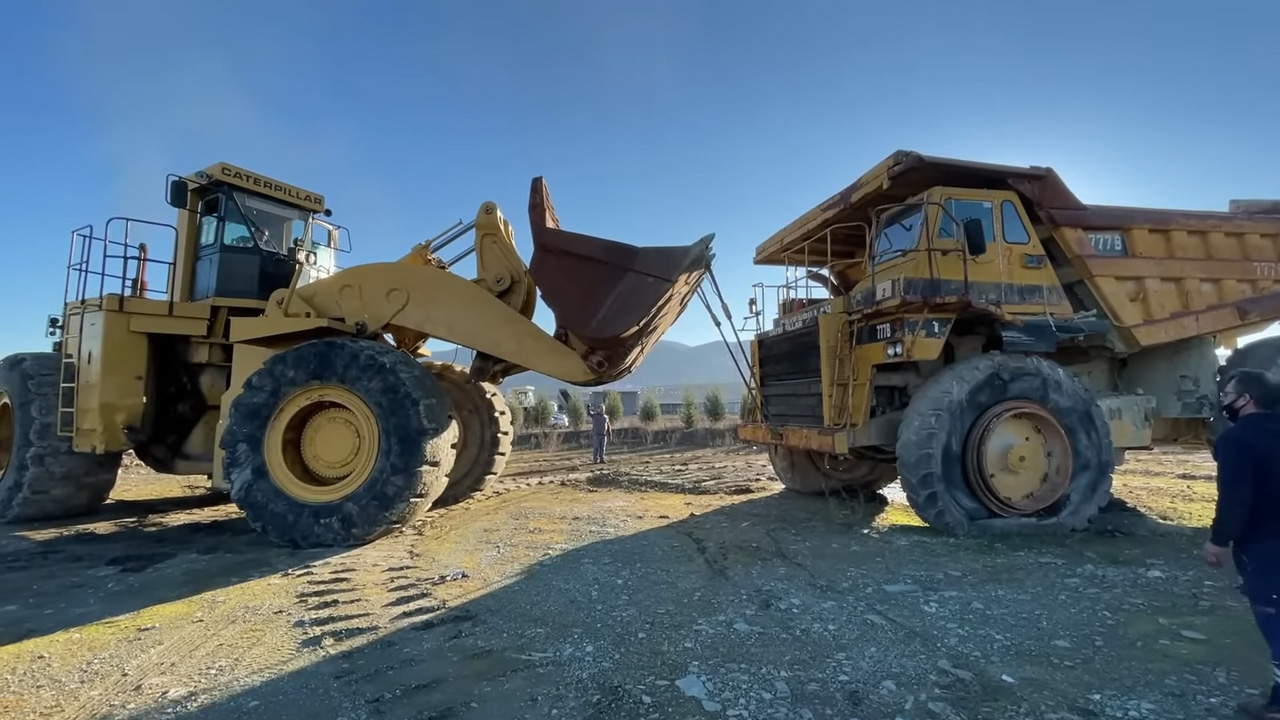
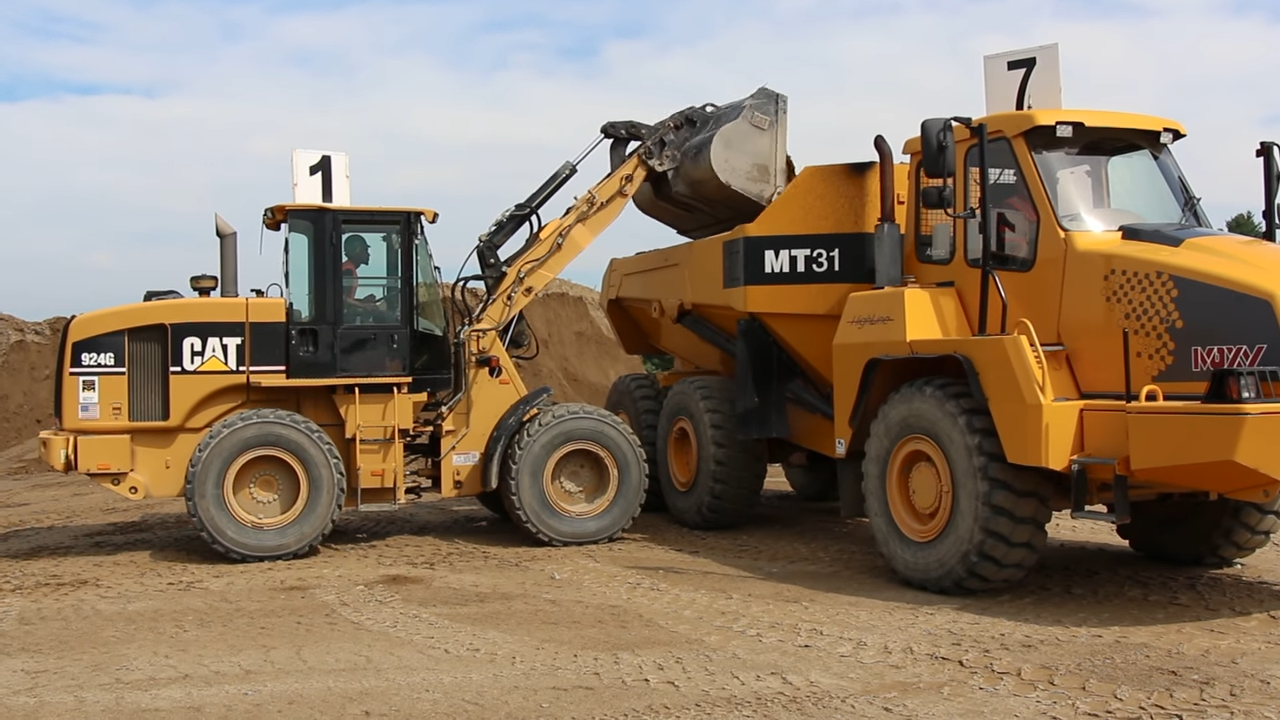
A Caterpillar wheel loader with a raised bucket beside a large, heavily used yellow dump truck on a dirt ground with clear skies

Pricing Software Solutions

Manually updating equipment rental rates is time-consuming and error-prone. Integrating pricing calculations with rental management software streamlines operations.

Integrated Pricing Tools

Purpose-built rental software centralizes all pricing factors within a single platform. Users can define rates by equipment type, customizable packages, membership tiers, etc.

Features like rental calculators and price lists ensure consistency across online and in-person bookings. Integration with accounting automates invoicing and financial reporting.

Automated Rate Updates

As market conditions evolve, software automates rate adjustments according to business rules. Changes apply uniformly throughout the entire booking system with no manual data entry.

Real-time syncing of pricing amendments to websites and mobile apps keeps listings current for customers. Automation frees staff to focus on strategic tasks rather than routine data updates.

Together, integrated pricing tools and automated rate management save rental companies significant time and effort. They minimize errors while providing up-to-date rates to attract maximum bookings. The right rental software is thus invaluable for optimizing equipment pricing strategies over the long run.

Maximizing Profits

Once equipment costs are recouped and rental rates optimized, the focus shifts to maximizing long-term profits. Two key strategies involve sustaining revenue streams and monitoring equipment performance.

Ongoing Revenue Streams

Post-break-even, rental income flows almost entirely as profit beyond maintenance expenses. Strategies like loyalty programs and package bundling retain high-usage clients, maintaining steady cash influxes.

Reinvesting portions of profits into expanding inventory allows scaling operations. More rental options attract wider audiences and locations. Regular promotions revive seasonal equipment bookings.

Evaluating Equipment Performance

Consistently tracking individual item bookings reveals top earners. This informs purchasing additional high-demand models.

Under-booked items indicate replacing them maintains selection relevance. Sale proceeds supplement new acquisitions.

Maintenance logs flag equipment nearing retirement. Timely upgrades preclude losses from breakdowns.

Periodic market scans uncover emerging categories. Testing pilot rentals of novel items discovers future income streams.

Maximizing profits requires proactively managing rental fleets. Ongoing revenue optimization and strategic inventory management compound earnings over the long haul. Profitability goals then progress from break-even planning into sustained growth initiatives.

Frequently Asked Questions (Understanding Equipment Rental Agreements: Your Legal Rights and Contract Options)

Typical lease terms include your rental period, payment details, equipment description, maintenance responsibilities, and condition upon return. You’ll need to understand these to maintain control and protect your rights.
An equipment rental agreement is a contract you sign to borrow gear for a set time. It outlines your use, payments, and responsibilities, ensuring you know your rights while renting.
You’ll find equipment leases structured with clear terms for use duration, payment schedules, and maintenance obligations, ensuring you’ve got control over your rental experience and financial commitments.
Your right to use leased equipment means you can operate it for a set time without owning it, but you’ve got to follow the lease terms and return it in good shape.

Common Contract Breaches in Equipment Rental: What You Need to Know

Mediapayperlead-com December 9, 2024

Common Contract Breaches in Equipment Rental: What You Need to Know

Did you know that nearly 35% of equipment rental contracts encounter some form of breach during their term? As someone in the business of renting out machinery, it’s crucial you’re aware of the common pitfalls that can lead to these breaches.

Understanding contract breaches is important for both lessors and other parties in equipment rental agreements. Proper compliance with notice requirements and agreed terms between the various parties involved is key to avoiding issues.

Maintaining common forms of insurance like liability coverage provides protection should early termination or unmet expense obligations occur. A solid grasp of these elements offers benefits for smooth dealings and cost control.

Key Takeaways

  • Timely payment is crucial to avoid late fees, additional charges, and legal action in equipment rental contracts.
  • Understanding and adhering to the permitted use of equipment is essential to prevent liability for damages and legal disputes.
  • Compliance with insurance requirements is non-negotiable to avoid financial liabilities and erosion of trust in equipment rental agreements.
  • Reading and understanding the contract, asking questions, and documenting interactions can help prevent future headaches and serve as a defense in case of disputes.

Understanding Common Types of Contract Breaches

When you rent equipment, it’s crucial to understand how contract breaches can occur.

You’ll find that not adhering to payment terms, misusing the rented equipment, or failing to meet insurance requirements are common pitfalls.

Each of these breaches can lead to serious consequences, potentially affecting your project’s timeline and budget.

Breach of Payment Terms

Understanding the nuances of payment terms is crucial, as even a single missed deadline can lead to a breach of contract in equipment rental agreements. You’ve committed to a rental period and agreed on a payment schedule. But what happens if you miss a payment? Here’s what you face:

  • Late Fees: Each day past the deadline can add up, straining your budget.
  • Additional Charges: You might incur extra costs, which weren’t part of your initial financial plan.
  • Legal Action: The lessor has the right to pursue payment through legal means, potentially leading to a material breach with serious implications.

Ensuring timely payment safeguards your reputation and avoids financial hiccups. Don’t let late payment disrupt your operations or tarnish your professional relationships. Stay in control; honor your rental agreements and maintain a clear line of communication.

Breach of Permitted Use of Equipment

While ensuring payments are made on time is vital, it’s equally important to adhere to the specific conditions of use outlined in your equipment rental contract to avoid breaching its terms.

A breach of permitted use occurs when you, the lessee, operate the rental equipment beyond the scope agreed upon with the lessor. This could mean using the machinery for unintended purposes, which not only risks liability for damages but also opens the door to potential legal disputes.

To steer clear of these pitfalls, thoroughly understand the permitted use clause of your equipment rental agreement. If you find yourself accused of such a breach, swift negotiation, legal counsel, or financial settlements may be necessary to resolve the issue and regain control.

Breach of Insurance Requirements

Ensuring you’ve secured the proper insurance is a critical component of fulfilling your obligations under an equipment rental contract, as failing to do so can lead to a significant breach with serious repercussions. Here’s what you need to know:

  • Coverage Failure: Not obtaining the specified insurance coverage is a direct violation of your agreement with the lessor.
  • Proof of Insurance: Failing to provide proof of insurance to the lessor can erode trust and lead to disputes.
  • Financial Liability: Without proper insurance, you’re exposed to potentially crippling financial liabilities for damages or accidents.

Adhering to the insurance terms in equipment rental agreements is non-negotiable. As the lessee, it’s imperative to understand and comply with these requirements to avoid the consequences of a breach.

Elements of a Solid Equipment Rental Contract

When drafting your equipment rental contract, it’s crucial to include a comprehensive description of the rental equipment—everything from make to serial number.

You’ll need to nail down the rental period and fee details to prevent any future disputes over timelines or payments.

Additionally, clearly defining the responsibilities of each party ensures that both sides know their duties and obligations, reducing the risk of contract breaches.

Description of Rental Equipment

A thorough equipment rental contract must include a precise description of the items being leased, from the make and model to the serial number, ensuring you know exactly what you’re getting. This clarity not only instills confidence but also provides a solid foundation for accountability.

Here’s what you should demand in the description of rented equipment:

  • Comprehensive Details: The make, model, and serial number provide a clear identity to the equipment, leaving no room for mix-ups.
  • Condition Report: Documenting the initial state guarantees that you return the equipment in the same condition, avoiding disputes over maintenance responsibilities.
  • Serial Number Verification: This unique identifier ensures the exact piece you leased is the one you return, safeguarding your integrity and financial interests in the equipment lease.

Rental Period and Fee Details

Having established what equipment you’ll be renting, it’s crucial to understand the rental period and fee details that will govern your use and payments. Your lease should spell out the start and end dates, ensuring you’re clear on the timeframe. Pay attention to the fee structure, including the amount, frequency, and any extra charges—knowing this helps avoid surprises.

Late fees and penalties for delayed returns or missed payments must be outlined; this guards against disputes. Also, check the security deposit details, including how and when you’ll get it back. If there’s a chance you’ll need an extension, familiarize yourself with those procedures and any additional costs.

Responsibilities of Each Party

In a solid equipment rental contract, both the renter and the rental company must clearly understand and agree upon their respective responsibilities, which range from care of the equipment to financial liabilities.

As the lessee, you’re seeking control and clarity in your equipment leases, and you deserve to know the obligations that lie with each party:

  • Indemnification clauses: You’re protected from bearing all costs for unforeseen losses, as the lessor must also shoulder their fair share of responsibilities.
  • Loss or Damage: It’s your duty to maintain the equipment, but it’s also clear what happens if things go awry.
  • Transportation Stipulations: You’re not left guessing about insurance or transport guidelines; everything’s laid out.

Understanding these details empowers you to operate with confidence and avoid potential disputes.

Intentional vs. Unintentional Breaches

Understanding the difference between intentional and unintentional breaches can significantly affect the outcome of a dispute in equipment rental contracts. In the equipment rental industry, if a party fails to uphold their end of the agreement, it’s crucial to identify whether this breach was a deliberate act or an accident.

Intentional breaches, like purposefully withholding payment or not performing agreed-upon tasks, can lead to breach of contract lawsuits and serious legal repercussions. On the other hand, unintentional breaches often stem from genuine oversights or uncontrollable circumstances. These might open the door to negotiation rather than immediate legal proceedings.

Your ability to discern intent and document interactions can play a pivotal role in resolving conflicts and maintaining control over the situation.

Preventing Unintentional Contract Breaches

To prevent unintentional contract breaches in equipment rental, you should meticulously review all terms and ensure clear communication throughout the rental period. Realize that when you sign on the dotted line, you’re entering a legally binding contract, and overlooking the fine print could lead to pitfalls.

Here’s what you can do:

  • Read Every Line: Before you agree, scrutinize the terms and conditions. Understanding each clause fully can save you from headaches down the road.
  • Ask Questions: If anything’s unclear, don’t hesitate to ask. It’s better to clarify now than to face consequences later.
  • Keep Records: Document all interactions and agreements. Should a dispute arise, this paper trail is your best defense.

Common Causes of Payment Breaches

You might wonder why payments fall through in equipment rental contracts. Often, it’s due to errors in billing or payment processing that can disrupt the flow of funds.

Financial hardship or biting off more than you can chew with commitments can also lead to missed payments, as can a lack of proper budgeting or record-keeping.

Billing or Payment Processing Errors

When renting equipment, it is important to keep an eye on your invoices for incorrect charges, as they are often the culprits behind payment processing errors. These mistakes can lead to contract breaches that disrupt the trust between parties, and might even escalate to legal disputes.

Here are common causes that can trigger billing issues in equipment rental agreements:

  • Inaccurate Charges: Unexpected fees or overcharges not outlined in the agreement.
  • Delayed Refunds: Not receiving timely reimbursements can strain your finances.
  • Missed Deadlines: Overdue payments or not adhering to the payment schedule outlined in the contract.

Stay vigilant and confirm that every invoice reflects the true terms of your payment agreement. Quick detection and resolution of discrepancies will help maintain control and prevent breaches.

Financial Hardship or Overcommitment

Navigating through financial hardship or overcommitment can often lead to payment breaches in equipment rental agreements. When you stretch your finances too thin, the risk of failing to meet your payment obligations increases. Such financial strain is a common cause of contract breaches. If you’re juggling multiple financial responsibilities, it’s easy to find yourself defaulting on rental payments.

It’s essential to have a clear understanding of your financial capacity before entering into equipment rental contracts. As one of the parties involved, recognizing your limits can prevent overcommitment and the subsequent strain on your resources. By carefully assessing and managing your commitments, you can maintain control and avoid the pitfalls that lead to contract breaches in equipment rental scenarios.

Lack of Budgeting or Record Keeping

Poor budgeting and sloppy record keeping are often the culprits behind payment breaches in equipment rental agreements. When you neglect these critical aspects, you’re setting yourself up for financial turmoil.

Consider the following:

  • Failure to Allocate Funds: Not earmarking money for upcoming rental payments can lead to missed deadlines and a damaged reputation.
  • Ignoring Payment Due Dates: Without diligent record keeping, due dates can slip by unnoticed, triggering late fees or even contract termination.
  • Disputes Over Payment Terms: Inaccurate records can lead to confusion regarding what’s actually owed, potentially resulting in contentious disputes.

You must honor your financial obligations under the rental agreement by maintaining meticulous records. This isn’t just about avoiding contract breaches; it’s about asserting control over your business dealings and ensuring the stability of your operations.

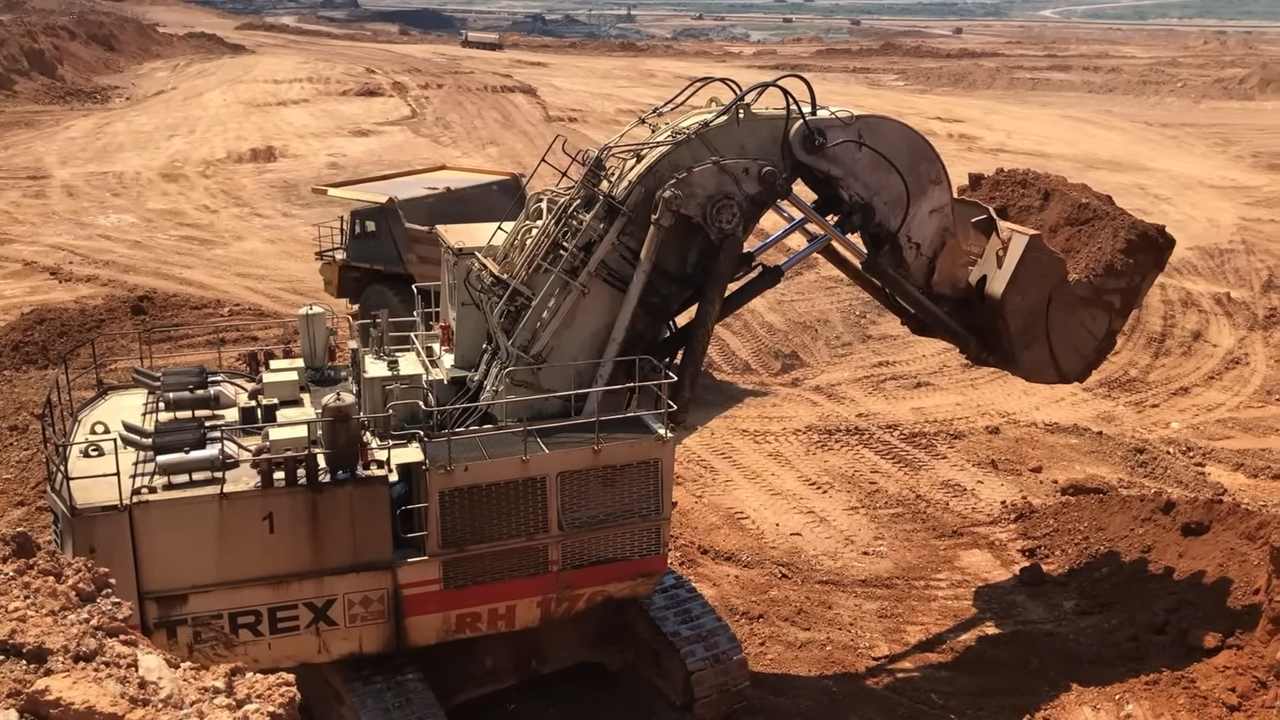
An enormous mining excavator with a full bucket of dirt operating in an open-pit mine, surrounded by a dusty, brown landscape

Resolving Contract Breach Allegations

If you’re facing allegations of a contract breach in an equipment rental agreement, it’s crucial to understand the steps to effectively resolve the dispute.

Firstly, review the contract terms to verify if a breach has occurred. If one party breaks the agreement, consider whether the contract provides a specific remedy or clause for termination.

Often, a clear, direct conversation can rectify misunderstandings before they escalate to a contract lawsuit.

Should the issue persist, legal advice may be necessary to hold harmless your interests. Documentation is key; gather all records of communications and transactions related to the rental.

Being proactive and informed can empower you to negotiate a fair resolution or, if needed, defend your position robustly in court.

Understanding Potential Consequences

When you’re faced with a contract breach in equipment rental, you’ll likely encounter steep financial penalties and various fees that can strain your budget. Your credit score and ability to rent in the future could take a hit, making it crucial to understand the full scope of these repercussions.

Additionally, you may need to navigate the challenging process of regaining possession of your equipment, which can be both time-consuming and costly.

Financial Penalties and Fees

Understanding the financial penalties and fees associated with breaching an equipment rental agreement is essential, as they can significantly impact your bottom line. As a lessee, it’s in your best interest to be fully aware of the consequences that can arise from not adhering to your contractual obligations. Here’s what could happen:

  • Late Returns: Failing to return equipment on time can incur steep late fees, eating into your profits.
  • Payment Terms: Missing payment deadlines may lead to additional charges, disrupting your financial planning.
  • Contract Termination: In severe cases, the lessor may terminate the agreement, resulting in hefty financial penalties and the potential loss of needed equipment.

Stay informed and in control by understanding these outcomes; it’ll help you avoid unnecessary costs and maintain a positive relationship with your equipment provider.

Impact on Credit and Future Rentals

Breaching an equipment rental agreement can tarnish your credit score and jeopardize future rental opportunities, making it harder to access the equipment necessary for your business operations.

If you default on rental payments, the rental company might report this delinquency to credit bureaus, leading to a lasting blemish on your credit history. Consequently, when you seek future rentals, rental companies often conduct credit checks, and a history of contract breaches or defaults could result in a flat-out denial of your requests.

This limits your access to a broad spectrum of equipment rental options, potentially crippling your operational capabilities.

Moreover, a breach of your lease agreement can provoke legal action, compounding the financial and legal repercussions you face.

Regaining Equipment Possession

If you fail to return rental equipment by the agreed-upon deadline, you may face significant additional fees or even legal action to recover the property. As a lessee, it’s crucial to understand the potential consequences:

  • Unexpected Costs: Failing to adhere to the lease terms can hit your wallet hard with penalties.
  • Legal Entanglements: The lessor may seek a court order to reclaim their property, dragging you into a legal quagmire.
  • Reputational Damage: Your reliability as a renter is at stake, potentially affecting future rental opportunities.

Reducing the Risk of Equipment Loss or Harm

You can mitigate the risk of equipment loss or damage by implementing strategic measures before issues arise.

Ensuring thorough inspections and proper usage goes a long way in maintaining the integrity of your rented assets.

Moreover, securing adequate insurance and adhering to a strict preventative maintenance schedule are crucial steps to protect your investment.

Proper Equipment Inspection and Use

To safeguard against equipment mishaps and losses, it’s essential to carry out regular inspections and adhere to strict maintenance schedules. When you’re involved in equipment rental, the contract you sign likely has clauses that outline your obligation for:

  • Conducting proper equipment inspection before use to ensure everything is in working order.
  • Following the manufacturer’s guidelines for correct use to prevent accidents and damage.
  • Reporting any damages or malfunctions immediately to mitigate further risks.

Adequate Insurance Coverage

Securing adequate insurance coverage is a key step in protecting yourself against the financial consequences of equipment loss or damage during a rental period. It’s crucial to delve into the rental terms, ensuring you fully grasp the insurance and warranty provisions outlined.

This knowledge isn’t just about ticking boxes; it’s about taking control and safeguarding your interests. Pay close attention to transportation stipulations—they’re not just fine print but a roadmap to your obligations and the extent of your coverage.

By confirming that your rental agreement spells out insurance specifics, you’re not leaving protection to chance. You’re actively mitigating risks, keeping both you and the lessor securely within the safety net of contract law.

Preventative Maintenance

Implementing regular preventative maintenance is your best bet for minimizing the chances of equipment malfunction or damage during a rental period. As a lessor, you’re aware that equipment rental comes with its risks, but by taking proactive steps, you can reduce the likelihood of contract lawsuits and ensure your machinery stays in top condition. Consider these crucial actions:

  • Schedule regular inspections and tune-ups to catch issues early.
  • Adhere to manufacturer-recommended maintenance schedules to prolong the life of your equipment.
  • Train renters on proper operation to prevent misuse under specific circumstances.

Frequently Asked Questions (Understanding Equipment Rental Agreements: Your Legal Rights and Contract Options)

Typical lease terms include your rental period, payment details, equipment description, maintenance responsibilities, and condition upon return. You’ll need to understand these to maintain control and protect your rights.
An equipment rental agreement is a contract you sign to borrow gear for a set time. It outlines your use, payments, and responsibilities, ensuring you know your rights while renting.
You’ll find equipment leases structured with clear terms for use duration, payment schedules, and maintenance obligations, ensuring you’ve got control over your rental experience and financial commitments.
Your right to use leased equipment means you can operate it for a set time without owning it, but you’ve got to follow the lease terms and return it in good shape.

A Guide to Compliance Documents in Equipment Rental

Mediapayperlead-com December 9, 2024

A Guide to Compliance Documents in Equipment Rental

Maintaining accurate documentation is key for construction companies utilizing owned equipment. This guide covers the essential processes and paperwork rental companies must follow to demonstrate reliability to customers while staying compliant with laws governing repairs, permits, taxes and worker safety. Proper procedures ensure affordability and cash flow while protecting a company’s investments, reputation and the wellbeing of local workers.

Key Takeaways

  • Compliance is crucial in equipment rental businesses to mitigate risks and uphold safety regulations.
  • Thorough training, regular inspections, and well-maintained equipment are essential for ensuring safety and adherence to regulations.
  • Essential legal documents, such as rental agreements, insurance and liability waivers, and equipment inspection records, are necessary for compliance and customer trust.
  • Utilizing technology solutions, such as rental software, can streamline compliance management, enhance productivity, and ensure secure transactions.

Introduction to Compliance in Equipment Rental Businesses

In the equipment rental industry, staying compliant isn’t just about following rules; it’s about protecting lives and your business reputation. You need to maintain stringent regulatory compliance to mitigate risks and uphold safety regulations. This means conducting regular equipment inspections to prevent accidents from faulty machinery.

You’re not just renting out tools; you’re providing peace of mind that each item is up to code and ready for safe operation.

Ensure your operators are thoroughly trained, understanding both safety procedures and emergency protocols. Your rental contract isn’t just paperwork; it’s a binding rental agreement that safeguards all parties involved.

Compliance documents, including business licenses and insurance, are the backbone of your operation, demonstrating your commitment to due diligence and a robust safety culture.

Safety Regulations and Standards for Rental Equipment

When renting equipment, you must adhere to strict safety regulations, such as those mandated by OSHA and WHMIS. These rules are in place to protect you and ensure that all equipment operates within the safest parameters.

It’s your responsibility to stay informed and compliant; this not only minimizes risk but also upholds industry standards.

OSHA Regulations

Ensuring every piece of rental equipment meets OSHA’s rigorous safety standards significantly minimizes workplace hazards and legal repercussions. You’re in the driver’s seat when it comes to compliance within the construction industry.

Adhering to OSHA regulations isn’t just about ticking boxes; it’s your frontline defense against accidents and the ensuing liabilities. Make certain that all equipment is well-maintained and undergoes regular inspections.

This isn’t just a suggestion—it’s a requirement for ensuring the safety of your operations.

WHMIS Regulations

You must comply with WHMIS regulations to guarantee the safe handling and operation of hazardous materials in your equipment rental business. Adhering to these standards not only enhances safety but also aligns with environmental regulations and reduces legal liabilities.

Ensure your compliance documents include:

  • Training records for employees on WHMIS practices and safety procedures
  • Inspections logs demonstrating regular checks for hazardous material containment
  • Inventories of all hazardous materials, including safety data sheets
  • Records of personal protective equipment issued and its maintenance

Essential Legal Documents for Equipment Rental Businesses

You’ll need to ensure your equipment rental business is backed by solid legal documents, starting with comprehensive rental agreements and contracts.

Don’t overlook the importance of insurance and liability waivers to safeguard your operations and minimize risks.

Additionally, maintaining meticulous records of equipment inspection and maintenance is crucial for compliance and customer trust.

Equipment Rental Agreements and Contracts

Navigating the intricacies of equipment rental agreements and contracts is crucial for both rental businesses and customers to establish clear expectations and responsibilities. These contracts are the backbone of trust and accountability in the rental industry.

  • Define Responsibilities: Detail who’s accountable for the rented equipment, including maintenance and repair obligations.
  • Clarify Terms: Articulate payment schedules, rental periods, and costs to avoid future disputes.
  • Liability Clauses: Protect your business by including indemnification and clear liability terms in your documentation.
  • Usage Guidelines: Set forth rules for safe and authorized equipment usage, ensuring all parties understand the boundaries.

Insurance and Liability Waivers

Why should your equipment rental business prioritize the use of insurance and liability waivers? These documents are your safeguard against the unpredictable.

Insurance provides a financial shield, protecting your business from expenses arising from accidents or unforeseen events. It’s about control—by having the right coverage, you’re ensuring that risks don’t turn into financial setbacks.

Liability waivers, on the other hand, are your frontline defense. They clearly lay out the responsibility of your customers, transferring the risk associated with equipment use back to the renter. This document is crucial; it’s the difference between a resolved incident and a protracted legal battle.

Equipment Inspection and Maintenance Records

Ensuring that each piece of equipment undergoes regular inspections and maintenance is vital for both operational safety and legal compliance in your rental business. Here’s what you need to keep track of:

  • Inspection Reports: Document each inspection, noting any issues and certifying that the equipment is ready for use.
  • Service Logs: Maintain detailed records of routine and corrective maintenance performed on each piece of rented equipment.
  • Compliance Certificates: Ensure that all equipment meets industry standards and retains valid certification for operating safely.
  • Operator Training: Verify that all operators are certified and trained to handle the equipment they rent from you.

These maintenance records aren’t just paperwork; they’re your assurance that you’re providing reliable, safe equipment and protecting your business legally.

Keep this documentation organized and accessible—it’s the backbone of operating with confidence and control.

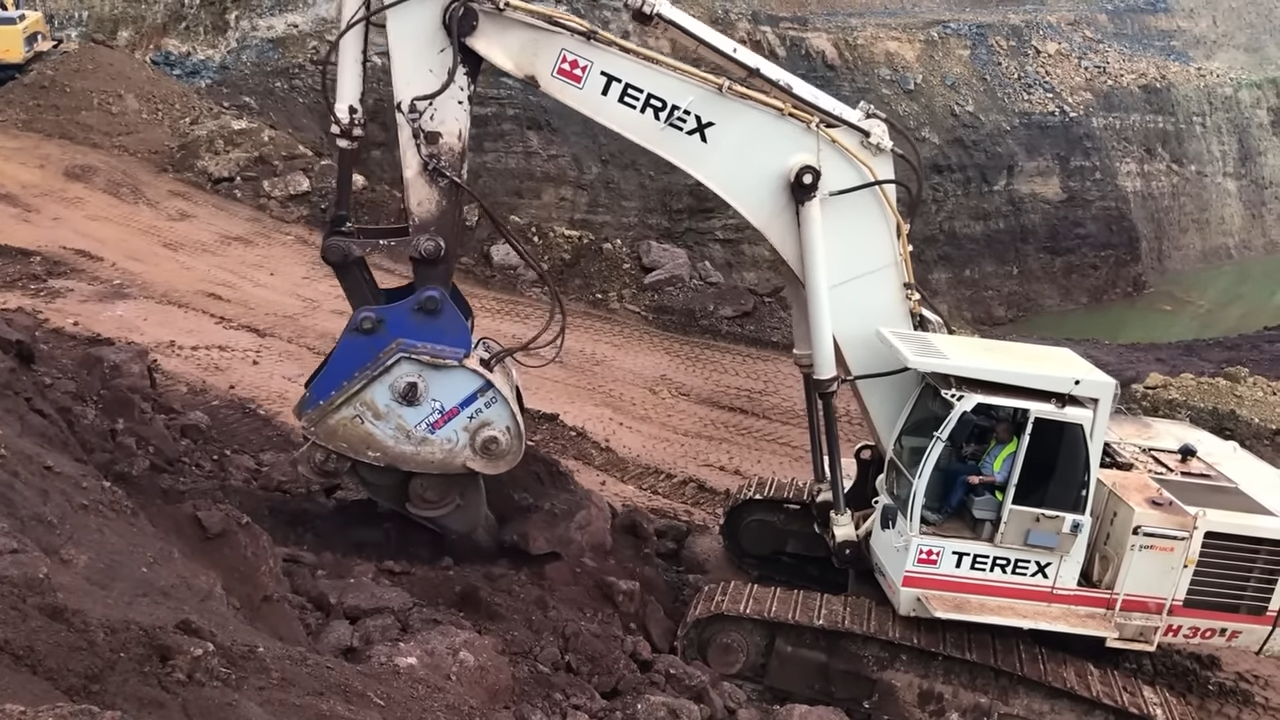
Large white TEREX excavator with a blue and silver attachment digging into the ground at a mining site, with a worker operating the machinery inside the cab

Compliance Procedures for Rental Equipment

To maintain compliance and minimize risk, you’ll need to verify that all rental equipment meets safety standards and bears the proper labels for safe operation. Engage qualified technicians for rigorous inspections, ensuring every component is free from wear, damage, or malfunction.

It’s crucial that operators are thoroughly trained, not just upon initial hire but through regular refresher courses, to stay sharp on safety procedures and emergency protocols. Your rental agreement should be clear-cut, outlining precise safety guidelines and hazard reporting.

Stay on top of maintenance records—these are key compliance documents in equipment rental. For seamless management of these certifications and legal requirements, consider leveraging specialized rental software. This ensures you operate legally and maintain control over your equipment rentals.

Recordkeeping Best Practices

Having established the need for rigorous inspections and thorough operator training, let’s focus on the cornerstone of equipment rental compliance: keeping meticulous records is essential for meeting safety regulations and facilitating smooth operations.

Here are some recordkeeping best practices to help you manage risks and maintain compliance:

  • Maintain comprehensive records of equipment maintenance and service histories.
  • Prioritize tasks based on the time and value of assets to streamline compliance.
  • Adopt rental software for organized, secure document management and e-signatures.
  • Regularly review contracts to ensure legal compliance and adapt to diverse requirements.

Technology Solutions to Simplify Compliance Management

Leverage cutting-edge technology solutions to streamline your equipment rental compliance management, automating risk assessment and significantly reducing the likelihood of oversight.

With tools like ComplianceQuest EHS Risk Management Solution, you’ll not only enhance employee engagement and productivity but also bolster your company’s reputation and revenue.

These platforms offer adaptable contracts, crucial for operating across various industries and managing diverse equipment types.

Plus, you’ll have access to comprehensive demo videos—take advantage of a free demo to get a feel for how these solutions can transform your management of rental documents.

And remember, when customizing your equipment rental contracts, always seek expert legal advice to maintain stringent compliance.

Ensuring Continuous Compliance

You must consistently monitor and revise your equipment rental contracts to ensure they meet current legal standards and serve your business effectively. As you navigate the complexities of compliance, consider these key actions:

Automate Safety Audits: Use technology to routinely assess and mitigate risks.

Regularly Update Contracts: Incorporate the latest regulations to avoid legal pitfalls.

Leverage Rental Software: Streamline document management and ensure secure, compliant transactions.

Establish a Maintenance Protocol: Prioritize equipment upkeep to meet health and safety requirements.

Mastering Equipment Operation: Training for Equipment Operators

Mediapayperlead-com December 9, 2024

Mastering Equipment Operation: Training for Equipment Operators

Are you interested in operating heavy machinery for commercial construction projects? This article provides a comprehensive overview of heavy equipment operator training to help you perform finish grading with bulldozers and laser levels. You’ll learn from experienced instructors through hands-on lessons and complete tests and evaluations to earn your certificate. Whether you’re just starting out or have some experience already, this guide covers everything you need to know to pursue rewarding career opportunities in equipment operation.

Key Takeaways

  • Operator training courses should emphasize hands-on practice to develop practical skills.
  • Safety procedures and protocols must be incorporated into training programs to ensure compliance with OSHA standards.
  • Choosing the right equipment specialization involves considering job availability, pay scales, personal interests, and industry trends.
  • Certification requirements and on-the-job experience are crucial for validating skills and can lead to career advancement and higher pay.

Comprehensive Training Programs

You’ll find that comprehensive training programs offer a variety of operator training courses tailored to equip you with the know-how to handle heavy machinery. These courses emphasize hands-on practice to develop your skills, ensuring you’re job-ready with a focus on efficiency.

Moreover, they incorporate rigorous safety procedures and protocols to align with OSHA standards and protect you on the job.

Operator Training Courses

To ensure safe and proficient handling of heavy machinery, operator training courses offer comprehensive programs that align with industry and OSHA standards. Here’s what you’ll gain from these courses:

  1. Knowledge of Safety Protocols: Learn the critical safety practices to prevent accidents and ensure a secure work environment.
  2. Machine Handling Skills: Acquire the techniques for efficient operation of equipment, minimizing wear and tear.
  3. Maintenance Expertise: Understand how to maintain machinery for optimal performance and longevity.
  4. Industry Compliance: Get up-to-date training that keeps you compliant with current regulations and standards.

As an equipment operator, these training programs are your pathway to mastery. They’re practical, insightful, and tailored to give you control over the machines you operate. Dive into a course and elevate your capabilities.

Hands-On Practice and Skill Development

As an equipment operator, diving into Hands-On Practice and Skill Development programs is essential to translate theoretical knowledge into practical skills.

These comprehensive training programs are tailored to give you the real-world experience you need. You’ll get your hands on the controls, navigating through interactive simulations and tackling scenarios that mirror the challenges you’ll face on job sites.

You’ll learn not just how to operate heavy equipment, but also how to maintain it, adhere to operating standards, and understand the specific language of your industry.

With direct access to machinery, you’ll master safe operation in diverse environments, from bustling construction sites to expansive mining operations. And crucially, you’ll internalize safety regulations and operational standards, ensuring that every move you make is as safe as it’s skillful.

Safety Procedures and Protocols

Mastering safety procedures and protocols is a pivotal part of your journey as an equipment operator, ensuring not only your safety but also the well-being of your coworkers. Training for equipment operators places a strong emphasis on these aspects:

  1. Adhere to OSHA Regulations: Stay updated with OSHA standards for operating equipment to guarantee compliance and safety.
  2. Regular Equipment Inspections: Conduct pre-use inspections to catch potential hazards and maintain operational efficiency.
  3. Job Site Safety: Always follow established safety protocols on job sites to protect everyone involved.
  4. Know Your Machinery: Familiarize yourself with the safety features and controls specific to the heavy equipment you operate.

Choosing the Right Equipment Specialization

You’ll find a variety of heavy equipment options to specialize in, from forklifts to cranes to tractors.

As you select your specialization, consider the common types and weigh factors such as job availability, pay scales, and your personal interests.

It’s essential to align your choice with both your career objectives and the practical demands of the job market.

Common Types of Heavy Equipment

Choosing the right heavy equipment specialization requires understanding the diverse types of machinery available and their specific uses in construction. You’ll want to analyze the job’s requirements and match them with the capabilities of motor graders, essential for creating smooth, flat surfaces in road construction.

Consider wheel loaders for their versatility in moving materials, essential in a variety of settings from construction sites to mining operations.

Evaluate skid steer loaders for smaller projects or confined spaces, offering agility and the ability to maneuver in tight spots.

Don’t overlook dump trucks, crucial for transporting large quantities of materials over various terrain types.

Stay informed on industry trends, seek expert advice, and choose a specialization that aligns with your interests and the demand in the field.

Factors to Consider When Selecting Specialization

Having analyzed the capabilities of equipment like motor graders and wheel loaders, it’s crucial to weigh your personal interests and career aspirations as you decide on the right specialization for you. Ponder whether becoming a crane operator stirs excitement or if mastering front end loaders aligns more with your goals. The choice must resonate with your passion, ensuring longevity and satisfaction in your career.

Seek out equipment operator training programs that provide hands-on experience with your chosen machinery, such as tower cranes or CNC mills. These programs shouldn’t only educate but also prepare you for real-world scenarios.

Certification Requirements

Now, let’s focus on the certification requirements for heavy equipment operators.

You’ll find that both state and national certifications are crucial to validate your expertise and ensure you’re up to date with safety standards.

State and National Certifications

Securing State and National Certifications is a crucial step for heavy equipment operators to verify their expertise in safely managing large machinery. Achieving these certifications isn’t just about prestige—it’s about competence, safety, and respecting industry standards.

Here’s how you’ll benefit from these certifications:

  1. Validation of Skills: Certifications confirm your ability to operate heavy equipment proficiently.
  2. Safety Compliance: Training equips you with vital safety protocols aligned with OSHA guidelines.
  3. Industry Recognition: Certifications demonstrate adherence to best practices, setting you apart as a professional.
  4. Career Advancement: Successful completion can open doors to more opportunities and higher pay.

On-the-Job Experience

As you step into apprenticeships or internships, you’ll get hands-on experience with seasoned operators guiding your path. You’ll not only put your classroom knowledge to the test but also gain insights into the nuances of working in key industries.

It’s crucial to absorb the safety protocols and operational techniques that’ll shape you into a proficient equipment operator.

Apprenticeship and Internship Opportunities

To gain hands-on experience in heavy equipment operation, you should explore apprenticeship and internship programs that pair you with seasoned operators for practical training and mentorship. These programs offer invaluable on-the-job experience that allows you to:

  1. Apply classroom knowledge to real-world scenarios at the job site.
  2. Learn directly from experienced equipment operators who can provide personalized guidance.
  3. Handle various types of heavy machinery, gaining comprehensive operational skills.
  4. Access training materials that supplement your hands-on learning, ensuring you understand both the theory and practice of equipment operation.

Gaining Experience in Key Industries

Embark on your journey in the heavy equipment industry by landing an entry-level position, which serves as the foundation for practical, hands-on experience and skill development. Dive into tasks with eagerness, and take every chance to learn from seasoned operators. They’ll offer insights that’ll sharpen your abilities and help you master the intricacies of the equipment.

Ensure you’re well-versed in safety features and industry-specific regulations, like OSHA guidelines, to maintain a safe work environment. Broadening your certifications opens doors to diverse roles within key industries, making you a versatile asset.

Stay proactive in assessing your interests and career goals. Keep an eye on the job market and training opportunities—this knowledge is crucial for steering your path in the industry with confidence and control.

Orange Hitachi excavator in the process of dumping soil into a construction dumpster at a large construction site with other heavy machinery and vehicles in the background

Advancing Your Career

To move up in your career as an equipment operator, it’s essential you seek specialized training programs.

Earning additional certifications can’t only broaden your expertise but also make you a more attractive candidate for higher-level positions.

Specialized Training Programs

Diving into specialized training programs can significantly elevate your expertise as a heavy equipment operator, offering in-depth knowledge and practical skills that are essential for career advancement. Here’s how you can enhance your proficiency:

  1. Comprehensive Education: Enroll in programs that provide thorough instruction in equipment maintenance and operating standards.
  2. Practical Application: Take advantage of interactive simulation to gain hands-on experience.
  3. Certification and Licensure: Pursue vehicle-specific certifications or voluntary certifications to demonstrate your advanced operating skills.
  4. Varied Learning Environments: Choose between classroom-based instruction with direct equipment access or apprenticeships for real-world operation experience.

Pursuing Additional Certifications

Building on specialized training programs, obtaining additional certifications can propel your career as a heavy equipment operator to new heights.

Research the certifications that can boost your career trajectory.

Industry-specific certificates, particularly those in high demand, not only enhance your qualifications but also demonstrate your commitment to safety and efficiency.

Prioritizing Safety

You’re responsible for not just your own safety, but also the well-being of your coworkers on the job site.

Make sure you’re up-to-date with OSHA regulations and carry out regular preventive maintenance on your machinery.

Protecting Yourself and Others on the Worksite

To ensure your safety and the well-being of others on the worksite, it’s crucial to wear the right personal protective equipment (PPE) at all times.

Here’s what you need to prioritize:

  1. Protective Gear: Don hard hats, gloves, safety glasses, and steel-toed boots to shield against workplace hazards.
  2. Maintenance: Regularly inspect and maintain equipment to prevent malfunctions and accidents.
  3. Safety Procedures: Follow OSHA guidelines and safety regulations to reduce risks and enhance worksite security.
  4. Communication: Use clear hand signals and effective communication to coordinate with your team, ensuring everyone’s on the same page.

Preventive Maintenance and Compliance

While protecting yourself with the right gear is essential, keeping your equipment in top shape through preventive maintenance is just as crucial for worksite safety. You’ve got to prioritize regular check-ups to ensure your heavy equipment operates safely and efficiently. Stick to the safety regulations and industry standards to keep everything on the level. Make thorough inspections part of your routine to catch any potential hazards or maintenance needs early on.

Train yourself and your team on the significance of preventive maintenance and the need for strict compliance with safety protocols. It’s all about minimizing risks for safe operation. And don’t forget to maintain detailed records of all your maintenance activities and safety measures. That’ll help you track and keep safety at the forefront.

Frequently Asked Questions (Understanding Equipment Rental Agreements: Your Legal Rights and Contract Options)

Typical lease terms include your rental period, payment details, equipment description, maintenance responsibilities, and condition upon return. You’ll need to understand these to maintain control and protect your rights.
An equipment rental agreement is a contract you sign to borrow gear for a set time. It outlines your use, payments, and responsibilities, ensuring you know your rights while renting.
You’ll find equipment leases structured with clear terms for use duration, payment schedules, and maintenance obligations, ensuring you’ve got control over your rental experience and financial commitments.
Your right to use leased equipment means you can operate it for a set time without owning it, but you’ve got to follow the lease terms and return it in good shape.

Do You Need a License to Operate Heavy Equipment?

Mediapayperlead-com December 9, 2024

Do You Need a License to Operate Heavy Equipment?

As you consider a career operating heavy machinery, you may be wondering what it takes to prepare for the job and gain control over your professional path. Multiple vehicles require specialized skills, and an apprenticeship program is often the ideal way to learn through a blend of classroom education at community colleges and hands-on training.

From skid steers to excavators, certain heavy equipment necessitates passing both a written examination from the national center as well as a road test to demonstrate your competence handling vehicles of a certain weight. With the right preparation and credentials, potential employers will recognize your qualifications to safely operate a wide range of machinery.

Key Takeaways

  • Licensing for heavy equipment operators is important for regulatory compliance and ensuring a safe workplace.
  • Licensing requirements vary across jurisdictions, with no universal standard for a heavy machinery license.
  • Proper training is necessary before operating heavy machinery, and formal training programs and certifications are available.
  • Different types of heavy equipment may require specific licenses or certifications, such as a CDL for vehicles over 26,000 pounds or OSHA certification for cranes lifting over 2,000 pounds.

Understanding Heavy Equipment Licensing

You’ll find that licensing is crucial for safety and credibility in the heavy equipment industry. The scope of licensing regulations can vary widely, with some states and cities setting their own rules.

It’s essential to know if you’ll need a CDL or specific certifications for the equipment you plan to operate.

Why Licensing Is Important

Understanding heavy equipment licensing is crucial as it ensures operators have the skills and knowledge to safely handle machinery critical for construction and industrial work. Acquiring a heavy equipment operator license isn’t just about ticking a box; it’s a significant step towards demonstrating your competence and commitment to occupational safety and health administration standards.

Here’s why licensing matters:

  • Regulatory Compliance: Adhering to the safety and health administration’s requirements, especially when operating cranes or heavy lifting equipment.
  • Employability: Enhancing your job prospects, as many employers prioritize candidates with proper training and certification.
  • Safety: Reducing the risk of accidents through a rigorous certification program that prepares you to anticipate and navigate potential hazards.

A license provides you with the control to shape your career and ensure a safer workplace for everyone involved.

Scope of Licensing Regulations

Having established the importance of licensing for heavy equipment operators, let’s examine the varied landscape of licensing regulations across different jurisdictions.

You’ll find that a universal standard for a heavy machinery license doesn’t exist. Instead, requirements can differ by state or city. While you don’t always need a license to operate heavy equipment, certain machines demand special licenses. For instance, a CDL is necessary to handle equipment with a GVWR over 26,000 pounds.

Furthermore, OSHA mandates certification for cranes lifting over 2,000 pounds, with specifics varying based on the crane’s type or capacity.

To navigate these regulations, pursue heavy equipment operator training through apprenticeships, trade schools, or employer-led training programs, and consider refresher courses to sharpen your skills and keep abreast of any changes.

Training Requirements for Operators

Before you operate heavy machinery, you’ll need proper training. This can come from formal training programs, apprenticeships, or on-the-job experience.

Each path offers a blend of practical skills and theoretical knowledge to ensure you’re ready to handle the equipment safely.

Formal Training Programs

To operate heavy machinery legally and effectively, you’ll typically need to complete a formal training program, which may be offered by trade schools, dedicated operator training facilities, or through apprenticeships. Investing in heavy equipment training not only meets legal requirements but also empowers you with the skillset for precise and safe operation.

Here’s what you can expect from formal training programs:

  • Comprehensive courses at technical and vocational schools to cover operation techniques and safety protocols.
  • Apprenticeship programs combining classroom learning with hands-on experience, lasting typically 1 to 4 years.
  • Certifications that validate your expertise, such as those by the National Commission for the Certification of Crane Operators.

Choose the path that aligns with your career goals and meets industry standards.

Apprenticeships

Apprenticeships offer a blend of classroom instruction and practical hands-on experience, typically spanning 3 to 4 years, for those aiming to become skilled heavy equipment operators. You’ll delve into construction education through various training schools that provide comprehensive programs, including both union or state apprenticeships and technical school curriculums.

As an aspiring operating engineer, you’ll find that these apprenticeships are crucial in equipping you with the necessary skills. They combine theoretical knowledge with the vital hands-on experience you need to confidently handle heavy machinery. While some equipment may not require a license, you’ll still undergo rigorous training and evaluation. Remember, additional certifications like a CDL may be essential for specific operations. Your journey will culminate in assessment tests to validate your expertise.

On-the-Job Training

While apprenticeships provide a solid foundation in the field, on-the-job training is where you’ll sharpen your skills as a heavy equipment operator, learning directly from seasoned professionals. As you delve into the practical aspects of your career, you’ll quickly discover the advantages of this hands-on approach:

  • Real-World Experience: Tackle diverse scenarios and equipment to master operation techniques.
  • Safety Protocols: Learn to safely operate machinery, a critical skill for every heavy equipment operator.
  • Certification Preparation: Gain the knowledge required to pursue industry-recognized certifications.

This training not only allows you to operate heavy machinery competently but also instills the confidence needed to take control and excel in your role. As an equipment operator, you’ll appreciate the structured yet dynamic learning environment that on-the-job training offers.

Heavy Equipment Operator License Requirements

You’ll need to understand the specific license requirements to legally operate heavy machinery. Each state has its own set of regulations, often requiring a Commercial Driver’s License (CDL) for transportation.

Additionally, obtaining OSHA certification can be crucial to ensure you’re meeting national safety standards.

State Licensing Requirements

In various states and key urban areas, specific licensing requirements for heavy equipment operators may be in place, although a universal national standard doesn’t exist. If you’re aiming to operate heavy machinery, it’s crucial to be aware of the state licensing requirements that could impact your ability to work. You don’t want to be caught off-guard on the job site.

  • Commercial Driver’s License (CDL): Needed for construction equipment operators driving vehicles over 26,000 pounds GVWR.
  • OSHA Certifications: Mandatory for cranes lifting over 2,000 pounds, with varying certifications based on crane type.
  • Local Licenses: Some jurisdictions may require you to acquire additional licenses specific to their regulations.

Stay informed and in control by understanding these requirements, ensuring you’re always ready to tackle the task at hand.

Commercial Driver’s License (CDL)

To operate heavy machinery over 26,000 pounds GVWR, obtaining a Commercial Driver’s License (CDL) is a crucial step for any heavy equipment operator. You’ll need a CDL to handle the big rigs in the construction industry, including dump trucks and any vehicle used to haul hazardous materials.

While there’s no national standard for a heavy equipment operator license, the CDL is mandatory for certain types of equipment.

Occupational Safety and Health Administration (OSHA) Certification

Understanding the Occupational Safety and Health Administration (OSHA) certification is essential if you’re planning to operate heavy equipment, especially since certain types require this specific credential. Here’s what you need to know:

  • OSHA mandates crane operator certification for machinery lifting over 2,000 pounds.
  • The National Commission for the Certification of Crane Operators (NCCCO) is often the certifying body.

While not all heavy equipment requires a license, occupational safety and health training is crucial.

You’ll find that operating heavy equipment without the necessary certification could put you and others at risk. It’s not just about legal compliance; it’s about ensuring the safety administration’s standards are met and that you’re equipped to handle the responsibilities that come with these powerful machines.

Two construction vehicles, a yellow CAT 924G wheel loader and a Moxy MT31 articulated dump truck, on a construction site with the loader transferring dirt to the dump truck's bed

Licenses for Specific Equipment Types

You’ll find that different types of heavy equipment require specific licenses or certifications.

For instance, operating a crane necessitates an OSHA-mandated certification, while excavators and bulldozers call for a CDL if they weigh over 26,000 pounds.

Meanwhile, forklifts require you to obtain a permit, even though other smaller machines mightn’t need formal licensing.

Crane Operator Certification

If you’re operating a crane capable of lifting more than 2,000 pounds, you’ll need to be certified as per OSHA regulations. As a crane operator, this isn’t just about showing you can handle heavy machinery; it’s about safety and regulatory compliance.

To maintain control and meet industry standards, consider the following:

  • National Commission for the Certification of Crane Operators (NCCCO): This body provides recognized certifications that require passing both written and practical exams.
  • Special Training: Adequate preparation for the certification exams often involves specialized training programs.
  • Type-Specific Licenses: Operating tower cranes and other specific crane types may require additional certifications.

Excavator Certification

To operate an excavator legally, you may need to pass both written and practical exams to earn your certification. As heavy equipment operators, having an excavator certification isn’t just about meeting legal requirements; it’s also a matter of safety and proficiency on construction sites. Many employers insist on certification cards to ensure their operators are competent in handling such equipment.

If you’re looking to operate heavy equipment, particularly excavators, check your local regulations. Some states and cities demand specific licenses for excavator operators. Moreover, for excavators that can lift over 2,000 pounds, OSHA mandates certification. You can acquire the necessary training and credentials from trade schools, equipment operator schools, or training academies specializing in operating machinery.

Forklift Operator Permit

Much like excavators, operating a forklift also requires a specialized permit to ensure you’re trained to handle this specific type of heavy machinery safely. To operate machinery like a forklift, you’ll need a forklift operator permit, which is crucial for both safety and compliance.

Keep in mind that:

  • A permit indicates you’ve undergone proper training and assessment.
  • Employers often mandate this certification before allowing you to take the controls.
  • You must pass both written and practical exams.

This certification process ensures that you’re equipped with the knowledge and skills to manage heavy equipment without putting yourself or others at risk. Moreover, it’s a testament to your ability to maintain high safety standards in a demanding work environment.

Can You Work Without a License?

You might wonder if you can operate heavy equipment without a license. It’s possible if you’re using privately-owned machinery for non-commercial purposes or if you’re working under supervision in an assistant role.

However, you’ll still need to be trained and evaluated to ensure safety and proficiency.

Operating Privately-Owned Equipment

When operating privately-owned heavy equipment, it’s often possible to do so without a formal license, but understanding local regulations and safety training requirements is essential.

Even if you’re not on a construction site, occupational safety is a priority. Here’s what you need to consider:

  • Local Laws: Some regions require specific licenses to operate heavy machinery, even on your own property.
  • Operator Cards: While not legally mandated, these cards signal competency and may be preferred by insurance companies.
  • OSHA Rules: For certain equipment, such as cranes, OSHA mandates certification regardless of ownership.

Knowing these aspects helps you maintain control and ensure you’re operating within legal bounds.

Always prioritize safety and proper training when you operate heavy equipment, licensed or not.

Assistant Operator Roles

While understanding local laws and safety training is crucial for operating privately-owned heavy equipment, it’s important to note that certain assistant operator roles may not require a formal license. You could start in heavy equipment operator jobs with just a high school diploma, learning to operate machinery under guidance.

On the job site, you might assist licensed operators, gaining hands-on experience without the immediate need for certification.

However, keep in mind that even as an assistant, employers prioritize safety and often prefer or require some level of formal training. While a license mightn’t be mandatory, obtaining OSHA training and evaluation can increase your competency and desirability to employers, ensuring you maintain control and safety standards while operating heavy equipment.