Understanding a Heavy Equipment Rental Late Return Policy: What to Know

Mediapayperlead-com December 9, 2024

Understanding a Heavy Equipment Rental Late Return Policy: What to Know

Understanding late return policies is crucial when renting quality equipment for your job site. Most rental agreements require equipment return during normal business hours to avoid potential late fees.

It’s important to know how late fees are calculated should such equipment need to be kept beyond the agreed date. Late equipment can impact a project’s success by causing delays or incurring additional transportation expenses for repairs.

Routine maintenance helps reduce risks of malfunctioning equipment and ensures it will operate properly. However, should repairs be needed, familiarizing yourself with financing options like extended rental periods can help mitigate impacts to your cash flow.

Key Takeaways

  • Late return scenarios and rental agreement terms vary among rental companies.
  • It is essential to carefully read and understand the terms related to late returns before signing the rental agreement.
  • Late fees are typically calculated based on the duration of the delay past the agreed return time.
  • Maintaining clear and open communication with the rental company can help find solutions and potentially negotiate more favorable terms.

What to Know About Heavy Equipment Rental Late Return Policies

When you rent heavy equipment, it’s essential to be aware of common late return scenarios and the specific terms of your agreement. Knowing exactly how late fees and additional charges are calculated can save you from hefty, unexpected expenses.

Let’s break down what you need to watch for to keep your rental experience smooth and cost-effective.

Common Late Return Scenarios

Understanding the nuances of heavy equipment rental late return policies can save you from unexpected fees should you find yourself unable to return the equipment on time. If your project overruns or you encounter delays, you could face additional rental charges. Rental agreements typically outline the rental period and the consequences of a late return, including potential late fees.

Knowing the rental company’s specific policies is vital. Some may offer a grace period, allowing a brief extension without penalty. Others might impose a flat rate or a percentage of the daily rental cost for each day the equipment is overdue. To maintain control and minimize costs, it’s crucial to communicate proactively with the rental company if you anticipate a late return. They’ll often work with you to find a solution that limits the financial impact.

Understanding the Terms of Your Rental Agreement

Before signing a heavy equipment rental agreement, it’s essential to scrutinize the terms related to late returns to avoid unforeseen charges. Here’s what you need to know:

  • Late Fees: Determine how much you’ll be charged for each day beyond the rental period ends. This can be a flat rate or a percentage of the rental.
  • Grace Period: Check if your rental agreement includes a grace period before late fees apply.
  • Liability: Understand your liability for damages during the late return period as outlined in the rental contract.
  • Exceptions: Look for any clauses that may offer leniency under specific circumstances.

Staying informed of these terms and conditions empowers you to manage your heavy equipment rental responsibly and cost-effectively.

Calculating Late Fees and Additional Charges

Keep in mind that late fees for heavy equipment rentals are typically calculated based on how long past the agreed return time you keep the item. These additional charges are a key part of your rental agreement, so it’s vital to understand them upfront.

Whether it’s an hourly rate or a daily percentage, late returns can quickly add up. Rental companies, including Home Depot, stick to these policies without exceptions, even for regular customers.

Besides late fees, there may be other costs like damages, cleaning, or cancellations. To avoid surprises, always factor in potential additional fees when comparing rental rates.

It pays to be prompt with your rental time to control your costs and steer clear of unnecessary expenses.

Reviewing Your Rental Agreement

Before you sign on the dotted line, you’ll want to closely examine the terms of your rental duration to avoid any surprises.

Ensure you’re clear on the insurance and liability coverage—know what’s included and what might warrant additional protection.

Lastly, don’t overlook your responsibilities concerning the maintenance and repairs of the equipment during the rental period.

Rental Duration Terms

Ensure you thoroughly review your rental agreement to grasp the specific terms regarding the duration of your heavy equipment rental and note any penalties for late returns. Understanding the rental duration and late return policy is key to maintaining control throughout the rental process. Here’s what you need to keep an eye on:

  • Rental Agreement Duration: Confirm the start and end dates, and the exact time the equipment should be returned.
  • Late Return Penalties: Identify any additional fees you’ll incur for returning the equipment past the agreed-upon time.
  • Extension Options: Explore the possibility and cost of extending the rental if necessary.
  • Extension Approval: Understand the process for how to request an extension and how the rental company approves it.

Insurance and Liability Coverage

When reviewing your heavy equipment rental agreement, it’s vital to scrutinize the details of insurance and liability coverage to determine your responsibilities in the event of equipment damage or loss.

Ensure you understand the extent to which the rental company’s insurance protects you against personal injury or property damage. Often, the customer assumes a degree of responsibility, which means you might need to secure additional insurance.

Familiarize yourself with the terms concerning maintenance and repairs, as these can impact your liability. Being informed means you’re responsible for the equipment in your care, so understanding these provisions is key to maintaining control and avoiding unforeseen expenses.

Always clarify any ambiguities with the rental company before you sign the agreement.

Maintenance and Repair Responsibilities

Having covered the importance of understanding insurance and liability coverage for your heavy equipment rental, let’s now focus on your duties regarding maintenance and repair as stipulated in the agreement. It’s vital to know what you’re signing up for to keep control and avoid unwelcome surprises, should an equipment malfunction occur.

Here’s a quick guide to your maintenance and repair responsibilities:

  • Understand Your Role: Review the rental agreement to know exactly which maintenance tasks are on you.
  • Follow Protocol: Stick to the outlined procedures for regular upkeep and operating machinery.
  • Report Issues Promptly: Communicate any malfunctions or necessary repairs immediately, as per your agreement.
  • Prepare for Costs: Be aware that you may be responsible for repair costs if you neglect your duties.

Communicating With Your Rental Company

If you anticipate needing the heavy equipment beyond the agreed-upon return date, it’s best to request an extension well in advance.

Should unforeseen circumstances arise, promptly notify your rental company of potential delays to avoid steep late fees.

Keeping the lines of communication open can help you manage the rental period effectively and maintain a good relationship with the provider.

Requesting an Extension Before the Due Date

Before your rental period ends, it’s wise to reach out to your rental company to discuss the possibility of an extension, ensuring you clearly state your need for more time and negotiate any additional costs. Keep these crucial steps in mind when requesting an extension:

  • Contact Early: Reach out well before the due date, giving rental companies ample time to consider your request and availability of the equipment.
  • Clarify Your Needs: Explain why you need the extension, detailing your situation and the expected new return date.
  • Negotiate Terms: Be ready to discuss additional costs and update your rental agreement to reflect the new terms.
  • Get It in Writing: Ensure all agreed upon changes are documented to avoid misunderstandings.

Notifying of Potential Delays

As soon as you realize there might be a delay in returning the rented heavy equipment, it’s essential to promptly inform your rental company to discuss potential implications and solutions. By notifying them of potential delays, you maintain control and show responsibility.

It’s your duty to provide details about the delay, including the reason and how long you expect it to last. Understand that late returns can trigger additional fees or penalties as outlined in your rental agreement.

Ask about alternative arrangements for returning the equipment, which may help mitigate extra costs. Clear and open communication is your best tool to navigate this hiccup, ensuring you and the rental company are on the same page and can work together to resolve the issue efficiently.

Avoiding Extra Fees and Penalties

To sidestep extra fees and penalties, you’ll want to meticulously plan for any hiccups that could delay the return of your rented equipment.

Ensure you’re returning the gear promptly and in the condition you received it to foster trust and potentially negotiate more favorable terms in the future.

Building a strong rapport with your rental partners can be a game-changer in granting you leeway should unforeseen circumstances arise.

Planning for Contingencies

Planning for potential setbacks with a rental’s return time can significantly reduce the risk of incurring hefty late fees. When you’re juggling project needs and rental agreements, it’s vital to stay ahead of the game. Here’s how you can keep control and avoid unnecessary costs:

  • Factor in Buffer Time: Add a cushion to your rental period to account for unforeseen delays and reduce downtime.
  • Communicate Proactively: Alert the rental company if you’re nearing the end of your rental term and may need an extension to avoid an extra fee.
  • Monitor Progress: Keep a close eye on your project timeline and rental items usage to ensure you’re on track.
  • Have a Plan B: Prepare for the unexpected with alternative solutions to meet project deadlines without breaching rental terms.

Returning Equipment On-Time and In-Good-Condition

While establishing contingency plans is a proactive step, ensuring you return your rented heavy equipment on time and in the same condition you received it’s just as crucial to avoid extra fees and penalties.

Rental agreements are clear about the expectations for returning equipment on-time and maintaining it in good condition. Before you take possession, conduct a thorough inspection and document any pre-existing wear. This way, you’ll avoid disputes over the equipment’s state upon return.

Establishing Positive Relationships With Rental Partners

Establishing a positive relationship with your heavy equipment rental partner can be the key to avoiding extra fees and penalties, ensuring clear communication and mutual understanding from the start. To maintain control and minimize potential issues when renting equipment, consider the following steps:

  • Clarify your project needs upfront to secure the appropriate rental equipment.
  • Commit to transparent communication throughout the rental agreements to build trust.
  • Respect the timelines and protocols for delivery and pick-up to prevent late fees.
  • Conduct regular inspections and report any issues immediately to the rental company.
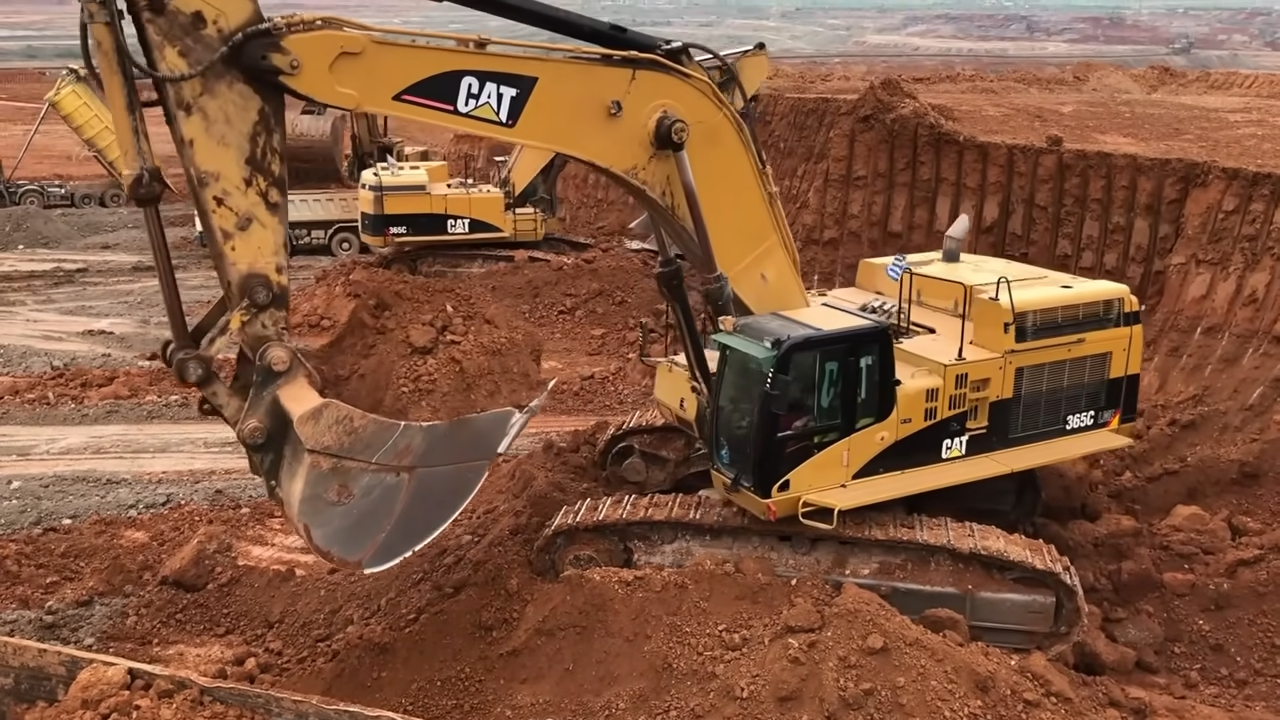
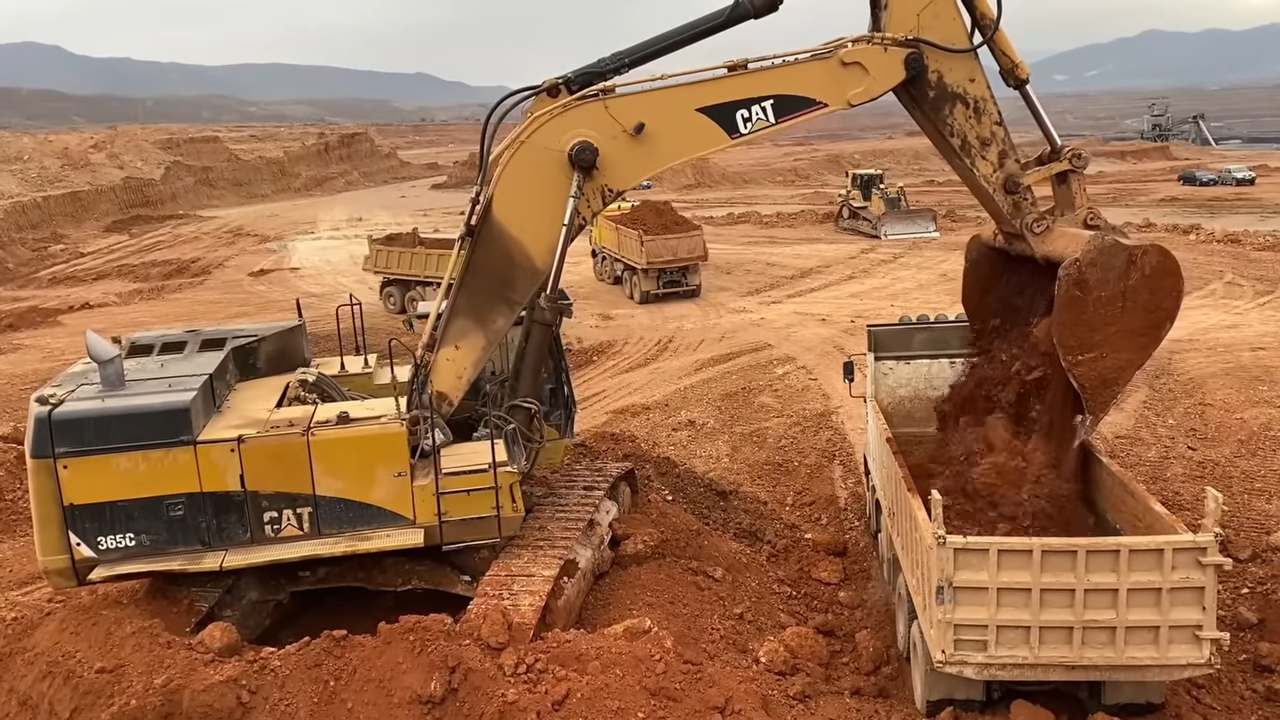
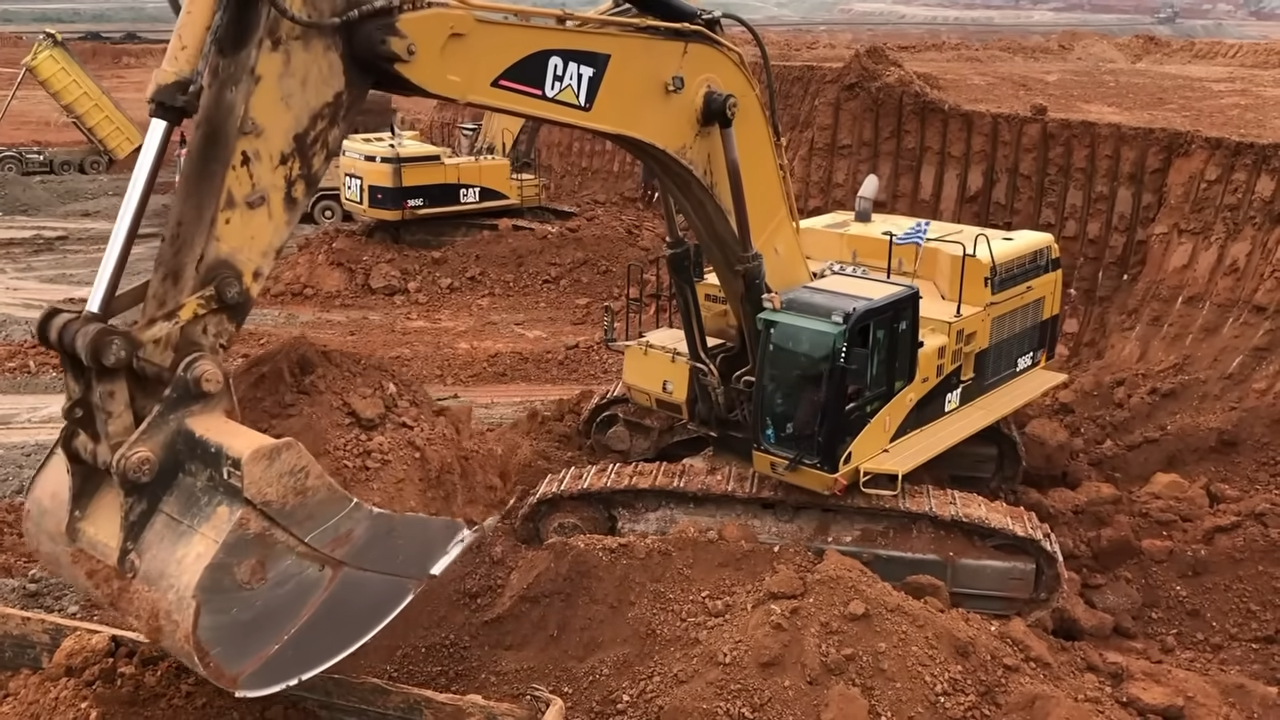
A yellow Caterpillar excavator digging into the red soil at a construction site with another excavator in the background

Equipment Return Requirements

Before you bring back your rented heavy equipment, you’ll need to conduct a thorough pre-return inspection to ensure it meets the rental company’s standards. Make sure it’s clean, refueled, and in the same condition as when you received it to avoid extra charges.

Additionally, gather all necessary documentation and prepare for a final sign-off to confirm the return is processed correctly.

Pre-Return Inspection and Approval

To ensure a smooth equipment return process and avoid potential fees or disputes, you’ll need to conduct a detailed inspection of the rented heavy machinery for any signs of damage or excessive wear. Here’s what you should do:

  • Thoroughly Examine: Check the equipment for any new scratches, dents, or wear on tires or tracks that weren’t present at the start of the rental period.
  • Document Everything: Take photos and make notes of the equipment’s condition, including any pre-existing damage, to have clear evidence of its state upon return.
  • Verify Functionality: Ensure all attachments are secure and that the machinery’s controls, safety features, and fluid levels are in proper working order.
  • Get Approval: Seek confirmation from the rental company post-inspection to ensure compliance with the rental agreement and rented equipment return requirements.

Cleaning and Refueling Standards

Ensure you’ve thoroughly cleaned and refueled the heavy equipment according to the rental company’s standards before returning it to sidestep any additional fees. Adhering to this protocol is crucial; failure to do so can lead to a cleaning fee or service charge that’ll add unnecessary cost to your rental experience.

When you’re ready to return the equipment, double-check that it’s in the same condition as when you received it. A full tank of fuel is often expected; don’t overlook this detail, as companies typically charge a premium if they’ve to refuel the equipment themselves.

Required Documentation and Sign-Off

After you’ve cleaned and refueled the heavy equipment, gather the necessary documents for a hassle-free sign-off on your rental return. Having the correct paperwork in order shows you’re in control and prevents any disputes over the condition and usage of the piece of equipment.

Make sure to include:

  • The original rental agreements, clearly stating the terms and conditions.
  • Detailed inspection records that confirm the equipment’s state upon return.
  • Reports or logs showing the usage, including hour meters, to verify compliance with the rental period.
  • A sign-off form from the rental company, ensuring all parties agree on the equipment’s return status.

Keeping these documents in check will solidify your position and provide a clear record of your responsible equipment management.

Options for Late Equipment Returns

If you’re facing a delay in returning your rented heavy equipment, you’ve got a few options to consider.

You might negotiate a discount if you give the company advance notice, or arrange an equipment swap to accommodate a project extension.

Alternatively, purchasing the rental outright could be a smart move to sidestep future late fees.

Negotiating Discount With Notice

When you proactively reach out to your rental company about a potential late return, you might be able to negotiate a discount or even have the additional fees waived. Here’s how you can take control and potentially reduce costs:

  • Contact Early: Give notice as soon as you realize the equipment will be returned late. The earlier, the better.
  • Explain the Situation: Be clear about the reasons for the delay. Honesty can foster understanding.
  • Propose a Solution: Suggest a new return date that works for your schedule.
  • Confirm in Writing: Ensure any agreed-upon terms are documented within the rental agreements.

Equipment Swap for Project Extension

Recognizing the need to negotiate for late returns, you might also consider the equipment swap for project extension as a strategic option to keep your project on track without incurring steep penalties.

For long-term projects, flexibility is key. An equipment swap agreement can be a lifeline when facing delays or changes. By discussing this with your rental company, you can swap out construction equipment to better suit the extended timeline or evolving needs.

Ensure you’re clear on the process and any associated costs before you finalize your rental agreement. This proactive approach not only demonstrates your command over the situation but also provides a practical solution for adapting to the unpredictable nature of project extensions.

Rental Purchase to Avoid Future Late Fees

Exploring rental purchase options offers a strategic pathway to sidestep potential late fees on heavy equipment returns. If you’re concerned about the ramifications of a late return under your rental agreement, consider these actionable steps:

  • Negotiate Purchase Terms: Engage with the rental company to convert your lease into a rental purchase, avoiding late return policy penalties.
  • Assess Cost-Benefit: Weigh the long-term benefits against the initial security deposit and potential late fees to find a cost-effective solution.
  • Inquire About Rental Insurance: Explore insurance options that might cover late fees in unforeseen circumstances.
  • Discuss Extension Options: Proactively negotiate for flexible return dates or extension terms to prevent future late fees.

These strategies put you in control, ensuring you’re equipped with options to manage your equipment needs effectively.

Frequently Asked Questions (Understanding a Heavy Equipment Rental Late Return Policy: What to Know)

You’ll calculate equipment rental based on your project’s size, soil type, and space. Factor in insurance, damage liability, and maintenance. Remember to inspect before use and secure the equipment properly to avoid extra costs.
You’ll find Sharegrid’s return time specified in your rental agreement. It’s imperative to check this to avoid extra fees and ensure you’re adhering to the schedule for a hassle-free equipment rental experience.

Everything You Need to Know About a Heavy Equipment Rental Fuel Policy

Mediapayperlead-com December 9, 2024

Everything You Need to Know About a Heavy Equipment Rental Fuel Policy

Whether renting equipment for a day or a lengthy job, understanding the fuel policy is important for customers working on job sites. Rental fleet operators have different policies around fuel, and knowing the details can help you select the right equipment.

This article provides information on scenarios where fuel may be included with rental equipment versus situations with extra costs. It also discusses lead times if a machine’s fuel tank isn’t full at pickup and how hourly rates could be impacted. Knowing these fuel policy specifics in advance can save you time and money on your job.

Key Takeaways

  • Understanding fuel policies is crucial for managing the budget of a project involving rented heavy equipment.
  • Clear fuel policies promote efficiency, accountability, and minimize wastage, leading to optimized financial planning.
  • Different fuel policies include full-to-full, prepaid fuel option, fuel surcharge, and refueling responsibility.
  • Adhering to refueling requirements and fuel level specifications avoids penalties and increases control over rental costs.

Understanding Fuel Policies for Rented Equipment

As you consider renting heavy equipment, it’s essential to comprehend the fuel policies that govern your use and financial responsibilities. Rental agreements often include specific clauses about fuel usage and charges, which can significantly affect your project’s budget.

Reasons for Having a Fuel Policy

Implementing a fuel policy can significantly streamline your management of fuel costs when renting heavy equipment. Such a policy delineates the expectations clearly, ensuring that the equipment is returned with the same level of fuel as at the commencement of the rental period. This prevents any disputes and unanticipated charges, promoting efficiency and accountability in fuel usage.

By addressing both variable and fixed components of fuel prices within the rental agreement, a heavy equipment rental fuel policy minimizes wastage and optimizes your project’s financial planning. Additionally, it provides clear guidelines for refueling responsibilities, mitigating downtime and guaranteeing continuous operations.

Including a transportation surcharge calculation and specifying whether fuel is included are also key factors that contribute to precise cost management.

Types of Common Fuel Policies

Building on the importance of a clear fuel policy, let’s examine the common types you might encounter when renting heavy equipment.

A full-to-full policy requires you to return the equipment with a full tank, just as received.

Alternatively, a prepaid fuel option allows you to pay upfront for a full tank; however, you won’t be refunded for any remaining fuel.

Should you return the rental equipment with less fuel, a fuel surcharge will apply, calculated per gallon.

In cases where fuel isn’t included, you’re obliged to refuel before returning the equipment to avoid additional fees.

Conversely, some equipment rental agreements incorporate fuel costs within the total surcharge, eliminating separate fuel charges for the rental period.

These policies vary across rental fleets, so choose the one that offers you the most control.

Refueling Requirements

You must refuel the rented heavy equipment before returning it, as specified in the rental agreement.

Ensure the fuel level meets the minimum requirements outlined by the rental company to avoid additional fees.

Failure to comply with these requirements can result in penalties, increasing your overall rental cost.

Refueling Before Returning Equipment

Before returning rented heavy equipment, it’s imperative that you refuel it to the specified level as outlined in your rental agreement to avoid incurring additional charges. Your adherence to the fuel policy is a pivotal aspect of the rental protection plan. By ensuring the equipment rentals are returned with a full tank, you maintain control over potential penalties.

The obligation rests on you, the renter, to uphold the terms of the rental contract, including the refueling before returning equipment stipulation.

Consider the option to pre-pay for fuel, which may be offered by the construction equipment rental company. This can expedite the return process and circumvent any unforeseen fees.

Fuel Level Requirements

Having refueled your equipment prior to return as stipulated, it’s equally crucial to grasp the specific fuel level requirements mandated by your rental agreement. When renting construction equipment, the rental company typically outlines the state in which heavy machines must be returned. This includes precise fuel level requirements to avoid penalties. You’re obligated to familiarize yourself with these conditions as part of the rental process, ensuring that construction equipment needs are met in accordance with the policy.

Monitor fuel consumption diligently throughout your rental period. Be apprised that should you return equipment with less fuel than required, fees may apply. Verify whether the rental company offers fuel management services or if the onus of refueling rests on your shoulders.

Fuel Charges and Costs

You must account for fuel charges when renting heavy equipment. Returning a machine with a low or empty fuel tank can incur significant fees. Review the rental agreement carefully to understand any fuel surcharges that may apply to your rental.

Properly estimating and including fuel costs in your project’s budget is crucial. This will ensure financial control and avoid unforeseen expenses.

Charges for Low or Empty Fuel Tanks

When returning rented heavy equipment, ensure the fuel tank meets the specified level to avoid incurring additional fuel charges. Your rental agreement likely outlines the consequences of returning equipment with low or empty fuel tanks. Noncompliance with the fuel policy may lead to:

  • Additional fees for refueling
  • Potential transportation charges if the equipment must be moved for refueling
  • Increased costs if the rental company’s fuel service is utilized
  • Possible disputes with your insurance policy on coverage of such charges
  • The need for proper disposal of any contaminated fuel, which can incur further expenses

Understanding and adhering to the fuel policy is crucial for maintaining control over your rental costs and avoiding unexpected expenses.

Fuel Surcharges

Beyond adhering to fuel level requirements at the time of equipment return, it’s crucial to understand how fuel surcharges may affect your total rental costs. Such surcharges are typically levied to offset rising delivery vehicle costs. They’re calculated as a percentage of the fuel cost, known as transportation surcharge percentages, and are subject to change based on a variable component schedule.

For clarity, consider a surcharge calculation example: if transportation rates increase due to higher fuel prices, your fuel surcharges for delivery and pickup services could rise accordingly.

To maintain control over these expenses, you’re advised to review the rental company’s fuel policy thoroughly and consider options to self-refuel, thereby potentially avoiding additional fuel surcharges.

Proper Fuel Types

You must adhere to the manufacturer’s guidelines for fuel types when operating rented heavy equipment. Utilizing incorrect fuel not only risks damaging the machinery but also breaches your rental contract, potentially incurring severe penalties.

It’s imperative to verify the approved fuel for each piece of equipment prior to refueling to avoid these consequences.

Approved Fuel Types for Each Machine

To ensure your rented heavy equipment operates efficiently and remains under warranty, you must use only the fuel types specified by the manufacturer. When you rent equipment for your construction site, it’s imperative to know the right fuel for each machine in your fleet. Deviating from these standards can lead to the wrong machine being fueled improperly, causing harm to the equipment.

Here are key points to remember:

  • Refer to the equipment manual for fuel requirements.
  • Consult with the rental company for fuel specifications.
  • Diesel, unleaded gasoline, and biodiesel are common fuel types.
  • Avoid using non-approved fuels to prevent damage.
  • Adherence to fuel policies ensures warranty protection.

Renting equipment comes with the responsibility of maintaining it correctly; hence, using the right fuel is non-negotiable.

Consequences of Using Wrong Fuel

Failing to use the specified fuel type can significantly damage your rented heavy equipment, resulting in costly repairs and potential safety hazards. Should you inadvertently fill your machinery with the wrong equipment fuel, not only might you face direct expenses to rectify this, but you could also compromise construction projects. Additionally, such a mistake may void the equipment’s warranty, leaving you fully liable for the repair costs.

Be mindful that fuel errors can increase vehicle standing costs and impact transportation services, as the equipment may become inoperable, akin to stolen equipment being offsite. To avoid these risks, always adhere to manufacturer guidelines and protect your interests with suitable insurance coverage that considers potential misuse.

This vigilance ensures the longevity and reliability of the equipment directly under your control.

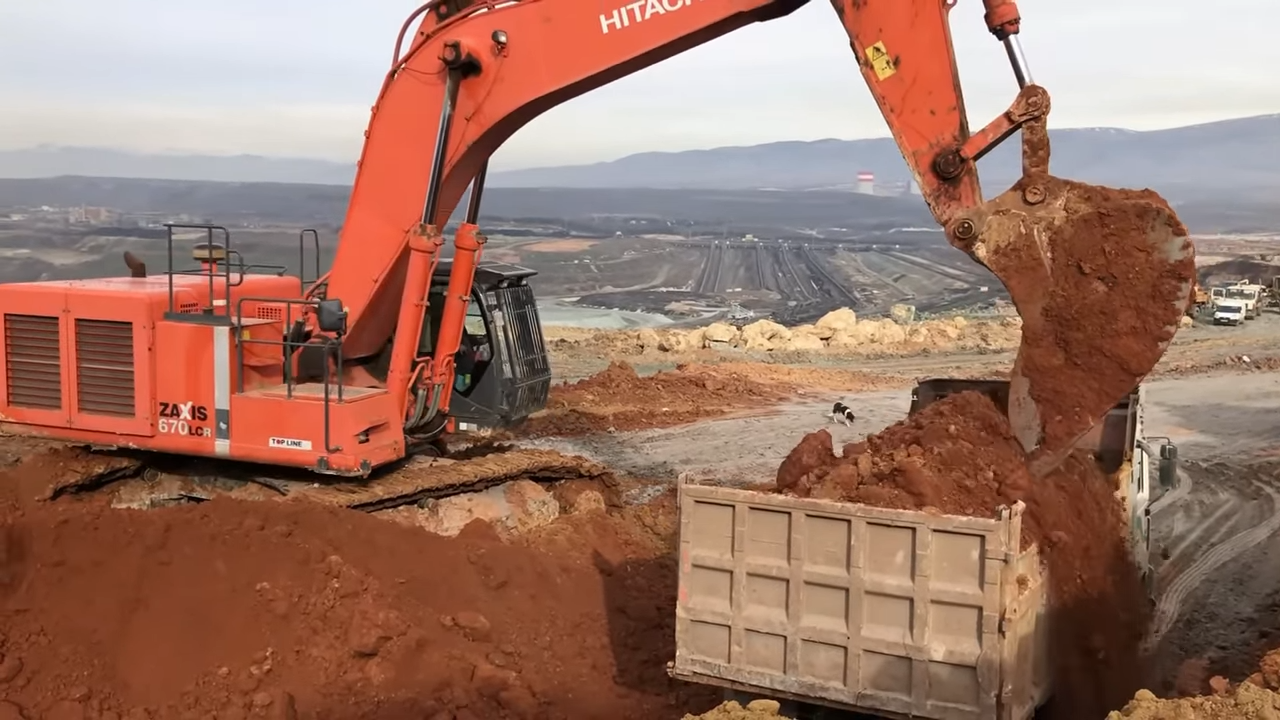
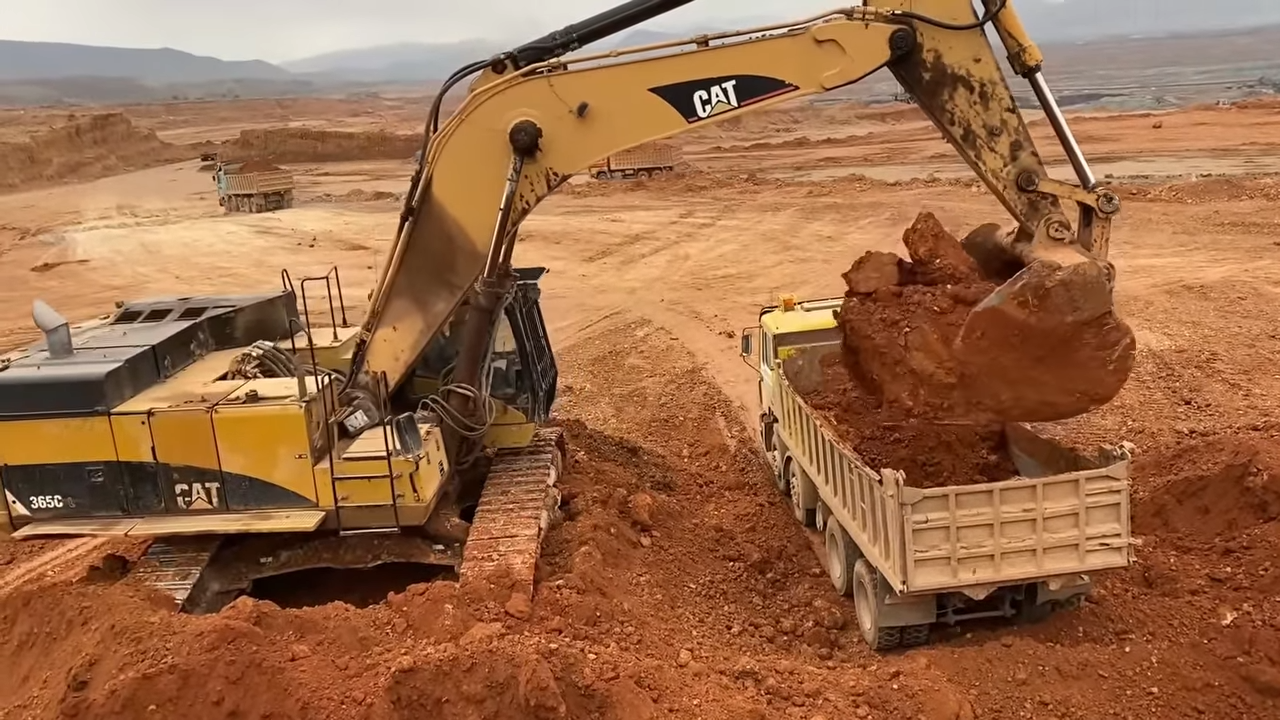
A yellow excavator with the CAT logo digging and loading soil into the back of a large dump truck at a construction site with other heavy machinery and a mountainous landscape in the background

Fuel Receipts and Logs

You’re required to provide all fuel receipts when renting heavy equipment to ensure a clear record of fuel expenses.

Maintaining a fuel usage log is crucial; it serves as a verifiable document that tracks your consumption throughout the rental period.

This practice isn’t only mandated for accuracy in billing but also aids in managing your project’s budget effectively.

Requirement to Provide Fuel Receipts

Typically, when you rent heavy equipment, you’re required to submit fuel receipts to confirm that you’ve refueled the machinery before its return. This protocol is vital, particularly for long term rentals, as it directly impacts the final billing day calculations. Not only do these receipts substantiate the refueling, but they also serve as a record of running costs and transportation expenses, which may include delivery and pickup charges.

Here’s what you need to keep in mind:

  • Retain all fuel receipts for the rental period.
  • Present receipts upon equipment return to avoid disputes.
  • Logs support transparency in fuel usage accounting.
  • Noncompliance may lead to penalties or additional fees.
  • Accurate fuel documentation is pivotal for cost control.

Maintaining a Fuel Usage Log

Keeping meticulous records of every fuel purchase and consumption detail for your rented heavy equipment ensures accurate tracking of fuel expenses and operational efficiency.

At each fueling, you must note the date, time, quantity, and cost, along with the type of fuel—whether diesel or gasoline.

It’s imperative to chronicle the operating hours of the equipment; this data is critical to ascertain fuel efficiency and consumption rates.

Disputing Unfair Fuel Charges

If you’re faced with what you perceive as unjust fuel charges after renting heavy equipment, it’s imperative that you act swiftly to dispute them.

You must review the contract meticulously and gather all pertinent evidence, including photographs of the fuel gauge and detailed refueling receipts.

Then, contact the rental company directly to articulate your concerns and seek an equitable resolution.

Process for Disputing Charges

To contest unjust fuel charges from a heavy equipment rental, start by scrutinizing the rental agreement’s fuel policy and its associated conditions. Ensure you understand both the fixed components, such as rent, and the variable component related to the applicable transportation surcharge percentage.

Here’s a clear process:

  • Review the rental agreement for precise fuel policy details and obligations.
  • Document fuel levels at pickup and return, using photos or videos as evidence.
  • Contact the rental company on the same day you notice discrepancies.
  • Supply supporting documentation, like fuel receipts, to bolster your claim.
  • Demand an itemized statement of charges, ensuring you’ve had prior notice of any fees.

Tips for Avoiding Extra Fuel Fees

After understanding the mechanisms for challenging fuel-related charges, let’s focus on preemptive measures you can take to sidestep additional fuel fees when renting heavy equipment.

Scrutinize the fuel policy stipulated in your rental contract; it often includes a total transportation surcharge percentage, a fixed component, and one variable subject to costs like shop waste.

To avoid incurring extra charges, refuel the equipment prior to its return. This action limits the application of surcharges. Retain all fuel receipts—they serve as incontrovertible evidence should you need to dispute unfounded fuel fees.

Familiarize yourself with the equipment’s fuel consumption rate to forecast your fuel requirements accurately.

Lastly, ensure transparent communication with your rental provider regarding fuel levels both at the outset and upon return of the equipment, leaving no room for disputes without further notice.

Frequently Asked Questions (Understanding a Heavy Equipment Rental Late Return Policy: What to Know)

You’ll calculate equipment rental based on your project’s size, soil type, and space. Factor in insurance, damage liability, and maintenance. Remember to inspect before use and secure the equipment properly to avoid extra costs.
You’ll find Sharegrid’s return time specified in your rental agreement. It’s imperative to check this to avoid extra fees and ensure you’re adhering to the schedule for a hassle-free equipment rental experience.

The Ultimate Heavy Equipment End of Lease Checklist

Mediapayperlead-com December 9, 2024

The Ultimate Heavy Equipment End of Lease Checklist

As heavy equipment operators prepare for their leased machine’s return, a thorough checklist is vital. Inspections can determine if tires, lights and other components meet requirements to avoid additional fees. This article provides examples of key items operators should examine using tools like a checklist. Its aim is to help safely and efficiently complete the lease termination process, benefitting both equipment rental businesses and their clients.

Key Takeaways

  • Thoroughly review the lease agreement and familiarize yourself with the lease return conditions to ensure compliance and avoid additional costs.
  • Stay informed about the allowed hours and equipment usage to avoid exceeding agreed-upon hours and incurring extra charges.
  • Communicate with the lessor in advance about your end-of-lease plans, adhere to return conditions, and schedule a pre-return inspection to address any issues.
  • Coordinate the return of leased equipment, thoroughly clean and maintain the equipment, address warranty and repair needs promptly, and ensure the equipment is returned in pristine condition to avoid disputes and additional charges.

Review Your Lease Agreement

As you approach the end of your heavy equipment lease, reviewing the agreement for specific requirements is crucial.

Ensure you’ve met the contact and notification obligations, and double-check the allowed hours you’ve clocked during the lease term.

Familiarize yourself with the lease return conditions to avoid any unforeseen charges or penalties.

Contact and Notification Requirements

Before your lease term ends, ensure you’re familiar with the contact and notification requirements to avoid any penalties or additional costs. Review your lease agreement meticulously.

If you’re a VFS customer, pay special attention to Section 7 of the lease schedule, which outlines specific obligations.

To maintain control over the process, use an inspection form to document the equipment’s condition and adhere to the lease term hours and return conditions.

Conduct customer interviews understanding needs for compliance and clarity.

By fulfilling your contact obligations precisely as specified, you’ll sidestep per diems and other unwelcome expenses.

Allowed Hours for the Lease Term

Understanding the allowed hours for the lease term is crucial to avoid penalties, and it’s outlined in your lease agreement, which you should review carefully. Your equipment rental business hinges on maximizing use while respecting lease terms.

Here’s what to keep in mind:

  • Review the specifics: Confirm the maximum hours permitted and monitor your usage to stay within limits.
  • Penalty awareness: Know the costs you’ll incur if you exceed the agreed-upon hours—this is essential for budget control.
  • End of lease planning: As you near the end of the lease, adjust the equipment usage to align with the remaining hours available.

Staying informed and proactive will help you maintain control and ensure a smooth end-of-lease process, keeping your checklist on track.

Lease Return Conditions

Thoroughly examining your lease agreement is critical to grasp the specific conditions required for returning leased heavy equipment and avoiding unnecessary costs. You must ensure compliance with all contact and notification requirements to dodge penalties. Familiarize yourself with the lease term hours and return conditions to effectively coordinate the lease return process.

Pay close attention to Section 7 of the lease schedule, especially if you’re a VFS customer, for any particular return guidelines. Utilize an inspection checklist to conduct a comprehensive equipment inspection, including a visual inspection, and confirm if preventive maintenance has been performed as per the agreement. Adhering to these conditions helps you avoid additional costs such as per diems and maintains control over the lease return process.

Communicate Your End-of-Lease Plans in Advance

As your lease term concludes, you’ll need to inform your lessor about your intentions. This could be returning the equipment, purchasing it, or refinancing the lease.

Ensure you’re clear about the return process. This includes dates, locations, and the condition the equipment should be in.

Review any necessary documents the lessor provides to avoid surprises during the transition.

Notify Your Lessor of Your Intent

Ensure you notify your lessor well in advance of your lease’s expiration to meet contractual obligations and facilitate a smooth return process. This step is essential in managing the end of your heavy equipment lease with efficiency and foresight. Here’s a quick rundown to keep you on track:

  • Review your lease agreement, especially Section 7 for VFS customers, to understand notification time frames and return conditions.
  • Use an equipment checklist template to prepare your heavy equipment for inspection and return.
  • Schedule a pre-return inspection with your lessor before the lease maturity date to ensure any issues are addressed promptly.

Set Expectations for the Return Process

To avoid misunderstandings and streamline the equipment return, it’s crucial to discuss and agree upon the process and timelines with your leasing company well before your lease expires.

Make sure you’re on the same page regarding the required condition for the equipment and any specific requirements for its return. It’s essential to communicate these plans clearly and document them to ensure both parties understand the expectations.

Coordinate with your maintenance team to complete an equipment inspection checklist, verifying that everything meets the agreed-upon standards. This proactive approach not only sets clear expectations but also helps prevent potential disputes during the inspection process, giving you control over a smooth and predictable end-of-lease transition.

Options to Consider at Lease End

As your lease nears its end, you have several options to consider.

You can opt to purchase the equipment, ensuring you coordinate payment with the lessor before the maturity date.

Alternatively, you might refinance to extend the lease.

You can also plan a return by preparing the equipment for inspection and coordinating with the leasing company.

Purchase Option

When your lease nears its end, consider requesting a purchase invoice to potentially acquire the heavy equipment before the maturity date. This purchase option can be a strategic move if the equipment has proven valuable and essential to your operations.

Ensure you’re fully informed and prepared by considering the following:

  • Review the purchase invoice: Scrutinize the terms and cost to confirm it aligns with your financial strategy.
  • Inspect the equipment: Conduct a thorough inspection to ensure it meets your standards and doesn’t harbor hidden costs.
  • Evaluate additional costs: Be aware of per diems or extra monthly payments that you could incur if the process extends beyond the lease term.

This end of lease checklist step empowers you to make a cost-effective decision that maintains operational continuity.

Refinance Option

Frequently, businesses explore the option of refinancing their heavy equipment lease as a strategic approach to extend their usage terms or secure more favorable conditions. Delving into this refinance option demands due diligence; you’ll want to scrutinize the terms and conditions offered by your lessor. Critically evaluate the financial benefits, considering the impact on your cash flow and equipment maintenance responsibilities.

When you’re ticking off your end of lease checklist, compare refinance offers from different leasing companies. This comparison can reveal the most advantageous deal for your business. Don’t hesitate to consult a financial advisor to ensure the refinance option truly aligns with your company’s fiscal strategy.

It’s about maintaining control and making a decision that sustains your business’s operational efficiency and financial health.

Return Option

You’ll need to carefully coordinate the return of your leased heavy equipment to avoid additional fees and ensure a smooth transition. As your lease concludes, it’s crucial to review the end-of-lease guidelines provided by the leasing company. This will inform you about the expectations for the equipment’s condition upon return. Remember, a thorough inspection is a key part of the process.

  • Clean the equipment thoroughly before the inspection to avoid disputes.
  • Review the lease agreement for specific return option details.
  • Schedule the return promptly to dodge per diems or extra monthly payments.

Staying legally-informed and following a clear checklist ensures you retain control and avoid unnecessary costs associated with the end of your lease.

Prepare the Equipment for Return

Before you return your leased heavy equipment, make sure you’ve completed any necessary maintenance as outlined in your lease agreement.

Address any warranty and repair issues promptly to avoid disputes or additional charges.

Ensure the equipment and any attachments are clean and in good condition to meet the lessor’s standards upon return.

Complete Any Required Maintenance

Ensure you conduct all necessary maintenance as specified in your lease agreement to ready the equipment for its return. Adhering to these guidelines not only avoids costly repairs but also demonstrates your commitment to proper maintenance. Remember, returning equipment in subpar condition could lead to disputes and additional charges.

  • Check and top off fluid levels: Ensure engine oil, coolant, and hydraulic fluids meet the recommended specifications.
  • Perform preventive servicing: Replace worn parts, such as filters and belts, to prevent breakdowns or failures during the inspection.
  • Address repairs: Tackle any needed repairs immediately to ensure the equipment functions as expected and complies with lease return conditions.

Taking these steps guarantees a seamless return and upholds your reputation as a responsible lessee.

Address Warranty and Repair Needs

As your lease term comes to a close, it’s crucial to identify any warranty or repair issues that could affect the return of your heavy equipment. Carefully review your lease agreement and the manufacturer’s warranty to understand your responsibilities.

If repairs are needed, plan them promptly. This proactive approach ensures you’re in control, avoiding last-minute rushes and potential disputes with the leasing company.

Coordinate with the manufacturer or authorized service provider to address any covered warranty repairs. For issues falling outside of the warranty, arrange for maintenance or repairs as required, adhering to the leasing company’s guidelines. Doing so prevents additional costs from accruing and positions you to return the equipment in optimal condition, aligned with the lease terms.

Clean the Equipment and Attachments

Having addressed any warranty and repair needs, it’s time to focus on thoroughly cleaning the equipment and attachments to meet the lease return conditions. Ensuring a pristine condition not only reflects well on you but is often a requirement to avoid additional fees. Here’s what you should include on your checklist:

  • Remove all debris and dirt: Inspect every nook and cranny to ensure there’s no residual waste that could signal neglect.
  • Check for damages: Identify any wear and tear that might need attention before the inspection.
  • Follow lease guidelines: Each lease may have specific cleaning protocols; adhere to these to maintain compliance.
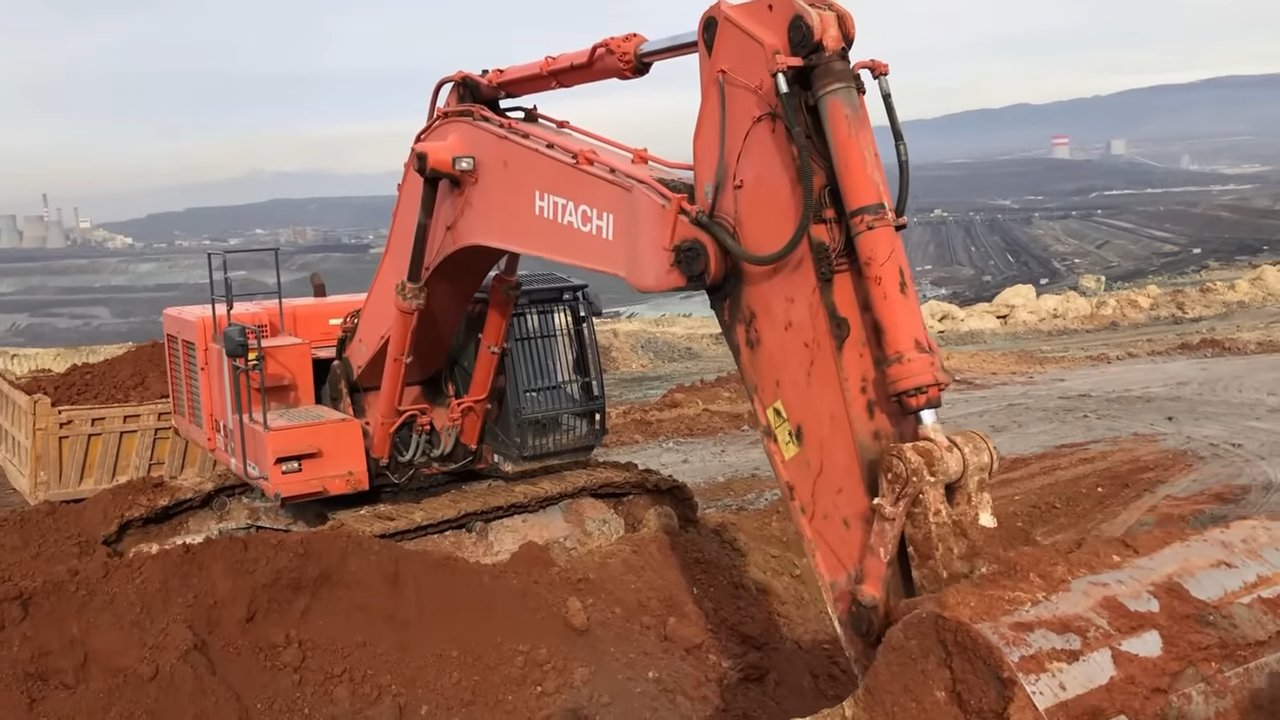
An orange Hitachi ZAXIS 670 LCR hydraulic excavator in the process of loading dirt into the back of a large industrial dump truck at a mining site. The excavator's bucket is caught mid-motion, spilling soil. The bac

Coordinate the Equipment Return

As your lease term concludes, it’s crucial you coordinate the equipment return meticulously.

First, ensure you’ve identified all equipment and attachments due for return, and inform the leasing company of the specific date and location.

Next, proactively schedule a return inspection with the lender, allowing time to address any issues that may arise.

Identify the Equipment and Attachments

Before your lease expires, it’s crucial to identify all equipment and attachments due for return and coordinate these details with the leasing company. Taking stock of what you’re responsible for ensures you won’t miss any items that could lead to additional fees or complications.

Here’s a simplified checklist to help you maintain control over the process:

  • Arrange for an Inspection: Schedule a thorough examination of the equipment with the lender.
  • Contact the Lender: Communicate with the lessor to confirm the process for returning your leased items.
  • Work with a Specialist: Utilize the leasing company’s end-of-lease expert to facilitate a hassle-free return.

Adhering to these steps will help you manage your lease’s end responsibly and avoid any potential legal or financial issues.

Provide Return Date and Location Details

After confirming your leased equipment and attachments, it’s essential to specify the return dates and locations with the leasing company to ensure a smooth handover. Coordinate closely to set a return date that aligns with your lease terms and prepare the equipment for timely relinquishment. It’s your responsibility to return the equipment to the agreed-upon location, so confirm this detail well in advance. Communicate these return particulars with your lender to facilitate the necessary inspection.

If applicable, liaise with a dedicated end-of-lease specialist from VFS to assist with the process. This step demonstrates your proactive approach and can help prevent any misunderstandings or logistical issues. By handling these details with care, you maintain control over the lease conclusion, safeguarding against potential complications.

Schedule a Return Inspection

To ensure a smooth transition at the end of your lease, contact the leasing company to arrange a return inspection, specifying the necessary details such as date, location, and condition standards. You’ll want to make sure the equipment is clean and meets the agreed-upon condition criteria to avoid any penalties.

  • Coordinate Inspection Timing: Schedule the inspection well before the lease maturity date, allowing time for any necessary repairs.
  • Prepare the Equipment: Clean the equipment thoroughly and ensure it aligns with the condition standards set in the lease.
  • Consult an End-of-Lease Specialist: Engage with a specialist from the leasing company, like VFS, to conduct the inspection and provide expert guidance.

Review and Respond to Estimates Promptly

Once you’ve inspected the equipment condition, you’ll receive a repair estimate that must be reviewed carefully.

It’s important to respond to the lessor quickly to keep the end-of-lease process on track.

Ensure you pay the final invoice on time to avoid additional fees and maintain a good business relationship.

Inspect the Equipment Condition

Ensure you review and respond to repair estimates quickly, as this step is crucial for a smooth end-of-lease process and can prevent unnecessary costs.

When you’re conducting your heavy equipment checklist, your inspection should meticulously cover the condition of key components. Here’s what to focus on:

  • Engine Oil Levels and Quality: Check for any signs of contamination or unusual depletion that may indicate engine issues.
  • Hydraulic Oil Performance: Ensure the hydraulic oil is at the correct level and free of contaminants to avoid potential malfunctions.
  • Overall Equipment Condition: Examine for any wear and tear or damages that could breach your lease terms.

Review the Repair Estimate

Upon receiving a repair estimate for your heavy equipment, it’s critical to review and respond quickly to avoid delays in the end-of-lease process. Scrutinize the estimate for accuracy, ensuring all components requiring work are listed, and that the associated costs are clear. Remember, any downtime waiting for repairs impacts your bottom line, so time is of the essence.

Engage with the leasing company without delay to discuss the estimate and payment options for the final repair invoice. Being proactive here can streamline your lease return, saving you from potential penalties. Make sure you’re well-versed in the return guidelines that pertain to the repair work to maintain control over the process.

Prompt payment of the final invoice will cap off your responsibilities, ensuring a smooth transition and protecting your interests.

Respond to the Lessor in a Timely Manner

When you receive a repair estimate from your leasing company, it’s important to review and respond promptly to facilitate a smooth end-of-lease transition. Being proactive and engaging in a timely manner is a crucial step in your lease checklist. It not only shows your lessor that you’re responsible but also helps avoid any potential disputes that might arise from delayed responses.

Here are key actions to take:

  • Evaluate the estimate for accuracy and completeness.
  • Clarify any discrepancies or concerns immediately with your lessor.
  • Approve the estimate or provide a detailed response as to why it’s not acceptable.

Pay the Final Invoice

Review your final invoice carefully and respond quickly to settle any estimates provided by the leasing company, ensuring a seamless conclusion to your equipment lease agreement. It’s imperative to scrutinize all charges and address discrepancies with the equipment rental companies without delay. This step is crucial for maintaining control over your financial commitments and avoiding any misunderstandings.

Make your payment as agreed upon in the lease terms. If you encounter any issues, don’t hesitate to discuss alternative payment options with the lessor. Open communication is key to resolving any lingering financial responsibilities.

Frequently Asked Questions (Understanding a Heavy Equipment Rental Late Return Policy: What to Know)

You’ll calculate equipment rental based on your project’s size, soil type, and space. Factor in insurance, damage liability, and maintenance. Remember to inspect before use and secure the equipment properly to avoid extra costs.
You’ll find Sharegrid’s return time specified in your rental agreement. It’s imperative to check this to avoid extra fees and ensure you’re adhering to the schedule for a hassle-free equipment rental experience.

A Guide to Your Equipment Rental Cancellation Policy Terms

Mediapayperlead-com December 9, 2024

A Guide to Your Equipment Rental Cancellation Policy Terms

Whether you need to understand your responsibilities as a customer renting equipment or know your options for canceled reservations, this guide covers critical aspects you should know.

It discusses the customer’s responsibility in theft, damage not covered by waivers, and outstanding rental balances if cancellations are made outside the policy’s limited timeframe.

Key Takeaways

  • Cancellation terms in an equipment rental policy protect both parties from unexpected changes and financial losses.
  • Understanding the cancellation fees helps avoid unexpected charges and clarifies procedures for terminating the rental agreement.
  • Different factors impact cancellation fees, such as the timing of the cancellation, rain date cancellations, and rescheduling of larger events.
  • Reviewing and understanding the rental company’s cancellation policy, including deadlines, refund policies, penalties, and procedures for informing the rental company of a cancellation is important.

Understanding the Importance of a Cancellation Policy

You need to know why cancellation terms are included in your equipment rental agreement. They protect you and the rental company from unexpected changes and financial losses.

Understanding the factors that impact cancellation fees ensures you’re not caught off guard by any charges if plans change.

Why are Cancellation Terms Included?

Cancellation terms are essential because they clarify the consequences and procedures for both parties should the rental agreement be terminated prematurely. As a customer, you’re responsible for understanding these terms to avoid unexpected fees.

A well-defined cancellation policy outlines how to cancel, any applicable cancellation fee, and the conditions for a refund. This transparency ensures you control the rental period and can plan accordingly.

For the rental company, these terms safeguard against financial loss from sudden cancellations. By grasping the cancellation policy, you can make informed decisions, maintain control over your commitments, and avoid any penalties.

It’s a fair system that respects both your interests and the rental company’s need for reliability.

Factors Impacting Cancellation Fees

Understanding the significance of cancellation policy terms is crucial, as various factors, such as the timing of your cancellation, can significantly affect the fees you might incur.

If you cancel on the event day, you’ll face a 100% fee—essentially, the total rental invoice is non-refundable.

Cancel less than 48 hours before your scheduled pickup date, and you’re looking at a 50% charge unless it’s for Special Order items, which are non-refundable regardless.

More than 48 hours’ notice typically means you’re in the clear, with no fees.

However, rain-date cancellations are treated as same-day cancellations with no refunds.

Remember, for larger events, rescheduling due to unforeseen events may incur actual costs or service charges.

Stay informed to maintain control over your event date and budget.

Common Types of Cancellation Policies

When you rent equipment, you’ll encounter various cancellation policies that can affect your refund amount.

A No-Fee Cancellation Policy allows you to cancel without any charges if done within a specified time frame.

Notice-Based and Fee-Based Cancellation Policies, on the other hand, require you to pay a fee depending on how soon you cancel before the rental period.

No-Fee Cancellation Policy

Are you considering canceling your equipment rental with more than 48 hours notice? Rest assured, you’ll incur no fees for doing so unless you’ve ordered special items. Here’s what you need to know:

  • More Than 48 Hours Notice: Cancel your reservation in advance, and you won’t be charged any cancellation fees, with your full deposit refunded.
  • Day Of Event: If you cancel on the event day, expect to pay 100% of the total rental invoice.
  • Less Than 48 Hours Notice: Cancel within 48 hours up to the day of the event, and you’re liable for 50% of the rental invoice.
  • Special Order Items: These incur a 100% charge, no matter when you cancel.

Notice-Based Cancellation Policy

Most equipment rental agreements include a Notice-Based Cancellation Policy, which requires you to give a predetermined amount of notice to avoid or reduce cancellation fees. If you’ve got to cancel, doing it more than 48 hours before your scheduled pickup generally means you’ll face lower fees, and you may even snag a full refund. Wait until the same day, and you’ll likely pay more.

Special order items are less forgiving; cancel these, and you’re on the hook for 100% of the rental amount. Planning a big event? Keep an eye on the sky. Rain date cancellations are treated like same-day cancellations unless you’ve negotiated a specific rain date policy—usually allowing a reschedule within three months to dodge those extra charges.

Fee-Based Cancellation Policy

Understanding the Notice-Based Cancellation Policy is crucial; now let’s examine how different Fee-Based Cancellation Policies can affect your wallet if you need to cancel your equipment rental. Here’s what you need to know:

  • Day Of Event Cancellation: You’ll be charged 100% of the total rental invoice.
  • Less Than 48 Hours Notice**: Expect to pay 50% of the total rental invoice, but be wary of Special Order items.
  • More Than 48 Hours Notice**: There’s no fee, giving you a sigh of relief, unless it’s a Special Order item.
  • Special Order Items: Prepare to pay the full cost as these demand 100% of the rental invoice, no exceptions.

Reviewing Your Rental Company’s Policy

When looking at your rental company’s policy, finding the cancellation clause is crucial. Pay attention to key elements such as deadlines for cancellation, refund policies, and any penalties you might face.

Also, watch for any exceptions that may apply to your situation, like weather-related cancellations or unexpected events.

Locating the Cancellation Clause

To ensure clarity on potential financial obligations, you must locate the cancellation clause within your equipment rental company’s policy. Here’s how to do that:

  1. Review the Policy: Carefully read through your rental agreement to find the specific section labeled ‘Cancellation Policy’.
  2. Understand the Fees: Note any fees associated with canceling your equipment rental. These may vary depending on the timing and type of reservation.
  3. Special Conditions: Look for terms related to special items like stages or trussing, and pay attention to the rain date policy for events.
  4. General Guidelines: Familiarize yourself with the procedures for informing the rental company of a cancellation to maintain control and avoid unnecessary penalties.

Key Elements to Note

Carefully noting key elements in your rental company’s policy can save you from unexpected charges in case of cancellation. Understand the specific definitions, such as ‘Consequential Loss’ and ‘Contract,’ to grasp the terms and conditions fully. Be mindful of the return policy for the rental equipment, including when the rental period starts, the minimum rental period required, and the conditions for return.

Scrutinize the cancellation fees and policies, particularly for special order items and rain date cancellations. You’ll need to be clear on the rain date policy for larger events, and what’s expected if you’re cancelling stages or trussing.

Familiarize yourself with the general guidelines for rental cancellation, including late cancellations and no-shows. Remember, as the customer, you’re responsible for payment according to the total rental contract.

Exceptions Listed

Understanding the exceptions to your rental company’s cancellation policy is crucial, as special circumstances may alter standard fees and procedures. Here’s what you need to know:

  • Special order items like custom stages or set design may have unique cancellation terms, separate from standard rentals.
  • Due to size and prep, stages and trussing don’t offer rain date flexibility, and late cancellations incur a 25% restocking fee.
  • No refunds for rain date cancellations, especially if you pick up and return equipment on the same day.
  • Unconfirmed rentals can be voided without charge if canceled 48 hours in advance, with refunds processed quickly.
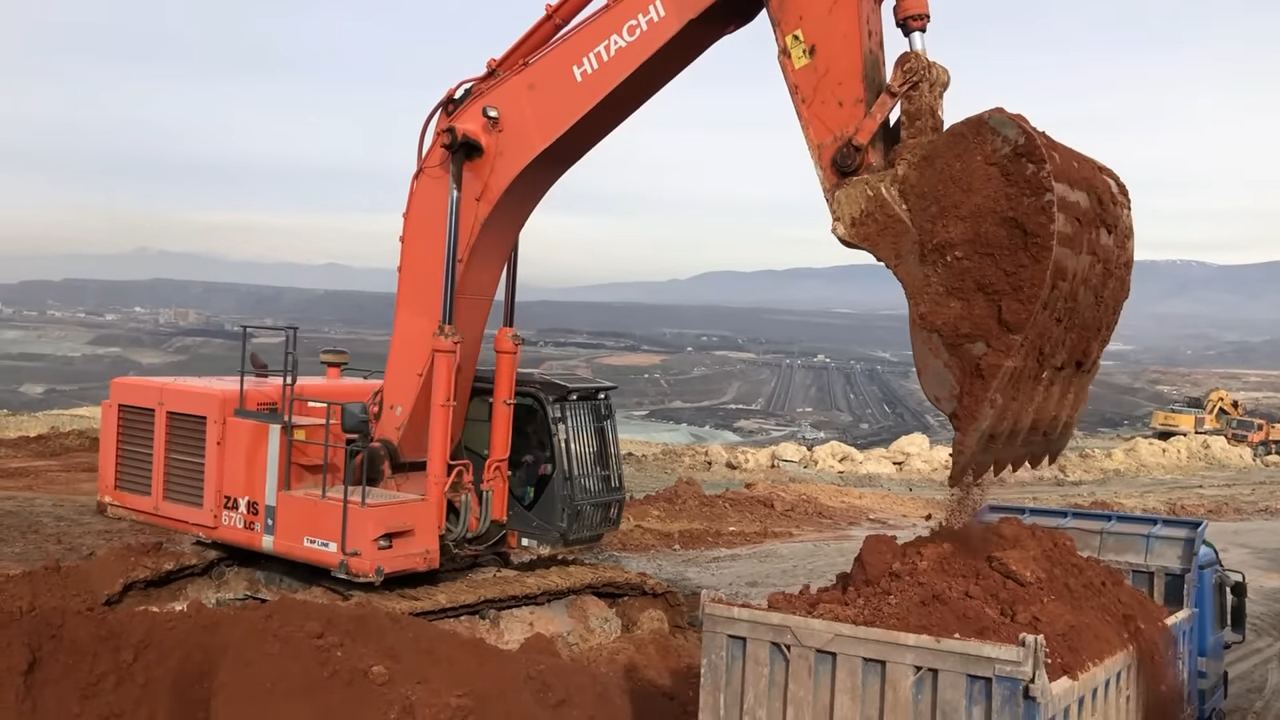
A red Hitachi excavator operating on a construction site with a pile of dirt in the background and industrial buildings in the distance

Best Practices for Avoiding Fees

To avoid extra fees, you must book your rental flexibly, allowing for changes without steep penalties. If your plans shift, communicate those changes to the rental company as early as possible.

Additionally, weigh the benefits of rental insurance options, which might save you money in the long run if cancellation becomes necessary.

Book with Flexibility in Mind

Booking your equipment rental with flexibility allows you to sidestep potential cancellation fees. Here’s how you can reserve with the assurance that you’re minimizing risks:

  • Always check the availability for alternate dates; this gives you a cushion if plans change.
  • When booking, ask about the rental cancellation policy specifics, including charges for changing dates.
  • Reserve with as much lead time as possible, providing room to adjust without penalties.
  • For larger events, inquire about rain date policies to understand any associated costs.

Communicate Early About Changes

Always communicate any alterations to your equipment rental plans as soon as you know them to sidestep unnecessary cancellation fees. Early communication shows professionalism and allows rental companies to adjust their schedules, potentially saving you from hefty charges.

Familiarize yourself with the equipment rental cancellation policy; for most rental items, notifying the company at least 48 hours in advance helps avoid penalties. Should your plans face a washout, reschedule rain date cancellations within three months to dodge extra costs. Remember, changes made within the 48-hour window may incur fees, so it’s crucial to understand the rental policies specific to your equipment.

Communicate early, and you’ll maintain control over both changes and your budget.

Consider Insurance Options

Consider short-term insurance options for your equipment rentals to safeguard against cancellation fees and protect your investment. Here’s what you need to know:

  • Short-term policies can cover non-refundable costs if you need to cancel, reducing your financial risk.
  • Note that stages and trussing aren’t eligible for rain date policies due to their extensive setup.
  • Cancel unconfirmed rental requests at no charge, but always inform the rental company as soon as you know.

What to Do if You Must Cancel

If you find yourself needing to cancel an equipment rental, don’t panic.

First, review your rental agreement to understand your options and any potential penalties.

Then, contact the rental company promptly to discuss the situation and explore possibilities for minimizing fees or rescheduling.

Understanding Your Options

Should you need to cancel your equipment rental, promptly contacting the rental company allows you to explore the various options on hand. Understanding the specifics of the rental terms is crucial for making an informed decision.

Here’s what you can do:

  • Assess the cancellation policy for fees that apply based on when you cancel.
  • Look into the rain date policy for options to reschedule without severe penalties.
  • Note exceptions to standard policies, like restocking fees for certain rental items.
  • Review the process for canceling unconfirmed requests to avoid unnecessary charges.

Being proactive and familiar with these steps ensures you control the cancellation process and minimize potential losses.

Negotiating With Your Rental Company

While understanding your options is the first step, actively engaging with your rental company can open doors to negotiating a more favorable outcome if you need to cancel. Approach the conversation responsibly, armed with knowledge of their equipment rental cancellation policy.

Discuss the possibility of waiving fees, especially if you’re considering rescheduling. Remember, the rental company may have a rain date policy or specific rules for weather-related cancellations. Be upfront and communicate your situation as early as possible. This gives both parties time to find a solution that minimizes losses.

Review any special terms for unique rentals and always keep the dialogue open and respectful. Negotiating isn’t about demanding; it’s about finding a mutually beneficial path forward.

Tips for Future Bookings

To secure a hassle-free booking experience for future equipment rentals, always prioritize early communication with the rental company when a cancellation becomes necessary. Here are four clear tips to help ensure you’re in control of the situation:

Remember, late cancellations or no-shows may incur charges at the owner’s discretion, and no refunds are available for rain dates.

Inform the rental company immediately if you foresee a need to cancel; this benefits everyone involved.

Avoid cancellation fees by canceling within 2 hours of request acceptance or more than 48 hours before the rental begins.

Early Termination and Renewal Options in Equipment Leases

Mediapayperlead-com December 9, 2024

Early Termination and Renewal Options in Equipment Leases

Managing leased equipment involves understanding key lease components. Terms such as rent payments, lease duration, early termination fees and end-of-lease purchase options must be considered.

A business relies on leased assets to function, so properly accounting for the lease agreement is important. Factors like maintenance costs, insurance, taxes and more influence the total cost of leasing.

This article provides guidance for commercial tenants on topics like lease incentives, rent structure and flexibility within the lease agreement. Navigating lease provisions requires awareness of short-term and long-term financial obligations for both the lessee and lessor.

Key Takeaways

  • Understanding the termination fees and penalties associated with early termination is crucial. Negotiating lower fees during lease negotiations can save money in the long run.
  • When considering lease renewal, it is important to carefully review the terms and options available. Fixed rate renewals can provide stability, while automatic extensions should be approached with caution.
  • Evaluating the purchase options at the end of the lease is essential. Comparing the costs and benefits of returning the equipment versus purchasing it can help make an informed decision.
  • Familiarizing oneself with the lease agreement and its specific terms, responsibilities, and conditions is vital for successfully navigating early termination and renewal options. Thoroughly reviewing the lease contract and setting up alerts for key dates can help avoid penalties and ensure compliance.

Understanding Equipment Lease Agreements

When you’re leasing equipment, it’s crucial to keep track of key dates, such as the start and end of the lease term, to avoid penalties.

You’ll encounter different types of equipment leases, each with its own financial implications and terms that you must understand.

It’s important to grasp the financial terms, like monthly payments and interest rates, to determine if the lease aligns with your budget and business needs.

Key Dates in a Lease Contract

Understanding the key dates in your equipment lease contract is crucial for managing your lease obligations effectively. The commencement date marks when your lease term starts and it’s essential to know this to ensure compliance from day one. Your lease’s end date is equally critical, signaling when you must return the equipment or negotiate an extension.

Be aware of any renewal options that could extend your lease term. These typically come with specific deadlines for notification if you wish to continue using the asset. Also, familiarize yourself with the termination date provisions for early termination, so you’re not caught off guard by penalties or fees.

Review your contract thoroughly and consider setting customizable alerts to keep these key dates on your radar.

Types of Equipment Leases

Navigating the landscape of equipment leases, you’ll encounter various forms such as capital, operating, hybrid, and leveraged leases, each designed to meet different business needs and financial goals. Understanding the nuances of each type ensures you make informed decisions that align with your company’s strategy.

  • Capital Lease: A finance lease that lets you eventually own the equipment.
  • Operating Lease: Offers flexibility with shorter lease terms and lower payments.
  • Hybrid Lease: Combines features of both capital and operating leases.
  • Leveraged Lease: Involves a third-party financier, offering potential tax benefits.
  • Lease Agreement: Details the specific lease terms, responsibilities, and conditions.

Financial Terms of the Lease

Having explored the different types of equipment leases, it’s crucial to grasp the financial terms outlined in these agreements to safeguard your business interests.

You’ll need to understand lease payments, including amount and frequency, and any penalties for early termination. It’s wise to negotiate lower rent if possible.

Be aware of your responsibility for equipment delivery and inspect before payment to avoid charges for defective items. Remember, prepaid rent might be used as collateral, affecting other financing options.

At the end of the lease, consider lease renewal options or a purchase option. Ensure you’re clear on the process to avoid unintended automatic extensions.

Determining the Initial Lease Term

When you’re setting up an equipment lease, deciding on the initial term is crucial. You’ll need to weigh several factors, such as the asset’s economic life and your business needs, to determine whether a short-term or long-term lease is more beneficial.

This decision not only affects your monthly payments but also has significant implications for your financial reporting and lease classification.

Factors that Impact the Lease Term

Determining the initial lease term involves considering several key factors, including the non-cancelable lease period and economic incentives that may influence the lessee’s decision to extend or terminate the agreement. Here are five critical elements to weigh:

  • Non-cancelable lease period: The initial duration that’s fixed and unavoidable.
  • Economic factors: Inducements or penalties affecting the cost of early termination or exercising renewal options.
  • Renewal options: The lessee’s right to continue the lease beyond the initial term.
  • Termination options: The ability to end the lease early under specific conditions.
  • ASC 842-10-30-1 guidance: Follow this to accurately determine the lease term for financial reporting.

You’ll want to grasp these factors thoroughly, as they’ll give you control over the lease term and its implications on your lease agreement.

Short-Term vs Long-Term Leases

You must choose between a short-term lease of 12 months or less and a long-term lease exceeding this period, as each has distinct implications for your company’s balance sheet and financial reporting.

A short term lease can be a flexible option that doesn’t weigh down your balance sheet, thanks to a practical expedient that excludes it from being reported. On the other hand, long term leases are recorded as liabilities, reflecting a commitment that extends beyond a year.

Consider the initial lease term carefully. The presence of optional renewal periods and purchase options could affect the lease period’s total length, altering its classification. Remember, a termination option can cut a lease short, changing the financial picture. Control lies in understanding these elements to make informed decisions.

Financial Impact of Lease Term Length

Understanding the length of your initial lease term is critical, as it directly affects the financial commitments and obligations you’ll face throughout the agreement. Here’s what you need to know to stay in control:

  • Lease term length: The longer the term, the more you’ll pay overall, but typically with lower monthly payments.
  • Remaining lease payments: These will be higher with a shorter lease term.
  • Present value: A longer lease term can lead to a higher present value of future lease payments.
  • Future lease payments: Longer terms spread these out, affecting your lease liability.
  • Lease liability: This is essentially the total of all lease payments you’re obligated to make and is influenced by the lease term you choose.

Termination Options

You have the option to terminate your equipment lease early, but it’s important to understand the potential fees and penalties involved.

Such termination fees are outlined in your lease agreement and should be reviewed carefully to avoid unexpected costs.

Keep in mind that exercising your termination option will alter the lease term and may have financial implications for both parties.

Early Termination of the Lease

When considering an early lease termination, you should be aware that while it may offer flexibility, it often comes with financial penalties outlined in your lease agreement. You’ll want to understand the implications of terminating the lease before making a decision. It’s essential to grasp both the process and the potential impact on your financial obligations.

Here’s what you need to know:

  • Lessees may incur penalties when opting for early termination.
  • Negotiating rent reductions could be part of early termination discussions.
  • Your lease agreement details the process and penalties for lease termination.
  • Early termination affects both your financial commitments and the lease term.
  • Fully understanding early termination is crucial for maintaining control.

Make sure you’re well-informed to navigate lease termination confidently.

Termination Fees and Penalties

Navigating the terrain of lease termination involves grappling with fees and penalties, which are charges that you’ll face for ending the agreement before its scheduled conclusion. These termination fees are detailed in your lease agreement and can vary widely. You should thoroughly review these terms to grasp the financial impact of an early termination.

During negotiations for your lease, you might’ve the leverage to secure lower termination fees, giving you more control and flexibility.

Keep in mind, understanding these penalties is vital for making informed decisions. If you’re pondering renewal options, compare the cost of these penalties against the benefits of continuing the lease. A strategic approach can save you from unexpected lease payment spikes and maintain your financial stability.

Lease Renewal Process and Options

Understanding your right to negotiate the terms of a lease renewal with your lessor can significantly impact your future financial commitments and equipment use. As your lease’s end approaches, you’ve got options to maintain control over your equipment needs.

  • Lessee’s Negotiation Power: Always enter renewal discussions prepared to negotiate terms that align with your business goals.
  • Fixed Rate Renewals: Consider if a fixed rate renewal is available to avoid unexpected costs.
  • Automatic Extensions: Be wary of automatic extensions; notify the lessor if you wish to end the lease.
  • Active Communication: Clearly express your intentions to renew the lease well before it expires.
  • End-of-Lease Consequences: Understand the implications of not renewing or purchasing the equipment at the lease’s conclusion.

Be proactive in the lease renewal process and options to ensure you secure terms that reflect the equipment’s fair market value and accommodate your company’s needs.

Modifying the Lease Duration After Signing

You may find yourself needing to adjust the length of your equipment lease after it’s been signed. If you’re considering extending or shortening the lease term, it’s crucial that both you and the lessor agree to the changes in writing to avoid any legal issues.

Keep in mind, altering the lease duration can affect your payment schedule and overall costs, and may come with early termination fees.

Extending the Lease Term

When the original lease period approaches its end, lessees and lessors can negotiate an extension to continue using the equipment under revised terms. You’ve got the power to modify your equipment lease agreement, making sure it fits your changing needs. Here’s how you can take control:

  • Lease Renewal Options: Proactively discuss renewal terms before the lease expires for a seamless transition.
  • Extending the Lease Term: Agree on a new end date that suits your operational timeline.
  • Revised Financial Terms: Negotiate potential changes in rental payments to reflect the extended lease.
  • Early Termination Clarity: Ensure you understand any alterations to termination clauses.
  • Automatic Extensions: Be aware of any automatic renewal clauses that could kick in if you don’t act.

Stay informed and in command by considering these aspects when you’re looking to extend your lease term.

Shortening the Lease Term

Modifying your equipment lease to shorten its duration offers greater adaptability to align with your current business requirements. By negotiating a reduced lease term, you gain flexibility, but be mindful of the potential changes to your rent payments and the frequency thereof.

It’s crucial to understand that early termination might lead to penalties or additional fees. Examine your lease agreement closely for termination options that detail such consequences. If you’re contemplating this adjustment, it’s also wise to contemplate any renewal options that might be affected.

Taking control means being proactive about the costs and timeline of your lease, ensuring that the terms continue to serve your business’s evolving needs efficiently.

Financial and Legal Implications of Changes

Before altering the duration of your equipment lease, consider the financial and legal repercussions, such as potential renegotiation of payment terms and early termination penalties. You’ll want to maintain control over the situation, so it’s crucial to understand the full scope of what you’re agreeing to.

Here’s what you need to keep in mind:

  • Early termination may incur substantial fees.
  • Renewal options could be affected, altering future flexibility.
  • Your lease agreement might’ve specific clauses addressing changes.
  • Any contractual agreement should be reviewed for the lessor’s rights, especially since the lessor retains ownership.
  • Assess how ASC 842 influences lease termination decisions and accounting treatments.

Stay informed to make decisions that align with your financial and operational goals.

An orange Hitachi excavator scooping up a large amount of dirt and unloading it into the back of a blue dump truck, with a mountainous landscape and mining operations in the background

Purchase Options at the End of Lease

As your lease nears its end, you have the option to purchase the equipment, which can significantly influence your financial planning.

You might encounter a fair market value purchase option, where you can buy the equipment at its current market price, or a fixed price purchase option, often pre-determined when you first sign the lease.

It’s crucial to compare the costs and benefits of returning the equipment against purchasing it to make the best decision for your business.

Fair Market Value Purchase Option

When your lease term ends, you have the option to purchase the leased equipment at its fair market value, which may be less than its initial cost. This fair market value purchase option offers control over your next steps with the equipment. Here’s what to know:

  • The fair market value purchase option is flexible, reflecting current equipment worth.
  • It can be cost-effective compared to the original price.
  • Clear terms prevent confusion during early termination or at the lease’s end.
  • Market fluctuations could benefit you if the value drops.
  • Ensure you understand the remaining lease terms for a smooth transaction.

Fixed Price Purchase Option

You have the option to secure your equipment’s future with a Fixed Price Purchase Option, which allows you to buy the leased item at a set price once your lease ends. This choice gives you control and predictability over the cost, regardless of market changes. It’s a strategic move, mapped out in your lease agreement, to manage finances with clarity.

If the equipment proves vital, you’re not left guessing the cost; the purchase option is fixed. However, weigh this against early termination possibilities. Your needs might change, but this option locks in a price, not a commitment to buy. It’s about foresight—decide with confidence if owning the equipment aligns with your long-term goals.

Returning vs Purchasing the Equipment

At the end of your lease, you’re faced with a critical decision: return the equipment to the lessor or purchase it for continued use, based on the terms set in your lease agreement. Your choice hinges on multiple factors, and it’s crucial to understand the implications of each option.

  • Review your lease agreement for specific conditions regarding early termination, return policies, and purchase options.
  • Consider the equipment’s condition and your ongoing need for it before deciding.
  • Be aware of potential costs tied to returning the equipment, including transport and penalties for wear.
  • A lease buyout may be cost-effective if the lease term’s purchase option is less than market value.
  • Clarify the terms for a purchase option to avoid disputes and ensure a smooth lease end.

Negotiating Favorable Terms for Your Business

When entering lease negotiations, you’ll want to consider several key factors to secure terms that benefit your business.

It’s common to request adjustments from the lessor, such as payment schedules or maintenance responsibilities, to better align with your company’s needs.

Always ensure that all agreed-upon terms are clearly documented to avoid future misunderstandings or disputes.

Factors to Consider During Negotiation

During lease negotiations, it’s essential to prioritize a lower rent amount, ensuring the economic terms and payment frequency align with your business’s financial strategy. You want to gain control and secure favorable lease incentives that benefit your operations.

Here’s what you should keep in mind:

  • Early Termination: Understand the conditions under which you can terminate the lease early without significant penalties.
  • Renewal Options: Negotiate for flexible renewal options that provide stability for your business planning.
  • Lease Agreement: Scrutinize the lease agreement for clauses that may impact your financial obligations.
  • Negotiation Leverage: Use your bargaining position to secure benefits such as reduced rent or additional lease incentives.
  • Equipment Return: Consider the implications of equipment return conditions on your decision to lease or purchase.

Common Requests to the Lessor

Understanding the factors to consider during negotiation sets the stage for making common requests to your lessor that aim to secure terms beneficial to your business.

You’ll want to hash out economic details like rent amount, how often you’ll pay, and penalties for early termination to avoid surprises.

Tackle delivery risks by clarifying who’s responsible for getting the equipment to you, handling defects, and the lessor’s ties with the manufacturer.

Dive into collateral matters, weighing the pros and cons against purchasing outright.

Discuss end-of-term options, such as fixed rate renewals or purchase possibilities, and ensure you’re clear on the process for returning equipment in good condition.

Documenting All Agreed Terms

How do you ensure that the favorable terms you’ve negotiated make it into the final lease agreement? It’s vital to document every detail carefully to maintain control over the lease terms. Here’s what you need to consider:

  • Clearly define penalties for early termination to avoid surprises.
  • Specify renewal options, ensuring they’re advantageous for your business.
  • Ensure the lease contract reflects the negotiated economic terms accurately.
  • Include responsibilities for equipment delivery and return conditions within the lease agreement.
  • Address collateral terms, keeping an eye on the impact this has on your financing options.

Key Things to Evaluate Before Signing

Before you sign an equipment lease, it’s crucial to estimate how much you’ll actually use the equipment to avoid paying for idle time.

You’ll need to calculate the total cost of ownership, which includes not just lease payments but also maintenance, taxes, and insurance, to ensure it fits within your budget.

Additionally, consider the flexibility of the lease terms, such as the ability to upgrade or terminate early, to accommodate any unforeseen changes in your business needs.

Projected Equipment Usage During the Lease

Evaluate your equipment’s expected usage carefully to ensure the lease terms and payments align with your operational needs and anticipated changes in technology. When considering equipment leases, you need to maintain control over your financial obligations and ensure they reflect your actual equipment needs.

Here are key points to consider:

  • Understand how changes in technology may affect equipment relevance during the lease term.
  • Assess wear and tear based on projected usage to gauge if the lease covers the equipment’s useful life.
  • Consider how fluctuating usage levels could impact your lease payments.
  • Review terms for over-usage or under-usage to avoid unexpected costs.
  • Explore early termination and renewal options to retain flexibility in managing the equipment lease.

Make these evaluations to avoid misalignment between your equipment leases and your business’s evolving demands.

Total Cost of Ownership and Budgeting

Having considered your equipment’s projected usage, let’s now focus on understanding the total cost of ownership and how it affects your budgeting decisions when signing a lease.

You need to grasp all costs tied to the lease—including rent, payment frequency, and the lease term—to plan your finances accurately. Scrutinize the lease term carefully; consider the impact of early termination penalties and weigh your renewal options. These factors will influence your long-term financial outlook.

Also, don’t overlook collateral requirements and the interest attached, as these will affect your overall expenses. Clarify end-of-term choices like renewals or purchases to avoid unexpected costs.

Flexibility and Contingency Plans

Assessing lease flexibility and developing contingency plans are critical steps to ensure you’re prepared for any changes or challenges during the lease term. Here’s what you need to check before you sign:

  • Negotiate Economic Terms: Ensure the rent, payment frequency, and lease term offer wiggle room for financial maneuvering.
  • Delivery Risk: Understand your role in equipment delivery and acceptance to plan for unexpected hiccups.
  • Collateral Impact: Know how collateral options might affect financing and the cost-benefit of leasing versus buying.
  • End of Term Choices: Evaluate renewal and purchase options to align with your long-term goals.
  • Termination Clauses: Be clear on early termination options, defaults, and remedies to manage risks effectively.

Grasping these elements within your lease agreement arms you with control and foresight.

Frequently Asked Questions (Understanding a Heavy Equipment Rental Late Return Policy: What to Know)

You’ll calculate equipment rental based on your project’s size, soil type, and space. Factor in insurance, damage liability, and maintenance. Remember to inspect before use and secure the equipment properly to avoid extra costs.
You’ll find Sharegrid’s return time specified in your rental agreement. It’s imperative to check this to avoid extra fees and ensure you’re adhering to the schedule for a hassle-free equipment rental experience.

How Much Does It Cost to Rent Heavy Equipment?

Mediapayperlead-com December 9, 2024

How Much Does It Cost to Rent Heavy Equipment?

Meta Description: This guide provides an overview of typical rental rates for equipment like excavators, loaders, cranes, and more to help you determine budget and estimate project expenses.

Renting heavy equipment is a common solution for contractors and construction companies working on short-term projects. However, knowing the true costs involved is important for budgeting purposes.

This guide thoroughly overviews typical rental rates for different equipment types and factors that affect pricing. It also examines additional operating expenses to consider. By understanding rental costs in-depth, you can estimate project budgets accurately and ensure projects remain profitable.

Key Takeaways

  • Rental rates vary significantly depending on equipment type, size, rental period, project location, and specialty needs. Understanding these factors is important for accurate budget planning.
  • Additional operating expenses like fuel, maintenance, labor, transportation, and potential training should be included when determining total rental costs for a construction project.
  • Renting equipment provides flexibility for short-term projects, but owning it can be more cost-effective for regular, long-term usage with tax benefits.
  • Contacting multiple rental suppliers, clearly explaining project specifications, and comparing total projected costs ensures selecting the most affordable rental solution.
  • Inspect equipment thoroughly, follow safe operating procedures, and arrange routine maintenance and repairs to avoid unforeseen costs and have a smooth rental experience.

Understanding Heavy Equipment Rental Costs

Renting heavy equipment can help contractors and construction companies control costs for short-term projects, but knowing accurate rental rates and additional expenses is important for budgeting. Understanding and comparing the prevailing rental prices for heavy equipment is crucial for making informed budgeting decisions, as these can significantly impact the decision-making process for businesses.

Rental costs vary significantly depending on equipment type, size, rental period length, and location. This section will explore typical rental rates by equipment type and how other considerations impact pricing.

Typical Rental Rates by Equipment Type

When you rent construction equipment, the rental rates can vary significantly depending on the type of construction equipment, the rental company, and the length of the rental period. This variation is evident in the daily rental rates for different types of equipment:

  • Excavators: Daily rental rates range from $450-3,500 depending on size, which ranges from 15-20 tons. Buying a similar excavator costs $200,000-$500,000.
  • Forklifts: Rent for $100-600 per day versus $10,000-25,000 to purchase.
  • Skid Steers: Rent for $200-400 per day. Additional attachment rentals are required for most tasks.
  • Scissor Lifts: Rent for $100-250 per day versus ladder rentals.
  • Backhoes: Rent for $150-1,000 daily, depending on size and age. Versatile for grading and excavating.

Factors that Impact Heavy Equipment Rental Rates

Several important factors determine the cost of renting heavy equipment. When you decide to rent equipment, it’s crucial to consider the various factors that impact the cost, including the type of equipment, rental company, length of the rental period, geographical area, quality of equipment and services, additional charges, operating and maintenance costs, and discounts for longer rental periods. Understanding these variables helps establish a realistic budget and select the most cost-effective rental options.

Equipment Type and Size

  • The type of equipment needed, like excavators vs forklifts, influences rates.
  • Rates also vary significantly based on the machine’s size – larger equipment costs more to maintain and operate.
  • Compact machines generally have lower rental rates than full-size equipment.

Rental Period Length

Daily rates are the highest but flexible for unknown project lengths.

Weekly and monthly rates offer lower daily costs through volume discounts.

Longer rental periods provide the most cost savings overall. Introducing monthly rentals into your offerings can further enhance these benefits, providing better daily rate equivalents and the opportunity for additional discounts on longer-term rentals, making your business more profitable and sustainable.

Location

  • Rental pricing depends on local market conditions like availability and competition.
  • Rates tend to be higher in remote areas with fewer rental suppliers.
  • Well-populated regions typically see more competitive rental pricing.

Specialty Equipment Needs

  • Common equipment is readily available, but specialty items have fewer suppliers.
  • Rental providers may charge premium rates or be unable to source specialty machinery.
  • Larger fleets can fulfill specialized needs at lower prices through their expansive inventory.

Considering these key factors that impact rental rates ensures accurate budget planning for commercial construction, landscaping works, and other projects utilizing heavy equipment rentals.

Understanding variable pricing also allows for comparing total rental costs between providers.

Operating Costs to Consider

In addition to the upfront rental rate, it’s important to factor in other costs associated with renting and operating heavy equipment to determine the total budget for a construction project. These additional expenses vary depending on the specific equipment and project needs.

Upfront Rental Fees

  • The quoted daily, weekly, or monthly rental fees typically don’t include all expenses.
  • Delivery, pickup fees, or fuel allowances may be separate line items.

Fuel and Maintenance

Fuel and maintenance costs can be substantial, especially with diesel-powered machines, highlighting the significance of these costs in addition to fuel expenses when renting heavy equipment.

Renters are usually responsible for routine maintenance and repairs during the rental period.

Labor

  • Operating equipment requires a certified operator, either the renter or hired staff.
  • Labor expenses add to the total cost of renting machinery.

Operator Training

  • Training may be required to operate specialized attachments or equipment legally, incurring additional training fees.

Transportation

  • Transporting rental equipment between job sites adds transportation expenses unless delivery is included.

Considering all potential operating costs – from fuel to maintenance to labor – is crucial for accurately calculating the total budget when renting equipment short-term.

This ensures construction projects stay within budget and remain profitable. Proper cost estimations also allow for fair equipment rental price comparisons between suppliers.

Renting vs. Buying Heavy Equipment

For construction projects, deciding whether to rent or purchase heavy machinery requires weighing several important factors. Both options provide advantages depending on individual needs.

Advantages of Renting:

  • Lower upfront costs: No large equipment purchase payment is required.
  • Flexibility: Equipment can be returned when the project ends versus long-term ownership.
  • Budget reliability: Fixed rental rates predict expenses versus variable owning/operating costs.
  • No resale risk: Renters avoid risks of equipment depreciation or not recouping the purchase price.

Advantages of Owning:

  • Equipment availability: Owners control the equipment schedule without relying on rental availability.
  • Tax benefits: Depreciation reduces taxable income, and interest on loans is deductible.
  • Utility: Purchased equipment may be more customized and efficient for regular, long-term use.
  • Cost savings: Owning can be less expensive than continuous rentals over many years of use.

For contractors or construction companies using equipment infrequently on various short-term jobs, renting heavy machinery provides a low-cost, low-risk option.

Longer-term, full-time equipment needs are usually better suited to equipment ownership. Evaluating project-specific needs helps determine the most financially sensible choice.

Getting Accurate Rental Quotes

Comparing rental quotes from multiple suppliers is key to identifying the best equipment rental value. Proper planning helps ensure the most cost-effective solution.

Contacting Multiple Rental Companies

  • Get quotes from at least 3 local rental providers for accurate pricing comparisons in your area.
  • Larger rental fleets may offer more competitive rates through economies of scale.

Explaining Your Project Needs

  • Detail the equipment types/sizes needed, attachments, rental duration, and expected usage hours.
  • This helps rental representatives provide an accurate assessment of rental rates.

Comparing Total Project Costs

  • Don’t focus only on the quoted daily/weekly rates.
  • Ask rental suppliers about additional fees and calculate the total estimated project costs with each.
  • Compare all associated operating expenses like fuel, maintenance, and delivery fees.

Thoroughly explaining your project specifications upfront allows rental companies to assess equipment options that align with your budget.

Comparing total projected costs, factoring all potential expenses reveals the best overall rental value.

This approach ensures heavy equipment rentals don’t exceed budget estimates for commercial construction or landscaping works.

A large blue industrial machine with tank treads is positioned on a platform while a person in a yellow safety vest and hard hat walks nearby and another person in dark clothing works on top of the machine

Tips for a Successful Heavy Equipment Rental

Proper planning and equipment care are essential for hassle-free heavy machinery rentals. Some best practices help avoid unexpected costs or penalties.

Inspecting Equipment Thoroughly

  • Check for any damage upon delivery and document thoroughly to avoid liability for pre-existing issues.
  • Test all functions and familiarize with controls before use to identify any repair needs upfront.

Following Proper Operating Procedures

  • Review safety protocols and operating instructions with rental company representatives.
  • Only authorized personnel should operate equipment to avoid invalidating insurance coverage.

Arranging for Maintenance and Repairs

  • Renters are typically responsible for routine maintenance like fluid checks and filter changes.
  • Have a plan to address repairs or breakdowns – rental suppliers can perform work or advise repair shops.

Additional tips:

  • Purchase appropriate insurance like liability coverage in case of accidents.
  • Refuel before returning or pay fuel surcharges to avoid hidden costs.
  • Note meter readings upon pickup/drop off to ensure accurate billing.
  • Report any issues immediately rather than return to address problems promptly.
  • Return equipment clean and full of fuel to avoid cleaning/refueling fees.

Adhering to best practices ensures smooth, incident-free equipment rentals within budget. It also protects renters from unforeseen expenses that could impact project profitability.

Understanding Rental Agreements

A rental agreement is an important legal document that outlines the terms of renting construction equipment. It protects both the rental business and the customer by clarifying expectations upfront.

When renting equipment, customers should receive a written rental agreement detailing:

  • Equipment model, identification numbers, lifting capacity, and any included accessories
  • Rental period dates and applicable rental rates (daily, weekly, monthly)
  • Payment schedule, security deposit requirements, and cancellation fees
  • Responsibility for equipment maintenance, repairs, and operating costs
  • Insurance and liability in the event of damage or accidents
  • Inspection process to document pre-existing issues or defects
  • Terms for equipment return, including acceptable condition and refueling
  • Signatures of authorized representatives from both parties

Thoroughly reviewing the agreement allows customers to understand potential rental costs like additional supplies, storage fees, or higher rates for renting beyond the contracted period.

It also clarifies the responsibilities of the renter to operate equipment properly and arrange prompt repairs to avoid penalties. Keeping rental documentation provides a reference in the event of billing disputes.

Overall, rental agreements protect both businesses and their customers involved in equipment rentals by establishing clear guidelines and expectations upfront.

Frequently Asked Questions (Understanding a Heavy Equipment Rental Late Return Policy: What to Know)

You’ll calculate equipment rental based on your project’s size, soil type, and space. Factor in insurance, damage liability, and maintenance. Remember to inspect before use and secure the equipment properly to avoid extra costs.
You’ll find Sharegrid’s return time specified in your rental agreement. It’s imperative to check this to avoid extra fees and ensure you’re adhering to the schedule for a hassle-free equipment rental experience.

How Much Does It Cost to Transport Heavy Equipment?

Mediapayperlead-com December 9, 2024

How Much Does It Cost to Transport Heavy Equipment?

Transporting heavy equipment requires careful planning to ship items safely over long or short distances. A few factors influence the cost, including the size and weight of machinery like construction, farm or industrial tools.

Hiring a reputable heavy equipment transport company ensures heavy items are hauled securely using appropriate flat racks and trailers. Transporters understand the permits required and how to minimize fuel consumption when moving equipment, even over a short distance.

Checking free quotes from experienced companies is wise for budgeting the higher cost that may be incurred when hauling equipment across state or country lines.

Key Takeaways

  • The size and weight of the equipment, distance of transport, type of trailer required, and traffic delays can all affect the cost of transporting heavy equipment.
  • Different types of trailers, such as standard flatbed trailers, drop deck trailers, removable gooseneck trailers (RGNs), gooseneck trailers (removable and fixed), and dolly trailers (lowboy, RGN, flatbed), are used for heavy equipment transport.
  • Flatbed trailers are versatile for heavy machinery, while drop deck trailers are suitable for taller oversized loads and RGN trailers are ideal for the heaviest and bulkiest equipment.
  • When choosing a transporter, it is important to check licensing and insurance, verify required permits and route surveys, read online reviews for service quality and reliability, and consider the importance of equipment transport insurance.

Factors That Determine Heavy Equipment Transport Costs

When you’re transporting heavy equipment, the size and weight of your items are critical factors that directly affect the cost.

The greater the distance your equipment needs to travel, the higher the transportation expenses will be.

It’s essential to consider these aspects carefully as they’ll shape the budget for your equipment’s journey.

Size and Weight of Equipment

Understanding how the size and weight of your heavy equipment directly affects transportation costs is crucial when planning for its shipment. Oversize loads often require specialized trailers, and the heavier your machinery, the more likely you’ll incur additional fees.

This isn’t just about finding the right trailer; it’s about ensuring secure transportation from start to finish.

Distance of Transport

The distance your heavy equipment travels to its destination significantly impacts the overall shipping costs, with longer routes typically incurring higher fees. Remember, the per mile cost can vary depending on several factors involved.

For example, navigating through congested cities often leads to additional charges per mile due to traffic delays and specialized routing, which can escalate the overall cost. Conversely, transportation across less congested areas might benefit from a reduced distance cost, saving you money.

Additionally, the type of trailer required for your equipment, which is determined by its weight, also influences shipping costs. It’s essential to factor in all these elements when estimating the expense to ensure you maintain control over your budget.

Different Types of Trailers and Their Impact on Costs

The type of trailer needed to transport heavy equipment directly influences shipping costs. Specialized trailers suitable for oversize or heavy loads require additional fees.

Flatbed trailers offer versatility but have weight limits. Standard flatbeds are cost-effective for most loads. Drop decks enable clearance for tall equipment at a higher price.

Gooseneck trailers are built to haul heavy loads over 12,000 lbs, with higher costs than flatbeds. Removable models create convenient ramps while fixed ensure control, impacting fees.

Dolly trailers provide customized solutions for unique cargo. Lowboys accommodate height restrictions. Removable gooseneck dollies ease loading of oversize machinery.

Heavier or non-standard equipment demands trailers like removable gooseneck models, increasing expenses. Additionally, permits are often required for oversize trailers on certain routes.

Choosing the appropriate trailer type is key to safely transporting heavy loads within weight limits and regulations, but certain specialized options come at a higher price for your budget. Considering trailer costs alongside equipment size ensures an accurate estimate.

Getting Quotes from Reliable Equipment Transport Companies

When you’re transporting heavy equipment, getting quotes from several reliable companies is crucial.

Make sure you’re assessing their reputation and experience, as well as the variety of services they offer.

This approach ensures you’ll find a trusted provider that can tailor their services to your specific needs, without any hidden costs.

Comparing Multiple Quotes

To ensure competitive pricing and quality service for your heavy equipment haul, it’s crucial to gather and compare quotes from several reputable transport companies. When you’re evaluating heavy equipment transport quotes, you want to feel confident you’re making the best decision.

Here’s what to focus on:

  • Assess each company’s specific services, such as loading assistance and route permits, which can impact your bottom line.
  • Analyze different pricing structures, like flat rates or per-mile fees, and be wary of hidden costs.
  • Consider the reputation of shipping companies, prioritizing those with a history of reliability and positive feedback.

Reputation and Experience of the Company

While assessing quotes is a crucial step, don’t overlook the reputation and experience of the transport company, as these factors are instrumental in ensuring your heavy equipment arrives safely and on time. Seek out a certified and preferred Texas transport company that’s seasoned in heavy equipment transport. Their professional drivers should have a track record of handling complex logistics, including permits and route surveys, especially for oversized loads.

Ensure the company you choose hasn’t only been around for years but also prioritizes strong customer service and satisfaction. This commitment to excellence often translates to comprehensive insurance coverage and a tailored approach to your unique shipping needs.

When you’re discussing quotes, delve into the company’s history; their years of experience can be a reliable indicator of their ability to manage your transport with the utmost care.

Types of Services Offered

As you gather quotes from reliable equipment transport companies, consider the diverse range of services they offer, from nationwide heavy hauling to specialized container and machinery transport. Here’s what you can expect:

  • Nationwide and International Heavy Hauling: Whether your heavy equipment needs to cross state lines or oceans, heavy haulers provide transportation services tailored to your needs, including logistics and permit handling.
  • Specialized Transport Services: For non-standard loads like containers or RVs, heavy equipment transport companies offer customized solutions that ensure safe and efficient transport.
  • Door-to-Door and Port-to-Business Options: You’ll find flexible delivery services, including door-to-door and port-to-business, facilitating a seamless transition from pick-up to delivery, with options for same-day loading when time is of the essence.

Choose a heavy equipment hauling partner that aligns with your specific requirements for a smooth transportation experience.

Additional Costs Related to Heavy Equipment Transport

When transporting heavy equipment, you’ll need to factor in loading and unloading fees, which cover the cost of labor and use of special machinery to safely move your equipment on and off the transport vehicle.

You may also encounter permit fees for oversize loads, which are required by law and vary depending on the route and local regulations.

Additionally, if your load requires a pilot vehicle for safety, there will be separate fees to cover the escort service provided during transit.

Loading and Unloading Fees

You’ll need to factor in the loading and unloading fees, which often fluctuate based on the type and complexity of the heavy equipment you’re transporting. When considering heavy equipment transport services, these fees are critical to the total cost:

  • Type of Equipment: Specialized machinery like hydraulic forklifts may be needed for more complex items, leading to higher fees.
  • Transport Vehicle: Using a flatbed truck or step deck trailers can affect the ease of loading and unloading, thus impacting the cost.
  • Complexity of the Task: The more intricate the loading and unloading process, the higher the fees will be.

Always inquire about these fees upfront to maintain control over your transport budget and avoid surprises.

Permit Fees for Oversize Loads

Beyond considering loading and unloading costs, it’s essential to account for oversize load permit fees, which add to the expense of heavy equipment transport. These permit fees can vary significantly by state and the specifics of your load, making it a critical line item in your budget.

For an oversize load, expect to pay anywhere from a few hundred to over a thousand dollars for special permits. The dimensions and weight of your equipment, along with the chosen transportation route, heavily influence these costs.

Don’t overlook the importance of these fees; they’re not just bureaucratic hurdles. They’re necessary for ensuring the safe and lawful transit of your heavy equipment shipping project. Plan ahead to manage these additional costs effectively.

Pilot Vehicle Fees

Understanding pilot vehicle fees is crucial when calculating the total cost of transporting heavy equipment. These fees pay for necessary escort vehicles that ensure your load’s safe passage. When shipping heavy equipment, pilot cars serve as an essential component of transport services, especially when dealing with a heavy load. To paint a clearer picture:

  • Size and Weight Considerations: The larger and heavier your equipment, the more pilot vehicles may be required, which increases the cost.
  • State Regulations: Each state has its own rules that dictate when and how many pilot cars are necessary.
  • Safety and Compliance: Pilot vehicles aren’t just a formality; they’re critical for safety and compliance with road regulations. They help to avoid costly fines or delays.

Factor these into your heavy equipment shipping costs for a more accurate budget and to maintain control over the process.

Ways to Potentially Reduce Transport Costs

You can cut down on your heavy equipment transport costs by scheduling your shipments during off-peak times when demand is lower.

Ensure your equipment is properly packaged and secured to prevent any damage-related fees or delays.

Opt for a shipping company that offers volume discounts, allowing you to save more as you ship more.

Scheduling Transport During Off-Peak Times

Often, by scheduling the transport of heavy equipment during off-peak times, you can secure lower costs due to decreased demand for carrier services. Here’s how you can leverage these periods:

  • Identify Non-Peak Seasons: Avoid busy seasons and holidays when heavy equipment movers are in high demand, and rates are at their peak.
  • Negotiate with Carriers: Use the lower demand to your advantage and negotiate with the shipping company for better rates.
  • Plan Ahead: Calculate the estimated time for transport during off-peak periods to ensure timely delivery without rush fees.

Proper Packaging and Securing of Equipment

Ensuring that heavy equipment is properly packaged and securely fastened can significantly reduce the risk of in-transit damage and, as a result, lower transportation costs. Using custom packaging solutions optimizes space and allows for more efficient load configurations. This step not only safeguards your equipment but can also mean fitting more items into a single transport, which can be more cost-effective.

Securing of equipment with suitable restraints is critical to prevent shifting or accidents during transit. These actions guard against repairs or replacements, reducing your out-of-pocket expenses. Additionally, proper packaging and securing techniques can minimize delays due to damaged goods, avoiding unexpected charges.

Choosing a Company with Volume Discounts

While securing your equipment reduces risks and costs, selecting a company that offers volume discounts can further lower the expenses of transporting heavy machinery. When looking to transport heavy equipment, it’s wise to consider these options:

  • Research companies that provide volume discounts for transporting multiple units of heavy equipment.
  • Partner with a freight broker who can leverage their network to secure volume discounts from carriers.
  • Consolidate your shipments when possible to take advantage of bulk transport rates.

Don’t hesitate to ask for a shipping quote that reflects these volume discounts. By doing your homework and comparing different companies, you’ll ensure you’re getting the best price for your heavy equipment transport needs. Remember, a thoughtful choice can lead to significant cost savings.

A yellow CAT excavator digging into brown dirt embankment with another CAT heavy machinery in the background

Tips for Choosing a Safe and Reliable Transporter

When selecting a transporter for your heavy equipment, it’s crucial to check their licensing and insurance to ensure they’re qualified and covered in case of any incidents.

Take the time to read online reviews and see what others are saying about their service quality and reliability.

Don’t hesitate to ask for references from the transporter, as firsthand accounts from past customers can provide valuable insight into their dependability.

Checking Licensing and Insurance

Before selecting a transporter for your heavy equipment, it’s crucial to confirm that they possess the appropriate licensing and insurance to safeguard your investment. When you’re in control of the heavy equipment shipping process, these checks are non-negotiable:

  • Verify the transport company’s insurance coverage is comprehensive and includes full protection against potential damages during equipment delivery.
  • Confirm that the transporter has up-to-date and adequate insurance policies specifically tailored for heavy equipment transport.
  • Ensure the company has the required permits and has conducted route surveys for any oversized or overweight loads.

Choosing a transporter with the right credentials means peace of mind, knowing that your heavy machinery is in capable hands every step of the way.

Reading Online Reviews

Have you considered how online reviews can be a roadmap to selecting a safe and reliable transporter for your heavy equipment? When scouring the web for feedback, focus on reliability and efficiency.

It’s essential to find a company with a track record of skillfully handling oversized loads, securing necessary permits, and conducting route surveys. You’ll want a transporter that pays attention to detail, plans thoroughly, and prioritizes customer satisfaction. Don’t overlook the importance of insurance coverage for potential damages during shipping.

Reviews that emphasize a company’s expertise in heavy equipment shipment, especially within your area, can offer peace of mind.

For a precise cost estimate, look for transporters that provide a free quote, confirming their transparency and commitment to service.

Asking for References

To ensure you’re entrusting your heavy equipment to a reputable transporter, always ask for and check their client references.

When you’re ready to transport your equipment, verify the company’s reliability and safety protocols by considering the following:

  • Past Performance: Inquire about the transporter’s track record with heavy haul projects similar to yours, focusing on adherence to timelines and the handling of specific equipment types.
  • Safety and Insurance: Confirm the transporter’s safety measures and insurance coverage by requesting information from industry peers or relevant associations.
  • Industry Reputation: Reach out to local or regional construction or heavy machinery organizations for insights into the transporter’s service quality.

Importance of Equipment Transport Insurance

As you transport heavy equipment, remember that securing the right insurance coverage is crucial to mitigate risks during transit.

You’ll need to understand the different types of insurance coverages available and how various factors can impact the cost of your policy.

It’s wise to consult with an equipment insurance expert to ensure you’re adequately protected for any eventuality.

Types of Insurance Coverages

Understanding the various types of insurance coverages is key to ensuring your heavy equipment arrives safely and is protected against potential shipping damages. When you’re planning the transport, knowing what insurance to look for can influence the cost to move and the level of protection provided. Here are the coverages you should consider:

  • Freight Insurance: This is specific to the hauling of goods and covers damages during shipping.
  • Comprehensive Coverage: Goes beyond basic policies to protect against a wide range of incidents during transit.
  • Adequate Coverage Amount: Ensure that the company’s insurance is sufficient to cover the full value of your heavy equipment.

Choosing a reputable company with the right insurance coverages is crucial for your peace of mind and the safety of your investment during transport.

Factors Impacting Insurance Costs

When transporting heavy equipment, the insurance costs you’ll incur are directly influenced by several critical factors. These factors include the type and value of the machinery, the chosen route and distance, the mode of transportation, and any additional services required.

The nature of your equipment significantly affects premiums. Specialized or pricier gear often leads to higher costs.

Risk also varies with the transport route and distance. Longer trips or those through areas with increased hazards may hike up your insurance expenses.

Each transportation mode, whether it’s truck, rail, or ocean, comes with its own set of risks. These risks alter the insurance landscape.

Moreover, tasks like loading and unloading boost the potential for incidents. This, in turn, impacts your insurance outlay.

To manage risks effectively and secure an accurate estimate, it’s crucial to consider these factors impacting your insurance costs.

Working with an Equipment Insurance Expert

Securing comprehensive insurance coverage through an equipment insurance expert is often crucial for minimizing the financial risks associated with transporting heavy machinery. When you’re moving heavy construction equipment, the right insurance safeguards your investment against unforeseen events. Here’s why you should consider an expert:

  • Tailored Coverage: They design policies that align with the unique risks of transport heavy equipment.
  • Risk Assessment: Experts evaluate potential hazards to ensure adequate protection for your heavy machinery during transit.
  • Claim Assistance: In case of an incident, having an expert on your side streamlines the claims process, reducing stress and potential financial losses.

An equipment insurance expert provides peace of mind, knowing that your valuable assets are covered from point A to point B.

Frequently Asked Questions (Understanding a Heavy Equipment Rental Late Return Policy: What to Know)

You’ll calculate equipment rental based on your project’s size, soil type, and space. Factor in insurance, damage liability, and maintenance. Remember to inspect before use and secure the equipment properly to avoid extra costs.
You’ll find Sharegrid’s return time specified in your rental agreement. It’s imperative to check this to avoid extra fees and ensure you’re adhering to the schedule for a hassle-free equipment rental experience.

What are Construction Equipment

Mediapayperlead-com December 9, 2024

What are Construction Equipment

Meta Description: Construction equipment, including excavators, loaders, and cranes, is crucial in efficient project completion. Learn about common types and their functions.

Construction projects require heavy-duty equipment to get the job done efficiently. This article provides an overview of common types of equipment utilized at building sites for tasks like earthmoving, material handling, and more.

We will look at popular machinery categories, including bulldozers, excavators, loaders, dump trucks, and cranes. Their key functions are discussed to help readers better understand the equipment needs of construction workers and projects.

Key Takeaways:

  • Excavators, loaders, dump trucks, cranes, and compactors are some of the most common heavy equipment utilized across construction sites.
  • Equipment can be classified based on its functions into earthmoving, material handling, transport, lifting, and compaction machinery.
  • Proper selection of equipment type and size according to the construction task ensures efficient completion of activities.
  • Well-maintained machinery ensures smooth workflow, reduces delays, and helps deliver projects on schedule meeting specifications.
  • Rental companies provide suitable equipment for varied needs, improving flexibility and productivity.

Common Construction Equipment Types

Construction equipment refers to heavy-duty machines and vehicles used at construction sites and projects. They are vital in earthmoving, material handling, lifting, hauling, etc. Some common types of heavy construction equipment used include:

  • Bulldozers
  • Excavators
  • Loaders
  • Dump Trucks
  • Cranes
  • Compactors

Bulldozers

Bulldozers are one of the most commonly used pieces of heavy equipment in construction. They can move large volumes of earth and other materials efficiently. There are generally two main types – articulated bulldozers and crawler dozers.

Articulated Bulldozers

Articulated bulldozers, also called articulated trucks, feature a pivoting frame that allows them to turn very tightly. This makes them highly maneuverable in confined job sites and ideal for tasks like backfilling and grading.

Their articulated design helps reduce soil compaction compared to other dozers. Some key applications include leveling ground for building projects, pushing large quantities of dirt, sand, or other materials over short distances, and loading dump trucks or conveyor belt systems.

Crawler Dozers

Crawler dozers are also known as tractor dozers due to their continuous tracks, providing excellent traction for pushing loads over various terrains. Unlike articulated dozers, they have fixed frames but can push heavier payloads over longer distances thanks to their robust tracks.

Common uses on construction sites include clearing, scraping, and grading land; pushing loose materials like debris or excavated soils; preparing soil for compaction; and leveling the ground for laying asphalt, concrete, or building foundations.

Crawler dozers are also useful for task preparation for road construction, landfills, and mining sites due to their power and ability to operate smoothly over rugged terrain.

Bulldozers are key in moving bulk earth and materials at construction sites. Their versatility and high pushing capacity make them incredibly useful tools for excavation, grading, and site development. Properly selecting articulated or crawler models can help optimize productivity based on the project’s needs.

Excavators

Excavators, diggers, or backhoes are versatile heavy equipment used widely across construction industries. They are available in a range of sizes to suit different applications.

Mini Excavators

Mini excavators weighing less than 5 tons are perfect for confined work areas. Their compact size allows them to transport and work in tight spaces easily. Common uses include digging holes and trenches for utilities like water pipes, sewers, or cables. They are also useful for landscaping, digging footings, and lifting smaller objects.

Compact Excavators

Weighing 5-15 tons, compact excavators offer higher breakout force than mini excavators while maintaining good maneuverability. They can excavate in restricted job sites and load dump trucks or skid steer loaders. Typical applications include digging trenches, lifting bulky materials, and excavating around existing structures.

Medium Excavators

Medium-sized excavators between 15-33 tons are suitable for various general construction tasks. With their digging buckets and thumbs, they efficiently excavate bulk earth, demolish buildings, load trucks, and stockpile materials. Common uses are grading, site preparation, utility installation, and lifting heavy objects.

Large Excavators

Weighing over 33 tons, large excavators have high breakout forces for heavy-duty applications. They can efficiently excavate and load bulk volumes of soil, rocks, and debris. Uses may include mass excavation works, demolition of large structures, loading haul trucks in mining sites, and working in rugged terrains.

Overall, excavators are incredibly useful for digging, lifting, and handling material. Their versatility across various sizes allows applications from confined utility work to heavy earthmoving jobs. Proper machine selection helps complete excavation work productively.

Loaders

Loaders are highly versatile machines used for lifting, hauling, and handling various materials on construction sites. There are a few primary types suitable for different applications.

Skid Steer Loaders

Skid steer loaders, also called a skid steer loader or steers, are compact and maneuverable. They feature side-by-side seating and can turn within their own space, making them well-suited to tight job sites. Common uses include loading trucks, digging trenches, handling bulky materials, and working in confined areas.

Wheel Loaders

Larger than skid steers, wheel loaders are suited for heavy-duty loading and material handling tasks. Equipped with buckets and forks, they are used for scooping, lifting, dumping, and grading bulk quantities of materials like soil, sand, gravel, and debris. Applications include site grading, loading haul trucks, and stockpiling materials.

Backhoe Loaders

Versatile backhoe loaders feature a loader bucket at the front for material handling and a backhoe attachment at the rear for excavating. They are useful for tasks like digging trenches, holes, and footings. The same backhoe loader is also helpful for tasks like breaking concrete or lifting heavy objects.

In summary, loaders play a vital role in construction for tasks like scooping, lifting, dumping, and transporting materials. Choosing the right loader type helps complete these applications productively based on the needs.

Dump Trucks

Dump trucks, or haulers, are a vital type of heavy equipment at construction sites. They transport materials efficiently within and between project locations.

Types of Dump Trucks

There are different types of dump trucks suited for varied needs:

Heavy-Duty Dump Trucks

  • Payload capacity ranging from 10 to 50+ tons
  • Ideal for mass excavation and earthmoving projects
  • Allow transporting huge volumes per trip
  • Boost productivity by reducing trips

Articulated Dump Trucks

  • Feature a pivoting frame for maneuverability
  • Used extensively in mining and off-road applications
  • Haul loads efficiently over rugged terrains

Other Types

  • Rear dump trucks – most common, allow quick unloading
  • Bottom dump trucks – suitable for fine, powdery materials
  • Ramp access trucks – facilitate unloading bulky items

Key Functions of Dump Trucks

Dump trucks serve several important functions:

  • Work closely with loaders and excavators at the site
  • Transport excavated soil, aggregates, and debris continuously
  • Carry materials from loading to unloading locations
  • Cycle rapidly between sites to avoid downtime
  • Keep the material flow going smoothly on projects
  • Help meet construction schedules and timelines
  • Reduce overall project costs through efficient hauling

Importance of Reliability

  • Smooth operations require reliable, well-maintained dump trucks
  • Frequent breakdowns can cause expensive delays
  • Proper maintenance keeps trucks running efficiently
  • Dependable performance improves productivity

With their hauling capacity and versatility, dump trucks are invaluable for transporting high volumes of materials quickly and safely around construction sites.

A large yellow wheel loader with a chain tire anti-slip protection scooping up rocks and transferring them into the bed of a yellow dump truck in a quarry

Cranes

Cranes are indispensable equipment for lifting and placing heavy objects and materials on construction sites. There are two main types – mobile cranes and tower cranes.

Mobile Cranes

Mobile cranes, as the name suggests, are self-propelled and equipped with wheels, tracks, or crawler undercarriage for easy transportation between job sites. Common types include all-terrain, rough-terrain, and crawler cranes.

They suit tasks like setting pre-cast concrete elements, installing pre-fabricated sections, and positioning heavy machinery or equipment. Mobile cranes provide flexibility to lift loads effectively in different locations as projects progress.

Tower Cranes

Tower cranes are tall structures erected on-site to lift and lower loads vertically. Different sections of the crane tower are raised as the building height increases, allowing it to place materials and lift workers and equipment to the upper levels.

Common tower crane applications include placing concrete, steel beams, and pre-cast components for building construction. They efficiently hoist heavy objects and transport workers to elevated floors and rooftops during the construction process.

Compactors

Compactors are construction equipment that densifies soils, aggregates, and asphalt on job sites. They play a critical role in preparing solid, stable foundations and surfaces.

There are various types of compactors suitable for different applications and raw materials used.

Rollers, called compactors, are commonly used to compact loose-fill materials like gravel, crushed stone, or earth. Pneumatic tire rollers feature large pneumatic tires to compact soils, base courses, and asphalt evenly in layers.

Vibratory plate compactors utilize vibration to densify soils around structures, trenches, and confined areas. They are well-suited for compacting within 3 feet of walls or structures.

Ride-on tandem drum rollers and walk-behind rollers are generally used for compacting asphalt pavement surfaces.

Tandem drum rollers feature a compact track and two large smooth drum rollers that deliver high contact pressures to compact fresh asphalt in multiple passes thoroughly. Walk-behind rollers are suitable for consolidating narrow areas, edges, and inaccessible sections.

Based on the application, soil compactors come in different weight classes, like light, medium, and heavy. Light compactors under 10 tons are suitable for landscaping. In comparison, medium and heavy models over 20 tons can compact deep sub-bases for roads and highways.

Compaction is essential to achieve the required density and strength in underlying layers before proceeding with subsequent construction activities.

It helps create stable bases that prevent excessive settlement over time. Choosing the appropriate type, size, and number of compactor passes ensures compacted materials meet project specifications.

Other Equipment

Several other types of specialized equipment are utilized for specific construction tasks besides the core machinery discussed above. Here are some examples:

Motor Graders

Motor graders, commonly called just graders, are helpful for final grading and leveling works. Equipped with a long blade and powered by a diesel engine, they scrape and level surfaces like soil, gravel, or asphalt to acceptable tolerances.

This helps create smooth, compacted bases for paving activities. Motor graders are also employed for tasks like road construction and maintenance.

Asphalt Pavers

Asphalt pavers lay asphalt on job sites, a critical step in road construction. These machines evenly spread and level hot asphalt, then use vibratory screeds to compact the material.

Track-mounted and wheel-mounted pavers are available depending on the job site requirements. Proper paving helps achieve a durable riding surface that lasts for years.

Concrete Equipment

Concrete mixers mix cement, sand, gravel, and water to produce concrete on-site. Transit mixers transport ready-mix concrete from plants to projects. Concrete pumps and conveyor belts help place concrete efficiently in walls and slabs.

Other equipment includes screeds to level concrete and vibrators to compact it.

Material Handling Equipment

Conveyor belt systems and stackers transport bulk materials like sand, gravel, soil, or debris over medium distances within construction sites. They provide an efficient alternative to loading-unloading by machines repeatedly.

Multi-Terrain Loaders

These versatile wheeled loaders can serve as makeshift dump trucks and construction machines by lifting and transporting loads in buckets. They are suitable for varied terrains and capable of multi-functional tasks like loading, digging, and material handling.

Proper selection of the specialized equipment and core machinery helps complete specific construction activities productively while meeting quality and timeliness standards.

Regular maintenance ensures they continue delivering dependable performance over the project duration.

Construction Site Planning and Logistics

Efficient planning and logistics are critical to ensure smooth workflows and optimum equipment utilization on construction sites. Careful consideration of the following aspects can boost productivity:

Site Layout

The site layout should allow adequate space for the movement and operation of construction equipment and vehicles like excavators, loaders, dump trucks boom lifts, and cranes.

Sufficient clearance needs to be provided around structures for erecting formwork or scaffolding. Designated areas should be allocated for storing materials, equipment parking, and staging.

Access Roads

Well-designed access roads facilitate the easy movement of equipment and vehicles across the site. They need to be wide enough to allow two-way traffic and turns. Proper surfacing helps prevent vehicles from getting stuck.

Equipment Selection

Choosing the right construction equipment type and size based on the site conditions and activities to be performed ensures optimum performance. Smaller, more maneuverable equipment may be preferable for confined sites.

Scheduling and Sequencing

Efficient scheduling and sequencing of construction activities reduces equipment conflicts and delays. Activities need to be coordinated to maximize equipment utilization.

For example, excavation, loading, and hauling works can be scheduled smoothly by deploying synchronized excavators, loaders, and trucks.

Safety Measures

Adequate safety measures like high-visibility markings, warning signs, and barriers around hazardous areas help prevent accidents and injuries. Proper traffic management plans and trained spotters improve site safety.

Frequently Asked Questions (Understanding a Heavy Equipment Rental Late Return Policy: What to Know)

You’ll calculate equipment rental based on your project’s size, soil type, and space. Factor in insurance, damage liability, and maintenance. Remember to inspect before use and secure the equipment properly to avoid extra costs.
You’ll find Sharegrid’s return time specified in your rental agreement. It’s imperative to check this to avoid extra fees and ensure you’re adhering to the schedule for a hassle-free equipment rental experience.

How to Transport Heavy Equipment: The Ultimate Guide

Mediapayperlead-com December 9, 2024

How to Transport Heavy Equipment: The Ultimate Guide

Transporting heavy construction equipment requires outfitting vehicles suited for the job. A few strategies when safely loading machinery include inspecting transportation vehicles for necessary components and using flat racks, double drop trailers, or step decks designed for large equipment.

Properly securing machines to flatbed trucks with tie-downs at designated points prevents damage during transport. This overview covers outfitting vehicles and safely transporting construction equipment.

Key Takeaways

  • Accurately determine dimensions and weight of machinery to ensure proper transportation planning.
  • Secure all equipment attachments and use padding to protect sensitive parts during transport.
  • Choose a heavy equipment transporter that meets hauling capacities, safety standards, and legal requirements.
  • Conduct regular inspections, adhere to transportation regulations, and have a contingency plan to ensure safe transportation.

Understanding Heavy Equipment Transport Needs

Before you arrange for the transport of heavy equipment, it’s crucial to know the exact dimensions and weight of the machinery you’re moving.

You’ll need to perform a thorough risk assessment to identify potential hazards and ensure safe delivery.

Selecting the right transport method hinges on these details and is key to a smooth, compliant operation.

Determining Equipment Dimensions and Weight

To ensure compliance with Department of Transportation (DOT) regulations and streamline the logistics of your heavy equipment transport, you’ll need to accurately determine the dimensions and weight of the machinery in question.

Start by verifying the exact height, width, and length of your heavy equipment. This precise knowledge of the equipment’s dimensions and weight is crucial to load heavy equipment safely and legally.

The weight limits set by DOT are strict, and adhering to them prevents costly penalties and unsafe transport conditions. Remember, every detail matters, from the equipment’s weight to its outermost edges.

Accurate measurements guide your decisions on transportation methods, route planning, and permit requirements, giving you control and ensuring a smooth journey for your heavy cargo.

Performing a Transport Risk Assessment

Conducting a thorough risk assessment is essential in identifying and mitigating potential hazards that could arise during the transport of heavy equipment. Start by performing a documented risk assessment to pinpoint safety measures needed for the journey.

Check that your transport vehicle components, including tires, lights, brakes, and weight capacity, are up to par. It’s not just about securing heavy equipment; it’s ensuring the hauler itself is ready for the job.

Plan your route carefully, considering road widths, bridge clearances, and terrain to avoid delays or accidents. Don’t forget to apply for transportation permits if your load is oversized or overweight.

Lastly, immobilize equipment wheel components with parking brakes, chocks, or cradles. Adherence to these safety protocols helps you maintain control and promotes a successful transport.

Choosing the Right Transport Method

Selecting the most suitable transport method for your heavy equipment is crucial for ensuring safety, legal compliance, and cost-effectiveness. You’ve got to weigh your options and choose wisely to transport heavy equipment safely. Here’s what you need to consider:

  • Specialized Trailers: Ensure the trailer is designed for the weight and dimensions of your equipment.
  • Appropriate Attachment Points: Use them to secure the load properly to prevent any movement during transit.
  • Oversized Loads: Obtain the necessary permits and follow regulations for transporting oversized equipment.
  • Flatbed Trailers: Ideal for equipment that doesn’t exceed standard dimensions or weight limits.
  • Safety and Legal Compliance: Always prioritize these aspects to avoid penalties and ensure the well-being of everyone involved.

Permit Requirements and Route Planning

Before hitting the road, you’ll need to secure the right permits if you’re transporting oversized or overweight equipment.

Choosing the most direct route is essential, but you must also ensure it accommodates the size and weight of your haul.

Don’t forget to apply for all necessary transportation permits well in advance to avoid any legal hiccups during transit.

Oversize/Overweight Permit Requirements

When transporting heavy equipment that exceeds standard size and weight limits, you’ll need to secure an oversize/overweight permit and meticulously plan your route to comply with varying state regulations. Your goal is to ensure the safe and legal transport of your heavy equipment, avoiding any potential fines or delays.

Here’s what you need to know:

  • Check state-specific oversize/overweight permit requirements before you embark on your journey.
  • Understand the dimensions that classify a load as oversize or overweight.
  • Apply for a transportation permit well in advance to avoid any hold-ups.
  • Plan a route that accommodates the size and weight of your load.
  • Be aware of any additional equipment you might need, such as escort vehicles.

Mastering these steps will solidify your control over the heavy equipment transport process.

Choosing the Most Direct Transport Route

To ensure a smooth and compliant journey, you’ll need to map out the most direct transport route that accommodates the size and weight of your heavy equipment, taking into account road widths, bridge clearances, and potential terrain challenges.

You must apply for transportation permits for oversized or overweight loads, adhering to legal restrictions.

It’s essential to verify the security of your equipment and the trailer before commencing transport of heavy machinery.

Effective communication with your transport provider and crew is paramount to ensure clarity and alignment.

Applying for Necessary Transportation Permits

Navigating the complexities of heavy equipment transport requires obtaining the appropriate permits, a process that involves understanding specific legalities and meticulously planning your route to comply with state regulations. You’ll need to partner with heavy equipment transportation companies or specialists who are well-versed in the nuances of these requirements.

Here’s your checklist for a smooth permit application:

  • Determine the dimensions and weight of your transport vehicle and equipment.
  • Research state-specific permit requirements to ensure compliance.
  • Plan your transportation route with precision, avoiding restricted roads.
  • Anticipate potential challenges, such as narrow roads or low bridges.
  • Apply well in advance to accommodate any processing delays.

Always remember, the key is to be proactive and thorough to avoid any hiccups while transporting heavy equipment.

Preparing Your Equipment for Transport

Before you hit the road, it’s crucial to secure all components and parts of your heavy equipment.

Check that wheels and any moving elements are properly immobilized to prevent shifting during transport.

These steps ensure your machinery arrives safely and avoids creating hazards on the journey.

Securing All Components and Parts

Ensure you secure every loose component and part of your heavy equipment with proper tie-downs and chains before commencing transport. This isn’t just a precaution—it’s essential for safety and compliance with state regulations. You’ll want to use only the best securing devices and heavy equipment tie downs that meet or exceed industry standards.

  • Identify and use designated tie down points to effectively secure equipment components.
  • Invest in quality chains and securing devices that are rated for the weight of your equipment.
  • Secure all equipment attachments with additional care, as they often pose unique challenges.
  • Use padding where chains or tie downs might damage sensitive parts.
  • Double-check all connections once the equipment is in place to ensure nothing has come loose during the loading process.

Immobilizing Wheels and Moving Components

To prepare your heavy equipment for transport, first immobilize the wheels using parking brakes, chocks, or cradles to prevent any unwanted movement. When loading heavy equipment, ensure all equipment wheel components are secure. This step is crucial in preparing construction equipment for the journey ahead.

Double-check that tie-down points are used effectively, with chains firmly in place according to state regulations. Before heavy machinery transportation begins, take the time to inspect and secure all moving components. This vigilance is vital for a safe transit and a smooth unloading process.

Securing loose parts and components minimizes the risk of damage or accidents, giving you control and peace of mind throughout the transport of your valuable machinery.

Choosing a Heavy Equipment Transporter

When selecting a heavy equipment transporter, you must inspect their hauling capacities to ensure they can handle your specific equipment size and weight.

It’s crucial to evaluate their safety standards and track record to guarantee your machinery’s secure transit.

Additionally, always check that the transporter has comprehensive insurance coverage to protect against any potential risks during transport.

Inspecting Hauling Capacities and Fit

Before choosing a transporter for your heavy equipment, inspect the truck or trailer’s hauling capacities, such as tires, lights, brakes, and weight limits to ensure a safe and compliant journey. It’s crucial to match the working load limit of your hauling equipment with the weight of the machinery you’re transporting.

Here are five key points to consider:

  • Verify the flatbed truck’s weight capacity aligns with your heavy equipment’s mass.
  • Check that the loading equipment is adequate for the size and type of machinery.
  • Inspect tie-down points and ensure chains are rated for the equipment’s weight.
  • Confirm that all lights and brakes on the hauling vehicle are functional.
  • Review and comply with all legal restrictions related to heavy equipment hauling.

Taking these steps will help you maintain control and ensure a secure transport process.

Evaluating Transporter Safety Standards

Ensure your heavy equipment transporter adheres to FMCSA regulations for safety standards and compliance, as this is pivotal for secure and lawful transportation. Verify they’ve the necessary insurance coverage to protect your machinery during transit.

You’ll want a transporter with a proven safety record in heavy equipment safely, demonstrating their commitment to secure equipment transportation.

Examine their experience with various machinery types and the loading process to ensure they can handle your specific needs. Opt for transport vehicles equipped with the required personal protective equipment, underscoring a dedication to safety at every step.

Checking Transporter Insurance Coverage

Having verified your transporter’s commitment to safety, it’s equally crucial to check their insurance coverage to protect your heavy equipment during its journey. Ensure you’re choosing a company that offers comprehensive insurance to safeguard against unforeseen incidents. This due diligence will give you control and peace of mind.

Here are key points to consider:

  • Verify the transporter’s insurance details to confirm sufficient coverage for your heavy equipment shipment.
  • Check for liability and cargo insurance which should be standard for reputable trucking companies.
  • Look for additional coverage options that may be necessary for your specific equipment.
  • Understand the claims process in case of damages to prepare for any eventuality.
  • Avoid costly fines by ensuring the shipping companies comply with all insurance regulations.

Loading Your Equipment for Transport

Before you load your heavy equipment, ensure the site is clear and stable to avoid any mishaps.

Use ramps and loading equipment that can handle the weight and size of your machinery safely.

Once loaded, secure your equipment firmly with tie-downs to prevent any movement during transit.

Preparing the Loading Site

To safely load heavy equipment for transport, start by conducting a thorough risk assessment to identify and mitigate potential hazards at the loading site. Preparing the loading site is crucial to ensure proper loading and the security of your equipment.

Here’s how to prepare your loading site effectively:

  • Ensure the area is free of debris and obstructions to prevent accidents.
  • Verify that all personnel have access to necessary PPE to maintain safety.
  • Check your transport vehicle’s hauling capacity, including tires, brakes, and lights.
  • Have the right tools and machinery on hand for efficient loading and unloading.
  • Secure loose components of your equipment properly to avoid any movement during transit.

Using Proper Loading Equipment

Selecting the right loading equipment is essential for the safe and efficient transport of heavy machinery. Before you start, conduct a risk assessment and ensure all personal protective equipment is at hand. Clean the loading area and make certain it’s level.

Using flat racks or removable gooseneck trailers can greatly facilitate the loading procedures, allowing equipment wheels to roll on smoothly. Assign team members specific duties to streamline both loading and unloading processes. Clean the ramp and trailer thoroughly to prevent slippage, and secure your heavy equipment using the correct tie-down points.

Always plan your route carefully, taking into account road widths, bridge clearances, and terrain, while complying with state regulations for transport.

Securing Equipment with Tie-Downs

Having chosen the appropriate loading equipment, it’s crucial to focus on securing the heavy machinery with tie-downs to ensure a safe journey. When you’re shipping heavy equipment, you need to maintain control at all times, and that starts with proper preparation and securement. Here’s what you need to do:

  • Utilize designated tie-down points and chains as per state regulations to secure your heavy loads.
  • Distribute weight towards the front of the trailer for safer transport.
  • Clean ramps and trailers for optimal traction during the loading of heavy machinery.
  • Assign team roles clearly: a driver, spotter, and loaders for securing equipment with tie-downs.
  • Ensure the loading area is clear and level to safely transport your equipment and minimize hazards.
A yellow CAT excavator scooping up a large pile of red dirt into the bed of a dump truck at a construction site with barren landscape in the background

Transporting Your Equipment Safely

As you transport your heavy equipment, it’s crucial to conduct regular inspections en route to ensure everything remains secure.

You must adhere to all transportation regulations, which include weight limits and securing methods to avoid penalties and ensure safety.

Always have a contingency plan in place for unexpected events, such as traffic delays or mechanical issues, to minimize downtime and risks.

Conducting Inspections En Route

To maintain the utmost safety during transport, you must perform regular inspections of your heavy equipment and its securement on the trailer. Conducting inspections en route not only ensures that you’re transporting your equipment safely but also minimizes the risk of accidents involving other drivers.

Here’s what to focus on:

  • Check tie-down points: Regularly verify they’re secure and intact.
  • Examine securement systems: Ensure chains, straps, and binders haven’t loosened.
  • Assess equipment components: Look for any signs of shifting or damage.
  • Document findings: Keep a log of inspections for accountability.
  • Plan for unloading equipment: Confirm that nothing has changed that would affect the safety of the unloading process.

These points prevent equipment damage and promote a controlled transport environment.

Following Transportation Regulations

While on-the-road inspections are key for immediate safety, equally important is your adherence to cargo securement regulations to ensure the long-term protection of your heavy equipment during transport.

In the United States, DOT regulations are comprehensive, covering the transport of heavy vehicles, equipment, and machinery. When choosing the right type of trailer, consider the specifications that meet these transportation regulations to avoid costly fines and ensure the safety of your cargo and other motorists.

If you’re moving heavy construction equipment overseas, familiarize yourself with international shipping laws and guidelines. Communicate effectively with your transport company and crew to guarantee everyone understands and follows these standards. This proactive approach not only protects your valuable machinery but also establishes your reputation as a responsible equipment owner.

Planning for Contingencies

When transporting heavy equipment, it’s crucial to anticipate potential hiccups by having well-thought-out contingency plans ready for action. You need to be prepared for anything that could disrupt your schedule or route to the final destination.

  • Plan for unexpected delays like traffic or weather, potentially causing hold-ups.
  • Have alternative routes in case of road closures or construction.
  • Ensure the crew can handle unforeseen challenges, including the need to dismantle accessory equipment.
  • Prepare for adverse conditions during overseas transport with appropriate measures.
  • Have a backup unloading plan if the original location is inaccessible.

Being proactive with these strategies will help you maintain control and ensure safe, timely delivery of your heavy equipment.

Unloading Your Equipment at Destination

When you arrive at your destination, it’s crucial to prepare the unloading site by ensuring it’s clear and level.

Safely back your equipment off the trailer with the help of a spotter, keeping a vigilant eye on your surroundings.

After the equipment is offloaded, conduct a thorough post-transport inspection to confirm everything is in order before you wrap up the operation.

Preparing the Unloading Site

Before you begin unloading your heavy equipment, ensure that the destination site is cleared and leveled to prevent any accidents and to streamline the unloading process. Preparing the unloading site is crucial for a safe and efficient transfer from the transport vehicle to the ground.

Here’s what you need to do:

  • Do a walk-through of the site to assess risks and plan for the actual loading.
  • Release all chains and tie-downs starting from the rear corners.
  • Employ a spotter and safely load equipment down the ramp.
  • Keep personnel at a safe distance during unloading.
  • Conduct a final inspection post-unloading.

Safely Backing Equipment Off Trailer

Having prepared the unloading site, you’re now ready to safely back the heavy equipment off the trailer, a critical step that requires careful coordination and attention to detail. Before you begin, conduct a thorough walk-through to identify any risks. Then, meticulously release all chains and tie-downs, starting from the rear corners, ensuring the path is clear.

Engage a spotter to guide you as you slowly reverse the heavy equipment down the ramp, always being vigilant of your surroundings and maintaining a safe distance from others.

Once the equipment is off the trailer, don’t forget to perform a final inspection of the equipment, vehicle, and unloading area. This ensures you’ve completed the transport process without issue, and your heavy equipment is ready for action.

Post-Transport Equipment Inspection

Upon completing the unloading of your heavy equipment, it’s critical to carry out a detailed post-transport inspection to ensure everything is in order for safe operation. This step is key in safeguarding your valuable machinery and guaranteeing you can operate your machines safely.

Here’s what you need to check:

  • Examine for any physical damage: Look for dents, scratches, or structural deformities that might’ve occurred during transit.
  • Check fluid levels: Ensure that hydraulic fluids, oil, and coolant levels are adequate.
  • Verify operational controls: Test all levers, buttons, and switches for proper functionality.
  • Inspect safety features: Make sure lights, alarms, and emergency shut-offs are fully operational.
  • Review for loose items: Confirm that there are no loose parts or tools left on or around the equipment.

Choosing the right procedures for post-transport equipment inspection is paramount for maintaining control over the safety and readiness of your heavy equipment.

Frequently Asked Questions (Understanding a Heavy Equipment Rental Late Return Policy: What to Know)

You’ll calculate equipment rental based on your project’s size, soil type, and space. Factor in insurance, damage liability, and maintenance. Remember to inspect before use and secure the equipment properly to avoid extra costs.
You’ll find Sharegrid’s return time specified in your rental agreement. It’s imperative to check this to avoid extra fees and ensure you’re adhering to the schedule for a hassle-free equipment rental experience.

A Comprehensive Guide to Heavy Equipment Inspection

Mediapayperlead-com December 9, 2024

A Comprehensive Guide to Heavy Equipment Inspection

Meta Description: Learn key tips for developing thorough heavy equipment inspection checklists and establishing routine processes to maximize safety and prevent costly breakdowns with our comprehensive guide.

Regular inspections are an important part of any heavy equipment maintenance program. By closely examining machines for defects and potential safety hazards, operators can prevent costly breakdowns and repairs.

This guide outlines best practices for developing thorough inspection checklists, establishing routine processes, and ensuring heavy equipment safety. Following these tips can help lower repair bills and improve uptime while safeguarding workers on the job site.

Key Takeaways:

  • Regular inspections catch small issues before costly breakdowns and improve safety.
  • Developing thorough checklists systematically examines all machine components.
  • Establishing routine inspection processes like daily checks and periodic examinations maximizes issue detection.
  • Using maintenance software streamlines inspection management and record keeping.
  • Customizing inspection schedules to compliance standards and equipment usage optimizes preventative maintenance.

Why Regular Heavy Equipment Inspections are Important

Conducting thorough inspections is crucial for any heavy equipment fleet. Regular checks help catch small issues before they escalate into more serious – and costly – mechanical failures or safety hazards. Finding defects early through scheduled examinations saves money in the long run.

Undetected cracks, leaks, and loose components can progressively worsen over time and lead to expensive repairs or even complete breakdowns. These unplanned outages result in lost productivity and additional repair bills that strain budgets.

According to industry sources, preventable equipment failures average around $3,500 per incident to fix. Regular inspections aim to prevent such breakdowns by identifying signs of wear early.

Prevent Costly Equipment Failures and Downtime

Equipment inspections also help reduce costly downtime. By inspecting machines according to manufacturer guidelines, operators can catch problems before they cause accidents or equipment loss. Addressing small problems as soon as they appear avoids expensive repairs or parts replacement further down the line.

Finding issues like low fluid levels or loose fittings during routine checks takes just minutes to fix, versus substantial repair costs if left unaddressed. With project deadlines and budgets to consider, minimizing unplanned downtime becomes increasingly important. Close inspections play a big role in keeping worksites running smoothly by preventing breakdowns before they occur.

Potential Safety Hazards to Look Out For

Ensuring heavy equipment safety is paramount. Routine inspections help operators proactively identify defects or issues that could compromise worker protection. Finding these potential hazards early allows timely repairs to prevent incidents.

Structural Defects and Wear

Cracks in structural components like frames, booms, or outriggers can significantly weaken machinery over time if left unaddressed. Inspectors must examine all parts for signs of advanced corrosion or metal fatigue that could lead to sudden failures.

They also check for excessive wear of items like brake pads, hoses, or wheel treads which become safety concerns if worn thin. Identifying such defects during scheduled examinations and making necessary repairs helps secure the equipment and protects operators.

Fluid Leaks and Electrical Issues

Inspectors additionally inspect for fluid leaks that could make surfaces slippery and increase accident risks. They check for hydraulic oil, fuel, coolant, or brake fluid leaks which become slipping hazards if ongoing.

Inspectors also verify that all lights, alarms, and controls operate as intended. Exposed wires, loose connections, or faulty backup alarms create electrical hazards.

Addressing such issues promptly safeguards workers from slips, falls, and other incidents resulting from undetected maintenance needs uncovered during inspections.

Developing a Thorough Inspection Checklist

Having a standardized checklist ensures inspectors thoroughly examine all machine components. A properly designed list increases inspection efficiency while preventing overlooked items.

Inspecting the Engine Compartment

The engine compartment checklist includes verifying proper fluid levels like engine oil, brake fluid, and coolant. Inspectors examine hoses and belts for cracks or loose connections. They check for oil, coolant, or fuel leaks which become slipping hazards if ongoing.

The checklist also includes inspecting the air filter, checking for unusual noises or vibrations, and verifying no structural issues exist in the engine bay.

Checking Hydraulic and Suspension Systems

Inspectors use the checklist to examine hydraulic cylinders and hoses for leaks, cracks, or bulges. They check the hydraulic reservoir oil level. The suspension checklist includes inspecting shock absorbers and ensuring no cracks in springs or shifted spring leaves exist.

Inspectors examine the tightness of lug nuts and the integrity of brake pads, hoses, and calipers. They ensure the parking brake holds firmly. A thorough checklist comprehensively covers these critical systems.

Evaluating Safety Features and Controls

The checklist also includes verifying the condition of seat belts, lights, gauges, alarms, and ROPS structures. Inspectors confirm emergency controls like the shut-off switch work properly. They examine safety implements such as backup cameras, spotters, and fire extinguishers.

A comprehensive checklist systematically inspects all safety equipment and features on each piece of machinery.

Establishing a Routine Inspection Process

Implementing consistent inspection routines helps ensure comprehensive examinations occur according to schedules. Regular processes catch small issues before they propagate and allow prioritizing maintenance needs.

Daily Walk-Around Checks

A brief walk-around check becomes part of each operator’s daily startup routine. Only taking 10 minutes, it involves visually inspecting fluid levels, leaks, loose fittings, lights, and external damage. Operators also check tire pressure and tread depth.

These quick daily inspections catch minor issues while habits form, preventing small problems from becoming expensive repairs down the road.

Periodic Detailed Inspections

More thorough inspections occur weekly or monthly depending on equipment use. Qualified inspectors use a checklist to carefully examine the engine compartment, hydraulic and fuel systems, cab interiors, safety components, and undercarriages.

They inspect for structural cracks, check brake lines and hoses for bulges, test emergency controls, and inspect heavy-duty or high-wear parts. Catching issues early allows fixing between major preventative maintenance cycles to maximize equipment uptime.

Benefits of Using a Maintenance Management Software

Inspection programs become more effective with the right digital tools. Maintenance management software streamlines processes for equipment fleet managers.

Digital checklists stored in software eliminate loose paper forms vulnerable to damage or loss. Inspectors can access schedules, history reports, and parts catalogs anytime through mobile devices. Customizable checklists sync across devices, ensuring consistency.

Digital checklists also simplify record-keeping. Inspection results, repair orders, and part replacements become part of each asset’s service history. Managers gain insights into recurring issues and total repair costs. Technicians receive automated work notifications.

The software also schedules inspections according to adjustable intervals based on equipment use. Reminders ensure nothing slips through the cracks. Fleet condition reports identify machinery nearing replacement. Budgets better account for lifecycle costs.

Technicians complete inspections faster with digital checklists on mobile devices. Issues photographed on-site are attached directly to inspection reports. Orders entered from the field go straight to vendors, shortening downtime.

Overall, maintenance software streamlines inspection workflows. Consistent digital records maximize uptime, safety, and return on heavy equipment assets through optimized preventative maintenance programs.

A large white excavator digging into the ground with its bucket, surrounded by piles of dirt and rocks, with a red and white dump truck in the background on a construction site

Key Factors that Impact Inspection Frequency

Several variables determine how often equipment requires comprehensive inspections. Harsher working environments necessitate closer examination schedules. Machines operating in hot, dusty or wet conditions endure accelerated component degradation. More frequent inspections allow proactively addressing such wear.

Equipment utilization also impacts schedules. Heavily used machinery endures greater operational stresses, warranting shorter intervals between inspections. Idle machinery can often go longer between examinations since sustaining less use over time.

Compliance with regulatory inspection intervals depends on the application. Equipment performing high-risk tasks like lifting or excavating often falls under stricter occupational safety guidelines. Confirming inspection plans meet mandatory timeframes prevents citations or fines.

Overall equipment age plays a role as well. Newer machinery with relatively few operational hours can go longer between service checks. Older assets with higher hourly counters require more regular preventative maintenance to catch issues promptly. Considering all relevant factors leads to customized inspection routines optimizing each fleet.

Ensuring Inspections Meet Compliance Standards

Compliance with safety regulations remains critically important. Federal agencies like OSHA help prevent workplace injuries through the establishment of minimum inspection standards. Several factors ensure a company’s inspection plans meet mandatory requirements.

Reviewing applicable safety compliance codes keeps inspection checklists updated. This includes confirming inspection criteria align with intervals from regulatory bodies like OSHA or MSHA. Referencing such requirements during development and reviews of inspection protocols helps address key compliance concerns proactively.

Inspectors also receive ongoing training. This helps them properly identify potential hazards outlined within safety standards. If deficiencies surface, inspection programs quickly adapt. For example, an inspector noticing brake issues above OSHA limits would inspect that system more thoroughly across all equipment.

Documentation of inspections, repairs, and inspection program reviews further prove due diligence. Retaining service records helps demonstrate a good-faith effort if ever audited. The records also reveal repeat issues requiring additional preventative measures.

Overall, prioritizing compliance maintains safety, avoids penalties, and protects company and customer reputations.

Frequently Asked Questions (Understanding a Heavy Equipment Rental Late Return Policy: What to Know)

You’ll calculate equipment rental based on your project’s size, soil type, and space. Factor in insurance, damage liability, and maintenance. Remember to inspect before use and secure the equipment properly to avoid extra costs.
You’ll find Sharegrid’s return time specified in your rental agreement. It’s imperative to check this to avoid extra fees and ensure you’re adhering to the schedule for a hassle-free equipment rental experience.

Heavy Equipment Inspection Checklist

Mediapayperlead-com December 9, 2024

Heavy Equipment Inspection Checklist

Meta Description: Optimize heavy equipment performance and worker safety with our heavy equipment inspection checklist guide. Discover best practices, tips, and benefits for effective maintenance and extended equipment lifespan.

Regular inspections play a key role in maximizing equipment uptime while protecting workers. A well-designed checklist systematically examines all machine components according to schedules. This guide outlines best practices for developing thorough heavy equipment inspection checklists and establishing routine inspection processes.

Learn how inspections catch small issues early to minimize costly repairs and downtime. Tips include inspecting engine systems, hydraulic controls, and safety features to safeguard construction crews.

Key Takeaways:

  • Routine equipment inspections maximize uptime and protect workers by catching small issues before costly repairs.
  • Developing thorough checklists systematically examines all machine systems like engines, hydraulics, and safety controls.
  • Establishing regular inspection processes through daily checks and detailed examinations lowers expenses.
  • Customizing checklists by equipment type efficiently inspect components of earthmoving, lifting, and transportation machinery.
  • Digital management streamlines scheduling, records, and predictive maintenance planning for construction equipment.
  • Qualified inspector training programs and certifications underpin successful heavy inspection routines.
  • Inspections prove their value through lower repair costs, increased productivity, and extended equipment service life.

Why Regular Equipment Inspections are Important

Performing routine inspections plays a vital role in any heavy equipment operation. Catching small issues before they become expensive repairs or safety hazards maximizes machine uptime and protects workers.

Prevent Costly Equipment Failures and Downtime

Regular examinations detect defects early when they’re inexpensive to fix. Ignoring problems like hydraulic leaks, loose fittings or cracked belts leads to sudden breakdowns disrupting schedules. Unplanned downtime results in lost productivity and higher repair bills to get equipment back in service.

Inspections minimize such costly disruptions by catching small problems before they shut machines down.

Ensure the Safety of Workers and Operators

Inspections also verify safety features remain fully functional. Checking that seat belts, lights, alarms, and emergency controls operate properly protects operators from harm. Inspectors identify structural cracks or other defects compromising structural integrity before endangering staff.

Regular examinations also catch vehicle issues that could cause accidents like faulty brakes or steering issues. This enhances occupational safety and ensures compliance with health and safety regulations.

Overall, establishing routine inspection routines forms the foundation of an effective preventative maintenance program that minimizes expenses while safeguarding people. Comprehensive examinations according to schedules optimize equipment reliability and safety on construction sites.

Developing a Comprehensive Inspection Checklist

Creating a thorough checklist forms the foundation of any inspection program. A well-designed checklist systematically examines all machine components.

Engine and Fluid Systems

The checklist carefully inspects the engine, checking for leaks and looking inside compartments. Technicians verify proper fluid levels and conditions, including engine oil, hydraulic fluid, coolant, and fuel. They check hoses and belts for cracks or loose connections. Operators test gauges and sensors to confirm all systems function correctly.

Hydraulic and Electrical Systems

Inspectors thoroughly examine hydraulic and electrical systems for leaks, loose connections, or damaged components. This includes inspecting hydraulic cylinders, pumps, and valves. They check wiring harnesses and connections are secure with no exposed wires or short circuits. Battery terminals, starter motors, and alternators receive close scrutiny.

Safety Features and Controls

Safety takes priority. Inspectors carefully examine cabs for proper seat belts and functioning lights. They test backup alarms, brakes, and steering to ensure safe operation. Emergency controls also undergo rigorous inspection. Inspectors confirm protective structures like rollover bars show no visible damage.

A comprehensive checklist systematically inspects all machine systems according to clear specifications. This forms the foundation of an effective preventive maintenance program.

Establishing Routine Inspection Processes

Routine inspection processes catch issues before they cause costly damage or safety incidents. Customizable checklists ensure consistency across equipment and operators.

Daily Pre-operation Checks

Brief pre-operation checks take just minutes but find many small problems. Operators perform quick inspections of fluid levels, lights, controls, and exterior components before each shift. They note any issues requiring repair in daily reports. Catching small fluid leaks or component wear helps avoid major repairs down the road.

Periodic Detailed Inspections

More thorough inspections occur periodically based on equipment use. Qualified technicians perform these examinations using customized checklists for each machine type. They conduct comprehensive inspections of all engine, hydraulic, and electrical systems down to specific components.

Inspectors carefully examine the frame and undercarriage for cracks or damage. Any deficiencies receive prompt repairs to return equipment to full working condition.

Compliance with Regulations

Inspection schedules also adhere to regulatory standards for workplace safety. Inspectors confirm all mandatory criteria are addressed and documented according to intervals set out in health and compliance codes. This reduces the risk of citations and proves due diligence if audited. Records of inspections demonstrate the best effort is made to keep crews safe and detect issues before they cause injuries.

Overall, standardized processes catch small problems before they worsen. This protects workers and lowers repair costs through optimized preventative maintenance.

Inspecting Different Types of Equipment

While the core inspection criteria remain consistent, checklists vary somewhat based on equipment type. Customized templates efficiently examine machine-specific components and operating systems.

Earthmoving Machinery

For excavators, backhoes, and bulldozers, inspectors closely examine hydraulic and final drive systems. They inspect tracks, rollers, and idlers for wear. Tests verify functions like digging depth and pressure readings. Inspectors also examine safety features such as guards and alarms.

Lifting and Loading Equipment

Checking cranes and forklifts necessitates inspecting structural integrity with emphasis on booms, masts, and lifting components. Technicians test load charts and safety cutoff devices. They inspect wire ropes and slings used for lifting. Brake pressures and functions receive scrutiny.

Vehicles and Transportation Equipment

Fleet vehicles undergo similar checks to passenger vehicles, plus inspecting cargo areas and special equipment. Technicians examine dump truck beds and stake body components. Refuse trucks see thorough inspection of packing mechanisms. Bus inspections focus on passenger safety features and emergency exits.

Customized checklists efficiently examine machine-specific components according to schedules. This protects workers while maximizing equipment lifespan through optimized preventative maintenance.

Benefits of Digital Inspection Management

Technology streamlines inspection processes. Fleet management software digitizes checklists, automating scheduling and record-keeping.

Streamlined Checklists and Scheduling

Digital checklists automatically schedule inspections according to equipment usage, avoiding missed checks. Inspectors complete inspections on mobile devices in the field. Customizable templates efficiently examine each machine type. Schedules flag upcoming inspections to technicians.

Comprehensive Equipment Records

The software compiles all inspection, repair, and maintenance data into digital records. Technicians easily document issues and track work completion. Managers access full histories to identify recurring problems and optimize inspection criteria. Records facilitate regulatory compliance audits.

Analytics for Maintenance Planning

Data analytics reveal maintenance trends. Managers see which machines require the most repairs. The software determines optimal inspection intervals based on past issues. Analytics help procurement planning like forecasting part replacements. Reports support budgeting to lower long-term repair costs through predictive maintenance.

Overall, digital systems streamline inspection management. Customizable checklists coupled with comprehensive record keeping and analytics maximize equipment lifespan through optimized preventative maintenance planning.

A large Liebherr 974 Litronic excavator with a bucket attachment is parked on a dirt area, with a trailer truck loaded with construction equipment visible in the background, and a mountainous landscape under a clear

Qualifying Equipment Inspectors

Ensuring inspections are thorough and accurate necessitates qualified inspectors. Formal training programs and certification standards raise inspection quality.

Training Programs

Comprehensive training covers machine systems and common defects. Courses teach techniques for examining engine, hydraulic, and electrical components. Inspectors practice using inspection tools like boroscopes and ultrasonic testers. They learn to document issues clearly according to templates.

Hands-on practice inspecting different equipment builds skills. Refresher courses keep skills current with new technologies.

Certification Standards

Certifying bodies administer exams testing inspection knowledge. Certification demonstrates proficiency in inspecting various machine types. It requires continuing education credits to maintain. Shops only approve certified inspectors, ensuring consistent best practices. Standards promote safety culture excellence.

Qualification gives managers confidence in inspection results. It attracts top inspector talent, lowering long-term costs from missed issues. Certification provides third-party assurance inspectors to protect workers and maximize equipment life through accurate preventative maintenance.

Overall, formal programs and certifications underpin successful inspection routines.

Maximizing Inspection ROI

Regular inspections prove their worth through tangible returns. Proactive maintenance lowers repair costs and boosts equipment lifespans.

Lower Repair Costs

Catching small issues before they escalate dramatically cuts repair bills. Addressing fluid leaks or component wear during routine inspections costs far less than emergency breakdown repairs. Records reveal recurring problems, targeting inspections to address the biggest cost drivers.

Over time, optimized preventative maintenance significantly reduces repair expenditures.

Increased Productivity

By minimizing unplanned downtime, inspections maximize machine availability and utilization. Productivity losses from equipment failures diminish. Quickly addressing minor issues prevents escalations that sideline machinery for prolonged periods. Operators spend less time waiting for repairs and more time on the job site working efficiently.

Extended Equipment Lifespans

Proactive maintenance extends machine service life by catching wear early. Inspections replace components before they fully deteriorate, postponing larger rebuilds or replacements. Fewer machine overhauls and rebuilds save capital long-term.

Overall lifecycle costs decrease as the equipment remains in service longer through strategic preventative upkeep.

Inspections prove their worth through tangible returns like lowered repair costs, higher productivity, and extended asset lifespans. Their ROI grows exponentially over the long run.

Frequently Asked Questions (Understanding a Heavy Equipment Rental Late Return Policy: What to Know)

You’ll calculate equipment rental based on your project’s size, soil type, and space. Factor in insurance, damage liability, and maintenance. Remember to inspect before use and secure the equipment properly to avoid extra costs.
You’ll find Sharegrid’s return time specified in your rental agreement. It’s imperative to check this to avoid extra fees and ensure you’re adhering to the schedule for a hassle-free equipment rental experience.

What is Considered Heavy Equipment

Mediapayperlead-com December 9, 2024

What is Considered Heavy Equipment

Meta Description: Heavy equipment refers to large, powerful machinery moving heavy materials. It includes earthmoving, construction, and material handling equipment.

Understanding what qualifies as heavy equipment is essential for those working in industries that rely on large machinery. Knowing your equipment classification is essential, whether you need to operate heavy loaders for construction projects or cargo-handling vehicles for logistics.

This guide provides clarity on the definition of heavy machinery. It outlines the key factors, such as size, weight, and function, determining if a piece of equipment is considered “heavy.”

Key Takeaways:

  • Heavy equipment is defined by large size, heavy-duty construction, and ability to move heavy materials.
  • Common types include earthmoving, material handling, and construction vehicles used in building, mining, and waste management industries.
  • Proper maintenance, inspections, and operator certification are important for safety and equipment life.
  • Consider project needs, access, and terrain when selecting the right equipment to complete jobs efficiently.

Understanding the Definition of Heavy Equipment

Whether operating at a construction site, mining site, or another industrial job site, it’s important to understand what qualifies machinery as “heavy equipment.” Several factors determine if a piece of equipment is considered heavy, with the primary considerations being size, weight, and function.

Factors that Determine if Equipment is Considered “Heavy”

All heavy equipment shares some common traits – they are generally large, heavy-duty machines used to move or transport heavy materials. They aim to perform tasks that cannot be done by hand or with light machinery. Some factors that classify equipment as heavy include:

  • Size – Heavy equipment tends to be much larger than standard tools or machines. They are often too big to be transported in a standard truck bed.
  • Weight – Most heavy equipment weighs several tons or more when fully loaded. Their heavy-duty construction allows them to withstand moving and handling heavy loads.
  • Power – Powerful engines, motors, and hydraulic systems are needed to operate heavy equipment and perform tasks like digging, lifting, grading, etc.
  • Function – They are specially designed with the ability to move or transport heavy loads of materials like dirt, loose materials, heavy loads, and more around job sites.

Size and Weight Criteria

While there is no definitive weight cutoff, OSHA generally defines mobile equipment over 16,000 pounds or machinery so large it cannot be moved manually as heavy equipment.

Equipment like backhoe loaders, wheel loaders, excavators, dump trucks, graders, dozers, cranes, conveyor systems, and more typically qualify.

Common Types of Heavy Equipment Used in Construction

At construction sites, mining sites, and other job sites involving construction, you’ll find various types of heavy equipment hard at work. Here are some of the most common types used in building projects:

Earthmoving Equipment

Equipment used for digging, grading, and moving earth and loose materials include:

  • Backhoe loaders: Versatile machines are used for digging ditches, trenches, lifting, and material handling.
  • Excavators: Available in different sizes, from compact mini excavators to larger models, they are used for digging trenches, lifting heavy loads, and more.
  • Motor graders: Road graders are used to create smooth, flat surfaces and for tasks like creating roads.
  • Dozers: Also known as bulldozers, clear land, dig foundations, level earth, and push loose materials.
  • Wheel loaders: Used for scooping, digging, handling loose materials like dirt, sand, and gravel, and depositing them where needed.

Material Handling Equipment

Machines used to transport or place heavy materials include:

  • Dump trucks: Essential for hauling loose materials, dirt, demolition waste, and more between job sites.
  • Asphalt pavers: Used at road construction sites for laying asphalt on surfaces to create new roads or repair existing ones.
  • Conveyor systems are useful for continuously moving bulk materials like dirt over long distances without reloading.
  • Cranes: Used at construction sites for lifting heavy objects and materials, pre-assembled sections of a structure, and placing them where required.

Heavy Construction Vehicles

Vehicles specially designed to handle heavy loads on sites include:

  • Tandem scrapers: Move large quantities of earth long distances and help level land for construction.
  • Wheel tractor scrapers: Scrape and move dirt and materials from one area to another on job sites.
  • Cold planers: Used to remove old asphalt layers from roads before repaving and can create cracks.
  • Paving equipment: Like pavers, rollers, crack sealers, etc., to lay and finish asphalt on roads.

Heavy Equipment Used in Industrial Applications

While construction sites are where you often see heavy equipment at work, these machines also have important applications across various industries. Here are some common types of heavy machinery used in industrial settings:

Cargo Handling Machinery

Equipment used for loading, unloading, and transporting heavy cargo includes:

  • Off-highway trucks: Used at mining sites to haul heavy loads of rocks and materials over rugged terrain.
  • Forklifts: Available in configurations like all-terrain forklifts for outdoor use, they lift and move heavy materials.
  • Conveyor belt systems: Transport heavy bulk materials like coal, gravel, and grain continuously between operations.
  • Cranes: Used at ports and large warehouses to lift containers, equipment, and heavy machinery.

Waste and Recycling Machinery

Machines that handle waste removal and processing include:

  • Compactors: Used to crush waste materials like scrap metal cardboard into dense packages for disposal or recycling.
  • Scrapers: Clear waste quickly from large areas at landfills and waste processing sites.
  • Grinders: Reduce tree trunks and branches, land clearing debris into smaller wood chips.

Heavy Lifting Equipment

Machinery for lifting and moving heavy objects within industrial facilities:

  • Overhead cranes: Suspended from ceilings or bridges to lift and relocate heavy parts.
  • Forklifts: As mentioned above, they are also used in manufacturing plant warehouses.
  • Boom lifts Position workers near high structures for equipment installation or maintenance.

Regulations for Operating Heavy Machinery

Licensing and Certification Requirements

  • Most states require operators to obtain a commercial driver’s license (CDL) to operate heavier vehicles, like dump trucks, over a certain weight threshold.
  • Equipment operators like excavators, loaders, cranes, and dozers generally need certification showing they’ve completed approved training programs.
  • Certification demonstrates an individual understands the equipment’s capabilities and limitations and can perform pre-operational inspections.

Safety Protocols

  • It’s mandatory to wear proper personal protective equipment (PPE) like a hard hat, steel-toe boots, reflective vest, and safety glasses when operating or working near heavy machinery.
  • Equipment must be maintained per manufacturer guidelines, and pre-operation inspections are done to check for leaks and loose or worn parts.
  • When moving heavy loads, ensure the equipment is of adequate capacity relative to the load’s weight. Overloading can result in tipping over or equipment failure.
  • Delineate clear traffic patterns and loading/unloading zones. When working with heavy trucks and equipment on job sites, watch for overhead utilities.

Benefits of Renting Heavy Equipment

Renting heavy equipment offers several advantages, especially for contractors and businesses working on smaller projects that may not require year-round usage of large machinery.

Cost-Effectiveness

Purchasing heavy equipment requires a sizable capital investment. It comes with ongoing expenses like maintenance, repairs, fuel, and insurance, regardless of whether the machinery is used. Renting equipment on a short-term basis allows contractors to budget accurately for a project’s equipment needs without long-term ownership costs.

For example, renting a skid steer loader for a few weeks is more cost-effective than buying one for a small landscaping job that only requires its use temporarily. Rentals also eliminate costs associated with equipment sitting idle when not needed on a job site.

Flexibility

Renting equipment provides greater flexibility to complete various small-scale projects without being tied to a single machine. For instance, a contractor may need an excavator to dig trenches one week but require a motor grader and compactor to finish a road the following week.

Renting allows switching between the required equipment more easily than owning multiple machines. It also avoids getting stuck with specialized machinery with limited other applications if the project needs change.

Businesses benefit from the ability to scale up or down their equipment needs depending on the size and type of project.

A large yellow wheel loader is positioned on an orange flatbed trailer with a dirt-covered ground and clear blue sky in the background

Inspections and Maintenance of Heavy Machinery

Proper maintenance is crucial for heavy equipment to perform as designed and last longer. It also ensures operator and job site safety.

Routine Maintenance Checks

Equipment owners and operators should establish a routine preventative maintenance program. This includes daily/weekly checks of fluid levels, filters, belts, hoses, lights, and tires. Monthly inspections focus on components under higher stress, like brakes, hydraulic cylinders, and cutting edges. Maintaining maintenance records is also essential.

Regular fluid changes are vital since heavy equipment works hard, moving loads over rugged terrain. Hydraulic, diesel, and grease fluids degrade with use and contaminants. Their replacement is necessary based on hour-meters.

Repair and Overhaul

Major repairs and overhauls by certified technicians should be done as manufacturers recommend. These include replacing or rebuilding items like engines, differentials, final drives, and undercarriages after set hours of operation. Timely repairs avoid breakdowns on job sites.

Proper maintenance extends equipment life and reduces downtime and associated costs from repairs. It also ensures construction sites operate safely without mechanical failures putting operators or others at risk.

Regular service by experienced mechanics is recommended, especially when equipment is used for large operations.

Choosing the Right Equipment for the Job

Proper equipment selection is crucial for efficiently completing construction and industrial jobs on time and within budget. While larger equipment allows faster work rates, oversizing a machine can lead to wasted costs. Carefully evaluating project needs will ensure choosing the right tool for each job.

There are several key factors to consider when selecting the right equipment:

  • Project Scope and Size: Small residential jobs may only require a compact skid steer or mini excavator for basic earthmoving work. Larger commercial projects necessitate more extensive heavy equipment like excavators, wheel loaders, and dozers to move greater volumes of material.
  • Terrain Conditions: The terrain where work will take place dictates appropriate machinery. Equipment with tracks provides better mobility and stability for operating on soft ground versus rubber-tired vehicles. All-terrain forklifts can easily traverse rugged terrain compared to standard forklifts.
  • Materials being Handled: Specialized attachments allow machines to process hard materials efficiently. For example, excavators with rock breakers for demolition work. Asphalt pavers with vibratory drums are well-suited for road construction projects.
  • Access to Job Sites: Narrow residential job site areas necessitate compact equipment with tight turning radii, such as skid steers, versus standard full-size machines. Equipment with extendable boom lifts can reach high areas that other equipment cannot access.

Proper evaluation of a project’s scope, conditions, and needs will ensure choosing the right equipment that is not too large or too small for each task. This optimizes efficiency versus oversized machinery and prevents costly delays from using underpowered equipment. Consulting experienced rental partners can guide the best heavy equipment matches.

Frequently Asked Questions (Understanding a Heavy Equipment Rental Late Return Policy: What to Know)

You’ll calculate equipment rental based on your project’s size, soil type, and space. Factor in insurance, damage liability, and maintenance. Remember to inspect before use and secure the equipment properly to avoid extra costs.
You’ll find Sharegrid’s return time specified in your rental agreement. It’s imperative to check this to avoid extra fees and ensure you’re adhering to the schedule for a hassle-free equipment rental experience.