Heavy Equipment Fluid Management Tips

Mediapayperlead-com December 9, 2024

Heavy Equipment Fluid Management Tips

Meta Description: Learn the essential steps to establish a comprehensive heavy equipment maintenance guide for optimal performance, minimal downtime, and lower operating expenses through regularly scheduled upkeep.

Proper maintenance is crucial for equipment owners and operators to maximize uptime and minimize repair costs. A well-planned preventive maintenance program is the best way to achieve this.

This guide will help you establish an effective heavy equipment upkeep routine through comprehensive maintenance schedules, operator training, and best practices for inspections, repairs, and record-keeping. When followed diligently, these steps can help keep your machinery running reliably over its lifetime.

By incorporating these maintenance schedules and best practices into your routine, you ensure that your heavy equipment operates at its best, reducing the risk of unexpected breakdowns and minimizing repair costs. Regular training for operators and a proactive approach to inspections and record-keeping contribute to the overall efficiency and longevity of your machinery assets.

Key Takeaways:

  • Establish thorough inspection schedules and maintenance tasks lists to structure your program.
  • Perform routine fluid/filter checks and address wear items proactively.
  • Leverage data from equipment computers to monitor performance over time.
  • Keep accurate inspection/repair logs to track upkeep activities and identify trends.
  • Catch small issues early through consistent preventive maintenance best practices.
  • Maximize equipment lifespan and minimize costs with a well-planned maintenance routine.

Why Proper Upkeep Matters

Increased Equipment Lifespan

Proactive maintenance is key to extending the useful life of heavy machinery. When equipment is serviced regularly according to manufacturer recommendations, it reduces wear and tear on components like engines, hydraulic systems, and electrical parts.

This prevents premature degradation and failures down the line. Regular fluid changes, including hydraulic fluids, transmission oil, and diesel exhaust fluid (DEF), help flush away contaminants before they cause damage. Tightening loose fittings and addressing small issues stop them from escalating into bigger, more expensive problems.

A well-maintained machine can run for thousands of additional hours compared to one that’s neglected. For owners, a longer lifespan means higher resale value and a longer period before replacement is needed, improving return on investment (ROI).

Managing heavy equipment fluids, such as diesel fuel and hydraulic oil, through fluid analysis programs and proper maintenance practices, is crucial for optimal use and reducing maintenance costs. Implementing a proactive maintenance program includes checking fluid levels, conducting fluid intervals, and using recommended service intervals for various components.

Ineffective air filtration and out-of-spec fluids can lead to equipment failure, particularly in diesel engines. Owners should wear protective equipment and follow safe handling procedures when managing fluids.

Storing diesel fuel and DEF properly in storage tanks is essential for machine condition, and regular fluid analysis can identify issues before they become critical. Instructional decals can guide equipment operators on best practices, and maintaining clean components is vital for the machine’s lifeblood.

Lower Operating Expenses

A planned preventive maintenance program is also essential for controlling operating costs over the long run. Timely servicing as per checklists catches minor problems early, avoiding the need for extensive repairs.

This reduces unscheduled downtime which is expensive, as machinery sits idle incurring storage and opportunity costs. Regular maintenance also improves fuel efficiency as parts function optimally. Fewer breakdowns mean less reliance on outside contractors for repairs, lowering labor expenses.

Overall, scheduled upkeep is more economical than reactive or breakdown maintenance in the long term. Studies show maintenance can reduce lifetime expenses for equipment like excavators by 20-30%.

Minimal Equipment Downtime

When maintenance is overlooked, the risk of sudden, unplanned breakdowns increases greatly. These disrupt work schedules and cause costly delays. With a preventive maintenance program, potential issues are found and addressed before they trigger downtime.

Regular inspections and scheduled servicing catch small problems before they escalate. Critical components are overhauled at the right intervals, avoiding catastrophic failures down the line. Spare parts are also on hand, so repairs can be done quickly to return the equipment to productive use. This reliable uptime maximizes the equipment’s utilization over its lifetime.

Establishing a Maintenance Program

Inspection Schedules

A well-planned maintenance program begins with creating thorough inspection schedules. These lay out how often different parts and systems will be examined – for example, daily pre-operation checks, monthly engine inspections, and annual hydraulic system overhauls. Referencing the equipment manual’s guidelines ensures all critical components are covered on the appropriate maintenance intervals.

Inspections catch small problems before they require costly repairs. They are also an opportunity to top up fluids and lubricants proactively. [keyword: fluid analysis] Scheduling regular walkarounds into daily operation helps operators and supervisors spot developing issues early.

Maintenance Tasks List

Together with schedules, a comprehensive maintenance tasks list is essential. This itemizes all the specific checks and services to perform for each inspection interval such as changing engine oil filters every 500 hours.

Checking tasks off the list ensures a consistent and complete process each time. Over time, the list can be customized with any additional tasks discovered through experience. New team members can also easily learn the routine. Storing maintenance records helps identify any repeating problems for extra attention.

Stocking Supplies

Keeping an inventory of commonly replaced parts and consumables like oil filters, fuel filters, and hydraulic hoses saves downtime. Having spares on hand means repairs can be done promptly versus waiting for a delivery.

The inventory should be reviewed periodically and replenished based on equipment usage to prevent stock-outs of critical items. Supplies like lubricants and coolants should also be centrally stored for easy access during maintenance. Overall, being prepared minimizes repair time for maximum uptime.

Routine Maintenance Checks

Fluids and Filters

Fluid checks are a core part of routine maintenance to keep equipment running smoothly. Hydraulic oil, engine oil, and fuel/lubricant levels are examined along with fluid quality through analytical testing.

Dirty fluids are replaced according to the manual’s schedule. Filters like air, fuel, and hydraulic return filters that remove contaminants are also replaced on schedule. Topping up low fluid levels and changing filters regularly flush away debris to prevent accelerated wear of components.

Wear and Tear Items

Inspections also focus on worn items that require periodic replacement due to normal usage. Brake pads, hoses, belts, and teeth on buckets and blades are carefully examined. Their condition is compared to manufacturer specifications to catch when replacement is needed.

Neglecting worn parts can compromise safety and machine performance. Replacing them proactively according to hours of use avoids preventable breakdowns and associated costs.

Hydraulic and Electrical Systems

Given their importance, hydraulic and electrical systems warrant especially close attention. Hydraulic cylinders are inspected for leaks and smooth movement.

Wiring is checked for cracks, loose connections, or corrosion that could cause electrical issues. Battery charge level and condition are monitored along with alternator output. Any observed issues are addressed immediately to prevent systemic damage.
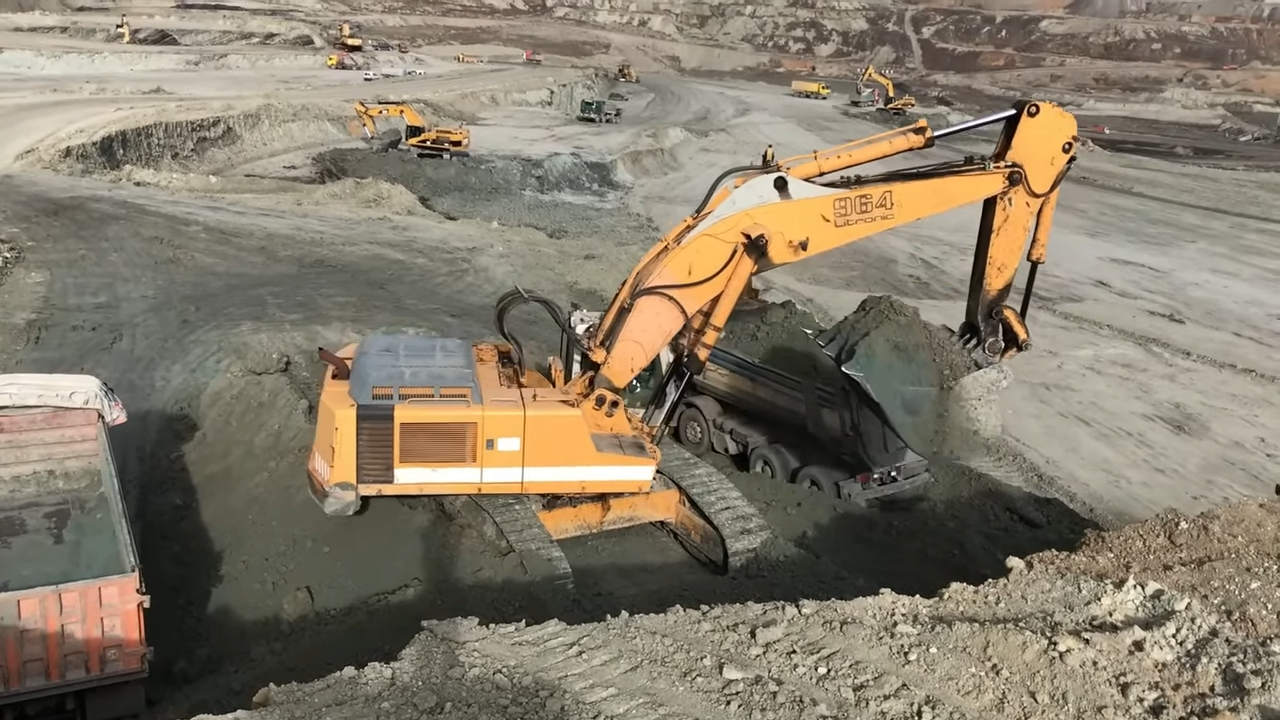
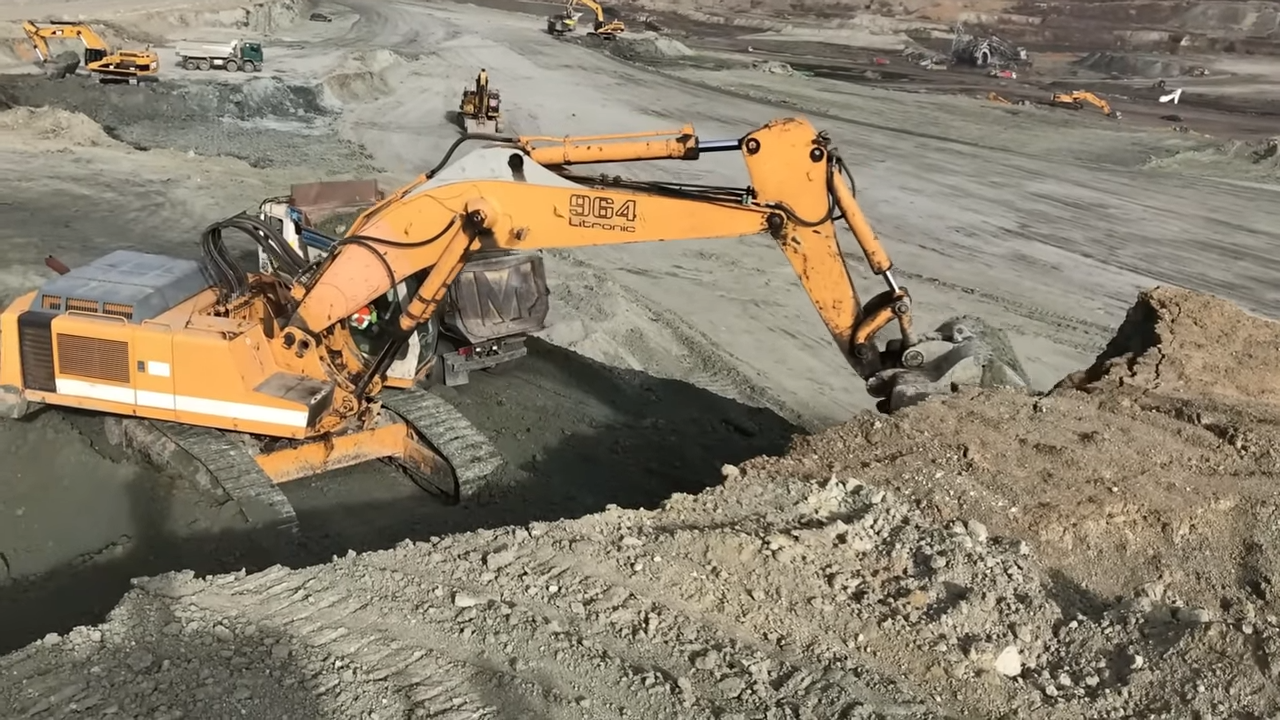
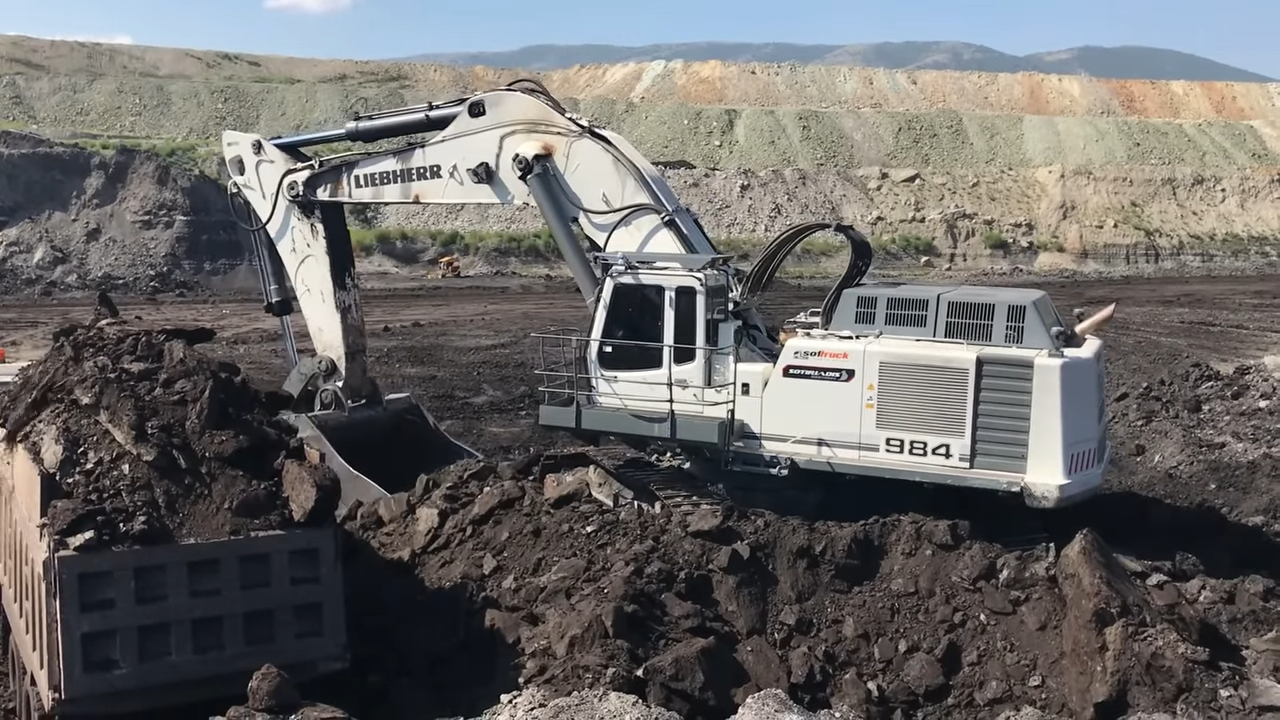
A large orange excavator is scooping up soil and loading it into a dump truck in an open-pit mine, with several other construction vehicles visible in the background

Preventive Maintenance Best Practices

Regular Inspections

Frequent visual inspections catch small problems before they escalate and are critical for preventive maintenance. Daily pre-operation checklists and monthly or weekly inspections based on schedules help spot fluid leaks, loose fittings, or abnormal noises/vibrations.

Trained technicians conduct thorough inspections quarterly or every 500 hours involving testing systems and replacing components as needed.

Monitoring Equipment Performance

Data from equipment computers and telematics systems is also leveraged to monitor machine performance over time. Fuel consumption, idle time, error codes, and service alerts help identify when maintenance is needed, such as low fluid pressure triggers.

This information, along with maintenance records, establishes repair and replacement trends for budgeting and planning.

Catching Issues Early

With regular inspections, monitoring, and scheduled maintenance, small problems can be caught and addressed proactively before triggering downtime. This prevents expensive emergency repairs and minimizes equipment out-of-service periods.

Overall, a preventive approach maximizes availability through reliable uptime.

Maintenance Record Keeping

Thorough documentation of equipment servicing history provides numerous benefits as outlined earlier. Comprehensive records aid in resale valuation, regulatory compliance, budget planning, and more.

Inspection and Task Logs

Inspection and task logs capture key details for each periodic check such as date, equipment ID, odometer reading, technicians, and tasks performed. Specifically logging completion of scheduled maintenance tasks proves due diligence and prevents omissions.

Conditional changes in components are also tracked over time through standardized records. Overall, inspection logs create an auditable history of all upkeep activities to optimize long-term equipment care.

Frequently Asked Questions (Heavy Equipment Fluid Management Tips)

Proper fluid management prevents component wear, extends machinery life, and reduces maintenance costs.
Check hydraulic fluids, transmission oil, diesel exhaust fluid (DEF), and engine oil regularly.
Fluid analysis identifies contaminants early, preventing damage and minimizing repair costs.
Proactive maintenance prevents issues from escalating, ensuring optimal equipment performance.
Operators should follow recommended service intervals, wear protective gear, and adhere to safe handling procedures.

Equipment Rental Maintenance Checklist

Mediapayperlead-com December 9, 2024

Equipment Rental Maintenance Checklist

Meta Description: Regular inspections and maintenance with a comprehensive checklist control equipment condition, optimize safety, and reduce unexpected repairs for rental companies.

Rental companies should regularly inspect their equipment following the manufacturer’s guidelines. This prevents potential issues and maintains reliable, safe equipment for customers. Managers can use maintenance checklists to methodically examine equipment parts and functionality. Addressing defects quickly optimizes equipment conditions and avoids costly repairs. Thorough inspections and timely maintenance are key for heavy equipment rental businesses to control operations.

Key Takeaways

  • Regular equipment maintenance reduces downtime and ensures safety.
  • Thorough inspections help identify potential defects before they escalate.
  • Cleaning and sanitizing equipment uphold hygiene standards.
  • Adhering to manufacturer guidelines extends the lifespan of rental equipment and maintains a reputation for reliability.

Rental Equipment Maintenance Checklist

Start by examining the exterior condition of your rental equipment for any signs of wear or damage.

Next, check the interior condition to ensure everything is clean and in proper working order.

Lastly, verify the functionality, fluids filters, and safety components to guarantee the equipment is reliable and safe for use.

Exterior Condition

How can you ensure your rental equipment’s exterior is in top shape?

Start by checking the tire condition for safety and operability. Look for adequate tread depth and any signs of damage. Remove foreign objects that could jeopardize safety.

A visual inspection of vehicle lights is critical; confirm that headlights, taillights, turn signals, and brake lights function correctly for visibility and to avoid safety concerns.

Examine the undercarriage to catch leaks or damage from debris, maintaining the integrity of your well-maintained equipment.

For hydraulic systems, check for leaks and hose condition.

Don’t forget a thorough engine review, including oil level and air filter, to ensure your clean equipment performs safely and efficiently.

Interior Condition

After ensuring the exterior of your rental equipment is in optimal condition, shift your attention to the interior to maintain a safe and comfortable operating environment. Start with a thorough inspection checklist.

Check the HVAC system for functionality; it’s essential for operator comfort and safety. Ensure air filters are clean to prevent dust and particulates from circulating inside the cabin.

Test all controls and gauges to confirm they’re in working order. Don’t overlook the importance of checking for any signs of wear and tear on the seats and safety belts. Any interior damage or malfunction can affect the operator’s ability to control the equipment safely.

Functionality

To ensure your rental equipment operates smoothly, routinely verify its functionality as part of your maintenance checklist. Preventative maintenance keeps your gear working properly and minimizes equipment downtime.

Here’s what you need to inspect:

Basic Inspection

  • Check for any visible damage or wear.
  • Ensure all controls are responsive.

Specific Checks

  • Engine Inspection: Examine oil levels, spark plugs, and air filters.
  • Safety Features: Confirm that the safety equipment in the cab is present and functional.

Fluids and Filters

Ensuring your rental equipment’s fluids and filters are properly maintained is crucial for optimal performance and longevity. You’ve got to check fluid levels regularly, including engine oil, coolant, and hydraulic fluid, to keep things running smoothly. Don’t forget to inspect and swap out filters as necessary.

Your air, oil, and fuel filters are your first line of defense against contaminants. Adhere to the manufacturer’s instructions on when to replace these critical components.

Keep an eye on the fuel system for leaks or damage, and monitor the transmission fluid’s condition, replacing it if needed. Remember, maintaining hydraulic filters is one of your key maintenance responsibilities.

It’s not just about keeping your equipment in top shape—it’s about taking control of your machinery’s health.

Safety Components

Regularly inspecting safety components like tires, lights, and the undercarriage is key to keeping your rental equipment safe and fully operational. Your proactive approach to safety equipment inspection ensures working conditions and wards off emergency repairs.

Verify Tires and Lights

  • Check for adequate tread depth and tire pressure.
  • Ensure lights are functioning correctly for visibility.

Inspect Undercarriage and Hydraulics

  • Look for signs of wear or damage.
  • Confirm hydraulic systems are leak-free and responsive.

Electronics

Before operating your rental equipment, it’s essential to thoroughly check the electronics to prevent malfunctions and maintain optimal performance. Inspect each electronic component for signs of wear or damage, ensuring all connections are secure and intact.

Testing the equipment under actual working conditions includes electrical, mechanical, and safety checks. Make sure all electronic parts are functioning correctly. If there’s a malfunction, provide a detailed description to avoid hefty repair costs later.

Regular maintenance and servicing are your best defenses against unexpected downtime. Don’t forget to clean electronic interfaces, connectors, and internal components. By taking these steps, you’ll ensure your equipment remains reliable, safe, and ready for the job.

Essential Components of a Rental Maintenance Checklist

Before renting out equipment again, ensure it’s up to the task with a comprehensive maintenance checklist.

Start with a visual inspection for any obvious damage, followed by functionality tests to ensure everything operates as it should.

Don’t overlook the importance of routine cleaning and maintenance, and address any repairs immediately to keep your gear in top condition.

Visual Inspection

To ensure your rental equipment remains in prime condition, begin with a thorough visual inspection, targeting areas most susceptible to wear and potential damage. Here’s what you should focus on:

Inspecting for Wear and Damage

  • Check for cracks, dents, or corrosion.
  • Look for signs of excessive wear on moving parts.

Identifying Safety Hazards

  • Ensure there are no faulty wirings or loose components.
  • Verify that all safety guards are in place and intact.

As you maintain your rental equipment, don’t overlook the importance of removing any debris that could hinder performance or cause damage.

Functionality Tests

Having completed a visual inspection of your rental equipment, performing functionality tests to confirm that all vital components operate correctly is crucial. These tests are a key part of your maintenance checklist and are vital to your rental business. When renting equipment, ensuring its fully operational condition safeguards your reputation and customer productivity.

Check each piece of equipment methodically—start the engine, operate the controls, and verify that all features perform as expected. This step pinpoints any malfunctions and helps prevent potential breakdowns during use. Regular functionality tests are non-negotiable; they contribute to the safety, reliability, and control that your clients expect when they choose your service.

It’s your proactive approach to maintenance that sets you apart.

Cleaning and Maintenance

After thorough functionality tests, ensure your equipment’s longevity and peak performance by implementing a rigorous cleaning and maintenance routine. This is crucial to reducing downtime and ensuring safety.

Here’s what you need to focus on:

Cleaning

  • Remove debris and dirt from common areas where grime accumulates, preventing malfunctions.
  • Sanitize control panels and touchpoints to uphold hygiene standards.

Maintenance Work

  • Inspect and replace worn-out parts to maintain operational integrity.
  • Lubricate moving components to prevent wear and tear.

Repairs

Ensure you promptly address any identified issues by repairing or replacing faulty components as part of your regular equipment maintenance routine.

Regular, thorough inspections allow you to pinpoint potential defects before they escalate into costly repairs.

When you test equipment under operational conditions, you’re ensuring its performance, safety, and good condition.

Keeping your equipment clean is equally vital, as it can prevent many issues from arising.

Always update the equipment’s status in your rental software system to keep track of necessary repairs.

This proactive approach to maintenance ensures your rental equipment remains reliable for your customers. It helps you maintain control over your maintenance expenses.

Developing a Rental Equipment Maintenance Checklist

To create an effective rental equipment maintenance checklist, start by involving your team, particularly those who work closely with the equipment.

Ensure you’re consulting the manufacturer’s guidelines to address specific maintenance requirements.

Lastly, consider the type and frequency of use for each piece of equipment, as this will influence the maintenance tasks you include on your checklist.

Involve Relevant Staff

Gather your team of technicians and operators to kick off the development of a comprehensive rental equipment maintenance checklist. You know these folks understand the daily grind and can pinpoint the routine tasks to keep your gear running smoothly.

Technicians

  • Inspection Expertise: Identify critical points prone to wear and tear. Suggest preventive measures for common issues.
  • Tool Mastery: Recommend the right tools for each maintenance task. Demonstrate proper use to avoid mishaps.

Operators

  • Daily Use Insights: Share experiences on equipment stress points. Help tailor the checklist to real-world conditions.
  • Efficiency Ideas: Offer tips to streamline maintenance procedures. Highlight time-saving practices for routine checks.

Involve your staff; they’re your eyes and ears on the ground, ensuring your equipment maintenance checklist isn’t just thorough but practical.

Review Manufacturer Guidelines

Delving into the manufacturer’s guidelines is crucial, as it provides the blueprint for maintaining each type of rental equipment according to precise standards. These guidelines are your ace in the hole for grasping the specific maintenance needs and timelines that the manufacturer recommends. By adhering to these instructions, not only do you ensure that the machine operates at peak performance, but you also safeguard its warranty.

Incorporating manufacturer guidelines into your checklist is a non-negotiable. It’s the smart way to align your repair protocols with the expectations of those who created the machinery. This due diligence translates into longer life spans for your rental fleet and bolsters your reputation for providing reliable, well-maintained equipment.

Consider Equipment Type and Use

Building on the foundation of manufacturer guidelines, it’s vital to tailor your maintenance checklist to the specific types of equipment and their intended uses. Your maintenance checklist should address the unique demands of each equipment type and how it’s used, ensuring longevity and reliability. Here’s how you can consider specific needs:

Frequency of Inspections

  • High-use equipment: Increase inspection regularity to prevent wear-and-tear issues.
  • Seasonal tools: Schedule inspections post-season and before peak usage.

Key Inspection Areas

  • Heavy machinery: Prioritize undercarriage, hydraulics, and engine checks.
  • Vehicles: Focus on tire condition, lights, and cab integrity.

Adapt your approach to your equipment’s use and specific needs, maintaining control over your rental inventory’s condition and performance.

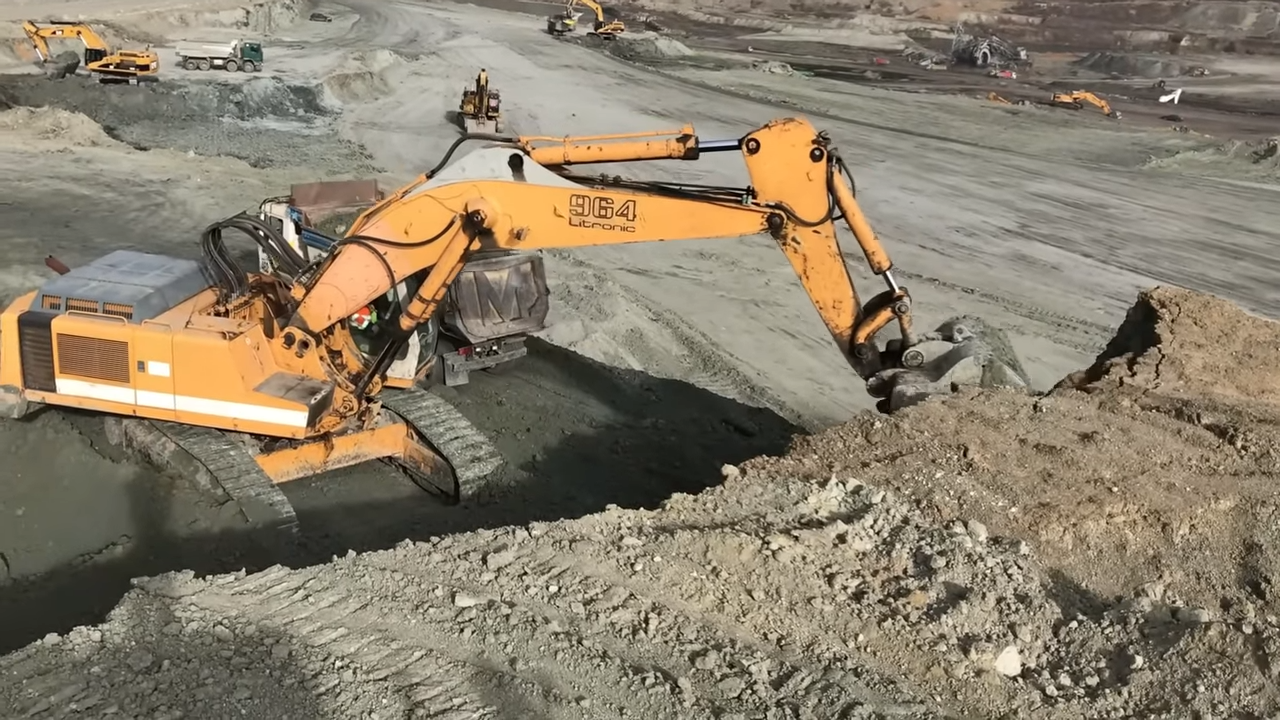
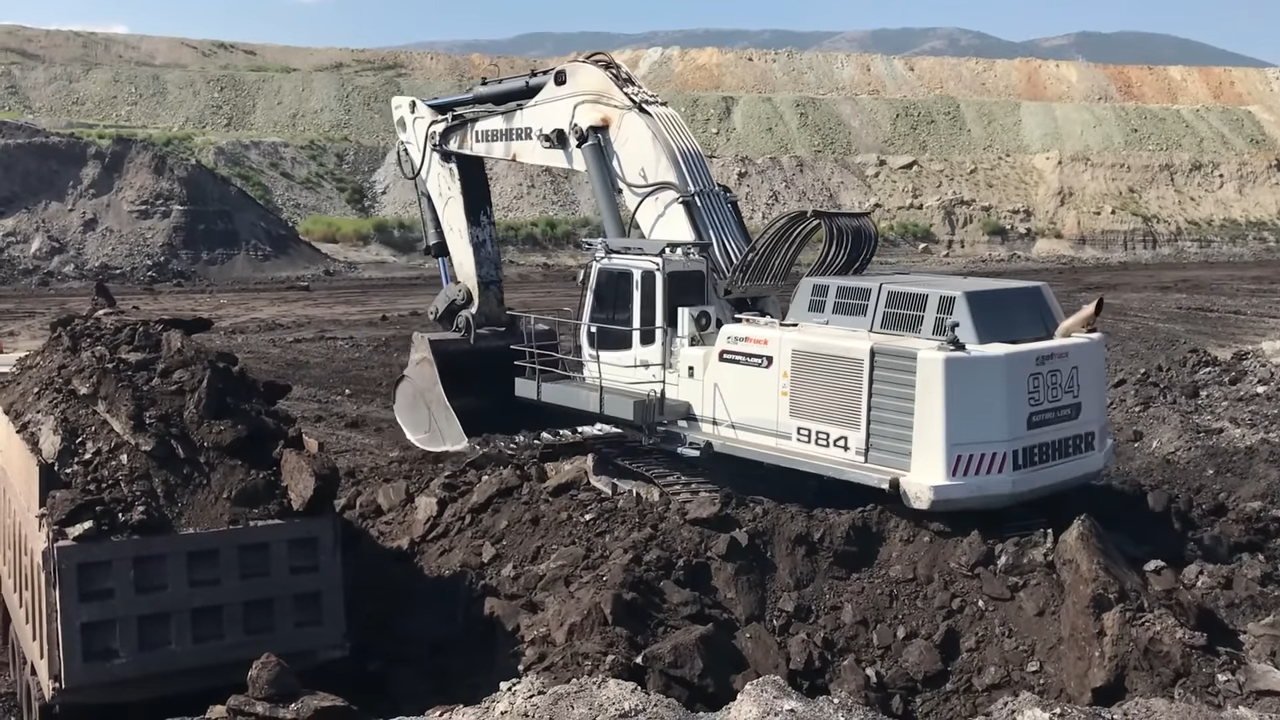
A large orange excavator with 964 Litronic written on its arm is digging and moving dirt at a construction site, with several other heavy machinery and trucks in the background

Benefits of a Rental Maintenance Checklist

By adopting a rental maintenance checklist, you’re not just ticking boxes; you’re significantly enhancing the safety of your equipment.

This proactive measure extends the life of your assets and elevates the service you provide to customers.

Plus, it’s a surefire way to cut unexpected repairs and downtime costs.

Improved Safety

As directed by a rental maintenance checklist, regular maintenance, and thorough inspections significantly enhance safety for equipment operators and nearby personnel. By sticking to a well-defined checklist, you’re not just ticking boxes but actively preventing mishaps and ensuring a safe work environment.

Here’s how:

Prevent Accidents

  • Identifies potential defects
  • Ensures equipment operates safely

Reduce Hazards

  • Keeps smoke alarms functional
  • Maintains air conditioning to prevent overheating
  • Secures windows and other structures from damage
  • Clears away other debris that could cause injury

Increased Equipment Lifespan

Implementing a rental maintenance checklist can significantly extend the life of your equipment, ensuring it remains functional and reliable for longer periods. Adhering to a landlord maintenance checklist keeps your rental property’s equipment in top shape, staving off the wear and tear that can lead to premature failure. This proactive approach doesn’t just save money on costly emergency repairs; it also means you’re less likely to face the expense of replacing equipment before its time.

In the long run, a well-maintained inventory translates to operational efficiency and uninterrupted service, which is crucial for retaining tenants and maintaining a positive reputation. Take control of your equipment’s destiny—regular maintenance isn’t just a recommendation; it’s an investment in the longevity of your rental business.

Enhanced Customer Service

Ensuring your equipment is meticulously maintained with a checklist not only streamlines your operations but also elevates the service experience for your customers. Here’s how:

  • Avoid misunderstandings: Ensures customers and tenants are on the same page.
  • Saves money: Prevents unexpected costs for both parties.
  • Thorough inspections: Keeps equipment in top condition, enhancing customer satisfaction.
  • Engine checks: Guarantees reliability, so tenants and property managers trust your service.

Utilizing equipment rental software like Quipli’s integrates inventory and scheduling, offering you control and your customers seamless service.

Reduced Costs

A well-executed maintenance checklist slashes costs by nipping potential equipment failures before they balloon into pricier problems. By adhering to a rental maintenance checklist, you’re taking a proactive approach to equipment care. This vigilance ensures that you catch issues early on, which translates to reduced costs from avoiding large-scale repairs.

Regular inspections and timely interventions keep your rental equipment in optimal condition, staving off the need for expensive replacements. Investing a little in routine maintenance now can save you a lot, keeping your budget in check and your rental operations running smoothly.

Inspection Process and Procedures

Establishing a clear inspection process is vital to maintain the reliability of your rental equipment.

Begin by assigning responsibilities to ensure each piece of equipment undergoes a thorough check; then, set a regular schedule that aligns with usage patterns and maintenance needs.

Conduct a detailed review of all parts during the inspection, perform necessary repairs or replacements, and meticulously record every detail for future reference.

Assign Responsibilities

Define clear roles and responsibilities for team members involved in the inspection process to guarantee efficiency and accountability.

In the rental industry, the equipment maintenance checklist is a pivotal tool that ensures your assets remain in top condition, adhering to the lease agreement standards.

When you assign responsibilities, consider the following:

  • Inspector: Conducts thorough checks and reports issues.
  • Maintenance Coordinator: Schedules repairs and confirms completion.
  • Oversight Team: Reviews inspection outcomes and enforces lease agreement compliance.
  • Quality Assurance: Monitors the consistency and thoroughness of inspections.

Regular updates to these roles are critical to adapting to the evolving demands of your rental business.

Ensure everyone understands their tasks and the importance of their role in maintaining the value and safety of your equipment.

Set Schedule

Having assigned specific roles to team members, it’s crucial to establish a regular schedule for equipment inspections that aligns with the responsibilities and ensures consistent upkeep. Your set schedule should reflect a systematic approach, considering how often each piece of rental equipment is used and the length of rental periods.

Define clear processes and procedures that standardize maintenance evaluations, ensuring your team knows exactly what to look for during each inspection. This structured approach lets you proactively pinpoint and resolve maintenance issues, minimizing the risk of unexpected and costly repairs.

Conduct Thorough Inspection

Ensure you thoroughly inspect the rental equipment before its next use to prevent breakdowns and avoid expensive repairs. Here’s how to assess such equipment effectively:

  • Before each rental: Guarantee functionality and safety.
  • Weekly: If daily isn’t feasible, especially for high-use items.

Check specific components:

  • Tire Condition: Look for wear and proper inflation.
  • Vehicle Lights & Hydraulics: Ensure operational integrity.
  • Undercarriage: Examine for damage or excessive wear.

Adhere to the manufacturer’s service manual for detailed inspection procedures and record all findings meticulously. Remember to perform partial inspections regularly for long-term rentals to maintain ongoing functionality.

Make Repairs and Replace Parts

Following your comprehensive inspection, promptly address any identified defects by repairing or replacing parts to maintain the equipment’s optimal performance and safety. Test the equipment under operational conditions and tackle issues immediately. Take action if you find malfunctioning electrical, mechanical, or hydraulic components. Ensure all moving parts and connections work flawlessly to avoid any operational hiccups.

For vehicles with hydraulic equipment, conduct an engine examination. Check the oil level, spark plugs, and air filter, and verify that the cab’s safety equipment is functional. Regular care and preventative maintenance are your best strategies to keep the equipment reliable, minimize downtime, and sidestep expensive repairs.

Record Details

To create a reliable maintenance history, document every detail of your equipment’s inspection process, noting the date, inspector’s name, and any specific observations. Your rental business depends on the integrity of your equipment, and meticulous record-keeping is crucial.

Frequently Asked Questions (Heavy Equipment Fluid Management Tips)

Proper fluid management prevents component wear, extends machinery life, and reduces maintenance costs.
Check hydraulic fluids, transmission oil, diesel exhaust fluid (DEF), and engine oil regularly.
Fluid analysis identifies contaminants early, preventing damage and minimizing repair costs.
Proactive maintenance prevents issues from escalating, ensuring optimal equipment performance.
Operators should follow recommended service intervals, wear protective gear, and adhere to safe handling procedures.

How to Plan for Rental Equipment Damage?

Mediapayperlead-com December 9, 2024

How to Plan for Rental Equipment Damage?

Meta Description: Understand the importance of planning for equipment protection and types of insurance coverage to minimize risks and financial impacts. Explore insurance options, risk assessment strategies, and communication with rental companies.

Renting construction equipment is often essential for businesses to save costs and meet project demands. However, rental equipment damage can cause project delays and additional expenses.

Rental equipment damage refers to physical damage, wear, or malfunction sustained by rented machinery, including construction and heavy equipment, affecting its performance and safety.

In this blog post, we will talk about how to plan for rental equipment protection and types of rental equipment insurance. So, without getting into any additional detail, let’s head away.

Key Takeaways:

  • Proper planning for rental equipment damage is crucial to minimize risks and financial impacts.
  • Understanding insurance options, risk assessment strategies, and communication with rental companies is essential.
  • Types of rental equipment insurance coverage include general liability, commercial property, inland marine, equipment breakdown, business interruption, workers’ compensation, commercial auto, umbrella liability, and rental equipment damage waivers.
  • Tips for choosing the right rental company include research, clarifying expectations, training, inspection, protective measures, regular maintenance, documentation, insurance, negotiations, and having a backup plan.
  • Risk assessment and prevention strategies involve comprehensive risk identification, safety protocols implementation, and documentation and record-keeping.
  • Communication with rental companies is important for transparent reporting, clarifying liability and responsibilities, negotiating favorable terms, and establishing open communication for swift resolution.
  • Contingency planning and legal and contractual considerations are crucial for minimizing project delays and preventing disputes.

Importance of Planning for Rental Equipment Damage

Planning for rental equipment damage is crucial for minimizing potential risks, and financial impacts, and maintaining customer satisfaction. Understanding insurance options, risk assessment strategies, documentation, and communication with rental companies can help businesses prepare for sudden equipment breakdowns or accidents.

Types of Rental Equipment Insurance Coverage

Here are some common types of rental equipment coverage, including:

1. General Liability Insurance

General Liability Insurance protects businesses from third-party claims arising from bodily injury, property damage, and personal or advertising injury. This coverage is essential for equipment rental companies as it covers incidents that may occur at the rental facility or on a customer’s job site.

2. Commercial Property Insurance

Commercial Property Insurance covers the rental facility and its contents, including the rental equipment. This type of insurance protects businesses from losses resulting from events such as fire, theft, vandalism, or natural disasters.

3. Inland Marine Insurance

Inland Marine Insurance, also known as equipment floater insurance, covers rented equipment during transit and while in use at the job site. This type of policy is crucial for rental businesses because it provides protection for equipment that is not covered by general liability or commercial property insurance.

4. Equipment Breakdown Insurance coverage:

Equipment Breakdown Insurance covers the costs of repairing or replacing rented equipment that has suffered a mechanical or electrical breakdown. This policy is particularly beneficial to companies renting out heavy machinery or specialized equipment, as repairs can be costly.

5. Business Interruption Insurance

Business Interruption Insurance compensates businesses for lost income due to disruptions caused by covered events, such as equipment failure or property damage. This insurance is critical for rental companies, as it helps maintain financial stability during periods of downtime and recovery.

6. Workers’ Compensation Insurance

Workers’ Compensation Insurance provides coverage for medical expenses and wage replacement for employees injured while on the job. This type of insurance is mandatory in most states and is essential for equipment rental businesses to protect their employees and meet regulatory requirements.

7. Commercial Auto Insurance

Commercial Auto Insurance covers vehicles owned or leased by the rental company and used for business purposes. It provides coverage for property damage and bodily injury caused by company vehicles, including those used to transport rented equipment.

8. Umbrella Liability Insurance

Umbrella Liability Insurance provides additional coverage beyond the limits of underlying policies, such as general liability or commercial auto insurance. This coverage can protect equipment rental companies from catastrophic losses and large claims that exceed the limits of their primary policies.

9. Rental Equipment Damage Waivers

Rental Equipment Damage Waivers offer protection to businesses renting out equipment by transferring responsibility for the cost of repairs or replacement to the renter in case of damage or theft. These waivers can be added to rental agreements, offering an added layer of protection for equipment rental companies and limiting financial exposure.

Choosing the Right Insurance Policy

Companies should consider factors such as rental fleet size, job sites, types of equipment rented, and the frequency of equipment use to choose the most appropriate insurance policy. Specialists in the equipment rental industry recommend customizing insurance policies to accurately balance risks and costs.

Tips on How to Choose the Best Rental Company

Here are some tips and tricks to apply when dealing with rental equipment:

  • Rental Equipment Choosing: Research and network extensively to find reliable rental companies. Choose a rental company with quality equipment and great customer service. Check reviews or request client references before making a decision.
  • Clarify Expectations: Make sure you understand the rental contract and all the terms and conditions before signing. If you don’t understand something, don’t hesitate to ask for clarity.
  • Training: If employees operate the rented equipment, ensure they are well-trained and comfortable with its operation. Misuse due to a lack of understanding can lead to unnecessary damage.
  • Inspection: Always inspect the equipment before and after rental. This allows you to check for any existing damage before taking possession and make sure the equipment returns in good condition at the end of the rental period.
  • Protective Measures: Take all necessary precautions while using the machinery to decrease the chances of damage. This includes using appropriate safety gear and following correct operational guidelines.
  • Regular Maintenance: Perform regular maintenance checks and tasks like oil changes to prevent damage before it happens.
  • Documentation: Keep all documentation related to your rented equipment organized and easily accessible. This includes rental contracts, maintenance records, and any other paperwork that may be useful in the event of a dispute or insurance claim.
  • Insurance: Investigate and invest in a suitable insurance policy that covers potential damages to the rented equipment. This will shield your business from unnecessary financial burden.
  • Negotiations: Be prepared to negotiate your terms with the rental company. This could be in terms of price, length of rental, or terms within the contract. Consider greater flexibility in terms when you are offering long-term engagement.
  • Back-Up Plan: Have a backup plan in case of equipment failure. This could be having spare equipment on-site or an agreement with the rental company for immediate replacement in case of a breakdown.
  • Open communication: Maintain open lines of communication with your rental company. This is especially crucial if problems arise.

Risk Assessment and Prevention

Here are some risk assessment and prevention including:

1. Comprehensive Risk Identification:

  • Human Error and Employee Training

Human error is a significant factor influencing risk in equipment rental. Investing in employee training and emphasizing safety can help reduce mistakes that can lead to accidents, damage, or equipment malfunction.

  • Equipment Malfunction and Maintenance Strategies

Regular maintenance and preemptive repairs are vital in preventing equipment malfunctions that could cause accidents or delays. Implement a comprehensive maintenance strategy to minimize the risk of unexpected failures.

  • Environmental Factors and Mitigation Measures

Environmental factors, such as extreme weather conditions or challenging terrain, can pose risks to rented equipment. Identifying these factors beforehand allows businesses to implement mitigation measures, such as reinforcement or protective gear, to minimize potential damage.

  • Theft and Vandalism Prevention

Theft and vandalism can incur considerable financial losses for businesses. Implementing security measures, such as surveillance cameras or secure storage facilities, can help deter criminal activity.

2. Safety Protocols Implementation:

  • Regular Equipment Inspections

Conducting regular equipment inspections helps identify potential issues in their early stages, preventing costly repairs or accidents. Implement a strict inspection schedule and follow-through to maintain the safe operation of your equipment.

  • Maintenance Routines for Longevity

Adhering to maintenance routines enhances equipment longevity and prevents untimely breakdowns. Ensure that all maintenance tasks, such as oil changes and component replacements, are carried out according to recommended schedules.

  • Ensuring Safety Protocols on Varied Job Sites

Different job sites present unique hazards and challenges. Ensure that safety protocols are adapted and implemented accordingly to keep employees and equipment safe in various environments.

  • Addressing Uneven Ground and Hazardous Environments

Uneven ground and hazardous environments pose specific risks to equipment and operators. Address these challenges with stabilizing equipment, proper signage, and thorough operator training.

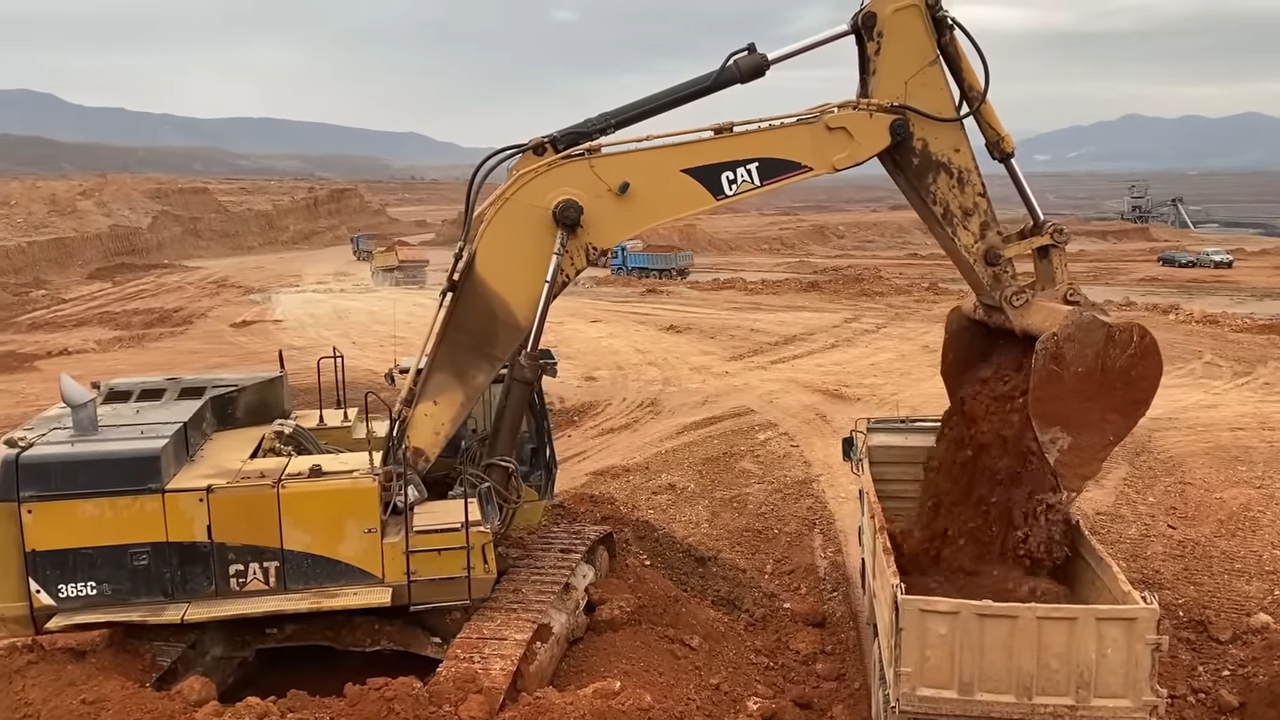
A large orange excavator with 964 Litronic written on its arm is digging and moving dirt at a construction site, with several other heavy machinery and trucks in the background

Documentation and Record-Keeping

1. The Significance of Inspection and Maintenance Logs

Inspection and maintenance logs are invaluable in tracking equipment performance and managing maintenance schedules. They also serve as proof of proper care during insurance claims or audits.

2. Streamlining Incident Reporting Procedures

Efficient incident reporting procedures allow for swift attention to potential issues, minimizing downtime, and ensuring timely repairs or replacements. Incorporate streamlined procedures to improve response times and simplify the reporting process for employees.

3. Ensuring Thorough Documentation of Damage and Loss

Accurate documentation of equipment damage and loss is crucial for insurance claims and dispute resolution. Maintain detailed records, including photographs and repair estimates, to support your claims.

4. Record-keeping for Future Reference and Audits

Consistent record-keeping allows businesses to have a clear understanding of their equipment’s performance, maintenance needs, and operating costs. These records also prove invaluable during audits or future planning.

 Communication with the Rental Companies

1. The Importance of Transparent Reporting

Transparent reporting helps foster trust between businesses and rental companies. By openly sharing information about equipment usage, damage, and maintenance requirements, both parties can work together more effectively to address issues.

2. Clarifying Liability and Responsibilities

Clear communication of liability and responsibilities helps prevent misunderstandings and disputes. Ensure that both parties understand their obligations to avoid costly conflicts.

3. Negotiating Favorable Terms and Conditions

Transparent communication and a solid working relationship can help secure more favorable terms and conditions for equipment rental agreements. Renegotiate existing contracts if needed, using open lines of communication and a strong rapport.

4. Establishing Open Communication for Swift Resolution

Open communication encourages swift issue resolution, minimizing equipment downtime and project delays. Establish clear channels for communication to ensure that both parties can address concerns and problems quickly.

Contingency Planning

1. Developing an Effective Emergency Response Plan

An emergency response plan outlines the steps to take during equipment failure, accidents, or other unforeseen situations. Develop a plan that prioritizes employee safety, equipment protection, and timely incident response.

2. Ensuring Backup Equipment Availability:

Having backup equipment on standby minimizes project delays in case of unexpected failures or accidents. Plan for equipment redundancy, particularly for critical components, to avoid costly downtime.

3. Financial Planning to Handle Unexpected Costs:

Unexpected equipment costs can cause financial strain on businesses. Establish a contingency fund to handle unexpected repair or replacement expenses and ensure smooth operations.

4. Minimizing Project Delays through Comprehensive Contingency Plans:

A well-rounded contingency plan, including backup equipment, emergency response procedures, and financial planning, can minimize project delays and keep operations running smoothly.

Legal and Contractual Considerations

  • The Critical Role of Rental Agreement Reviews:

Rental agreements outline crucial details like liability, responsibilities, and usage terms. Thoroughly reviewing these agreements helps businesses understand their obligations, rights, and restrictions, avoiding legal disputes.

  • Ensuring Understanding and Compliance:

Misunderstanding the terms of a rental agreement can lead to costly consequences. Double-check that all involved parties fully understand and comply with the terms to avoid legal conflicts and financial setbacks.

  • Seeking Legal Advice in Uncertain Situations:

In complex or ambiguous situations, seeking legal advice can prevent misinterpretations and potential legal trouble. Consult an attorney specializing in equipment rental contracts for guidance.

  • Preventing Disputes through Informed Contractual Practices

By understanding rental agreements and adhering to their terms, businesses can prevent legal disputes and maintain a productive relationship with the rental company. Practice informed decision-making and consult legal experts when needed, to ensure a smooth equipment rental process.

Frequently Asked Questions (Heavy Equipment Fluid Management Tips)

Proper fluid management prevents component wear, extends machinery life, and reduces maintenance costs.
Check hydraulic fluids, transmission oil, diesel exhaust fluid (DEF), and engine oil regularly.
Fluid analysis identifies contaminants early, preventing damage and minimizing repair costs.
Proactive maintenance prevents issues from escalating, ensuring optimal equipment performance.
Operators should follow recommended service intervals, wear protective gear, and adhere to safe handling procedures.

How Much Is Heavy Equipment Insurance?

Mediapayperlead-com December 9, 2024

How Much Is Heavy Equipment Insurance?

Meta Description: Learn about the average costs of insuring heavy machinery like bulldozers and excavators with heavy equipment insurance and what factors determine pricing for this important coverage.

Insuring heavy machinery is an important consideration for any contractor or construction business. This article will provide detailed information about typical heavy equipment insurance costs and the various factors that impact pricing. We’ll examine the types of coverage available like general liability, commercial auto insurance and workers compensation. Additionally, this guide will explore options for reducing insurance costs and ensure your valuable equipment and business are properly protected.

Key Takeaways

  • Heavy equipment insurance provides coverage for costly machinery like bulldozers, excavators, cranes that are used in construction and other industries.
  • The cost of heavy equipment insurance depends on factors like the type of equipment, value, business size, safety record, and deductible chosen.
  • In addition to coverage for owned equipment, additional policies like equipment breakdown and rental insurance offer extra protection.
  • General liability, commercial auto, and workers compensation are other important insurances to consider for a contractor’s overall protection.
  • Bundling policies, raising deductibles, and maintaining strong safety practices are methods to potentially reduce insurance premium costs over the long-run.
  • Comparing quotes from multiple insurers while highlighting risk factors helps identify the most suitable and cost-effective heavy equipment insurance option.

Understanding Heavy Equipment Insurance

Heavy equipment refers to large, heavy-duty vehicles, machines, and attachments that are used for construction or industrial purposes. Some common types of heavy equipment include bulldozers, excavators, loaders, backhoes, cranes, graders, dump trucks, and other specialized machinery. Due to their size and operational use on worksites, insuring heavy equipment requires a specific policy known as heavy equipment insurance.

Why is heavy equipment insurance important?

There are several key reasons why it’s crucial for businesses that utilize heavy machinery to have this type of coverage. Heavy equipment represents a significant investment, with individual pieces often costing tens or even hundreds of thousands of dollars.

Heavy equipment insurance provides financial protection against theft or damage to expensive machinery. It also covers legal and medical costs in the event of accidents involving heavy equipment harming third parties or employees.

Without proper insurance, a business would be financially responsible for repairs, medical bills, liability claims, and other costs out of pocket if such incidents occurred. Additionally, many lenders require borrowers to carry heavy equipment insurance on machinery purchased with financing. Not maintaining the necessary coverage could result in loan default.

What types of equipment qualify as heavy machinery?

Heavy equipment insurance considers a wide variety of vehicles and attached tools that are commonly used in construction, mining, forestry, agriculture, and other industries. Some examples of heavy equipment that would be covered include:

  • Bulldozers
  • Excavators
  • Loaders
  • Backhoes
  • Dump trucks
  • Graders
  • Cranes
  • Drills
  • Mixers
  • Compactors
  • Pavers
  • Tillers
  • Log skidders
  • Harvesters
  • Tractors
  • Attachments like buckets, blades, hammers, shears, augers

The size, weight, and function of the machinery typically determines whether it requires heavy equipment insurance rather than regular commercial property coverage. Individual listing of serial numbers may also be necessary for high-value assets.

Factors that Impact Heavy Equipment Insurance Costs

Several key factors influence the cost of heavy equipment insurance. The type of equipment being insured, business size and industry, and safety measures/claims history all help determine appropriate pricing.

Type of Equipment

The type of equipment is a major consideration. Larger, more expensive machinery like bulldozers, excavators, cranes, and dump trucks typically cost more to insure versus smaller items like skid steers, tractors, or equipment attachments. The value of each individual piece of heavy equipment is assessed to calculate the total insured value.

Business Size and Industry

Business size and industry also impact pricing. Larger construction firms with multiple pieces of heavy equipment usually see higher premiums than sole proprietors with a single machine. Additionally, certain industries have greater inherent risks – for example, demolition or excavation companies may pay more than landscapers.

Safety Measures and Claims History

Safety measures and claims history are important factors insurance providers analyze. Businesses with strong safety protocols like secure indoor equipment storage, regular maintenance checks, and operator training often qualify for discounts.

Carriers also consider a company’s past claims – those with a clean record of no accidents or losses will secure better rates than frequent filers. Maintaining good risk management practices can significantly reduce insurance costs over time.

Getting Quotes and Comparing Rates

Acquiring quotes from multiple insurers is essential for finding an affordable and comprehensive heavy equipment insurance policy. In addition to coverage for equipment itself, related insurance products should be evaluated.

General Liability Insurance

General liability insurance is a must-have. This protects against third-party injury claims and property damage lawsuits resulting from operating heavy machinery. It’s important to secure adequate liability limits tailored to your business needs, which can vary significantly depending on industry and job site risks involved.

Commercial Auto Insurance

Commercial auto insurance is another important coverage for contractors to consider, especially those transporting heavy equipment between worksites. This protects vehicles used for commercial purposes from accidents while equipment is being delivered or moved. Towing/recovery services for disabled trucks should be included.

Workers’ Compensation Insurance

Workers’ compensation insurance provides wage replacement and medical benefits to employees injured on the job. It also protects employers from liability resulting from work-related accidents. Given the hazardous nature of operating heavy equipment, verifying this coverage is in place helps mitigate risks for injuries.

When requesting quotes, be sure to disclose all relevant details about your business operations, equipment types and values, number of drivers, and other risk factors.

Compare pricing approaches – some insurers may offer higher liability limits at lower premiums. Paying premiums annually rather than monthly can also help save money. Thoroughly assessing policy inclusions and exclusions helps identify the most cost-effective option for your specific insurance needs.

Bundling multiple policies may provide additional discounts. With the right heavy equipment insurance in place, your business can focus on completing jobs safely and profitably.

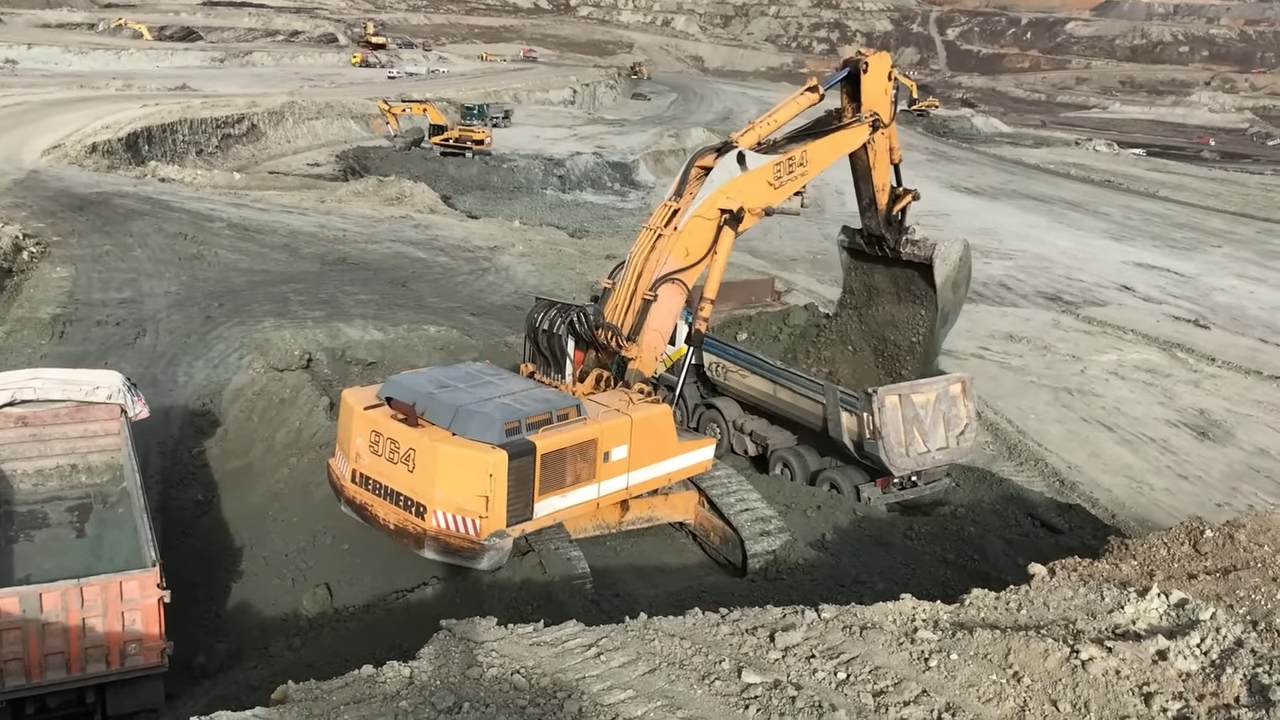
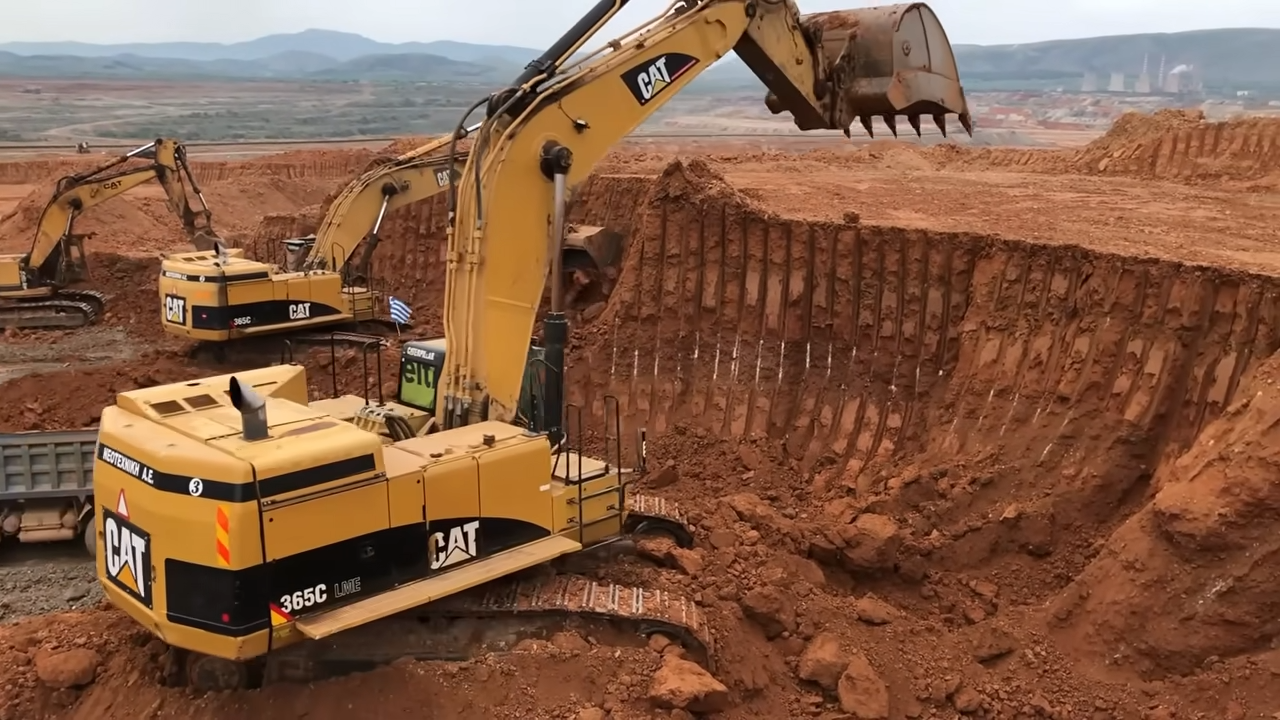
A large orange excavator with the number 964 on the side is scooping up dirt and depositing it into an open-top dump truck on a mining site

Additional Important Coverage Options

Beyond basic heavy equipment insurance, additional coverage options can provide further protection for your machinery and business operations. Equipment breakdown insurance and rental insurance for hired equipment are particularly valuable supplements.

Equipment Breakdown Insurance

Equipment breakdown insurance safeguards against mechanical and electrical issues. It covers repairs resulting from the sudden and accidental failure of equipment components, like busted hydraulic lines or a broken engine block. This helps offset expensive repair bills, avoiding financial hardship if a critical piece of machinery breaks down unexpectedly.

Rental Insurance for Hired Equipment

Rental insurance for hired equipment is also highly recommended for contractors who regularly rent equipment. It provides coverage for any liability or physical damage claims that occur while using a rented bulldozer, excavator, crane, or other machinery from a rental company.

Without this coverage, the equipment owner’s insurance would be primary in an incident. Rental insurance ensures your business isn’t held responsible for the full cost of repairs, protecting your bottom line.

Some key features of rental insurance include:

  • Liability coverage for bodily injury or property damage claims from third parties
  • Physical damage coverage to repair or replace the rented equipment if an accident occurs
  • Sometimes extra liability limits above your general liability or workers’ compensation policy
  • Coverage for towing and recovery services if a rented machine breaks down

Considering these additional options provides extra layers of protection when operating heavy equipment, whether it’s owned, leased, or rented.

The small additional premium helps safeguard your business from unforeseen repair expenses that could seriously damage cash flow and productivity. Comprehensive coverage is key for contractors managing risk in this high-stakes industry.

Ways to Potentially Save on Insurance Costs

There are a few key ways contractors can potentially save money on their heavy equipment insurance costs. Bundling multiple policies, increasing deductibles, and maintaining strong safety practices are common strategies used.

Bundling Multiple Policies

Bundling or combining multiple business insurance policies into a single package policy is one approach. Insurance providers typically offer package discounts when general liability, commercial auto, workers’ compensation, and heavy equipment coverage are bundled together. This consolidates premium payments and reduces overall administration costs.

Increasing Your Deductible

Increasing deductibles is another option to lower premiums. A deductible is the amount paid out of pocket by the policyholder before insurance coverage kicks in for a claim.

Opting for a higher deductible of say $1,000 instead of $500 means the contractor is responsible for the first $1,000 of any repair costs instead of $500.

While increasing risk, it lowers the annual insurance premium. Contractors must ensure higher deductibles can be financially accommodated if needed.

Maintaining a Strong Safety Record

Maintaining strong safety records and risk management practices provides significant opportunities to save. Insurers offer premium discounts for measures like secured indoor equipment storage, regular maintenance checks, operator training programs, and overall loss prevention protocols.

Not having any at-fault claims over the years is also factored in and rewards careful contractors with lower rates. Proactive safety significantly mitigates risks over the long run.

Comparing multiple quotes while highlighting bundled policies, deductible options, and safety procedures helps identify the most cost-effective heavy equipment insurance. Even small adjustments can meaningfully reduce premiums and improve cash flow for equipment-reliant businesses.

With diligent planning and risk management, contractors keep their operations protected at optimized insurance costs.

Frequently Asked Questions (Heavy Equipment Fluid Management Tips)

Proper fluid management prevents component wear, extends machinery life, and reduces maintenance costs.
Check hydraulic fluids, transmission oil, diesel exhaust fluid (DEF), and engine oil regularly.
Fluid analysis identifies contaminants early, preventing damage and minimizing repair costs.
Proactive maintenance prevents issues from escalating, ensuring optimal equipment performance.
Operators should follow recommended service intervals, wear protective gear, and adhere to safe handling procedures.

The Essential Heavy Equipment Insurance Guide: Protect Your Investments

Mediapayperlead-com December 9, 2024

The Essential Heavy Equipment Insurance Guide: Protect Your Investments

Meta Description: A contractor guide on how construction equipment insurance protects expensive machinery from damage and liability risks on job sites – covers standard policies, costs, and tips.

For many contractors, there are common risks for their equipment on job sites. Rented equipment and contractors’ equipment can be damaged or even cause damage, for which the contractor can be held liable.

Contractors must insure their equipment, especially more expensive equipment, during the policy period to protect against these common risks of damage caused on job sites. Insurance can help ensure contractors are covered for their own and rented equipment in case of accidents or damage.

Key Takeaways

  • Construction equipment insurance is vital for safeguarding heavy machinery and tools from unforeseen damage, acting as a financial safety net for construction projects, and protecting physical assets.
  • Getting insurance for construction equipment offers peace of mind and financial security, as it covers the replacement cost of machinery and ensures the continuity of construction projects.
  • Construction equipment insurance provides various benefits, such as protecting valuable assets, maintaining control over the business’s financial health, providing confidence to focus on the construction business, and ensuring compliance with industry regulations and contracts.
  • The coverage provided by construction equipment insurance typically includes protection against damages from accidents, theft, and vandalism, covers costs for repairs or replacements, includes loss of income coverage, provides protection for rented or leased equipment, and offers financial assistance for project delays.

What is Construction Equipment Insurance?

Construction Equipment Insurance protects your heavy machinery and tools from unforeseen damage, as a crucial financial safety net for your construction projects. It’s designed to protect your physical assets, providing you with the peace of mind to focus on the job.

The scope of insurance coverage varies with each provider, so you must understand what’s included. This type of equipment insurance is particularly vital for independent contractors and self-employed workers in the construction industry, who mightn’t have the same resources as larger firms to recover from setbacks.

With the right policy, you’ll have control over your financial exposure, ensuring that your construction equipment is covered against the unexpected.

Why Get Insurance for Construction Equipment?

You’ve invested heavily in your construction equipment, and protecting these valuable assets from potential risks is crucial.

Insurance offers you peace of mind, ensuring you can recover from accidents, theft, or natural disasters without a financial setback.

Additionally, it’s often a legal requirement to have proper coverage, safeguarding you against liability and compliance issues.

Protect Valuable Assets

Securing insurance for your construction equipment is a strategic move to shield your business from the financial impact of unexpected damages and losses.

Heavy equipment insurance acts as your financial protection, covering the hefty replacement cost of machinery that could otherwise cripple your cash flow.

Whether you’re an industrial contractor or a small business owner, equipment coverage is a practical way to ensure that sudden repair bills don’t derail your projects.

It’s crucial to understand that policies may vary, especially concerning borrowed or rented gear. Ensure you’re clear on the details to keep all your assets, from hand tools to heavy machinery, under the safety net of your insurance plan.

This way, you can maintain control over your business’s financial health.

Peace of Mind

While securing your valuable assets is a crucial step, it’s equally important to consider the peace of mind that comes with having comprehensive insurance for your construction equipment.

Knowing that your machinery is protected against unforeseen events, like theft, accidental damage, or natural disasters, allows you to focus on your construction business without worrying about financial ruin due to these risks.

An equipment insurance policy is a robust safety net, especially for independent and self-employed workers who rely heavily on their equipment. Coverage options vary with each insurance provider, ensuring you can tailor your policy to suit your needs.

Invest in an equipment insurance policy and gain the confidence to operate your construction business with full control over the unpredictable.

Meet Legal Requirements

Meeting legal requirements is a fundamental reason to secure insurance for your construction equipment. This ensures compliance with industry regulations and contractual obligations. As a construction company owner, you know that operating heavy equipment comes with potential liabilities. An insurance policy isn’t just a safety net—it’s often a legal necessity for construction projects. It shields you from legal consequences from accidents or damage involving your machinery.

What Does Construction Equipment Insurance Typically Cover?

When navigating the risks of a construction project, it’s crucial to understand what your equipment insurance policy covers. Typically, it includes protection against damages from accidents, theft, and vandalism and covering the costs for repairs or replacements.

Additionally, the insurance may cover loss of income and protect for rented or leased equipment, ensuring you’re safeguarded on multiple fronts.

Damage from Accidents, Theft, Vandalism

Understanding the scope of construction equipment insurance is crucial, as it typically covers accidental damage, theft, and vandalism, ensuring that your financial investment in heavy machinery is protected. Here’s what you should expect from your policy:

  • Coverage for repair or replacement costs of damaged or stolen equipment.
  • Financial protection against the theft of construction tools and machinery.
  • Equipment breakdown insurance for malfunctions due to accidents.
  • Compensation is based on the actual cash value of the stolen equipment.
  • Assistance with expenses stemming from project delays due to vandalism or accidents.

This practical insurance offers you control over unforeseen incidents that could otherwise derail your operations and finances. It’s a layer of security that speaks to the unpredictability of the construction environment.

Costs of Repairs and Replacements

While your policy safeguards against the unexpected, it’s equally important to know it typically covers the costs of repairing or replacing your heavy equipment after incidents like accidents or theft. Insurance policies are designed to cushion your business from the financial strain of damaged equipment. They usually provide replacement cost value, ensuring you can acquire new or equivalent machinery without dipping into company funds.

Moreover, coverage can extend to lost income due to business interruption, which includes project delays. However, remember that routine wear and tear, intentional damage, and breakdowns from electrical or mechanical issues aren’t covered.

With the right insurance, you can manage clean-up costs and debris removal, keeping your operations running smoothly and protecting financial stability.

Loss of Income

Navigating through the aftermath of equipment damage and loss of income coverage is a financial safeguard, helping your business recoup lost profits due to project delays or unexpected operational halts. When you’re armed with the right equipment insurance policies, you’re better equipped to handle the monetary consequences of unforeseen events.

Here’s what this coverage typically includes:

  • Compensation for business interruption and lost income due to equipment failure.
  • Coverage for profits lost due to project delays caused by natural disasters.
  • Funds to cover the cost of rental equipment while your own is out of commission.
  • Coverage for additional expenses incurred while securing replacement equipment.
  • Financial protection against the ripple effects of operational disruptions.

Gain control over the unforeseen and ensure your business’s financial stability with loss of income coverage.

Rented or Leased Equipment

Before you sign on the dotted line for that excavator or bulldozer, knowing how your construction equipment insurance policy treats rented or leased gear is crucial.

The specifics vary, as each insurance agency sets its own rules for coverage of borrowed or leased equipment. A written agreement is typically necessary to confirm insurance protection for rented items.

Some policies differentiate between equipment you’ve borrowed from a partner and gear you’ve rented from a dealer. It’s essential to check with your policy provider for exact coverage details on rented or leased equipment.

Operators and Employees

When securing construction equipment insurance, confirming that your policy extends coverage to include the operators and employees who use and operate the machinery is essential. Not only does this protect your workers, but it also shields you from liability for accidents caused by or involving your equipment.

Here’s what you’ll typically find covered:

  • Injuries to operators and employees while on the job
  • Damage to third-party property caused by employees
  • Legal defense costs for claims related to employee accidents
  • Medical expenses and rehabilitation for injured workers
  • Loss of income if equipment operation is suspended due to an employee accident.

Natural Disasters

Construction equipment insurance typically covers the repair or replacement costs of damage from natural disasters like storms, hail, and wildfires. When a natural disaster strikes, your expensive equipment can suffer significant damage. This insurance is designed to provide coverage that mitigates the financial strain of such events. It includes the costs to repair or replace your machinery. It covers lost income, project delays, and expenses for clean-up and debris removal.

However, remember that certain perils like floods and earthquakes require additional coverage. Standard policies usually exclude normal wear and tear, intentional damage, and electrical or mechanical breakdowns. Ensuring your insurance matches the scale and nature of your operations is crucial to maintaining control over your investments when disaster hits.

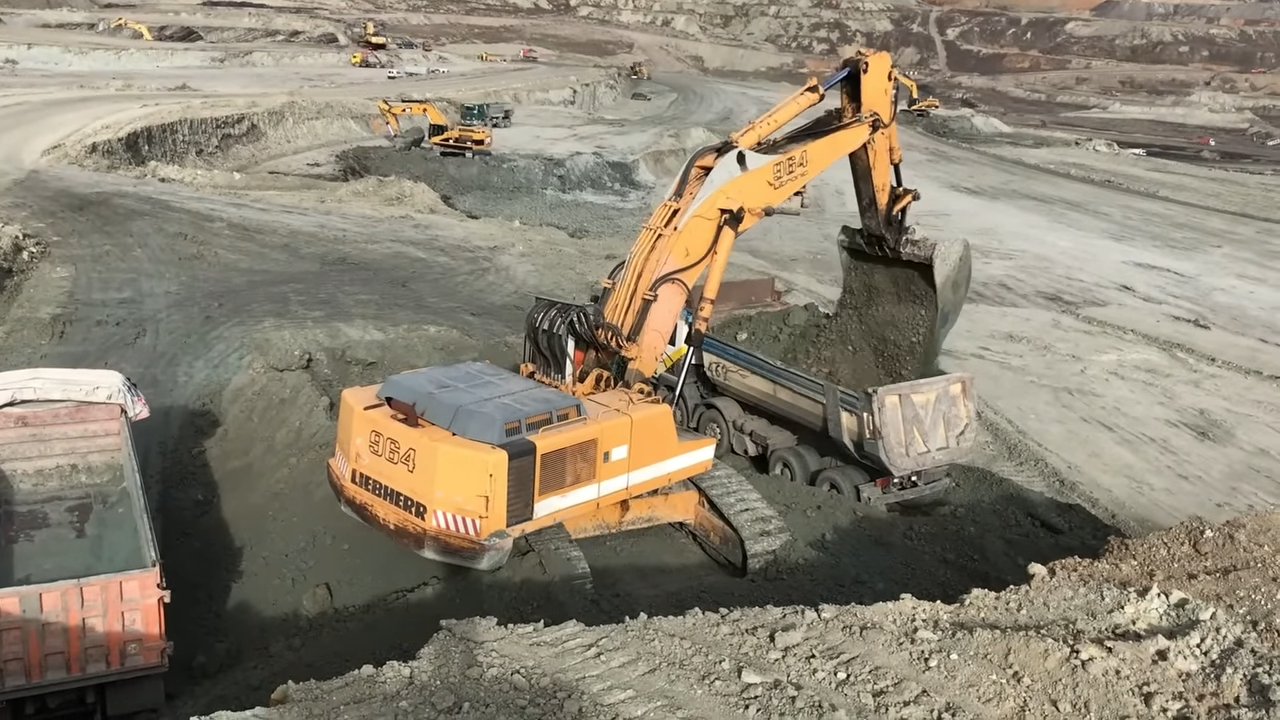
A large orange excavator with the number 964 on the side is scooping up dirt and depositing it into an open-top dump truck on a mining site

How Much Does Construction Equipment Insurance Cost?

You’re likely wondering how much you’ll need to budget for construction equipment insurance. The cost can fluctuate significantly, depending on the value of your equipment, the risks associated with its use, and the coverage you choose.

Factors like your chosen deductible and the specific premiums set by your insurer will also play a crucial role in determining your expenses.

Depends on Equipment Value and Risks

Assessing the value and associated risks of your heavy equipment is crucial in determining its insurance cost. Various factors will influence what you’ll pay for protection:

  • Type of Equipment: Excavators might cost more to insure than compactors due to their size and functionality.
  • Age and Condition: Newer models in good condition may attract lower premiums.
  • Intended Use: Equipment used daily in harsh conditions carries more risks.
  • Location: Where you store and operate your machinery affects insurance costs.
  • Coverage Details: Choosing higher deductibles can reduce your premiums but increase out-of-pocket costs if an incident occurs.

Deductibles and Premium Costs

Considering the value and risks associated with your heavy equipment, it’s crucial to understand how deductibles and premium costs will affect your insurance expenses.

You’ll pay deductibles out of pocket before your insurance kicks in after a claim. Opting for higher deductibles can result in lower premiums. Still, choosing an amount you can comfortably afford is vital if an incident occurs. Conversely, lower deductibles might ease your mind during a claim, but expect to pay higher premium costs.

The equipment’s value, age, and risk level influence your policy period’s premium costs. It’s essential to strike a balance that safeguards your investment without straining your finances.

Carefully weigh these options to maintain control over your insurance strategy.

Tips for Buying Construction Equipment Insurance

When purchasing insurance for your construction equipment, you must ensure every piece you own is covered to avoid significant financial losses.

Pay close attention to policy limits and exclusions to understand precisely what’s protected and what isn’t.

Always choose a reputable insurance provider to guarantee robust support and reliable coverage for your valuable assets.

Insure All Owned Equipment

To ensure comprehensive protection for your construction business, securing insurance for all owned equipment, from heavy machinery to business tools and safety supplies is crucial.

Here’s a quick guide to keep in mind:

  • Inland Marine Insurance: Safeguard your equipment while in transit or stored off-site.
  • Comprehensive Coverage: Protects against theft, accidental damage, and natural disasters.
  • Physical Damage Insurance: A must-have for heavy machinery susceptible to work-related risks.
  • Replacement Cost Basis: Ensures you can replace your tools and equipment without depreciation concerns.
  • Policy Exclusions: Be aware of what’s not covered, such as wear and tear or neglect.

Review Policy Limits and Exclusions

After securing insurance for all your equipment, it’s essential to carefully review policy limits and exclusions to ensure your coverage meets the specific needs of your construction business. Policy limits define the maximum amount an insurer will pay for a claim, so confirm they’re high enough to cover the full value of your equipment.

With exclusions, you’ll understand what risks aren’t covered, like certain natural disasters, accidents, or theft scenarios. Evaluating whether your heavy machinery, tools, and other assets protect against these risks is crucial.

Moreover, check for any limitations on specific types of equipment that mightn’t be fully covered. As your business evolves, make it a practice to reevaluate your policy regularly.

This way, you’ll maintain control over your insurance strategy and adapt coverage to align with changes in your equipment inventory and risk exposure.

Buy from a Reputable Provider

Choosing a reputable insurance provider is crucial for effectively safeguarding your construction equipment investments. You want a partner that understands the high value at stake and the unique risks construction companies face.

When you’re selecting a provider, consider these key points:

  • Research the provider’s reputation and customer reviews.
  • Verify their financial stability and claims handling record.
  • Seek recommendations from industry professionals.
  • Look for a strong track record in construction equipment coverage.
  • Ensure they comprehend the specific needs of your existing policy or future coverage.

Opting for a provider with a robust understanding of construction equipment, from ownership to leasing firm requirements, means you’ll have confidence in your insurance protection and more control over your assets.

Keeping Track of Insured Equipment

As you manage your insured equipment, it’s crucial to maintain an up-to-date inventory system.

You must conduct regular policy reviews to ensure your coverage matches your current equipment roster.

Whenever you add or remove an item, promptly update your policy to reflect these changes.

Inventory System

To effectively manage your heavy equipment insurance, it’s crucial to implement a robust inventory system that tracks all insured items, ensuring swift action in the event of a claim. A well-maintained inventory system protects against theft and loss, particularly on bustling construction projects.

Here’s what you should keep tabs on:

  • Hand tools and power tools
  • Heavy machinery
  • Clothing and protective gear
  • Miscellaneous equipment such as generators and lighting
  • The locations where tools and equipment are being utilized

This system helps you recover costs for theft or damage. It streamlines the process of reporting incidents to your insurance provider. It’s essential in maintaining control over your investments and minimizing disruptions to your construction projects.

Regular Policy Reviews

Regularly reviewing your heavy equipment insurance policy ensures that your coverage evolves alongside your inventory, keeping protection aligned with your current needs. As essential tools come and go, or their values change, you’ve got to adjust your policy to reflect these shifts. Whether you add new machinery or sell off older units, these reviews are crucial to maintaining up-to-date asset protection.

For construction businesses, the risk of damage from falling objects or other job site hazards is real. By performing regular policy reviews, you can ensure that blanket coverage remains comprehensive and cost-effective. Don’t let changes in your equipment lineup leave you underinsured.

Stay in control; make policy reviews a regular part of your risk management strategy.

Update When Adding or Removing Equipment

Building on the importance of regular policy reviews, keeping your insurance provider promptly informed is essential whenever you add or remove equipment from your inventory. As a rental company or owner of heavy equipment, these updates ensure you’re fully protected and not paying for coverage you don’t need.

Use this checklist to maintain control:

  • Notify your insurer immediately when purchasing new equipment.
  • Remove coverage for equipment that’s sold or no longer in use.
  • Review your policy regularly to reflect inventory changes.
  • Keep an accurate list of all insured equipment.
  • Confirm your policy adjustment to avoid gaps in coverage.

Staying on top of these tasks will protect your investments and help you manage your insurance premiums effectively.

Frequently Asked Questions (Heavy Equipment Fluid Management Tips)

Proper fluid management prevents component wear, extends machinery life, and reduces maintenance costs.
Check hydraulic fluids, transmission oil, diesel exhaust fluid (DEF), and engine oil regularly.
Fluid analysis identifies contaminants early, preventing damage and minimizing repair costs.
Proactive maintenance prevents issues from escalating, ensuring optimal equipment performance.
Operators should follow recommended service intervals, wear protective gear, and adhere to safe handling procedures.

Useful Tips for Safety During Equipment Transport

Mediapayperlead-com December 9, 2024

Useful Tips for Safety During Equipment Transport

Whether you are preparing to transport heavy equipment or need guidance on safely loading, securing and unloading machinery, this guide covers the essential steps.

From inspecting your trailer bed and equipment tie-down points to properly securing the load to prevent shifting, you will learn how to safely handle every stage of transporting heavy machinery and minimize risks of equipment damage during the entire loading, securing and unloading process.

Key Takeaways

  • Conduct a thorough inspection of equipment before transport to ensure it is in good working condition and to identify any potential safety hazards.
  • Follow the owner’s manual for safety guidelines, including securing moving parts, tying down components, and addressing any sensitive parts of the equipment.
  • Adhere to the trailer’s load capacity rating and distribute the load evenly to maintain proper weight balance and avoid unsafe conditions.
  • Practice safe driving practices, such as planning your route in advance, adhering to traffic laws, maintaining stability during turns and stops, and regularly inspecting your vehicle. Additionally, ensure safe unloading by inspecting lift points and tie-downs, using proper lifting techniques, and parking on stable ground.

Pre-Transport Checks And Preparations

Before you hit the road, it’s crucial to conduct a thorough inspection of your equipment.

Always review your owner’s manual for safety guidelines specific to your machinery, and make sure to evaluate your trailer’s load capacity to avoid overloading.

Properly prepare your equipment for transport by securing all moving parts and ensuring tie-down points are well-fixed to keep everything stable during the journey.

Inspect The Equipment

To ensure a safe transport, begin by consulting the owner’s manual for guidelines on preparing your equipment. Equipment manufacturers often provide specific precautions and steps to secure machinery properly.

Before moving anything, conduct a thorough inspection. Here’s what to look for:

  • Tire Pressure: Verify that the tire pressure on both your trailer and equipment meets the recommended levels to avoid blowouts or poor handling.
  • Tie-Down Points: Locate and inspect the tie-down points on the equipment. Use tie-downs with a Working Load Limit of at least 5,000 pounds, and check them for any signs of wear or damage.
  • Personal Protective Equipment: Always wear appropriate personal protective equipment during the inspection and loading process to minimize the risk of injury.

Following these steps ensures you’re in control and ready for a secure transport.

Review Manual Safety Guidelines

Having inspected the equipment, you’ll next want to consult the owner’s manual for pre-transport safety guidelines to ensure every part of your machinery is properly prepared and secured. Proper planning involves reviewing specific instructions for securing moving parts, tying down components, and disconnecting battery and alarm systems.

Verify the trailer’s weight capacity, tire pressure, and brakes to comply with federal regulations and complete a risk assessment ensuring safe accommodation for your equipment’s weight and dimensions.

Prepare the trailer by clearing debris and addressing any oil spills, and create a smooth loading path. Follow the manual’s advice on covering sensitive parts of the equipment to protect against the elements.

Ensure cargo securement using the standard four tie-down points, and consider additional straps and wheel wedges for enhanced safety protocols.

Evaluate The Trailer’s Load Capacity

Ensure your trailer’s load capacity is adequate for the heavy equipment you plan to transport to prevent overloading and potential accidents. Before you begin loading equipment, consider these crucial steps:

  • Check the Trailer’s Rating: Verify the trailer bed’s load capacity rating against the combined weight of your equipment.
  • Adhere to Limits: Follow the manufacturer’s guidelines for the working load limit to ensure safe transportation.
  • Balance the Weight: Distribute the load evenly to maintain proper weight balance, crucial for safely driving heavy loads.

Always remember that the gross vehicle weight includes the trailer and its cargo. Ignoring these considerations could lead to unsafe conditions, risking both the equipment and your safety on the road.

Prepare The Equipment For Transport

After evaluating the trailer’s load capacity, it’s time to focus on prepping your equipment for transport. This process starts with a thorough review of the owner’s manual for specific securing and disconnection protocols.

Ensure you load heavy equipment safely by inspecting the trailer’s tire pressure and brakes. Clearing debris, cleaning oil, and lubricants off the ramp will facilitate proper loading.

To prepare the equipment for transport, disconnect batteries and alarms as recommended, and secure any moving parts.

Protect your machinery from the elements by following the manual’s guidance on covering sensitive components. Secure your cargo meticulously to avoid cargo securement violations. Utilize the correct tie-down points, add extra straps if necessary, and wedge wheels to prevent movement.

Double-check that everything is snug and secure before hitting the road.

Loading Equipment Safely

Before you start loading, ensure you’re using the correct lifting and loading techniques to prevent injury and damage to your equipment.

You’ll need to distribute the weight evenly across the trailer to maintain balance and stability during transport.

Once everything’s on board, secure the equipment firmly to avoid any movement that could lead to accidents on the road.

Use Proper Lifting And Loading Techniques

To minimize the risk of injury and ensure stability during transport, you should always use proper lifting techniques and evenly distribute the weight of heavy equipment when loading it onto a trailer. Here are a few steps to guide you through the loading process:

  • Always start with a clean ramp to prevent slips and falls; ensure it’s free from oil, grease, or debris.
  • As you safely load the equipment, check its center of gravity and position it to maintain even weight distribution.
  • Use tie downs to properly secure equipment, preventing any movement that could lead to a hazardous shift during transport.

Double-check every aspect before you hit the road. Your attention to these details will keep you in control and your equipment secure.

Distribute Weight Evenly On The Trailer

Continuing with equipment transport safety, it’s crucial to evenly distribute the weight across the trailer to maintain stability and control during your journey. Balancing the load between the trailer wheels is essential to prevent tipping and ensures that your transport vehicle remains safe on the road.

By properly securing equipment, you minimize strain on the trailer and avoid putting excessive pressure on any specific area.

Ensuring that the equipment’s weight is evenly spread across the trailer decks also helps in maintaining control of the transport vehicle, significantly reducing the risk of accidents. Remember, a balanced load is a safer load.

Secure The Equipment For Transport

When loading your equipment for transport, it’s essential to use the designated tie-down points to ensure the load is secured properly and in compliance with safety mandates. Improper cargo securement can lead to dangerous situations during loading and unloading, as well as while in transit.

Here’s what you need to focus on to prevent movement and secure your equipment:

  • Inspect Tie-downs: Before use, check for wear or damage. Replace any compromised securing devices immediately.
  • Use Edge Protection: Wherever straps or chains contact the equipment, ensure edge protection is in place to prevent wear and safeguard the tie-downs.
  • Secure at Appropriate Points: Attach tie-downs at the manufacturer’s recommended points to maintain control and avoid shifting during transport.

Transport Vehicle Preparation

Before hitting the road, you need to perform a thorough pre-trip inspection of your vehicle to ensure it’s in top condition for the journey.

Make sure your trailer lights are functioning correctly and that all necessary safety signs are clearly displayed to alert other road users.

Additionally, don’t forget to acquire any permits required for transporting your equipment to avoid legal complications en route.

Perform Pre-Trip Inspection Of Vehicle

To ensure a safe journey, start by conducting a thorough pre-trip inspection of your transport vehicle. It’s essential that your transportation vehicle is prepped and ready to carry the load securely. Here’s what you need to focus on:

  • Verify tire pressure, test brakes, and ensure the trailer and ramp are free of debris. These safety measures prevent potential mishaps.
  • Identify proper tie-down points for securing the transport equipment. If needed, use extra straps for reinforcement.
  • Consult the equipment’s owner’s manual for protecting sensitive parts from weather damage during transit.

Your driver expertise plays a crucial role in this process; a meticulous pre-trip inspection can be the difference between a smooth transport and an avoidable incident.

Ensure Trailer Lights And Safety Signs Are In Place

Having completed your pre-trip inspection for mechanical readiness, your next step is to check that all trailer lights are operational and the safety signs are clearly visible to ensure compliance and safety during transport.

As you prepare for heavy equipment transport, remember that the trailer lights are crucial for communicating with other drivers. Verify that turn signals, brake lights, and hazard lights are working correctly. This isn’t just a courtesy—it’s a requirement.

Inspect the reflective tape and placards to confirm they’re unobstructed and in good condition. These elements are essential for transporting heavy equipment, especially during low-light conditions.

It’s your responsibility to ensure that every aspect of your vehicle meets legal standards. By doing so, you’re taking control and prioritizing safety on the road.

Acquire Necessary Permits For Transport

Ensure you acquire all necessary permits and licenses for transporting heavy equipment to remain in compliance with legal requirements and maintain safety on the road. When preparing for heavy equipment transportation, especially if handling oversized loads, you’ve got to be meticulous. Here are the steps to follow:

  • Check Total Weight and Dimensions: Verify if your equipment exceeds standard weight and size limits, which would require special permits.
  • Review Transportation Route: Some routes may have restrictions or require additional permits, especially when crossing state lines.
  • Apply for Permits Early: Don’t leave this to the last minute. Apply for the necessary permits well in advance to avoid delays.
A large white excavator with the word Liebherr on its arm, scooping up a pile of dark soil in an open-pit mine with hills in the background

Safe Driving Practices

As you transport equipment, it’s crucial to plan your route in advance to avoid any unexpected delays or hazards.

You must adhere to all traffic and transportation laws to ensure not only your safety but also that of other road users.

Always exercise caution at turns and stops, and regularly check your load’s security throughout your trip to prevent any accidents.

Plan Your Route In Advance

Map out your route meticulously before transporting heavy equipment to circumvent roadblocks and comply with transportation laws. To ensure safe transport, keep these critical steps in mind:

  • Avoid Peak Hours: Schedule your journey to dodge heavy traffic, which can increase the risk of accidents and delays.
  • Scout for Potential Hazards: Identify areas with uneven terrain, low-hanging branches, or narrow roads that could hinder your passage en route.
  • Compliance with DOT Regulations: Confirm that your planned path adheres to all Department of Transportation guidelines, ensuring legality and safety for your oversized load.

Follow All Traffic And Transportation Laws

Adhering to traffic and transportation laws is crucial when transporting heavy equipment, as it keeps both you and other road users safe. Throughout the transportation process, respect speed limits and adhere to regulations designed for safe transportation.

When hauling heavy equipment, maintain a safe distance from other vehicles, avoid abrupt maneuvers, and stay vigilant. Proper signaling and the use of hazard lights are essential, especially when handling oversized heavy loads, to ensure others are aware of your presence.

Regular vehicle inspections are a must—confirm that brakes, tires, and lights are in top shape to handle the demands of the road. Also, comply with any special requirements, such as securing the necessary permits or arranging for escort vehicles, to facilitate a smooth and lawful journey.

Use Caution At Turns And Stops

When transporting heavy equipment, it’s essential to approach turns and stops with extra caution to maintain stability and prevent the load from shifting. Here are three key tips for safe driving practices:

  • Slow down well before turns and stops to minimize forward force, giving you better control and reducing the risk of equipment sliding.
  • Be aware of the heavy equipment’s center of gravity; engage the parking brake smoothly to counteract any sideways force that might tip the load.
  • Use clear signals to communicate with other drivers, ensuring they’re aware of your maneuvers, especially when carrying oversized loads.

Always check securing mechanisms like tie-downs after completing turns or stops to ensure safety remains uncompromised throughout the transport.

Monitor Load Security Throughout Trip

After carefully navigating turns and stops, it’s crucial to keep an eye on your load’s security as you continue your journey. As you transport moving heavy equipment, vigilance is key to preventing equipment damage. Regularly check and adjust tie-downs and securing devices. This isn’t just a one-time task during loading and unloading; it’s an ongoing responsibility.

Stay alert for signs of shifting or movement, indicating that your load may no longer be secure. Especially during accelerations and decelerations, load security can be compromised. If you notice any loosening, don’t hesitate to pull over safely to address the issue. Re-securing your load before continuing ensures the safety of your transport and everyone on the road.

Unloading Equipment Safely

When unloading equipment, always park on stable, level ground to minimize the risk of accidents.

Before you begin, inspect all lift points and tie-downs for signs of wear or damage to ensure they can support the load safely.

Use proper heavy lifting techniques, and check the equipment’s functionality before deploying it to prevent any unexpected malfunctions.

Park On Stable, Level Ground

Why risk an accident during unloading when parking heavy equipment on stable and level ground can ensure safety and prevent accidental movement? As you focus on safety during equipment transport, particularly with heavy construction equipment, remember that the unloading process is fraught with potential hazards.

Here’s what you should do:

  • Check Ground Stability: Before unloading, verify that the surface is firm and even. This single point prevents equipment damage and accidents.
  • Engage Wheel Chocks: Always use chocks or blocks, especially on surfaces that might seem deceptively secure.
  • Avoid Slopes: If a slope is unavoidable, take extra securing measures. But ideally, park on stable, level ground to maintain control and ensure the safety of both the equipment and personnel.

Inspect Lift Points And Tie Downs

Before unloading your equipment, it’s crucial to inspect all lift points and tie-downs for signs of wear or damage to ensure they can safely bear the load.

When dealing with heavy machinery or construction equipment, equip trucking with tie-downs that are robust enough to handle the significant upward force during transport. Verify that each tie-down point has the weight capacity to support your equipment without risk of failure. For added security, employ extra straps, particularly when loading larger items.

Additionally, coordinate with your hauling company to guarantee that your machinery is securely fastened, avoiding any movement that could compromise safety.

Use Proper Heavy Lifting Techniques

Having ensured that lift points and tie-downs are secure and ready for unloading, it’s equally important to practice proper heavy lifting techniques to prevent personal injuries. When the heavy equipment arrives, don’t underestimate the weight and complexity of large machinery. Use these steps to maintain control:

  • Bend at the Knees: Avoid back strain by bending at your knees, not your waist, keeping your back straight as you lift.
  • Wear Protective Gear: Equip yourself with gloves and steel-toed boots to safeguard against any rearward force or unexpected movements.
  • Team Communication: As a senior manager overseeing the load, ensure everyone knows their role and maintains clear communication throughout the process.

Mechanical aids should be used whenever possible to reduce physical strain. Prioritize safety above all to prevent accidents.

Inspect Equipment Before Using

Ensure you thoroughly inspect all equipment according to the owner’s manual guidelines before attempting to unload it from the trailer. Check the machinery’s integrity and secure all moving parts to avoid unexpected shifts during transit, especially when driving uphill where the risk of load destabilization is greater.

Verify the trailer’s weight capacity, tire pressure, and brakes to confirm they can handle the load safely. It’s crucial to remove any debris from the trailer and ramp, clean up oil spills, and create a clear path for safe unloading.

Protect sensitive components from extreme temperatures to prevent malfunction. Lastly, use the correct tie-down points, extra straps if necessary, and wedges to prevent the equipment from moving during transport.

Frequently Asked Questions (Heavy Equipment Fluid Management Tips)

Proper fluid management prevents component wear, extends machinery life, and reduces maintenance costs.
Check hydraulic fluids, transmission oil, diesel exhaust fluid (DEF), and engine oil regularly.
Fluid analysis identifies contaminants early, preventing damage and minimizing repair costs.
Proactive maintenance prevents issues from escalating, ensuring optimal equipment performance.
Operators should follow recommended service intervals, wear protective gear, and adhere to safe handling procedures.

Your Heavy Equipment Delivery Guide: Choosing the Best Delivery Services

Mediapayperlead-com December 9, 2024

Your Heavy Equipment Delivery Guide: Choosing the Best Delivery Services

This guide will help you safely and efficiently transport heavy equipment over long distances. With over a decade of experience moving heavy freight, companies can ensure your machinery is delivered securely using the appropriate transport vehicles.

Shipping specialists utilize removable gooseneck trailers, flat racks, dump trucks and vessels with larger container capacities to transport equipment across all modes of transportation.

Key Takeaways

  • Proven track record and experience in transporting heavy equipment is important when choosing a delivery company.
  • Assess the equipment and resources of the delivery company, including specialized trailers, permits, insurance coverage, and licensing.
  • Review the insurance coverage options and policy terms to ensure comprehensive protection for the equipment.
  • Properly prepare the equipment for transport by conducting a thorough inspection, securing the load, and checking for any potential hazards.

Choosing the Right Delivery Company

When selecting a delivery company for your heavy equipment, it’s crucial to consider their experience in the field.

You’ll want to check their equipment and resources to ensure they can handle your specific needs efficiently.

Additionally, always review their insurance coverage to protect your investment during transport.

Consider their Experience

Assessing a delivery company’s expertise in heavy equipment transport is crucial for ensuring your machinery arrives safely and efficiently. You want a service provider with a robust grasp of the transport industry, especially when dealing with oversize loads that require special permits and meticulous handling.

Here’s what to look for:

  • A proven track record in heavy equipment transport services.
  • Comprehensive knowledge of transport regulations and requirements.
  • Experience in handling a variety of heavy machinery types.
  • Reliable support and assistance during the entire shipping process.
  • A history of years successfully transporting heavy equipment.

Choose a company that not only talks the talk but has walked the walk. Your heavy machinery’s journey depends on their experience and ability to navigate the complexities of the transport industry.

Check Equipment and Resources

Ensure the heavy equipment delivery company you choose possesses the necessary tools and resources by conducting a thorough evaluation of their operational capabilities. Look for specialized trailers and equipment transport services tailored to handle the size and weight of your machinery.

It’s crucial to confirm that the heavy equipment transport company holds the necessary permits and proper insurance to safeguard your investment throughout the journey. Check their licensing to guarantee legality and delve into their service profile for credible feedback and testimonials.

When comparing costs, remember to weigh reliability and reputation as heavily as price. Opt for shorter moves with minimal transfers to minimize risks. Understanding the insurance policy details will give you peace of mind knowing your equipment is protected against unforeseen incidents.

Review Insurance Coverage

Before you commit to a heavy equipment delivery company, it’s crucial to scrutinize the insurance coverage they offer to safeguard your investment during transit. As you compare equipment shipping services, remember that the right transport company should provide appropriate insurance tailored to your heavy equipment’s value and specific needs.

  • Verify the shipping company’s insurance covers your equipment type and value.
  • Review policy terms to ensure comprehensive protection during transit.
  • Check for any exclusions that might affect coverage applicability.
  • Compare insurance coverage options across different transport companies.
  • Confirm the shipping company’s process for handling claims.

Selecting a transport company with the right insurance safeguards not just your heavy equipment, but also your peace of mind.

Preparing your Equipment for Transport

Before you ship your heavy equipment, it’s critical to thoroughly inspect and secure the load, ensuring everything is properly fastened and safe for transport.

You’ll also need to gather all necessary documentation, including permits and insurance papers, to comply with legal requirements.

Inspect and Secure the Load Properly

To safeguard your heavy equipment during transport, it’s crucial to thoroughly inspect and firmly secure the load, eliminating any loose parts or potential hazards. When preparing heavy equipment for transport, taking safety precautions can’t be overstated. You’re aiming for a smooth equipment hauling experience, particularly when dealing with an oversize load.

Here’s how to secure the load properly:

  • Use chains, straps, or binders to ensure the heavy equipment is tightly fastened to the trailer.
  • Check for any loose components that could shift or fall off during transit.
  • Apply padding or cushioning to protect against impacts.
  • Inspect the load from all angles to catch potential hazards.
  • Perform a final double-check to confirm the load is immobile and secure.

Provide Necessary Documentation

Gathering and organizing all necessary documentation, such as equipment manuals, transport permits, and insurance paperwork, is a critical step in preparing your heavy equipment for transport. Ensure every document is accurate and complete to prevent delays during the shipping process. It’s essential to verify if the destination has specific requirements for heavy equipment transport documentation and comply accordingly.

Always keep a copy of all paperwork for your records. This is crucial for both your peace of mind and for meeting the heavy equipment shipping needs of the transport services. The equipment shipping company will need access to these documents for inspection and verification.

Being thorough with documentation demonstrates control and facilitates a smoother transfer with your chosen heavy equipment shipping company.

Determine Equipment Dimensions and Weight

After ensuring all necessary documentation is in order, it’s crucial to measure your heavy equipment’s dimensions and weight accurately for a hassle-free transport. Here’s what you need to do:

  • Measure the width, height, and length of your equipment to determine the equipment dimensions.
  • Calculate the total weight of your equipment, including any attachments or accessories, to ascertain the equipment’s weight.
  • Verify that the dimensions and weight are within legal limits for heavy equipment shipping.
  • Use proper measuring tools for accuracy, ensuring you don’t underestimate the size or weight.
  • Choose the right specialized trailer based on the measured dimensions and weight to safely transport heavy equipment.

Understanding Transport Methods

You need to know which transport method fits your heavy equipment’s size and weight.

Flatbed trailers are ideal for smaller machinery, while step deck trailers accommodate slightly taller and heavier loads.

For particularly large or heavy items, specialized RGN trailers are your go-to option.

Overview of Flatbed Delivery

When choosing flatbed delivery for your heavy equipment transport needs, it’s essential to understand that flatbed trailers are best suited for smaller construction machinery with specific size and weight limits. The versatility of a flatbed truck makes it a popular choice for shipping heavy equipment that doesn’t exceed the dimensions and capacities it’s designed to handle.

Consider these key attributes when transporting heavy machinery via flatbed trailers:

  • Maximum weight capacity: 48,000 pounds
  • Height restrictions: up to 8 ½ feet tall
  • Ideal for smaller machinery like mini excavators and skid steers
  • Not suitable for oversized or excessively tall equipment

Step deck trailers offer an alternative for taller loads.

Step Deck Trailers

Understanding step deck trailers expands your options for transporting heavy equipment, offering greater flexibility in terms of cargo dimensions. These trailers can handle loads up to 48,000 pounds and accommodate heights reaching 10 feet, making them ideal for your mid-sized machinery like bulldozers and forklifts.

When you’re looking to transport heavy equipment safely, step deck trailers provide a reliable solution, especially for items too tall for flatbed trailers.

Loading your equipment onto these trailers may involve ramps, and it’s crucial to consider the angle—steep ramps can be a challenge for certain machines. For oversized loads that exceed the standard dimensions, consider flat rack containers as an alternative.

With step deck trailers, you’re equipped to move forward with confidence, knowing your cargo matches the versatility of your transport method.

Using Specialized Trailers

Selecting the right specialized trailer is crucial for the safe and efficient transport of your heavy equipment, ensuring that the dimensions and weight of your cargo are properly accommodated.

When it comes to equipment transportation, various specialized trailers offer unique advantages:

  • Flatbed Trailers: Best for equipment under 48,000 pounds and up to 8 ½ feet tall.
  • Step Deck Trailers: Adapt to taller cargo, supporting up to 10 feet in height.
  • Removable Gooseneck (RGN) Trailers: Handle long and tall freight, with some RGNs carrying over 150,000 pounds.
  • Double Drop Trailers: Designed for extra tall loads, offering significant height clearance.
  • Flat Rack: Ideal for oversized equipment or machinery that doesn’t require enclosure.

Educate yourself on these options to maintain control over your delivery needs.

Factors that Influence Cost of Transport

When you’re shipping heavy equipment, the distance your cargo travels significantly impacts the cost.

The larger and heavier your equipment, the more you’ll pay, as size and weight directly affect transportation fees.

Keep in mind, additional services, like expedited delivery, also play a crucial role in the final cost.

Distance to be Travelled

The distance your heavy equipment needs to be shipped plays a crucial role in determining the transport costs you’ll incur. When planning for heavy haul trucking to your final destination, consider the following factors:

  • Route Complexity: Complex terrain increases fuel use and logistical challenges.
  • Fuel Costs: Longer distances mean higher fuel expenses, affecting shipping costs.
  • Transport Method: Certain distances may necessitate specialized transport vehicles.
  • Time and Labor: More distance can equal more time and labor, driving up costs.
  • Shipping Zones: Costs vary between shipping zones determined by zip codes.

Understanding these elements is crucial, especially for international shipments where distances are greater. Taking control of these factors helps you manage the costs and choose the best delivery service for your needs.

Size and Weight of Equipment

Understanding how the size and weight of your heavy equipment directly affect transport costs is essential for effective budgeting.

When moving heavy machinery or large machinery, you’re not just shipping an item; you’re coordinating a heavy haul that often requires specialized trailers and meticulous handling.

The larger and heavier your equipment, the more complex and costly the transportation becomes. Overweight loads may lead to the need for permits, pilot cars, and careful route planning, all adding to your expenses. Additionally, heavier items typically consume more fuel and necessitate stringent safety measures, further influencing your bill.

Additional Services Required

Beyond the physical dimensions and weight of your heavy equipment, various additional services can significantly influence the total cost of transportation. When selecting the optimal transport provider, consider how the following factors can impact your budget:

  • Freight Density: Requires specialized handling equipment for safe pickup and delivery.
  • Priority: Demands for expedited shipping can drive up costs, particularly during seasonal surges.
  • Freight Brokers: Utilizing their services can lead to cost savings and smoother logistics.
  • Insurance: Ensuring adequate coverage for high-value or fragile equipment is essential.
  • Destination: Longer distances and complex overseas routes necessitate reliable heavy haulers.

Always verify that you’re working with a licensed shipping company, and don’t forget to factor in the potential need for pilot cars for oversized loads.

Time of Delivery

When planning your heavy equipment’s journey, keep in mind that delivery time can significantly affect transport costs. If you’re facing tight deadlines, expedited shipping will ensure your equipment arrives on time, but be prepared for higher costs.

Choosing a heavy equipment shipping company that offers direct routes can reduce the time of delivery and potential expenses.

Consider the shipping methods available. Opting for standard delivery over specialized transport when feasible can control costs while still meeting your needs.

To avoid unnecessary charges, plan ahead and allow for a flexible delivery schedule whenever possible. Always communicate your time requirements clearly to the heavy equipment delivery service to ensure they align with their capabilities and pricing structures.

A large white Liebherr 984 excavator digging through a pile of dark soil in a mining area with a hilly background

Requirements for Safe Transport

You must adhere to safety regulations and secure the necessary permits before transporting heavy equipment.

Selecting the right attachment points is crucial to ensure your machinery is safely anchored during transit.

It’s essential to not just trust, but verify the shipping company’s capability to handle your equipment with care.

Following Safety Regulations

Ensuring your chosen shipping company strictly adheres to safety regulations is crucial for the secure transport of heavy equipment. You’ll want to make sure they’re not cutting corners when it comes to safely transport your valuable machinery. Here’s what you should look out for:

  • Proper permits and licenses demonstrating they’re qualified for heavy equipment shipment.
  • A clear understanding of safety protocols, including those from the manufacturer’s manual.
  • Comprehensive insurance coverage for your equipment while in transit.
  • A track record of safe handling and unloading containerized cargo.
  • Commitment to following all regulations set by transport authorities.

Choosing shipping services that prioritize these aspects gives you control and peace of mind throughout the delivery process.

Obtaining Necessary Permits

Before transporting heavy equipment, it’s essential to research and secure the necessary permits, ensuring compliance with all legal requirements for safe transit. You’ll need to confirm that your shipping company holds the proper credentials for heavy hauling. This includes having up-to-date licenses and certifications specific to the task.

Don’t overlook the importance of state or local permits when you ship heavy equipment. Each jurisdiction may have unique requirements based on the equipment’s weight, height, and width. Acquiring permits for oversized loads is critical to avoid legal complications.

Furthermore, be aware of any route restrictions. Your heavy equipment delivery guide should include a plan for navigating through areas that may require special permits, guaranteeing a smooth and lawful transport process.

Choosing Secure Attachment Points

Selecting a shipping company with robust and reliable attachment points is crucial for the safe transport of your heavy equipment. When you’re looking to have your equipment delivered, it’s not just about getting it from point A to point B; it’s about ensuring it’s delivered safely.

To guarantee this, you’ll want to:

  • Confirm that the shipping company’s attachment points meet industry safety standards.
  • Verify the capability of these points to handle the specific weight and dimensions of your equipment.
  • Check the condition of the attachment points to avoid any transport risks.
  • Choose shipping companies that provide detailed assurances regarding their secure attachment points.
  • Ensure all attachment points are thoroughly assessed for reliability before your heavy equipment is shipped.

Ensuring a Smooth Heavy Equipment Transport Experience

To ensure your heavy equipment transport goes off without a hitch, it’s crucial to establish clear communication with the shipping company about your expectations.

Make sure you can track your order in real-time to stay informed of its progress every step of the way.

Also, confirm that the company offers support for unloading your equipment if you’ll need assistance upon delivery.

Clear Communication of Expectations

Ensure you clearly articulate your expectations and needs to the transport company to facilitate a smooth delivery of your heavy equipment. In your heavy equipment delivery guide, emphasize the importance of choosing the best delivery services that value clear communication of expectations. Here’s what you should convey:

  • Detailed equipment specs: dimensions, weight, and special handling needs.
  • Specifics on delivery timeline and destination requirements.
  • Clear insurance coverage terms and responsibilities.
  • Preferences for updates and communication frequency.
  • Procedures for addressing concerns or changes.

Real-time Order Tracking

Monitoring your heavy equipment’s journey becomes effortless with real-time order tracking, as it provides continuous updates on the whereabouts and status of your shipment. When choosing a shipping company, confirm they offer real-time GPS tracking. This feature ensures you’re informed about the exact location of your equipment, eliminating guesswork and anxiety.

Opt for a delivery service that not only transports your freight safely but also empowers you with a user-friendly platform for tracking. This level of transparency is crucial for a smooth transport experience, giving you control and peace of mind.

A delivery service that includes real-time order tracking reduces uncertainties and enables a quick response to any unexpected events, ensuring your heavy equipment arrives as planned.

Support for Unloading as Needed

While real-time tracking keeps you updated during transit, your delivery service should also provide the necessary support for unloading your heavy equipment upon arrival. Ensuring a smooth transition from flatbed to foundation, you need a team that’s prepared to handle large equipment with precision.

Here’s what to look for in heavy machinery shipping services:

A proven track record of successful heavy equipment deliveries

Necessary tools and equipment for safe, easy loading and unloading

Trained personnel experienced in handling heavy equipment

Support for unloading that includes professional oversight

Optional services to assist with complex unloading requirements

Benefits of Scheduling Your Heavy Equipment Rentals Online

Mediapayperlead-com December 9, 2024

Benefits of Scheduling Your Heavy Equipment Rentals Online

Scheduling heavy equipment rentals online has several benefits. Equipment rental software helps construction companies efficiently manage rental contracts, equipment maintenance and usage records.

With features like preventative maintenance scheduling and reports on depreciation costs and equipment usage, rental management systems optimize operations and reduce costs.

Online rental platforms provide all the information needed to check in, schedule and manage equipment rentals seamlessly.

Key Takeaways

  • Online scheduling for heavy equipment rentals saves time by streamlining the rental process and eliminating the need for phone calls or in-person visits.
  • Booking heavy equipment online offers convenience and efficiency, with immediate access to availability, quotes, and options, and the ability to manage rental contracts and history from one platform.
  • Online rentals provide access to a wide range of heavy equipment options, including specialized machines and the latest technology, regardless of local availability.
  • Choosing from a large inventory online offers unparalleled access to a variety of heavy equipment models, allowing for efficient planning, scheduling, and tracking of equipment rentals.

Save Time with Online Scheduling

You can streamline your rental process by taking advantage of online scheduling. This spares you from the hassle of making phone calls or visiting rental locations.

Book heavy equipment on the go with a mobile-friendly interface. This simplifies your workday, no matter where you are.

This system not only saves you time but also keeps your rental history at your fingertips for quick repeat orders.

Streamline the Rental Process

With online scheduling, streamline your equipment rental process and save valuable time by receiving immediate quotes and managing bookings with ease. Leverage rental software to take control of your rental operations, ensuring you can place repeat orders and monitor your rental history without hassle.

The convenience of equipment rental management software means you can quickly expand your fleet capabilities in an efficient manner, with the added benefit of real-time equipment availability alerts. Ditch the time-consuming phone calls and in-person visits—now you can secure what you need through just a few clicks.

Plus, with tools like Rental Point, you’ll enjoy competitive pricing and the ability to compare quotes, all from a user-friendly, mobile-friendly platform.

Book Equipment on the Go

Harness the power of online scheduling to book your heavy equipment rentals on the go, ensuring a streamlined process that saves you time and hassle. Utilize equipment rental software that’s designed for your busy schedule, giving you control to secure rental equipment with just a few taps on your mobile device.

No more back-and-forth phone calls or visiting multiple vendors. Instead, you’ll have immediate access to equipment availability, get immediate quotes, and can compare options with ease.

With online renting equipment, you’re in the driver’s seat. You can quickly execute rental contracts, plan for short-term or long-term needs, and manage your entire rental history from one centralized platform.

Don’t let cumbersome processes slow you down—embrace the efficiency of booking your rentals online.

Gain Access to More Equipment Options

When you rent online, you’re unlocking a treasure trove of heavy equipment that’s not always available locally. You can browse through an extensive online inventory to find exactly what your project demands, from specialty machines to the latest tech.

Don’t settle for what’s nearby; choose the best tool for the job, no matter how specialized, with just a few clicks.

Rent Hard-to-Find Specialty Equipment

Discover an extensive array of specialty equipment online, offering you the tools necessary for even the most niche projects. When you rent through digital platforms, you’re not limited to what’s nearby; you can source from a broader inventory that traditional rental companies mightn’t stock. Here’s how you benefit:

  • Access a wider variety of heavy equipment models to match your specific needs.
  • Utilize equipment rental software that helps streamline the search and rental process.
  • Stay ahead in the rental industry with the latest technology and advanced equipment options.

Renting specialty equipment online expands your project capabilities, ensuring you have the right tools for the job. It’s efficient, saves time, and gives you the control you desire over your equipment needs.

Choose from a Large Inventory Online

Expanding on the benefits of online rentals, you’ll find that choosing from a large inventory online provides unparalleled access to over 1,800 products, ensuring you can pinpoint the exact equipment for your project’s demands. The sheer range available at your fingertips means you’re not limited by the local rental business’s stock.

Instead, a comprehensive rental software solution puts a vast array of construction equipment within easy reach.

Manage your fleet efficiently with this centralized platform, where you can plan, schedule, and track your equipment rentals with ease. You’ll save precious time, bypassing calls and physical visits, and stay informed with alerts on equipment availability and location.

Take control and ensure your project runs smoothly by leveraging the extensive inventory accessible through online rentals.

Enjoy Flexible Rental Periods

You’ve got the power to tailor rental times to your project’s lifespan, whether it’s a brief stint or a drawn-out endeavor. If your project’s scope shifts or stretches, you can easily adjust the rental duration to stay on track.

Take advantage of the option to rent on-the-fly, ensuring you’re only committed to equipment when it’s truly necessary.

Rent Equipment for Short-Term Projects

When tackling short-term projects, you can benefit from the adaptability of renting heavy equipment for exactly the duration you require, without the constraints of long-term contracts. The equipment rental industry has evolved, offering you the control to tailor rental periods to your project’s timeline. This means you’re not paying for idle machinery when the job’s done.

Here’s how flexible rentals empower you:

  • Adapt to Project Timelines: Easily adjust the rental duration as your short-term project needs change.
  • Avoid Long-Term Commitments: Rent equipment only for the time you need, dodging the costs of long-term agreements.
  • Precision Scheduling: Convenient online booking lets you align equipment availability with your job sites’ exact schedule, ensuring efficiency and cost-effectiveness.

Renting construction equipment has never been more responsive to your needs.

Easily Extend Rentals as Needed

As your project demands shift, you can effortlessly extend your heavy equipment rental period to keep pace with any unexpected changes. Adjusting your rental durations online means you’re not bound by the constraints of fixed rental agreements.

You’ve got the control to extend your equipment rental as your project evolves, ensuring that delays or additional work don’t throw you off track. Forget about the red tape and enjoy the simplicity of modifying your rental contracts directly from your device.

This way, you can conveniently manage your rentals to align perfectly with your project’s schedule and demands. Whether you need to extend a rent for a day or a week, the power lies in your hands.

A large yellow CAT excavator with the model number 365C is dumping a load of dirt into the back of a dump truck at a construction site with mountains in the background

Benefit from Competitive Pricing

You’ll find that shopping for heavy equipment rentals online puts you in the driver’s seat when it comes to pricing.

By comparing rates from multiple vendors, you can pinpoint the most cost-effective options without breaking a sweat.

Keep an eye out for deals and promotional offers to maximize your savings even further.

Compare Rates from Multiple Vendors

Harness the power of competition by comparing rates from various vendors to ensure you’re getting the best deal on your heavy equipment rentals. Utilize equipment rental software benefits to quickly access multiple quotes. This not only saves you money but also gives you control in choosing the most cost-effective option for your equipment rental business.

Here’s how you can optimize your rental experience:

  • Maximize Savings: Scrutinize rental rates to find the most economical choice.
  • Effortless Comparison: Use online platforms to easily compare rates from different vendors.
  • Informed Decisions: Make data-driven choices to enhance the value of your rentals.

Take the reins and compare rates to ensure you’re making the smartest investment. Play the market to your advantage and watch your bottom line improve.

Find Deals and Promotional Offers

Explore online rental platforms to uncover deals and promotional offers that make competitive pricing work to your advantage. By scheduling your heavy equipment rentals online, you can effortlessly sift through various vendors to snag the best deals for your project. These rental assets don’t have to strain your budget. Instead, save time and cash by tapping into promotional offers that are often exclusive to online customers.

Stay in control: compare quotes, scrutinize deals, and pinpoint the most cost-effective options all in one place. With a few clicks, you’ll secure rented equipment at rates that keep your bottom line healthy.

Embrace the convenience of online scheduling and let the competitive market ensure you get more bang for your buck.

Simplify Your Payment Process

Ease into your payment process by choosing from a variety of online methods that suit your needs.

You’ll receive invoices and receipts directly to your inbox, ensuring you’re always up to date with your transactions.

This streamlined system not only saves time but also keeps all your payment records in one secure, accessible place.

Pay Online with Various Payment Methods

Simplify your payment process by choosing from a variety of secure online methods when renting heavy equipment. With advanced management software, your equipment rental business can offer an array of payment methods, ensuring your transactions are as smooth as the machinery you rent.

  • Credit Cards: Enjoy the widespread acceptance and ease of use.
  • Bank Transfers: Opt for a secure, direct payment option.
  • Online Payment Platforms: Take advantage of quick and user-friendly services.

Leverage these options to enhance your order management, reducing the time you spend on financial administration.

Receive Invoices and Receipts Electronically

Cut through the clutter of paper trails by receiving your invoices and receipts electronically, streamlining your payment process and making expense tracking a breeze.

When you schedule your heavy equipment rentals online, you’ll not only simplify your accounting but also gain powerful tools for maintenance management. With each electronic transaction, you can easily generate reports, enhancing your asset tracking capabilities.

Imagine the convenience of having all your rental payment records in one place, accessible with just a few clicks. Plus, with GPS tracking integrated into your rental management, you’ll have real-time insights into your equipment’s location and usage.

Reduce Downtime on Projects

You can’t afford to have idle hands on-site, so ensuring your equipment arrives on schedule is critical to keeping your project on track.

If you encounter a malfunction, it’s vital to resolve issues or exchange equipment quickly to maintain momentum.

Online heavy equipment rentals streamline these processes, keeping your project moving forward with minimal disruptions.

Ensure Equipment Arrives on Schedule

To keep your project on track, ensure that your rented heavy equipment arrives exactly when you need it, thereby reducing costly downtime. Scheduling your heavy equipment rentals online gives you a clear advantage:

  • Visibility and Control: Track your reservations to prevent delays and optimize fleet usage.
  • Timely Maintenance: Schedule regular maintenance to avoid unexpected equipment downtime.
  • Detail-Oriented: Eliminate overlooked reservation details to ensure the right equipment is ready for your job site.

Resolve Issues and Exchange Equipment Quickly

When equipment issues arise, swiftly arranging for exchanges via online platforms can significantly reduce downtime and keep your project moving forward efficiently. Leveraging heavy equipment rentals online, you gain a direct line to fleet management. This means you can resolve issues with minimal delay.

If a piece of equipment malfunctions, don’t let it stall your progress. Instead, use your online access to schedule maintenance or exchange equipment quickly.

You’re in control, ensuring that project disruptions are brief and your workflow remains uninterrupted. This capability to address problems promptly is crucial to maintaining momentum and enhancing overall productivity.

Get Expert Equipment Guidance

You don’t have to guess which equipment suits your project; consult with rental specialists to ensure you’ve got the perfect match.

Easily access operator manuals and online support resources to keep your project running smoothly.

With expert guidance just a click away, you’ll handle equipment like a pro, even if it’s your first time.

Consult with Rental Specialists as Needed

Seeking advice from rental specialists can steer you towards the precise equipment tailored for your project’s success. When you’re juggling the demands of construction companies, it’s critical to get the equipment you need without any guesswork. Here’s how consulting with experts can enhance your heavy equipment rentals online:

  • Gain insights into the best equipment options for your specific project needs.
  • Understand technical specifications and capabilities to ensure optimal productivity.
  • Receive additional support for any operational challenges that may arise.

Access Operator Manuals and Support Resources Online

While consulting with rental specialists provides a foundation for selecting the right equipment, tapping into online operator manuals and support resources offers in-depth guidance for efficient machine use.

With equipment rentals online, you gain immediate online access to a wealth of knowledge specific to your heavy machinery. These operator manuals are your go-to for understanding the nuances of operation, ensuring you’re equipped to handle the machinery correctly from the start.

Furthermore, online support resources are invaluable for quick troubleshooting. They minimize downtime by providing prompt maintenance guidance, keeping your projects on track. By leveraging these online tools, you’ll not only enhance productivity but also reduce the risk of operational errors.

Take control of your rental experience by utilizing these comprehensive online resources.

Frequently Asked Questions (Heavy Equipment Fluid Management Tips)

Proper fluid management prevents component wear, extends machinery life, and reduces maintenance costs.
Check hydraulic fluids, transmission oil, diesel exhaust fluid (DEF), and engine oil regularly.
Fluid analysis identifies contaminants early, preventing damage and minimizing repair costs.
Proactive maintenance prevents issues from escalating, ensuring optimal equipment performance.
Operators should follow recommended service intervals, wear protective gear, and adhere to safe handling procedures.

Benefits of Getting Heavy Equipment Rental Delivered

Mediapayperlead-com December 9, 2024

Benefits of Getting Heavy Equipment Rental Delivered

Getting heavy equipment delivered when renting has many benefits for construction companies. Rather than tying up money buying owned equipment that may become unsuitable, or incurring high rental, storage, disposal and equipment debt costs, smaller companies can focus more money on their projects by borrowing the right piece of equipment for each job through rental. This gives flexibility and conserves cash, which are important in today’s business market.

Key Takeaways

  • Renting heavy equipment saves time and ensures the right tools are on-site when needed.
  • Renting heavy equipment eliminates the logistical distractions of coordinating pickup and return.
  • Renting construction equipment ensures availability when you need it.
  • Heavy equipment rental delivery significantly reduces transportation costs.

Convenience

Imagine you can channel all your energy into your project, without worrying about the nitty-gritty of equipment transport.

By renting heavy equipment, you’re not just saving time; you’re ensuring that the right tools are on-site precisely when you need them.

It’s about keeping your focus sharp and your project on track, free from logistical distractions.

Time Savings From Not Arranging Transportation

By choosing heavy equipment rental delivery, you save significant time otherwise spent on arranging transportation, allowing you to concentrate on the crucial aspects of your project. The rental company handles all transportation logistics, which means you don’t have to worry about the complexities of scheduling and transport costs. This is a game-changer for your construction projects, as every minute counts.

When you rent heavy equipment, the convenience of having it delivered directly to your job site streamlines your workflow. You’re freed from the cumbersome task of coordinating pickup and return, giving you full control over your project timeline. Trust in the equipment rental company to manage the delivery details, while you focus on what you do best – building and managing a successful project.

Focus On The Project Without Logistical Hassles

Heavy equipment rental delivery places the focus squarely on your project’s success, eliminating the distractions of logistical coordination and transportation headaches. You’re in the construction business, where time is as valuable as the structures you erect. Renting equipment should simplify your life, not complicate it. That’s precisely what rental companies are for. They understand that handling transportation can be a burden, so they’ll transport the construction equipment directly to your site.

This means you won’t have to fret about rental periods clashing with your schedule or incurring high transportation costs. It’s all about convenience—having what you need, when you need it, without the extra stress.

You’ll be free to concentrate on the job at hand, assured that the heavy equipment rental aspect is entirely under control.

Ensures Equipment Is Available When Needed

While focusing on the success of your project, you’ll appreciate the added convenience of knowing that the necessary heavy equipment will be available right when you need it. Renting construction equipment from a reliable rental company means there’s no waiting around; your project timelines remain smooth and uninterrupted.

Rent equipment with confidence, avoiding the risk of last-minute unavailability that could delay or even halt your operations. With construction equipment rentals, you save valuable time and effort, as you won’t need to source equipment at short notice. Rental equipment arrives on-site, ready for action, ensuring that your project moves forward without a hitch.

The assurance that comes with heavy equipment rentals is indispensable for maintaining control over your project’s schedule.

Cost Effectiveness

You’ll find that heavy equipment rental delivery significantly slashes your transportation costs.

There’s no need for you to invest in your own fleet or worry about the logistics of moving large machinery.

It’s a straightforward solution that streamlines your projects and keeps your budget in check.

Eliminates Need For Own Transportation

By opting for heavy equipment rental delivery, you sidestep the hefty investment required for your own transport fleet, cutting down on both purchase and maintenance costs.

Renting heavy equipment from a rental store means you’re not saddled with the overhead costs of equipment ownership, including the transport logistics. As a construction company, this streamlines your operations, allowing you to focus your resources on the core aspects of your projects.

You’ll appreciate the convenience of having rental construction equipment delivered right to your job site—no fuss, no muss. This pragmatic approach not only eliminates the need for a dedicated transportation fleet but also simplifies your project management, making it a smart, cost-effective strategy that keeps you in control.

Reduces Transportation Costs

Renting heavy equipment significantly slashes your transportation expenses, as the rental company manages both delivery and pickup, streamlining your budget and project timelines. You dodge the hefty upfront costs tied to moving purchased construction equipment to various sites, sharpening the edge of cost-effectiveness. There’s no need to sink into long-term financing or loans for transportation—you’re free from that financial weight.

Moreover, heavy equipment rental delivered to your site means no more fretting over storage space when machinery is idle, trimming down those costs too. Rental providers also offer the perk of potentially lower insurance fees compared to owning heavy machinery, bolstering your bottom line.

Efficiency

When you opt for heavy equipment rental delivery, you’re not just saving time; you’re also streamlining the entire rental process.

As soon as the equipment arrives at your job site, you can get it up and running quickly, avoiding any unnecessary delays.

This rapid setup and mobilization mean your project can move forward without a hitch, keeping your timeline on track and efficient.

Streamlines The Rental Process

Efficiency in the rental process streamlines the delivery and pickup of heavy equipment, ensuring your project stays on schedule without unnecessary delays. With a simplified rental agreement, you dodge the headache of extensive paperwork, getting quicker access to the construction equipment you need. You’re not just renting gear; you’re securing a service that flexibly adapts to your project’s pace and scales with your demands.

Imagine a construction site humming along with just the right rented equipment, because equipment dealers have honed their rental process to near perfection. This means you get a wide range of options with minimal fuss, and the assurance that scalability and adaptability are at your fingertips.

Efficient heavy equipment rental isn’t just a convenience—it’s your project’s lifeline to productivity.

Quick Setup And Mobilization At The Job Site

As your project progresses, quick setup and mobilization of rented heavy equipment at the job site becomes crucial for maintaining momentum and ensuring timely completion. Renting allows you to bypass delays tied to buying and preparing equipment, so you can get straight to work.

Here’s how you stay ahead:

  • Immediate Deployment: Rent construction equipment that’s ready for action as soon as it arrives, minimizing downtime.
  • Flexibility: Easily adapt to project changes with the right equipment rental, ensuring you’re always equipped for the task at hand.
  • Cost-Effective: Avoid the ownership costs associated with heavy machinery and invest in what matters—getting the job done.

In the fast-paced construction industry, every minute counts. Ensure your construction jobs run smoothly with earthmoving equipment and other pieces that are a quick setup away.

A large yellow excavator digging into red-brown earth with other heavy machinery in the background

Flexibility

Imagine the convenience of having heavy equipment delivered right to your job site, tailored to your project’s specific location needs.

You’ve got the ability to move machinery between sites without a hitch, keeping up with the ebb and flow of your projects.

This level of flexibility ensures you’re never stuck with idle equipment, maximizing your operational efficiency and adaptability.

Equipment Is Delivered Exactly Where Needed

With heavy equipment rental delivery, you gain the flexibility to have machinery arrive right at your project’s doorstep, streamlining your workflow from the get-go. As construction business owners, you’re always looking for ways to save money and maximize efficiency. Renting equipment with direct delivery means:

  • Time Savings: Forget the hassle of coordinating transportation logistics.
  • Immediate Use: Equipment is ready for action, keeping you on schedule.
  • Adaptability: Easily adjust to project changes without transport concerns.

Delivering heavy equipment rental right where it’s needed gives you unparalleled control. You’ll avoid the extra costs and delays of moving construction machinery around. With rental payments, you only pay for what you need to rent, when you need it—no more, no less.

Ability To Easily Move Equipment Between Sites

How does the ability to swiftly move heavy equipment from one site to another boost project efficiency?

When you’re renting equipment, you aren’t just getting a tool; you’re securing the agility to respond to the demands of different projects without the anchor of owning construction equipment. Renting provides the option to rent just the right specialized equipment for the task at hand, ensuring you never over-commit your capital to equipment costs.

With heavy equipment rental delivered, you have the flexibility to fill gaps or upgrade your capability on short notice. This adaptability is key to maintaining control over your project’s timeline and budget, allowing you to seamlessly scale operations up or down as project size and duration dictate.

Reliability

When you rent heavy equipment, you’re not just getting the machinery; you’re also securing peace of mind.

Professional delivery ensures your equipment arrives safely and intact, ready for immediate use.

Most importantly, on-time delivery keeps your project on track, avoiding costly delays that can derail your timeline and budget.

Professional Delivery Ensures Safe Transportation

You’ll often find that opting for professional delivery services guarantees the safe and timely arrival of your heavy equipment, allowing you to commence your projects without delay or concern.

When you choose to have your heavy equipment rental delivered, you’re not only eliminating the wear and tear that comes with transporting machinery yourself, but you’re also bypassing the hefty upfront costs of owning equipment.

  • Safe Transportation: Professionals handle your machinery with care, ensuring it arrives in top condition.
  • Reliability: Count on your rental to be there when you need it, without any transportation hiccups.
  • Control: Focus on your project, not the logistics, maintaining command over your schedule and resources.

Renting machinery and getting it delivered professionally saves you from logistical nightmares, keeping your project on track.

On-Time Delivery Maintains Project Schedules

Ensuring the on-time delivery of rented heavy equipment is crucial for keeping your project on schedule and avoiding costly delays. When you’re counting on earthmoving machinery to be there, any hiccup in arrival times can throw a wrench in the works, disrupting production time.

The benefits of renting equipment include lowered operating expenses and maintenance costs, but these advantages are maximized only when on-time delivery maintains project schedules. You’ll find that reliable delivery aligns perfectly with your project management strategies, ensuring you can press forward without a hitch.

This level of dependability not only upholds efficiency but also strengthens client trust. Remember, a well-timed rental is the gear that keeps your project engine running smoothly.

Peace Of Mind

When you rent heavy equipment, you’re not just getting machinery; you’re securing a worry-free rental experience. With the rental company handling maintenance and support, you can fully concentrate on your core operations without distractions.

This means you can work with confidence, knowing that the equipment you need is in top condition and ready to perform.

Worry-Free Rental Experience

Renting heavy equipment lifts the burden of ownership from your shoulders, offering a hassle-free experience that lets you focus on the job at hand. You’ll gain several benefits of renting:

  • Access to quality rental equipment without the cost and responsibility of ownership
  • Achieve worry-free compliance with regulations, thanks to the rental company’s expertise
  • No need to allocate storage space, as equipment is delivered when needed and taken away after

The rental company ensures preventive maintenance, so you don’t face unexpected downtime. Plus, renting aids your cash flow by reducing upfront investment. Embrace the latest technology without the risk, as you can always rent the most advanced equipment available.

Enjoy control over your projects with a worry-free rental experience.

Renter Can Fully Focus On Core Operations

As you enjoy the convenience of a worry-free rental experience, you’ll also find the freedom to zero in on your primary operations, securing the peace of mind needed for optimal project management.

Choosing a heavy equipment rental from a cat rental store means you’re not tied down by the responsibilities that come with an own fleet. You’re spared from constant maintenance and unforeseen repairs that can throw a wrench in your balance sheet.

As a business owner, this lets you channel your energy and resources where they matter most—your core operations. Rather than stressing over the fluctuating rental price, you maintain control, focusing on what you do best.

Renting frees you from the heavy lifting so you can lift your business higher.

Frequently Asked Questions (Heavy Equipment Fluid Management Tips)

Proper fluid management prevents component wear, extends machinery life, and reduces maintenance costs.
Check hydraulic fluids, transmission oil, diesel exhaust fluid (DEF), and engine oil regularly.
Fluid analysis identifies contaminants early, preventing damage and minimizing repair costs.
Proactive maintenance prevents issues from escalating, ensuring optimal equipment performance.
Operators should follow recommended service intervals, wear protective gear, and adhere to safe handling procedures.

What Is the Indemnification Clause for Equipment Rental Agreement?

Mediapayperlead-com December 9, 2024

What Is the Indemnification Clause for Equipment Rental Agreement?

The indemnification clause in an equipment rental agreement outlines which party is responsible for certain claims and costs that may arise from renting equipment. Such clauses ensure one party does not bear the entire burden of losses, damages, or legal issues stemming from the rental transaction.

This section outlines what an indemnification provision typically entails and considerations for both lessors and lessees when negotiating responsibilities in the contract.

Key Takeaways

  • The indemnification clause is a crucial component of an equipment rental agreement, as it outlines the financial responsibilities of each party in case of damage, injury, or legal issues involving the rented equipment.
  • Carefully reviewing and negotiating the scope of the indemnification clause is essential to prevent disputes and protect against unexpected financial burdens.
  • The indemnification clause covers a wide range of claims, including costs due to accidents, damage, repairs, replacements, legal fees, attorney fees, and court costs, but there are exceptions for gross negligence or willful misconduct.
  • Both parties have obligations in the indemnification clause, with the lessee being responsible for indemnifying the lessor against losses and expenses connected with the rented equipment, and the lessor being obligated to defend against claims and provide legal support. Regularly reviewing and updating the clause is important to ensure it remains aligned with current laws and insurance requirements.

Understanding the Indemnification Clause

You might be wondering what an indemnification clause is and why it’s a critical component of your equipment rental agreement.

This clause serves as your financial shield, ensuring you’re not on the hook for certain losses or damages related to the rented equipment.

Understanding it’s key to protecting your interests, whether you’re the lessor or the lessee, so let’s break down its importance and implications.

What is an Indemnification Clause?

An indemnification clause is a critical component of an equipment rental agreement, detailing the financial responsibilities each party holds in the event of damage, injury, or legal issues involving the rented equipment. This provision is your shield, specifying who’ll foot the bill for third-party claims, losses, and legal fees.

You need to know that you’re agreeing to indemnify and hold harmless the other party from liabilities linked to the use, possession, and return of the equipment.

Carefully reviewing and negotiating the scope of this clause is essential. It should align with legal standards while safeguarding your interests. A well-drafted indemnification clause prevents disputes and protects you from unexpected financial burdens.

Always ensure you fully understand this clause to maintain control and avoid liabilities.

Why is the Indemnification Clause Important?

Understanding the importance of an indemnification clause helps you gauge its role in safeguarding against legal and financial repercussions when renting equipment.

This provision in your equipment rental agreement clearly delineates who bears potential liability, particularly if a third party claim arises due to injuries on the leased property. By defining responsibilities, the indemnified party receives protection from disputes and financial burdens that could arise.

Clear, specific language is crucial; vague clauses may fail in legal proceedings. When well-drafted, the indemnification clause acts as a shield, even against claims of willful misconduct.

It’s a key tool in ensuring you maintain control and minimize risks associated with equipment rental.

Scope of the Indemnification Clause

When you’re examining the scope of an indemnification clause, it’s essential to understand what types of claims are covered. This means knowing whether the clause addresses incidents like physical harm, property damage, or other liabilities.

Additionally, you’ll want to define what constitutes damages to ensure clarity on financial responsibilities.

What Types of Claims are Covered?

The indemnification clause in an equipment rental agreement typically encompasses a wide array of claims, covering losses, liabilities, damages, and expenses that may arise during the entire lifecycle of the equipment rental, from selection to return.

Here’s what you’re generally looking at:

  • Losses and Liabilities: Costs due to accidents or damage during the rental period.
  • Damages and Expenses: Payments for repairs, replacements, or legal fees.
  • Legal Costs: Attorney fees and court costs in defending against a third-party claim.

Exceptions exist for gross negligence or willful misconduct—these aren’t covered.

Indemnity provisions kick in from the moment you choose the equipment until you return it, ensuring you’re protected at every step. They’re designed to give you control and peace of mind.

What Constitutes Damages?

In an equipment rental agreement, ‘damages’ typically encompass expenses related to physical injuries, death, or property damage incurred due to the use of the rented equipment. The indemnification clause aims to hold the lessor harmless from such expenses. It’s crucial that this clause specifies which types of damages are covered, distinguishing clearly between incidents on the premises and other property.

Be aware, the term ‘reasonable claims’ can be a sticking point, as it may lead to subjective interpretations and potential legal battles. To maintain control, you’ll want to ensure the agreement restricts indemnification to damages arising from circumstances you’re aware of, especially regarding trademark infringement. By doing so, you limit your exposure to only those claims you knowingly infringe or are aware of, preventing unforeseen liabilities.

Obligations of Both Parties

You’ll find that the obligations of both parties in an equipment rental agreement are critical to understanding how risks are allocated.

As a lessee, you’re expected to indemnify the lessor against certain losses, while the lessor must often defend against claims connected to the equipment.

It’s essential to grasp these responsibilities, as they play a pivotal role in protecting both parties throughout the rental period.

Lessee’s Obligation to Indemnify

Lessee’s responsibilities include indemnifying the lessor against all losses, liabilities, damages, and expenses connected with the equipment they rent. When you sign an equipment rental agreement, you’re agreeing to an indemnification clause that’s not just for the rental period; it survives even after you return the equipment.

  • Your Core Obligations: Indemnify the lessor for claims arising from your selection or use of the equipment. This duty extends beyond the rental period.
  • Exceptions: You’re not liable for losses due to the lessor’s gross negligence or willful misconduct.
  • Scope of Indemnification: Covers everything from purchase to return of the equipment, including potential indemnity for the lessor’s own negligence.

Being aware of your indemnification provision is crucial for maintaining control and avoiding unexpected liabilities.

Lessor’s Obligation to Defend

Understanding the lessor’s obligation to defend is essential, as they must provide legal support against any claims concerning the equipment you lease. This responsibility, detailed in the indemnification clause of your equipment rental agreement, mandates that the lessor steps in as the indemnifying party to protect you from lawsuits or demands linked to the gear’s selection or use under the lease.

If you face legal action, even due to your handling of the equipment, the lessor is required to assume the defense, covering attorney fees and related costs. Furthermore, they’re obliged to promptly manage these expenses.

It’s crucial to note that this duty to defend should survive the termination of the agreement, ensuring your protection continues past the lease period.

Always keep this in mind and, if necessary, seek your own counsel to fully understand your rights and the extent of the lessor’s commitment.

Special Considerations for Lessors

As a lessor, it’s essential to understand the difference between direct claims and third-party claims in your indemnification clause.

You’ll need to decide if you want to indemnify against your own negligence, which can be complex due to legal restrictions in certain states.

Always ensure your indemnification provisions are clear on what’s covered and what’s excluded to avoid future disputes.

Direct Claims vs Third Party Claims

When drafting an indemnification clause in an equipment rental agreement, lessors must carefully distinguish between direct claims, which arise from the contractual relationship, and third-party claims, where liability may stem from actions involving outside entities.

Here’s what you need to consider:

Direct Claims

  • Typically involve breach of contract or failure to meet terms
  • Lessors must specify when they’ll provide indemnification against such claims

Third Party Claims

  • May include injury or damage claims from non-contractual parties
  • Clauses should detail the scope of coverage, including lessor’s own negligence or intentional misconduct

Special Considerations

  • Understand state statutory limitations affecting indemnity provisions
  • Ensure clauses aren’t overly broad, as they may not be enforceable

Stay informed and in control by clearly defining indemnification responsibilities in your equipment rental agreement.

Lessor’s Own Negligence

In drafting an equipment rental agreement, it’s crucial for lessors to explicitly address the potential for their own negligence. This includes provisions that cover incidents arising from equipment inspection, delivery, or failure to warn about known defects.

As a rental company, you must craft an indemnity provision that encompasses claims of gross negligence, negligent inspection, entrustment, or failure to enforce rights. Courts may uphold indemnification for a lessor’s own negligence, but only if the agreement expressly provides for it.

Therefore, ensure your equipment rental agreement’s indemnification clause protects you to the fullest extent permitted by law. By doing so, you maintain control and mitigate risks associated with equipment rental. This reinforces your position and safeguards your business interests.

A large yellow excavator with a CAT logo loading a sizable metal scoop bucket onto a flatbed trailer with the assistance of two workers wearing safety vests, one guiding the bucket and the other standing on the trai

Reviewing and Updating the Clause

As you incorporate an indemnification clause in your equipment rental agreement, it’s crucial to regularly review and refresh this section.

Make sure it clearly outlines the scope of claims it covers, and those it doesn’t, to ensure comprehensive protection.

Additionally, verifying that the clause is aligned with current laws and insurance requirements will safeguard its enforceability and effectiveness.

Key Elements to Review

Ensure you closely examine the indemnification clause in your equipment rental agreement to identify the parties, define the scope of claims, set monetary limits, and address legal compliances to safeguard your interests. Here are key elements to review:

Specify the Parties

  • Lessor, lessee, agents, employees
  • Define their roles in indemnification
  • Consider insurance coverage for each party

Scope of Claims

  • Include or exclude claims related to possession, use, maintenance
  • Limit the scope to manage risk effectively

Monetary Limits and Legal Compliances

  • Set caps on indemnity amounts
  • Address negligence and statutory requirements
  • Regularly update the clause to reflect current laws

Ensuring Proper Insurance Coverage

Regularly revisiting your indemnification clause is crucial to maintain up-to-date insurance coverage that aligns with the specific risks of equipment rental agreements.

It’s important to be clear about the parties involved and the extent of claims and expenses covered.

The clause should address indemnification against not just third-party claims, but, where legally permissible, against your own negligence too.

To ensure you’re protected to the fullest extent, consider any monetary limitations that might apply.

Don’t hesitate to seek legal advice to tailor the clause to your needs and verify compliance with current laws.

Best Practices for Rental Businesses

As you run your rental business, it’s essential to have clear contracts that outline responsibilities and protect both you and your customers.

Implementing rental management software can streamline your operations, keeping your contracts and legal documents well-organized and secure.

Importance of Clear Contracts

When you run a rental business, crafting clear contracts with well-defined indemnification clauses is key to protecting your company from unforeseen liabilities.

Here’s why:

  • Specifies the party assuming liability
  • Outlines the types of claims covered
  • Sets monetary limitations for coverage

Clear contracts serve as your safeguard, ensuring you’re not left vulnerable if something goes wrong. They’re not just a formality; they’re a shield against litigation and financial loss.

Always draft your equipment rental agreement with precise language and in accordance with applicable laws. This attention to detail ensures that your indemnification provisions hold up legally and that each party understands their responsibilities.

Don’t skip seeking legal advice—it’s your map to navigate the complex terrain of liability.

Benefits of Rental Management Software

While ensuring the legal strength of your contracts is crucial, leveraging rental management software can significantly enhance the efficiency and security of these agreements.

With features that streamline document management, you’ll have easy access to all your equipment rental agreements, complete with regular backups.

The use of e-signatures within this software means the process of agreeing to terms, including the indemnity clause, becomes more efficient.

Cloud-based options offer secure storage for these critical documents, safeguarding details like the termination of the lease and the return of the equipment.

Rental management software like TapGoods ensures that your equipment leases follow a structured framework, minimizing uncertainties.

Consequently, you maintain control over the use of the equipment, fostering trust and projecting professionalism.

When to Consult Legal Experts

Navigating the complexities of indemnification clauses in equipment rental agreements requires the expertise of legal professionals to ensure your interests are safeguarded. You’ll want to consult legal experts:

When drafting or reviewing clauses:

  • To ensure compliance with applicable law
  • To tailor the clause to the specifics of your commercial contract
  • For clear definitions of your obligations and liabilities

If you encounter ambiguous terms:

  • To prevent misunderstandings leading to court costs
  • To negotiate terms that protect against undue liabilities
  • When you need clarification on attorneys’ fees and related expenses

Before finalizing the agreement:

  • To understand the full implications of the indemnification clause
  • To seek advice on potential enforceability issues
  • To confirm that all parties’ responsibilities are accurately represented

Frequently Asked Questions (Heavy Equipment Fluid Management Tips)

Proper fluid management prevents component wear, extends machinery life, and reduces maintenance costs.
Check hydraulic fluids, transmission oil, diesel exhaust fluid (DEF), and engine oil regularly.
Fluid analysis identifies contaminants early, preventing damage and minimizing repair costs.
Proactive maintenance prevents issues from escalating, ensuring optimal equipment performance.
Operators should follow recommended service intervals, wear protective gear, and adhere to safe handling procedures.

Understanding Rental Equipment Compliance Regulations: What You Need to Know

Mediapayperlead-com December 9, 2024

Understanding Rental Equipment Compliance Regulations: What You Need to Know

Understanding the regulations surrounding rental equipment operations is crucial for any business involved in leasing machinery.

This article provides an overview of the key compliance considerations, such as ensuring proper contracts, adhering to safety standards, maintaining required licensing and permits, fulfilling insurance obligations, and complying with applicable tax laws.

Key Takeaways

  • A well-crafted rental contract is essential for safeguarding both parties’ responsibilities and preventing future conflicts and disputes.
  • Compliance with safety regulations, including equipment operation and maintenance, is crucial to minimize hazards and protect reputation.
  • Licensing and permitting requirements, along with regular equipment inspections, ensure legal operations and maintain safety and compliance.
  • Liability insurance, property insurance, and tax compliance are necessary to mitigate financial risks and avoid legal repercussions. Accurate accounting and documentation are crucial in this regard.

Importance of Rental Contracts

As you enter the realm of renting equipment, it’s crucial to understand that a well-crafted contract is your safeguard.

It clearly defines what you and the equipment owner are responsible for, including maintenance and repair obligations.

A thorough contract also spells out insurance specifics, payment schedules, and the rental period, helping to prevent any future conflicts.

Key Elements of an Equipment Rental Contract

Understanding the key elements of an equipment rental contract ensures that both parties are clear on the terms of use and financial obligations involved. A well-drafted rental agreement sets out the rental period, maintenance and repair responsibilities, and compliance with safety regulations. It’s crucial to specify who handles repairs to prevent downtime and ensure regulatory compliance.

Insurance coverage must be addressed, detailing liability for damages or accidents. You’ll want to know the exact process for equipment return, including any fees or penalties for non-compliance.

Lastly, payment terms, such as rental rates, deposit requirements, and invoicing, should be crystal clear. Maintaining and accessing maintenance records is also a non-negotiable to uphold safety and compliance standards.

Defining Responsibilities of Both Parties

Moving beyond the foundational elements of an equipment rental contract, it’s essential to clearly define the responsibilities that each party must uphold throughout the rental agreement.

As the renter, you’re accountable for adhering to safety standards and conducting regular equipment inspections. This ensures compliance with relevant regulations and maintains a high level of operational integrity.

The owner, on the other hand, is responsible for providing equipment that meets legal requirements and is in good working order.

Both parties must understand their roles to prevent disputes and ensure a smooth rental experience.

Compliance with Safety Regulations

As you manage your rental equipment business, it’s essential to stay up-to-date with machinery safety standards to minimize hazards.

You’re also responsible for ensuring that your team is well-trained in both operation and maintenance of the equipment.

Furthermore, adhering to environmental protection laws protects not just the environment, but also your company’s reputation and legal standing.

Adhering to Machinery Safety Standards

To ensure the highest level of safety, it’s essential that you familiarize yourself with and adhere to machinery safety standards when renting out equipment. Here’s what you need to do:

  1. Comprehend Regulations: Thoroughly understand the machinery safety standards that apply to your rental equipment to mitigate potential safety hazards.
  2. Conduct Training: Provide in-depth safety training for your team to ensure proper handling and maintenance of equipment rentals.
  3. Schedule Inspections: Establish a routine of regular inspections to catch and correct any issues before they lead to accidents.
  4. Educate Customers: Offer clear guidance to your clients on how to operate the rented machinery safely to maintain trust and prevent mishaps.

Following Environmental Protection Laws

Understanding environmental protection laws is crucial for your rental equipment business to ensure compliance and avoid legal pitfalls. As you navigate the complexities of the construction industry, it’s essential to align your operations with environmental regulations.

This means that every piece of rented equipment must comply with current regulations, which can vary significantly by location and equipment type.

To stay on top of these requirements, you’ll need to conduct regular and thorough inspections of your equipment to mitigate risk exposure. Additionally, investing in training for your employees on safe and eco-friendly equipment operation and maintenance is non-negotiable for meeting safety and environmental standards.

Ensuring Proper Employee Training Programs

Building on the foundation of environmental compliance, it’s equally critical to focus on employee training programs to ensure adherence to safety regulations within your rental equipment business.

You must establish a robust culture of safety that hinges on:

  1. Comprehensive Training: Equip your team with the knowledge to operate machinery safely, understand safety procedures, and act swiftly during emergencies.
  2. Ongoing Training: Regularly update and refresh employees’ skills to prevent accidents and maintain high safety standards.
  3. Clear Safety Guidelines: Implement and enforce procedures for hazard identification, damage reporting, and compliance.
  4. Proactive Culture: Encourage a workplace environment where risks are identified and addressed before they escalate.

Licensing and Permitting Requirements

Before you start renting out equipment, you’ll need to secure the necessary business licenses.

Depending on what you’re leasing, you may also require special permits, particularly if the equipment is regulated or poses potential hazards.

It’s essential to understand these requirements to avoid legal pitfalls and ensure your rental operations are fully compliant.

Necessary Business Licenses for Lessors

To operate within the law, lessors must secure all necessary business licenses and permits specific to the rental equipment industry.

Here’s what you need to focus on:

  1. Compliance with Safety Standards: Ensure that your rental of construction equipment, industrial equipment, and personal protective equipment (PPE) meets all safety regulations.
  2. Up-to-Date Licensing: Regularly check that your business licenses reflect the latest relevant laws to maintain legal operations.
  3. Training Certification: Provide and document appropriate safety training and certification for your employees.
  4. Equipment Inspections: Implement consistent inspections and maintenance for all rental equipment to uphold safety and compliance.

Special Permits for Operating Certain Equipment

Having secured the necessary business licenses, you’ll also need to navigate the landscape of special permits required for the operation of certain equipment. These permits vary by location and equipment type, demanding your attention to specific regulations. You must ensure compliance to reduce risk exposure and guarantee customer satisfaction.

Operating certain equipment mandates comprehensive training and certification, which is critical for both safety and legal operation. It’s not just about having the equipment; it’s about understanding and adhering to the rules that govern its use. Moreover, regular inspections and maintenance aren’t optional—they’re essential for obtaining and retaining these special permits.

Stay informed, stay compliant, and maintain control over your rental equipment operations.

Understanding Insurance Obligations

You must ascertain the specific types of insurance mandated for your rental equipment, such as liability insurance to cover damages or injuries.

It’s crucial to also secure property insurance to safeguard against theft or loss of your equipment.

Staying up-to-date with these requirements ensures you’re always in line with regulatory compliance.

Liability Insurance for Equipment Damage or Injuries

Understanding your liability insurance obligations is crucial when renting out equipment, as it ensures coverage for damages, injuries, and potential legal costs. Here’s what you need to consider:

  1. Choice of Coverage: Select a liability insurance policy that comprehensively covers accidents stemming from equipment use.
  2. Policy Details: Carefully review terms and conditions to understand what’s included and excluded from the policy.
  3. Risk Management: Provide personal protective equipment (PPE) to employees and renters to minimize risk and bolster safety measures.
  4. Legal Protection: Ensure your policy covers legal fees in the event of lawsuits due to equipment-related injuries or damage.

Being proactive with liability insurance helps you maintain control and safeguard your business against unforeseen financial burdens.

Property Insurance for Theft or Loss of Equipment

While ensuring your liability insurance is robust, don’t overlook the importance of property insurance to safeguard against the financial impact of theft or loss of your rental equipment. As you navigate the rental period, understanding your insurance obligations is crucial to protect the equipment needs you’ve invested in.

When equipment is rented out, it’s exposed to the risks of theft and loss of equipment. Compliance with property insurance requirements reduces financial risks should such unfortunate events occur.

Ensure you’re adhering to proper documentation and prompt reporting of any incidents. Additionally, conducting regular equipment inspections and maintaining your inventory contributes to meeting insurance standards.

This proactive approach not only helps with compliance but also gives you control over the protection of your assets.

A yellow Caterpillar 5090B excavator with a full bucket of rocks and debris in a rocky quarry with another large mining truck in the background

Tax Compliance for Equipment Rentals

As you navigate the equipment rental industry, it’s crucial to understand how sales or use taxes apply to your transactions.

You must ensure that all rental agreements include accurate tax documentation to maintain compliance. Failing to do so can lead to significant legal repercussions and financial penalties.

Accounting for Applicable Sales or Use Taxes

Navigating the intricacies of sales or use tax compliance for equipment rentals requires ensuring accurate accounting to avoid legal and financial repercussions. When renting out equipment, adherence to tax regulations is crucial for maintaining business integrity and avoiding penalties. Consider these key steps:

  1. Understand the complexity and variation of sales or use tax regulations across different jurisdictions.
  2. Remain informed about changes in tax laws that could affect your rental business.
  3. Implement strategies to reduce risk exposure and thereby increase customer satisfaction.
  4. Seek professional guidance to navigate the complexities of tax compliance effectively.

Proper Tax Documentation in Rental Agreements

Ensuring that your rental agreements include proper tax documentation is a critical step toward tax compliance for your equipment rental business. You must ensure all rental agreements accurately reflect tax liabilities and responsibilities. This detail isn’t just paperwork; it’s about asserting control over your financial obligations.

To maintain this control, keep thorough records of all rental transactions and tax-related documents. These records are your first defense against potential hazards, such as audits or disputes. They’re also a testament to your commitment to proper maintenance and inspections, not just of your equipment but of your business processes.

Don’t hesitate to consult a tax professional to ensure you’re in line with both local and federal tax laws. Understanding the tax deductions and credits for equipment rentals can significantly impact your bottom line.

Resources for Staying Updated on Regulations

To ensure you’re always in the loop regarding rental equipment regulations, it’s crucial to reach out to local regulatory authorities. Consulting with legal and compliance experts can provide tailored guidance for your business’s needs.

Additionally, signing up for regulatory alert services can offer real-time updates on any changes in the law.

Contacting Local Regulatory Authorities

Reaching out to local regulatory authorities provides you with the essential resources to stay current on rental equipment compliance regulations. These authorities are invaluable for understanding how to maintain proper standards, especially at the job site, where potential hazards can compromise safety.

Here’s what you should focus on:

  1. Personal Protective Equipment: Ensure you’re up-to-date with requirements for safety gear.
  2. Job Site Regulations: Learn about specific rules that apply to your equipment’s operation.
  3. Potential Hazards: Identify common risks and the regulatory measures to mitigate them.
  4. Ongoing Training: Discover programs that local authorities offer for continuous education.

Consulting with Legal and Compliance Experts

Consult legal and compliance experts who specialize in rental equipment regulations to stay informed and compliant with the latest industry standards.

Seeking their guidance is a critical element in understanding the specific equipment laws that apply to your business.

They’ll help you identify potential safety issues, ensure proper maintenance protocols are in place, and confirm that ongoing training is being conducted to meet regulatory demands.

Signing up for Regulatory Alert Services

Staying abreast of the latest compliance regulations in the rental equipment industry is simplified by subscribing to regulatory alert services. Here’s how these services can empower you, especially if you’re part of construction companies dealing with heavy machinery and potential hazards:

  1. Receive Timely Updates: Get notifications about new compliance laws and standards that affect your operation.
  2. Mitigate Risks: Stay informed on potential hazards and ensure your equipment meets safety regulations.
  3. Ensure Customer Satisfaction: Deliver reliable and compliant equipment to maintain trust and customer satisfaction.
  4. Adapt Proactively: Use insights from regulatory alert services to adjust your practices and stay ahead of enforcement actions.

Frequently Asked Questions (Heavy Equipment Fluid Management Tips)

Proper fluid management prevents component wear, extends machinery life, and reduces maintenance costs.
Check hydraulic fluids, transmission oil, diesel exhaust fluid (DEF), and engine oil regularly.
Fluid analysis identifies contaminants early, preventing damage and minimizing repair costs.
Proactive maintenance prevents issues from escalating, ensuring optimal equipment performance.
Operators should follow recommended service intervals, wear protective gear, and adhere to safe handling procedures.

How to Negotiate Heavy Equipment Rental Contract?

Mediapayperlead-com December 9, 2024

How to Negotiate Heavy Equipment Rental Contract?

Renting heavy equipment is essential for many construction projects. However, negotiating the contract terms requires careful planning to ensure the equipment meets your needs while staying within budget.

This article provides a step-by-step guide to navigating the rental process successfully, from researching your project requirements to finalizing agreements and maintaining positive relationships throughout the lifecycle.

Key Takeaways

  • Research and compare quotes from different rental companies to negotiate better prices and terms.
  • Negotiate rental agreement terms and conditions to ensure they meet project requirements and budget constraints.
  • Clarify all terms and conditions of the rental agreement to avoid misunderstandings and disputes.
  • Consider insurance coverage and negotiate additional coverage to reduce liability and minimize additional costs in case of damage or theft.

Understand the Equipment Rental Process

Before you sign a heavy equipment rental contract, it’s crucial to thoroughly research your project’s specific needs.

Once you’ve pinpointed the exact machinery required, reach out for quotes from several rental companies to compare options.

This step ensures you’re well-informed and positioned to negotiate the best terms for your project.

Research Your Project Needs

To ensure the success of your project, you’ll need to meticulously research and understand the specific equipment requirements essential for your tasks. Begin with a thorough assessment of your construction project to pinpoint exactly which types of machinery are necessary. Determine the scope of work and the rental period to avoid overestimating or underestimating your needs. Performing due diligence ahead of time can save on costs and prevent delays.

Look into the specifications and capabilities of each piece of equipment to ensure they align with your project requirements. Remember, the right equipment rental decisions can make a significant difference in controlling your project’s timeline and budget. Keep these factors in mind as you prepare to negotiate your heavy equipment rental contract.

Identify Suitable Equipment Options

Identifying the appropriate heavy equipment options is a critical step in the rental process, as selecting the right machinery will ensure your project progresses smoothly and efficiently.

When you’re in the market for rental equipment, it’s essential to consider your project’s specifications. You’ll want to partner with rental companies that offer a diverse fleet and flexible lease agreements. Whether you’re looking at a short-term rental or a long-term capital lease, the goal is to align the equipment’s capabilities with your project needs.

Before signing any agreement, scrutinize the terms to ensure they fit your timeline and budget. Don’t shy away from discussing the specifics with the rental company; clear communication can lead to a rental contract that benefits both parties.

Request Quotes from Multiple Rental Companies

Once you’ve pinpointed the right machinery for your project, it’s crucial to request quotes from multiple rental companies to ensure competitive pricing and favorable terms.

Don’t settle for the first quote you get. Reach out to several leasing companies; this gives you a broad perspective on the market rates and services offered.

Scrutinize each rental agreement’s fine print and compare lease payments and conditions. Asking for multiple quotes puts you in a stronger position to negotiate.

It’s not just about the bottom line; you’re looking for value, reliability, and support. Be assertive in this process, and remember, the more information you have, the more control you wield over the final terms of your rental agreement.

Evaluate Rental Quotes

When you receive rental quotes, you’ll want to carefully compare the equipment specifications and features each company offers to ensure they meet your project’s needs.

Pay close attention to the pricing and cost structure details, as hidden fees can significantly impact your budget.

It’s also crucial to review each company’s reputation and the range of services they provide to avoid future complications.

Compare Equipment Specifications and Features

Before committing to a rental agreement, it’s crucial to carefully evaluate the specifications and features of the equipment against your project needs to ensure compatibility and cost-effectiveness. Compare the lease rate and capabilities of leasing equipment from different suppliers.

Focus on construction equipment that provides the best balance between the latest technology and fair market value. Don’t just opt for new equipment; assess whether its features justify the cost for your specific project. Check if the equipment’s power, size, and efficiency align with your project scope.

Analyze Pricing and Cost Structure Details

Analyzing pricing and cost structure details is essential in evaluating rental quotes, as it ensures you get the most value for your investment in heavy equipment rental. Start by comparing quotes from different rental companies. Look beyond the base rental costs to understand the total operating costs, which include maintenance, fuel, and transportation.

Scrutinize payment terms to ensure they align with your cash flow and project timeline. Don’t just accept the first offer; challenge the rental companies to justify their prices. Are they in line with fair market rates?

Review Company Reputation and Services

Having compared pricing and cost structures, it’s equally important to assess the reputation and services of potential rental companies to ensure you’re selecting a reliable partner for your heavy equipment needs. Research each company’s track record, seeking out customer testimonials and industry endorsements. A strong reputation signals that a company consistently meets clients’ expectations.

Examine the range of services they offer—do they include regular maintenance, and is it part of your agreement?

When you’re in control, you demand more than just the right price; you’re after a leasing company that stands behind their equipment, ensuring minimal downtime and swift support. Remember, the right partner not only provides the machinery but also contributes to the smooth execution of your projects.

Choose wisely to keep your operations running without a hitch.

Prepare for Negotiations

Before entering negotiations for heavy equipment rental, you’ll need to establish your budget and understand your cost thresholds.

Identify the crucial terms of the contract you want to focus on, such as the rental period, maintenance responsibilities, and payment schedules.

Be ready to handle common pushbacks and have a strategy for making counteroffers that align with your project’s financial boundaries.

Determine Your Budget and Cost Tolerances

To effectively prepare for negotiations on heavy equipment rental contracts, you must first determine your budget and assess your cost tolerances with precision. Start by reviewing your financials to understand what you can afford for equipment expenses. This includes not only the lease or rental rate but also potential fees for delivery, maintenance, and insurance.

Consider the entire cost of the rental period and ensure it aligns with your project’s financial plan. It’s crucial to set a firm budget that reflects your spending limits without compromising the quality of the equipment you need.

Having a clear grasp of your cost tolerances gives you the upper hand in discussions, allowing you to negotiate terms that won’t strain your resources.

Identify Key Contract Terms to Discuss

After setting your budget and understanding your cost limits, it’s crucial to pinpoint the specific terms of the heavy equipment rental contract that will require careful negotiation.

You must identify the key contract terms that can be negotiated to align with your project’s needs and financial constraints. These terms often include the rental period, payment schedule, and any additional fees such as for delivery, maintenance, or late returns.

Scrutinize the leasing conditions to ensure they offer the flexibility your project might require. Don’t overlook insurance coverage and liability clauses—these can significantly impact your company’s risk exposure.

Anticipate Common Objections and Counteroffers

When entering negotiations for heavy equipment rental contracts, it’s vital to prepare for common objections and counteroffers that rental companies may present.

Approach the table knowing that your first offer likely won’t be accepted immediately. Rental companies will scrutinize it, often pushing back on price points or lease terms. To keep control, anticipate these moves and have responses ready.

If they challenge the price, justify it with market research or your project’s specific needs. When they propose a longer contract duration, evaluate how this affects your budget and negotiate accordingly. Always remain clear and assertive, demonstrating you’ve done your homework.

Your goal is to strike a balance that benefits both parties while securing the equipment necessary for your project’s success.

A yellow Caterpillar 6015B excavator scoops up a large amount of dirt with its bucket and transfers it into the back of a blue dump truck parked next to the excavation site

Effectively Communicate Your Needs

When you’re negotiating heavy equipment rental contracts, it’s crucial to clearly present your project requirements from the start. Show the rental company the value and benefits they’ll gain by meeting your needs.

Always listen actively to their perspective to foster mutual understanding and find a beneficial agreement for both parties.

Clearly Present Your Project Requirements

To ensure a smooth negotiation process, it’s essential you clearly outline your project’s equipment needs, including types, quantities, and usage durations. Be concise but comprehensive when conveying your project requirements to rental companies.

This clarity will help you secure the right equipment rental for on-time project completion. Specify the machinery necessary for each phase of your construction contract and the expected operating times. Remember, the more accurate your details, the better the rental company can meet your needs.

Don’t leave room for guesswork—explicitly state your expectations to avoid delays and misunderstandings. Your control over the negotiation hinges on how well you communicate these requirements, setting the stage for a successful partnership and project execution.

Highlight Value and Benefits to the Rental Company

Emphasizing the mutual benefits of the rental agreement can foster a cooperative negotiation atmosphere with the equipment rental company. This approach highlights that the value and benefits are two-way streets.

  • Understand Their Business
  • Show that you understand the rental company’s goals.
  • Explain how your rental could increase their equipment utilization rates.
  • Outline Your Plans
  • Describe the scope of your project.
  • Assure the rental company of responsible equipment use, minimizing wear and tear.

Actively Listen to Understand Other Perspectives

Listening attentively to the rental company’s perspective allows you to effectively communicate your own equipment needs and concerns.

When you actively listen, you’re not just waiting for your turn to speak; you’re genuinely engaging with the other party’s points. This approach fosters a good relationship and leads to a better understanding on both sides.

As you grasp their viewpoints, you can tailor your requests to align with mutual benefits, increasing the likelihood of reaching an agreement that suits everyone’s interests.

Negotiate Contract Terms Professionally

When negotiating the terms of your heavy equipment rental contract, it’s crucial to maintain a professional demeanor and use positive negotiation tactics.

Be ready to compromise on certain aspects to reach an agreement that’s fair and beneficial for both parties.

Always insist on getting the final agreement in writing to avoid any future misunderstandings or disputes.

Maintain Positive Negotiation Tactics

During negotiations for heavy equipment rental contracts, it’s crucial to maintain a professional demeanor and focus on creating a mutually beneficial agreement. Use positive negotiation tactics to assert control and reach a favorable outcome:

  • Communicate Clearly
  • Express your needs and understand the rental company’s position
  • Avoid misunderstandings by being concise and specific
  • Stay Solutions-Oriented
  • Focus on problem-solving, not on personal gain
  • Propose alternatives when disagreements arise

When you negotiate, remember that the goal isn’t just to secure leased equipment but to establish a partnership with the rental company. By approaching negotiations with a positive attitude and clear strategy, you lay the groundwork for successful collaboration and future dealings.

Compromise Where Reasonable and Appropriate

Strike a balance between your company’s needs and the rental company’s offerings to find a middle ground that benefits both parties. When you negotiate your heavy equipment rental contract, focus on the deal’s critical aspects.

Understand that both sides have costs to consider. Be prepared to compromise on non-essential terms while standing firm on what’s vital for your project’s success. If the rental company can’t budge on price, perhaps they’ll extend the rental period or waive certain fees.

Get All Agreements in Writing

Ensure that all negotiated terms of your heavy equipment rental contract are captured in writing to safeguard both parties’ interests. It’s crucial; verbal agreements don’t hold the same weight as written contracts. By getting everything in writing, you ensure clarity and protect yourself legally.

  • Key contract elements:
  • Payment terms: How much, when, and penalties for late payments.
  • Duration of lease: Specific start and end dates.
  • Insurance coverage: Outline who’s responsible and what’s covered.
  • Maintenance and repairs: Define lessor and lessee responsibilities.

Consider Additional Contract Elements

Beyond the basic terms, you’ll need to address specifics like equipment insurance and liability coverage to protect your project from unforeseen costs.

Clarify maintenance and repair responsibilities upfront to avoid disputes and ensure the equipment remains operational.

Also, establish clear payment schedules and understand any potential late fees to maintain a healthy cash flow and avoid fiscal penalties.

Equipment Insurance and Liability Coverage

When negotiating heavy equipment rental contracts, it’s crucial to assess insurance coverage and liability terms to protect your business from unforeseen costs. You need to understand who’s responsible for what, and how risk is managed through insurance. Here’s how you can ensure you’re covered:

  • Review Insurance Details
  • Confirm what the rental company’s insurance covers
  • Determine if additional insurance is necessary for your specific project
  • Understand Liability
  • Clarify who’s liable for damage or loss
  • Check if the rental agreement includes liability coverage

Ensure that you’re not left vulnerable by inadequate insurance or ambiguous liability terms. This clarity will give you greater control and peace of mind throughout the rental period.

Maintenance and Repair Responsibilities

Assessing the maintenance and repair obligations within your heavy equipment rental contract is crucial to avoid unexpected costs and downtime during your project. Typically, rental companies cover routine maintenance, but you’ll need to clarify who’s responsible for repairs during the rental period. Ensure the contract specifies who handles breakdowns, wear and tear, and potential equipment failures.

Be proactive and discuss these terms before signing. Ask about the process for reporting issues and the expected response time for repairs. Understanding these details empowers you to maintain control over your project’s budget and timeline.

Payment Schedules and Late Fees

Having established who holds the responsibility for maintenance and repairs in your heavy equipment rental contract, it’s equally important to define the payment schedules and be aware of any late fees that could impact your budget. Consider these factors:

  • Payment Schedules
  • Frequency: How often are payments due? Monthly, quarterly?
  • Amount: What’s the fixed cost per period?
  • Flexibility: Is there room to adjust payments based on usage or project milestones?
  • Late Fees
  • Penalty: What’s the cost for late payment?
  • Grace Period: How many days do you have before a fee is applied?
  • Impact on Financing: Late payments could affect your credit and future rent terms.

Stay in control; negotiate terms that align with your budget and project timeline.

Finalize and Commence Rental Operations

Before you sign on the dotted line, take the time to review all contract documentation thoroughly to avoid any surprises down the road.

Establish clear communication protocols with the rental company to ensure smooth operations and quick resolutions to any issues that may arise.

Maintaining a positive relationship with your lessor can be beneficial for your current project and any future equipment needs.

Review All Contract Documentation Thoroughly

Ensure you review every clause of your equipment rental contract thoroughly before you begin your operations. This step is crucial in construction contracts, where missing details can lead to unexpected expenses and project delays.

  • Review all contract documentation thoroughly
  • Identify all the costs involved, including rental rates, delivery fees, and any potential penalties.
  • Seek a clear understanding of the responsibilities tied to the leased equipment.

Doing so will empower you to control your project’s budget and timeline effectively. It’s not just about reading the fine print; it’s about comprehending every aspect that could impact your operations.

Establish Communication Protocols

To effectively manage your heavy equipment rental, establish clear communication protocols that outline how and when updates, issues, and coordination efforts will be relayed between your team and the leasing company. When negotiating your heavy equipment rental contract, insist on defining these protocols to maintain control and ensure smooth operations.

Determine the primary point of contact for both contractors and rental companies to avoid confusion. Agree upon regular check-ins and the preferred methods of communication—be it email, phone calls, or on-site meetings. Clear, concise, and prompt exchanges will prevent misunderstandings and enable quick resolutions to any potential problems.

Maintain Positive Relationship for Future Needs

Having established clear communication protocols, it’s equally important to foster a positive relationship with the leasing company, as this can benefit your future equipment rental needs. Most rental companies value long-term clients, and by maintaining a positive relationship, you’re more likely to negotiate the best deal each time.

  • Maintain positive relationship
  • Show appreciation for their service
  • Keep lines of communication open
  • Address concerns promptly
  • Share updates on equipment performance
  • Seek feedback to improve operations
  • Discuss future projects to foresee equipment needs
  • Plan ahead for availability
  • Tailor heavy equipment rental contracts to upcoming tasks

Frequently Asked Questions (Heavy Equipment Fluid Management Tips)

Proper fluid management prevents component wear, extends machinery life, and reduces maintenance costs.
Check hydraulic fluids, transmission oil, diesel exhaust fluid (DEF), and engine oil regularly.
Fluid analysis identifies contaminants early, preventing damage and minimizing repair costs.
Proactive maintenance prevents issues from escalating, ensuring optimal equipment performance.
Operators should follow recommended service intervals, wear protective gear, and adhere to safe handling procedures.