Can Solar Power Be Used In Construction Sites?

Admin December 9, 2024

Can Solar Power Be Used In Construction Sites?

Meta Description: Solar power can be effectively used in construction sites, offering cost savings and environmental benefits. Learn how it can meet variable electricity demands.

The construction industry is undergoing significant changes with an increased focus on sustainable practices and renewable energy solutions. One such prominent change is the adoption of solar power in temporary construction projects.

This article will discuss the benefits of solar panels on construction sites and how they can help cut costs and carbon footprint. We will also explore various solar solutions and the key advantages of embracing this clean energy technology.

Key Takeaways:

  • Solar panels provide construction sites with a clean, renewable, cost-effective energy source with reduced electricity bills.
  • Their modular design allows flexible scaling per power demands and relocation capabilities suited for temporary projects.
  • Innovative portable solar generators ensure reliable power supply for sites across diverse locations.
  • Government incentives are available to lower upfront installation costs and encourage renewable resource adoption among construction firms.
  • With advancements in technology and policy support, solar power offers a sustainable solution for powering temporary construction sites of the future.

The Rise of Solar Power in the Construction Industry

The integration of solar energy solutions in construction sites and projects has increased significantly in recent years due to various benefits.

Increased Adoption of Solar Technology in Construction

The decreasing costs of solar panels and associated equipment and higher efficiency have led to greater solar technology adoption across the construction industry. Many construction companies are embracing solar power to meet their electricity needs and reduce energy bills.

Solar Power: A Viable Option for Both Permanent and Temporary Construction

  • Solar power provides a renewable energy source for all types of construction sites and projects, regardless of their temporary or permanent nature.
  • Solar generators, panels, and other powered equipment can be flexibly installed in both temporary locations with mobility needs and permanent building sites.
  • The modular nature of solar installations allows for scalability depending on the power demands at each construction phase or location.
  • Both temporary project trailers/sites and permanent buildings can harness solar energy through roof or ground-mounted panels to reduce reliance on fossil fuels.
  • Government incentives and falling equipment costs make solar power an attractive and viable option for construction companies.

Key Advantages of Solar Energy for Temporary Construction Sites

Here are some of the key advantages of solar energy for temporary construction sites, including:

Environmental Sustainability

By harnessing solar power, temporary construction sites can significantly reduce their carbon footprint and greenhouse gas emissions.

Using renewable solar energy helps minimize air pollution from traditional fossil fuels commonly used through diesel or gas generators at construction sites. Solar panels provide an environmentally friendly alternative that generates electricity without harming the environment.

Significant Cost Savings

Installing solar panels can help construction companies substantially lower energy costs over the long term. Solar technology saves electricity bills by reducing reliance on the electrical grid or fuel-powered generators.

With lower maintenance requirements than traditional power sources, solar power also decreases operational expenses over time. Government incentives and declining solar equipment prices further enhance the cost-effectiveness of solar solutions for construction projects.

Flexibility of Installation and Operation

  • Solar panels and associated equipment can be easily installed and dismantled on construction sites, often temporarily. This allows construction companies to deploy solar power flexibly based on shifting site requirements.
  • The modular design of solar installations enables scaling up or down the solar array depending on changing energy loads during different construction phases.
  • Remote power generation through solar energy provides construction sites flexibility in location and removes dependency on electrical grids that may not be available everywhere.

Diverse Applications of Solar Power on Construction Sites

  • Solar generators and mobile power stations effectively harness solar power to run construction site tools, equipment, lighting, and other electricity needs.
  • Solar panels installed on-site trailers, portable cabins, and work areas provide a reliable power supply for construction workers.
  • Solar-powered lighting, water pumps, and security systems can be integrated to meet various needs of construction projects in an eco-friendly manner.
  • Both rooftop and ground-mounted solar installations can efficiently utilize available space to generate electricity from the sun’s energy for powering construction activities.

Solar Solutions for Meeting Energy Demands on Construction Projects

Solar technology offers various customizable solutions for construction sites to harness renewable solar energy and meet their power needs sustainably and cost-effectively.

Solar Generators and Mobile Power Stations

Solar generators utilize solar panels and batteries to provide portable renewable power for construction tools and equipment without air pollution.

Mobile power stations equipped with solar arrays allow construction workers to charge devices anywhere on site, reducing reliance on fossil fuel-powered generators and electricity from grids during construction activities.

Solar-Powered Lighting for Construction Sites

Solar-powered lighting fixtures illuminate construction sites without being dependent on electricity from grids or fossil fuels. Lights powered by solar energy are increasingly installed as they offer reliable power for safety and nighttime work through their long-lasting batteries charged during the day by solar panels.

This green solution reduces energy consumption and emissions otherwise caused by diesel generators often used for lighting construction areas.

Solar Water Pumps for Construction Need

Solar water pumps meet various water requirements at construction projects sustainably. They harness solar power to pump water for irrigation, mixing concrete, dust suppression, and dewatering excavated areas without noise or air pollution.

Solar pumps have no fuel costs and low maintenance, so they provide construction companies with cost-effective solutions to power their water needs through renewable solar energy.

Reduced Carbon Footprint and Other Benefits

By embracing solar power solutions, construction projects can significantly cut their carbon footprint and fossil fuel usage. This brings about tangible environmental and financial benefits along with improved working conditions.

Lower Emissions and Pollution

Adopting solar energy helps construction sites minimize greenhouse gas emissions and reduce air pollution from diesel generators and fuel-powered equipment. This leads to a greener and more sustainable construction sector.

Quieter Work Environment

Solar power provides a reliable supply without noise pollution, creating a safer and more comfortable working environment for construction workers than loud fuel generators.

Government Incentives for Renewable Energy Adoption

  • Tax credits and rebates on solar panel installations are attracting higher adoption in the construction industry.
  • These incentives aim to boost sustainable practices by lowering the upfront costs of solar technology.
  • Some regions also offer renewable energy credits, which help construction companies lower electricity bills by utilizing solar power.
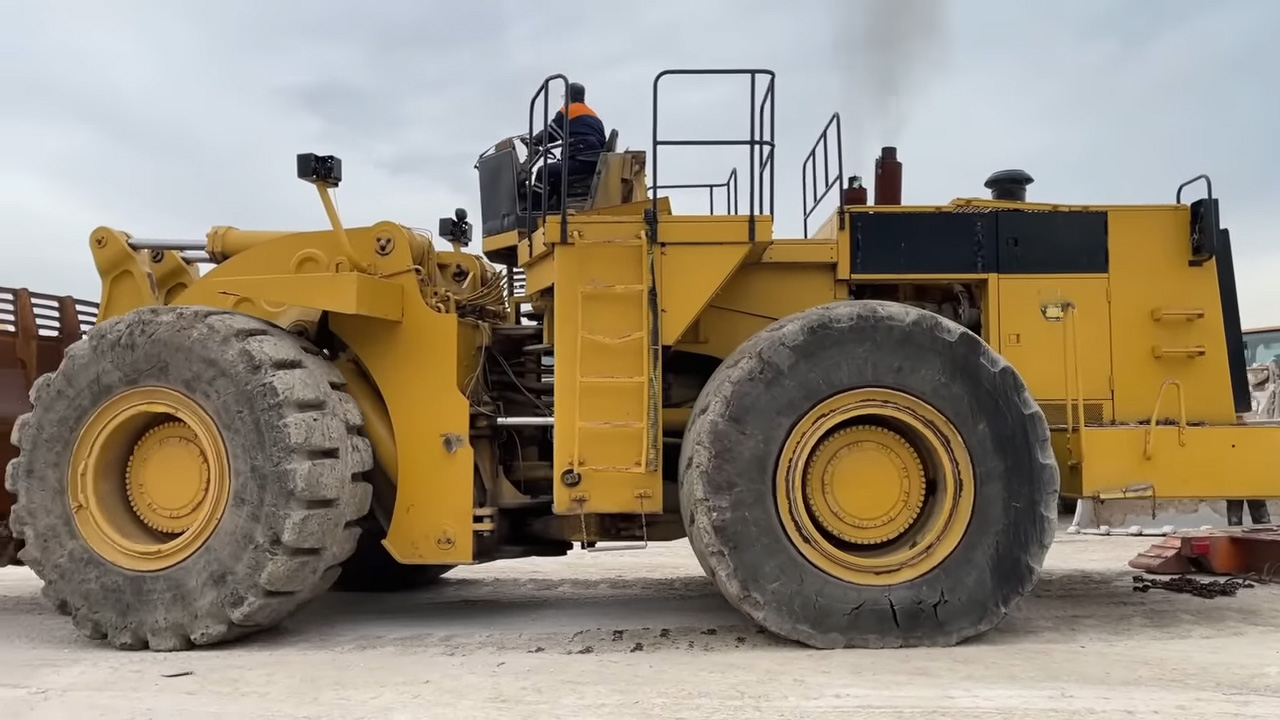
A yellow bulldozer with large tires on a construction site, with a person sitting on the operator's seat

Optimizing Solar Power Integration on Construction Sites

It is important for construction companies to carefully plan their solar installations based on project specifics to maximize benefits. A well-optimized system ensures a reliable and sufficient power supply from solar energy.

Factors to Consider for Effective Solar Installation

  • Electricity demands and loads at different construction phases
  • Space availability for ground-mounted or rooftop solar panels
  • Local weather conditions and average sunlight hours
  • Flexibility for temporary or permanent installations
  • Incentives and other financial aspects like payback period
  • Select equipment based on power needs – panels, batteries, inverters, etc.
  • Periodic maintenance and monitoring of the solar energy system

Strategies for Maximizing Energy Efficiency

  • Conduct an energy audit to understand current energy consumption patterns and identify areas for improvement.
  • Gradually replace fuel-powered equipment with high-efficiency solar alternatives to reduce reliance on non-renewable sources.
  • Install motion-sensor lighting and use task lighting wherever possible to minimize wastage.
  • Educate construction workers on best practices like switching off idle equipment, plugging leaks, and utilizing natural lighting to cut consumption.
  • Invest in energy storage solutions like batteries to store excess solar power for utilization during low sunlight hours and ensure a reliable power supply.

The Future of Solar Energy in the Construction Sector

As sustainability and efficiency take center stage, the construction industry is expected to witness increased adoption of renewable energy sources going forward.

Growing Global Demand for Renewable Energy

  • With rising environmental consciousness, there will be higher demand from environmentally conscious clients for green construction practices, including solar power.
  • Favorable government policies and falling technology costs are further boosting the uptake of solar energy among construction companies globally.
  • Analysts project strong growth in the solar power market over the next decade, increasing opportunities for construction firms to integrate solar solutions.
  • Solar energy is poised to play a bigger role in powering the construction sector sustainably as a reliable renewable resource with minimal maintenance needs.

Solar Power: Powering Sustainable Construction Worldwide

As the push for renewable energy and carbon reductions grows globally, solar power is emerging as the ideal solution to sustainably meet the electricity needs of construction sites.

Solar technology is uniquely positioned to support the construction industry’s transition to lower emissions with its installation flexibility, minimal maintenance requirements, and ability to generate electricity on-site, regardless of location.

Key factors driving the increased reliance on solar include favorable government policies offering incentives for solar adoption, rising environmental awareness among clients demanding greener building practices, and improving the cost competitiveness of solar solutions versus traditional fossil fuel sources.

As construction firms look to attract environmentally conscious clients and demonstrate their commitment to sustainability, embracing solar power helps boost their credentials.

Frequently Asked Questions (Can Solar Power Be Used In Construction Sites?)

Solar panels can reliably address fluctuating electricity needs on construction sites by utilizing solar power. Their modular design facilitates easy scaling, and lithium-ion batteries store excess energy, ensuring continuous power even during low sunlight hours. This sustainable construction practice reduces carbon emissions and creates a greener future.
Solar panels are designed to withstand challenging weather conditions, including snow, hail, and high winds. The durable materials used in their construction make them resilient. In heavy snowfall areas, occasional manual cleaning may be required for optimal efficiency, promoting operational efficiency and noise reduction.
Common challenges include initial financing and site planning constraints, particularly in remote locations. However, innovative leasing options and financing solutions from renewable energy providers help overcome these hurdles. Integrating solar panels into construction equipment and projects reduces carbon footprint and attracts environmentally conscious clients.
The modular design of solar panels offers flexibility in installation and relocation, adapting to changing power needs or project plans. Solar-powered equipment, including power tools, enhances operational efficiency on construction sites. Portable solar generators contribute to reducing energy consumption and promoting a sustainable future.
Numerous countries provide incentives, such as tax credits and rebates, to encourage the adoption of solar energy in construction. Performance-based incentives and net metering programs further reduce upfront costs, contributing to long-term cost savings. This shift towards solar power in construction aligns with sustainable construction practices and supports the compound annual growth rate of the solar energy industry.

How to Become a Heavy Equipment Operator?

Admin December 9, 2024

How to Become a Heavy Equipment Operator?

How to Become a Heavy Equipment Operator?

As the construction industry continues to grow, the need for competent heavy equipment operators to manage machinery on busy construction sites also rises.

These skilled professionals operate various equipment to efficiently transport building materials, dig trenches, grade landscapes, and more—playing a pivotal role throughout the entire construction process on a construction site.

If you aspire to become one of the most sought-after heavy equipment operators, this guide will help you understand the steps and qualifications needed to launch a successful career performing essential tasks with bulldozers, excavators, cranes, and other heavy machinery.

Key Takeaways

  • Heavy equipment operators play a crucial role in construction and development projects by operating various types of machinery.
  • Becoming a heavy equipment operator requires a combination of technical training, on-the-job experience, and certifications.
  • It is essential for operators to have proficiency in operating different types of machinery, as well as the ability to read and interpret construction blueprints accurately.
  • Safety is a top priority for heavy equipment operators, and they must adhere to regulations, follow operating procedures, and regularly maintain and inspect their equipment.

The Role of a Heavy Equipment Operator

As a heavy equipment operator, you’ll handle machinery like bulldozers, forklifts, and cranes, performing tasks that are essential to construction and development projects.

Heavy equipment operators operate construction equipment in various industries, including construction, mining, and forestry, requiring specialized training and qualifications to manage these machines effectively and safely.

Your key responsibilities include not only operating these machines efficiently but also ensuring their maintenance and safety on the job site.

You’ll need a strong set of skills, such as precise hand-eye coordination, the ability to interpret blueprints, and knowledge of safety protocols, to excel in this role.

Common Types of Heavy Machinery Operated

Heavy machinery operators must master a diverse array of machinery, each designed to perform specific tasks that are pivotal in construction and infrastructure projects. As a construction equipment operator, you’ll handle bulldozers to demolish structures, level ground, and clear land. You’ll operate cranes to lift and transport heavy materials with precision. Maneuvering skid steers will become second nature for tasks like snow clearing, digging, and transporting materials on tight job sites.

Driving dump trucks means you’re responsible for hauling large quantities of material—a role that requires a Commercial Driver’s License (CDL). The excavator will be your tool for grading landscapes, drilling holes, and dredging canals. Mastery of this heavy machinery, along with ongoing training and certification, is essential to your success and safety as a construction equipment operator, ensuring compliance with evolving equipment technology and safety procedures.

Key Responsibilities

Operating heavy machinery goes beyond mere driving; it involves precise maneuvering and maintenance to ensure tasks such as trench digging and landscape grading are completed efficiently and accurately. You’ll be responsible for the safe equipment operation, which is crucial not only for project success but also for the safety of everyone on site. Your role includes reading and interpreting blueprints and designs, guaranteeing that every move you make with the equipment aligns with the project’s specifications.

As a heavy equipment operator, you’ll also manage equipment maintenance, ensuring the machinery is in top working condition. This involves routine checks and troubleshooting any issues that arise. Your expertise in operating heavy equipment is vital to the progression and efficiency of construction projects, roadwork, and infrastructure development.

Required Skills

To excel as a heavy equipment operator, you’ll need to master several key skills, ranging from precise equipment handling to understanding complex blueprints and safety regulations.

Proficiency in operating heavy machinery like excavators, bulldozers, and cranes is fundamental. You must also be adept at reading and interpreting construction blueprints, ensuring you can follow project designs accurately.

Your heavy equipment training should cover the essentials of equipment regulations and compliance with OSHA safety protocols. With proper training, you’ll learn to transport materials efficiently, erect construction components, and prepare sites with precision.

Additionally, maintaining machinery for optimal performance is crucial. By adhering to these safety measures, you’ll command control over your role and contribute significantly to any construction project.

Education Requirements

To kick off your career as a heavy equipment operator, you’ll need at least a high school diploma or GED. Technical training programs and apprenticeships offer practical skills and hands-on experience that are invaluable in this field.

Additionally, on-the-job training can sharpen your abilities and ensure you meet the certification requirements necessary for operating heavy machinery.

High School Diploma or GED

Before setting out on the path to becoming a heavy equipment operator, you’ll need to secure a high school diploma or GED, as it’s the foundational educational requirement for this career. This credential signals that you’ve met the necessary educational standards to embark on specialized heavy equipment operator training.

The construction industry values operators who’ve a solid grasp of basic educational concepts, which you’ve demonstrated by earning your diploma or GED.

Equipped with this qualification, you’ll be better prepared to understand the technical aspects and safety protocols associated with operating heavy machinery. Remember, your high school diploma or GED is more than just a piece of paper; it’s a stepping stone towards mastering the skills required in the demanding and rewarding field of heavy equipment operation.

Technical Training Programs

Once you’ve obtained your high school diploma or GED, you’ll need to enroll in a technical training program to gain the specialized skills required for a career as a heavy equipment operator. These training programs are available through vocational schools and can range from 1 to 4 years, blending classroom knowledge with practical, hands-on experience. You’ll delve into equipment maintenance, safety protocols, and the fundamental skills necessary for the trade.

Formal training will prepare you for certification and licensing exams that are often mandated. These are provided by recognized testing organizations or may be part of employer-sponsored programs that comply with OSHA standards. Remember, your ability to perform the operating skills and pass test assessments will be crucial for successfully completing your technical training.

Apprenticeship Programs

After completing your technical training, you’ll likely progress to an apprenticeship program to further refine your skills through real-world experience. These apprenticeship programs, often available through union or state initiatives, are crucial for becoming proficient as operating engineers. They blend classroom instruction with hands-on experience, allowing you to apply theoretical knowledge practically on job sites.

During your apprenticeship, which typically lasts 3 to 4 years, you’ll learn the ins and outs of heavy equipment operation. The program’s comprehensive nature ensures you receive a well-rounded education, covering everything from safety protocols to advanced operational techniques.

On-the-Job Training

As you embark on your journey to become a heavy equipment operator, hands-on training under the watchful eye of seasoned professionals is an indispensable part of your education. On-the-job training allows you to gain practical knowledge and real-world skills, essential for mastering the demands of operating heavy machinery.

By learning directly from experienced equipment operators, you’ll understand the nuances of machinery operation and adopt safety practices crucial in this field. This type of education requirement is more than just instruction; it’s an opportunity to demonstrate your ability to control and maneuver equipment effectively.

With on-the-job training, you’ll not only learn the ins and outs of heavy equipment but also develop the confidence needed to manage these powerful machines with precision and care.

Certification Requirements

After meeting the education prerequisites, you’ll need to obtain certification to legally operate heavy machinery.

You can choose between state or national certification, both requiring a combination of written and practical exams.

Continuing education units are also necessary to maintain your certification and keep your skills sharp.

State Certification

To operate heavy equipment with a lifting capacity over 2,000 pounds, you’ll need to obtain state certification through a written and practical examination administered by a recognized testing organization. Obtaining certification isn’t just a formality; it’s a crucial step to ensure safety and compliance with industry standards.

Here are several key aspects of state certification:

  • Certification must be obtained for machinery exceeding a 2,000-pound lifting capacity.
  • You’ll undergo both written and practical exams.
  • Look for employer-sponsored programs that meet OSHA requirements.
  • Acquire certification from city or state licensing authorities aligned with OSHA standards.
  • Consider certifications like Formal Training, NCCER, DOT TX Qualifying Exam, or NCCCO.

Understanding these elements will empower you to control your path in becoming a certified heavy equipment operator.

National Certification

Securing national certification as a heavy equipment operator requires completing a recognized program and passing rigorous exams to prove your proficiency and safety knowledge. To qualify for heavy equipment operator jobs at a national level, you’ll need to enroll in training schools that offer programs meeting the standards of testing organizations, such as The National Commission for the Certification of Crane Operators.

Once you’ve completed the necessary training, you must pass both written and practical examinations with at least a 70% score.

Keep in mind, you’ll need to renew your national certification every five years. This ensures you’re up to date with OSHA standards and possess the latest knowledge in your field. Commit to continued education to maintain your qualifications and control your career trajectory.

Continuing Education Units

Maintaining your national certification as a heavy equipment operator isn’t a one-time achievement; it requires ongoing education through Continuing Education Units (CEUs) to ensure you remain at the forefront of industry standards and practices. To keep your skills sharp and certification valid, you’ll need to engage in approved training or educational programs.

Here’s what you should focus on:

  • Completing the requisite number of CEUs within the determined timeframe.
  • Participating in vocational training that covers new technologies and equipment.
  • Staying updated with the latest safety procedures and regulations.
  • Attending workshops that emphasize equipment maintenance and operational efficiency.
  • Demonstrating a commitment to professional growth and industry compliance.
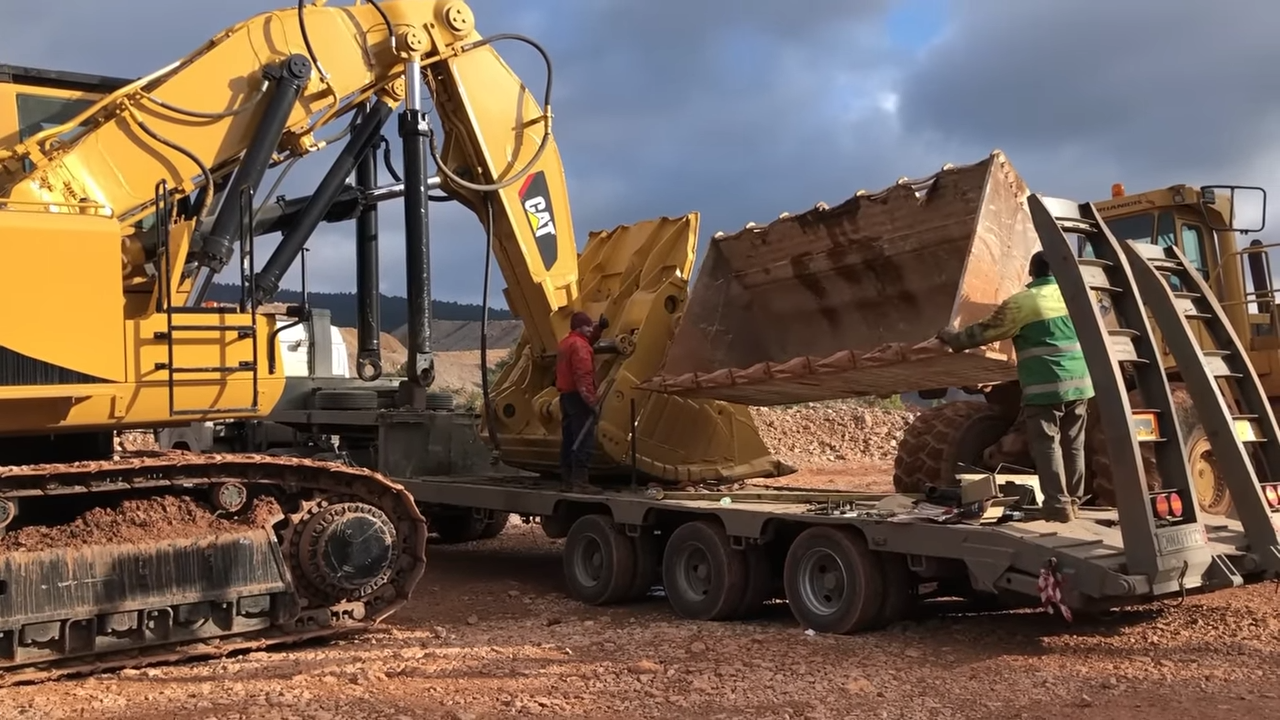
Two construction workers securing a large excavator bucket onto a flatbed trailer with a yellow excavator nearby on a construction site

Licensing Requirements

To legally operate heavy equipment, you’ll need to secure a Commercial Driver’s License (CDL) if your role requires driving commercial vehicles.

You must also pass a medical examination to ensure you’re fit for the demands of the job.

Commercial Driver’s License (CDL)

If you’re aiming to operate heavy equipment, you’ll need a Commercial Driver’s License (CDL), which involves passing both written and practical exams. A CDL is crucial for machinery with a lifting capacity over 2,000 pounds and must be renewed every five years.

To secure your commercial driver’s license and operate equipment effectively:

  • Obtain a CDL by passing required exams.
  • Get certified by recognized organizations like NCCCO.
  • Complete formal training and licensing tests.
  • Gain hands-on experience for practical skills.
  • Utilize training organizations and unions for education.

These steps ensure you’re not only legally compliant but also proficient in safety procedures and operation techniques, giving you the control you need in your role as a heavy equipment operator.

Medical Examination

Before you can take the helm of heavy equipment, you’ll need to pass a thorough medical exam to ensure your physical ability meets the stringent safety standards required by OSHA and state licensing bodies. As an aspiring heavy equipment operator, this medical exam will assess your overall physical fitness, including vision and hearing capabilities, critical for your ability to safely operate machinery. Licensing authorities require proof of this examination to verify that you’re physically up to the task.

License Renewal

As a heavy equipment operator, you’re required to renew your certification every five years. This involves passing updated written and practical exams to demonstrate continued competence and adherence to OSHA regulations. The process ensures you’re up-to-date with the latest safety protocols and machinery functions.

Here’s what you need to focus on for your license renewal:

  • Stay informed about your state’s specific licensing requirements.
  • Maintain a valid driver’s license, as it’s often a prerequisite.
  • Complete any mandatory continuing education or training sessions.
  • Prepare for and pass the necessary written and practical exams.
  • Ensure your knowledge of OSHA regulations is current and comprehensive.

Gaining Experience

As you embark on your journey to become a heavy equipment operator, starting with entry-level equipment options allows you to get your hands on the controls and understand the basics.

Working alongside an experienced operator can provide you with invaluable insights and practical skills that are essential for your growth.

Furthermore, building a portfolio of your work will showcase your experience and increase your credibility in the field.

Entry-Level Equipment Options

To kickstart your journey as a heavy equipment operator, consider enrolling in vocational schools or technical training programs for essential hands-on experience and fundamental education. These entry-level equipment options will equip you with the knowledge to safely operate machinery.

Here are some practical steps to gain experience:

  • Explore apprenticeship programs combining on-the-job training with classroom education.
  • Look for laborer positions that offer on-the-job training for handling different types of equipment.
  • Seek out certificate programs focusing on equipment knowledge and safety.
  • Consider CDL training courses for operating specific heavy machinery.
  • Join local unions or organizations that provide resources and networking in the field.

Working with an Experienced Operator

After gaining fundamental knowledge through training programs, you’ll find that working alongside an experienced heavy equipment operator offers invaluable practical experience. This mentorship allows you to observe and operate machinery under real-world conditions, learning directly from someone who’s mastered the craft. You’ll learn not just how to maneuver the equipment but also the subtler aspects of the job, such as site safety and equipment maintenance.

Don’t hesitate to ask questions and seek advice. An experienced operator can provide insights that no textbook can offer. Use this opportunity to gain hands-on experience and absorb the feedback given. This direct exposure will sharpen your skills, giving you the confidence and competence needed to control heavy machinery effectively.

Building a Portfolio

Building a strong portfolio is crucial for showcasing your skills and experience as a heavy equipment operator. In the competitive field of construction projects, standing out to potential employers with proof of your heavy equipment operation expertise can open up numerous job opportunities.

Here’s how you can build an impressive portfolio:

  • Seek apprenticeships or on-the-job training for practical, hands-on experience.
  • Enroll in technical school programs for formal education on heavy equipment.
  • Obtain certifications from bodies like The National Commission for the Certification of Crane Operators.
  • Get a commercial driver’s license (CDL) to expand your qualifications.
  • Document all your experiences and qualifications comprehensively.

On-the-Job Best Practices

As you step into the role of a heavy equipment operator, it’s crucial that you always adhere to safety protocols and wear the necessary protective gear.

You’ll need to routinely check and service your machinery to prevent breakdowns and ensure optimal performance.

Moreover, commit to enhancing your skills and keeping abreast of industry advancements to excel in this field.

Safety Procedures

To ensure your safety as a heavy equipment operator, always wear the necessary personal protective equipment (PPE), including hard hats, high-visibility vests, and steel-toed boots.

Adhering to occupational safety principles is crucial, and it’s your responsibility to maintain them. Here’s what you must do:

  • Conduct pre-operation inspections to verify machinery is in top condition.
  • Follow OSHA guidelines and other safety regulations diligently.
  • Communicate clearly using standardized hand signals with your team.
  • Stick to established operating procedures to handle equipment safely.
  • Maneuver machinery with utmost care to avoid incidents.

Equipment Maintenance

Having established the importance of safety procedures, let’s now focus on the best practices for equipment maintenance to keep your machinery running smoothly.

As a heavy equipment operator, you must perform regular maintenance to ensure optimal performance and longevity. Inspect your equipment for signs of wear, damage, or malfunction before each use.

It’s crucial to follow the manufacturer’s maintenance guidelines and schedule regular servicing according to the equipment’s manual. Keep detailed records of all maintenance, repairs, and service history to track the condition of your machinery.

Additionally, properly store and protect your equipment from harsh weather and secure it when not in use to maintain equipment effectively and avoid unnecessary damage.

Continuous Self-Improvement

Mastering the operation of heavy machinery is an ongoing journey, and embracing a mindset of continuous self-improvement is crucial for career advancement and skill enhancement. To carve out a successful heavy equipment operator career path, you’ll need to:

  • Continuously seek and embrace opportunities for on-the-job training and skill improvement.
  • Regularly engage in self-assessment to pinpoint areas needing growth.
  • Actively seek feedback from seasoned operators and supervisors.

Staying abreast of industry best practices and technological advancements is also essential. This can be achieved by:

  • Proactively seeking additional certifications and specialized training programs.

These practices don’t just bolster your proficiency, but also signal your commitment to excellence in your field. Keep pushing the boundaries of your expertise, and you’ll find doors opening along your career path.

Default Post Demo

Admin April 22, 2024

Default Post Demo

REPLACE THIS

Frequently Asked Questions (Can Solar Power Be Used In Construction Sites?)

Solar panels can reliably address fluctuating electricity needs on construction sites by utilizing solar power. Their modular design facilitates easy scaling, and lithium-ion batteries store excess energy, ensuring continuous power even during low sunlight hours. This sustainable construction practice reduces carbon emissions and creates a greener future.
Solar panels are designed to withstand challenging weather conditions, including snow, hail, and high winds. The durable materials used in their construction make them resilient. In heavy snowfall areas, occasional manual cleaning may be required for optimal efficiency, promoting operational efficiency and noise reduction.
Common challenges include initial financing and site planning constraints, particularly in remote locations. However, innovative leasing options and financing solutions from renewable energy providers help overcome these hurdles. Integrating solar panels into construction equipment and projects reduces carbon footprint and attracts environmentally conscious clients.
The modular design of solar panels offers flexibility in installation and relocation, adapting to changing power needs or project plans. Solar-powered equipment, including power tools, enhances operational efficiency on construction sites. Portable solar generators contribute to reducing energy consumption and promoting a sustainable future.
Numerous countries provide incentives, such as tax credits and rebates, to encourage the adoption of solar energy in construction. Performance-based incentives and net metering programs further reduce upfront costs, contributing to long-term cost savings. This shift towards solar power in construction aligns with sustainable construction practices and supports the compound annual growth rate of the solar energy industry.

Education

Education

  • Educational facilities aren’t static. They’re continually being enhanced, expanded, and upgraded, particularly as classroom sizes grow and funding for certain programs, such as STEM, increases. As such, contractors and construction companies must keep up with these changes and meet the education industry’s evolving demands.

    Budget Equipment can help you find the necessary equipment for your education construction project, whether you need a manlift to retrofit an old gymnasium or heavy compaction equipment to help lay the foundation for an entire campus of student housing. By renting these types of equipment and machinery, you can get the job done easily and efficiently and for less cost than buying.

Rent Equipment for Your Next Education Project

  • Boom Lift
  • Scissor Lift
  • Forklift & Material Handling
  • Mini Excavators

The Evolution of Construction in the Education Industry

School buildings are evolving with the times, as administrators place more emphasis on active learning, research, and multimedia. Nearly gone are the days of single-purpose buildings. Grade schools, colleges, and universities are putting more emphasis on using renewable energy and sustainable, durable construction materials. Many school buildings, for instance, are more than 100 years old. They require renovation to meet current air quality and safety requirements while still preserving their architectural features.

To address issues of space, lighting, and airflow, many schools are being designed with higher ceilings and daylighting such as skylights. Buildings are also being designed and wired to accommodate technology-based learning. Many now have smart and hands-free features in bathrooms and labs.

School building regulations have also shaped the evolution of education construction services. Today’s school building codes focus on students’ safety and welfare, requiring buildings to be handicapped-accessible, have safe exits, be properly ventilated, and be able to withstand natural disasters such as tornadoes and earthquakes. This has resulted in a shift in the materials you see in modern education design. For example, they don’t use wood framing in new school construction, due to current fire code restrictions.

Eco-friendly and sustainable materials are replacing those with short life spans or poor efficiency. There’s an uptick in synthetic, green, and cool roofs. Fluorescent, LED, and other efficient lighting have replaced traditional incandescent light sources. Energy-efficient windows are becoming the norm.

Education Construction Solutions

When building or remodeling education facilities, you might need to rent a variety of equipment. Some commonly used machines Budget Equipment provides include:

  • Air compressors are ideal for spraying concrete or paint and working with air tools during construction. Because they tend to be quieter than other machines, they put out less disrupting noise during school hours.
  • Boom lifts are particularly useful for school roofing and siding since schools are often at least two stories high. Budget Equipment offers both telescopic and articulating boom lifts for working in open and tight spaces, respectively.
  • Carry deck cranes help lift heavy materials into place. You might use one to move the supplies needed to construct the structural steel frames and load-bearing masonry that is typical of many school buildings.
  • Compaction equipment is needed before laying concrete or building foundations if you’re building a school from scratch.
  • Light towers help you complete your job on time, particularly if you need to work at night to accommodate classroom hours.
  • Manlifts carry workers up to high indoor spaces. You’ll need one if you’re renovating a gymnasium or painting vaulted assembly hall walls.
  • Scissor lifts provide entire platforms for carrying materials. They are useful for completing indoor projects and routine maintenance in spaces with high ceilings.

These are just a few of the education construction equipment options you can choose from when renting from Budget Equipment.

Higher Education Construction Expertise

If you’re contracted to work on a higher education facility, make sure you’re aware of how it differs from a K-12 facility. You’ll face features such as playgrounds and locker-filled hallways, along with robotics labs and student housing. Higher education libraries, in particular, are becoming increasingly digitized and specialized.

Colleges and universities tend to place great emphasis on modern design, eco-friendly materials, renewable energy, and technological connectivity. Much of these institutions’ abilities to support such cutting-edge building projects are because they have greater funding than many K-12 schools, particularly public ones.

On that note, construction projects will vary between public and private institutions of any level, due to their funding sources. Public schools and colleges rely heavily on state and local government dollars to hire and pay for facilities construction and maintenance. Private institutions can source from donations, tuition, private foundations, endowments, and more.

Education Facility Maintenance

Education facilities require preventive maintenance to keep daily school operations running smoothly, prolong the life of existing equipment, and avoid costly future repairs. This is particularly important as older schools age. The frequency with which educational facilities should schedule maintenance for many pieces of equipment depends on manufacturer recommendations. Most, however, should be evaluated on an annual basis.

Maintenance of education facilities includes:

  • Servicing HVAC and electrical systems
  • Replacing older equipment and features with energy-efficient ones
  • Fixing leaks and repairing roof damage
  • Replacing worn floor coverings
  • Repainting

If you get called in to perform school building repairs or preventive maintenance, you might need to rent equipment such as a manlift to update vaulted lighting fixtures, paint walls, or access hard-to-reach ductwork. If you find yourself making bigger repairs, you might need to rent a dumpster to collect waste safely.

Just as education facilities vary greatly in type and design, so does construction equipment. Budget Equipment can help you get the items you need to conduct maintenance quickly and avoid downtime for the school.

Amusement, Theme Parks

Amusement Parks and Theme Parks

  • Theme parks and amusement parks are nearly always under construction. As soon as one project is completed, the next one begins in a never-ending race to keep visitors engaged and entertained. The rapid pace of advancement in the theme park industry requires a significant investment in materials and labor.

    Investing in the construction equipment necessary to keep up with this rigorous schedule of expansion would incur massive expenses for any theme park. The park needs earthmoving equipment to prepare the land, carry deck cranes to construct the rides, and boom lifts to get up and handle details. Budget Equipment offers equipment rentals you need to keep your theme park’s projects moving forward.

Rent Equipment for Your Next Amusement Parks and Theme Parks Project

  • Boom Lift
  • Scissor Lift
  • Forklift & Material Handling
  • Mini Excavators

The Evolution of Amusement Park and Theme Park Construction Services

Theme parks and amusement parks have taken many forms over the years. Amusement parks were once comprised primarily of picnic areas and gardens. Over time, they evolved to contain more complex rides, shows, shopping, dining, and other delights. Lake Compounce in Connecticut is the oldest amusement park in the United States, operating continuously since 1846.

When Walt Disney opened Disneyland in California in 1955, he redefined the American amusement park, creating an immersive escape with several themed lands. This gave rise to the theme park as an entertainment area that features several distinct sections with different appearances. To create these immersive spaces, theme park construction moved far beyond building rides and roller coasters and expanded to include crafting elaborate environments for these attractions.

Today’s theme park and amusement park industry is rapidly growing. The market is expected to reach a worth of $70.83 billion in 2025. Constant evolution is necessary for theme parks and amusement parks to remain relevant. Guests are always looking for something new, and top destinations must provide.

This is not an industry in which you incur one-time construction costs, followed by routine upkeep and maintenance. With theme parks, there’s almost always something new in the works. Just consider Walt Disney World. In 2019 alone, it will be rolling out Star Wars: Galaxy’s Edge, Mickey & Minnie’s Runaway Railway, and the Disney Skyliner transportation system. These massive construction projects help to continually bring new life to the theme parks, which is part of what keeps them among the most popular tourist destinations in the world.

Maintenance of Amusement Parks and Theme Parks

Maintenance of amusement parks and theme parks is an ongoing task. Rides require careful inspections every day for safety and functionality. While theme park rides are statistically very safe, they are also extremely dangerous when not cared for properly. Each year, about 7,000 people go to emergency rooms for injuries that occurred at theme parks. Many of these are preventable circumstances where regular maintenance would have made a difference.

Keeping up with theme park maintenance often requires specialized equipment. Boom lifts make it possible to reach areas that would otherwise be inaccessible to maintenance personnel. Scissor lifts are another essential piece of equipment to boost workers up to necessary heights. Rough terrain scissor lifts further enhance the functionality of this equipment, offering support in outdoor areas around the perimeter of roller coasters and other rides that may extend over uneven terrain.

Planning for Megaparks, Waterparks, and More

As the theme park industry grows, it will demand increasingly creative features to keep visitors entertained. After soaring alongside Harry Potter or venturing into the land of Avatar, it’s difficult to get the same thrill from an ordinary roller coaster. With Walt Disney World and Universal Studios setting the bar high, any new amusement park must innovate to keep up.

Companies building and planning megaparks or waterparks will need access to a well-rounded fleet of specialized equipment to tackle associated construction jobs like constructing water slides or digging pools. Backhoes, bulldozers, and other types of earthmoving equipment can clear the way for new rides, while compaction equipment smooths the ground and sets the stage for the next big attraction. Equipment rentals make it easier to move smoothly from one stage of construction to the next and to simply cancel each rental when it’s no longer needed.

Amusement Park and Theme Park Solutions

Amusement parks and theme parks have a big job, keeping up with the proper rules and regulations to address any potential safety concerns on-site. The American Society for Testing and Materials sets amusement park standards for design, testing, manufacturing, operation, inspections, maintenance, and quality assurance. Budget Equipment offers the equipment rentals needed to keep up with the maintenance and construction regulations in place in this industry. Affordable rentals offer fast access to essential equipment for any project.

When theme park attractions need maintenance or repairs, it needs to happen fast. Lengthy downtimes can spell disaster for guest satisfaction. If wait times are notoriously long and popular rides are unavailable, ride attendance will drop. Keep up with the demands of the entertainment industry with reliable construction equipment that will streamline critical jobs. Use Budget Equipment to help you handle the challenges this industry presents.

Aviation, Aerospace

Aviation and Aerospace

  • We understand the aviation and aerospace industry is a competitive field that relies on a variety of facilities constructed to high and exact standards. Industry contractors must be skilled at constructing and maintaining large-scale buildings and components, from terminals to commercial space launch facilities. Aircraft and spacecraft production continues to increase, making this a growing and important field with strong financial support.

    To complete aviation projects that are up to industry specifications, you’ll need access to a variety of specialized equipment. You can rent earthmoving equipment if you need to lay the foundation for runways and ground support buildings. You’ll need a boom lift to work on components in expansive aircraft hangars. Regardless of your needs, we can help you find the equipment to provide your aviation and aerospace solutions.

Rent Equipment for Your Next Aviation and Aerospace Project

  • Boom Lift
  • Scissor Lift
  • Forklift & Material Handling
  • Mini Excavator

Aviation and Aerospace Building Solutions

Aviation and aerospace facilities encompass a wide range of structures. These include airports and bases, air carriers, airport towers, air traffic control centers, flight service and maintenance stations, hangars, simulation centers, launch facilities, cargo facilities, ground support, storage, communications centers, security, infrastructure, and more. These buildings and facilities support a variety of aviation design, manufacturing, and maintenance services.

Two main characteristics of many aerospace and aviation buildings are their immense height and clearance. Most service stations, hangars, and other aircraft facilities won’t have much internal support or columns. The building’s dimensions are guided by the type of aircraft or machinery housed within. Doors and other features are complex and often customized.

Pieces of equipment needed to support these types of facilities include:

  • Boom lifts to access hard-to-reach areas of these massive facilities. Budget Equipment offers both telescopic and articulating lifts for working in large, open areas such as hangars, as well as more complex spaces, such as control centers.
  • Cranes for moving and putting into place extremely large components, such as steel supports and metal buildings.
  • Construction dumpsters and storage containers to remain orderly and organized when putting pre-engineered buildings together on-site.
  • Industrial forklifts to transport heavy items.
  • Bulldozers and other earthmoving equipment to prepare land for building and road foundations.
  • Manlifts to allow workers better access to aircraft components needing assembly or maintenance, from engines to landing gear.

During every phase of the construction process, you must comply with current aviation security and safety standards. It often takes extra time to get all your tools and equipment cleared and onto the worksite. You must also adhere to stringent fire, building, and zoning codes. To help expedite the process, Budget Equipment can help you determine exactly what you need to construct or maintain your flight facility.

The Evolution of Aviation and Aerospace Engineering

Over the years, the industry has witnessed the evolution of aviation and aerospace construction to meet upgraded security requirements and sustainability goals. Among these is the Energy Independence and Security Act requirement that all new commercial construction, including aviation and aerospace facilities, reach net-zero energy use by 2030. Existing buildings must upgrade to net-zero within 20 years.

In addition to instituting eco-friendly and energy-efficient building practices, the aviation and aerospace industry has continued to ramp up the temperature and humidity requirements in structures housing aircraft. For manufacturers to assemble and maintain planes and equipment properly and safely, they must have stable indoor temperatures and dry, compressed air. Thus, humidity control and ventilation are critical components of building design. Many operations also prohibit direct sunlight exposure on parts and equipment. So, while some aviation and aerospace facilities benefit from skylights and daylighting to illuminate their massive structures, others rely solely on interior lights.

Maintenance of Aircraft Manufacturing Facilities

Aviation facilities must be maintained regularly and according to stringent codes for the integrity of the equipment and parts as well as the safety of the people involved. One of the main components of the maintenance of aviation and aerospace facilities is HVAC performance. The advanced HVAC systems in these spaces must perform at their best, which requires routine servicing. Contractors hired to assess the HVAC and ventilation might need to access hard-to-reach areas, necessitating equipment such as a push-around manlift.

Maintenance also includes standard cleaning, building repairs, and infrastructure improvements. You might need a scissor lift, for instance, to replace light fixtures and bulbs in tall hangars, maintenance stations, and storage facilities. A straight or articulating boom lift will make washing windows in terminals and air traffic towers safe and easy.

Aviation and aerospace companies expect solution providers to work quickly and efficiently, without compromising security or safety. Budget Equipment can help you achieve these goals by sourcing just the equipment you need for as long as you need it — be it a day, a week, or a month — from one of our more than 8,000 rental locations nationwide. Let us help you determine which pieces will help you design or maintain your next launch pad or simulation center.

Government Services

Government Projects

  • Government Projects

    As a government services contractor, you are in a unique position. Once you’ve been awarded a government contract, you have many regulations to juggle, deadlines to meet, and budget restrictions to adhere to.

    Outsourcing your equipment rental logistics to Budget Equipment could be a huge time and cost savings for you. With just one online order or phone call, you can request the equipment you need for your project, anywhere in the country. For example, if you need a warehouse forklift for servicing a utilities facility in one state and a scissor lift to retrofit the lighting in a county hospital a few states over, we can provide those rentals. After you place your order, we handle the rest. We communicate with the supplier and ensure the equipment will be delivered when and where you need it. By passing off the rental logistics part of your workload to us, you free up your time and resources to better meet your project deadlines.

Rent Equipment for Your Next Government Services Project

  • Boom Lift
  • Scissor Lift
  • Forklift & Material Handling
  • Telehandler

How Government Services Differ From Other Contracts
Bidding on a government services contract is not the same as bidding on a construction project in the private sector. One of the key differences between a private contract and a government contract is in who is paying for the project. Shareholders, individuals, or commercial entities are responsible for financing private construction projects. Government projects, however, are funded by taxpayers. Since the taxpayers themselves don’t have control over how their money is spent, many rules and regulations are in place to ensure that these funds are used properly.

If you’re interested in bidding on a government contract, it’s important that you understand the laws in place regarding the project. Before you can place a bid on any type of state or local government project, you must get the proper bonding and prequalification from that jurisdiction. Each area has its own unique requirements, so you’ll need to investigate the regulations specific to the area where you live. If you’re bidding on a federal contract, you’ll need to comply with the requirements set forth by the U.S. General Services Administration (GSA).

Government contracts typically go only to companies with a strong balance sheet. While contracts invariably go to the lowest bidder, bids aren’t considered at all if the company isn’t deemed responsible and reliable.

Logistics and Transportation

Logistics and Transportation

  • Logistics and Transportation Industry Solutions

    As you know, logistics and transportation comprise one of the nation’s largest and most competitive industries. The demand for these services is growing significantly, due to economic expansion, e-commerce growth, global shifts in manufacturing and supply chain, infrastructure changes, and US legislation changes.

    With recent advances in technology such as drones and automation, customer expectations are becoming increasingly more demanding. Logistics and transportation companies need to continuously innovate their processes and search for ways to be more efficient in the upcoming years.

    This is where Budget Equipment comes in. With only one phone call, you can source all your equipment rentals anywhere in the country. Then we’ll handle the contact with the suppliers and coordinate delivery and pickup. You don’t have to do anything else!

  • We Have the Equipment You Need

    Whether your company deals with the logistics of delivering goods from suppliers to customers or the transportation of the goods or both, Budget Equipment can provide the equipment you need for all your projects.

    If you need help loading and unloading materials for your next project, you can rent a pallet jack or walkie stacker. To reach spots when loading or unloading from indoor storage to outdoor lifts, warehouse forklifts are available. If materials need to be transferred across the ground before being loaded, rough terrain forklifts are available. There are multiple types available for rent. Use the 25,000-lb. industrial forklift to load and unload crated material. Or if you need a smaller one, you can rent the 5,000-lb. warehouse forklift.

    Telehandlers are a great option if you need to add attachments for moving items. Telehandlers with fork attachments can move cargo, just like a forklift would and can reach higher areas than forklifts. If your next project involves air freight, you can rent a storage container. If your next project involves some waste removal in the process, dump trucks are available for rent.

Rent Equipment for Your Next Logistics or Transportation Project

  • SCISSOR LIFTS
  • FORKLIFTS & MATERIAL
  • TELEHANDLERS
  • Industrial Forklift

Future Logistics and Transportation Trends

Technological advancements are changing customer expectations. Several years ago, customers thought fast shipping took two days. Now they want their goods right now. With e-commerce on the rise, many customers expect next-day delivery on their items and some even refuse to pay extra for this service. Many retailers and businesses are even enforcing “must arrive by” delivery requirements. This trend in consumer demands will likely cause an increase in drones usage to get the products there on time. Automation can help warehouses get products out in record time. Companies may also search for qualified carriers to help them get their products to customers. Amazon is especially affecting the industry. The company has built its own logistics and transportation network. As a result, other companies are beginning to think nontraditionally.

In addition to delivery, cutting-edge technology can also help keep track of products. Customers want to make sure their freight is safe in transit. Geo-fencing lets them do that. It uses a tracking system to create a virtual boundary. It makes sure the truck stays on its pre-determined course. Companies monitor the truck’s route until it arrives at the customer.

From an internal perspective, logistics and transportation companies can use technology to automate tasks and mine data for actionable insights. Artificial intelligence, tons of data, computing power, and cloud capabilities can all help identify areas of improvement for operational efficiency, cost optimization, and risk management. Systems that integrate to provide holistic internal solutions at every part of the supply-chain management are going to be a necessity as time goes on.

Freight Transportation

Freight transportation is continuing to grow due to economic activity and population expansion. Rail covers 140,000 miles and delivers an average of five million tons of good each day. Trucking had revenues of $676.2 billion in 2016, moved 10.4 billion tons of freight, and contributed more than $150 billion to the gross domestic product (GDP). Maritime moves most of the U.S. international merchandise trade. This includes 76% of U.S. exports.

The international freight industry is also experiencing changes, especially in regard to next-day delivery demands. Increasing expectations for faster delivery is driving a shift from ocean to air. Meanwhile, ocean carriers are building larger ships, which could lower transportation costs. They are also forming alliances to better handle fluctuations in supply and demand.

The Electronic Log Devices (ELDs) mandate will also affect the industry in 2018. All transportation companies that haul loads by trucks must have ELDs by April 2018. These devices make sure drivers only have 50 hours of service each week. They then must take two days off. The ELD mandate was passed to encourage drivers to rest. This could affect the time it takes for products to arrive. If production decreases, as a result, pressure will be passed to capacity to make up the difference.

Industry Challenges

Trade relations can affect this industry in the future. Regional growth in China, India, and Mexico can drive a need for logistics operations in those countries. Tightening regulations in China can create shifts in supply chain and manufacturing. This might cause companies to find inventory closer to customers.

The logistics industry also faces other challenges. Increased traffic, rising labor costs, and unpredictable fuel costs can add to the overall price. Recently, crude oil prices have dipped, which reduces overall costs. But these prices vary, so an increase in price could be passed along to customers. Driver wages and benefits also play a factor and account for a larger part of costs.

Aspects of Logistics

Logistics needs several aspects to transport products. These include order fulfillment, warehousing, inventory management, and fleet management services. Each transportation division has its own needs. Air and express delivery systems (EDS) deal with time-critical freight. It sends out high-value items, documents, and small parcels. Rail covers high volumes of heavy cargo over long distances.

Preparing the Product for Shipping

When shipping your products, you can choose a manual or automatic process. Manual work means employees do all the work by hand. This is a cost-effective option. But it does take a long time and isn’t common. Workers walk around the load and unroll, apply, and wrap the film around the products. From there, workers use a handheld device to cut and strap the load.

Those who ship more than 15 loads each day should use automatic equipment. You can use semi- or fully-automated machines. This process saves on labor and material costs. It also helps workers avoid back strain. Semi-automatic equipment needs workers to help. One example includes workers using a forklift to deliver a pallet load. They could also detach binding material.

For fully-automated machines, products are delivered via a conveyor. There are four types of conveyors. They include roller, belt, chain, and walking beam. Roller and belts work best when there are no pallets involved. Chains work well with pallets. Use walking beams for moving heavy-duty, durable products.

After the conveyor, the products go to the stretch wrapping machine. It is also called the stretch hooding machine. This is a common way to contain the load. This machine also has semi- and fully-automatic models. Semi-automatic ones have turntables. An operator needs to tie the film before wrapping. They also must cut the film after wrapping ends. Fully-automatic ones attach and cut the film without any help.

Stretch hooding is similar to stretch wrapping. Stretch hooding uses a hood or bag over the load. After placed, the hood or bag contracts back to its original size. Both choices need heat to shrink the plastic. Workers can apply heat directly with heat guns. They can also move the load by conveyor through a heat tunnel. Either way, the wrap gives the load protection from all sides. This is key if you plan to store it outside.

Strapping is another choice. Use this option if you don’t care too much about protecting the products’ surface. It doesn’t involve wrapping the load. You can use manual or pneumatic tools to attach the straps. The material is made of either steel or plastic. Plastic absorbs without breaking and is safer to handle. It also reduces indents formed on products.

If you use strapping, consider using a cornerboard. This product protects the corners of your load. It also supports the load. You can size the cornerboard depending on the size of your load. You can also use this product if you have layers of small boxes. Most often you apply cornerboards manually.

After you wrap the load, figure out your routes. Route planning is beneficial because it’s cost-effective. Planning a route saves on fuel and time. You can choose between short- and long-haul ones. Short-haul involves trucks or rail. Long-haul involves ocean or air. You need to take into account getting the products to either mode of transportation.

Conclusion

The transportation and logistics services industry is constantly evolving. Budget Equipment customer service experts are certified in heavy equipment and familiar with a variety of equipment. We can help you figure out what type of equipment works best for your logistics and transportation needs. With more than 8,500 nationwide locations, Budget Equipment is an ideal company to rent from. To learn more about logistics and transportation services, call (888) 786-5678.

Institutional Construction

Institutional Construction Industry

  • Institutional Construction Industry

    We understand institutional construction spans a wide range of projects. From hospitals to schools to jailhouses, your firm’s needs for equipment rentals is probably as vast as its project list.

    Budget Equipment has a wide selection of equipment that can be used in institutional construction projects. For example, if you need an excavator to clean up an area before laying the foundation for a new hospital, we all have types and sizes available for rent. Or if you need to access a multi-story building and move materials up, you can rent a manlift. In addition to offering the equipment rentals, we handle the backend logistics of communicating with the supplier and ensuring your delivery and pickup is on time. When you outsource your rentals to us, it frees up your time to focus on the other important project details

Rent Equipment for Your Next Institutional Construction Project

  • Boom Lift
  • Earthmoving Equipment
  • Forklift & Material Handling
  • Telehandler

Current State of the Institutional Construction Industry
Institutional construction refers to the construction of public buildings, such as hospitals, schools, and recreational centers. These structures are subject to stricter regulations than residential buildings. Also, they must be flexible enough to respond to the changing needs of their users and the emergence of new trends and technologies.

The Dodge Momentum Index showed that the institutional construction market grew by 8.2 percent month over month in February 2018. This Institutional sector has been gaining strength over the past few years because of an increase in the number of transportation terminals, healthcare facilities, schools, and recreational facilities constructed. According to ConstructConnect, institutional construction activities is expected to experience a growth rate of 4.3 percent in 2019, making it the third most promising sector in the construction industry.

An institutional construction project requires the expertise of architects, engineers, contractors, construction workers, carpenters, welders, electricians, plumbers, and other construction-related professionals. However, since institutional buildings can vary significantly in terms of function, structure, and design, many of these professionals need to have extensive experience and specialized knowledge in designing or constructing the particular type of structure.

Some of the latest trends impacting the institutional construction sector include the availability of new building materials, 3D printing, data-driven decision-making, and the concept-to-completion approach. While these advancements can help institutional builders increase productivity, reduce construction spending, and create higher-quality structures, they may pose new challenges, such as shortages of skilled workers, technology adaption, sustainability concerns, and compliance with new regulations.

Commonly Used Equipment in the Institutional Construction Industry
Institutional construction requires the same types of equipment as other forms of construction. However, depending on the function, components, and design of the structure, it may also involve the use of specialized equipment. The following is a list of equipment used in an institutional construction project.

Excavator – An excavator is a machine that can perform an array of tasks on a construction site. It consists of a long arm with a large shovel, an undercarriage with wheels, and a rotating driver’s cabin. It is used for digging holes, trenches, and foundations, but it can also facilitate material handling, demolition, brush-cutting, and other tasks.
Drum Roller – Also called a road roller, a drum roller is a large moving compactor that uses a circular wheel to crush and flatten objects. It has a variety of uses on a construction site, including creating flat surfaces for road paving, demolishing and flattening existing foundations, and compacting soil to build new foundations. A high-performance drum roller is an essential piece of equipment in the construction of institutional structures because such buildings require a strong foundation to support heavy loads. There are basically two types of drum rollers: single drum rollers and double drum rollers.
Crane – A crane is a human-operated machine that uses a pulley and cable system to lift large and heavy objects vertically or horizontally on a construction site. It has a long mechanical arm and a lever for reducing the amount of force needed to accomplish moving and lifting tasks. Cranes are categorized as either fixed or mobile.
Manlift – When constructing a multi-story institutional building, a manlift can be used to raise construction workers to elevated places that cannot be safely reached with a ladder. This equipment enables workers to perform tasks such as painting and installing signs and antennas on the outside of a building. Manlifts can have different platform sizes, weight capacities, and maximum heights.
Pile Driver – A pile driver is used to drive piles or poles into the soil to strengthen the foundation of a building. It works by raising a weight and then releasing it to drive a pile into the ground. Pile drivers can come in many different forms, including diesel hammers, hydraulic hammers, vibratory pile drivers, and piling rigs. The need for a solid foundation in institutional construction makes it necessary for builders to have a powerful piledriver.
Concrete Mixer – A concrete mixer homogenously mixes cement, sand, water, and other substances to form concrete or cement. This equipment comes in several sizes and forms to suit the needs of different construction projects, ranging from a small tip-up concrete mixer to a concrete transport truck that can mix concrete while moving. Institutional builders need to use a good concrete mixer that can produce a high-quality mix of reinforced concrete, which is a major structural material in an institutional building construction.
Benefits to the Institutional Construction Industry of Renting Construction Equipment
Since equipment requirements for institutional construction may vary considerably from one project to another, many builders find it financially sensible to rent instead of buying some of the equipment they need. For instance, it may not be worthwhile to purchase a manlift because many institutional buildings are low-rise. Renting enables builders to reduce their capital expenditures and invest their funds in other profitable opportunities.

Also, institutional buildings may have to undergo modifications to accommodate future technological changes. These modifications may require the most advanced construction equipment. Builders that buy their own equipment will be stuck with the same equipment, capabilities, and features for years. On the other hand, design-build firms that choose to rent will have access to the latest equipment and technologies, allowing them to remain competitive when construction equipment advances.

Among the other reasons why institutional builders should rent their construction equipment are the following:

  • No depreciation cost
  • Reduced maintenance and insurance costs
  • Minimal transportation and storage issues
  • Eligibility for tax deductions

Since they are meant to serve the public, an institutional building must be flawlessly constructed. They require higher-quality materials and workmanship than other types of construction. To ensure that your institutional construction project will meet the highest quality standards, you need to have the finest and most advanced construction equipment. Search our equipment to find the rentals you need for your next project.

Hospitality, Food, Beverage

Hospitality, Food, and Beverage

  • Hospitality, Food, and Beverage Industry

    As a company that provides hospitality, food, and beverage services, we understand your industry is highly competitive. Time, money, and other resources need to be used efficiently in order to sustain quality service and turn a profit.

    That’s where Budget Equipment comes in. We handle all the logistics of renting construction equipment so that once you place your order with us, you don’t have to do anything else. We take care of communicating with the supplier and ensuring proper delivery and pickup of the equipment. To keep up with upgrades, renovations, and inventory, you can rent a scissor lift, boom lift, or forklift, depending on your project needs. By outsourcing your equipment rentals to us, you can keep your resources focused on your core business.

Rent Equipment for Your Next Hospitality, Food, or Beverage Industry Project

  • Boom Lift
  • Scissor Lift
  • Forklift & Material Handling
  • Mini Excavators

The Shape of the Hospitality, Food, and Beverage Industry Solutions

The hospitality, food, and beverage industry is both diverse and competitive. This sector includes hotels, restaurants, food trucks, bars, and attractions. Nearly anything that an individual might look to enjoy while on vacation falls into this category. Thus, the hospitality industry is heavily reliant on the prevailing tourism trends in a particular area. 2017 marked the ninth consecutive year of positive growth for the hospitality industry. Going forward, demand is expected to continue this upward trend.

Consumers in the food, beverage, and hospitality industries are typically discerning. They’re aware that they have many options for their dining and entertainment needs, and they expect quality and reliability from the companies that offer these services. It’s crucial for businesses in this area to have good management that can meet the needs of these customers.

Innovative approaches to hospitality, food, and beverage businesses are important as well. For providers to stay relevant, they must meet and exceed expectations.

Hospitality, Food, and Beverage Industry Trends

The hospitality industry has to evolve constantly to provide new and exciting products and experiences to customers. The food and beverage industry is under constant pressure to figure out how to sell more products to customers despite the natural cap on how many calories they need to consume. Capturing business from competitors is the best way to achieve sustained growth, but this means finding creative ways to connect with people in an industry with a particularly fickle audience.

In hospitality, trends are shifting toward more high-tech experiences. Robotic helpers may soon be poised to step in and take over everyday tasks for employees, such as room delivery. Virtual assistants can streamline check-in and check-out, inform guests when their rooms are clean, and handle room service and other requests by text rather than phone.

Over half of hotels expect to upgrade guestroom technology in the coming year. Underscoring any fancy new installations is the ongoing need to keep properties clean and well-maintained so all this tech can really shine. From renting a scissor lift to make sure high windows are sparkling to getting a boom lift for those difficult-to-reach lightbulb changes in your soaring lobby, getting the right equipment is essential for tackling these jobs.

On the food and beverage side, trends are turning toward fresh, local fare. Restaurants need to master the art of sourcing ingredients from nearby producers and serving them up while they’re still fresh. This may require a careful balance between inventory management in the supplier’s warehouse and purchasing strategies at the local farmer’s markets. Restaurant managers need to learn how to use both efficiently to satisfy the diner’s appetite for fresh, gourmet food.

Hospitality, Food, and Beverage: From Manufacturer to Consumer

When thinking of the hospitality, food, and beverage industry, many people simply jump to the endpoint: the hotels, restaurants, and bars where consumers enjoy the finished product. However, this industry includes many key touch points that take place long before the diner sits down to his or her meal.

The food processing and distribution industry plays a key role in helping restaurants stay at the top of their game. Processing plants are undergoing a number of upgrades and renovations to maintain compliance with federal regulations like FSMA. Modernization efforts are increasingly focused on bringing more processing in-house to meet consumers’ demands for local, organic, and artisanal products. Expanding, repurposing, and retrofitting these facilities are ways to respond to the constant need to change and innovate.

Warehouses supplying the food and beverage industry face more stringent requirements for sanitation, organization, and efficiency. Products have a fixed shelf life, and losses from spoiled food as a result of improper management can be extreme. Implementing the right warehouse management system, organizing perishable goods properly, and keeping the right telehandlers, forklifts, and other equipment on hand is essential. In areas where demand fluctuates, using rental equipment may offer a flexible and cost-effective solution.

Though hotels don’t face the same processing, packaging, and warehousing concerns as food and beverage companies, manufacturing considerations can come into play here as well. With the right equipment, you can construct an entire hotel quickly and efficiently. Modular hotel construction makes it possible to put together hotel rooms much like building blocks, stacking prefabricated modules for fast construction with minimal waste and less cost.

Key Responsibilities in the Hospitality, Food, and Beverage Industry

Pleasing customers is a primary goal for professionals in the hospitality, food, and beverage industry, but there are many other responsibilities that take precedence in this sector. These include the following:

  • The safety of workers and guests
  • Food safety
  • Sanitation and health
  • Efficiency and timeliness

If these considerations are overlooked, customers can face serious hazards as a result of spoiled food, unclean accommodations, or unsafe attractions. While staying in compliance with state and federal regulations is the bare minimum required, most businesses in this sector must go above and beyond to provide their customers with the cleanliness and efficiency that they expect.

In food and beverage facilities, construction must take functionality and sanitation into account. These buildings need features like hygienic, durable flooring, thoughtfully-placed drains, and functional gullies and channels in processing areas.

In hotels, guest safety and security rely on installations like well-placed lighting, accessible doors and stairwells, and functional room keys. From posting emergency evacuation routes to making sure plumbing is well-maintained to avoid leaks and microbial growth, hospitality managers have a wide range of considerations to address. Emergency preparedness is an important responsibility for business owners in this industry as well. Should a natural disaster strike, hotel owners should have equipment like backup generators in place so they can safely weather the storm.

In the hospitality, food, and beverage industry, business owners need to respond promptly to any need, whether that’s upgrading technology to keep up with local competitors, adjusting warehouse management in accordance with food supplies, or addressing issues of cleanliness in guest environments. Having the right equipment on hand or readily available as a rental will ensure that you can deal with any issue efficiently.

General Contractor

General Contracting and Construction Management

  • General Contracting and Construction Industry Solutions

    As a general contractor, you wear many hats—from managing subcontractor and vendor relationships, to planning projects, to ensuring safety requirements are met, to overseeing the actual construction sites and being responsible for workflow management and overall progress.

    What’s more, the construction industry is expected to grow significantly this year, especially in the areas of nonresidential, institutional, industrial, and resiliency construction. This growth is expected partially because large companies including Amazon and Microsoft will be launching major building projects in the upcoming year. Continued growth, coupled with an expected shortage of labor, will mean a greater need for innovation and efficiency for general contractors as the year progresses.

Rent Equipment for Your Next General Contracting or Construction Project

  • Boom Lift
  • Scissor Lift
  • Forklift & Material Handling
  • Mini Excavators

Construction Trends

It’s clear that growth in the construction industry shows no signs of slowing. However, this area is seeing some significant changes that will ultimately reshape the way projects are handled. Offsite construction is a growing trend that radically reshapes the way projects are managed onsite. Project managers rely on offsite construction for major parts of the project and may spend only a limited amount of time assembling the parts and pieces in their final destination. Purchasing pre-made modules can speed up construction significantly and allow contractors to take on a greater number of projects.

New technology on the worksite is changing how projects are managed as well. Robots can tackle dangerous tasks in pit mines or take on the monotonous and strenuous job of tying rebar. Drones offer a stunning view of the job site from above, and project management apps help tie it all together for smoother flow from beginning to end. Top contractors know the importance of following these innovations and implementing new technology when possible.

Handling Construction Labor Shortages

There’s great potential for anyone interested in working in the construction industry. According to the Commercial Construction Index produced by USG Corporation and the U.S. Chamber of Commerce, 80 percent of contractors have steady or increasing backlogs. Optimism about new business prospects is on the rise, and the majority of contractors expect to see revenue growth in the coming year. Fifty-eight percent of contractors are looking to hire more workers.

For those who can’t get the labor they need, prefabricated and modular elements are an appealing solution. In fact, 62 percent of contractors are already relying on this technology. These components are particularly popular in the Northeast and Midwest where more than 60 percent of contractors are using prefabrication and modular components for their jobs. Cost savings, increased labor productivity, and a reduced schedule are among the compelling reasons contractors are choosing this option.

For the third quarter in a row, contractors expect to spend more on tools and equipment in the next six months. In the first quarter, 59 percent were expecting to increase their investments in this area. For those who don’t want to spend this money on major equipment, rentals continue to be a cost-saving solution

Preparing for Your Projects

General contractors may work on a wide variety of projects. This can include both residential and commercial construction. In this diverse area, you might perform a complete build from the ground up, tackle renovations, or even assist with relatively minor updates. A general contractor’s job centers around management more than labor. It’s important to know how to properly evaluate a project, find the best talent, and put together a timeline.

You should begin each project by outlining what’s involved. Review the necessary steps, from the initial site preparation to those critical finishing touches. Detail the materials and equipment that you’ll need along the way and estimate the necessary cost for these items. General contractors typically handle a diverse range of projects, so renting equipment is often more affordable and appropriate than purchasing major items like boom lifts or bulldozers. Estimate the time to completion for each step and get approval from your client to start tackling the project.

Essential Equipment for General Construction Management

In general construction management, you may find yourself responsible for every phase of the project. It’s crucial that you properly assess your equipment needs at every stage. It’s unlikely that you’ll need all your equipment rentals on-site at once. Staggering your rentals will keep the job site from becoming too cluttered and ensure that you’re dealing with only what you need for each stage of the project. Planning ahead, you can make arrangements for timely rentals, so you can work confidently knowing that the equipment you need will be delivered on time when you’re ready for it.

If you’re preparing a lot for new construction, you may need to begin with earthmoving equipment. Bulldozers move large amounts of dirt for rough grading, while drum rollers can come in for heavier compaction. You may need an excavator or trencher to lay piping. As the building comes together, lift equipment such as a scissor lift or boom lift will elevate you to greater heights, so you can tackle siding, electrical, and other projects that take place off the ground.

You may want to consider additional construction site services to streamline your project throughout all stages. A dumpster provides a convenient place for unwanted items if you’re gutting and rehabbing a building. Light towers will provide essential illumination while storage containers can keep your tools and smaller equipment safe overnight.

Managing Your Timeline

As most experienced contractors will tell you, projects rarely progress along the timeline as expected. Though some delays may be inevitable, it’s important to take active measures to keep things moving forward at a steady pace. Implement clear lines of communication between all your workers. Make yourself available for questions and concerns so you don’t find out about an issue once you’re already running days late on a project. Addressing questions early can help you avoid major errors down the road.

Work carefully to coordinate work between subcontractors so you can handle everything as efficiently as possible. In many cases, you’ll find that it’s possible to keep multiple subcontractors moving on the project at once. However, you need to take special care to maintain proper safety procedures for any job that requires the use of large machinery, particularly if you’re working on a smaller job site. Having too many large equipment rentals on the site at once will increase your potential for safety hazards and may slow everyone down as various subcontractors try to work around one another.

Conclusion

General contracting and construction management is a broad job that requires a vast range of skills, from analyzing a new project carefully to sourcing the equipment, materials, and skilled workers that are necessary to make the client’s dream a reality. With smart strategies and an organized approach, you can enjoy a successful career in this booming industry.

Facilities Maintenance

Facilities Maintenance

  • Facilities Maintenance Industry Solutions

    We understand that as a facilities maintenance contractor, your scope of work can vary widely from project to project. For example, with the rise of sustainable energy, you may need to rent a scissor lift to install new LED lights when the old ones burn out. Or you may need to rent a straight boom lift or articulating boom lift to repair a building’s roof or clean the outside of its windows.

    That’s why outsourcing your equipment rentals to Budget Equipment can lighten your load. Your job is to make sure the buildings you’re working on are safe, clean, and operable. Our job is to provide the equipment rentals you need, when and where you need them. Thanks to our supplier partner network, we offer a wide variety of equipment nationwide and can deliver what you need for your next job. Our one-day, one-week, and four-week pricing is structured to be flexible and tailored to the varying durations of your projects.

  • Boom Lift
  • Scissor Lift
  • Forklift & Material Handling
  • Telehandler

The Face of the Facilities Maintenance Industry

Facilities maintenance refers to the tasks involved in keeping a structure in safe and operable condition. This includes routine maintenance to prevent failures and extend the lifespan of systems and buildings as well as responsive repairs to address any problems.

Facilities maintenance is often outsourced. About 87 percent of facilities outsource some or all of their maintenance services because their maintenance staff doesn’t have the time, skills, or knowledge to handle these tasks. Though maintenance often goes unseen by the occupants in a building, it’s necessary for everything from apartment homes to hospitals to shopping malls. Facilities maintenance ensures that these buildings are functional and hazard-free for those who use them.

Trends in Facilities Maintenance

Facilities maintenance is a well-established industry, but the tactics and techniques that are used within it are constantly evolving.

Green buildings are in higher demand, and facilities maintenance professionals are looked to for sustainable solutions that will minimize their facilities’ impacts on the environment. Building owners are expected to invest $960 billion in environmentally friendly building upgrades over the next six years. Smart facilities maintenance practices can help building owners achieve their goals by keeping up with HVAC maintenance for better energy efficiency or using green cleaning products to cut back on pollutants.

Something as simple as swapping out building lighting for more efficient bulbs can make a big difference in the facility’s energy use. By renting a scissor lift for a few days, you can easily upgrade lighting throughout the building for an instant impact on your utility bill.

As in any market, cost savings are always a driving factor behind new innovations. In building maintenance, this is being achieved with the adoption of new technologies. Building automation tools can handle everything from indoor air quality to lighting. Paired with analytics tools, these give maintenance teams the information they need to make informed decisions about the proper schedule for maintenance and other services.

What Facility Maintenance Managers Do

Facility maintenance managers have a broad range of responsibilities. Not only are they responsible for handling maintenance on an as-needed basis, but they must also plan and prepare for regular ongoing maintenance tasks to ensure that their facilities stay in prime condition. This includes:

Evaluate the building’s past needs, current situation, and crucial requirements going forward. This includes noting installation dates and lifespans for major systems, noting the building’s strengths and weaknesses, and performing a thorough audit to assess the effectiveness of maintenance measures.

Pinpoint systems that are underperforming or outdated and research the cost savings and other benefits associated with an upgrade.

Evaluate the age and efficiency of a system to determine whether it’s more cost effective to maintain and repair a unit or replace it with a more efficient model.

Evaluate the cost of preventative maintenance, repair maintenance, and upgrades over a specified time frame for budgeting purposes.

Develop ongoing schedules for all types of facilities maintenance, including cleaning, mechanical maintenance, filter changes, light bulb upgrades, and other regular tasks.

Types of Facility Management Maintenance Scheduling

Most facility maintenance tasks are performed on an infrequent basis. HVAC maintenance, for example, is a twice-yearly task for buildings with both heating and cooling systems. facilities maintenance scheduling is typically either proactive or reactive and falls into one of these categories:

Corrective maintenance addresses current problems with facility systems and equipment. This is done on an as-needed basis when issues are reported to the facilities maintenance team. Repairing a faulty blower in an HVAC system is an example of corrective maintenance.

Preventive maintenance is performed on a regularly scheduled basis. Maintenance teams spend about 19 hours a week on scheduled maintenance tasks. The purpose of preventive maintenance is to improve efficiency and extend the lifespan of building systems. Giving an HVAC system and annual tune-up is an example of preventive maintenance.

Predictive maintenance is the most complex. This type of maintenance relies on a careful evaluation of electrical or mechanical system components to determine what adjustments are needed to ensure peak performance and avoid any corrective or preventative maintenance needs. Performing an oil analysis to determine the optimum time to change a machine’s oil is an example of predictive maintenance.

A well-rounded facilities maintenance program will incorporate all three types of maintenance. Evaluating a property’s needs in all three categories will help maintenance professionals determine what tools and equipment are most appropriate for the job. While basic tools should always be on hand, heavy equipment may be more cost-effective when acquired as rentals on an as-needed basis.

Essential Facilities Maintenance Tasks

Facilities maintenance encompasses many areas, including the following:

repairing and maintaining roofing, maintaining shelving or partitions

cleaning carpets and flooring, removing debris around the exterior of the building, cleaning high corners, dusting light fixtures, and ensuring air registers are clear

painting the interior and exterior of the building, applying protective finishes, epoxy floors

inspecting plumbing systems, repairing leaks, clearing clogs

replacing light bulbs, maintaining cold and warm boxes, maintaining refrigeration equipment

changing HVAC filters, cleaning exterior units, performing annual maintenance

As a facilities maintenance professional, it’s important to thoroughly assess the building and determine all the tasks that will fall within the scope of the job. This might include maintaining refrigeration units in a retail environment or handling temperature and humidity carefully in a greenhouse. The right tools and equipment are essential. You should make sure you’re well-equipped with for basic tasks and know where to turn for a fast rental when you need something more.

Proper facilities maintenance is important for any business. Maintenance management takes up as much as half of a company’s operational budget, so it’s important that this investment goes toward quality services. If you’re looking for a way to improve efficiency and cut costs, evaluating the benefits of a strong facilities management team is a great place to start.