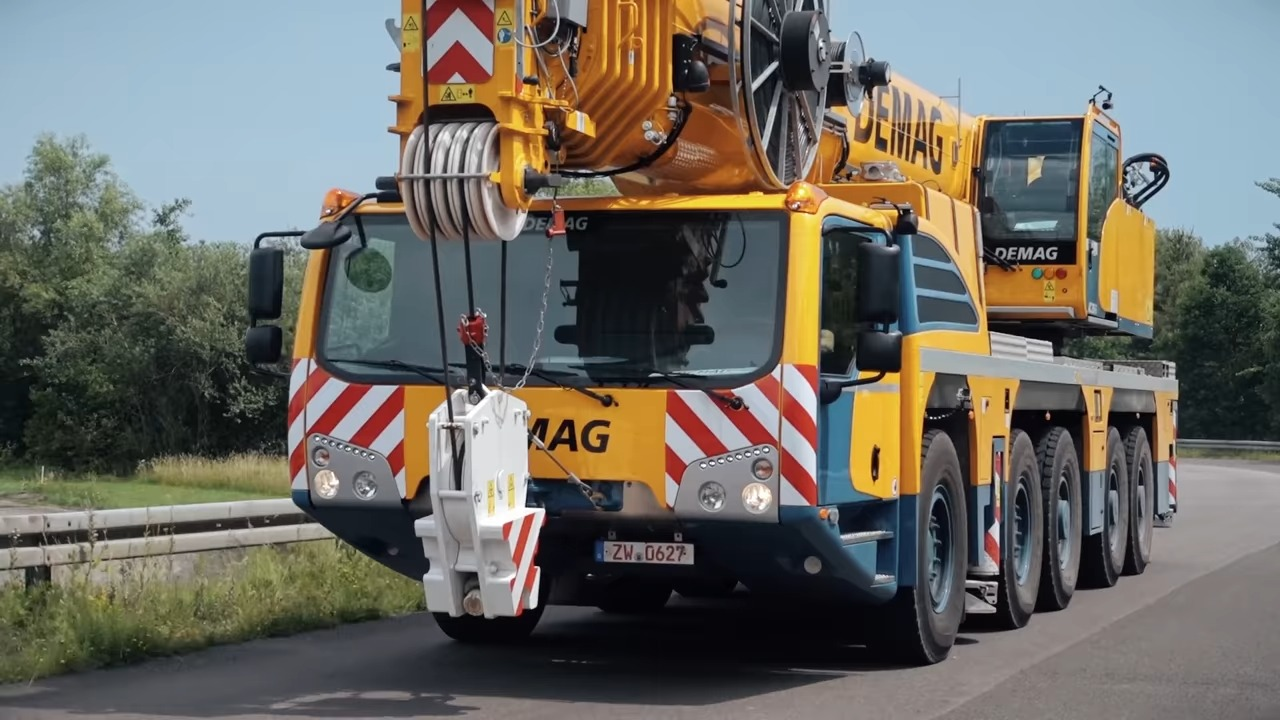
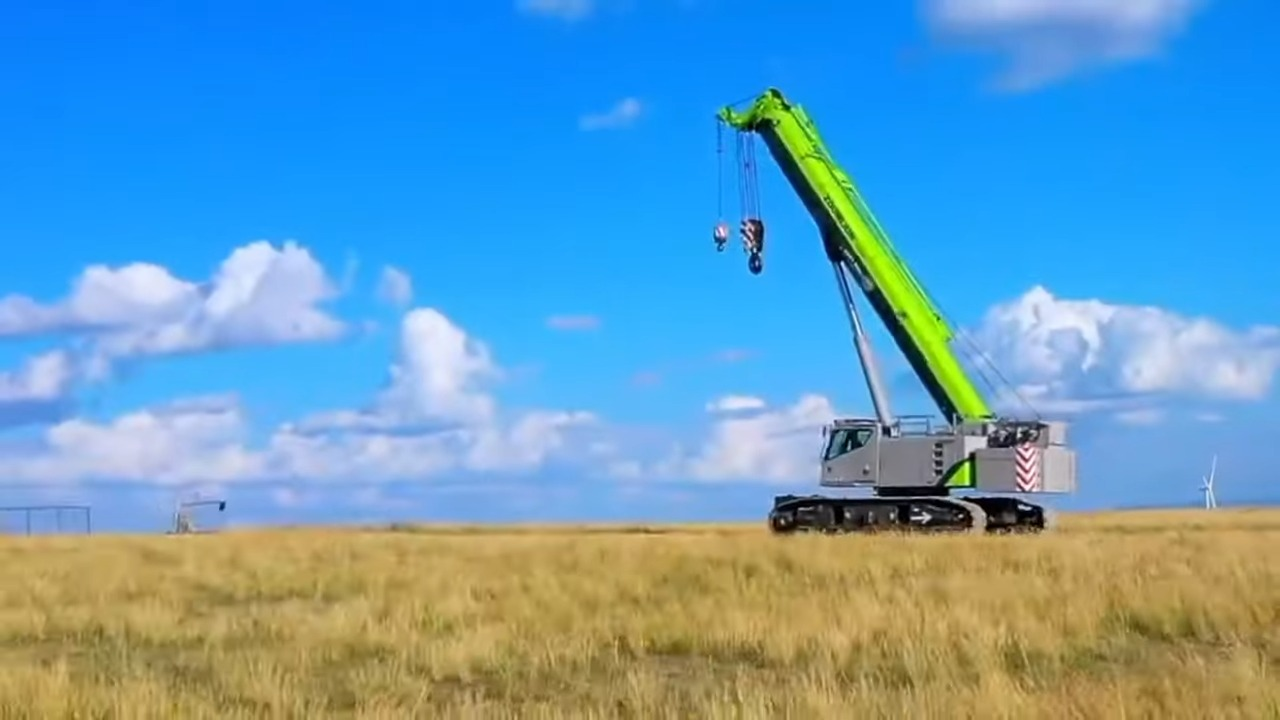
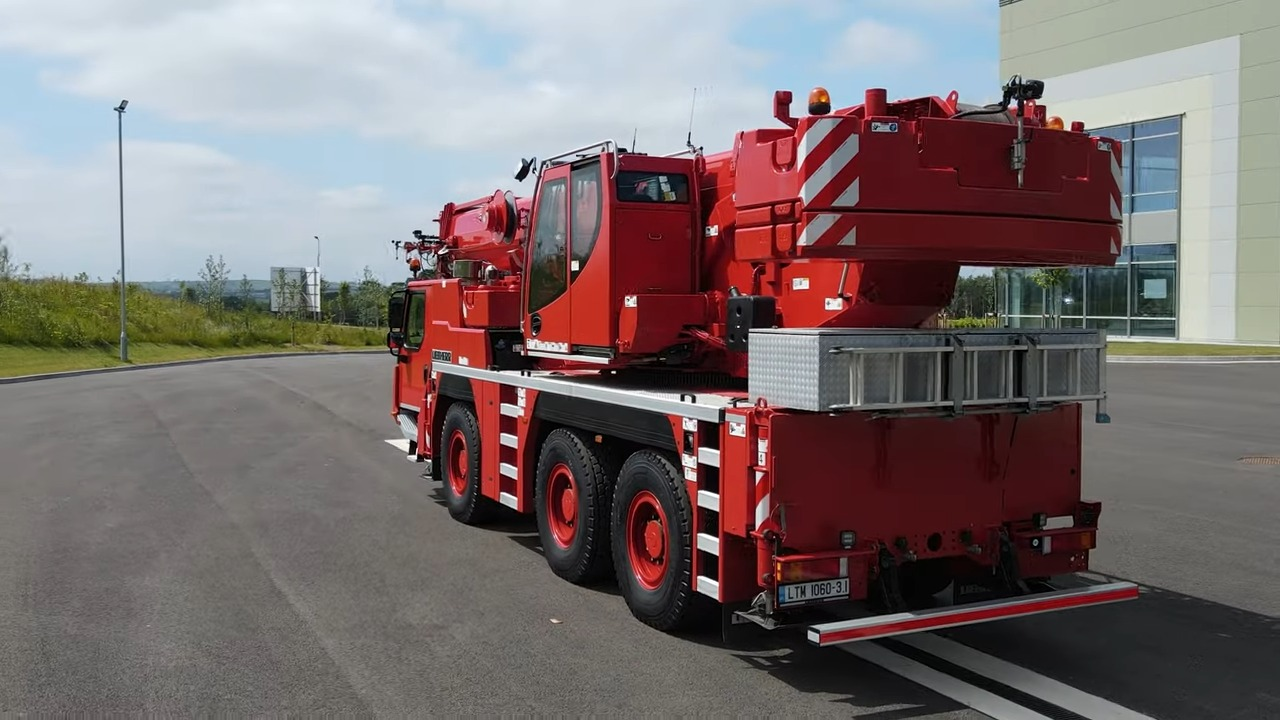
Meta Description: Explore the versatile applications of carry deck cranes in construction, shipping, and industrial settings. Learn how these compact cranes efficiently lift and transport heavy loads in confined spaces
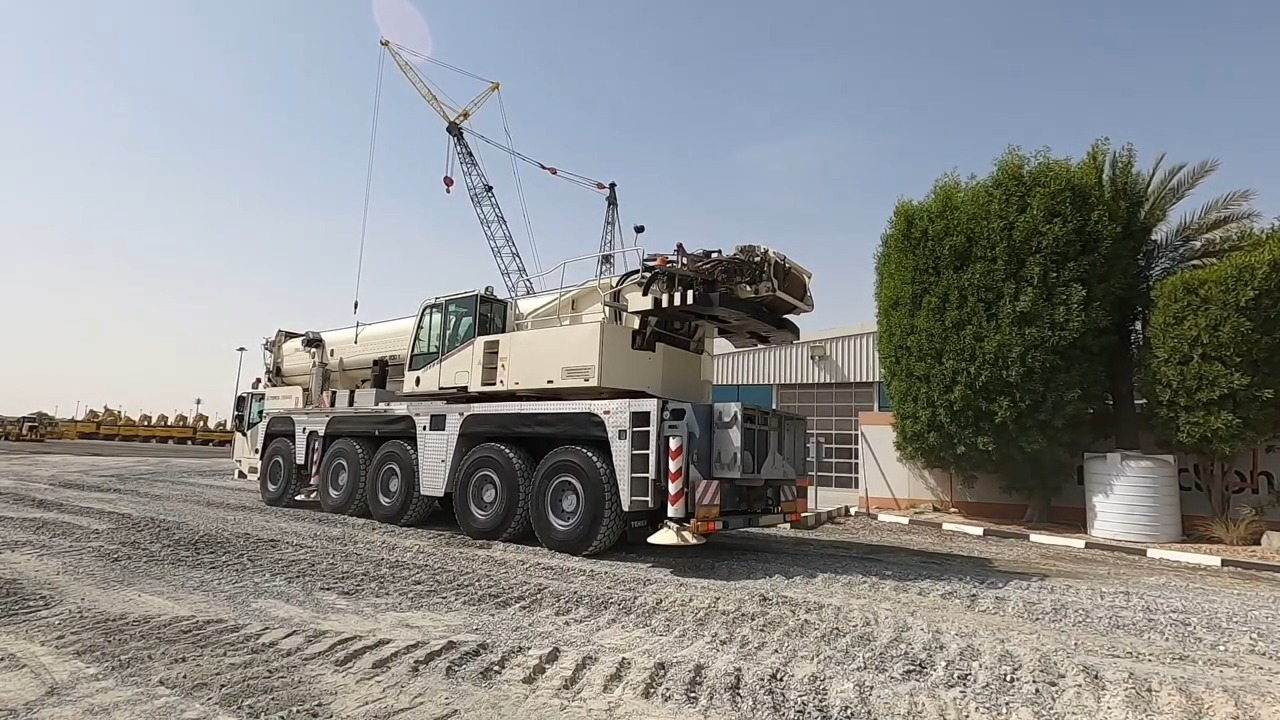
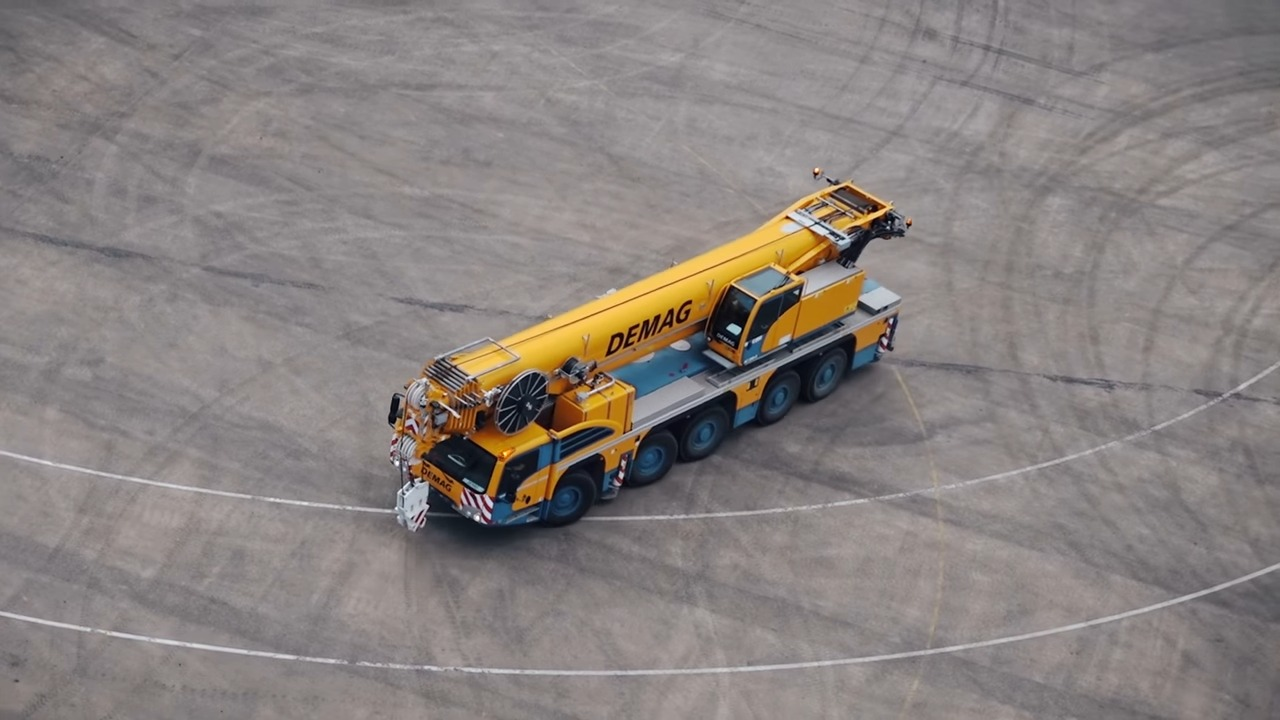
This article provides an in-depth look at the versatile carry deck crane and its wide range of applications. Carry deck cranes can efficiently transport heavy loads, lift materials, and perform multiple tasks simultaneously, thanks to their specialized design, through exploring their common uses in construction, shipping, and other industries.
Key Takeaways
Thanks to their specialized design and versatile features, carry deck cranes can efficiently transport heavy loads and perform multiple tasks simultaneously.
They are well-suited for applications in construction, shipping, ports, and marine projects due to their ability to lift loads weighing the same as larger cranes.
Equipped with a rotating boom and hydraulic controls, carry deck cranes can precisely maneuver cargo even in tight spaces and complete jobs with overhead obstacles.
Common Applications of Carry Deck Cranes
Carry deck cranes are extremely versatile equipment that can perform multiple jobs simultaneously on construction sites, job sites, and other industrial areas. Their maneuverability and specialized components allow them to transport heavy loads even in tight, confined spaces with overhead obstacles.
1. Construction Projects
Construction projects often require heavy lifting of building materials and machinery in narrow work areas with many obstacles. Carry deck cranes are well-suited for such applications due to their compact size and ability to lift loads weighing the same capacity as larger cranes.
Their rotating lifting boom and fully hydraulic controls enable precise positioning of cargoes like construction supplies, while the 360-degree rotation allows efficient placement around a worksite.
The mobile operator cab also provides crane operators with good visibility and oversight of the construction area and load. Versatile carry deck cranes can efficiently perform lifting tasks on busy construction sites.
2. Shipyards
Shipyards are industrial sites with complex lifting challenges due to confined work areas and uneven surfaces. Carry deck cranes are well-suited for shipyard applications thanks to their compact size and ability to lift heavy loads with a load capacity like larger ones.
Their rotating boom and hydraulic controls allow precise placement of heavy ship components, engines, and other equipment over cargo decks and into narrow spaces onboard vessels under construction or repair. The mobile operator cab also provides good oversight of loading operations amid the many overhead obstacles common in shipyards.
3. Port Operations
Port operations involve heavy cargo handling in confined spaces. Carry deck cranes are well-suited for ports because they can lift heavy loads with the same capacity as larger cranes. With a rotating boom and hydraulic controls, carry deck cranes can efficiently transport containers, bulk materials, and other loads between ships and storage areas, even in tight spaces.
The mobile operator cab provides good visibility over cargo operations amid narrow dock spaces and overhead obstacles. Versatile carry deck cranes help facilitate smooth port operations through precise cargo positioning.
4. Marine Construction
Marine construction presents challenging lifting conditions due to water environments and confined work barges. Carry deck cranes are well-suited for such projects thanks to their ability to lift heavy loads and perform multiple jobs simultaneously.
With features like a rotating boom and hydraulic controls, carry deck cranes can precisely position loads even in tight spaces aboard marine vessels and platforms. Their compact size allows transport via barge to offshore worksites. The versatile carry deck crane is thus handy for marine construction applications.
Uses of Carry Deck Cranes
Carry deck cranes are incredibly versatile equipment that can perform multiple jobs simultaneously. Thanks to their specialized components and ability to lift heavy loads with the same capacity as larger cranes, they can perform multiple jobs simultaneously. Their rotating booms and fully hydraulic controls allow precise positioning of cargo.
Delivery of Supplies to Hard-to-Reach Places: The compact size and maneuverability of carry deck cranes allow them to transport building materials, machinery, and other supplies to worksites with overhead obstacles and confined spaces, such as construction projects surrounded by existing structures, efficiently
Transportation of Heavy Materials: With a rotating boom and hydraulic controls, carry deck cranes can smoothly move bulk cargo, containers, engines, and other heavy loads between storage yards, job sites, and onboard ships in ports and tight dock spaces.
Moving Items Around Job Sites: The versatility of carry deck cranes makes them suitable for lifting and repositioning various equipment, components, and supplies among multiple ongoing tasks on busy construction sites and shipyards with many obstacles overhead. Their ability to simultaneously maneuver loads aids productivity.
Frequently Asked Questions (Applications of Carry Deck Cranes)
With their 360-degree rotating boom, carry deck cranes stand alongside job sites to lift and transport materials. They are versatile, navigating narrow spaces and efficiently hoisting materials to and from crane decks.
Unlike other cranes, carry deck cranes are designed with a crane deck that can transport loads. Their lifting capacity and ability to operate in tight spaces make them the right equipment for various construction scenarios.
Yes, carry deck cranes stand out as more than just a truck. With a 360-degree rotating boom and the capability to lift and transport materials, they offer a versatile solution on construction sites where other large equipment may face limitations.
Training on carry crane decks is essential for crane operators. It ensures they are adept at maneuvering the crane safely, especially in narrow spaces, contributing to overall occupational safety on the job site.
Looking for Equipment?
Compare rates from dozens of companies in less than 3 minutes.
Choosing the right crane for construction and industrial projects is essential for safe and efficient operations. This article provides an in-depth overview of the various crane types, including their key features and specialized application areas.
Whether you need to lift heavy loads at job sites, handle bulk materials, or place structural elements, understanding the different crane options available can help you select the best equipment for your lifting needs.
Key Takeaways
There are two main categories of cranes – mobile cranes that can be transported between sites and fixed cranes permanently installed for heavy lifting needs.
Mobile cranes include rough terrain, crawler, carry deck, floating, and truck-mounted types suited to different terrain and lifting applications.
Fixed cranes like tower, overhead, and hammerhead cranes are well-suited for large, long-term construction projects requiring frequent or heavy lifts.
Understanding the Different Types of Cranes
Whether you need to lift heavy loads for construction sites, job sites, or other industrial environments, choosing the right type of crane is essential. There are many crane types, each with specialized uses and lifting capabilities. It’s important to understand the variety of options available.
1. Mobile Cranes
Mobile cranes provide incredible versatility and are widely used for various tasks. They are commonly seen on construction sites, manufacturing facilities, chemical plants, shipping yards, etc.
Mobile cranes can be mounted on either tracks or wheels, making them mobile enough to navigate tight spaces. Common mobile crane types include crawler cranes, rough terrain cranes, carry deck cranes, floating cranes, truck-mounted cranes, and all-terrain cranes.
2. Carry Deck Crane
Carry deck cranes are a type of mobile crane well suited to job sites with limited space. One of the more compact crane options, they have four or flanged wheels for maneuvering. Their small size allows navigation of tight spaces, making them helpful in lifting objects into large structures.
Carry deck cranes are also known as deck cranes and are easily transported between short-term construction projects.
3. Crawler Crane
Crawler cranes are well-suited for job sites with soft or uneven terrain thanks to their tracks instead of wheels. The rubber tracks provide crawler cranes incredible stability even on unimproved ground, allowing them to traverse work areas without sinking.
They are commonly used on construction sites and industrial environments like chemical plants. Some crawler cranes have a telescopic boom that allows the crane to adjust in size, making them highly adaptable for lifting heavy loads or large structures.
Their tracks make crawler cranes useful for long-term projects that require lifting materials on railway tracks or crawler tracks.
4. Floating Crane
Floating cranes, also called crane vessels or ships, are mobile cranes specially designed for lifting loads and performing rescue jobs at sea, near ports, or offshore, like oil rigs. As floating equipment, these cranes have a long history of aiding generations working in shipping yards, shipbuilding, and port construction.
Common floating crane types include sheerleg, floating sheerlegs, floating derricks, and semi-submersible cranes. They provide lifting capacities suitable for heavy materials and objects, with hydraulic mechanisms allowing rotation and operation of jib arms from the crane-mounted control cabins.
5. Rough Terrain Crane
Rough terrain cranes are well-suited for off-road job sites and areas with difficult terrain. They can traverse rough areas and uneven ground thanks to their large rubber tracks or flanged wheels, providing stability for lifting heavy objects or loads.
Rough terrain cranes are commonly used on construction sites and in industrial environments like chemical plants, manufacturing facilities, and mining operations.
Their ability to lift loads in tight spaces makes them useful for short-term construction projects and rescue jobs. Telescopic booms allow rough terrain cranes to adjust their reach.
6. Truck-Mounted Crane
Truck-mounted cranes are highly mobile because they consist of two parts: the carrier truck and the lifting boom. This allows for easy transportation between job sites without additional equipment.
Their ability to travel public roads also benefits portable, short-term projects. Truck-mounted cranes are frequently used to lift materials for tall buildings, bridges, and other construction projects.
Counterweights and outriggers provide stability for lifting heavy loads. Special truck-mounted cranes aid in inspecting and maintaining railway tracks, highways, and more.
Mobile Cranes in Detail
With so many different types of mobile cranes available, it’s important to understand the key features and specialized uses. Choosing the right mobile crane can make or break a project, so let’s explore some popular options more deeply.
Carry Deck Crane Features and Uses
Carry deck cranes are well-suited for jobs requiring work in tight spaces, like lifting heavy objects or materials into large structures on construction sites. Their compact size and maneuverability between flanged wheels or rubber tracks allow navigation of tight job sites and short-term projects.
A 360-degree rotating carry deck provides flexibility to lift loads from various angles. Their simple setup makes carry deck cranes easy to transport between jobs, useful for portable lifting needs.
Crawler Crane Features and Uses
Thanks to their tracks, crawler cranes excel at lifting loads even on unprepared terrain. The rubber tracks provide incredible stability without sinking on soft or uneven ground, such as chemical plants, manufacturing facilities, and mining operations.
Telescopic boom configurations allow crawler cranes to adjust their reach depending on the lifting needs, such as placing heavy objects or lifting materials for tall buildings and bridges. Their long-term durability makes crawler cranes well-suited to construction projects requiring lifts along crawler tracks or railway tracks.
Floating Crane Features and Uses
Floating cranes are specially designed to lift heavy loads working at sea, near ports, or offshore oil rigs. Common types include sheerleg and semi-submersible cranes capable of lifting loads suitable for heavy materials, objects, or structures.
Hydraulic mechanisms allow rotation of the crane-mounted jib arms and control of lifting operations from onboard cabins. Their ability to aid generations working on shipping yards, shipbuilding, and port construction projects cement floating cranes as versatile equipment for water-based job sites.
Rough Terrain Crane Features and Uses
Equipped with large rubber tires or tracks for traversing rough terrain and soft ground
Suitable for heavy lifting needs on off-road job sites like construction, mining, and rescue operations
Capable of operating in tight spaces and lifting loads into large structures
Configured with telescopic boom and outriggers for stability while lifting heavy objects
Truck-Mounted Crane Features and Uses
Truck-mounted cranes are highly versatile thanks to their ability to drive between projects on public roads. Commonly used for:
Lifting materials and structural elements during the construction of tall buildings, bridges, and wind farms
Placing heavy components needed for infrastructure projects like roads, railways and ports
Performing maintenance and inspections requiring lifting capacity on highways, utility lines, and other fixed structures
Fixed Cranes in Detail
Understanding fixed cranes’ key attributes and applications is important for their effective use in different environments. Let’s explore some common fixed crane types.
Bridge/Overhead Crane Features and Uses
Bridge cranes, called overhead cranes, are well-suited for heavy lifting needs in industrial environments like manufacturing facilities, chemical plants, and shipyards. Their fixed design, either gantry or jib configurations, provides reliable lifting from floor-mounted pillars.
Overhead cranes are commonly used for the repetitive lifting of heavy loads or materials between workstations.
Bulk-Handling Crane Features and Uses
Equipped with a specialized grabbing mechanism and bucket for lifting heavy bulk materials
Commonly used in ports and facilities that handle large volumes of commodities
Suitable for lifting loads of coal, minerals, grains, and other loose materials for shipping
Hydraulic controls allow the operation of the grabbing arm from a permanently installed control station
Hammerhead Crane Features and Uses
Hammerhead cranes are well-suited for construction sites and projects that require heavy lifting capacity. Their horizontal, rotating lever design provides incredible stability while racking loads back and forth. It commonly places structural elements and lift materials into tall buildings, bridges, and large structures.
The movable trolley along the jib arm adds flexibility. Hammerhead cranes are assembled to provide lifting support throughout job sites and projects.
Stacker Crane Features and Uses
Stacker cranes are permanently installed automated machines well-suited for repetitive lifting needs in warehouses and manufacturing facilities.
Their forklift-like design allows the stacking of storage racks or the movement of materials between work areas. They are commonly used in environments requiring lifting in extreme temperatures or hazardous conditions.
Telescopic Crane Features and Uses
Equipped with a hydraulic telescopic boom that can adjust in length for varying reach needs
Suitable for construction sites requiring the lifting of heavy objects into tall buildings or bridges
Mounted on a fixed base or truck carrier for transport between projects or job sites
Telescoping ability provides flexibility to lift loads at different heights efficiently
Tower Crane Features and Uses
Due to their fixed, tall design, tower cranes are well-suited for heavy lifting needs on large construction projects. They commonly place structural elements on high-rise buildings, factories, chemical plants, etc.
Fixed to the ground for stability, with counterweights balancing lifting loads. A movable trolley and rope/cable configuration allow the racking of materials across job sites from the crane’s elevated position.
Frequently Asked Questions (Applications of Carry Deck Cranes)
With their 360-degree rotating boom, carry deck cranes stand alongside job sites to lift and transport materials. They are versatile, navigating narrow spaces and efficiently hoisting materials to and from crane decks.
Unlike other cranes, carry deck cranes are designed with a crane deck that can transport loads. Their lifting capacity and ability to operate in tight spaces make them the right equipment for various construction scenarios.
Yes, carry deck cranes stand out as more than just a truck. With a 360-degree rotating boom and the capability to lift and transport materials, they offer a versatile solution on construction sites where other large equipment may face limitations.
Training on carry crane decks is essential for crane operators. It ensures they are adept at maneuvering the crane safely, especially in narrow spaces, contributing to overall occupational safety on the job site.
Looking for Equipment?
Compare rates from dozens of companies in less than 3 minutes.
Meta Description: Explore the pros and cons of various crane types, from tower to mobile cranes, to make informed decisions for your construction projects.
This article provides an overview of different types of cranes used in various industries, along with their key features and applications. Cranes are indispensable heavy-lifting equipment classified based on mobility, power source, and job site access.
The following sections describe the most commonly used crane categories, including their pros and cons, to help understand the right equipment for diverse lifting needs.
Key Takeaways
Tower, mobile, overhead, and gantry cranes are suitable for industrial and construction sites depending on mobility and workspace needs.
Rough terrain, floating, and all-terrain cranes offer versatile lifting solutions for challenging job sites and marine environments.
Telescopic, jib, and static cranes have specialized applications requiring variable height and localized or stationary lifting.
Choosing the right crane involves considering lifting capacity, outreach, mobility, and the specific project requirements.
Understanding the Crane Types
Many types of cranes are used across various industries such as construction, shipping, mining, and manufacturing. Some of the most common crane types include tower, mobile, overhead cranes, gantry, rough terrain cranes, truck-mounted cranes, crawler cranes, floating cranes, jib cranes, and telescopic cranes.
Each type has its configuration, lifting capacity, mobility, and suitability for specific applications like lifting heavy objects, tall buildings, bridge construction, and other large-scale construction projects. It is important to evaluate the pros and cons of each crane type to select the right equipment for the job.
Advantages and Disadvantages of Various Crane Types
Here are each crane type’s possible pros and cons, including tower crane, mobile crane, crawler crane, rough-terrain crane, and many more.
1. Tower Cranes
Tower cranes are the most commonly used types in large-scale construction projects involving tall buildings and structures. They have a fixed mast/tower and can achieve immense heights using jacking systems, enabling them to lift loads to the highest levels of high-rise buildings under construction.
Tower cranes are also suitable for bridge construction activities that require lifting heavy materials and loads high into the air.
Pros
Tower cranes provide excellent height and lifting capacity compared to mobile cranes, which are essential for lifting loads over 100 feet. Their lifting capacity often ranges between 5 and 100 tons.
They are ideal for construction sites that involve erecting tall buildings and structures like skyscrapers, where repetitive lifting of loads to the highest levels is required daily.
Tower cranes deliver high efficiency because they are fixed in place. There is no need for assembly/disassembly or moving them around the site between lifts, making them suitable for repetitive lifting tasks on a construction site or fixed building.
Cons
When set up or removed from the construction site, tower cranes require extensive assembly and disassembly using heavy-lifting equipment like mobile cranes. Their assembly and disassembly process is complex and lengthy, typically taking several weeks. This downtime can significantly impact the project schedule.
Due to the large number of parts and specialized equipment needed, tower cranes tend to have high initial setup costs. Transporting them to and from the job site also incurs huge costs since they must be dismantled into several truckloads of parts.
Once erected, tower cranes have minimal mobility as they are anchored to the building structure. This restricts them from being moved to lift loads at other locations within the large construction site or nearby sites. Their fixed location means mobile cranes are still needed to lift loads in areas out of reach of the tower crane.
2. Mobile Cranes
Mobile cranes are commonly used on construction sites that require heavy lifting but also good maneuverability and access to remote locations. They are known for their high mobility and are often the preferred choice for job sites that involve lifting loads to construct bridges, buildings, lay foundations, etc.
Pros
Mobile cranes offer excellent mobility and maneuverability compared to tower cranes. They can be easily transported between construction sites on public roads using their engine and hydraulic-powered crawler tracks or rubber tires, providing easy access to remote and hard-to-reach job sites.
Their ability to self-load and move independently on temporary tracks or all-terrain tires makes them suitable for lifting heavy objects and materials like pre-cast segments, steel beams, equipment, and more at construction, mining, or infrastructure projects.
Mobile cranes can perform multiple pick and carry functions at large-scale projects, safely lifting loads weighing several tons for placement with precision at different site locations using their horizontal boom and winch system.
Cons
Mobile cranes’ maximum height and lifting capacity are generally lower than tower cranes, making them less suitable for jobs requiring lifts of more than 150-200 feet. Their lifting capacity is typically between 5 and 50 tons.
The operational costs of mobile cranes, such as fuel, maintenance, and crane operator wages, tend to be higher than crawler or rough terrain cranes, which are more mobile on rough terrain and construction sites.
Mobile cranes need relatively stable and level ground surfaces to operate safely. Their outriggers are susceptible to sinking or tilting on uneven, soft, or unstable ground, potentially leading to accidents. Proper ground preparation and essentials are important when using mobile cranes for lifting at construction sites.
3. Crawler Cranes
Crawler cranes are widely used in heavy-lifting applications in large construction, mining, and infrastructure projects that involve lifting loads in challenging terrain conditions.
Pros
Powered by a diesel engine and equipped with crawler tracks instead of wheels, crawler cranes offer excellent stability and traction even on soft, muddy, uneven, and rough terrains commonly found at construction sites. Their wide tracks help distribute the crane’s weight and load for safe lifting operations.
Due to their robust and stable design, crawler cranes are ideally suited for heavy and precise lifting of components like pre-cast segments, heavy machinery, and equipment where load balancing is critical. They can lift loads weighing several hundred tons to heights of over 180 feet.
Unlike mobile cranes, crawler cranes do not require trailers for transportation. Their crawler undercarriage enables them to self-load and transport between job sites on public roads or temporary tracks without additional hauling equipment, improving their flexibility.
Cons
While crawler cranes can self-load for transport, their top transport speed is slower than mobile cranes with wheels or tracks. This is because the crawler tracks have more friction and do not allow for higher speeds on public roads.
Due to their heavier construction, extensive use of crawler tracks, and operation in rugged conditions, crawler cranes tend to have higher maintenance, fuel consumption, and repair costs than mobile cranes.
The continuous rotation of the wide crawler tracks during lifting or transport can potentially cause some ground damage by churning up soft earth and leaving track marks, which requires restoration. This is an important factor for environmentally sensitive or landscaped job sites.
4. Rough Terrain Cranes
Rough terrain cranes are commonly used for heavy lifting activities on construction sites with unprepared or uneven terrain conditions that are challenging for regular mobile cranes.
Pros
Equipped with extra-wide and deep tracks or crawler undercarriage, rough terrain cranes offer excellent mobility and stability on rough, muddy, soft, and uneven terrain commonly found at infrastructure, mining, and sizeable on-site construction projects. Their robust design allows operation even in terrain unsuitable for wheeled mobile cranes.
Due to their powerful configuration, rough terrain cranes are suitable for handling heavy lifting requirements at road, dam, and bridge construction sites and mining and excavation sites where regular mobile cranes face limitations.
With lifting capacities ranging between 30 and 400 tons using their extendable boom system, rough terrain cranes can lift heavier loads than regular mobile cranes of similar specifications operating in similar terrain conditions.
Cons
While rough terrain cranes offer excellent mobility on challenging terrains, their maximum outreach and lifting capacities are generally lower than stationary tower cranes to lift components at high heights while constructing tall buildings and structures.
Rough terrain cranes still require reasonably stable and compacted ground conditions for safe and efficient lifting operations despite having robust tracks or crawlers. Very uneven, soft, or unstable ground poses risks.
Due to their powerful configuration of a larger carrier machine, extra heavy-duty tracks, and stronger boom/cable system, the initial acquisition costs of rough terrain cranes are higher than regular mobile cranes of equivalent lifting capacity.
5. Floating Cranes
Floating cranes are specialized heavy-lift equipment used in marine construction, shipbuilding, and offshore projects that require lifting over water.
Pros
Floating cranes are ideally suited for heavy lifting applications in marine environments, such as constructing and maintaining offshore oil rigs and platforms, wind farms, ports, and harbors, where access is only possible via water.
With powerful lifting capacities ranging between 100 and 3,000 tons using their large booms, floating cranes can lift hefty loads and components over water for placement or assembly.
Many floating cranes are self-propelled through an integrated propulsion system, enabling them to transport themselves between different job sites without requiring a heavy lift vessel.
Cons
Due to their inability to transport over land, floating cranes can only be used at marine construction sites, shipyards, and offshore projects near navigable waterways.
Their complex design incorporating a floating hull, marine propulsion, and heavy lifting capability produces higher operational costs than conventional land-based mobile or tower cranes.
Specialized crews trained in marine operations are required to transport, operate, and maintain floating cranes due to safety considerations of working over open water.
6. Overhead and Gantry Crane
Overhead and gantry cranes are commonly used in industrial facilities, shipyards, warehouses, and manufacturing plants to lift heavy loads repetitively over designated work areas.
Pros
Overhead and gantry cranes are highly efficient for repetitive lifting, lowering, and transferring heavy loads within their pre-defined work areas in factories, warehouses, and industrial facilities. This makes them suitable for mass production.
Compared to mobile cranes, overhead and gantry cranes take up minimal floor space, allowing for optimal use of space within the facility.
With their fixed rails or beams and powered hoist, these cranes enable precise positioning and placement of loads within their coverage area with millimeter accuracy.
Cons
Both overhead and gantry cranes have fixed tracks constrained to designated work zones, which makes them immobile, unlike mobile cranes that can access different locations.
Installing overhead beams and bridge girders incurs higher initial costs than jib cranes that can be mounted on floor or wall pillars.
A robust building structure is required to anchor the crane rails, beams, and bridge girders for safe operation and to withstand the weight of heavy loads.
7. Telescopic Crane
Telescopic cranes are commonly used in construction, shipping, and industrial applications that require lifting loads at variable heights.
Pros
Telescopic cranes are versatile and adaptable for confined job sites and spaces. Their extendable and retractable boom design allows them to access and lift loads in restricted areas that other crane types may not be able to reach.
Cons
While telescopic cranes are highly maneuverable, their maximum lifting height and capacity are generally lower than that of tower cranes used for heavy lifting of structural components and materials during the construction of tall buildings and bridges. The maximum load they can lift is typically 5-10 tons.
8. Jib Crane
Jib cranes are commonly used for material handling within industrial facilities, manufacturing plants, and shipyards.
Pros
Jib cranes have a compact design with a horizontal jib or boom that occupies very little floor space, making them suitable for localized lifting of loads within a specific radius or work area.
Their compact size allows easy installation on walls or columns of buildings, bridges, or other structures for lifting at height.
Jib cranes can be easily repositioned along their mounting structure to suit changing material flow requirements within a facility.
Cons
The short jib or boom arm of jib cranes limits their reach and outreach, making them unsuitable for applications requiring lifting loads from longer distances.
Their lifting capacity is typically lower than 5 tons, restricting their use to lighter load-handling applications within confined areas.
Jib cranes cannot be used for lifting loads over obstacles as their height is constrained by the mounting height on walls or columns.
9. All-Terrain Cranes
All-terrain cranes can operate in diverse terrain conditions, making them a versatile lifting solution.
Pros
Equipped with robust tracks or all-terrain tires, these cranes offer excellent mobility and traction on paved roads and off-road conditions like construction sites and rugged landscapes.
Their ability to self-load and transport between job sites eliminates the need for additional hauling equipment, improving flexibility.
With lifting capacities ranging from 30 to 300 tons, all-terrain cranes can handle heavy lifting requirements across multiple industries, including construction, energy, and infrastructure development projects.
Cons
The robust undercarriage and powerful configuration result in higher initial acquisition costs than regular mobile cranes of equivalent capacity.
Track maintenance and repair or all-terrain tires incur additional expenses over the long run compared to cranes with regular road tires.
Transport between sites far apart may involve over-dimensional permits and police escorts depending on the crane size, width, and load.
10. Static Cranes
Static cranes are designed for applications requiring lifting loads from a fixed location for extended periods.
Pros
Static cranes’ robust stationary design provides excellent stability and lifting capacity for long-term or permanent installations at construction sites, factories, and shipyards.
As they are permanently installed, static cranes do not require frequent assembly/disassembly, reducing total operational costs over the lifespan.
Maintenance needs are lower than mobile cranes as static cranes do not face wear from transportation.
Cons
Due to their fixed location, static cranes lack proper mobility for lifting loads at different areas of a large facility or comprehensive site.
Shifting an existing static crane installation to a new location requires major engineering and dismantling work.
Higher initial costs involve putting the crane in concrete or mounting it on a substantial weight-bearing foundation.
Frequently Asked Questions (Applications of Carry Deck Cranes)
With their 360-degree rotating boom, carry deck cranes stand alongside job sites to lift and transport materials. They are versatile, navigating narrow spaces and efficiently hoisting materials to and from crane decks.
Unlike other cranes, carry deck cranes are designed with a crane deck that can transport loads. Their lifting capacity and ability to operate in tight spaces make them the right equipment for various construction scenarios.
Yes, carry deck cranes stand out as more than just a truck. With a 360-degree rotating boom and the capability to lift and transport materials, they offer a versatile solution on construction sites where other large equipment may face limitations.
Training on carry crane decks is essential for crane operators. It ensures they are adept at maneuvering the crane safely, especially in narrow spaces, contributing to overall occupational safety on the job site.
Looking for Equipment?
Compare rates from dozens of companies in less than 3 minutes.
Meta Description: Explore how crane safety features leverage technology to enhance safety and efficiency in construction operations. Learn about advanced systems and future innovations.
Modern cranes incorporate advanced intelligent safety systems to protect workers and improve productivity. This article discusses critical smart features like load monitoring, collision avoidance, and remote fleet management that leverage new technologies such as sensors and automation.
It also explores upcoming innovations, including IoT-enabled solutions, automated inspections, and advanced load controls.
Key Takeaways
Modern cranes leverage sensors, automation, and remote monitoring to enhance safety on construction sites.
Intelligent features such as load monitoring, collision avoidance, safe load path control, and operator assistance optimize lifting operations while minimizing risks.
Remote fleet management solutions improve productivity through predictive maintenance, performance tracking, and data-driven management of entire crane fleets.
Emerging technologies, including IoT, AI, and automated inspections, will further advance crane safety and make operations more efficient.
Smart safety systems contribute to safer working environments and reduced downtime through precision, guidance, automated controls, and crane performance monitoring.
Understanding Smart Crane Safety Features
Safety features in cranes leverage the latest technologies like sensors, collision avoidance systems, and remote controls to help crane operators work safely by precisely positioning loads and preventing accidents and downtime.
Features like anti-collision systems, load monitoring devices, and overload prevention systems utilize data from crane movement, load swing, rope angle, and limit switches to minimize risks for operators, workers, and other personnel on construction sites.
Evolution of Safety Features in Cranes
Cranes have a long history of use in construction and other industries, and safety features have developed significantly over the decades. Early cranes relied primarily on manual controls and the experience of skilled crane operators to work safely.
As lifting equipment, loads, and operations increased in complexity, there was a need for new technologies to minimize risks.
Early Safety Mechanisms
Crane safety has evolved from simple mechanisms like limit switches, brake controls, and hook speed monitors to today’s advanced digital solutions. Early overhead cranes and lifting devices incorporated basic protections like limit switches to prevent the crane or trolley from traveling past designated areas of the bridge or building.
Operators also relied on manual brake controls and hook speed monitors to position loads carefully. While providing initial safeguards, these early safety systems could not match modern cranes’ intelligent features and precision.
Advancements in Sensor Technology
Over the decades, new technologies like sensors, remote controls, and control systems have enabled more intelligent safety features in cranes. Precision load positioning, collision avoidance, and sway control are now possible thanks to advancements in rope angle, movement, and position monitoring.
Sensor data provides real-time insights into crane operations and loads to help prevent accidents and minimize risks for operators on construction sites.
The Move Towards Automation
The industry leverages artificial intelligence, data analytics, and automated equipment to improve safety and productivity. Features utilizing automated controls are taking over complex lifting tasks from crane operators.
This shift towards automated operation, load monitoring, and maintenance solutions will reduce downtime and human errors, helping workers complete projects efficiently in available job site spaces.
Key Smart Safety Systems
Modern cranes leverage the latest technologies to incorporate advanced safety systems that protect operators and workers. These intelligent features utilize sensors, data monitoring, and automated controls to minimize risks on job sites.
1. Anti-Collision Systems
Anti-collision systems help prevent accidents by enabling precise positioning of loads through features like collision avoidance. These systems monitor crane movement and potential obstacles using sensors to detect the available space and the risk of hitting other machinery.
When a potential conflict is identified, alerts and automatic adjustments of the crane’s position help avoid collisions that could endanger personnel on construction sites. The ability of these digital solutions to identify risks in real-time creates a safer working environment for all.
2. Load Monitoring Systems
These systems provide real-time data on load weight, position, and distribution through features like load swing monitoring and rope angle sensors.
Operators receive alerts if the load exceeds safe capacity limits or risks becoming unstable.
Data from load monitoring devices helps ensure efficient lifting operations while minimizing safety risks.
3. Overload Prevention
Crane safety systems prevent accidents by stopping lifts from exceeding rated capacities. Overload protection utilizes control systems and automated features to:
Monitor load weights and prevent attempts to lift loads too heavy for the crane’s ability.
If the load poses risks, trigger alarms and disable crane operation, ensuring safe lifting even if operators exceed limits.
This helps minimize downtime from equipment failures or accidents that could endanger workers on construction sites.
4. Safe Load Path Technology
Safe load path features ensure the crane’s lifting operation follows a predetermined safe zone, minimizing risks like loads accidentally catching or swaying into workers. This technology automatically adjusts the crane’s movement and positioning through precision control systems if the load deviates from its designated trajectory due to wind loads or operator error.
It provides an added layer of protection for safely completing lifting tasks on construction sites.
Operator Assistance Features
Modern safety systems provide operators valuable guidance to work efficiently while minimizing risks. Intelligent features assist crane operators through automation and skills development.
Automatic Controls
Automatic control functions help operators precisely position loads through features like sway control and automatic boom positioning. This helps improve productivity by reducing lifting cycle times. Automated trolley and hoist movements also minimize human errors to create a safer working environment.
Training Simulators
Virtual reality and other simulation training devices equip operators with vital skills before operating actual equipment. Trainees can practice complex lifting scenarios, learn to avoid accidents in difficult spaces, and practice responding to issues – reducing safety risks. On-site simulators also lower training costs compared to alternatives.
Real-Time Guidance
Real-time guidance systems provide operators with valuable support during complex lifting tasks. By monitoring factors like load weight, crane movement, rope angle, and available space using sensors, these features can:
Offer automated boom positioning assistance to load heavy loads precisely into tight spaces and precisely.
Paudible and on-screen warnings to operators if the load deviates from its safe path or risks collision. This will allow quick reaction times to avoid accidents through control adjustments.
Stream data to operator consoles and mobile devices for real-time remote monitoring, enabling swift decision-making. This helps complete lifting operations efficiently while reducing worker risks on job sites.
Remote Fleet Management
Advancements in technology now allow remote monitoring and management of entire crane fleets. This provides important safety benefits.
Performance Tracking
Remote performance tracking systems collect wireless data to give managers vital insights into crane operations. Sensors monitor factors like load weights, bridge speeds, and equipment positioning. Fleet analytics tools identify efficiency opportunities by analyzing equipment usage, downtime reasons, and productivity metrics over time.
Managers leverage remote performance monitoring to make data-driven decisions that improve safety, productivity, and maintenance across their crane operations.
Predictive Maintenance
Predictive maintenance features utilize real-time sensor data to monitor equipment performance and identify potential issues. These systems can predict component failures by tracking metrics like motor speeds, hydraulic pressures, and crane movements over time.
Receiving automated alerts about impending maintenance needs helps schedule repairs proactively. This predictive approach reduces safety risks from unexpected breakdowns and minimizes costly downtime.
Reducing Downtime
Remote monitoring solutions provide insights that lower fleet downtime through faster issue resolution. When sensors detect maintenance requirements, technical personnel receive automatic notifications to resolve problems quickly.
Remote diagnostics tools also allow remote troubleshooting to identify accurate solutions without traveling to job sites. Combined with predictive maintenance, these technologies maximize crane uptime and availability, improving project efficiency.
The Future of Smart Crane Systems
As technologies evolve rapidly, the next generation of cranes will integrate even smarter safety features.
1. Integrated IoT Solutions
The Internet of Things (IoT) allows equipment to be continuously monitored using networked sensors. Future cranes may have advanced IoT systems integrating data from load cells, inclinometers, and position transmitters.
This will empower real-time fleet visibility through cloud-based analytics platforms. Managers can optimize operations and proactively address issues across dispersed job sites from a single dashboard. The connectivity of IoT ensures maximum uptime and safety as technologies advance.
2. Advanced Load Controls
The next generation of cranes will feature more autonomous load control capabilities. Advanced systems leveraging technologies like artificial intelligence and high-precision sensors will enable automated lifting, positioning, and load-balancing functions.
This will optimize lifting efficiency while reducing risks for operators through features ensuring precise load movement even in challenging conditions.
3. Automated Inspections
IoT and machine vision will drive automated inspections for proactive maintenance. In the future, integrated sensors and cameras will allow remote visual drone inspections of hard-to-reach crane components. AI algorithms can automatically scan footage for defects.
Inspection reports with diagnosis and part replacement recommendations will minimize downtime when potential issues are detected. Overall, automated inspections will enhance safety by catching maintenance needs early.
Frequently Asked Questions (Applications of Carry Deck Cranes)
With their 360-degree rotating boom, carry deck cranes stand alongside job sites to lift and transport materials. They are versatile, navigating narrow spaces and efficiently hoisting materials to and from crane decks.
Unlike other cranes, carry deck cranes are designed with a crane deck that can transport loads. Their lifting capacity and ability to operate in tight spaces make them the right equipment for various construction scenarios.
Yes, carry deck cranes stand out as more than just a truck. With a 360-degree rotating boom and the capability to lift and transport materials, they offer a versatile solution on construction sites where other large equipment may face limitations.
Training on carry crane decks is essential for crane operators. It ensures they are adept at maneuvering the crane safely, especially in narrow spaces, contributing to overall occupational safety on the job site.
Looking for Equipment?
Compare rates from dozens of companies in less than 3 minutes.
Meta Description: Explore essential safety tips, OSHA regulations, and training requirements for crane operations. Learn about crane safety practices to protect workers and the public on construction sites.
Crane operations present inherent risks that require diligent safety management. This article discusses critical aspects of establishing an effective crane safety program, including inspection, training, hazard assessment, safety protocols, and a strong safety culture.
When comprehensively addressed, these elements help protect workers by preventing accidents and injuries on construction sites.
Key Takeaways
Appoint a safety manager and team to oversee the crane safety program and conduct inspections and investigations.
Develop standardized procedures, conduct hazard assessments, and inspect equipment daily to prevent accidents.
Provide initial and recurrent training to operators and educate all crew on safety protocols and hazards.
Continually refine safety culture through promotion, compliance checks, and incident learning.
Maintain equipment properly through preventative maintenance and comply fully with regulations.
Understanding Crane Safety
Crane safety refers to organizations’ practices to reduce risks when operating cranes, which are essential machinery in construction sites for lifting materials and building large structures.
It is crucial to understand all inherent hazards, OSHA regulations, common crane types used, and their roles in systematically operating cranes and protecting operators, workers, and the public from risks on site.
Crane Safety Tips
Always visually inspect lifting equipment for defects before each operation and make any needed repairs.
Know load weight and center of gravity, and do not exceed the rated capacity limits of cranes.
Use properly rated rigging equipment and inspect slings/chains frequently for damage.
Maintain a safe distance from power lines when lifting loads near overhead utilities.
Barricade lifting areas and do not allow workers below suspended or rotating loads.
Wear a hard hat and steel-toed boots as basic job site safety gear.
Know emergency procedures like what to do if contact is made with energized power lines during operations.
Undergo recurrent training on safety protocols and be certified for the specific cranes operated.
Report malfunctions, accidents, or near-misses to prevent future incidents and address issues.
Follow manufacturer instructions and industry standards for safe assembly/disassembly of cranes.
OSHA Regulations for Crane Safety
OSHA has established extensive regulations to ensure safe crane operations and protect workers on construction sites. As cranes lift heavy equipment and materials, strict adherence to technical standards and safety protocols is important to prevent accidents.
Operator Certification and Training Requirements
Crane operator certification requires comprehensive training covering load capacity calculations, equipment inspection procedures, rigging safety, and emergency plans.
Operators must demonstrate proficiency through accredited testing to obtain licenses to conduct lifting operations. Re-certification ensures skills stay up to date with new technologies. Documentation of completed training is reviewed during inspections.
Crane Inspection and Maintenance Standards
OSHA has defined inspection protocols that cranes must undergo regularly and after any repairs or modifications. Inspections check for structural integrity to avoid hazards from mechanical failures under heavy loads. Preventative maintenance programs and load testing help identify issues early to ensure stability and safe lifting capacities.
Work Area Protection and Control Standards
Regulations specify requirements for barricading lifting zones, posting warning signs, and keeping workers at a safe distance during operations. Employers must assess ground conditions and plan lifts to prevent potential hazards posed by the work environment. Tag lines are also mandated to maintain control of suspended loads.
Common Hazards of Crane Operation
Crane operations present inherent risks that operators and workers must carefully manage to prevent accidents when lifting heavy equipment or materials. Proper training and adherence to safety protocols can help reduce hazards.
Falling Object Hazards
One of the significant risks cranes present is objects falling from the lifted load or rigging and striking people below. Due to equipment failure, improper loading, or severe weather, falling materials endanger those on busy job sites and can cause significant damage or injury.
Inspections for defects, following load charts, maintaining stability, and ensuring suspended items are securely attached with tag lines are some vital precautions to avoid such potential hazards from dropped components.
Overloading and Maximum Capacity Limits
Most crane mechanical failures and damage are caused by loads exceeding the rated capacity.
Modern heavy lifting equipment still has strict weight limits to ensure stability and prevent structural failures under stress.
Overloading is often due to human error, such as miscalculating the distributed weight or lifting radius.
Proper training helps operators understand load charts and avoid unsafe lifting situations.
Electrocutions and Power Line Contact
One of the significant electrical hazards for cranes is contacting overhead power lines during lifting operations.
Since cranes frequently lift loads high in the air, accidental contact with power lines is a serious risk that can endanger the operator’s safety.
Contact with high-voltage electricity may also pose risks to other workers in the vicinity or cause significant equipment damage.
Thorough lift planning and awareness of overhead utilities are important to maintain a safe distance and prevent such hazards.
Establishing a Crane Safety Program
Companies must implement a formal program with designated roles and processes to systematically manage crane operations safety. This coordinated effort helps protect workers.
Appointing a Safety Manager and Team
The first step involves assigning an experienced person as the crane safety manager and forming a team to oversee the program. Their responsibilities include conducting inspections, ensuring compliance with regulations like OSHA standards, investigating accidents to prevent recurrences, and providing ongoing training.
Conducting Hazard Assessments
Comprehensive job site evaluations identify potential risks from the operating environment, cranes, and lifting equipment. Assessments evaluate ground stability, overhead utilities, load weights, and radii.
They also review work procedures and operator certifications. This information guides the development of controls to mitigate hazards and ensure stable, safe lifting operations.
Developing Standard Safety Procedures
The safety team creates standardized protocols based on regulations and hazard assessments for all lifting operations.
These address proper load rigging, inspecting lifting equipment/cranes, and planning lifts based on load charts.
Procedures specify requirements for barricading lifting zones, posting warning signs, and keeping workers at a safe distance during hoisting operations.
They also guide equipment operators, such as pre-operation checks and boom assembly/disassembly steps, to ensure the stability of heavy machinery.
Employers must ensure all personnel are trained on safety before performing lifting tasks or visiting job sites.
Compliance is monitored through audits, and procedures are reviewed/updated based on incident investigations or regulatory changes to maintain best practices.
Consistent adherence to these evidence-based procedures helps prevent accidents and protects workers during high-risk activities involving suspended loads.
Training Requirements for Crane Operators and Crew
Proper training is essential to ensure safe crane operations and protect workers. Standardized programs help personnel learn and apply vital safety protocols.
Initial and Recurring Crane Operator Training: State and federal regulations require operators to obtain certification, which involves comprehensive initial training on their equipment. Recurrent training keeps skills sharp and accounts for new technologies. Programs address inspection, operation, emergency procedures, and potential hazards to prevent accidents.
Training Program Elements and Documentation: Effective training covers load capacity, rigging safety, signals, and emergency plans. Trainees demonstrate proficiency in practices like pre-lift planning. Certification and records confirm operators and crew understand their responsibilities to maintain compliance.
Crew Role and Hazard Awareness Training: While the operator controls lifting tasks, ground personnel must understand safety zones and not enter hazardous areas. Training educates crew on risks from suspended loads, electrical lines, and other job site dangers to avoid incidents requiring emergency response or significant damage. Awareness of hazards and protocols helps protect all workers.
Inspection, Maintenance, and Compliance Of Crane Safety
Adherence to inspection and maintenance standards ensures that lifting equipment like cranes are safely operational and meet regulatory requirements.
Pre-Operation Inspection Checklists: Comprehensive pre-use inspection checklists require operators to verify that critical components like the boom, ropes, rigging attachments, and safety mechanisms are intact before each lifting task. This helps catch defects and avoid potential equipment failure hazards while hoisting heavy loads.
Preventative Maintenance Programs: Planned maintenance keeps cranes and rigging in good working order. Programs provide schedules for regular service, load testing, and part replacements based on factors like equipment age and usage. This helps prevent unexpected issues and protects workers by catching small problems before they result in larger safety risks.
Implementing a Safety Culture
Developing a strong safety culture where all personnel actively participate in risk management is critical to preventing accidents.
Promoting Safety Awareness
New employee and recurring safety training keeps hazards and protocols top of mind.
Visual safety reminders like posters and tags promote vigilance.
Toolbox talks discuss recent incidents to educate on lessons learned.
Leaders prioritize safety communications and encourage feedback to improve protocols continuously.
Recognition programs incentivize safe behaviors and “see something, say something” policies for potential issues.
Audits ensure compliance empower workers to identify risks, and suggest controls before injuries occur due to equipment defects or unsafe acts near exposed loads.
Investigating Incidents Effectively
Thorough investigations of accidents or near-misses help identify root causes, such as hazards from equipment defects or protocol lapses. Reviews establish corrective actions like retraining, new controls, and protocol updates.
Incident reports track trends to refine the safety program. Investigations ensure transparency and accountability that promotes open reporting of concerns without blame.
Continual Improvement Approach
It is essential to have a culture of continual learning and adaptation. Feedback from inspections, audits, and incident reviews helps refine protocols, inspection checklists, training, and other aspects of the safety program. The goal is to proactively incorporate lessons into daily work and address emerging risks.
The safety management system remains responsive to a changing work environment by constantly verifying effectiveness and seeking new ideas. It helps prevent accidents through diligent, ongoing improvement of standards and worker education.
Frequently Asked Questions (Applications of Carry Deck Cranes)
With their 360-degree rotating boom, carry deck cranes stand alongside job sites to lift and transport materials. They are versatile, navigating narrow spaces and efficiently hoisting materials to and from crane decks.
Unlike other cranes, carry deck cranes are designed with a crane deck that can transport loads. Their lifting capacity and ability to operate in tight spaces make them the right equipment for various construction scenarios.
Yes, carry deck cranes stand out as more than just a truck. With a 360-degree rotating boom and the capability to lift and transport materials, they offer a versatile solution on construction sites where other large equipment may face limitations.
Training on carry crane decks is essential for crane operators. It ensures they are adept at maneuvering the crane safely, especially in narrow spaces, contributing to overall occupational safety on the job site.
Looking for Equipment?
Compare rates from dozens of companies in less than 3 minutes.
Meta Description: Optimize crane operations with effective risk management. Identify, assess, and control hazards to ensure safety in lifting heavy loads. Comply with industry standards.
This article discusses the essential steps in effective risk management for crane operations. It covers identifying potential hazards, assessing risks, implementing control measures through inspections, operator training, and safe work procedures, and ensuring continuous monitoring and review to maintain a safe working environment.
Key Takeaways
Identify potential hazards through risk assessment and evaluate their likelihood and severity.
Implement control measures like regular inspections, operator training programs, and safe work procedures.
Continuously monitor implemented controls and review the risk management program periodically.
Make necessary adjustments to controls based on monitoring outcomes and changing needs.
Adopting a robust risk management process promotes the safety of lifting operations.
Understanding the Importance of Risk Management in Crane Operation
Risk management plays a critical role in crane operations due to the inherent risks involved in lifting heavy loads at height.
Identifying all potential hazards, assessing their likelihood and severity, implementing appropriate control measures, conducting regular inspections, providing proper training to crane operators and personnel, and continuously reviewing practices to ensure the safe lifting of heavy structures and materials, even in challenging conditions. This helps minimize risks to the health and safety of workers and the general public.
Identifying Potential Hazards
Risk management is crucial to identifying all potential hazards associated with crane operations. This requires careful inspection and assessment of crane components and the surrounding work environment and conditions.
Structural Failures: Structural failures of crane booms, ropes, lifting gears, or other load-bearing parts pose serious risks if not identified in time. Regular inspection and load testing help determine any signs of cracks, corrosion, or other damage to critical crane structures.
Mechanical Malfunctions: Proper maintenance is needed to address mechanical issues like hydraulic leaks, brake failures, wire rope defects, and malfunctioning load lifting/lowering mechanisms, which can affect the safe lifting of heavy loads. Inspecting crane systems and equipment thoroughly helps locate potential problems.
Electrical Hazards: It is essential to identify potential electrical hazards, mainly when operating cranes near power lines. Accidental contact of crane booms, ropes, or other parts with overhead power lines during lifting operations can lead to fires, electric shock, or even fatal injuries. Inspecting minimum safe proximity distances and using insulated links and boom cages helps protect workers from such dangers.
Human Errors: Errors by crane operators and other personnel involved during critical activities like rigging, assembly, or transport can also result in risks if they are not appropriately addressed. Ensuring operators and workers are well-trained in safe operating procedures, have proper certifications, and understand their responsibilities helps reduce the likelihood of errors. Effective communication and supervision are equally crucial for catching and correcting unsafe practices.
Evaluating Risks Through Assessment
A critical part of risk management involves assessing the risks identified to determine their potential impact on lifting operations. This helps prioritize which risks must be addressed immediately to ensure safe crane operations.
Likelihood of Hazards: Evaluating the likelihood or probability of different hazards while operating cranes under various site conditions, such as heavy rain, winds, or unstable ground, is essential. Understanding which hazards are more likely to occur helps focus control measures appropriately. Assessing likelihood also involves examining factors like the frequency of exposure to hazards.
Potential Severity: Equally important is assessing hazards’ potential severity or consequence. This involves determining how critical the risk outcomes could be, such as worker injuries, equipment damage, disruption to lifting activities, or safety violations. Understanding severity helps decide which risks require more rigorous controls to minimize their impact.
Impact on Safety and Operations: Risk assessment also evaluates how different hazards may affect the health and safety of crane operators and other personnel involved in lifting operations. In addition, it is important to gauge the operational impact of risks regarding delays, downtime, or productivity losses. Together, potential severity and impact help prioritize critical risks for timely mitigation.
Implementing Control Measures
Once risks are identified and assessed, implementing appropriate control measures to mitigate hazards is the next important step.
Inspections and Maintenance: Regularly inspecting and maintaining cranes and lifting equipment through planned programs is critical to control risks. Inspections help locate defects in crane components like ropes, wires, or structural parts on time. Maintenance ensures equipment is in good working condition to prevent failures during critical lifting operations. It also helps meet OSHA and industry regulations.
Operator Training and Certification: Proper training of crane operators is equally essential. Operators must undergo approved training programs to gain qualifications and understand safe operating procedures. Valid certifications verify their capability to handle lifting equipment responsibly. Refresher courses also help operators keep skills updated on the latest safety practices.
Safe Work Procedures: Developing and following detailed, safe work procedures specific to each lifting activity, like rigging, assembly, installation, and transport, is essential to control risks. Procedures help protect personnel from potential hazards and ensure loads are lifted safely per weight and stability factors. They also help standardize best practices.
Emergency Response Plans: Having emergency response plans for crane component failures, power outages, or other on-site incidents/accidents is also vital. These plans outline clear steps for responding to emergencies and communication protocols. Training workers on emergency response helps them act quickly and efficiently to handle emergencies, thereby controlling risks.
Implementing safe work procedures and emergency response plans through relevant training is critical in managing risks during crane operations. It helps carry out lifting activities safely while complying with regulations.
Continuous Monitoring and Review
Ensuring risks are effectively managed continuously through continuous monitoring and review is a critical aspect of the risk management process in crane operations. This helps address any new hazards proactively before an incident occurs.
Monitoring Risk Management Practices
Monitoring how identified risks are controlled through various practices helps assess their effectiveness. Critical monitoring includes inspecting components and lifting equipment for defects, observing lifting operations for unsafe conditions or manual handling issues, supervising operator programs, and checking implemented safety procedures.
This continuous monitoring process allows for quickly identifying gaps or areas of improvement in risk controls.
Timely monitoring the various risk management practices is essential to sustain a safe working environment for all personnel involved and the general public. It also helps companies comply with OSHA regulations and industry standards.
Reviewing for Effectiveness
It’s important to periodically review the overall risk management program and processes to check whether implemented controls work as intended to minimize hazards.
Key aspects to review include evaluating incident records for ongoing risks, re-assessing risk levels based on the latest operational factors, and gauging the effectiveness of safety training and procedures. This helps identify parts of the program that need improvement.
Making Necessary Adjustments
Based on monitoring findings and review outcomes, the risk management approach may need adjustments in response to changing site conditions, regulatory updates, new equipment acquisitions, installation of taller structures, or other operational/circumstantial factors.
Revisions could include changes to inspection scope, safety protocols, operator certification standards, or emergency plans. Making timely adjustments helps sustain a practical approach.
Benefits of a Robust Risk Management Program
A well-structured risk management program helps ensure the safety of crane operations through systematic identification, assessment, and control of potential hazards. Some key benefits include:
Frequently Asked Questions (Applications of Carry Deck Cranes)
With their 360-degree rotating boom, carry deck cranes stand alongside job sites to lift and transport materials. They are versatile, navigating narrow spaces and efficiently hoisting materials to and from crane decks.
Unlike other cranes, carry deck cranes are designed with a crane deck that can transport loads. Their lifting capacity and ability to operate in tight spaces make them the right equipment for various construction scenarios.
Yes, carry deck cranes stand out as more than just a truck. With a 360-degree rotating boom and the capability to lift and transport materials, they offer a versatile solution on construction sites where other large equipment may face limitations.
Training on carry crane decks is essential for crane operators. It ensures they are adept at maneuvering the crane safely, especially in narrow spaces, contributing to overall occupational safety on the job site.
Looking for Equipment?
Compare rates from dozens of companies in less than 3 minutes.
Personal Protective Equipment For Crane Operations
Meta Description: Ensure crane operator safety with appropriate personal protective equipment. Learn about crucial PPE, including hard hats and high-visibility gear, to prevent accidents during lifting and hoisting activities.
This article discusses the types of personal protective equipment essential for crane operators and workers involved in lifting activities. It covers the core PPE required to protect the head, eyes, and feet and equipment for the upper body, hands, and against environmental hazards. Fall protection systems and specialized PPE for specific tasks are also explored. Maintaining safety is a top priority in crane operations.
Key Takeaways
Personal protective equipment, such as hard hats, safety glasses, steel-toe boots, and high-visibility clothing, provides essential protection for crane workers.
Specialized gear such as hearing protection, respirators, and cut-resistant gloves shield operators from environmental and job-specific hazards.
Fall protection systems, including harnesses, lanyards, and anchor points, are critical when working at elevated heights near cranes.
The Importance of Personal Protective Equipment in Crane Operations
Crane operations often occur in hazardous environments like construction sites, with risks such as falling objects, heavy loads, machinery movements, etc. PPE is an essential barrier between workers and these hazards, and it is common in lifting and hoisting activities.
By wearing appropriate PPE, as safety regulations require, crane operators and employees can shield themselves from harm. Regular inspections and maintenance of PPE also help verify its ability to provide protection.
Role of PPE in Mitigating Risks
PPE helps mitigate safety risks and concerns by reducing the likelihood of accidents on the job. For example, hard hats protect workers’ heads from impact injuries due to overhead hazards. Similarly, safety glasses prevent eye injuries from airborne particles and debris.
Hearing protection equipment is also critical, as it shields employees from noise hazards during prolonged exposure to loud machinery.
By properly donning other types of PPE, such as gloves, protective footwear, and high-visibility clothing, crane operators can better protect themselves against various hazards and ensure safe operation. This is vital to their well-being and remaining OSHA-compliant on construction sites.
Core Types of Personal Protective Equipment Required
Certain basic types of personal protective equipment are critical for crane operators and workers involved in lifting activities. Properly selecting and using these core PPE helps ensure safety during crane operations.
Head Protection
Hard hats protect employees’ heads from impact or falling objects. Cranes often lift heavy loads near workers, so there is always a risk of hazards from above.
OSHA requires wearing hard hats at construction sites, and for good reason – they can prevent serious head injuries. During training sessions, crane operators learn always to wear hard hats as a matter of common sense.
Eye Protection
Safety glasses or goggles help shield workers’ eyes from airborne particles and debris. Crane operations involve risks of flying chips and dust that could cause injuries without proper eye protection.
They also prevent potential accidents by protecting vision and allowing operators to closely monitor lifting activities and heavy loads. Employees enhance their safety while working near machinery by donning eye protection.
Foot Protection
Steel-toe boots or shoes are another essential type of PPE for crane work. They help protect employees’ feet from crush hazards, such as if a heavy load is accidentally dropped or rolled over them.
The boots also prevent slips and falls on work sites that could lead to sprains or strains. Proper protective footwear is a barrier for workers’ feet against various hazards in lifting equipment, hoists, and other machinery.
Protecting the Upper Body and Limbs
Crane operators and workers near lifting activities should protect their torso, arms, and hands from potential hazards.
High-Visibility Clothing
High-visibility vests or shirts make workers more visible to crane operators and surrounding areas with heavy equipment moving.
This enhances safety by allowing easy identification of employees and preventing accidents that could occur due to a lack of visibility near machinery.
Proper high-visibility clothing is critical in communication between crane operators and ground personnel through a clear line of sight.
Hand Protection
Gloves are another essential type of PPE that helps shield workers’ hands from hazards. During crane operations and maintenance, risks include sharp edges, electrical sparks, chemicals, etc.
Hand protection equipment like cut-resistant gloves helps prevent lacerations, abrasions, or other injuries. They also help crane operators use hand signals safely during lifting activities.
Protecting Against Environmental Hazards
Crane operations can expose workers to environmental hazards such as noise, dust, fumes, and physical dangers. Proper PPE helps shield employees from these risks.
Hearing Protection: Working with loud cranes, heavy equipment, and machinery poses risks of noise-induced hearing loss without adequate protection. Earplugs or earmuffs help prevent damage from prolonged exposure to high sound levels. They also allow clear communication between operators through hand signals. Regular inspections ensure hearing protection continues, serving its critical role in preventing accidents and injuries.
Respiratory Protection: Dust masks or respirators are essential PPE for protecting crane operators’ respiratory systems. Fumes, gases, and airborne particles generated during certain lifting activities could present serious health issues if inhaled over long periods without protection.
By donning the appropriate respirator for the job, workers can limit exposure to these air contaminants and reduce safety risks. This helps them stay safe and healthy on the job site.
Fall Protection Equipment
Working at height is an inevitable part of many crane operations. Proper fall protection systems are a top priority to prevent fall-related severe accidents.
Harnesses: Full-body harnesses distribute fall forces safely throughout the body and prevent injury. They are critical PPE for operators and employees working on elevated structures or exposed to fall hazards from overhead cranes. Harnesses are essential to ensure safe operation near edges.
Lanyards: These flexible lines connect a full-body harness to a secure anchor point, limiting falls to shorter distances. During regular inspections and maintenance, lanyards are checked to verify they can arrest falls without failure – playing a crucial role in emergency response.
Anchor Points: Secure anchorages designed to withstand fall forces are critical fall protection components. Crane operators must only attach lanyards or lifelines to tested anchor points rated for fall protection. Proper anchor points on elevated work platforms prevent injuries from any potential falls.
Frequently Asked Questions (Applications of Carry Deck Cranes)
With their 360-degree rotating boom, carry deck cranes stand alongside job sites to lift and transport materials. They are versatile, navigating narrow spaces and efficiently hoisting materials to and from crane decks.
Unlike other cranes, carry deck cranes are designed with a crane deck that can transport loads. Their lifting capacity and ability to operate in tight spaces make them the right equipment for various construction scenarios.
Yes, carry deck cranes stand out as more than just a truck. With a 360-degree rotating boom and the capability to lift and transport materials, they offer a versatile solution on construction sites where other large equipment may face limitations.
Training on carry crane decks is essential for crane operators. It ensures they are adept at maneuvering the crane safely, especially in narrow spaces, contributing to overall occupational safety on the job site.
Looking for Equipment?
Compare rates from dozens of companies in less than 3 minutes.
Meta Description: A crane inspection checklist enhances workplace safety. Learn key components, OSHA requirements, and operator contributions.
Regular inspections are crucial for safe crane operations on work sites. This article guides on developing thorough inspection checklists and protocols by exploring OSHA requirements, different types of inspections, key components to evaluate, and tips for crafting effective inspection forms.
Key Takeaways
OSHA requires regular inspections of cranes to identify defects early and ensure safe operation.
Frequent, periodic, and annual checks examine components in varying detail, like hoists, wires, and structural parts.
The checklists must follow OSHA guidelines and include inspections of mechanical, electrical, and hydraulic systems for signs of damage.
Developing customized forms captures all necessary aspects for comprehensive equipment evaluation on worksites.
The Importance of Regular Crane Inspections
Worksite safety must conduct regular inspections of cranes. Cranes are heavy machinery that lift and move heavy loads, so any issues with a crane’s components or operations could lead to dangerous accidents.
The Occupational Safety and Health Administration (OSHA) has established mandatory requirements for crane inspections to minimize risks and prevent workplace incidents. Failing to comply with these safety standards can have serious legal and financial consequences.
OSHA Requirements for Frequent, Periodic, and Annual Crane Inspections
OSHA requires cranes to undergo frequent inspections conducted by crane operators regularly, such as daily, weekly, or monthly. These visual checks ensure the crane’s hoists, hooks, hydraulic systems, wires, and other vital components are functioning correctly before each operation.
OSHA also mandates more thorough periodic inspections by qualified personnel every quarter or every six months. Annual inspections comprehensively review all aspects of the crane, including its load limits, brake systems, electrical apparatuses, and structural integrity.
Proper documentation of inspection results in checklists is important for compliance.
Identifying Defects and Taking Corrective Action
During inspections, personnel must carefully examine crane parts for issues like loose bolts, limit switch malfunctions, wire rope damage, worn sheaves, or corroded members. Inspectors also check for indicators of excessive wear, mechanical failures, or potential electrical hazards.
Any defects must be reported and addressed immediately through repairs or parts replacement. This helps ensure the crane’s continued safe operation and prevents accidents from occurring due to improper maintenance or performance issues.
Understanding the Different Types of Crane Inspections
Crane operators and inspectors must be aware of the various inspections mandated by OSHA. Conducting the proper inspections at required intervals helps identify and address any issues before they can lead to incidents.
Frequent Inspections of Hoists, Hooks, and Hydraulic Systems
OSHA requires crane operators to perform frequent inspections regularly. These visual checks, which may occur daily, weekly, or monthly, focus on critical components like hoists, hoist chains, hydraulic systems, and wire ropes critical to the crane’s operation and load handling capacity.
Crane operators must inspect for defects such as loose bolts, worn sheaves, or damaged chains that could compromise safety if not addressed.
Promptly reporting any issues found helps facilitate timely repairs and preventative maintenance by qualified personnel. Documentation of inspection results is essential for compliance with safety standards and protocols.
Periodic Inspections of Mechanical and Electrical Systems
In addition to frequent operator inspections, OSHA mandates more thorough periodic inspections be conducted by competent persons qualified to inspect various crane types. Periodic checks may occur every quarter or six months.
These inspections involve closer examination of all crane parts, emphasizing mechanical systems such as brake system components and drive sprockets. Electrical apparatuses like contactors and limit switches are also thoroughly tested.
Any signs of excessive wear, corrosion, or potential electrical hazards must be noted, and corrective action must be promptly taken to maintain safe crane operation.
Initial Inspection of Crane Components and Structural Integrity
Initial inspections are thorough examinations conducted by a qualified person when a crane is newly installed on a job site.
Annual inspections comprehensively review all aspects of the crane, including testing all safety devices, examining crane components for signs of excessive wear, corrosion, or other defects, and evaluating the structural integrity and capacity markings.
These detailed inspections help ensure the crane is in good working order and identify any issues requiring maintenance or repairs before operation, thus preventing potential workplace incidents and protecting personnel.
Components to Inspect During Frequent Crane Checks
Frequent inspections performed by crane operators are an important part of maintaining safety. These checks focus on key components requiring close monitoring to catch defects early.
Inspecting Hoists, Hooks, and Slings for Damage
During frequent inspections, crane operators must inspect hoists, hoist chains, hooks, and slings used for lifting loads. These components require close visual examination for issues like cracks, corrosion, wear, and tears that could compromise the crane’s lifting capacity if not addressed promptly.
Operators check for deficiencies like loose bolts, pins, or connectors that could lead to falling loads if not repaired. Any damaged rigging equipment must be replaced immediately to avoid potential accidents.
Testing Hydraulic Functions and Checking for Fluid Leaks
Hydraulic systems powering booms, trolleys, and other crane movements are also critically inspected. Operators test functions and ensure hydraulic cylinders are moving smoothly without issues.
Crane hydraulic fluids are examined for signs of contamination or leaks that could cause failures with heavy machinery operations. Addressing hydraulic issues quickly is key to preventing incidents.
Inspecting Wire Ropes and Load Chains for Wear and Damage
The wire ropes and load chains used to lift materials also require frequent inspection. Crane operators check for reductions in rope diameter, broken wires, kinks, or corrosion that could cause premature failure.
Chains are examined for cracks, pits, bending, or stretching that indicate excessive wear. Defective rigging equipment is red-tagged and replaced immediately.
Developing an Effective Crane Safety Checklist
A standardized checklist is crucial for conducting thorough, consistent inspections meeting all applicable safety requirements.
Following the OSHA Overhead Crane Inspection Checklist
OSHA provides a baseline checklist that should be utilized to ensure compliance with regulations. It outlines required actions, such as inspecting the crane’s operational capacity, load limits, and safety devices.
Qualified inspectors must carefully examine each item and note any issues requiring corrective action by proper personnel. Thoroughly addressing all points on the OSHA checklist helps ensure safe crane operation and prevents potential workplace incidents and falling loads.
Adding Items for Comprehensive Equipment Evaluation
Following OSHA’s guidelines also helps expand checklists with additional inspection points tailored for specific crane types and components. These extra details help inspectors comprehensively evaluate parts like hoist chains, wire ropes, hydraulic systems, and crane mechanisms.
Checklists should also prompt inspection of the condition of structural members, electrical apparatuses, and braking systems to identify defects requiring maintenance or repairs before issues lead to failures with heavy machinery.
Frequently Asked Questions (Applications of Carry Deck Cranes)
With their 360-degree rotating boom, carry deck cranes stand alongside job sites to lift and transport materials. They are versatile, navigating narrow spaces and efficiently hoisting materials to and from crane decks.
Unlike other cranes, carry deck cranes are designed with a crane deck that can transport loads. Their lifting capacity and ability to operate in tight spaces make them the right equipment for various construction scenarios.
Yes, carry deck cranes stand out as more than just a truck. With a 360-degree rotating boom and the capability to lift and transport materials, they offer a versatile solution on construction sites where other large equipment may face limitations.
Training on carry crane decks is essential for crane operators. It ensures they are adept at maneuvering the crane safely, especially in narrow spaces, contributing to overall occupational safety on the job site.
Looking for Equipment?
Compare rates from dozens of companies in less than 3 minutes.
Meta Description: Discover the importance of crane hand signals for safe construction operations. Learn key signals, safety considerations, and FAQs on hand signals.
Crane hand signals play a vital role in construction site safety by facilitating clear communication between crane operators and signal persons. This guide provides an in-depth look at common crane gestures, their proper use, safety considerations, and operator training requirements.
Understanding standardized signals is critical to efficiently directing heavy lifts while maintaining safety for all workers.
Key Takeaways
Crane hand signals are a standardized communication method allowing crane operators to safely lift heavy loads from a distance or with limited visibility.
Common signals include hoisting, lowering, swinging the boom, and controlling auxiliary functions through distinct hand and arm gestures.
The designated signaler ensures safety by always maintaining a clear line of sight of the operator and the load.
Proper training, certification, and following established signaling protocols are important for protecting construction workers during critical lifting activities.
Understanding the Common Crane Hand Signals
Hand signals are a standardized method of communication between the crane operator and the signal person on a construction site.
These clear and direct signals ensure the safe operation of heavy lifting equipment by allowing instructions to be conveyed over long distances, even in loud environments or where direct line of sight is limited. Understanding the most essential signals is crucial for adequately directing crane movement and activities from the ground.
1. Hoist Signal
One of the critical signals understood by all crane operators is the hoist signal. To perform a hoist function and raise the crane’s hoist or load line, the designated signaler extends their arm vertically above their head with fingers closed in a fist.
They then move their closed fist in small circles to communicate to the operator that they want the load raised. This hoist signal is an essential standard signal that allows heavy materials or tools to be safely lifted to higher levels of a construction project.
With the signal person maintaining a clear view of the operator and potential hazards, they can efficiently hoist loads while the operator remains focused on controlling the crane’s movements.
2. Lower Signal
Another essential signal is the lower signal, used to communicate to the crane operator to lower the load line or boom. To perform this signal, the designated signaler extends their arm downward in front of their body with their hand open and their fingers extended. They then slice their open hand horizontally across their throat in a slashing motion.
This clear signal tells the crane operator to lower the crane’s hoist or load line in a controlled manner. With signals like this, the crane operator can safely lower heavy loads and building materials while taking direction from the signal person’s established code of signals.
3. Boom Up Signal
The signal person performs the boom-up signal to raise the crane’s boom. They extend their arm towards the crane and point their thumb upwards while keeping their fingers closed together in a fist. Small circular motions are then made with the closed fist to signal that the crane operator should raise the boom portion of the crane.
This allows construction tasks like positioning beams or lifting equipment to higher floors to be efficiently carried out through the standardized signals between the designated signaler and crane operator.
4. Boom Down Signal
The signal person performs the boom-down signal to lower the crane’s boom. They extend their arm towards the crane and point their thumb downwards while making a fist with their hand. Then, small circular motions signal the crane operator to lower the boom portion.
This allows the load attached to the crane’s hook to be precisely positioned for construction tasks through the established code of signals.
5. Stop Signal
The stop signal is one of the most crucial signals understood by all heavy equipment operators. To communicate an immediate halt of all crane functions, the designated signaler extends both arms out to their sides at shoulder level, with open hands showing their palms.
This abrupt signal tells the crane operator to immediately cease all movements and functions. It ensures safety in case of unexpected hazards or the communication channel needs to be suspended temporarily.
6. Other Important Signals
Other key signals include motions to swing the crane’s boom, extend or retract its jib, and control auxiliary hoists or trolley travel on crawler, tower, or locomotive cranes. If the operator’s view is blocked, one-arm signals may also be used to operate cranes.
Following the established code of standardized signals allows loads to be precisely directed even from a distance during critical lifting activities on busy construction sites.
Safety Considerations for Crane Hand Signals
When directing heavy lifting equipment, safety is the top priority. Crane hand signals help ensure operations are carried out without incident.
Line of Sight Between Operator and Signal Person
One important safety consideration is maintaining a line of sight between the crane operator and the designated signal person. The signaler must be able to see potential hazards near the load and view the operator at all times during lifting activities. This allows instructions to be modified in real-time if needed.
Clear Communication Even From a Distance
Crane hand signals also allow instructions to be conveyed clearly over long ranges, from ground level to an operator in an elevated cab. This is crucial in loud work environments where voice signals are ineffective. The standardized gestures communicate the operator’s desired movements unequivocally.
Preventing Accidents Through Standardized Signals
Point 1: An established code of signals ensures that the crane operator and signal person are always “on the same page,” reducing the risk of mistakes.
Point 2: Consistent signals prevent misunderstandings over ambiguous verbal instructions that could lead to unsafe crane operation.
Point 3: Well-trained workers who follow the standard methods can efficiently direct even complex lifting activities while maintaining high safety awareness on busy construction sites.
Training Requirements for Crane Operator
Ensuring crane operators are properly trained in safety procedures is essential when lifting heavy loads at construction sites.
Certification and Licensing
Crane operators are required to hold valid certifications demonstrating compliance with established training standards before operating mobile cranes, tower cranes, locomotive cranes, or other heavy-lifting equipment.
Certification involves extensive written testing on regulations, safety protocols, inspection procedures, and the standard signals for communication. The proper authorities must also license operators.
Hands-On Practice of Signals
Practical, hands-on training allows operators to gain experience correctly interpreting crane hand signals in various scenarios. Trainees practice receiving and responding to signals for functions like hoisting loads, swinging the crane’s boom, and adjusting load radius through repetitive drills.
This helps ensure operators and signal persons work as a well-coordinated team when performing critical lifts, with the safety of all job site workers as the top priority.
Frequently Asked Questions (Applications of Carry Deck Cranes)
With their 360-degree rotating boom, carry deck cranes stand alongside job sites to lift and transport materials. They are versatile, navigating narrow spaces and efficiently hoisting materials to and from crane decks.
Unlike other cranes, carry deck cranes are designed with a crane deck that can transport loads. Their lifting capacity and ability to operate in tight spaces make them the right equipment for various construction scenarios.
Yes, carry deck cranes stand out as more than just a truck. With a 360-degree rotating boom and the capability to lift and transport materials, they offer a versatile solution on construction sites where other large equipment may face limitations.
Training on carry crane decks is essential for crane operators. It ensures they are adept at maneuvering the crane safely, especially in narrow spaces, contributing to overall occupational safety on the job site.
Looking for Equipment?
Compare rates from dozens of companies in less than 3 minutes.
Meta Description: Discover the major causes of crane accidents, including improper assembly and operator errors. Learn how to prevent these risks for safer construction sites.
Crane accidents on construction sites and in other industries often result in severe injuries or fatalities. This article analyzes the major causes of such accidents based on OSHA statistics. It discusses effective measures to prevent recurrences by focusing on safety best practices, qualified personnel, proper equipment setup, load limits adherence, and strict protocol compliance.
Key Takeaways
As per crane accident statistics from labor statistics, many crane accidents result in severe injuries and fatalities.
Crane collapses involve improper crane assembly, posing a safety risk to workers on construction projects.
Certified crane inspectors are crucial in ensuring cranes are assembled, disassembled, and maintained safely.
Crane operators need proper training to operate cranes safely and prevent crane-related injuries.
Understanding the Causes of Crane Accidents
Crane accidents often occur due to improper assembly, insufficient operator training, mechanical failure, boom collapse, and interaction with overhead power lines.
Severe injuries and even deaths can result from tipping/falling loads, electrocution, and crane component failure if safety protocols are not followed and qualified operators do not safely perform inspections, rigging, and operation on construction sites using mobile, tower, or fixed cranes and avoiding weight limits or energized lines.
Major Causes of Crane Accidents
Crane accidents can lead to injuries, loss of life, and costly damages. Understanding the root causes is critical to prevention.
Some significant reasons for crane accidents include tip-overs/collapse from overloading or unstable surfaces, electrocutions, and issues during assembly or operation. Proper training, inspections, and following safety protocols are needed to avoid risks.
Tip-overs and Collapsing
Tip-overs often occur due to uneven or unstable ground conditions that cause the crane to buckle or collapse, especially under heavy loads. Cranes can also tip if weight limits are exceeded.
Collapses are usually caused by structural component failures in the boom, counterweight, rigging, or other parts, such as mechanical failure due to improper maintenance, overloading, or human error during operation.
Interactions with power lines also commonly lead to collapse if the crane or its load contacts overhead power lines on construction sites. Following safety guidelines and keeping cranes safe from energized lines is critical.
Qualified crane operators and inspectors are essential in safely setting up mobile towers and fixed cranes. They assess ground conditions and load weights to prevent tipping over or collapse, which can cause severe or fatal injuries to workers.
Assembly and Setup Issues
Accidents often occur if cranes are not assembled and set up correctly according to manufacturer guidelines and safety protocols. Issues arise due to human error.
Factors like incorrect boom extension and improper positioning of outriggers and stabilizers on uneven or unstable ground can result in the crane overturning during operation under heavy loads.
To avoid assembly and setup issues, it is crucial to have certified crane inspectors and adequately trained operators who understand load charts and weight limits.
Mechanical Failures
Mechanical failures of structural components like booms, counterweights, and rigging frequently occur due to a lack of proper maintenance and inspections.
Wear and tear of moving parts from prolonged and heavy usage can also lead to failures, especially under excessive loads.
Factors like mechanical failure, material fatigue, and human error can potentially result in falling loads or crane collapse during operation, posing safety risks to workers on job sites.
As per manufacturer guidelines, regular inspections and replacement parts can help prevent accidents from structural failures linked to mechanical issues caused by heavy usage over time.
Human Errors
Errors during crane operation and maintenance can often lead to accidents on construction sites and in other industries. Lack of proper training for crane operators, riggers, and other workers can result in mistakes like ignoring safety protocols, exceeding weight limits, improper rigging of heavy loads, assembly issues, and unsafe practices around power lines or other hazards that put lives at risk.
Following safety guidelines, having qualified personnel, and ensuring preventative measures are taken can help reduce accidents arising from human failures.
OSHA Statistics on Crane Accidents
The Occupational Safety and Health Administration (OSHA) maintains detailed records on crane accident causes. Understanding these can help identify priority areas for safety improvements.
Contact With Power Lines
OSHA statistics show power line interactions are responsible for around 39% of crane accidents. Coming into contact with overhead power lines during crane operation or assembly/disassembly on construction sites can lead to electrocutions and other injuries or fatalities.
Establishing safe zones and ensuring minimum approach distances per safety guidelines is crucial.
Assembly/Disassembly Issues
About 12% of recorded crane accidents are attributed to issues during assembly and disassembly. Proper training and strict safety protocol adherence are essential when erecting or dismantling cranes.
Certified inspectors can check for hazards to avoid accidents arising from the assembly/disassembly of tower cranes, mobile cranes, and other equipment.
Boom, Buckling, and Collapse
According to OSHA records, around 8% of crane accidents are due to boom buckling or collapse. These structural failures often occur due to overloading of the boom beyond its weight limits, prolonged wear and tear without proper maintenance, or instability during operation from factors like uneven ground conditions or high winds.
Using appropriately sized cranes, qualified riggers, frequent inspections per safety guidelines, and avoiding overload can help prevent this.
Crane Overturning
OSHA data shows around 7% of accidents happen from crane overturning. Factors like improper assembly and setup on unstable terrain, high winds exceeding the crane’s maximum rated speed, or human errors like exceeding the load chart specifications can cause a crane to tip over.
Adhering to safety protocols like proper outrigger/stabilizer use as per the manufacturer manual and avoiding overload is crucial to maintaining stability and avoiding overturns.
Factors Contributing to Crane Accidents
Several preventable human and operational factors can lead to crane accidents if not addressed properly. Understanding these contributing causes helps focus on effective prevention.
1. Improper Crane Setup
Improper setup due to issues like incorrect assembly or positioning on uneven or unstable ground can put cranes at risk of overturning under heavy loads. It is important to have qualified riggers and inspectors ensure cranes are erected as per manufacturer guidelines and load charts using outriggers, stabilizers, and other safety systems.
2. Insufficient Operator Training
Many accidents occur due to unqualified or improperly trained crane operators unaware of safety hazards or protocols. Thorough, recurring training as per OSHA regulations helps operators safely conduct lifts, avoid exceeding crane and load limits, and prevent accidents through skilled operation.
3. Not Following Safety Protocols
Ignoring safety guidelines on minimum approach distances from power lines, weight restrictions, rigging procedures, and more can endanger lives. It is critical to strictly adhere to protocols through oversight, training, and a strong safety culture on every job site.
4. Poor Inspection and Maintenance
Regular inspections by certified crane inspectors help detect wear and tear issues early to prevent catastrophic failures. Skipped or substandard inspections that ignore problems like signs of metal fatigue in critical components such as booms or rigging can increase risks.
Similarly, postponing scheduled maintenance as per manufacturer guidelines fails to replace parts that ensure continued structural integrity. Strict compliance with inspection and maintenance protocols is important to head off accidents.
5. Working in Hazardous Conditions
Ignoring safety hazards and continuing to operate cranes in dangerous situations like high winds exceeding the crane’s rated capacity or dangerously close to energized power lines endangers workers.
It is important to avoid such hazardous conditions and heed weather advisories per regulations to reduce risks of electrocution and other accidents on manufacturing or construction sites. Properly trained operators who can identify risks and stop unsafe work help save lives.
Preventing Crane Accidents
Taking a proactive approach focused on safety best practices can help reduce the risks of crane accidents on construction sites and in other industries.
Ensuring Qualified Operators and Riggers
One of the most effective preventive measures is only to allow appropriately trained personnel to operate, inspect, and rig cranes. Thorough, recurrent certification training as per OSHA regulations ensures operators understand proper procedures, load charts, and how to identify safety hazards.
It also helps riggers learn safe rigging techniques to prevent falls and load drops. Using qualified personnel minimizes human errors as a cause of accidents.
Setting Up Cranes Properly
One of the most important preventive measures is ensuring cranes are assembled and positioned correctly per manufacturer guidelines before commencing work.
Certified inspectors can check for proper outrigger/stabilizer setup to avoid overturns on uneven terrain and safe clearance from energized power lines as per safety guidelines to prevent electrocutions. Proper setup procedures are crucial to stability under heavy loads.
Following Load Charts and Weight Limits
Strict adherence to load charts specifying boom lengths and radii relative to bucket/load weights helps prevent structural failures from overloading. Operators trained in their usage avoid exceeding crane and rigging specifications, which can endanger lives.
Inspectors play a key role in verifying lift plans and load weights to ensure safety protocols for lifting heavy machinery, materials, and other equipment on manufacturing or construction sites.
Frequently Asked Questions (Applications of Carry Deck Cranes)
With their 360-degree rotating boom, carry deck cranes stand alongside job sites to lift and transport materials. They are versatile, navigating narrow spaces and efficiently hoisting materials to and from crane decks.
Unlike other cranes, carry deck cranes are designed with a crane deck that can transport loads. Their lifting capacity and ability to operate in tight spaces make them the right equipment for various construction scenarios.
Yes, carry deck cranes stand out as more than just a truck. With a 360-degree rotating boom and the capability to lift and transport materials, they offer a versatile solution on construction sites where other large equipment may face limitations.
Training on carry crane decks is essential for crane operators. It ensures they are adept at maneuvering the crane safely, especially in narrow spaces, contributing to overall occupational safety on the job site.
Looking for Equipment?
Compare rates from dozens of companies in less than 3 minutes.
Meta Description: Learn about the differences between rough- and all-terrain cranes, their capabilities, applications, and suitability for construction projects.
Whether you need to lift equipment on a rugged job site or transport cranes between worksites, choosing the right crane type is essential.
This guide compares rough terrain and all-terrain cranes, explaining their fundamental differences in design, applications, transportability, load capacity, and mobility to help you select the best fit for your construction project needs.
Key Takeaways
Rough terrain cranes excel at off-road worksites but must be transported between jobs, while all-terrain cranes can drive between sites but require a more extensive setup.
Load capacity varies with design features – rough terrain cranes lift shorter distances while all-terrain cranes handle maximum weights and frequent load changes.
Mobility depends on needs – rough terrain cranes maneuver tightly, but all-terrain cranes travel roads and work on varied surfaces like gravel and asphalt.
Understanding Rough vs. All Terrain Cranes
Rough terrain and all-terrain cranes each have advantages for different construction needs. Rough terrain cranes are highly maneuverable off-road machines well-suited for rugged terrain and uneven job sites. In contrast, all-terrain cranes can maintain higher speeds on public roads and handle a broader range of lifting capacities for heavy equipment and high loads.
Rough Terrain Cranes
Rough terrain cranes are purpose-built for working in rugged job sites with uneven terrain and ground conditions.
Design and Features: Rough terrain cranes are mounted on a four-wheeled undercarriage with high ground clearance for navigating rough terrains and uneven ground. They typically have a single engine powering both the undercarriage and telescopic boom.
Applications: They are well-suited to construction sites, mines, and other off-road applications requiring less site preparation. Their maneuverability allows operation in tight spaces.
Advantages: Highly maneuverable in rugged and uneven environments like construction sites. Very stable on uneven and unpacked soil. Lower transportation costs with no need for trailers capable of high speeds.
Limitations: Can only lift loads over short distances and must be transported to job sites rather than driving between sites on public roads. Limited to off-road conditions.
All-Terrain Cranes
All-terrain cranes are versatile machines capable of working on various terrains and surfaces.
Design and Features: All-terrain cranes have features like two engines, more tires, a more extended boom, and a wider cab, making them heavier-duty than rough-terrain cranes. This allows them to maintain higher speeds on public roads.
Applications: Suitable for construction sites, road/bridge work, and other projects requiring frequent moves between job sites. Can lift heavy equipment and handle higher load capacities.
Advantages: Ability to travel between sites on public roads without the need for transport. Better stability with outriggers when lifting maximum weight. Suitable for uneven terrain and rough terrains.
Limitations: Require more extensive site preparation and setup times. They have reduced maneuverability compared to rough terrain cranes in tight and restricted job sites. Need trailers for transportation if traveling long distances on public roads.
Comparing Transportability of Rough Terrain Crane vs. All Terrain Crane
Transporting cranes between job sites efficiently is an important factor to consider.
Road Mobility
All-terrain cranes can maintain higher speeds on public roads than rough terrain cranes powered by a single engine, allowing them to drive between sites without needing trailers.
Permitting and Transport Requirements
Rough terrain cranes must be transported to each site rather than driving between them. This requires securing permits for overweight loads and preparing vehicles capable of safely hauling the crane over roads. All-terrain cranes have less stringent transport requirements due to their ability to drive between sites under their power on road surfaces.
Comparing Load Capacity
The maximum weight a crane can safely lift is an important specification.
Factors Affecting Capacity
A crane’s load capacity depends on its hoist system capacity, boom strength, stability provided by outriggers and ballast, and the number of tires and weight it can carry. The base stability helps determine what weight it can handle over varying terrain.
Applications Based on Capacity
Rough terrain cranes are suitable for lifting loads in off-road conditions and over short distances due to their broad capacity range. All-terrain cranes with extra weights, counterweights, and a longer boom can lift heavier equipment for construction projects and handle the maximum weight required for job sites with frequent load changes.
Comparing Mobility
Below is the mobility difference between terrain cranes and rough terrain vehicles.
Terrain Maneuverability
Rough terrain cranes are highly maneuverable in uneven environments like construction sites, allowing operation in tight spaces. They have excellent stability on rugged and unpacked soil.
Surface Compatibility
While both crane types can operate on uneven terrain, all-terrain cranes can also maintain higher speeds on public roads, making them compatible with a wider variety of surfaces like gravel, asphalt, and dirt roads needed for road/bridge work.
Frequently Asked Questions (Applications of Carry Deck Cranes)
With their 360-degree rotating boom, carry deck cranes stand alongside job sites to lift and transport materials. They are versatile, navigating narrow spaces and efficiently hoisting materials to and from crane decks.
Unlike other cranes, carry deck cranes are designed with a crane deck that can transport loads. Their lifting capacity and ability to operate in tight spaces make them the right equipment for various construction scenarios.
Yes, carry deck cranes stand out as more than just a truck. With a 360-degree rotating boom and the capability to lift and transport materials, they offer a versatile solution on construction sites where other large equipment may face limitations.
Training on carry crane decks is essential for crane operators. It ensures they are adept at maneuvering the crane safely, especially in narrow spaces, contributing to overall occupational safety on the job site.
Looking for Equipment?
Compare rates from dozens of companies in less than 3 minutes.
Meta Description: Discover the world’s largest cranes, marvels of modern engineering with unprecedented lifting capacities. Explore their significance and contributions across diverse industries.
The largest cranes in operation today push the very boundaries of modern engineering. Capable of lifting payloads over 5000 tons to heights surpassing 300 meters, these machines play a vital role in constructing mega projects across industries.
This article discusses eight cranes that stand above the rest due to their unprecedented lifting capabilities, from powerful crawlers and floating rigs to specialized designs.
Key Takeaways
The largest cranes can lift loads over 5000 tons, with some setting records by lifting to heights exceeding 300 meters.
Crawler, floating, and specialized ring cranes are among the designs for these mega machines.
Manufacturers worldwide produce cranes with lifting capacities ranging from 1000 to 5000 tons.
Applications for the enormous cranes include constructing oil rigs, wind farms, skyscrapers, and power/desalination plants across challenging job sites.
Understanding The Biggest Cranes in The World
The biggest cranes in the world are true feats of mechanical engineering that can deliver unprecedented lifting capacities of over 500 tons. Known as ring cranes or gantry cranes, these massive machines utilize high-strength steel and powerful engines to lift incredible weights at heights over 250 meters, setting Guinness world records in both maximum height and lifting capacity during their construction of nuclear power plants, offshore oil rigs, and other mega projects.
The 8 Largest Cranes In The World
The biggest cranes in the world are true marvels of modern engineering that can lift incredible weights at towering heights. These mega machines often set records for maximum lifting capacity and height across the construction, oil/gas, and power industries. Here are the eight largest:
1. Manitowoc 31000
The Manitowoc 31000 crawler crane has an incredible lifting capacity of 2300 tons and can operate at heights over 200 meters. Powered by twin Cummins diesel engines generating 600 horsepower, this machine utilizes advanced high-strength steel. It features an enclosed cab with amenities to safely lift components for massive buildings, offshore oil rigs, and nuclear power plants.
Its compact yet powerful design allows operations across challenging job sites with lifting needs in confined locations.
2. ALE AL.SK350
The ALE AL.SK350 super heavy lifter is considered the most prominent land-based crane in the world, with an unprecedented lifting capacity of 5000 tons. ALE began constructing this ring crane behemoth in 2012 by adding additional structural parts to their AL.SK190 crane, which could already lift 4300 tons.
In September 2016, the AL.SK350 underwent load testing of its total 5000-ton capacity using strand jacks and a 2000-ton winch. Its 141-meter-long main boom and 120-meter permanent jib allow for lifting components at multiple locations across massive job sites.
With its 77% larger load moment than competitors, the AL.SK350 remains an engineering marvel essential for constructing mega projects like nuclear power plants, offshore oil rigs, and the world’s tallest buildings.
3. Liebherr LR 11000
The Liebherr LR 11000 is a powerful crawler crane manufactured by Liebherr, a renowned German-Swiss company known for its engineering tradition in heavy machinery production.
Powered by an 8-cylinder, 680-horsepower diesel engine, the LR 11000 can lift loads of up to 1000 metric tons at heights over 220 meters.
Its versatile boom configurations allow it to operate in multiple lifting locations across challenging job sites. Whether in ports, power plants, construction sites, or other industries, the LR 11000 delivers.
Advanced high-strength steel and a compact yet robust design allow the LR 11000 to lift heavy components in confined work areas. Its lattice boom pieces slide together efficiently to save space during transport.
Regularly used in Liebherr’s home markets of Europe and the Middle East, the LR 11000 is also exported worldwide, playing a crucial role in erecting massive buildings, bridges, offshore oil rigs, and other mega projects.
4. Terex/Demag CC 8800-1 TWIN
The Terex/Demag CC 8800-1 TWIN is one of the most powerful crawler cranes today, with a maximum lifting capacity of 3500 tons. It features a 383-foot long main boom and 118-foot maximum jib, allowing it to lift heavy components to towering heights over 230 meters across challenging job sites.
Powered by a 640-horsepower diesel engine, this versatile machine has a standard 135-ton counterweight system that can be expanded up to 1380 tons using additional plates supplied by Terex.
Its counterweight setup is hydraulically driven for precise positioning during heavy lifts. The CC 8800-1 TWIN delivers 270% increased lifting strength through stronger boom and jib head configurations, making it well-suited for jobs in confined areas or difficult terrains.
5. Terex/Demag CC 8800-1
The powerful Terex/Demag CC 8800-1 crawler crane can lift loads of up to 1,452 metric tons at heights over 240 meters.
Powered by a 530-horsepower engine, it utilizes a robust carriage and superstructure built with high-strength steel to support lifting components for massive offshore oil rigs, bridges, and power plant construction. Offering versatile boom variants from 275-512 feet, the CC 8800-1 delivers reliable heavy lifting across challenging job sites.
6. Mammoet PTC 200 DS
The Mammoet PTC 200 DS is one of the few ring cranes currently operating worldwide, with a maximum lifting capacity of 5000 tons. As the only crane on this list from Dutch manufacturer Mammoet, the PTC 200 DS pioneered the ring crane design, which allows its large slewing base and boom to rotate together even under high loads.
Capable of setting up at multiple lifting locations across sprawling job sites, the PTC 200 DS plays a crucial role in erecting giant offshore oil platforms, ships, nuclear reactors, and other mega projects that push the boundaries of modern engineering.
7. Liebherr LR 13000
The Liebherr LR 13000 is considered one of the most robust cranes in the world. With a maximum lifting capacity of 3000 tons, it is powered by a powerful 1000-horsepower engine. This crawler crane can lift loads to heights over 300 meters, setting new records for maximum height.
Its state-of-the-art high-strength steel construction and versatile boom allow operations across challenging job sites like offshore oil platforms, nuclear reactors, and mega buildings, pushing engineering boundaries.
8. Sarens SGC 250
The Sarens SGC 250 is among the heaviest lifting cranes globally, with a capacity of 2500 tons. As the only crane on this list from Belgian manufacturer Sarens, the SGC 250 features a 236-meter boom that can lift components weighing hundreds of tons with precision.
Its robust design utilizing advanced alloys has allowed lifting records to be set during the erection of massive refineries, wind turbine installations offshore, and complex power/desalination plants worldwide.
Frequently Asked Questions (Applications of Carry Deck Cranes)
With their 360-degree rotating boom, carry deck cranes stand alongside job sites to lift and transport materials. They are versatile, navigating narrow spaces and efficiently hoisting materials to and from crane decks.
Unlike other cranes, carry deck cranes are designed with a crane deck that can transport loads. Their lifting capacity and ability to operate in tight spaces make them the right equipment for various construction scenarios.
Yes, carry deck cranes stand out as more than just a truck. With a 360-degree rotating boom and the capability to lift and transport materials, they offer a versatile solution on construction sites where other large equipment may face limitations.
Training on carry crane decks is essential for crane operators. It ensures they are adept at maneuvering the crane safely, especially in narrow spaces, contributing to overall occupational safety on the job site.
Looking for Equipment?
Compare rates from dozens of companies in less than 3 minutes.
We are currently rebuilding our checkout system and apologize for any inconvenience.
Dumpster rentals must be ordered separately from all other equipment. Go back to order review, select only equipment rental item(s) by deleting your dumpster rental(s) and proceed to checkout. Follow the same process with only your dumpster rental(s).
To order all equipment at once, please call (888) 888-8888


 Mediapayperlead-com December 11, 2024