Does OSHA Require Crane Operators To Be Certified

Mediapayperlead-com December 11, 2024

Does OSHA Require Crane Operators To Be Certified

Meta Description: Learn about OSHA’s certification requirements for crane operators. Find out the criteria, training programs, and employer responsibilities.

Crane operation requires specialized skills and knowledge to ensure worksite safety. This article examines the crane operator certification requirements established by the Occupational Safety and Health Administration (OSHA).

The regulations aim to guarantee operators possess minimum qualifications depending on the type of crane. General and specific criteria are discussed, as well as accepted training programs, certification processes, and continuing education needs for credential maintenance.

Key Takeaways

  • OSHA requires crane operators to hold a valid certification from an accredited testing organization.
  • Candidates must complete an approved training program with formal classroom and hands-on instruction.
  • Certification involves passing practical and written exams administered by accredited testing agencies.
  • Operators must participate in periodic continuing education to maintain credentials over time.
  • Employers are responsible for verifying operator certification and compliance with all OSHA requirements.

OSHA General Requirements for All Crane Operators

OSHA establishes minimum criteria to ensure operators possess suitable qualifications for safe crane work.

Minimum Age Requirements

All operators must be at least 18 years old. This requirement aligns with OSHA’s aim to certify individuals with sufficient maturity to handle heavy lifting equipment. It also helps confirm operators have achieved adult status for legal employment within the construction and general industries.

Driver’s License Requirements

A valid driver’s license is mandated as many cranes transport mobile machines between job sites. Licensure demonstrates an operator’s roadworthiness to maneuver cranes safely. It also implies a minimum level of responsibility expected of operating engineers.

Language and Safety Understanding Requirements

Reading English is critical for comprehending operations manuals and safety signage and communicating effectively on worksites.

Operators must have good knowledge of general crane hazards and protocols for using personal protective equipment like hard hats and steel-toed boots. This ensures risks can be averted through situational awareness and adherence to safe work practices.

Certification Requirements

Certification provides evidence of an individual’s crane-specific training through programs administered by accredited testing organizations.

It validates minimum operator knowledge, and skills are continuously monitored to safely perform lifts and personnel hoisting duties per the crane type. The certification aims to avert incidents through qualified crane work.

Crane-Specific Certification Requirements Of OSHA

Beyond general criteria, OSHA establishes certification needs depending on crane type to ensure operators can safely handle varying equipment.

Mobile Crane Operator Requirements

For mobile cranes like crawler, truck-mounted, and rough-terrain cranes, operators must hold a valid certification from an accredited testing organization. Certification proves that operators possess the knowledge and skills to operate mobile equipment across job sites.

It helps confirm they can conduct lifts of varying capacities and safely maneuver cranes in compliance with construction and general industry standards. Certification also indicates mobile crane operators have been assessed to operate equipment with differing boom lengths based on each crane model’s specifications.

Overhead Crane Operator Requirements

OSHA requires valid certification from an accredited testing organization or completion of an approved training program for operators of overhead cranes used to lift and move heavy material in manufacturing facilities and warehouses.

Certification provides evidence that overhead crane operators possess specialized knowledge of safely conducting precise lifts in contained indoor environments under the construction safety standard.

Tower Crane Operator Requirements

  • Operators must hold a valid certification from an accredited testing organization that assesses their skills and knowledge of operating the equipment.
  • Certification affirms that tower crane operators can conduct lifts of varying capacities, which is required for erecting structural steel components on job sites.
  • It also confirms they understand the substantial differences in operating taller tower cranes versus other mobile equipment due to increased lifting heights and boom lengths.
  • Operators are certified to safely perform tower crane duties like personnel hoisting within the lifting capacity of each crane model in compliance with OSHA standards.

Overhead view of an urban construction scene with a tall yellow crane lifting materials over classic and modern buildings, depicting a cityscape integration of old and new architecture

Acceptable Training Programs for Certification

To become certified, operators must complete qualifying instruction through approved sources that provide formal and practical crane operation training.

Crane Operator School Programs

Crane operator schools offer comprehensive training programs administered by accredited testing organizations. Programs include classroom and hands-on instruction to develop operators’ knowledge and skills over numerous hours. Trainees gain practical experience with simulators and actual equipment under the continuous monitoring of qualified trainers.

School programs ensure operators receive sufficient crane-specific training on safety devices, operations manuals, and multi-crane lift techniques before certification assessment. This formal crane education aids in safe operation and aversion to on-site risks.

Crane Rental Company Training Programs

Many crane rental companies offer operator training programs as part of their services to meet the construction industry’s needs safely. Trainees gain hands-on crane experience through these programs under qualified supervision and are assessed for certification eligibility upon completion of formal instruction.

Union Apprenticeship Training Programs

Apprenticeship programs run by operating engineer unions provide members with comprehensive crane training administered according to negotiated industry standards.

Through these multi-year construction education programs, apprentices develop practical skills operating various equipment types like crawler cranes and experience formal assessment for journey-level certification.

The Certification Application and Testing Process

Once crane operator training is complete, individuals can apply for certification through the following process:

  • Candidates apply to an accredited testing organization approved by OSHA through a negotiated rulemaking committee comprised of representatives from the construction industry.
  • Applications are reviewed for eligibility based on completing a qualified training program and the operator’s existing knowledge and skills as determined by their trainer or employer evaluation.
  • If approved, candidates schedule a practical exam where their proficiency in operating equipment is assessed through a skills test administered by a certified operator.
  • An additional written exam measures the candidate’s understanding of safe crane operation, safety devices, and required training regarding personnel hoisting and multi-lift procedures.
  • Upon passing the practical and written certification exams, operators are issued credentials through the accredited testing organization, which must be renewed periodically through ongoing education.

This comprehensive application and testing process ensures only qualified individuals are certified to conduct crane work and continuously monitor their knowledge.

Maintaining Certification with Continuing Education

To ensure crane operators’ skills and knowledge remain current, OSHA requires periodic continuing education to maintain valid certification.

Accredited testing organizations that administer certification exams through a negotiated process with industry and regulators intend for this ongoing training to occur at least every three years.

Operators must complete sufficient hours of practical instruction and classroom learning on new safety devices, operational aids, and techniques for safely operating cranes and derricks across construction and general industry worksites.

Continuing education helps operators stay abreast of OSHA rule changes, evaluate substantially different skills needed for evolving equipment, and address employer concerns regarding operator performance through additional assessment.

It also aids the certified crane operator safely conduct multi-lift procedures and personnel hoisting per each crane type’s lifting capacity specifications.

Ensuring Operator Compliance is the Employer’s Duty

OSHA holds employers accountable for verifying that crane operators under their purview adhere to certification and training requirements:

  • Employers must ensure any operator they hire or assign to crane work holds valid certification from an accredited testing organization.
  • They are responsible for evaluating whether an operator’s skills and knowledge are through assessments of the performance of operating equipment.
  • Employers must train operators to address any shortcomings identified during evaluations and monitor proficiency continuously.
  • To maintain certification credentials, employers must confirm that operators participate in periodic continuing education every three years.
  • They must not permit individuals to conduct crane operations without a qualified person first verifying that the operator’s certification credentials are current.
  • Employers can face penalties from OSHA if their audited programs lack appropriate safeguards for ensuring only properly certified and trained operators are employed for crane and derrick work.

Frequently Asked Questions (Does OSHA Require Crane Operators To Be Certified)

Yes, OSHA requires the certification of crane operators to ensure they possess sufficient training and knowledge to operate equipment safely, as per the OSHA rule.
The OSHA rule mandates the certification of crane operators, emphasizing formal and practical instruction through accredited testing agencies. It aims to avert risks associated with operating cranes.
Yes, even operators employed before the OSHA rule must be certified. The rule applies to all operators and is intended to assess equipment operators’ competency and enhance safety.
The Crane Institute is one of the crane operator testing organizations that offers certification through accredited testing agencies. It ensures operators in training develop the necessary skills to operate equipment safely.
Yes, OSHA recognizes various types of cranes in the certification process, including service trucks and gantry cranes. The certification requirement encompasses diverse equipment to ensure operators can safely operate the equipment, considering factors like boom length.

Essential Crane Operator Skills You Need To Succeed

Mediapayperlead-com December 11, 2024

Essential Crane Operator Skills You Need To Succeed

Meta Description: Discover the crucial crane operator skills needed for safety and precision in the construction industry. Explore technical, soft, safety, and health skills.

As a skilled crane operator, safety and precision are top workday priorities. This article explores the diverse technical and soft skills required to succeed in this demanding field. We will cover essential mechanical abilities, communication competencies, and the importance of vigilance on busy worksites.

Key Takeaways

  • Crane operators must have strong technical skills to operate varied machinery like mobile cranes and tower cranes safely.
  • Soft skills such as clear communication and safety focus are essential for coordinating lifts and preventing issues.
  • Certification and ongoing training are needed to develop load handling, equipment use, safety compliance, and decision-making abilities.
  • Careers provide opportunities across industries with the potential for high earnings through experience, credentials, and proficiency in lifting operations.

Importance of Crane Operator Skills

As a crane operator, you are responsible for safely lifting heavy loads and operating complex machinery like mobile, tower, and overhead cranes. Proper safety equipment use and clear communication skills are essential to ensure safety on construction sites and prevent issues that could impact occupational safety and compliance with OSHA standards.

Essential Technical Skills for Crane Operators

As a crane operator, you are responsible for safely operating complex heavy machinery. Technical proficiency is crucial for your career success and compliance with industry safety standards.

Understanding Crane Mechanics and Controls

Thorough knowledge of mobile, tower, and overhead cranes is required. You must be able to competently operate controls and maintain stability, especially when lifting heavy loads or working in challenging conditions. Gaining experience through hands-on training programs is key.

Interpreting Load Charts and Rigging Techniques

Proper load chart understanding and rigging skills are essential for determining load capacities and lift planning. Inspecting lifting equipment and grappling devices regularly to ensure OSHA compliance would be best. Case studies and coursework can help operators solve complex lifting scenarios safely at varied construction sites.

Proficiency with Different Crane Types

  • Crane operators must have experience operating various crane types like mobile, tower, overhead, and lattice boom cranes to handle diverse lifting jobs.
  • A thorough understanding of each type’s operations, load capacities, and safety procedures is essential for determining the right equipment for the job.
  • You should gain experience operating different cranes through hands-on training programs to develop the required skills.
  • Maintaining and performing minor crane repairs helps operators develop mechanical skills and ensure equipment safety.
  • Certification in multiple crane classes can expand job opportunities at construction sites, ports, and other industrial locations.
  • Understanding load charts specific to crane types assists in safely lifting heavy loads and compliance with OSHA standards.
  • Case studies provide solutions for challenging lifting scenarios using different cranes and their grappling devices.
  • Operators must inspect cranes thoroughly and address any issues to ensure stability when lifting materials or working with loads at maximum capacity.

Soft Skills Critical for Safety and Productivity

As a crane operator, non-technical abilities play a big role in your performance and safety record. Developing key soft skills is crucial for managing risk and achieving productivity goals at challenging construction sites.

Maintaining Alertness and Awareness on Work Sites

Crane operators must remain vigilant and focused on the machinery and the entire work area, especially when fatigue occurs after long shifts. Your situational awareness is vital to safely coordinating lifting operations near other workers without safety issues. Hand signals are important to communicate your instructions.

Effective Verbal Communication and Problem-Solving

Strong communication skills are essential for coordinating heavy lifts with ground crews using clear hand signals. You’ll also need to address any safety concerns promptly and determine safe solutions to complex lifting scenarios. Working with supervisors and inspectors effectively helps ensure compliant operations.

Developing Strong Hand-Eye Coordination

Excellent hand-eye coordination is essential for safely maneuvering loads precisely as a crane operator. Your ability to process visual information and promptly operate controls requires focus and practice.

Gaining experience through hands-on training programs helps hone this critical skill for heavy-lifting jobs. Certification courses also assess hand-eye coordination to ensure operators can competently control cranes under challenging conditions.

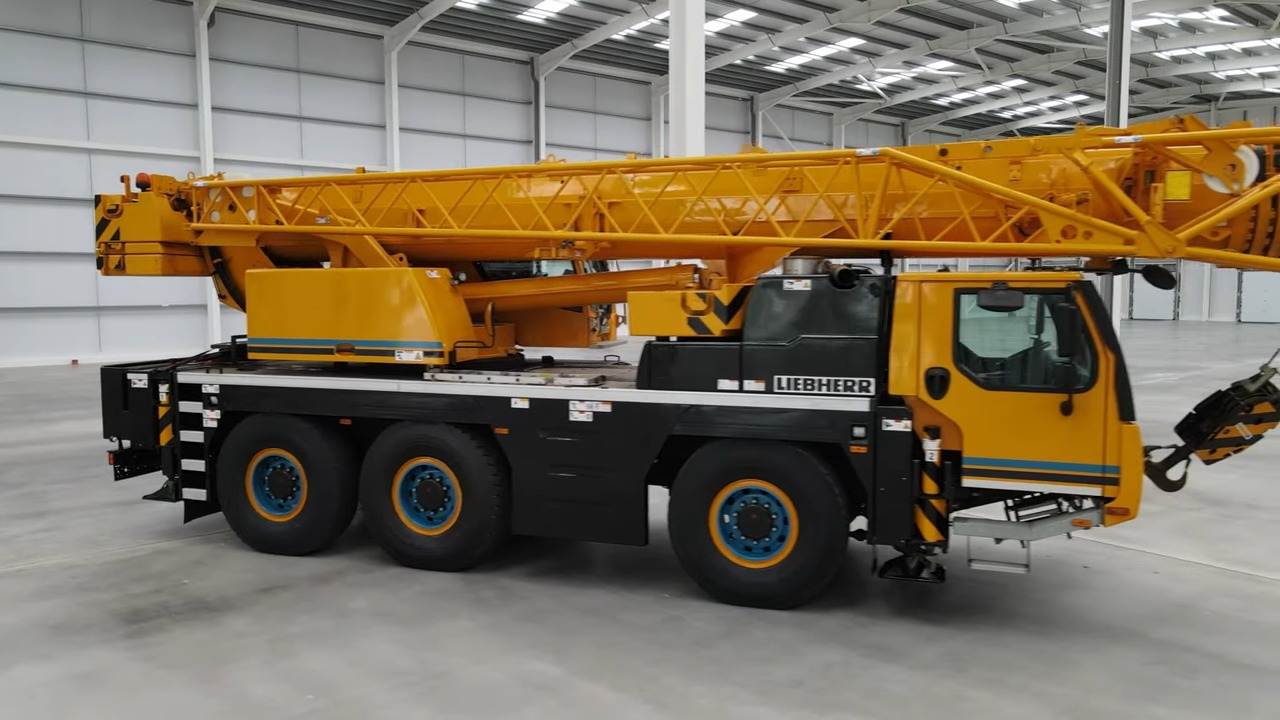
Yellow and black Liebherr mobile crane parked inside a clean, spacious industrial warehouse with reflective floor

Prioritizing Safety in All Crane Operations

Safety should always be the top priority for crane operators, given the inherent risks of lifting heavy loads over workers and sensitive areas. Developing a strong safety mindset is integral to your career success.

Following Proper Safety Protocols and Equipment Use

Adhering to industry regulations and using recommended personal protective equipment is critical. As the operator, you are responsible for inspecting cranes and ensuring all proper safety equipment is present before each lift.

Understanding OSHA standards helps operators comply with regulations to protect their safety and the safety of all workers.

Ensuring a Safety-Focused Work Culture

Leading by example and communicating hazards helps develop a culture where safety is paramount. Addressing issues promptly and determining solutions assists in preventing safety concerns. Case studies of past incidents emphasize the importance of vigilance, especially when lifting heavy loads or working with challenging machinery.

Physical and Mental Demands of Working as a Crane Operator

The job requires skill, focus, and stamina to operate complex heavy machinery safely for long hours. Meeting operator physical and mental demands is key.

Meeting Physical Fitness and Dexterity Requirements

Crane operators must be in good physical condition to handle the rigors of the job. The ability to remain alert for extended periods and precisely control cranes requires strong hand-eye coordination, problem-solving skills, and focus near multiple worksites.

Certification assessments evaluate applicants’ physical and mental capacity to operate heavy loads safely.

Managing Fatigue and Maintaining Focus

Especially during night or overtime shifts, resisting fatigue and remaining vigilant is challenging but critical. Taking proper safety breaks helps operators stay aware of all machinery and workers. Developing mental resilience assists in making prudent decisions despite difficult conditions to prevent safety issues.

Certification and Training Pathways

Formal training programs are essential for developing the skills needed for safety compliance and a rewarding career.

Operator Certification for Various Crane Classes

Certification demonstrates your proficiency in operating different crane types to potential employers. Coursework prepares operators for challenging written and practical exams assessing skills for mobile cranes, tower cranes, and other machinery. Certification expands job opportunities at construction sites.

Continuing Education and Safety Training Options

Ongoing training keeps operators updated on regulatory changes and new technologies in the industry. It also helps certified professionals maintain their credentials. Regular safety training programs improve hazard awareness and communication best practices to reduce risks and prevent issues on busy worksites.

Frequently Asked Questions (Does OSHA Require Crane Operators To Be Certified)

Yes, OSHA requires the certification of crane operators to ensure they possess sufficient training and knowledge to operate equipment safely, as per the OSHA rule.
The OSHA rule mandates the certification of crane operators, emphasizing formal and practical instruction through accredited testing agencies. It aims to avert risks associated with operating cranes.
Yes, even operators employed before the OSHA rule must be certified. The rule applies to all operators and is intended to assess equipment operators’ competency and enhance safety.
The Crane Institute is one of the crane operator testing organizations that offers certification through accredited testing agencies. It ensures operators in training develop the necessary skills to operate equipment safely.
Yes, OSHA recognizes various types of cranes in the certification process, including service trucks and gantry cranes. The certification requirement encompasses diverse equipment to ensure operators can safely operate the equipment, considering factors like boom length.

A Complete Guide on What Are Mobile Cranes

Mediapayperlead-com December 11, 2024

A Complete Guide on What Are Mobile Cranes

Meta Description: Explore the types, features, and applications of mobile cranes, from truck-mounted to crawler cranes. Learn about their advantages and versatility.

Mobile cranes are highly versatile lifting machines widely used across different industries for various applications. Whether you need to lift and transport heavy equipment, materials, or other cargo, mobile cranes provide an effective solution.

This article will explore these cranes’ types, features, applications, and uses in mobile. We will examine various categories of mobile cranes based on mobility, lifting mechanism, and load capacity. Their advantages will also cover their fixed cranes, which will also be in this guide.

Key Takeaways

  • Mobile cranes, including truck-mounted cranes, are versatile heavy-duty cranes used in various industries and job sites.
  • They offer flexibility for lifting and transporting heavy loads, materials, and equipment, even in challenging landscapes and muddy terrains.
  • Forklift trucks and small cranes provide additional support for specific tasks.

What are Mobile Cranes?

Mobile cranes are lifting machines mounted on wheels, tracks, or floating platforms. They can be easily transported and operated in various on-road and off-road sites.

Engines and hydraulic systems power them, and wire ropes and a boom lift move heavy loads, materials, and equipment.

Applications of Mobile Cranes across Industries

  • Construction Industry: Mobile cranes are widely used in construction sites to lift framing trusses, hoist heavy cargo like bricks and materials, and transport equipment across job sites. Truck-mounted cranes are commonly used to handle loads in confined spaces.
  • Shipping Industry: Floating cranes and side lifters are employed to load and unload heavy cargo, such as containers, from ships, barges, and trains onto docks and vice versa. They also help handle awkward cargo.
  • Mining Industry: Mobile cranes, such as rough terrain and all-terrain cranes, transport heavy mining machinery, engines, and other materials across challenging off-road areas within mines. Their four-wheel drive powers enable operation in muddy landscapes.

Types of Mobile Cranes based on Mobility

Mobile cranes can be broadly classified into different types based on their mode of transportation and ability to navigate various terrains. Some key categories include wheel-based and track-based cranes.

Wheel-based Mobile Cranes

Here are two types of wheel-based mobile cranes, including:

1. Truck Mounted Cranes

Truck-mounted cranes are self-propelled and famous mobile cranes that can be easily driven on public highways. They are mounted on the rear of rugged trucks with robust rubber tires, allowing safe operation across job sites.

Using hydraulic booms and wire ropes, these cranes can lift heavy loads and equipment in confined workspaces. Depending on the site’s needs, triggers can be extended horizontally or vertically deep enough.

2. Terrain Cranes

Rough terrain cranes are designed with four-wheel solid drives and wide terrain tires that give them enough power and traction to operate smoothly in challenging off-road areas and landscapes with difficult, muddy conditions.

They require no site preparation and can transport heavy cargo and machinery across difficult terrains to remote construction or mining sites.

Crawler Cranes

Crawler cranes are heavy-duty mobile cranes that move from one location to another using tracks instead of wheels. Often called “crawlers,” they are very stable even on soft, muddy terrains due to their wide tracks or “crawlers.”

Crawler cranes can lift hefty loads and materials weighing over 3,500 tons, making them well-suited for civil engineering and bridge construction. They provide maximum lifting capacity and are self-propelled over all types of job sites, including difficult landscapes.

Some crawler cranes may require disassembly for transportation on public roads or highways.

Floating Mobile Cranes

Floating cranes are specially designed to be mounted on barges, boats, or floatable platforms. They are beneficial for construction work around ports, docks, and bridges. Floating cranes can lift and transport weighty cargo weighing over 10,000 tons.

They are used to load or unload ships and handle awkward equipment. These cranes can also lift and relocate entire sections of bridges. Their mobility allows operation in all water bodies and transportation to different job sites.

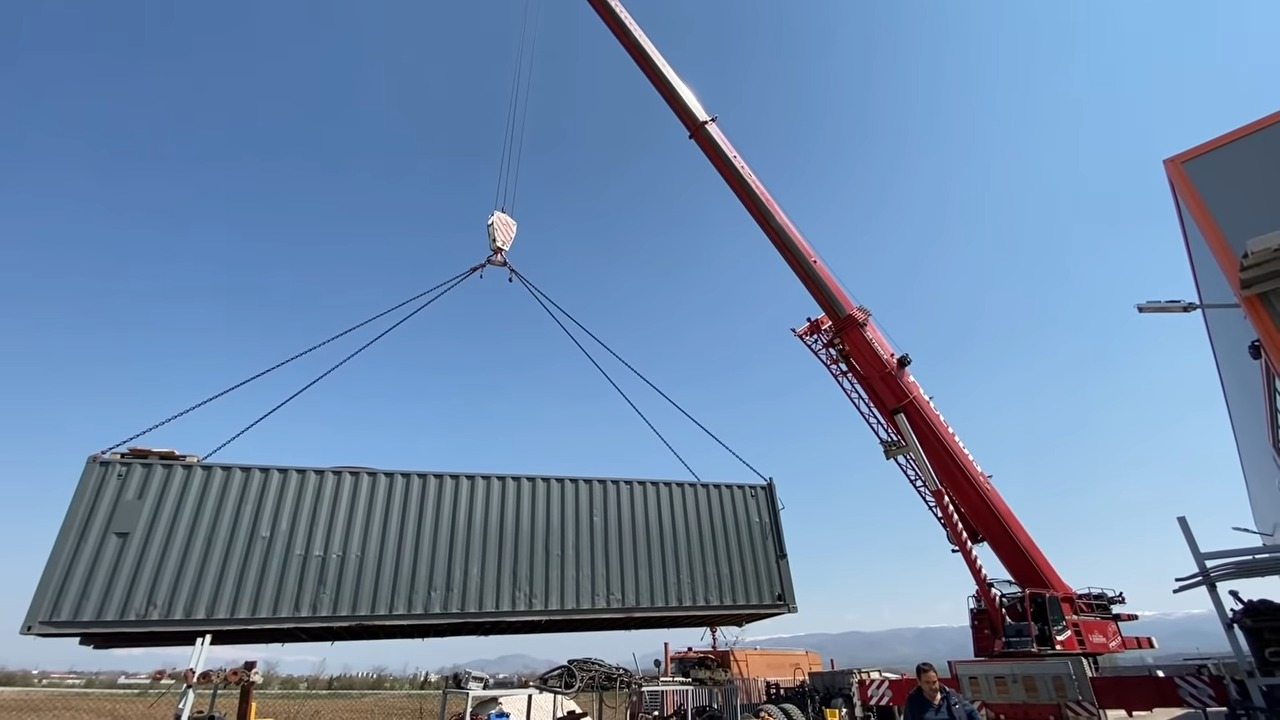
Red mobile crane lifting a large green shipping container in an industrial area under clear blue sky

Mobile Crane Types Based on Lifting Mechanism

In addition to mobility, mobile cranes can also be categorized based on their lifting mechanism and configuration. The main types include:

Boom Cranes

Boom cranes have a fixed or swinging horizontal beam structure mounted on a rotating platform. The boom uses wire ropes and a hoist to lift and lower various loads. These traditional cranes lift stable heavy equipment across construction sites and job locations.

Knuckle Boom Cranes

These feature a boom hinged at the midpoint that can be folded in half for compact transport. When operational, the two-part boom extends to lift loads using hydraulic or electric hoists. Knuckle boom cranes are highly versatile and can access confined work spaces for lifting cargo and materials.

Telescopic Cranes

Telescopic cranes have a sliding or folding extensible lifting arm that can be extended or retracted hydraulically.

This variable reach feature allows them to lift loads from greater heights using less space. They are helpful for the construction and maintenance of buildings, bridges, and other infrastructure projects.

Features and Advantages of Mobile Crane

Mobile cranes have certain inherent features that make them preferable over stationary cranes in many applications. Some key advantages include:

Mobility

Being easily transported from one location to another, either under their own power or on trailers, gives mobile cranes a big advantage. This allows operators to lift and assemble heavy equipment across multiple job sites without needing fixed infrastructure. Their wheels, tracks, or floats allow navigation of different terrains.

Versatility

Mobile cranes are designed to handle a wide range of lifting tasks. Models like rough terrain, all-terrain, and crawler cranes can transport heavy cargo and machinery to off-road construction or mining sites. Floating cranes help load and unload ships and barges.

Knuckle boom cranes access confined spaces. This versatility makes them suitable for varied industries.

Ease of Transport

Most mobile cranes require little to no site preparation or assembly and can be effortlessly transported between locations on public roads and highways using their engines, wheels, or undercarriage. This allows contractors to deploy the right cranes where needed without much difficulty or infrastructure changes.

Frequently Asked Questions (Does OSHA Require Crane Operators To Be Certified)

Yes, OSHA requires the certification of crane operators to ensure they possess sufficient training and knowledge to operate equipment safely, as per the OSHA rule.
The OSHA rule mandates the certification of crane operators, emphasizing formal and practical instruction through accredited testing agencies. It aims to avert risks associated with operating cranes.
Yes, even operators employed before the OSHA rule must be certified. The rule applies to all operators and is intended to assess equipment operators’ competency and enhance safety.
The Crane Institute is one of the crane operator testing organizations that offers certification through accredited testing agencies. It ensures operators in training develop the necessary skills to operate equipment safely.
Yes, OSHA recognizes various types of cranes in the certification process, including service trucks and gantry cranes. The certification requirement encompasses diverse equipment to ensure operators can safely operate the equipment, considering factors like boom length.

Mobile Crane Uses – A Comprehensive Guide

Mediapayperlead-com December 11, 2024

Mobile Crane Uses – A Comprehensive Guide

Meta Description: Explore the versatile applications of mobile cranes in construction, industrial settings, infrastructure development tasks, and emergency response.

Mobile cranes are highly versatile mobile lifting machines that are employed across a wide variety of industries. In this article, we will explore the common applications of mobile cranes in construction, infrastructure development, industrial settings, and emergency response situations. We will examine their key features and components.

Key Takeaways

  • Mobile cranes are highly versatile lifting machines used widely across construction, infrastructure, industrial, and emergency response applications.
  • Their mobility allows them to transport heavy loads between changing job sites and facilities more efficiently than stationary cranes.
  • Common uses include lifting structural elements, installing HVAC/glazing systems, transporting cargo and equipment, erecting bridges/power lines, and clearing debris during disasters.
  • The right crane type is essential – load weight, lift height, and site conditions determine suitability.
  • Equipment rental experts can help evaluate project requirements and recommend the most suitable mobile crane model from their inventory.

Understanding Mobile Cranes’ Role in Construction Projects

Mobile cranes are essential equipment used across various construction sites and projects. Their versatility and mobility allow them to lift and transport heavy building materials, steel structures, and other loads efficiently between multiple job sites and facilities. Cranes help complete construction and maintenance tasks on schedule.

Common Uses of Mobile Cranes

Mobile cranes are employed across various industries for their lifting and transport capabilities. Their mobility allows usage in changing work sites and facilities.

Construction Uses in Detail

Mobile cranes are extensively used in construction for their precision and ability to handle heavy loads.

  • Lifting Structural Elements: Cranes are crucial in lifting structural components like beams, columns, precast concrete panels, and steel structures to the required heights using rigging to erect buildings.
  • Installing HVAC and Glazing Systems: They help install heavy HVAC systems, glazing, windows, and other building materials on construction sites and facilitate the completion of projects on schedule.
  • Placing Other Building Materials: Mobile cranes aid in the transport and placement of various construction materials like wiring, pipes, insulation, and other loads to different heights using their boom and hoisting capabilities. This helps construction and maintenance work progress smoothly.

Industrial Applications Explained

Mobile cranes are extensively used across many industries for their lifting and movement capabilities.

  • Manufacturing Facilities: They are commonly used in factories and plants for transporting raw materials and equipment between various production areas, warehouses, and loading docks. Cranes help optimize operations with their ability to lift heavy machinery and loads.
  • Warehouses: Mobile cranes facilitate the efficient movement of incoming and outbound cargo loads using hoists and rigging within warehouses and distribution centers. Their mobility allows them to operate in confined spaces.
  • Shipyards: Cranes play a major role in shipyards for lifting components, engines, and other parts during repair and construction activities. Their robustness helps them handle loads with precision in harsh conditions.

Infrastructure Development Tasks

Mobile cranes are critical in building and maintaining infrastructure across different projects.

  • Bridge Building: Cranes are extensively used to lift girders, erect pillars, and install precast segments to construct bridges efficiently. They handle heavy loads with precision using rigging.
  • Roadwork Projects: Mobile cranes aid transportation and placement of barriers, guardrails, signage, and other materials at road construction sites. Their flexibility to operate from higher platforms helps complete work on schedule.
  • Power Line Installation: Cranes lift and position transmission towers and electrical transformers to install new power lines. Their ability to hoist heavy loads to required heights using booms streamlines projects.

Emergency Response Capabilities

Mobile cranes play a vital support role during emergencies with their lifting and movement abilities.

  • Natural Disaster Relief: They are quickly deployed to clear debris and lift damaged structures and vehicles to help rescue operations after floods, hurricanes, or earthquakes. Cranes facilitate speedy restoration work.
  • Accident Scene Management: Mobile cranes are also used at accident sites on roads and bridges to lift heavy wreckage, operate from higher platforms, and assist emergency services with their precision and power. This helps minimize disruption and save lives.
  • Search and Rescue Missions: Mobile cranes are crucial in search and rescue operations during emergencies like building collapses or floods. They can lift heavy debris and wreckage using rigging to assist emergency crews in extracting trapped victims.

Cranes also help transport injured people safely to medical facilities. Their mobility allows them to operate in confined disaster zones. Thus, Mobile cranes save lives by clearing the way for rescue teams with their lifting capacity, precision, and flexibility to maneuver in harsh conditions.

Frequently Asked Questions (Does OSHA Require Crane Operators To Be Certified)

Yes, OSHA requires the certification of crane operators to ensure they possess sufficient training and knowledge to operate equipment safely, as per the OSHA rule.
The OSHA rule mandates the certification of crane operators, emphasizing formal and practical instruction through accredited testing agencies. It aims to avert risks associated with operating cranes.
Yes, even operators employed before the OSHA rule must be certified. The rule applies to all operators and is intended to assess equipment operators’ competency and enhance safety.
The Crane Institute is one of the crane operator testing organizations that offers certification through accredited testing agencies. It ensures operators in training develop the necessary skills to operate equipment safely.
Yes, OSHA recognizes various types of cranes in the certification process, including service trucks and gantry cranes. The certification requirement encompasses diverse equipment to ensure operators can safely operate the equipment, considering factors like boom length.

Mobile Crane Lifting Capacity

Mediapayperlead-com December 11, 2024

Mobile Crane Lifting Capacity

Meta Description: Learn how mobile crane lifting capacity is determined and the factors that impact it. Discover the importance of adhering to load charts and OSHA standards for safe operations.

Mobile cranes are an essential part of many construction projects. Their lifting capacity, the maximum weight a crane can safely lift, is an essential factor to consider. However, the lifting capacity is not fixed and can change based on the crane’s configuration.

This article overviews how mobile crane specifications like boom length, boom angle, outriggers, and counterweights influence lifting capacity.

Key Takeaways

  • As load charts outline, a mobile crane’s lifting capacity depends on factors like boom length, boom angle, outrigger positioning, and counterweight usage.
  • Understanding these specifications and carefully following load chart guidelines ensures safe lifting operations within the crane’s rated capacity.
  • Crane operators can maximize capacity for efficient lifting by optimizing configurations like boom angle and fully deploying outriggers while strictly adhering to load chart specifications.

Understanding the Mobile Crane Lifting Capacity

According to its load chart, a mobile crane’s lifting capacity refers to the maximum load weight it can safely lift at a given boom length, load radius, and boom angle.

The crane’s capacity depends significantly on its configuration, including boom length, counterweight usage, outrigger positioning, and crane model. Operators must understand these factors and follow the load chart specifications for safe lifting operations.

Why is Lifting Capacity Important?

Understanding a crane’s lifting capacity is crucial for safe lifting operations and job site safety. The load chart provides the maximum load weight based on boom length and load radius.

Exceeding the rated capacity can compromise the crane’s structural strength and stability, putting the lifted load, operators, and others on-site at risk. Determining a crane’s capacity is vital for equipment and load safety.

Factors That Impact Lifting Capacity

Several crane specifications and conditions influence a mobile crane’s lifting capacity. Understanding these factors is important for safe lifting operations and choosing the right crane model for jobs.

1. Boom Length

The boom length affects the crane’s lifting capacity significantly. A longer boom increases the lift radius and adds more weight to the crane, reducing its maximum load capacity based on the load chart. Boom lengths require careful consideration, given different lifting needs on job sites.

2. Boom Angle

The angle at which the boom is positioned during lifting also impacts the crane’s stability and lifting capacity. With the boom closer to horizontal, more counterweight is supported directly under the crane, allowing higher load weights to be safely lifted according to the load chart specifications.

3. Outrigger Configuration

Outriggers’ proper extension and positioning are important to maximize stability during lifting operations. According to the crane manufacturer’s instructions, fully deploying outriggers increases the effective support base, allowing safer lifting of loads closer to the maximum capacity.

4. Counterweight Usage

Additional counterweights to the crane enhance its stability to handle heavier load weights. Crane operators must ensure the correct counterweight configuration based on the load chart, lifting needs, and conditions on the job site.

5. Crane Type

Different mobile cranes, like crawler, all-terrain, and rough-terrain cranes, have varying lifting capacities due to their structural strength and mobility capabilities.

Choosing the right crane model suitable for lifting tasks, load weights, and ground conditions is vital for safe lifting within the rated capacity.

How Lifting Capacity is Determined

The lifting capacity of a mobile crane is not a fixed value and can change based on operating conditions. There are established methods to determine the safe capacity.

Crane Load Chart and Specifications

Crane manufacturers provide detailed load charts and specifications that list the maximum load weight that can be safely lifted at different boom lengths and radii.

The load charts consider boom angle, outrigger position, counterweight configuration, and wind speed. Crane operators must carefully follow these charts and specifications for safe lifting operations within the rated capacity.

Operating Conditions

  • The lifting capacity can vary slightly based on operating conditions on the job site:
  • Weather conditions like high winds require reducing the rated capacity for safety.
  • Uneven or unstable ground conditions necessitate fully extending outriggers and possibly lower capacities than firm, level surfaces.
  • Non-routine lifts involving multiple load weights, lift over obstacles, and lift angles other than vertical also require adjusting capacities based on the load charts.
  • Crane operators must thoroughly inspect the job site and be aware of all conditions to determine the safe net capacity within the load chart specifications. This ensures lifts are done safely within the crane’s abilities.
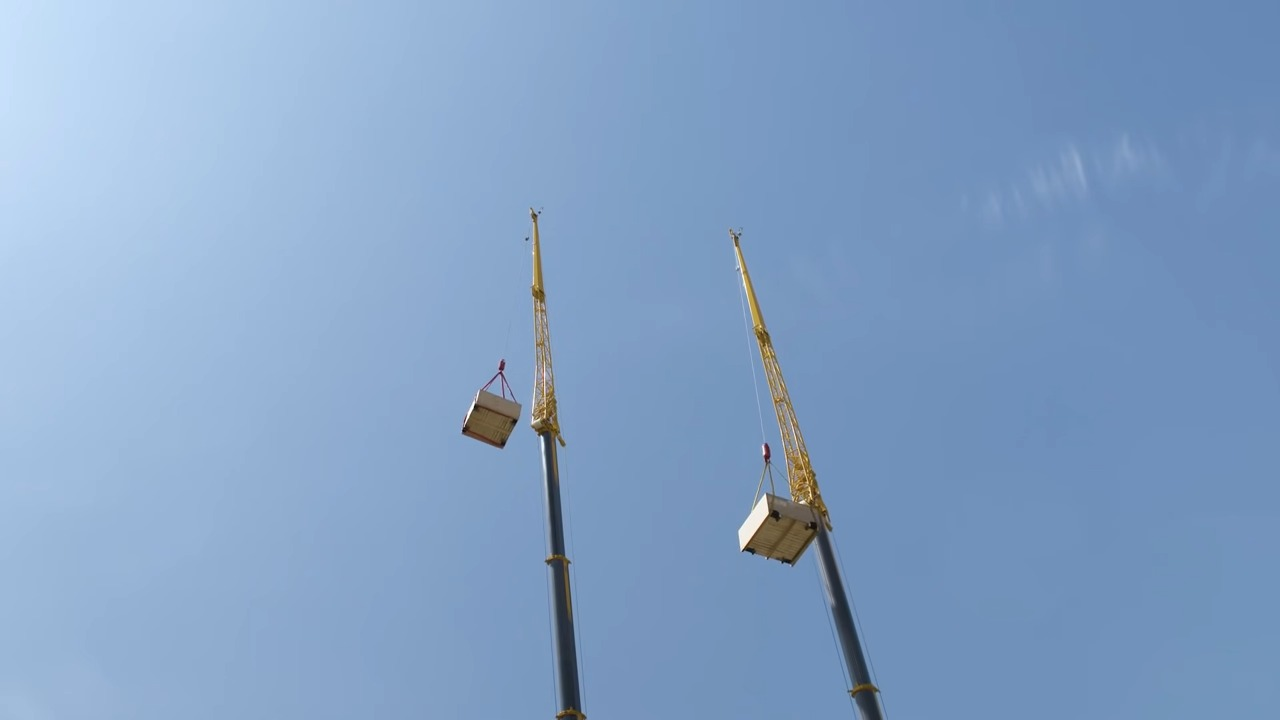
Two yellow mobile cranes operating in a snow-covered construction site with industrial buildings and trees in the background

Ensuring Safe Lifting Operations

Safe lifting operations require thoroughly understanding the crane’s capacity and strictly adhering to load charts. Crane operators must consider the total load weight, lift radius, boom angle, ground conditions, and weather.

They must also inspect all equipment daily and follow maintenance schedules. Proper rigging of loads is also crucial to avoid accidents that can endanger workers and bystanders on site.

Maximizing Crane’s Lifting Capacity Within Limits

While maximizing the crane’s capacity to lift heavy loads efficiently is essential, operators should not exceed the rated capacity. Pushing limits can risk structural failure or instability, especially in changing weather.

By fully deploying outriggers, adding counterweights where possible, and optimizing the boom angle, operators can safely handle loads close to the maximum capacity indicated in the load charts. This ensures lifting productivity while maintaining safety.

Frequently Asked Questions (Does OSHA Require Crane Operators To Be Certified)

Yes, OSHA requires the certification of crane operators to ensure they possess sufficient training and knowledge to operate equipment safely, as per the OSHA rule.
The OSHA rule mandates the certification of crane operators, emphasizing formal and practical instruction through accredited testing agencies. It aims to avert risks associated with operating cranes.
Yes, even operators employed before the OSHA rule must be certified. The rule applies to all operators and is intended to assess equipment operators’ competency and enhance safety.
The Crane Institute is one of the crane operator testing organizations that offers certification through accredited testing agencies. It ensures operators in training develop the necessary skills to operate equipment safely.
Yes, OSHA recognizes various types of cranes in the certification process, including service trucks and gantry cranes. The certification requirement encompasses diverse equipment to ensure operators can safely operate the equipment, considering factors like boom length.

Mobile Crane Benefits

Mediapayperlead-com December 11, 2024

Mobile Crane Benefits

Meta Description: Discover possible mobile crane benefits for construction sites. From versatility to heavy lifting, mobile cranes offer quick setup and cost savings.

Mobile cranes have many benefits like flexibility, easy and fast setup, space efficiency, strong lifting capacity, cost-effectiveness, easy maintenance, and reliability.

Mobile cranes have seen tremendous growth in demand over the past year due to their versatile capabilities and operational advantages over static tower cranes. This article provides an in-depth analysis of the key benefits that have made mobile cranes the crane of choice for many construction projects.

Key Takeaways

  • Mobile cranes offer versatility and quick setup, making them ideal for construction sites.
  • They include truck-mounted cranes, crawler cranes, and mobile tower cranes.
  • Mobile cranes are preferred for small lifting jobs requiring minimal assembly.
  • Mobile crane rental provides cost-effective solutions for upcoming projects in many industries.

Flexibility

Mobile cranes are renowned for their flexibility due to high maneuverability. Their compact designs allow navigation of tight work areas and narrow passages. Mobile cranes can be easily repositioned as needs change.

  • Maneuverability In Tight Spaces: Mobile cranes’ versatile configurations and modern pneumatic systems provide excellent mobility. Their small footprints allow negotiating restrictive road access points and crowded job site conditions. Mobile cranes can skillfully navigate multiple obstructions common in urban construction projects.
  • Easy Relocation Between Project Sites: Mobile cranes are also very flexible. They can be driven to wherever lifting duties are required. Construction teams load the crane onto a truck carrier and quickly relocate it to new locations or job sites. This saves considerable time versus dismantling and re-erecting static cranes.

Mobile cranes minimize downtime between projects through fast mobilization between sites as lifting needs dictate.

Fast and Easy Setup

Quick setup is a core advantage of mobile cranes over static options. Their portable designs simplify the assembly process.

Quick To Assemble and Operate

Mobile cranes can be readily operational within hours of arriving on site thanks to their streamlined assembly, which requires no large lifting equipment. Complex rigging is not needed, saving time during critical path activities. Versatile mobile cranes are highly mobile and require minimal effort to reposition as tasks require.

Minimal Setup Costs and Time Savings

With compact components easily mounted on truck carriers, mobile cranes involve low setup labor expenditures. This preserves budgets versus costly tower crane erection. As jobs often occur across multiple locations, fast crane setup lets teams maximize equipment usage.

Construction is not delayed by a lengthy out-of-service period as mobile cranes are productivity-ready upon arrival.

Space Efficiency

The compact footprints of mobile cranes provide significant space savings at job sites.

Compact Design for Tight Work Areas

Thanks to their small sizes, mobile cranes can efficiently perform lifting tasks in limited areas that pose accessibility challenges for larger equipment. Their maneuverable frames allow movement into even the most restrictive workspaces common in infrastructure projects.

Ability to Access Restrictive Spaces

Mobile cranes are well-suited for navigating the multiple obstructions of urban construction zones. Whether negotiating narrow city streets or confined industrial areas, their compact designs allow passage into job sites, posing limited road access.

Mobile cranes can efficiently complete lifts in restrictive locations, which is impossible, with static cranes requiring large setup spaces.

Strong Lifting Capacity

The durable designs of mobile cranes allow the lifting of substantial payloads.

Heavy-Duty Components For Lifting Heavy Loads

Mobile cranes contain reinforcement, such as heavy axles, robust booms, and powerful hydraulic systems, that enable the lifting of materials for numerous industries. Their construction incorporates the strength needed for frequent heavy lifting on job sites.

Ability to Lift Equivalent Weights As Larger Cranes

Contrary to assumptions about their compact size limiting capacity, mobile cranes can reliably lift weights comparable to larger static tower cranes. Their telescopic configurations maintain stability even with maximum loads. Mobile cranes efficiently handle tasks such as concrete element placement, requiring lifting capacities on par with larger equipment.

Cost Efficiency

Mobile cranes’ compact designs and versatility deliver financial benefits over static options.

Low Setup and Operating Expenses

Mobile cranes require minimal equipment and crews for quick assembly, reducing labor costs. As integrated truck units, maintenance involves low expenditures. They provide lifting capacity for numerous jobs in a cost-efficient package.

Reduced Downtime and Rental Costs

Fast mobilization between sites lets mobile cranes maximize usage. This minimizes non-productive periods compared to tower cranes. Rental companies can deploy mobile fleets across various projects, controlling ownership expenses.

Mobile cranes complete comparable lifting tasks while preserving budgets through low-cost, highly productive operations.

Easy Maintenance and Reliability

Well-engineered mobile cranes provide dependable lifting support with low-maintenance needs.

  • Quick Truck Replacements for Repairs: As an integrated truck-crane system, any issues can generally be addressed swiftly by exchanging vehicles. This allows lifting work to continue with minimal interruptions to schedules.
  • Durable Components For Dependable Operation: Mobile cranes involve fewer wear parts compared to tower cranes. Their robust, compact assemblies at ground level ensure convenient access for routine maintenance checks and repairs as needed.

Mobile cranes can even drive to workshops under their power as required. This ease of service maximizes equipment uptime over long lifecycles.

Frequently Asked Questions (Does OSHA Require Crane Operators To Be Certified)

Yes, OSHA requires the certification of crane operators to ensure they possess sufficient training and knowledge to operate equipment safely, as per the OSHA rule.
The OSHA rule mandates the certification of crane operators, emphasizing formal and practical instruction through accredited testing agencies. It aims to avert risks associated with operating cranes.
Yes, even operators employed before the OSHA rule must be certified. The rule applies to all operators and is intended to assess equipment operators’ competency and enhance safety.
The Crane Institute is one of the crane operator testing organizations that offers certification through accredited testing agencies. It ensures operators in training develop the necessary skills to operate equipment safely.
Yes, OSHA recognizes various types of cranes in the certification process, including service trucks and gantry cranes. The certification requirement encompasses diverse equipment to ensure operators can safely operate the equipment, considering factors like boom length.

A Complete Guide to Maintenance of Mobile Cranes

Mediapayperlead-com December 11, 2024

A Complete Guide to Maintenance of Mobile Cranes

Meta Description: Explore the importance of proper maintenance for mobile cranes to ensure safe and efficient operations on construction sites. Learn about routine and preventative maintenance programs.

Proper maintenance is essential to the safe and effective operation of mobile cranes. Heavy machinery is used extensively in construction, so mobile cranes require scheduled service to perform optimally. This guide covers the various aspects of mobile crane maintenance that owners and operators must consider.

Following recommended routines and practices, you can keep your equipment running reliably while avoiding unexpected downtime or potential safety issues. Let’s examine the critical factors for ensuring your mobile cranes are well-maintained.

Key Takeaways

  • Mobile cranes require scheduled maintenance to lift heavy loads over time safely.
  • Routine maintenance checks for minor issues, while preventative maintenance catches more significant problems early.
  • Inspections are mandated by regulations to ensure safety compliance for operators and job sites.
  • Following manufacturers’ maintenance plans and schedules can help extend equipment life and uptime.
  • Proper record keeping proves regulatory compliance to keep cranes safely lifting heavy objects as required.

Understanding the Importance of Mobile Crane Maintenance

Mobile cranes are crucial pieces of heavy machinery used on construction sites to lift and move heavy objects safely. Proper maintenance of mobile cranes through scheduled inspection, repair, or replacement of worn components is vital to ensure the safe operation of this equipment over extended periods.

Regular maintenance, preventative maintenance programs, and compliance with statutory inspection requirements are all essential to identify potential problems, reduce safety risks, and keep cranes functioning properly to lift loads as required on work sites.

Types of Maintenance Programs

Maintaining mobile cranes ensures safe operation and prevents problems with worn components over time. There are two main types of maintenance programs that crane owners must follow:

  • Routine Maintenance: Routine maintenance involves regular checks, such as visual checkups, oil filter replacements, inspections of moving parts and braking systems, and proper alignment and lubrication of various components. This helps maintain mobile cranes and catch minor issues before they become severe wear and safety risks.
  • Preventative Maintenance: A preventative maintenance program establishes maintenance schedules and compliance inspections to identify maintenance needs and replace parts before failure.

Following the manufacturer’s recommendations and using daily inspection checklists, qualified personnel can inspect chains and lifting mechanisms, perform load testing to catch maintenance issues, and ensure cranes are always OSHA compliant and meet statutory requirements for lifting heavy loads.

Routine Maintenance

Routine maintenance is essential to any mobile crane maintenance program to catch minor issues before they escalate and affect safety.

What Does Routine Maintenance Involve?

Routine maintenance involves:

  • Visual checkups of all components by a qualified person
  • Replacing oil filters and other worn parts
  • Inspecting and lubricating moving parts to ensure proper alignment and prevent severe wear
  • Checking braking systems and ensuring they meet the manufacturer’s recommendations
  • Maintaining records of maintenance for compliance with statutory inspection requirements

General Vehicle Maintenance

General upkeep of the crane as a vehicle is also routine maintenance. This includes:

  • Checking tire pressure and condition.
  • Replacing wheels if they show unsafe wear or damage.
  • Greasing hinges and other components as indicated in the owner’s manual.
  • Checking fluid levels and replacing as needed.
  • Aligning equipment such as booms and attachments.

Lifting Mechanism Maintenance

A crucial part of routine maintenance is inspecting and servicing the lifting apparatus and mechanism that handles heavy loads. This includes:

  • Inspect chains, hooks, and other lifting components for signs of wear.
  • Performing load testing to ensure lifting capacity meets requirements.
  • Lubricating pulleys and other moving parts.
  • Checking that safety latches and locks are fully functional.

Recommended Schedule For Routine Checks

The manufacturer’s maintenance plan should be followed to maintain mobile cranes properly. This usually involves:

  • Daily inspections of the crane by operators before each job.
  • Weekly inspections of all components by qualified personnel.
  • Monthly inspections of the lifting mechanism and compliance with inspection checklists
  • -Quarterly service of hydraulic, electrical, and other systems by factory-certified technicians.
  • Annual inspections and component replacement or repair as needed to meet OSHA and statutory safety standards for lifting heavy objects over extended periods.

Keeping to this routine maintenance schedule helps ensure mobile cranes remain in good operating condition between more thorough preventative maintenance programs.

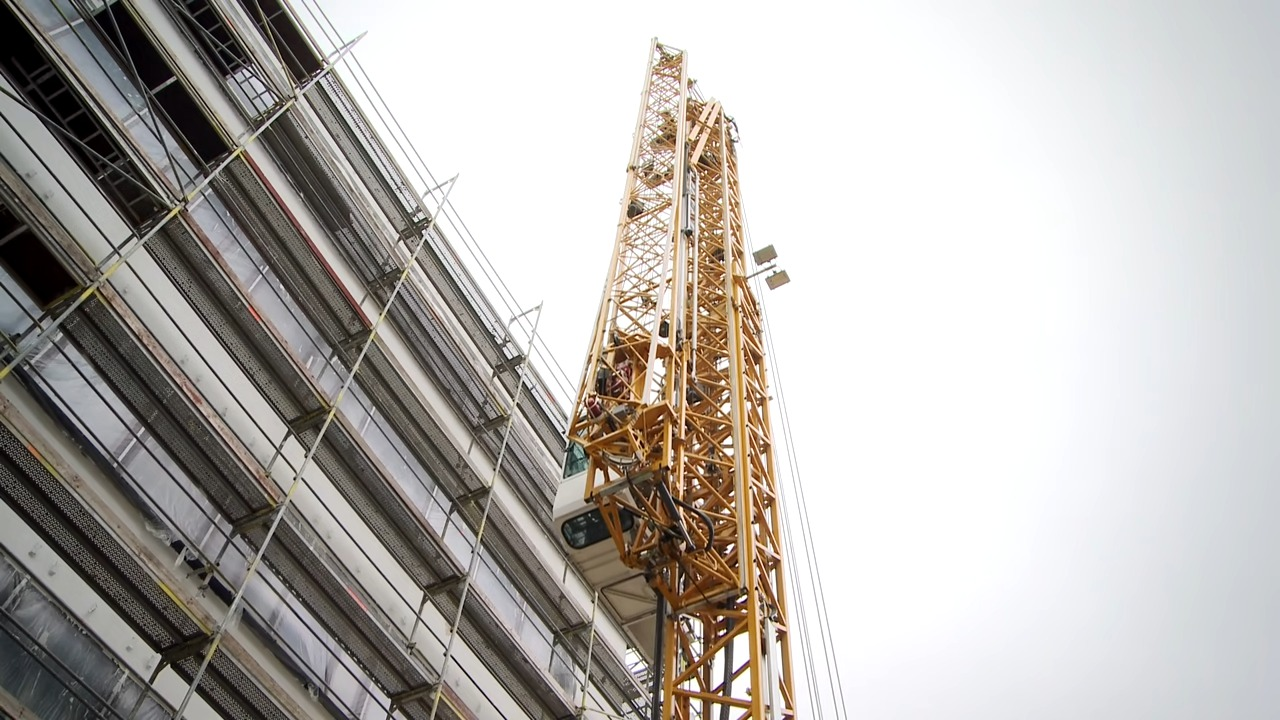
Yellow tower crane extending alongside a large building covered with scaffolding under an overcast sky, depicting urban construction and development

Preventative Maintenance

While routine maintenance keeps equipment functioning, preventative maintenance is vital in catching issues early and avoiding unexpected downtime or failures.

Why is Preventative Maintenance Important?

A preventative program allows mobile crane owners to plan maintenance needs, inspect components, and proactively replace parts according to the manufacturer’s recommendations. This helps reduce safety risks and ensure cranes are always compliant for lifting heavy loads over job sites and work areas for extended periods.

The Electrical System Checks

Being heavy machinery, mobile cranes rely on complex electrical systems to operate correctly. As part of preventative maintenance:

  • An electrical engineer should thoroughly check all electrical components, connections, and circuitry.
  • All electrical components are tested, and load testing is performed to catch potential problems.
  • Any issues are addressed before they can impact the safe operation of lifting heavy objects.

Structural Integrity Inspections

An important part of preventative maintenance is thoroughly inspecting the crane’s structure and chassis. A qualified person must:

  • Inspect the boom, jib, and other structural components for cracks, damage, or severe wear from lifting heavy loads.
  • Check welds and critical load-bearing joints, ensuring the crane can operate safely.

Recommended Schedule

Most manufacturers recommend comprehensive preventative maintenance every 500-1000 hours of operation or 6-12 months. This includes:

  • A complete inspection of all mechanical and electrical systems by a factory-certified technician.
  • The owner’s manual indicates replacing lubricants, hoses, worn parts, and other components.
  • Load testing to ensure the crane meets OSHA and statutory requirements for lifting heavy machinery, parts, and loads over job sites and work areas.

Inspection Routines

Inspections play a crucial role in maintaining mobile cranes safely. Several factors must be considered:

  • Regulatory Inspection Requirements: Government agencies like OSHA mandate that cranes receive periodic inspections to ensure safety compliance when lifting heavy machinery and loads.
  • When to Conduct Inspections: Inspections are recommended after every 500-1000 hours of operation or every 6-12 months to catch issues before they impact lifting operations on work sites.
  • Record Keeping For Inspections: Proper records of inspection results and component replacements are crucial. These records must include maintenance, parts, and potential problems found and addressed. This proves compliance with regulatory standards for heavy equipment operation.

Frequently Asked Questions (Does OSHA Require Crane Operators To Be Certified)

Yes, OSHA requires the certification of crane operators to ensure they possess sufficient training and knowledge to operate equipment safely, as per the OSHA rule.
The OSHA rule mandates the certification of crane operators, emphasizing formal and practical instruction through accredited testing agencies. It aims to avert risks associated with operating cranes.
Yes, even operators employed before the OSHA rule must be certified. The rule applies to all operators and is intended to assess equipment operators’ competency and enhance safety.
The Crane Institute is one of the crane operator testing organizations that offers certification through accredited testing agencies. It ensures operators in training develop the necessary skills to operate equipment safely.
Yes, OSHA recognizes various types of cranes in the certification process, including service trucks and gantry cranes. The certification requirement encompasses diverse equipment to ensure operators can safely operate the equipment, considering factors like boom length.

What Is The Smallest Carry Deck Crane

Mediapayperlead-com December 11, 2024

What Is The Smallest Carry Deck Crane

Meta Description: Explore the features and uses of the smallest carry deck crane, the Broderson IC 20, and how it overcomes space limitations. Learn about its compact design and lifting capabilities.

The smallest carry deck crane is the Broderson IC 20, an industrial carry deck crane designed for space-constrained work sites, delivering smooth and precise operation.

For many construction and industrial sites, space is at a premium. Cramming large equipment into tight workspaces can be challenging. This is where small carry deck cranes provide a solution. They offer big lifting capabilities despite their compact sizes.

This article explores the options for the smallest carry deck cranes and how their specialized designs help overcome space limitations.

Key Takeaways

  • Small carry deck cranes offer a solution for job sites with limited workspace through specialized designs that maximize maneuverability in tight spaces.
  • Compact models vary in size, capacity, and controls but all are suited to applications requiring frequent repositioning or placement in constrained areas.
  • Carefully evaluating specification factors like dimensions, load ratings, and ergonomics helps determine the optimal small carry deck crane for a project’s unique space limitations and lifting needs.

Defining Carry Deck Cranes and Their Uses

Carry deck cranes are specialized lifting equipment designed for transporting and placing loads. These compact cranes feature a rotating superstructure mounted on a movable platform or “carry deck.” The deck serves as the crane’s base and repositions the unit in tight spaces.

Key Features and Components

All carry deck cranes share some core configurations. These include a telescoping boom for horizontal reach and tip height. Boom extension capabilities allow lifting loads at variable distances.

The boom is equipped with functions for precise deployment, such as stopping movements and boom extension. Hydraulic or direct mechanical controls offer smooth and precise operation. Rated capacity limiters provide stability and safety against impending overload.

Suitable Applications

Typical applications for carry deck cranes include loading and offloading trucks, placing roofing materials, and assembling prefabricated structures. Their mobility makes them practical for jobs requiring frequent relocation, such as construction sites and shipyards.

Models with sufficient capacity can lift heavy loads, while compact designs handle lighter lifting needs. The self-propelled deck allows on-site transportation of the crane and its load.

Options for Small Carry Deck Cranes

Compact carry deck cranes provide a viable solution for job sites with critical space limitations. Several models on the market fit this niche, varying in dimensions and capabilities. Carefully evaluating specifications allows choosing the best-suited option.

  • Size and Load Capacities: The smallest carry deck cranes have a small footprint well-suited to the tightest workspaces. Although their load capacities may be rated for lifting lighter loads, they are sufficient for many applications. Industrial models can handle heavier loads. Maximum horizontal reach and tip height are optimized for placement in restricted areas. Boom extension functionality maintains lifting versatility.
  • Operator Controls and Ergonomics: Controls directly impact ergonomics and precision. Hydraulic or direct mechanical systems deliver smooth operation. Low-speed power prevents load swing. Audible and visual signals assist operators in precise deployment.

Stopping boom functions and rated capacity limiters enhance safety. Well-designed controls minimize fatigue for working in confined conditions.

Choosing the Smallest Carry Deck Crane

When selecting a carry deck crane for tight work sites, operators should consider models with an extremely tight turning radius like the Demag CC2500. This compact crane has a small footprint, allowing it to access space-constrained areas that more giant deck cranes cannot reach. Its lightweight yet durable design can lift loads where heavier models cannot.

Turning Radius and Maneuverability

The CC2500 features a foldable boom that collapses for transport and swivels 360 degrees, giving it unparalleled maneuverability in tight quarters. Its hydraulic controls deliver smooth, precise operation of boom functions. This precise deployment allows lifting lighter loads with pinpoint accuracy, even in the tightest spaces.

Overall Dimensions

At only 8 feet long, 6 feet wide, and 8 feet tall, the Demag CC2500 has among the smallest overall dimensions of any carry deck crane while still providing a 2,500-pound lifting capacity. Its compact size meets the needs of many industries and contractors working in space-constrained sites.

Frequently Asked Questions (Does OSHA Require Crane Operators To Be Certified)

Yes, OSHA requires the certification of crane operators to ensure they possess sufficient training and knowledge to operate equipment safely, as per the OSHA rule.
The OSHA rule mandates the certification of crane operators, emphasizing formal and practical instruction through accredited testing agencies. It aims to avert risks associated with operating cranes.
Yes, even operators employed before the OSHA rule must be certified. The rule applies to all operators and is intended to assess equipment operators’ competency and enhance safety.
The Crane Institute is one of the crane operator testing organizations that offers certification through accredited testing agencies. It ensures operators in training develop the necessary skills to operate equipment safely.
Yes, OSHA recognizes various types of cranes in the certification process, including service trucks and gantry cranes. The certification requirement encompasses diverse equipment to ensure operators can safely operate the equipment, considering factors like boom length.

What Are Carry Deck Cranes

Mediapayperlead-com December 11, 2024

What Are Carry Deck Cranes

Meta Description: Carry deck cranes are versatile lifting machines used in construction and industrial sites. Learn about their components, operations, and benefits.

Carry deck cranes are highly versatile small lifting machines used extensively across various construction, infrastructure, and industrial sites. In this article, we will understand what carry deck cranes are, their key components, and their operational aspects. We will also explore their key benefits.

Key Takeaways

  • Carry deck cranes are versatile lifting machines with a low profile and compact design, ideal for narrow spaces.
  • They can transport and lift materials, featuring a unique self-loading deck and operator cab, making them more than just a truck.
  • These cranes are famous for rental due to their maneuverability and ability to operate in confined areas.

Carry Deck Cranes Explained

Carry deck cranes are versatile small lifting machines used widely across construction, industrial, and infrastructure job sites. As the name suggests, they have a unique loading deck design feature that enables them to transport materials in addition to hoisting and lifting loads.

Key Characteristics of Carry Deck Cranes

Some defining characteristics that make these cranes extremely versatile include their compact size and ability to easily maneuver in tight spaces and narrow areas. Being mounted on wheels, they can drive around job sites and clear overhead obstacles like other giant cranes cannot.

Their low profile and lifting boom configuration allow them to operate in confined spaces and underneath structures with limited access.

Carry deck cranes are not trucks with lifting booms but come equipped with specialized components like full hydraulic controls and self-loading decks that enable one-person operation with pinpoint precision. Despite their mobile design, the outriggers and built-in counterweights allow them to safely pick up and carry heavy loads.

Key Components of Carry Deck Cranes

Some crucial components that enable the versatile operations of carry deck cranes include self-loading carry decks, fully hydraulic controls, outriggers, and built-in counterweights.

  • Self-Loading Carry Decks: The self-loading carry decks are a defining feature, allowing the crane to transport cargo over short distances and easily load and securely place lifting materials on the deck independently. This makes single-operator usage very effective.
  • Hydraulic Controls: Fully hydraulic controls provide precise maneuverability for loading, unloading, and operating the lifting boom. They allow crane operators to control the pick and carry of heavy loads with hydraulic levers, which is crucial for confined job sites requiring delicate load placement.
  • Outriggers: The outriggers are an essential safety feature that helps cranes maintain stability when lifting heavy loads. They support the crane and increase the lifting capacity so it can safely pick and carry loads that may exceed its weight ratings.
  • Load Capacities: The load capacities of carry deck cranes can range from 7.5 to 15 tons, depending on the model. This lifting capacity and optimized hydraulic controls allow them to lift construction materials efficiently and perform multiple jobs of a larger crane on many job sites.
  • Counterweights: Inbuilt counterweights are a key part of carry deck cranes. They counterbalance the heavy loads and forces exerted on the lifting boom, allowing cranes to clear overhead obstacles and precisely maneuver in tight spaces without losing stability.

Benefits of Carry Deck Cranes

The specialized design of carry deck cranes makes them extremely useful for construction and industrial applications. Some key advantages that contribute to their popularity include:

  • Versatility: Carry deck cranes are highly versatile and can perform the jobs of multiple pieces of equipment. Their ability to lift, transport, and unload materials on the job site allows them to replace larger cranes and other equipment for smaller construction sites and confined work areas.
  • Compact Design: Their compact size allows carrying deck cranes to be easily maneuvered in tight, narrow spaces. As low-profile mobile cranes, they can clear overhead obstacles and drive underneath structures with their lifting boom configuration. This makes them suitable for applications requiring work in constrained areas.
  • Reduced Operating Costs: Due to their compact size and specialized design, carry deck cranes have lower operating costs than larger ones. With a lifting boom and built-in counterweight configuration, they consume less fuel to lift and transport heavy loads across construction and job sites.

Their maneuverability allows operators to pick and carry building materials even in tight spaces with short movements, saving time and costs.

As mobile cranes, carry deck cranes require less space on sites and can drive underneath structures to perform multiple jobs of lifting and loading equipment. This makes them a more cost-effective option for contractors.

Frequently Asked Questions (Does OSHA Require Crane Operators To Be Certified)

Yes, OSHA requires the certification of crane operators to ensure they possess sufficient training and knowledge to operate equipment safely, as per the OSHA rule.
The OSHA rule mandates the certification of crane operators, emphasizing formal and practical instruction through accredited testing agencies. It aims to avert risks associated with operating cranes.
Yes, even operators employed before the OSHA rule must be certified. The rule applies to all operators and is intended to assess equipment operators’ competency and enhance safety.
The Crane Institute is one of the crane operator testing organizations that offers certification through accredited testing agencies. It ensures operators in training develop the necessary skills to operate equipment safely.
Yes, OSHA recognizes various types of cranes in the certification process, including service trucks and gantry cranes. The certification requirement encompasses diverse equipment to ensure operators can safely operate the equipment, considering factors like boom length.

Renting Carry Deck Cranes Guide

Mediapayperlead-com December 11, 2024

Renting Carry Deck Cranes Guide

Meta Description: Explore our comprehensive guide to renting carry deck cranes, including factors to consider, safe operation tips, and rental process insights.

Carry deck cranes are versatile and essential for many industrial tasks and projects. They are ideal for lifting and transporting materials in tight spaces. This guide will explore factors to consider when renting these compact cranes and tips for a safe operation. The aim is to help users understand if and how a carry deck crane can benefit their next project.

Key Takeaways

  • Carry deck cranes are compact, maneuverable cranes ideal for tight job sites and lifting materials in narrow spaces.
  • They allow for versatile lifting of loads and transporting between areas due to convenient size and specialized components.
  • Renting is preferable for short-term, infrequent, or varied lifting needs compared to ownership.
  • Factors like capacity, reach, attachments and operator certification must be considered when selecting the right rental crane.
  • Choosing the right carry deck crane depends on project requirements.

Importance of Renting Carry Deck Cranes

Carry deck cranes are highly maneuverable and compact, making them ideal for lifting and transporting heavy materials in narrow job sites and spaces where more giant cranes cannot access.

Their convenient size and specialized components allow users to perform multiple jobs, such as loading and offloading trucks, easily in tight spaces with overhead obstacles.

When to Rent Carry Deck Cranes

  • For short-term or infrequent lifting needs where purchasing a crane is not cost-effective. Renting allows users to have the right equipment for their project without long-term costs.
  • When working on a job site with narrow spaces or overhead obstacles where more giant cranes cannot access or drive underneath, carry deck cranes’ compact size makes them suitable for such constrained areas.
  • For projects requiring frequent movement of heavy materials across job sites, carry deck cranes’ maneuverability and convenient size allow easy transport of loads from one area to another.
  • If the next project has different lifting requirements than the current equipment. Renting gives the flexibility to use cranes with varying lifting capacities, booms, and other specialized components suited for the job.

Factors to Consider When Renting Carry Deck Cranes

Several essential specifications must be evaluated when renting a carry deck crane. Understanding the crane’s capabilities is critical to choosing the right equipment for safe and efficient lifting.

1. Crane Capacity

Crane capacity, or lifting capacity, refers to the maximum weight the crane can lift safely at a given boom angle. Users must ensure the crane has adequate capacity for their heaviest lift, considering the load and any lifting accessories.

2. Reach and Height

The crane’s reach and height significantly affect how and where materials can be lifted and transported. Factors like the job site area, overhead obstacles, and required lifting boom extension should be evaluated to pick a crane with suitable reach and lifting height for the project needs. Renting cranes with adjustable boom configurations offers more flexibility.

3. Attachments and Accessories

Various lifting attachments, like slings, chains, etc., are needed to lift different materials safely. Renters must ensure the crane has the right specialized components and carry decks for their heavy lifting needs. Additional valuable features include boom lights for low-visibility job sites.

4. Operator Certification

OSHA requires carry deck cranes to be operated by certified personnel for safety. Renters should confirm operator certification and training is provided along with the equipment rental, especially if they need to frequently move heavy loads within tight job sites and spaces where other cranes cannot access. This is important to lift loads and transport materials safely.

The Rental Process Of Carry Deck Crane

To have a smooth experience renting a carry deck crane, it is essential to understand the rental process flow.

  • Getting a Quote: The first step is to contact equipment rental companies to obtain quotes for cranes with different specifications, such as lifting capacity, reach, etc., based on the project’s needs. Renters can compare the features and pricing of various carry deck crane models to select the right equipment for their job site.
  • Delivery and Pick Up: Delivery and pick up of the rented carry deck crane should be scheduled considering the project timelines and schedule. Many rental companies offer just-in-time delivery for convenient renting.
  • Insurance and Contracts: Rental agreements specify responsibilities and liabilities. Comprehensive insurance during the rental period is often included. Still, renters must review contractual obligations carefully to ensure compliance with terms of use and OSHA safety regulations while operating the equipment at their job site.

Frequently Asked Questions (Does OSHA Require Crane Operators To Be Certified)

Yes, OSHA requires the certification of crane operators to ensure they possess sufficient training and knowledge to operate equipment safely, as per the OSHA rule.
The OSHA rule mandates the certification of crane operators, emphasizing formal and practical instruction through accredited testing agencies. It aims to avert risks associated with operating cranes.
Yes, even operators employed before the OSHA rule must be certified. The rule applies to all operators and is intended to assess equipment operators’ competency and enhance safety.
The Crane Institute is one of the crane operator testing organizations that offers certification through accredited testing agencies. It ensures operators in training develop the necessary skills to operate equipment safely.
Yes, OSHA recognizes various types of cranes in the certification process, including service trucks and gantry cranes. The certification requirement encompasses diverse equipment to ensure operators can safely operate the equipment, considering factors like boom length.

Maintenance of Carry Deck Cranes

Mediapayperlead-com December 11, 2024

Maintenance of Carry Deck Cranes

Meta Description: Explore the importance of properly maintaining carry deck cranes in cargo handling operations. Learn about crane inspection procedures, lubrication, safety checks, and best practices.

Carry deck cranes are essential equipment for various lifting operations during cargo handling. Proper maintenance is crucial to ensure these cranes function safely and efficiently. This article will provide an in-depth guide to maintaining carry deck cranes.

We will discuss inspection procedures, lubrication, safety checks, and other best practices that can extend the lifespan of the cranes and prevent unplanned downtime.

Key Takeaways

  • Regular inspection and maintenance are essential to keep carry deck cranes operating safely and efficiently.
  • Developing a planned maintenance program that includes thorough component checks, lubrication, and safety testing prevents costly downtime.
  • Maintaining complete inspection and repair records aids regulatory compliance and helps optimize inspection schedules over time.
  • Addressing small issues before they escalate reduces repairs while extending service life through preventative care.

Understanding Carry Deck Cranes

Carry deck cranes, or ship’s cranes, are essential lifting equipment used on cargo ships and vessels. They are used for loading and unloading cargo, containers, and other items onto and off the ship during various stages of operation and service.

Carry deck cranes have a crane structure with a rotating jib or boom fitted with hoist ropes, hydraulic cylinders, and other mechanisms to lift and maneuver loads on the deck and transfer cargo onto or from the ship. Proper maintenance and inspection of these cranes are critical to ensure their safe, efficient, and continuous operation.

Importance of Proper Maintenance of Carry Deck Cranes

Maintaining carry deck cranes is essential to ensure their safe, reliable, and efficient operation on cargo ships. Regular maintenance helps prevent unexpected downtime, accidents, and costly repairs. It also extends the overall lifespan of the lifting equipment.

Benefits of Regular Maintenance

  • Regularly inspecting and maintaining critical crane components like the structure, wire ropes, hydraulic oil, safety devices, and other parts helps identify issues early. This allows minor problems to be addressed before becoming more severe and significant.
  • The crane operator and chief officer can plan repairs during scheduled maintenance to minimize disruption to cargo operations.
  • Frequent inspections ensure load capacity ratings are not exceeded and the crane operates as intended. Maintaining accurate records of all inspections and repairs is essential to compliance and safe operation.

Risks of Neglecting Maintenance

Failure to regularly inspect critical components like the crane structure, wire ropes, hydraulic oil, safety devices, and other parts could lead to dangerous failures. Broken or damaged wires may snap under load, putting operators and cargo at severe risk of injury.

Wear and deterioration that go undetected in rotating parts, slew rings, and the base structure will compromise the crane’s lifting capacity and stability. This could result in cargo or equipment being dropped unexpectedly.

Not maintaining lubrication of frequently moving parts subjects them to excessive wear, making the crane unsafe. Friction increases the likelihood of overheating or mechanical breakdown during cargo operations.

Skipping planned maintenance allows minor issues to escalate into major problems requiring extensive repairs. Downtime for unexpected repairs disrupts the ship’s schedule and cargo service.

Neglecting safety devices like limit switches, locking devices, brakes, and warning signs endangers operators and crew. Accidents can cause severe injury and even loss of life if safety systems are not regularly inspected and functioning correctly.

Failure to keep accurate maintenance records means the chief officer and crane operators do not know the equipment’s full condition or lifting capacity. This increases the chances of accidents from overloaded or defective cranes.

Developing a Maintenance Plan

A structured maintenance plan ensures that carry deck cranes receive all necessary inspections and repairs regularly. This helps keep equipment in safe operating condition and prevent unplanned downtime.

Frequency of Inspections

The chief officer must determine an appropriate inspection schedule based on how strenuously the crane is used and manufacturer recommendations. The crane operator should conduct daily visual checks of critical components like wires, hooks, and safety devices.

More thorough inspections involving function tests should occur weekly or monthly depending on crane usage and cargo loads lifted. Frequent inspections are vital for cranes continuously subjected to heavy rotational stresses.

Maintaining up-to-date inspection and repair records allows the chief officer to assess, based on findings, whether inspections need to be more or less frequent over time. Regularly inspecting for issues prevents them from becoming safety or operational problems.

Creating a Checklist

Developing a comprehensive inspection checklist allows crane operators and inspectors to inspect all critical components and parts thoroughly and consistently. The checklist ensures inspections are regularly conducted and should include items like the crane structure, wire ropes, hydraulic oil levels, safety devices, load capacity ratings, warning signage, locking mechanisms, brakes, and daily operational functions.

A standard checklist helps inspectors methodically examine the crane and note any issues that may require repair or maintenance to keep the lifting equipment in safe and fully functioning condition for cargo operations. Proper documentation of inspection findings is essential.

Top-down view of a yellow industrial carry deck crane operating in a factory setting with exposed vents, showcasing heavy machinery equipment and gray concrete walls

Key Areas of Inspection

Thoroughly examining critical components is essential to catch issues early and ensure safe crane operation. Some areas warrant especially close attention during inspections.

1. Visual Inspection of Structure

The crane structure forms the base and framework for all lifting equipment. Frequent visual inspections check for cracks, deformations, damage, or excessive wear that could compromise stability.

Inspectors must examine the entire structure, including the base, rotational parts, slew rings, and connections under and above the deck. Any issues detected must be addressed promptly to prevent safety risks.

2. Rope Inspections

Steel wire ropes subjected to repeated tension and rotation are vulnerable to wear and broken wires. Close visual inspections are needed to check for fraying, kinking, or other signs of rope deterioration.

Inspectors must examine the condition of all ropes, including hoist ropes and wires still on the winch drum. Ropes showing minor issues must be replaced to avoid failure that could endanger operators or cargo loads.

3. Hydraulic System Check

The hydraulic system powers critical crane functions like hoisting, luffing, and slewing. Inspections must check hydraulic oil levels, hoses, cylinders, and other components for leaks, damage, or improper functioning.

Inspectors regularly examine the condition and tightness of hoses and fittings for signs of wear. They also verify operating mechanisms like pumps and valves work as intended. Maintaining appropriate hydraulic oil levels is essential for efficient crane operation without issues.

4. Electrical System Evaluation

The electrical system provides power to motors, controls, and safety devices. Inspectors check wiring, connections, limit switches, and circuit boards for damage, corrosion, or loose items that could cause malfunctions.

They test functions to ensure emergency stop buttons, brakes, and warning lights work properly. Inspecting fuses, relays, and disk brakes helps identify potential issues. Keeping the electrical system up-to-date prevents equipment downtime from unexpected electrical failures during cargo operations.

Additional Maintenance Tasks

Beyond regular inspections, some components require additional focused maintenance to ensure reliable operation.

Lubrication Procedures

Proper lubrication of frequently moving and rotational parts is essential. Inspectors must follow the manufacturer’s recommendations for lubricant type and lubrication schedules.

They closely examine slew rings, bearings, and other components to apply the proper lubricant to reduce friction and prevent premature wear. Accurate records of lubrication tasks are essential for regulatory compliance.

Safety Device Testing

Safety is the top priority for cargo operations. Inspectors thoroughly test emergency stop buttons, brakes, alarms, and limit switches on cranes to verify these critical devices function as intended to prevent accidents.

This involves visual checks and functional tests under load to ensure safety mechanisms activate properly if needed. Regular testing helps identify any issues requiring repair or parts replacement to ensure these important safeguards for operators are always fully operational.

Benefits of a Strong Maintenance Program

Implementing a rigorous and well-documented maintenance program delivers significant advantages for cargo operations and ship safety:

  • Reduced downtime and unplanned repairs: Thorough inspections catch small issues before they require extensive repairs or cause equipment failure, minimizing disruptions to cargo schedules.
  • Extended equipment lifespan: Proper lubrication and regular component replacement extend the practical working life of expensive cranes and lifting gear.
  • Increased operational efficiency: Well-maintained cranes have fewer mechanical problems, improving productivity for loading and unloading cargo holds.
  • Lower maintenance costs: Small, scheduled repairs and parts replacement are more affordable than significant rebuilds or replacements required by neglected equipment.
  • Safer working conditions: Functional safety devices, brakes, and limit switches protect operators from injury from falls, dropped loads, or uncontrolled crane movement.
  • Compliance with regulations: Records prove inspections and tests meet industry and classification society standards to maintain certifications.
  • Peace of mind for chief officers: Knowing cranes’ condition and lifting capacity through preventative care prevents accidents.

Frequently Asked Questions (Does OSHA Require Crane Operators To Be Certified)

Yes, OSHA requires the certification of crane operators to ensure they possess sufficient training and knowledge to operate equipment safely, as per the OSHA rule.
The OSHA rule mandates the certification of crane operators, emphasizing formal and practical instruction through accredited testing agencies. It aims to avert risks associated with operating cranes.
Yes, even operators employed before the OSHA rule must be certified. The rule applies to all operators and is intended to assess equipment operators’ competency and enhance safety.
The Crane Institute is one of the crane operator testing organizations that offers certification through accredited testing agencies. It ensures operators in training develop the necessary skills to operate equipment safely.
Yes, OSHA recognizes various types of cranes in the certification process, including service trucks and gantry cranes. The certification requirement encompasses diverse equipment to ensure operators can safely operate the equipment, considering factors like boom length.

Carry Deck Crane Load Capacity

Mediapayperlead-com December 11, 2024

Carry Deck Crane Load Capacity

Meta Description: Understand the importance of carry deck crane loading capacity and its impact on lifting heavy materials in tight spaces. Learn about its factors.

Carry deck cranes are versatile lifting equipment used widely in construction and industrial settings. Properly understanding a crane’s rated lifting capacity is crucial for safe operations. This article overviews critical factors influencing a carry deck crane’s load capacity.

We will discuss crane design elements, boom length, load weight and radius, ground conditions, and more. Understanding these specifications ensures the selection of appropriately sized equipment for any job site lifting needs.

Key Takeaways

  • A carry deck crane’s load capacity is influenced by its design, boom length, load weight, and radius from the crane base.
  • External factors like ground stability, wind speeds, and temperatures can also impact lifting ratings.
  • Understanding specifications ensures the selection of appropriately sized equipment for job sites.
  • Proper consideration of capacity specifications and site conditions allows safe lifting operations within a crane’s rated limits.

Importance of Carry Deck Crane Lifting Capacity

Carry deck cranes, also called transport cranes, are versatile equipment used at many job sites to lift and move heavy materials. Their lifting capacity depends on the crane model, boom length, load weight, and radius.

By understanding how these impact a carry deck crane’s rated capacity, operators can safely lift loads within limits while working in tight spaces with the crane’s low-profile design and tight turning radius. This ensures efficient operations and protects workers by avoiding potential overloading.

Factors Impacting Load Capacity of Carry Deck Cranes

The crane’s design and configuration are important in determining its lifting capacity. For example, Crane models with stronger structural components, longer booms, and heavier counterweights can lift heavier loads.

1. Crane Design and Configuration

The design of a carry deck crane includes elements like its chassis, boom, counterweight, and hydraulic systems. The configuration of these structural components affects the crane’s stability and lifting capacity.

Cranes with larger, heavier designs that provide greater stability – like the Broderson carry deck crane models – can lift heavier loads to greater heights and radii than smaller, lighter crane models. Operators must understand their crane’s particular design and capacity ratings.

2. Boom Extension

The boom is a critical component that affects a carry deck crane’s lifting capacity. The crane’s boom length directly impacts its load capacity – the longer the boom, the less weight it can safely lift. This is because more extended booms increase the leverage on the load, reducing the crane’s stability.

Operators must understand their crane’s rated lifting capacities based on varying boom extensions to avoid potential overloading.

3. Load Radius

The load radius also influences a carry deck crane’s lifting capacity. This refers to the distance from the crane’s center of rotation, usually where it mounts to the crane deck, to where the crane hook picks up the load.

As the load moves farther out, the crane’s lifting capacity decreases. A greater load radius reduces the crane’s stability, so operators must consider this factor and boom extension when lifting heavy materials to ensure loads stay within the crane’s rated lifting capacity.

External Influences

Factors outside the crane itself can also impact its rated lifting capacity.

Ground Conditions

A carry deck crane’s stability and load capacity are partly determined by the ground conditions where it operates. Soft, uneven, or unstable ground reduces the crane’s footing compared to firm, level surfaces, lowering its lifting capacity.

Operating on off-road sites or encountering severe conditions stresses the crane. Crane operators must assess ground stability and select suitable equipment for the job site.

Environmental Factors

External environmental elements such as temperature, humidity, and wind speeds can influence a carry deck crane’s load capacity. Lifting in high winds presents a risk of overload as lateral forces increase. Likewise, operating in hot or cold conditions subjects the crane to thermal stresses.

Understanding these external influences helps determine appropriate lifting capacities and ensures safe operations when encountering severe conditions at job sites.

Load Capacity Rating

It is essential to understand a carry deck crane’s specified lifting capacities.

Lifting Capacity vs Transport Capacity

  • A carry deck crane’s lifting capacity refers to the maximum load it can hoist and suspend from its hook or block.
  • Transport capacity is the maximum weight the crane can carry on its deck while traveling between job sites.
  • Transport capacities are usually lower than lifting ratings because the entire load rests on the crane’s chassis and wheels during transport versus being suspended.

Capacity Ranges By Crane Model

Carry deck crane models have varying rated lifting and transport capacities depending on their size and configuration. More giant, heavier-duty cranes like the Broderson IC-400 series can lift loads over 15 tons, while compact models suitable for tighter worksites may have a 7.5-ton capacity. Understanding these specifications ensures the selection of appropriately rated equipment.

Frequently Asked Questions (Does OSHA Require Crane Operators To Be Certified)

Yes, OSHA requires the certification of crane operators to ensure they possess sufficient training and knowledge to operate equipment safely, as per the OSHA rule.
The OSHA rule mandates the certification of crane operators, emphasizing formal and practical instruction through accredited testing agencies. It aims to avert risks associated with operating cranes.
Yes, even operators employed before the OSHA rule must be certified. The rule applies to all operators and is intended to assess equipment operators’ competency and enhance safety.
The Crane Institute is one of the crane operator testing organizations that offers certification through accredited testing agencies. It ensures operators in training develop the necessary skills to operate equipment safely.
Yes, OSHA recognizes various types of cranes in the certification process, including service trucks and gantry cranes. The certification requirement encompasses diverse equipment to ensure operators can safely operate the equipment, considering factors like boom length.