What Are Single Drum Rollers – Uses and Benefits Of Single Drum Rollers

Mediapayperlead-com December 12, 2024

What Are Single Drum Rollers – Uses and Benefits Of Single Drum Rollers

Meta Description: Learn different uses of single drum rollers in construction projects, critical parts, and components. Explore its potential benefits and functionality.

Single drum rollers are essential compaction equipment used widely in construction projects. This article provides an in-depth overview of their components, design features, how they compact materials, the different applications they are used in, and their benefits over other compaction machinery.

Key Takeaways

  • Ingle drum rollers feature a large cylindrical vibrating drum to compact materials efficiently over large areas.
  • Drum materials, weight, and integrated vibration mechanisms create dense, stable surfaces for projects like roads and parking lots.
  • Operators can choose drum types and roller sizes matching soil and material compaction needs.

What Are Single Roller Drums?

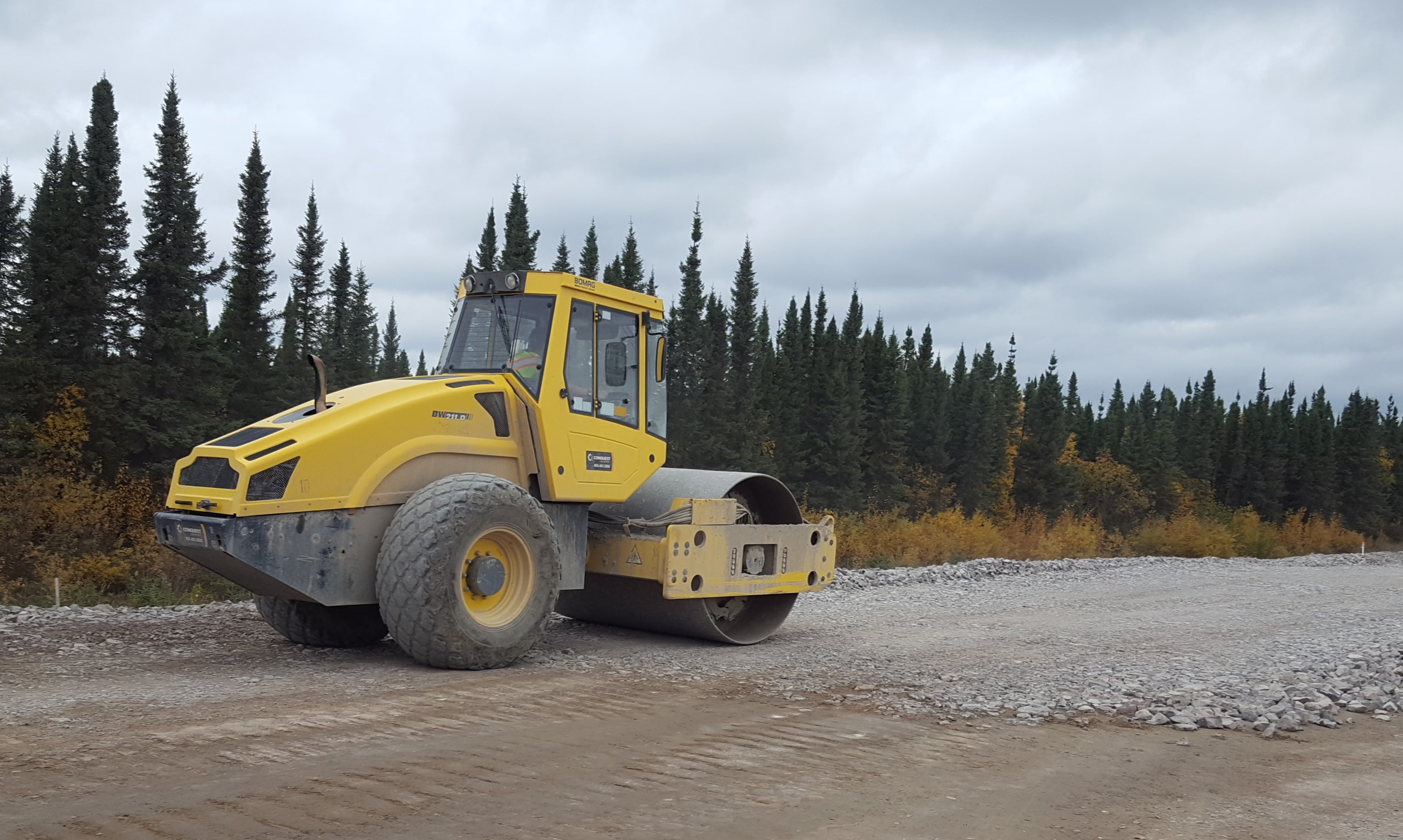
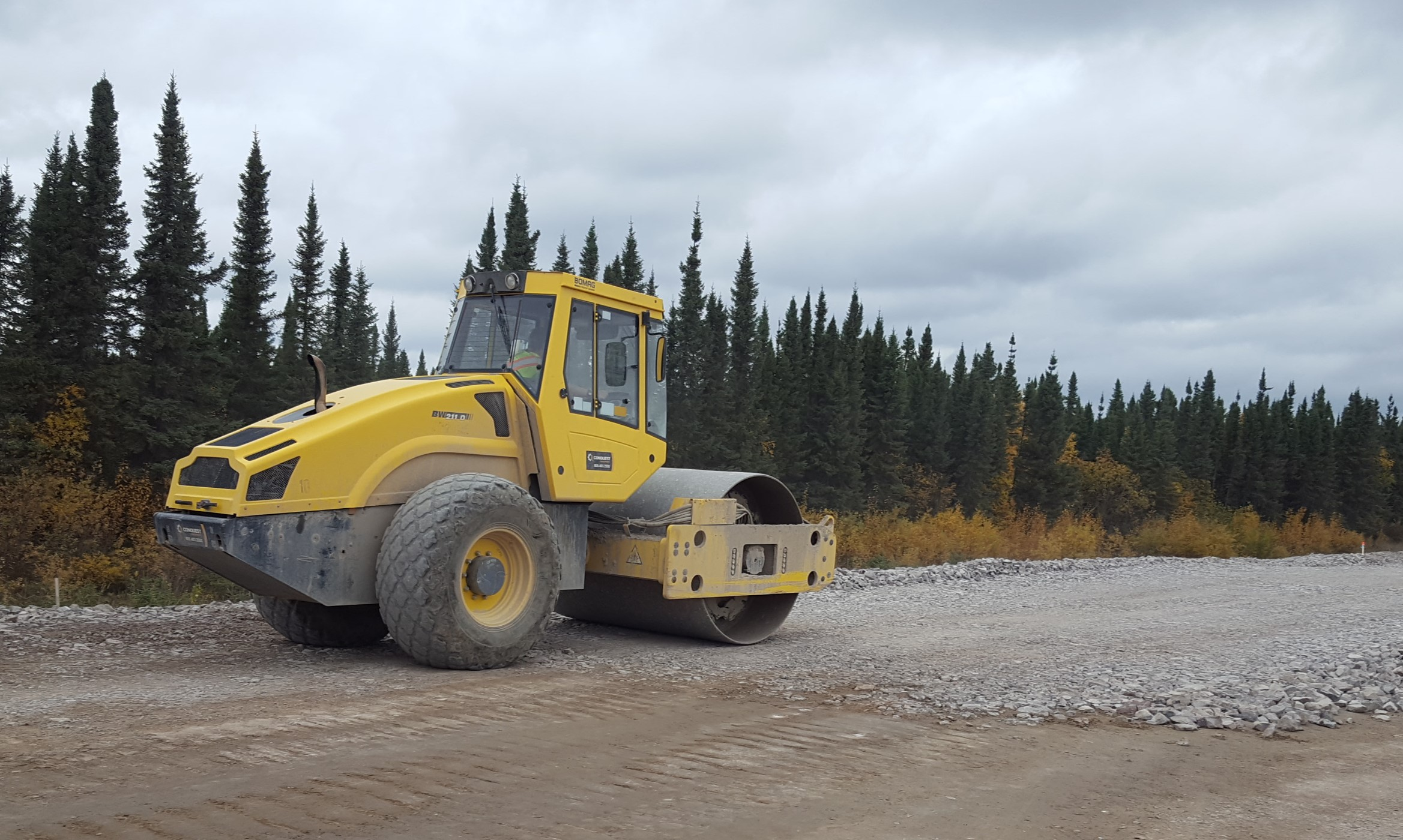
Single drum rollers, single drum vibratory rollers, or single drum compactors are heavy construction machines that utilize a single sizeable cylindrical drum to compact soils, asphalt, and other materials efficiently. The drum vibrates as it rolls across job sites like roads, parking lots, and landscaping projects to create smooth, stable surfaces.

Equipped with the right single-drum road roller, contractors can compact large surfaces while ensuring cost-effective maintenance and operation compared to other compaction equipment.

Uses of Single Drum Rollers in Construction

Here are some uses of single drum rollers in construction projects, including”

  • Compact soils for large-scale projects like road construction, parking lot construction, and landscaping projects efficiently over large surfaces.
  • Create smooth, stable surfaces like roads, highways, and parking lots that require precise compaction for cohesive soils and asphalt paving.
  • Operate in tight spaces during construction projects where double drum rollers may not fit or be required.
  • Provide high compaction efficiency for achieving project requirements and compacting surfaces like building foundations.
  • Suitable for projects on uneven terrain where pneumatic tires provide excellent traction and stability for drum rollers.

Essential Parts and Components of Single Drum Rollers

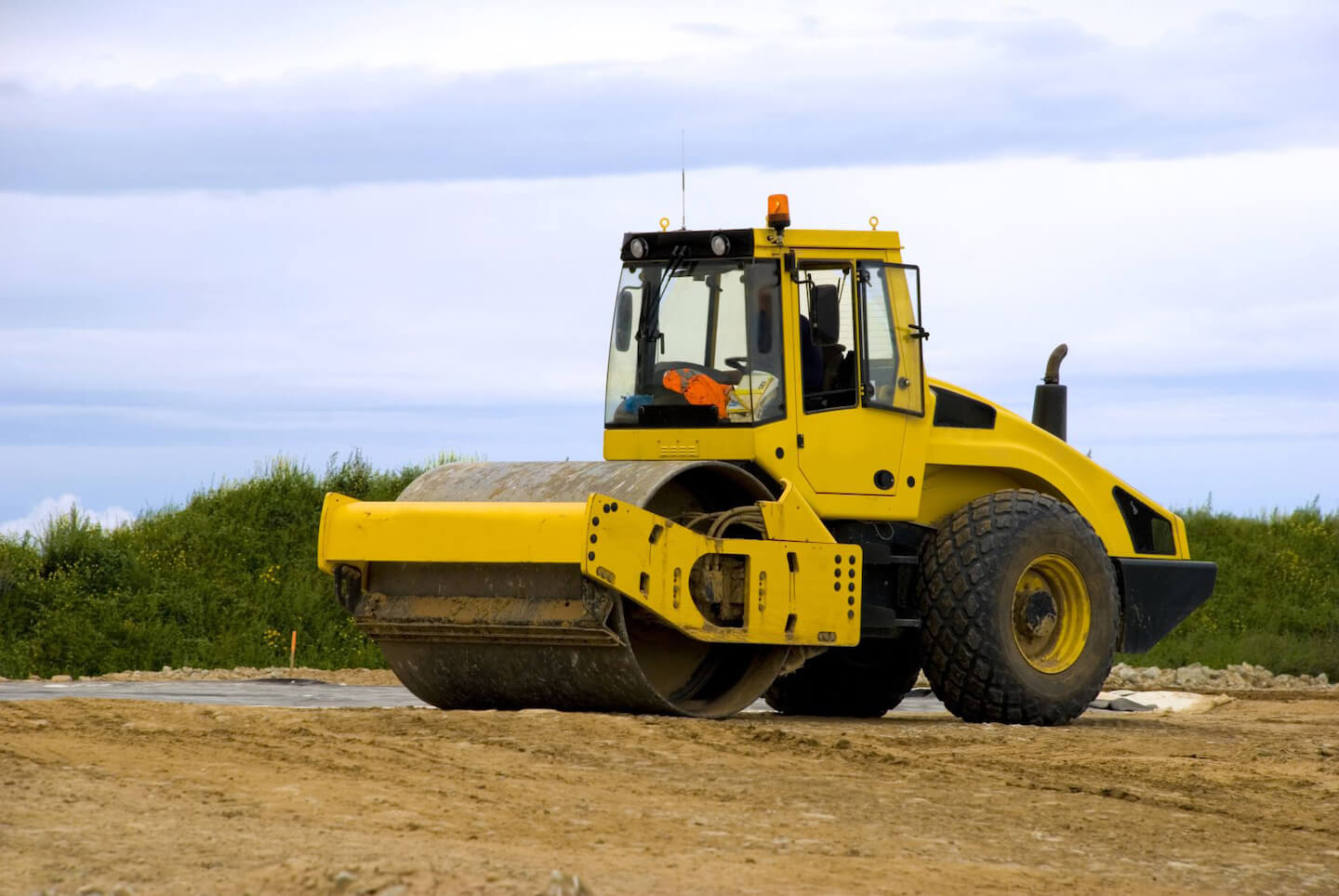
Single drum rollers mainly consist of a large cylindrical drum, typically steel, that vibrates as it rolls across job sites. The drum compacts materials effectively due to its weight and vibration produced by powerful diesel or electric motors.

Equipped with pneumatic tires, single drum rollers provide operators with optimum traction and mobility for projects on uneven terrain and tight spaces.

An operator cab with controls allows operators to maneuver smooth drum rollers efficiently for projects requiring the compaction of large surfaces, such as soil for highways, parking lots, and landscaping.

Single Drum Design and Functionality

The design and materials used in single drum rollers play an essential role in their compaction performance.

Drum Materials

The drum is the main compaction component of a single drum roller. Drums are typically constructed of heavy-duty steel cylindrical shells that withstand repetitive vibrations and impacts when compaction is required on surfaces like roads, highways, and large projects.

Steel drums provide strength and weight to compact cohesive soils, asphalt for paving, and other materials. Some single rollers feature replaceable drum sections or pads to suit various compaction applications.

The choice of drum material, thickness, and dual drum design elements all factor into achieving the compaction efficiency required per different project requirements.

Drum Patterns and Textures

The single and double drum can feature different patterns and textures to suit diverse compaction needs for specific projects. For example, a smooth drum is ideal for compacting asphalt for road construction projects and parking lots to create smooth surfaces.

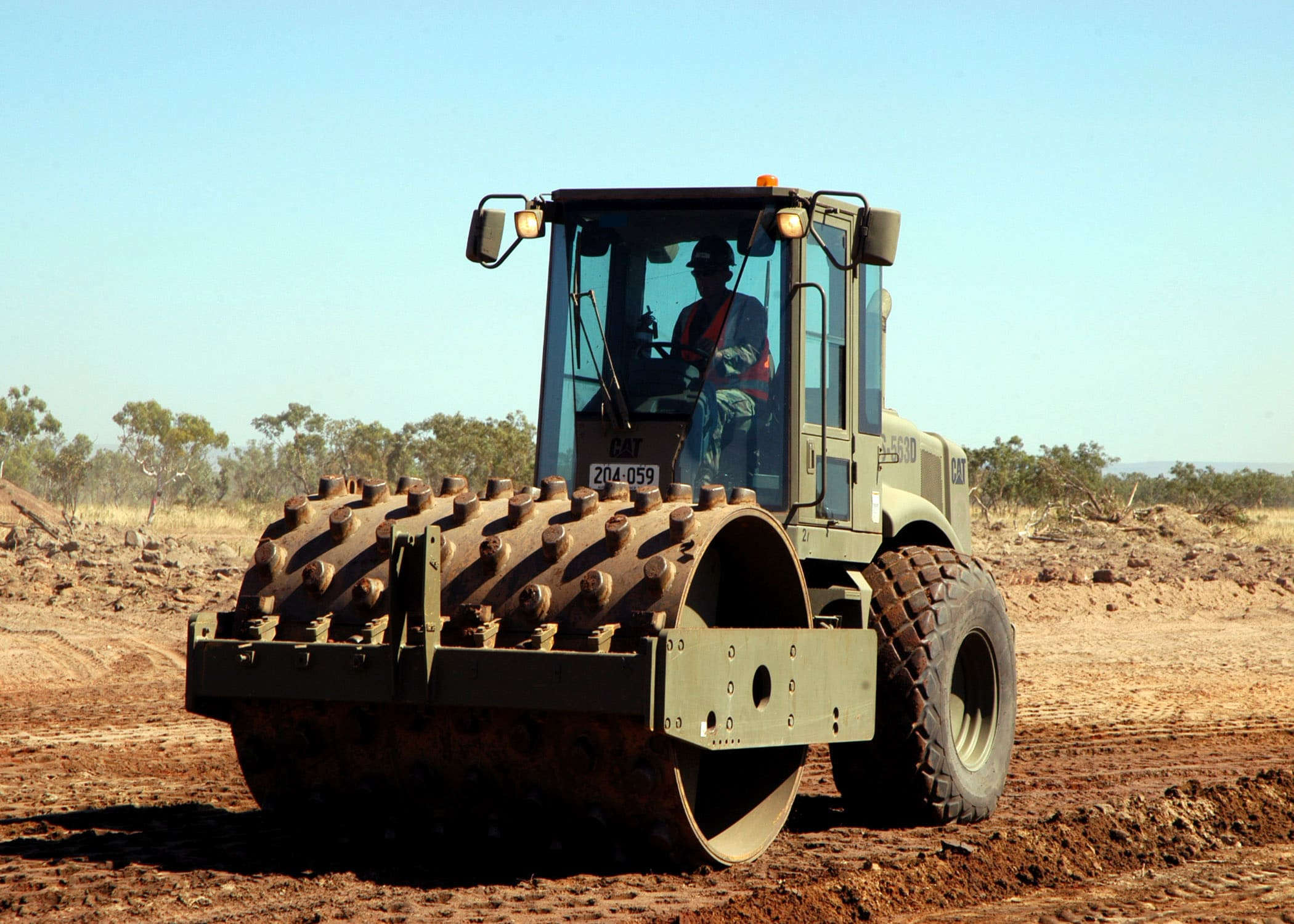
A padfoot drum equipped with projections is suitable for compacting cohesive soils and building foundations to achieve the precise compaction required.

Operators can choose between smooth, Padfoot, and another drum roller type depending on the roller and the compaction required for surfaces like highways, roads, or large-scale projects on varying terrain and soil conditions.

Drum Vibration Mechanism

  • The drum vibration is generated by powerful diesel or electric motors that provide vibratory force to the drum.
  • Hydraulic or electric motors power vibration mechanisms that cause the cylindrical drum to oscillate at high frequencies while rolling.
  • This drum vibration helps break up and loosen compacted materials like cohesive soils and asphalt for highways, roads, parking lots, and other large projects.
  • The vibratory force allows these loosened materials to settle tightly together into a dense, stable surface meeting compaction requirements.
  • Operators can control the vibration frequency and amplitude depending on the compaction needs for different surfaces and soil/material types.
  • With the drum weight, vibration mechanisms enable single drum road rollers to achieve the compaction needed for surfaces on varying terrain efficiently.

Benefits of Single Drum Rollers

Here are some benefits of using single drum rollers, including:

  • Versatility: Single drum rollers excel in compacting soil, creating building foundations, and paving highways, offering a wide range of applications compared to double drum rollers.
  • Cost-Effectiveness: Single drum rollers typically have lower maintenance costs than dual drum rollers, making them cost-effective for construction projects.
  • Efficient Compact Surfaces: Their large drum size and single drum design allow for efficient soil compactors over a larger surface area, reducing the number of passes required to achieve the desired compaction level.
  • Maneuverability: Single drum rollers with two pneumatic tires offer enhanced maneuverability, especially in tight spaces, compared to tandem rollers with a double drum roller.
  • Enhanced Stability: The single drum’s static rollers with smooth drums provide enhanced stability during operation, ensuring optimal soil compaction even on challenging terrain types.

Frequently Asked Questions (What Are Single Drum Rollers – Uses and Benefits Of Single Drum Rollers)

Single drum rollers with large drums are highly effective in compacting soil and other materials in construction projects. The larger drum size increases compaction force and efficiency, leading to faster project completion. These rollers, equipped with single, two cylindrical drums, provide excellent traction and stability on uneven surfaces, making them ideal for road construction and other infrastructure projects.
When selecting a Single Drum Roller, consider factors such as the size of the area to be compacted, the type of material being compacted, the required compaction density, and the terrain conditions. Additionally, evaluate the machine’s weight, drum width, diameter, and vibration frequency to ensure it meets your project’s specific requirements.
Single drum rollers have one large roller in the front and are more maneuverable, ideal for tight spaces and precision work. Double drum rollers feature two rollers, one in front and one in the back, providing better compaction efficiency and stability, suitable for larger surface areas.
Single drum rollers are preferred for maneuverability and precise compaction work in tight spaces. They are ideal for a smaller construction project where agility and accessibility are prioritized over larger compaction areas.
Single drum rollers are most effective for compacting cohesive soils like clay and silt—their heavy weight and downward force help to compress these soils, improving their density and stability.

What Are Double Drum Rollers – A Comprehensive Guide

Mediapayperlead-com December 12, 2024

What Are Double Drum Rollers – A Comprehensive Guide

Meta Description: Discover the versatility of double drum rollers in construction. Learn about their types, features, and applications, like road construction, and their role in creating durable paved surfaces.

Double drum rollers are an essential heavy construction equipment used across various industries. This guide provides an in-depth overview of double drum rollers, their key uses, and applications.

We will explore the different types of double drum rollers and how project requirements influence roller selection. We will also cover the prominent roles of double drum rollers in applications like road construction and paved surfacing.

Key Takeaways

  • Double drum road roller features two cylindrical drums that rotate to compact materials through vibration.
  • They are available in walk-behind, ride-on, and self-propelled models suitable for small landscaping and large highway projects.
  • Primary applications include road building and repair, soil compacting for foundations and constructing driveways and walkways.
  • Choosing the right roller depends on the project size, materials used, and compaction needs.

What are Double Drum Rollers?

Double drum rollers, also known as dual drum rollers, are compaction equipment featuring two large cylindrical drums used to compact materials like soil, gravel, and asphalt in various construction projects.

They are commonly used in road construction, building foundations, and other applications to efficiently achieve compaction on surfaces like roads, parking lots, and walkways through the drums’ vibratory function.

Key Features and Components Of Double Drum Rollers

Here are the key features and components of double drum rollers including :

  • Double drum rollers feature two large cylindrical drums, typically made of steel, positioned in front of the other to compact materials.
  • The dual drum design allows for the compaction of surfaces through vibration as the drums rotate in opposite directions.
  • Drums can have a smooth or textured surface to compact materials like soil, gravel, and asphalt efficiently and achieve precise compaction on surfaces.
  • Tandem rollers are available in different sizes with options like walk-behind, ride-on, or self-propelled models suited for various project types and requirements.
  • More extensive models often have features like operator cabs and two pneumatic tires, which provide excellent traction and maneuverability across job sites.

Types of Double Drum Rollers

Double drum rollers are available in different types to suit various construction project requirements. The main roller types include walk-behind, ride-on, and self-propelled models, each with specific application characteristics.

1. Walk-Behind Models

Walk-behind double drum road rollers are compact and lightweight, making them well-suited for smaller-scale construction projects and maintenance work. They are easy to maneuver and can operate in tight spaces to compact materials for landscaping, driveway construction, and repair work.

These double drum rollers feature two small cylindrical drums powered manually by the operator walking behind them. Some key advantages of walk-behind models include their affordability, maneuverability for uneven terrain, and ability to achieve compaction in hard-to-reach areas.

They are commonly used for compacting soil, gravel, and asphalt in landscaping projects, residential applications, and other jobs requiring compaction in tight spaces.

2. Ride-On Models

Ride-on double drum rollers are medium-sized compactors suited for more substantial construction projects and tasks. They feature two cylindrical drums of moderate size mounted on a frame, allowing an operator to ride and steer. Due to their giant drums and weight, these models offer improved compaction efficiency over walk-behinds.

Ride-on rollers are commonly used for road construction, parking lot paving, and soil compacting for building foundations. They can smoothly compact surfaces like asphalt and gravel over large areas.

3. Self-Propelled Models

Self-propelled double drum rollers are large and powerful compactors well-suited for heavy-duty construction projects involving large surfaces, such as asphalt paving, parking lot construction, and soil compacting for building massive foundations.

They feature two oversized cylindrical drums mounted on a self-propelled chassis with an operator cab.

Due to their tremendous weight and drum size, these models can achieve excellent compaction on cohesive soils. They are commonly used on large-scale projects requiring high compaction efficiency over large areas.

Uses and Applications of Double Drum Rollers

Double drum rollers have a variety of essential uses in the construction industry for compacting different materials effectively. Some of their primary applications include:

1. Road Construction and Maintenance

Double drum rollers are used extensively in road construction and maintenance. They are well-suited for compacting the subgrade and base layers of roads and highways and are also used to compact asphalt pavement during new road construction and repairs.

Their large cylindrical drums provide excellent asphalt compaction over large surfaces. Whether it’s soil compacting for a new highway paving compaction, smooth drum rollers help achieve the precise and uniform compaction required to create solid and durable roads.

2. Foundation Work and Embankments

Foundation work and embankments are another key application area for a double drum roller. They are effective at compacting soil to create stable building foundations.

Large self-propelled models, with their tremendous weight, are well-suited for compacting large volumes of soil for projects like creating retaining walls or land embankments. The cylindrical drums ensure cohesive soils reach optimum densities.

3. Driveways, Walkways and Other Paved Surfaces

Double drum rollers are commonly used to construct and repair driveways, walkways, and other paved surfaces. Whether it’s compacting a gravel driveway or asphalt for a new sidewalk, their vibratory function produces smooth, well-compacted surfaces.

Walk-behind models are ideal for residential projects due to their maneuverability in tight spaces—the drums efficiently compact materials to create durable surfaces that can support foot and vehicle traffic for years.

Frequently Asked Questions (What Are Single Drum Rollers – Uses and Benefits Of Single Drum Rollers)

Single drum rollers with large drums are highly effective in compacting soil and other materials in construction projects. The larger drum size increases compaction force and efficiency, leading to faster project completion. These rollers, equipped with single, two cylindrical drums, provide excellent traction and stability on uneven surfaces, making them ideal for road construction and other infrastructure projects.
When selecting a Single Drum Roller, consider factors such as the size of the area to be compacted, the type of material being compacted, the required compaction density, and the terrain conditions. Additionally, evaluate the machine’s weight, drum width, diameter, and vibration frequency to ensure it meets your project’s specific requirements.
Single drum rollers have one large roller in the front and are more maneuverable, ideal for tight spaces and precision work. Double drum rollers feature two rollers, one in front and one in the back, providing better compaction efficiency and stability, suitable for larger surface areas.
Single drum rollers are preferred for maneuverability and precise compaction work in tight spaces. They are ideal for a smaller construction project where agility and accessibility are prioritized over larger compaction areas.
Single drum rollers are most effective for compacting cohesive soils like clay and silt—their heavy weight and downward force help to compress these soils, improving their density and stability.

A Comprehensive Guide To Different Types Of Road Roller

Mediapayperlead-com December 12, 2024

A Comprehensive Guide To Different Types Of Road Roller

Meta Description: Explore this comprehensive guide to the various types of road rollers used in construction projects to compact soil and asphalt efficiently.

This article analyzes the various rollers and compactors used in construction sites. It examines different rollers for soil compacting, asphalt laying, and more.

The equipment includes tandem, single drum, double drum, vibratory, pneumatic, and other specialty rollers. It discusses their uses and how each helps achieve the compaction needs in building roads and infrastructure.

Key Takeaways

  • Different types of rollers suited for tasks like soil compacting, asphalt laying, and more are covered.
  • Equipment types include tandem, single drum, double drum, grid, vibratory, and pneumatic rollers.
  • Each roller’s uses and benefits are examined, from handling aggregates to achieving uniform compaction on various surfaces.
  • Portable walk-behind rollers are effective for tight spaces, while self-propelled versions offer independent mobility.
  • Choosing the right compaction equipment leads to better project results.

Understanding Different Road Roller Types

Many road rollers are used in construction projects for compacting materials like soil, asphalt, and crushed rock. Some common types include the smooth wheel roller, vibratory, pneumatic, and tandem rollers. Each roller type has distinct features suited for different tasks.

Smooth wheel rollers use static pressure from steel drums, while a vibratory and pneumatic tire roller provide kneading action through vibrations or rubber tires. Choosing the right roller depends on the material to compact and the project scope.

Main Types of A Road Roller

The main types of road rollers commonly used in construction projects each serve distinct compaction purposes. Understanding the roller types helps in choosing the right equipment.

1. Smooth Wheel Rollers

Smooth wheel rollers, also called smooth wheeled rollers, are versatile machines with steel drums at the front and rear. They compact asphalt, crushed rock, and soil through static pressure from the large steel drums.

The drums provide high contact pressure on flat or gradual surfaces to achieve uniform compaction. Smooth wheel rollers are suitable for compacting asphalt surfaces and cold-laid bituminous pavements. They work well on both small and large construction sites.

2. Sheepsfoot Rollers

Sheepfoot rollers, also known as tamping or Padfoot rollers, are effective for compacting cohesive soils on construction sites. They contain a cylindrical roller with rectangular steel attachments resembling sheep’s feet attached around the drum.

When the roller passes over, these steel feet penetrate wet sand, damp sand, loose soil, or weathered rocks. The kneading action helps achieve better compaction of well-graded coarse soils and other cohesive materials uniformly.

Sheepfoot rollers are beneficial for compacting soft base course materials in tight spaces where other roller types may not work.

3. Pneumatic Roller

Pneumatic rollers, also known as pneumatic tire rollers, are valuable compaction equipment for road construction and construction projects. They contain rubber tires instead of steel drums. These rubber tires can be smooth or have lugs or square holes for better traction on surfaces like asphalt or granular materials.

As the pneumatic rollers roll over these surfaces, the rubber tires provide a kneading action through their shape and distribute the machine’s weight evenly through the ground pressure of multiple tires.

This ensures uniform compaction of surfaces like asphalt and effectively compacts granular materials. The pneumatic action makes them suitable for compacting on flat or gradual surfaces.

4. Vibratory Roller

Vibratory rollers are versatile compaction equipment used commonly in construction projects. Also known as vibrating rollers, they contain drum or cylindrical rollers that create vibrations through internal eccentric weights as the machine operates.

These vibrations help settle granular materials like crushed rock, gravel, or compacted soils more effectively through the compaction force provided. The vibrations allow vibratory rollers to compact loosely placed or damp sand and other loose soils efficiently.

They are suitable for both flat and gradual drum surfaces, like dams. Three-wheeled or grid rollers are variations that, with their maneuverability, can work in tight spaces.

5. Tandem Rollers

Tandem rollers are versatile compaction equipment used in a variety of construction projects. They contain two steel drums, either a double drum or two single drums arranged one behind the other. This roller configuration provides a greater compaction force than single drum rollers.

Tandem rollers are suitable for compacting cohesive and loose granular materials like soils, aggregates, and asphalt surfaces.

They can efficiently work on flat or gradual drum surfaces to achieve uniform compaction. Their tandem design makes them practical for compacting various materials in road construction and other civil works.

6. Combination Rollers

Combination rollers are versatile pieces of compaction equipment that combine the capabilities of different roller types. They may contain features like a smooth drum roller paired with pneumatic tires or a vibratory drum.

This enables combination rollers to work effectively in varied construction conditions. They provide benefits like static compaction from steel drums and kneading action through tires or vibrations.

Combination rollers can handle cohesive and granular materials efficiently on various surfaces in road construction projects and other civil works. The adaptable design makes them suitable for compacting multiple materials with one machine.

7. Landfill Compactors

Landfill compactors are heavy-duty rollers designed explicitly for compacting waste materials in landfill sites. They contain large steel drums with reinforced steel attachments to handle the heavy compaction required in these demanding conditions.

The drums help apply very high contact pressure to break down and compress loose trash, wet garbage, crushed materials, and other waste types into tighter spaces.

Landfill compactors are durable equipment able to work efficiently over uneven surfaces and absorb the impacts in landfills. Their sturdy design makes them suitable for harsh waste compaction needs.

8. Single Drum Roller

Single drum rollers are versatile pieces of compaction equipment containing a single large steel drum mounted at either the front or rear of the machine. They are commonly used for compacting granular materials like gravel, crushed rock, or compacted soils in various construction projects.

The steel drum provides high contact pressure through its weight and compaction force. Single drum rollers can work efficiently on flat and gradual drum surfaces in road construction, civil engineering, and other sites. Their maneuverability makes them suitable for compacting in tight spaces as well.

9. Double Drum Rollers

Double drum rollers are versatile compaction equipment commonly used in construction projects. They contain two large steel drums, either arranged in parallel and called double drum rollers or placed one behind the other in a tandem configuration.

The double drum design allows these rollers to apply a greater compaction force to materials than single drum rollers.

They are suitable for efficiently compacting cohesive and loose soils, aggregates, and asphalt surfaces. Double drum rollers can achieve uniform compaction on flat or gradual drum surfaces during road construction and civil works.

10. Multi-Wheeled Rollers

Multi-wheeled rollers are versatile pieces of compaction equipment used in construction projects. Also known as grid rollers, they contain multiple small wheels or drums arranged in a grid-like pattern that allows them to work efficiently in tight spaces.

The ground pressure from these wheels or drums helps achieve uniform compaction of materials like loose soil, crushed rock, asphalt surfaces, and other compacted granular materials.

Grid rollers can maneuver effectively on flat or gradual surfaces found in construction sites and are suitable for compacting in confined areas where other larger rollers may not work.

11. Three-Wheeled Rollers

Three-wheeled rollers, or tri-rollers, are versatile compaction equipment used in construction projects. They contain three small drum rollers or wheels arranged in a triangular configuration, which allows them to maneuver effectively in tight spaces on construction sites.

The ground pressure from the three drums helps achieve uniform compaction of materials like loose soil, crushed rock, asphalt surfaces, and compacted granular materials. Their compact size makes three-wheeled rollers suitable for compacting in confined areas and around obstacles.

12. Grid Roller

Grid rollers, or multi-wheeled rollers, are versatile compaction equipment commonly used in construction projects. They contain multiple small wheels or drums arranged in a grid-like pattern, allowing them to maneuver effectively in tight spaces on a construction site.

The ground pressure from these wheels helps achieve uniform compaction of materials like loose soil, crushed rock, asphalt surfaces, and other compacted granular materials.

Grid rollers are suitable for compacting confined areas and around obstacles on flat or gradual surfaces. Their adaptable design makes them effective for a variety of compaction needs.

13. Self-Propelled Rollers

Self-propelled rollers are versatile pieces of compaction equipment commonly used in construction projects. They are powered by a diesel engine, enabling them to maneuver themselves on construction sites without needing towing.

This makes self-propelled rollers highly adaptable for compacting various materials efficiently, such as loose soil, crushed rock, asphalt surfaces, and other granular materials.

The ground pressure from their drum rollers helps achieve uniform compaction on flat or gradual surfaces. Being self-powered allows these rollers to work independently in different areas as required.

14. Walk-Behind Rollers

Walk-behind rollers are compact pieces of compaction equipment that can be manually maneuvered by an operator walking behind them. Commonly used in smaller construction projects, these lightweight rollers contain small drums or wheels that provide ground pressure to achieve compaction of materials in tight spaces.

Walk-behind rollers are suitable for efficiently compacting loose soil, gravel, asphalt surfaces, and other granular materials in confined areas where larger self-propelled rollers have limited access. Their portable design makes these rollers adaptable for compacting in hard-to-reach places on construction sites.

Frequently Asked Questions (What Are Single Drum Rollers – Uses and Benefits Of Single Drum Rollers)

Single drum rollers with large drums are highly effective in compacting soil and other materials in construction projects. The larger drum size increases compaction force and efficiency, leading to faster project completion. These rollers, equipped with single, two cylindrical drums, provide excellent traction and stability on uneven surfaces, making them ideal for road construction and other infrastructure projects.
When selecting a Single Drum Roller, consider factors such as the size of the area to be compacted, the type of material being compacted, the required compaction density, and the terrain conditions. Additionally, evaluate the machine’s weight, drum width, diameter, and vibration frequency to ensure it meets your project’s specific requirements.
Single drum rollers have one large roller in the front and are more maneuverable, ideal for tight spaces and precision work. Double drum rollers feature two rollers, one in front and one in the back, providing better compaction efficiency and stability, suitable for larger surface areas.
Single drum rollers are preferred for maneuverability and precise compaction work in tight spaces. They are ideal for a smaller construction project where agility and accessibility are prioritized over larger compaction areas.
Single drum rollers are most effective for compacting cohesive soils like clay and silt—their heavy weight and downward force help to compress these soils, improving their density and stability.

Single Drum Roller Vs. Double Drum Roller – Key Differences

Mediapayperlead-com December 12, 2024

Single Drum Roller Vs. Double Drum Roller – Key Differences

Meta Description: Our comprehensive guide will help you discover the differences between single and double drum rollers for efficient compaction.

Single and double drum rollers are commonly used compaction equipment in construction. While they may seem similar, they have different designs tailored to specific job needs.

This article provides a detailed comparison of single and double drum rollers to help construction professionals determine which machine is best suited for their project requirements.

Key Takeaways

  • Single drum rollers are versatile machines that compact materials like soil, gravel, and asphalt on different project sites. In contrast, double drum rollers specialize in asphalt compaction for road construction.
  • Single drum rollers have one drum and can work in tight spaces, but double drum rollers, with their two-drum design, provide uniform compaction across the width.
  • Vibration is the primary compaction method for single drum rollers, whereas double drum rollers can be static or vibratory.

Single Drum Roller

Single drum rollers, also known as vibratory or smooth wheel rollers, come in various types to suit diverse compaction needs. They are versatile machines utilized for a variety of compaction tasks.

Types of Single Drum Rollers

Single drum rollers can be classified based on drum design – whether they have a smooth drum or one equipped with Padfoot projections. The drum placement is another distinguishing factor, with drums located at the front or rear of the machine.

Uses of Single Drum Rollers

Given their versatility, single drum rollers are used for compacting materials like soil, gravel, and asphalt and in various projects like road construction, parking lot construction, and building foundations. They are suitable for large, flat areas and uneven terrain.

Drum Designs for Single Rollers

Depending on the surface type, the drum of a single roller can be smooth or fitted with padfoot projections. Smooth drums achieve compaction on smooth surfaces, while padfoot drums provide excellent traction and are effective for compacting cohesive soils.

Compaction Methods of Single Drum Rollers

Single drum rollers primarily use vibration for compaction. The large drum is fitted with a vibration-generating system that transmits vibrations into the drum surface for compacting materials.

This allows for precise and efficient compaction of various surfaces like soil, gravel, and asphalt used in road construction, parking lots, and building foundations.

The vibration mode provides excellent traction, helping achieve compaction even on uneven terrain. It allows tandem rollers to uniformly compact materials to the required project specifications in tight spaces or areas where other compaction equipment may not work effectively.

The operator can adjust the vibration frequency and amplitude to suit the compaction needs. This makes single drum rollers a versatile choice for contractors.

Double Drum Roller

Double drum rollers are specialized compactors used primarily for asphalt compaction in road construction and repair projects. Their unique dual drum design is suited for this purpose.

Design of Double Drum Rollers

As the name suggests, double drum rollers have two large cylindrical drums, one at the front and one at the rear. This dual drum configuration sets them apart from single drum rollers. The two-drum design allows uniform asphalt compaction across the width for highway and road paving applications.

Types of Double Drum Rollers

There are two main types – static and vibratory. Smooth drum rollers rely on the machine’s weight for compaction, while vibratory rollers provide vibration in addition to weight for higher compaction efficiency.

Uses of Double Drum Rollers

Given their specialized design, double drum rollers are primarily used for heavy-duty asphalt applications like road construction and repair work. They are suitable for compacting asphalt in highway and road paving and construction projects.

Compaction Process of Double Drum Rollers

Both static and vibratory double drum rollers employ the machine’s weight to compact asphalt surfaces. Vibratory rollers deliver additional compaction through the vibration of the two large cylindrical drums, helping achieve the required density and smoothness for road surfaces.

Key Differences Of Single Drum Roller Vs. Double Drum Roller

While single drum and double drum rollers are used as compaction equipment, they have distinct designs tailored for different construction needs. Let’s examine their core variances.

1. Application Areas

Single drum rollers are highly versatile machines that can compact various materials, such as soil, gravel, and asphalt, across diverse construction project types, including road construction, parking lots, and building foundations.

On the other hand, double drum road rollers specialize in asphalt compaction for highway and road paving applications due to their dual drum configuration.

2. Design and Structure

The design of these rollers differs significantly. Single drum rollers contain one large drum mounted on the front or rear, while double drum rollers feature two cylindrical drums attached to the front and rear ends.

This dissimilar layout influences their compaction capabilities – single drums can work in tight spaces, but doubles provide uniform compaction across the width.

3. Compaction Techniques

Single drum rollers primarily rely on vibration for compaction, while double drum rollers can be static or vibratory. Static rollers employ just the machine’s weight, whereas vibratory rollers provide vibration in addition to weight for higher compaction efficiency on surfaces like asphalt used in road construction.

4. Suitable Surface Types

The type of drum also differs between the two rollers. Single drum rollers can be outfitted with smooth or padfoot drums based on the project needs, allowing them to compact smooth and uneven surfaces like soil effectively.

On the other hand, dual drum rollers are usually equipped with smooth drums suited for asphalt paving applications requiring precise compaction of level surfaces.

Frequently Asked Questions (What Are Single Drum Rollers – Uses and Benefits Of Single Drum Rollers)

Single drum rollers with large drums are highly effective in compacting soil and other materials in construction projects. The larger drum size increases compaction force and efficiency, leading to faster project completion. These rollers, equipped with single, two cylindrical drums, provide excellent traction and stability on uneven surfaces, making them ideal for road construction and other infrastructure projects.
When selecting a Single Drum Roller, consider factors such as the size of the area to be compacted, the type of material being compacted, the required compaction density, and the terrain conditions. Additionally, evaluate the machine’s weight, drum width, diameter, and vibration frequency to ensure it meets your project’s specific requirements.
Single drum rollers have one large roller in the front and are more maneuverable, ideal for tight spaces and precision work. Double drum rollers feature two rollers, one in front and one in the back, providing better compaction efficiency and stability, suitable for larger surface areas.
Single drum rollers are preferred for maneuverability and precise compaction work in tight spaces. They are ideal for a smaller construction project where agility and accessibility are prioritized over larger compaction areas.
Single drum rollers are most effective for compacting cohesive soils like clay and silt—their heavy weight and downward force help to compress these soils, improving their density and stability.

A Step-by-Step Road Roller Spec Guide

Mediapayperlead-com December 12, 2024

A Step-by-Step Road Roller Spec Guide

Meta Description: Discover the essential road roller spec guide for optimized compaction. Understand weight, drum width, engine power & more for efficient construction projects.

This article provides an overview of critical specifications for road rollers. It examines technical parameters such as drum width, operating weight, engine power, and vibration frequency that determine a roller’s suitability for compaction tasks on construction sites.

Understanding these specifications helps contractors select the right equipment for their projects.

Key Takeaways

  • Drum width, diameter, and operating weight influence a roller’s coverage area and compaction power.
  • Engine power and fuel type suit a roller to job site conditions and material types.
  • Vibration features and controls optimize the compaction of soils, asphalt, and aggregates.
  • Safety equipment protects operators when working with heavy machinery on worksites.
  • Understanding specifications ensures choosing the right roller for construction projects.

Understanding Road Roller Specifications

Proper specification selection is critical to choosing the right road roller for any job site. Factors like drum width, weight, vibration frequency, and engine power must be considered against the application and material being compacted.

Static and vibratory rollers are available in single-drum, double-drum, smooth-drum, and padfoot drum configurations suited to different soil and asphalt compaction needs. Thorough specifications research will help determine which roller type, size, and optional attachments are best for the project.

Understanding specifications like drum width, weight, vibration frequency, and engine power is critical to choosing the right roller for any construction project or material compaction needs.

1. Weight

The weight of a road roller is one of the most important specifications, as it directly influences the machine’s compaction capability. Weights range from several tons for large, self-propelled machines to smaller hand-guided compactors.

Heavier rollers are suited to compacting coarse soils, crushed rock, and asphalt, while lighter options may be sufficient for finer materials in tight spaces.

2. Type of Roller

The two main types of road rollers are static and vibratory. Both roller types play an essential role in the construction industry. So, let’s head to the point without getting into additional details.

Static Roller

Also called a smooth-wheel roller, the static roller uses only its weight for compaction. Ideal for compacting asphalt, crushed rock, and other coarse materials on flat or gradual surfaces, it creates a smooth, uniform surface through high contact pressure from a cylindrical roller drum.

For projects requiring the compaction of soil or weathered rocks in tight spaces, a static roller may be preferable over vibratory options because of its more straightforward design and better traction.

Vibratory Roller

The vibratory roller is more versatile than its static counterpart. It uses weight and vibration to compact various materials, from coarse soils to asphalt, effectively.

Its drum oscillates vertically at high frequency to exert kneading and kneading action that drives out air voids for better density. It is well-suited for compacting crushed rock, gravel, and cohesive soils on both level and gradual surfaces.

Vibratory rollers with single, double, smooth, or padfoot drums can handle everything from small-scale residential projects to large commercial construction sites.

3. Drum Width

The drum width specification is an important consideration that affects both the roller’s coverage area during compaction passes and compaction effectiveness.

A wider drum allows a vibratory or static roller to compact larger sections of material in fewer passes, making it highly suitable for large-scale projects involving road construction, asphalt leveling, or smoothing out surfaces like crushed rock or concrete blocks.

However, a narrower drum may be preferable for compacting soils around equipment or structures in tight spaces. The drum width, along with factors like weight and vibration frequency, also influences the uniformity of compaction pressure, with a broader drum distributing weight over a larger surface area to smooth surfaces.

4. Drum Diameter

  • The diameter of the roller’s drum is an important specification that influences compaction effectiveness.
  • A larger drum diameter allows for higher compaction pressure as more of the roller’s weight is distributed over the material surface. This makes larger drums well-suited for compacting coarse soils, crushed rock, asphalt, and other heavy materials.
  • However, a smaller drum diameter may provide better maneuverability and the ability to work in tight spaces around equipment during site work.
  • Drum diameter also impacts the uniformity of pressure distribution. Larger diameters typically create a smoother, more consistent finish.
  • Most vibratory rollers for heavy construction tasks have drum diameters between 600 and 1000mm. Smaller static rollers may have drums as narrow as 400mm for compact residential soil and gravel work.
  • Choosing the right drum diameter ensures the roller can effectively compact needed materials while meeting the job site space and coverage area needs.

5. Operating Weight

The operating weight specification is essential as it directly influences a road roller’s compaction capabilities. This refers to the total weight of the machine itself and any ballast that may be added.

Heavier rollers can exert more compaction force on materials like crushed rock and coarse soils. However, a lighter operating weight may be preferable in tight spaces or for compacting finer materials.

Additional ballast allows contractors to quickly increase an existing roller’s compaction force for varying job site conditions. The operating weight and factors like drum width and vibration determine how effectively a roller can achieve the required density for its application.

6. Engine Power

The engine power specification, usually rated in horsepower, determines a road roller’s propulsion capabilities and ability to operate hydraulic systems. More powerful engines allow larger rollers to compact heavier materials efficiently over varied terrain, making them well-suited to road construction of crushed rock bases or leveling asphalt surfaces.

However, a roller with lower engine power may suffice for residential projects or working in tight spaces. Additional power may also be valuable when operating attachments like water tanks.

Contractors should match the roller’s engine output to the scale and requirements of compaction jobs for optimal productivity while avoiding excess capacity that drives up costs.

A yellow road roller driving down a dirt road, compacting the soil and smoothing the surface

7. Compaction Force

The compaction force specification refers to the pressure a roller exerts on the compacted material. It is influenced by the roller’s weight, vibration amplitude and frequency, drum width, and diameter.

A higher compaction force allows effective flattening and densifying of thick asphalt layers, crushed rock bases, and compacted fill for large projects involving road construction, site grading, or utility installation. However, excessive force may damage lighter materials like soil.

Choosing a roller based on the required compaction force ensures proper density without over-compacting. Contractors can also use additional ballast for short-term increases in force if job site conditions demand it.

8. Vibration Frequency

  • Vibration frequency is an essential specification for vibratory rollers that influences compaction effectiveness.
  • Depending on the roller model and manufacturer, the frequency typically ranges from 1000-3000 vpm (vibrations per minute).
  • Higher frequencies are well-suited for compacting finer materials like soil and asphalt, while lower frequencies work best for dense crushed rock and gravel.
  • The vibration excites and kneads the material being compacted, driving out air pockets between particles for increased density.
  • Choosing the right frequency ensures optimal compaction of different materials used in construction projects, from coarse road bases to utility backfill soils.
  • By matching the roller’s vibratory power to job site needs, contractors can achieve thorough compaction with fewer passes through correct frequency selection.
  • Frequency also impacts operator comfort, as higher settings may cause fatigue over long workdays.

9. Fuel Type

The fuel type specification is essential for road rollers, as it influences operating costs and environmental impact. More significantly, heavy-duty rollers commonly use diesel fuel for their energy density, making them well-suited to handle intensive compaction jobs requiring heavy loads of materials like crushed rock over job sites.

However, gas or propane models may be preferable for residential projects or working in enclosed areas due to lower emissions and noise levels. Dual fuel options also provide flexibility depending on fuel availability or prices.

Choosing the right fuel type ensures a roller can power through demanding construction schedules while meeting emissions regulations for urban areas.

10. Operator Controls

The type of operator controls on a road roller impacts ease of use and functionality on job sites. Most include a steering wheel and vibration controls to easily adjust the roller’s direction and level of compaction force across different materials like crushed rock bases or compacted soil surfaces.

Larger models feature hydraulic levers and pedals to control drum rotation and water spray functions for compaction tasks in road construction.

Some rollers also offer Bluetooth connectivity for machine monitoring from job site foremen. Easily accessible controls allow operators to focus on thorough coverage during compaction passes over gradual and level surfaces.

Choosing a roller with ergonomic controls tailored to its intended applications improves work site productivity and operator comfort.

11. Safety Features

  • Roller safety features help protect operators during compaction work on construction sites.
  • Roll-over protection structures (ROPS) and falling object protective structures (FOPS) are essential for large rollers working on uneven ground and around other equipment.
  • Backup alarms alert workers when a roller moves in reverse on job sites, helping prevent accidents during road construction and site grading.
  • Flashing lights make the roller more visible to heavy trucks and equipment moving materials like crushed rock and soil on busy worksites.
  • Seatbelts secure the operator during compaction passes over rough terrain and surfaces to reduce the risk of injury.
  • Fire extinguishers allow quick response to engine fires, which is critical for rollers using diesel fuel in dusty conditions prevalent on construction projects.
  • Safety features help contractors meet regulatory requirements, protect operators, and ensure smooth workflows while complying with materials for roads and structures.

Advantages of Understanding Road Roller Specifications

Here are some advantages of understanding road roller specifications, including:

  • Versatility: Understanding road roller specifications allows for informed selection between various types, such as pneumatic roller, single drum roller, vibrating roller, and more. This versatility ensures the right equipment is chosen for specific tasks, whether compacting soil, asphalt, or other materials.
  • Optimized Performance: Knowledge of critical parts and features such as steel drums, rubber tires, or steel bars enables operators to optimize the roller’s performance for different surfaces. For instance, steel drum rollers are ideal for achieving a smooth surface on asphalt, while sheep foot rollers are more effective for compacting cohesive soils.
  • Efficient Compaction Equipment: Familiarity with specifications like compacting force and uniform pressure ensures adequate compaction, leading to a smooth finish and enhanced durability of roads or pavements. This efficiency is crucial for achieving desired compaction levels in small and large-scale projects.
  • Enhanced Safety: Understanding the capabilities of different types of rollers, such as pneumatic rollers, grid rollers, and single drum rollers, helps in selecting the most suitable equipment for the job, thereby enhancing safety during operations. This consideration is essential when working in challenging terrain or conditions.
  • Cost-effectiveness: Knowledge about roller specifications aids in making informed decisions regarding equipment rental or purchase, ensuring that the chosen roller meets project requirements without unnecessary features or capabilities. This leads to cost-effective heavy equipment utilization while still achieving desired results in soil compaction or surface finishing.

Frequently Asked Questions (What Are Single Drum Rollers – Uses and Benefits Of Single Drum Rollers)

Single drum rollers with large drums are highly effective in compacting soil and other materials in construction projects. The larger drum size increases compaction force and efficiency, leading to faster project completion. These rollers, equipped with single, two cylindrical drums, provide excellent traction and stability on uneven surfaces, making them ideal for road construction and other infrastructure projects.
When selecting a Single Drum Roller, consider factors such as the size of the area to be compacted, the type of material being compacted, the required compaction density, and the terrain conditions. Additionally, evaluate the machine’s weight, drum width, diameter, and vibration frequency to ensure it meets your project’s specific requirements.
Single drum rollers have one large roller in the front and are more maneuverable, ideal for tight spaces and precision work. Double drum rollers feature two rollers, one in front and one in the back, providing better compaction efficiency and stability, suitable for larger surface areas.
Single drum rollers are preferred for maneuverability and precise compaction work in tight spaces. They are ideal for a smaller construction project where agility and accessibility are prioritized over larger compaction areas.
Single drum rollers are most effective for compacting cohesive soils like clay and silt—their heavy weight and downward force help to compress these soils, improving their density and stability.

Road Roller Safety – Essential Safety Measures To Consider

Mediapayperlead-com December 12, 2024

Road Roller Safety – Essential Safety Measures To Consider

Meta Description: Discover essential road roller safety measures, including operator training, equipment inspection, PPE use, communication, maintenance, and emergency preparedness.

Road roller safety is essential in construction to protect operators and workers. This article discusses necessary measures for ensuring safety when operating or working near these heavy machines.

Key topics include training requirements, pre-use inspections, proper personal protective equipment, following manufacturer guidelines, effective communication practices, regular maintenance, and being prepared for emergencies.

Key Takeaways

  • Before operating road rollers, receive proper training to understand controls, safety features, and procedures.
  • Always inspect equipment thoroughly for issues like brake problems before each use.
  • When working near machinery, wear appropriate personal protective gear, such as high-visibility vests, hard hats, and steel-toe boots.
  • Follow manufacturer guidelines and implement traffic control measures for public worksites.
  • Maintain clear communication and properly use radios or hand signals.
  • Conduct regular maintenance and inspections to prevent equipment risks.
  • Be prepared for emergencies with safety plans, first aid kits, and contacts.

Understanding the Importance of Roller Safety

Roller safety is paramount in the construction industry to protect workers and prevent accidents. As heavy machinery, road rollers present risks like rollovers that can cause severe injuries without proper safety measures.

Operators must wear appropriate personal protective equipment, such as high-visibility vests, hard hats, and protective footwear when equipping and operating these machines.

Following manufacturer guidelines and a well-planned safety training program can help constructors adequately assess hazards and safely separate workers from moving equipment on busy project sites.

Here are some essential safety measures to consider when operating or working near road rollers.

1. Operator Training

Proper training is essential to road roller safety. Operators must learn how to use machine controls and safely operate heavy equipment through qualified instruction.

Understanding operational procedures set by the manufacturer, such as recommended speeds for different tasks, can help prevent accidents and protect workers on busy construction sites.

Learning Controls and Features Safely

Road roller operators must receive hands-on training from an experienced instructor to familiarize themselves with all operating controls, safety features, and the roller’s capabilities and limitations before operating the machinery.

Understanding hydraulic systems, gears, brakes, and other integral components can help operators operate the equipment safely and effectively. Learning in a controlled environment away from other workers and distractions lets operators get comfortable with the road roller.

Understanding Operational Procedures

Thoroughly reviewing operational procedures outlined by the equipment manufacturer helps operators understand how to use the road roller properly under different conditions. Following guidelines for changing gears, braking, and turning at low speeds can protect workers on a project site.

Operators must also be aware of essential checks, such as inspecting the parking brake and ensuring all safety systems function properly, before moving or operating machinery near other employees or moving vehicles.

2. Pre-Operation Equipment Inspection

Thoroughly inspecting road rollers before each use is crucial to ensuring occupational safety on construction projects. Conducting operational checks on integral components like brakes, lights, and hydraulic systems helps prevent accidents and equipment breakdowns.

Checking Brakes and Lights

Roller operators must adequately check the braking system, including engaging the parking brake, before operating the machinery. Inspecting lights also allows workers to operate safely in all light conditions. Properly using brakes and lights helps separate workers from moving equipment.

Inspecting Tires and Hydraulic Systems

Examining tires for proper inflation and tread wear is an essential operational check. Inspecting hydraulic systems helps prevent hot substances from escaping and injuring workers.

Looking for fluid leaks and verifying all components are in good working order protects operators and others on the job site. Addressing any maintenance issues with qualified personnel before use can prevent accidents.

3. Using Personal Protective Equipment (PPE)

Wearing appropriate personal protective equipment is vital for road roller operators and construction workers near heavy machinery. Using proper protective gear helps adequately protect them from hazards.

Wearing a High-Visibility Vest and Clothing

When operating or working near moving equipment, workers must wear high-visibility vests or clothing. The bright, reflective clothing makes operators and other employees more visible to equipment drivers, helping prevent accidents. It is essential on busy construction sites.

Donning Safety Helmets and Protective Footwear

In addition to high-visibility gear, workers should always properly equip themselves with hard hats and steel-toe boots certified for their tasks. Helmets protect the head from rollovers or falling objects, while sturdy footwear protects toes from crush injuries. This protective clothing and gear helps safely separate workers from road rollers and other heavy machinery.

4. Following Safe Operating Guidelines

Carefully adhering to manufacturer guidelines and recommended safety procedures helps protect road roller operators and workers near heavy machinery.

Operating on Level Ground in Safe Conditions

Roller operators should only use equipment on adequately sized and level areas clear of debris, drop-offs, or loose clothing that could get caught. Avoiding steep slopes or unstable terrain prevents rollovers and other accidents. Operating at low speeds limits risks.

Implementing Traffic Control Measures

  • When operating road rollers in road construction or other public settings, use signs, cones, and flaggers as needed to direct traffic and pedestrians safely around work areas. This will separate workers from moving vehicles.
  • Wear high-visibility vests or clothing to make operators and other personnel visible to drivers within the traffic control zone.
  • Position signs and barriers to channel traffic clearly and safely without confusion. Mark any potential hazards adequately.
  • Have flaggers wear approved safety gear, including high-visibility clothing or vests, to be visible when directing traffic.

5. Maintaining Effective Communication

Assertive communication is essential for road roller safety on busy construction sites with multiple workers and equipment.

Using Radios and Hand Signals Clearly

Operators and ground crew should communicate clearly using two-way radios or pre-defined hand signals. This helps everyone involved be aware of moving machinery, tasks, and potential hazards.

Radios allow workers to communicate over noise, while hand signals provide backup. By properly using these communication tools, crews can safely coordinate tasks, direct equipment, and protect one another from accidents on project sites. Effective communication methods like these are essential for occupational safety.

6. Conducting Regular Maintenance and Inspections

Keeping up with maintenance is critical to road roller safety and preventing breakdowns or accidents.

Ensuring Optimal Equipment Performance

  • Inspect hydraulic systems, hoses, and fittings regularly for leaks or wear that could cause hot substances to injure workers.
  • Check that the tires are properly inflated and have adequate tread to support the machine’s weight for optimal traction, braking, and stability.
  • Examine moving parts like gears and brakes for signs of deterioration, heat, or loose fittings. Tighten or replace as needed.
  • Follow manufacturer guidelines for scheduled services to maintain all aspects of the machinery in good working order. This protects operators from equipment risks.
  • Thoroughly clean the machine after use to prevent the buildup of debris that could become a safety hazard or interfere with components.

Regular inspections and maintenance, as outlined, help ensure road rollers perform as intended without risks to the roller operator or others on a construction site.

Preparing for Emergencies

It is essential to have a proper safety plan and emergency procedures to protect a construction worker in case of road rollers or other heavy machinery accidents on the construction site.

Teams should be trained on first aid response and have adequately sized and fully stocked kits, fire extinguishers, and emergency contact lists for medical assistance or hazardous situations.

Ensuring such safety equipment and emergency preparedness protocols are in place helps constructors promptly address risks of injuries or other issues when operating large equipment like road rollers near employees. This safety-focused approach can prevent risks from turning into worse outcomes.

Frequently Asked Questions (What Are Single Drum Rollers – Uses and Benefits Of Single Drum Rollers)

Single drum rollers with large drums are highly effective in compacting soil and other materials in construction projects. The larger drum size increases compaction force and efficiency, leading to faster project completion. These rollers, equipped with single, two cylindrical drums, provide excellent traction and stability on uneven surfaces, making them ideal for road construction and other infrastructure projects.
When selecting a Single Drum Roller, consider factors such as the size of the area to be compacted, the type of material being compacted, the required compaction density, and the terrain conditions. Additionally, evaluate the machine’s weight, drum width, diameter, and vibration frequency to ensure it meets your project’s specific requirements.
Single drum rollers have one large roller in the front and are more maneuverable, ideal for tight spaces and precision work. Double drum rollers feature two rollers, one in front and one in the back, providing better compaction efficiency and stability, suitable for larger surface areas.
Single drum rollers are preferred for maneuverability and precise compaction work in tight spaces. They are ideal for a smaller construction project where agility and accessibility are prioritized over larger compaction areas.
Single drum rollers are most effective for compacting cohesive soils like clay and silt—their heavy weight and downward force help to compress these soils, improving their density and stability.

Road Roller Maintenance

Mediapayperlead-com December 12, 2024

Road Roller Maintenance

Meta Description: Discover the importance of road roller maintenance for optimal performance & longevity. Learn essential maintenance tips & benefits for efficient operation.

Proper maintenance is crucial for road rollers used on construction sites. This article discusses the importance of routine maintenance tasks and inspections, developing a maintenance plan, critical focus areas, routine tasks, storage considerations, keeping records, and signs warrant professional servicing.

Following the recommendations can help operators keep their rollers running efficiently and minimize downtime.

Key Takeaways

  • Perform daily cleaning, inspections, and lubrication to keep components functioning correctly.
  • Develop a maintenance plan and follow manufacturer schedules to optimize performance.
  • Focus on critical systems through routine tasks, such as drums, tires, fluids, filters, belts, and hoses.
  • Ensure proper storage and operator training for maximum equipment life.
  • Keep detailed maintenance records to track trends and schedule servicing appropriately.
  • Outsource specialized repairs to certified technicians when needed to avoid costly downtime.

Understanding the Importance of Road Roller Maintenance

Proper road roller maintenance ensures the equipment functions appropriately on construction sites. Routine maintenance such as daily checks, cleaning the drum surface, ensuring correct fluid levels and lubrication of parts, inspecting filters, belts, and hoses, and replacing components as needed helps prevent issues from arising.

It keeps the roller, engine, hydraulic system, and other components operating efficiently so the machine can complete compaction work without downtime. Regular maintenance is critical to avoiding mechanical failures and unexpected repairs.

It’s essential to develop general solid maintenance practices, such as daily visual inspections, cleaning the drum and engine compartment, ensuring proper lubrication of parts, checking fluid levels and filters regularly, and performing other routine tasks. These help keep the roller functioning efficiently on job sites.

1. Developing a Maintenance Plan

Creating a maintenance plan that involves establishing a regular inspection schedule is critical. Daily checks of components like the hydraulic system, drum surface, hoses, belts, filters, fluid levels, and any leaks or issues help catch minor problems before they become more extensive repairs.

A set schedule for inspecting tires, drums, the water system, and other parts ensures thorough routine maintenance. Following the manufacturer’s recommendations for maintenance intervals and tasks also helps optimize the roller’s performance and longevity.

Establishing a Regular Inspection Schedule

Having operators perform quick daily maintenance checks of critical items like hydraulic oil levels inside the engine compartment, the condition of an air filter, and engine oil levels, as well as ensuring the parking brake and warning beacons are operating correctly, provides an opportunity to identify maintenance needs early on.

Weekly or monthly more in-depth inspections of the electrical controls, scraper system, spray nozzles, rubber mounts, and other components are allowed, allowing a deeper dive to check for loose wiring or worn parts and ensure components like the drum scrapers remain properly adjusted.

Following Manufacturer Recommendations

It’s essential to follow the maintenance schedule recommended by the road roller manufacturer to keep the equipment running efficiently. This involves:

  • Check schedules for replacing engine belts, filters, hoses, and other parts to avoid mechanical failures.
  • To properly lubricate components, refer to manuals for lubrication intervals and use the specified hydraulic oil, engine oil, and grease points.
  • Following fluid change intervals for the hydraulic system, fuel tank, water tank, and drum to avoid build-up of dirt and other contaminants.
  • Inspecting the drum surface, scraper system, spray nozzles, and rubber mounts at regular periods to maintain an efficient compaction process and avoid asphalt sticking on job sites.
  • Ensuring maintenance tasks are performed after extended periods of heavy use or storage to check for issues like loose wiring and calcium deposits inside the water system filters.

2. Key Areas to Focus on to Maintain Optimal Performace

To maintain optimal performance, paying attention to specific components is essential. Thoroughly inspecting critical systems helps catch minor issues before they become costly repairs.

Inspecting Tires and Drums

The tires and drum are high-wear parts that require frequent checks. Inspect the tires for cuts, punctures, or uneven tread wear, which could cause instability. Examine the drum surface for signs of damage or build-up that may affect the compaction process. Scrape and clean the drum surface to avoid asphalt sticking on job sites.

Checking Fluid Levels and Filters

Routine maintenance involves checking fluid levels for the hydraulic system, fuel tank, water tank, and engine. Top up levels as needed and change fluids according to schedules.

Also, inspect air, fuel, and water system filters and replace them periodically to prevent contaminants from hindering the compaction equipment or hydraulic system’s functions. Check the condition of the hoses and belts, too.

Examining Belts, Chains and Other Components

Regular inspection and maintenance of additional components is essential:

  • Check engine belts and hoses for cracks, wear, and proper tension to prevent breakdowns.
  • Inspect rubber mounts, shock mounts, and other components for cracks, loose bolts, or leaks that could cause vibration issues.
  • Examine hydraulic hoses and fittings for leaks affecting the hydraulic system function.
  • Inspect safety features like backup alarms, warning beacons, and the parking brake to ensure they are clean, lubricated, and working properly.
  • Check electrical controls and wiring for loose connections, corrosion, or damage to components such as the spray and scraper systems.
A yellow road roller compacting dirt on a rural road

3. Routine Maintenance Tasks

Consistent performance of regular maintenance tasks is essential to keep the road roller running smoothly. Daily and weekly routines help prevent premature wear and failures.

Performing Daily Cleaning

Removing dirt and debris is crucial. Operators should clean the drum surface daily to avoid build-up that can cause asphalt to stick. They should also clean the engine compartment, spraying nozzles, and other areas to prevent overheating and ensure components like the spray system function properly. Using clean water and rags makes the cleaning efficient.

Conducting Lubrication

Proper lubrication is essential. Grease all grease points and inspect lubrication levels at least daily. Follow schedules for lubricating parts like the hydraulic system with the specified hydraulic oil. Careful lubrication reduces friction and wear, helping extend the roller’s service life. It also ensures movements like the drum scrapers operate smoothly.

4. Storage and Operational Considerations

How equipment is stored and operated can significantly impact its lifespan. Ensuring best practices are followed is essential.

Proper Storage When Not In Use

When a road roller is not in use for extended periods, it’s crucial to store it properly to prevent issues. Park it in a dry, sheltered area away from dirt and weather elements that could cause corrosion or leaks.

Drain fluids like fuel, hydraulic oil, and water from tanks to avoid the build-up of contaminants. Proper storage protects the machine’s condition.

Training Operators for Efficient Use

Thoroughly training roller operators leads to efficient operation and reduced maintenance needs. Educate them on daily checks, lubrication schedules, and detecting early signs of wear.

Training on safe operation helps prevent misuse that could damage components like electrical controls, scraper systems, or spray nozzles. It also ensures the compaction equipment functions properly to complete construction site jobs efficiently.

5. Keeping Maintenance Records

Documenting service history is essential for equipment management. Records provide valuable insight.

Benefits of Documentation

Thorough documentation of maintenance, repairs, and inspections is crucial. Keeping records of tasks performed, fluid changes, parts replaced, and any issues noted allows equipment managers to track the roller’s condition over time.

This helps identify maintenance trends and problematic components and determine appropriate service schedules.

Records also help comply with inspection standards for construction equipment. They provide proof that maintenance has been conducted, helping prevent liability issues. Detailed documentation thus benefits equipment performance and usability over the long run.

6. When to Consider Professional Servicing

While routine maintenance keeps a road roller functioning, it’s essential to outsource specialized servicing occasionally:

  • Major overhauls or repairs to systems like the engine, hydraulic, or electrical systems may require professional expertise, specialized tools, and equipment unavailable on-site.
  • Deeper servicing needs after an extended period of heavy use, such as cleaning built-up dirt inside water system filters, drum scrapers, spray nozzles, or replacing worn hoses and belts.
  • Inspection and repairs for issues identified through maintenance records, such as recurring problems, leakage that cannot be fixed, or abnormal vibration requiring shock mount replacement.
  • Emissions testing and any engine or hydraulic oil changes may need certification for compliance with construction equipment standards.
  • Deep drum cleaning, repairs, or replacement of drum surface or scrapers for optimal compaction on job sites.
  • Winterization, fluid flushing, or other storage-related servicing when putting a roller away for an extended period.

Maintenance Benefits For Road Roller

Here are some maintenance benefits for road rollers, including:

  • Enhanced Performance: Regular maintenance ensures that the road roller functions properly, optimizing its performance on the job.
  • Extended Lifespan: Proper upkeep, including visual inspection and ensuring proper lubrication, helps prolong the lifespan of the road roller.
  • Efficient Operation: Monitoring and maintaining hydraulic oil levels inside the roller ensures smooth and efficient operation, reducing the risk of malfunctions.
  • Clean Air Supply: Routine checks and replacement of air filters keep the air filtering system in top condition, providing clean air to the engine and enhancing its performance.
  • Preventive Measures: Maintenance decals guide the roller operator in performing necessary tasks such as drum cleaning, adding fuel, and checking for loose water, preventing potential issues from arising.
  • Safety Assurance: Regular maintenance ensures the road roller is functioning properly and reduces the risk of accidents on the job site, safeguarding the operator and bystanders.

Frequently Asked Questions (What Are Single Drum Rollers – Uses and Benefits Of Single Drum Rollers)

Single drum rollers with large drums are highly effective in compacting soil and other materials in construction projects. The larger drum size increases compaction force and efficiency, leading to faster project completion. These rollers, equipped with single, two cylindrical drums, provide excellent traction and stability on uneven surfaces, making them ideal for road construction and other infrastructure projects.
When selecting a Single Drum Roller, consider factors such as the size of the area to be compacted, the type of material being compacted, the required compaction density, and the terrain conditions. Additionally, evaluate the machine’s weight, drum width, diameter, and vibration frequency to ensure it meets your project’s specific requirements.
Single drum rollers have one large roller in the front and are more maneuverable, ideal for tight spaces and precision work. Double drum rollers feature two rollers, one in front and one in the back, providing better compaction efficiency and stability, suitable for larger surface areas.
Single drum rollers are preferred for maneuverability and precise compaction work in tight spaces. They are ideal for a smaller construction project where agility and accessibility are prioritized over larger compaction areas.
Single drum rollers are most effective for compacting cohesive soils like clay and silt—their heavy weight and downward force help to compress these soils, improving their density and stability.

How To Perform Inspections on Your Road Rollers

Mediapayperlead-com December 12, 2024

How To Perform Inspections on Your Road Rollers

Meta Description: Learn how to inspect your road rollers efficiently and safely. Follow our step-by-step guide for optimal maintenance.

Regular inspections are crucial to road rollers’ safe, efficient, and reliable operation. This guide provides a step-by-step process for thoroughly examining all aspects of these heavy machines, from preparing heavy equipment to documenting results.

Following these best practices helps protect both equipment and operators. Let’s begin with the initial planning steps needed to perform inspections.

Key Takeaways

  • Proper preparation is essential – gather tools, choose a safe location, and allow equipment to cool down.
  • Start with exterior checks of tires/drums and the overall body for wear and damage.
  • Open engine compartments to inspect fluid levels, belts, and hoses for issues.
  • Cabin checks verify seat/controls functionality and interior cleanliness.
  • Functional tests ensure controls and safety features like brakes work as intended.
  • Lighting and signaling systems must be fully operational for safe worksite presence.
  • Document all inspection results and maintenance performed for record keeping.

Here are some guidelines on preparing for and performing inspections on your road rollers:

1. Preparing for the Inspection of the Road Rollers

Preparation is a vital part of any inspection. I gather the necessary equipment, such as gloves, safety glasses, and checklists, to ensure you have everything needed. You’ll also want to ensure you have the appropriate tools for checking fluid levels and performing functionality tests.

You’ll need to choose an appropriate location that is safe, level, and out of the way of regular traffic. Parking on a flat, hard surface away from work areas allows you to focus on the inspection without distractions. It’s also a good idea to allow the machine to cool down if it has recently been operated.

Checking The Fuel Tank

One crucial preparation item to check is the fuel tank level. You’ll want to add fuel as needed so the roller is ready for operation when the inspection is complete. Pay daily attention to the fuel level to avoid running out of fuel during critical work.

Gathering Maintenance Records

Having past maintenance records and inspection reports on hand will allow you to quickly note any recurring issues or components needing more frequent checking. Over time, this documentation helps inform an optimized preventative maintenance schedule tailored to your specific equipment usage.

2. Examining the Exterior

When examining the exterior, check the machine’s overall condition for any signs of damage, wear, or issues that could affect its safe operation. Inspect the tires or drums to ensure they are properly inflated and not showing signs of irregular wear patterns.

Check around the entire roller, including the drum scrapers, shock mounts, and other components, for leaks, loose fittings, or problems that could impact performance if not addressed promptly through repairs or maintenance. Paying close attention to exterior details helps protect both equipment and operators.

3. Opening the Engine Compartment

To properly inspect the engine and core systems, it is essential to open the engine compartment and thoroughly examine all mechanical components and connections for loose or damaged parts. Then, check that the engine oil, hydraulic oil, coolant, and other fluid levels are correct.

Also, inspect the air filter, fuel filter, belts, and hoses for signs of wear, leaks, or other issues that could impact safety and performance if left unaddressed. Regular inspection of the engine compartment helps ensure optimal functioning and prevents costly repairs.

4. Cabin Inspection

  • Inspect the operator’s cabin to ensure a safe and efficient work environment. Check that the:
  • The operator’s seat and seatbelt are securely fastened and in good working condition so the operator remains protected during operation.
  • The steering wheel, controls, gauges, and switches are fully functional and free of defects to allow safe movement and functioning of all critical systems, such as the hydraulic and drum.
  • The Interior is clean and free of debris, fluids, or other hazards that could present safety issues or distract the operator during daily operation and maintenance checks.

A thorough cabin inspection helps prevent surprises and protects equipment and operators.

5. Functionality Tests

  • Test the functionality of all critical operating systems before using the roller. Check that:
  • The engine starts smoothly and idles, working properly without unusual noises or vibrations from the engine or hydraulic system.
  • All controls, like the steering wheel, drum switch, and other levers, work correctly to shift gears and operate features like the vibratory function and drum.
  • The parking brake holds securely when engaged to prevent accidental rolling.
  • Lights, signals, and gauges are fully operational to ensure safe operation and compliance with regulations.

Thorough testing protects equipment performance and helps prevent potential safety issues.

6. Lights and Signal Check

It is essential to thoroughly test that all the required lighting and signaling systems are fully operational. Check that headlights, rear lights, turn signals, and other safety features like backup alarms work correctly to ensure safe operation on the work site or roads.

This includes making sure emergency flashers activate as designed. Maintaining all lights and signals in good working order protects the equipment operator and others on the road or surface area.

7. Completing documentation

Proper documentation of inspection results is critical. Record all findings, such as needed repairs, fluid changes, or parts replacement. Note any issues affecting the roller’s safe operation and performance.

Following the manufacturer’s maintenance requirements schedule ensures all components receive regular inspection and preventative maintenance. Keeping accurate service records also helps identify repetitive problems for improved preventive maintenance planning that protects equipment investments long-term.

Tips for Efficient Inspections On Road Rollers

  • Perform daily inspections to ensure safe and efficient operation of the road roller.
  • Conduct a visual inspection of the fuel system, air filters, hydraulic oil level, and cooling system to ensure they are functioning properly.
  • Check oil, engine belts, and hydraulic fluid levels daily to prevent issues affecting efficient operation.
  • Inspect the water system regularly to prevent asphalt sticking and over-compaction issues during operation.
  • Cleaning the drum daily to prevent build-up and ensure adequate compaction.
  • Regularly check for signs of wear and tear on vibratory rollers and other components to protect the machine’s longevity.

These tips will help maintain road rollers’ efficiency and effectiveness in the construction industry, ensure operators’ safety, and protect the machines’ longevity.

Frequently Asked Questions (What Are Single Drum Rollers – Uses and Benefits Of Single Drum Rollers)

Single drum rollers with large drums are highly effective in compacting soil and other materials in construction projects. The larger drum size increases compaction force and efficiency, leading to faster project completion. These rollers, equipped with single, two cylindrical drums, provide excellent traction and stability on uneven surfaces, making them ideal for road construction and other infrastructure projects.
When selecting a Single Drum Roller, consider factors such as the size of the area to be compacted, the type of material being compacted, the required compaction density, and the terrain conditions. Additionally, evaluate the machine’s weight, drum width, diameter, and vibration frequency to ensure it meets your project’s specific requirements.
Single drum rollers have one large roller in the front and are more maneuverable, ideal for tight spaces and precision work. Double drum rollers feature two rollers, one in front and one in the back, providing better compaction efficiency and stability, suitable for larger surface areas.
Single drum rollers are preferred for maneuverability and precise compaction work in tight spaces. They are ideal for a smaller construction project where agility and accessibility are prioritized over larger compaction areas.
Single drum rollers are most effective for compacting cohesive soils like clay and silt—their heavy weight and downward force help to compress these soils, improving their density and stability.

How to Operate a Road Roller

Mediapayperlead-com December 12, 2024

How to Operate a Road Roller

Meta Description: Our comprehensive guide teaches you how to operate a road roller safely and efficiently properly. From safety checks to compaction techniques, master the skills for smooth road construction.

Properly operating heavy machinery like road rollers requires understanding critical safety practices and machine controls. This guide provides a comprehensive overview of how to safely and efficiently operate these vital pieces of compaction equipment.

From pre-use inspection to post-job maintenance, each step will be explained in clear, straightforward terms to help new and experienced operators confidently perform their duties. Let’s get started.

Key Takeaways

  • Thoroughly inspect the road roller before each use to catch any issues.
  • Ensure proper training, certification, and safety equipment for the job.
  • Learn controls like steering, vibration, and gauges to use techniques effectively.
  • Apply systematic rolling patterns and communication to compact evenly.
  • Maintain safety awareness of yourself and others on the job site.
  • Follow shutdown and maintenance procedures to protect the equipment over time.

General Steps For Properly Operating a Road Roller

A road roller, also called a steamroller or compactor, is heavy construction equipment used to compact soil, gravel, concrete, or asphalt to construct roads, highways, bases, and foundations. This section will discuss the essential steps for adequately operating a road roller.

1. Safety Requirements and Certification

Operators of heavy equipment like road rollers must undergo proper training and certification before use. Most jurisdictions require formal training on machine controls, safety protocols, and maintenance procedures.

Certification demonstrates an understanding of potential hazards and how to manage personal protective equipment safely, engage vibration functions, oversee job site safety, and communicate effectively with coworkers during the compaction roller process. Operators must also understand location-specific regulations for items like licensing and insurance requirements.

2. Machine Inspection

Thoroughly inspecting the road roller before each use is essential to catch any issues and ensure safety. Operators should check fluid levels like engine oil, hydraulic fluid, and coolant. They must also inspect tires or drums for damage or wear that could affect compaction or stability.

Examining all safety controls and guards is critical to protecting against harm. Using a standardized checklist can help operators consistently deliver comprehensive inspections and maintain the quality of the road roller’s essential services.

3. Startup Procedure

  • Check machine controls and gauges to ensure safe operation based on past use and activity.
  • Follow the manufacturer’s recommendations to start the heavy equipment’s engine based on location and general settings.
  • Allow the vibratory roller to warm up for a few minutes, as suggested by the equipment’s customized homepage and manuals, to maintain its quality and critical compaction services.
  • Familiarize yourself with the road roller’s controls to safely continue to the next steps.

4. Controls and Gauges

Operators must understand how to properly use the various controls on the road roller based on past activity and experience. This includes familiarizing yourself with functions like the drive controls to operate in different locations, vibration controls to match the needs of site conditions, and gauges to monitor levels and maintain quality services.

Understanding all features helps ensure safe and effective compaction tailored to each job. Operators should refer to manufacturer manuals or online videos for guidance.

5. Compacting Techniques

Proper technique when compacting material is essential. Operators should follow manufacturer recommendations, including viewing instructional videos on YouTube to drive the vibratory roller to the work area based on its past activity and general location.

Applying a systematic pattern of overlapping passes helps consistently deliver even compaction. Monitoring engagement and site statistics like depth and gauges allows operators to understand how to improve their techniques on each job.

6. Safety Practices

Ensuring a safe working environment is critical. Operators must wear the proper personal protective equipment based on past activities. On-machine safety, like maintaining secure seating and guard rails, helps protect against harm.

Awareness of other workers and tailored safety signs depending on location help protect against spam fraud and abuse. Communicating needs through signals or two-way radios and following employer guidelines helps deliver consistent services by engaging the whole crew.

7. Shutdown and Maintenance

Proper shutdown and road roller maintenance are essential to protect its services and performance. Operators should park in designated areas and engage brakes based on the machine’s location.

Returning controls and switching off the engine according to the manufacturer’s customized homepage and tailored ads help extend the equipment’s quality over time. Routine inspections and fluid checks according to past activity levels help catch issues early, reduce track outages, and protect. This improves overall job site engagement.

Benefits Of Operating a Road Roller

  • Enhanced Compaction Efficiency: Vibratory rollers offer superior compaction capabilities, ensuring that road surfaces are densely packed and durable, reducing the need for frequent maintenance.
  • Improved Site Safety: By effectively compacting soil and asphalt, the risk of uneven surfaces and potential hazards is minimized, creating safer environments for workers and commuters.
  • Customized Site Performance: Depending on your settings, vibratory rollers can be adjusted to match specific project requirements, providing personalized compaction levels for optimal results tailored to each job.
  • Enhanced Productivity: With efficient compaction rollers, construction projects are completed more swiftly, reducing downtime and allowing for faster project turnaround times, leading to increased overall productivity.
  • Cost-Effectiveness: By utilizing vibratory rollers to achieve optimal compaction, construction companies can save on long-term maintenance costs associated with road repairs, ultimately leading to significant cost savings over time.

These benefits contribute to more efficient and cost-effective road construction projects, ensuring safer and longer-lasting community infrastructure.

Frequently Asked Questions (What Are Single Drum Rollers – Uses and Benefits Of Single Drum Rollers)

Single drum rollers with large drums are highly effective in compacting soil and other materials in construction projects. The larger drum size increases compaction force and efficiency, leading to faster project completion. These rollers, equipped with single, two cylindrical drums, provide excellent traction and stability on uneven surfaces, making them ideal for road construction and other infrastructure projects.
When selecting a Single Drum Roller, consider factors such as the size of the area to be compacted, the type of material being compacted, the required compaction density, and the terrain conditions. Additionally, evaluate the machine’s weight, drum width, diameter, and vibration frequency to ensure it meets your project’s specific requirements.
Single drum rollers have one large roller in the front and are more maneuverable, ideal for tight spaces and precision work. Double drum rollers feature two rollers, one in front and one in the back, providing better compaction efficiency and stability, suitable for larger surface areas.
Single drum rollers are preferred for maneuverability and precise compaction work in tight spaces. They are ideal for a smaller construction project where agility and accessibility are prioritized over larger compaction areas.
Single drum rollers are most effective for compacting cohesive soils like clay and silt—their heavy weight and downward force help to compress these soils, improving their density and stability.

Guide To Renting Road Rollers – Essential Factors To Consider

Mediapayperlead-com December 12, 2024

Guide To Renting Road Rollers – Essential Factors To Consider

Meta Description: Discover the ultimate guide to renting road rollers! From selecting the right equipment to coordinating delivery, ensure a smooth rental process.

Renting heavy construction equipment like road rollers is essential to many paving and compaction projects. This guide provides an overview of key considerations and best practices to help ensure the equipment rental process goes smoothly.

Topics covered include selecting the right roller type, getting competitive quotes, reviewing safety protocols, and completing the rental successfully.

Key Takeaways

  • Research rental companies and their inventory to find the best-suited roller for your project needs.
  • Get quotes from multiple vendors and compare total rental costs and flexibility of terms.
  • Thoroughly review agreements and clarify any uncertainties before signing.
  • Ensure safety protocols are followed through proper training, PPE, and drum roller inspection.
  • Communicate with the rental provider to coordinate delivery, maintenance, and return on schedule.

Several important factors to evaluate when renting a road roller include rental costs, equipment options, maintenance requirements, and safety protocols.

1. Determining Your Road Roller Requirements

It is crucial to determine the specific type of road roller and the optimal size needed to complete your construction project based on the surface area and materials to be compacted.

Types of Road Rollers

The main types of road rollers to consider include single drum, double drum, pneumatic tire, vibratory, and sheep foot models. Single drum rollers are well-suited for smaller and flatter jobs, while double drum variants can achieve more compaction on larger projects. Pneumatic tire rollers are commonly used for asphalt compaction.

Size Requirements

The size or drum width of the road roller should be suited to the scope of your project. Larger projects like highways or parking lots may require larger models for efficiency.

Consider machine weight, drum size, and compaction force needed to compact various materials like granular bases, asphalt, or soil promptly. The right size roller will allow you to complete jobs safely and smoothly.

Project Duration

The estimated rental duration required to complete your project is essential when determining road roller needs. Consider the timeline, size of the job site, and the number of surfaces to be compacted, such as asphalt, soil, or granular materials.

Rental costs are often by the day, week, or month. Choosing a rental duration that allows for potential weather delays will help ensure the project stays on schedule and within budget.

2. Choosing a Reliable Rental Company

When renting expensive construction equipment, choosing an equipment rental company you can rely on for quality machinery, responsive service, and competitive pricing suited to your project needs is essential.

Researching Local Rental Businesses

  • Search online directories and review sites to find rental companies near your job site location.
  • Read customer reviews and ratings to evaluate service quality and reliability.
  • Check if the company has experience renting equipment for highway or road construction projects.

Assessing Equipment Quality and Variety

It’s essential to understand what types of rollers, such as single, double, pneumatic, or vibratory models, the rental company has available to meet your compaction needs.

Consider their equipment’s drum widths, weights, and compaction force to ensure optimal performance on your surfaces, including asphalt, soil, or granular materials.

Evaluating Customer Service Standards

Quality customer service, maintenance support, and operator training are crucial for successful equipment rental. Consider response times, pricing accuracy, and rental duration flexibility when evaluating potential vendors to ensure a positive rental experience and safety on the job site.

Rental companies with good industry reputations generally offer higher-quality machines and coverage.

3. Getting Competitive Quotes

  • Contact multiple rental companies that offer the types of rollers suited for your project requirements and materials to be compacted.
  • Request quotes outlining rental rates for different duration options like daily, weekly, or monthly.
  • Compare delivery, pickup, insurance, maintenance, and additional fees to ensure you get the most competitive pricing.
  • Inquire about flexible rental terms that may be needed if project timelines shift and options to rent additional equipment, such as trailers, for transportation.
  • Ask rental vendors about discounts for larger projects or longer-term rentals to help control equipment budgets.

4. Confirming Road Roller Availability

It’s essential to check that rental companies can provide an appropriate roller on the dates needed for compaction work to stay on schedule.

Verifying Date Availability

Contact rental vendors early to confirm their equipment inventory and calendar availability. Discuss options if requested rollers are already booked for your project timeline and location. Having backup dates in mind can help secure a suitable machine.

Ensuring Road Roller Meets Needs

Provide rental vendors with the specifics of your job site and materials to be compacted, such as soil, asphalt, or granular bases. Double-check that available models have sufficient drum width, weight, and compaction force to level surfaces efficiently on your schedule. The roller must have the traction and ability to perform smoothly.

5. Reviewing Rental Agreements

It is essential to thoroughly examine the rental agreement terms to understand obligations and avoid potential issues.

Understanding Key Rental Terms

Carefully review the rental agreement to comprehend terms such as rental rates, duration, delivery and pickup details, insurance stipulations, maintenance responsibilities, and liability clauses. This ensures expectations align with the vendor.

Clarifying any Unclear Details

  • Ask the rental company to explain any legal jargon or complex clauses.
  • Confirm policies on equipment damage coverage and additional fees.
  • Get clarification around responsibilities for repairs, fuel costs, or delays.
  • Verify operator training requirements are clearly outlined.
  • Request modifications for any concerning terms before signing.

Understanding the rental contract is vital for smooth equipment operation during your construction project. Do not hesitate to work with the vendor to resolve any uncertainties.

6. Coordinating Transportation

Arranging for the road roller to reach the job site is essential, whether you transport it yourself or rely on the rental company.

Arranging Delivery with Rental Company

Coordinate pickup timing and location logistics with the vendor when rentals include delivery. Discuss options for transporting the equipment on trailers and ensure the job site is accessible.

Preparing to Receive Equipment Safely

Inspect the job site to ensure the ground is stable enough to support the machine’s weight. Assemble required personnel and equipment to unload the road roller properly without risk of tipping or accidents. The site should be ready for optimal vibration and compaction work.

7. Following Safety Protocols

Ensuring job site safety is critical when compacting surfaces. Proper protocols must be followed for equipment operation and worker protection.

Learning Proper Equipment Operation

Take time to understand the roller control functions and safety features and review the operating manual before use. Contact the rental company for an in-person demo if needed.

Ensuring Operator Training and Certification

Confirm all operators are licensed and trained on the specific roller types. Request copies of certifications to verify they have the skills to operate safely and prevent accidents or damage to the machines.

Providing Personal Protective (PPE) Equipment

Comply with industry standards by supplying appropriate PPE such as steel-toe boots, reflective vests, hard hats, gloves, and other gear to protect operators and others on the job site.

8. Completing the Rental Process Smoothly

Ensuring clear communication and following best practices will allow the rental period to conclude without issues.

Requesting Maintenance Support

Contact the rental company if any drum, engine, or other mechanical problems arise so they can promptly send a technician for repairs or replacement parts to minimize downtime.

Returning Equipment on Time

Coordinate with the vendor to schedule the return of the road roller upon job completion. Thoroughly clean the machine before transport to avoid additional fees. Return within the agreed rental duration to avoid late penalties.

Providing Rental Feedback

Share your experience with the rental company to help them improve service. Note equipment condition, operator training, and any other factors that affected the overall rental experience, both positive and negative. Maintaining open communication supports ongoing industry relationships.

Advantages Of Renting Road Rollers

Here are some potential advantages of renting road rollers, including:

  • Cost-Effective Solution: Renting road rollers like double drum rollers, vibratory rollers, and single drum rollers offers a cost-effective solution compared to purchasing, especially for short-term projects in the construction industry.
  • Flexible Options: Roller rentals provide various options, including ride-on asphalt rollers, sheepsfoot rollers, and pneumatic tires, ensuring you have the right equipment for specific compliance needs in highway construction or sidewalk projects.
  • Accurate Pricing: Rental companies offer accurate pricing structures, allowing for better budget management and cost control whether you need steel drums, vibrating drums, or pneumatic tires.
  • Convenience and Coverage: Renting rollers provides excellent choice and convenience as they cover maintenance and storage, making it a hassle-free option for construction projects requiring compaction equipment like asphalt rollers and drum rollers.

Frequently Asked Questions (What Are Single Drum Rollers – Uses and Benefits Of Single Drum Rollers)

Single drum rollers with large drums are highly effective in compacting soil and other materials in construction projects. The larger drum size increases compaction force and efficiency, leading to faster project completion. These rollers, equipped with single, two cylindrical drums, provide excellent traction and stability on uneven surfaces, making them ideal for road construction and other infrastructure projects.
When selecting a Single Drum Roller, consider factors such as the size of the area to be compacted, the type of material being compacted, the required compaction density, and the terrain conditions. Additionally, evaluate the machine’s weight, drum width, diameter, and vibration frequency to ensure it meets your project’s specific requirements.
Single drum rollers have one large roller in the front and are more maneuverable, ideal for tight spaces and precision work. Double drum rollers feature two rollers, one in front and one in the back, providing better compaction efficiency and stability, suitable for larger surface areas.
Single drum rollers are preferred for maneuverability and precise compaction work in tight spaces. They are ideal for a smaller construction project where agility and accessibility are prioritized over larger compaction areas.
Single drum rollers are most effective for compacting cohesive soils like clay and silt—their heavy weight and downward force help to compress these soils, improving their density and stability.

A Complete Guide To What Is a Compactor – Explore Types and Benefits

Mediapayperlead-com December 12, 2024

A Complete Guide To What Is a Compactor – Explore Types and Benefits

Meta Description: Learn about compactors’ different types and applications and how they efficiently compact soil, asphalt, and waste materials.

Compactors are soil compaction equipment used across industries to efficiently compact soil, aggregates, asphalt, and waste materials. This article discusses the different types of compactors, their workings, applications in construction, waste management, and recycling, and the key features that enable optimal performance for compaction projects.

Key Takeaways

  • Compactors apply vibratory roller or static/impact pressure to densify materials and remove air voids between particles.
  • Common types include vibratory plates, rollers, rammers, and walk-behind machines suitable for different applications.
  • Construction, waste management, and recycling utilize compactors to compact soils, asphalt, and waste materials efficiently.
  • Features like automatic loading systems and advanced controls optimize compactor performance for any compaction project.
  • Choosing the right equipment compactor type matched to the material and job needs ensures compaction specifications are met effectively and efficiently.

What are Compactors?

Compactors are compaction equipment that uses vibration, impact, or static force to remove air voids from loose soil, graded sand, and other granular or cohesive soils like clay.

Compactors come in various types, including plate compactors, vibratory rollers, sheepsfoot rollers, walk-behind rollers, and trench compactors. They are commonly used on construction projects to compact soil, asphalt mix, and other materials to achieve a solid foundation.

Types of Compactors

  • Vibratory plate compactors use a rotating or reciprocating mass to generate vibratory force. They are commonly used for compacting granular soils, graded sand, and tight spaces.
  • Rollers: Rollers include smooth wheels, pneumatic tires, steel drums, and sheepsfoot rollers. They apply static or impact force through a large steel drum or multiple tires to compact soil, asphalt mix, and base materials.
  • Rammers: Also called tamping compactors, rammers apply high-impact force through a reciprocating mass to compact soil and aggregate base in trenches, behind walls, or under slabs.
  • Walk-behind compactors: These lightweight, machine-operated compactors are beneficial for compacting soil around poles, pipes, or other obstacles on construction sites. Models include plate, drum, and tamping compactors.

How Does a Compactor Work?

Compactors work efficiently by compressing soil and materials through various mechanical means. The compaction process removes air voids to achieve a dense, solid finish.

The Compaction Process

  • Loose soil, graded sand, or asphalt mix is loaded into the compactor’s drum or plate chamber.
  • Vibratory compactors generate a rotating or reciprocating mass to create vibratory force transmitted through the machine to the material.
  • Rollers and rammers apply static or impact force using steel drums, wheels, or tamping feet, exerting downward pressure on the soil or material.
  • The vibration or force causes finer soil particles and granular materials to rearrange, filling air pockets between soil particles and air voids.
  • As subsequent passes are made, the compaction process continues, removing air spaces and increasing density and a smoother surface.
  • Compacted layers are typically compacted in thinner lifts or layers for optimal effectiveness when using vibratory or impact-type compactors.

Volume Reduction Effectiveness

Compactors can achieve significant volume reduction between 2:1 and 5:1, depending on the soil type, compactor type used, and number of passes. Vibratory compactors perform best on granular soils, quickly removing air voids between finer particles through rotating eccentric weights that generate high-frequency vibratory force.

Roller compactors take more passes but apply uniform downward pressure across a large surface area using a steel drum to densify the cohesive soil, graded sand, and asphalt mix over deeper layers for a practical compaction project with fewer equipment needs.

Applications of Compactors

Compactors have wide-ranging uses across various industries for efficient compaction of materials.

1. Construction Industry

The construction industry heavily relies on compactors to fill soils, aggregate bases, and asphalt in areas like roads, building foundations, and trenches.

Compactors achieve the solid compaction needed to support concrete work, structural loads, and vehicular traffic. Sheepsfoot rollers help compact cohesive clay soils, while vibratory plate compactors are helpful in tight spaces like under slabs.

Rammers effectively compact backfill around retaining walls and underground utilities. Choosing the correct compactor type based on the project needs helps produce a stable base with fewer lifts, saving time and costs.

2. Waste Management

Compactors are extensively used in waste management facilities to efficiently compact garbage, recyclables, and other waste materials into dense bales and containers. Stationary compactors with automatic loading allow for high throughput.

Vertical balers integrate compacting and binding recycled paper, plastic, and cardboard into compact bales, while trash compactors with roll-off boxes help collect and transport compacted waste from commercial sites.

Vibratory plate compactors are also used to densify waste stockpiles before landfilling. This significantly reduces waste haulers’ disposal footprints and transportation costs.

3. Recycling Facilities

Recycling facilities utilize various compactor types to process recyclable materials efficiently. Large stationary balers with automatic loading of compact paper, plastic, and cardboard into dense bales for storage and transportation.

Mobile vibratory plate compactors break down recycling dumpsters and consolidate loose items to fit more material per haul. Vertical balers integrate compacting and binding functions to produce tight bales of recycled plastics, glass, and aluminum.

Compactors are vital in optimizing physical space and reducing costs at recycling centers through higher compaction ratios and throughput.

Heavy machinery with a large roller used to compress soil, gravel, or asphalt during construction projects

Soil Compaction Equipment Features

Compactors come equipped with valuable features tailored for different applications and industries.

Loading Mechanisms

Loading mechanisms on compactors help optimize efficiency. Larger stationary compactors for waste handling and recycling facilities often feature automatic loading systems that use conveyors, hoppers, or chutes to continuously feed loose materials into the compaction chamber without requiring manual labor.

Some ride-on rollers and vibratory drum rollers have hydraulic lift arms to assist with loading soils, aggregate, and asphalt mix in thicker lifts from dump trucks.

Such features allow compactors to work continuously and process higher volumes of material with fewer interruptions for big compaction projects.

Baling Units

  • Some compactors incorporate integrated baling units that can automatically:
  • Compact waste materials into dense bales while applying binding straps or wires.
  • This helps produce compact bundles suitable for storage or direct loading into trucks for transportation off-site.
  • Baling units combined with compaction improve space utilization in waste trailers and landfills.
  • They also increase throughput by continuously producing standardized bales at facilities that handle large volumes of material, such as recycling centers and transfer stations.

Advanced Controls

Modern compactors feature advanced electronic controls that allow operators to set machine parameters for optimal performance based on the material and compaction requirements. Vibratory drum compactors offer controls to set the vibratory mechanism’s amplitude, frequency, and eccentric mass rotation for different soil types.

Roller compactors allow adjusting smooth drum power and frequency of impacts to suit the material density needs. Remote monitoring capabilities provide machine feedback to ensure specifications are met for compaction projects. Electronic controls enhance compaction efficiency and help reduce rework through precise adjustments.

Benefits of Compactors

Here are some potential benefits of compactors, including:

  • Efficient Soil Compaction: Soil compactors, including smooth wheel rollers and pneumatic tired rollers, provide efficient soil compaction across various soil types, such as fine-grained soils, granular soils, and semi-cohesive soils, reducing the need for multiple passes.
  • Versatile Options: Compaction equipment is available, from vibrating plate compactors to tandem rollers. You can rent compaction equipment tailored to your specific project needs, ensuring the right equipment is used.
  • Enhanced Compaction Force: Vibratory compaction, offered by vibrating drums and plates, delivers higher compaction force and better results than static compaction methods like static steel wheel rollers or grid rollers.
  • Improved Soil Surface: Compactors equipped with a vibrating mechanism, such as the vibrating drum or plates, produce a smoother granular soil surface with fewer passes, making them the best compaction equipment for achieving desired soil density and smoothness on construction sites.
  • Space and Weight Considerations: Compact design, lightweight, and rigid frame construction of compactor equipment like single drum rollers or pad foot rollers allow for efficient compaction in confined physical spaces or thick lifts, delivering the same force with less impact load on the construction site.

Safety Considerations When Using Compactors

Taking safety precautions when operating compactors on any job site is essential. Compactors work with heavy, powerful machines that require caution.

  • Wear appropriate personal protective equipment like steel-toe boots, protective eyewear, and ear protection when the compactor is in operation to prevent injury from flying debris or loud noise.
  • Understand the safety features and operating instructions of the specific compactor type – vibratory rollers, plates, or rammers.
  • Barricade off the compaction area when the machine is compacting to prevent unauthorized personnel from entering.
  • Do not exceed the recommended lift thickness for the compactor. Compacting materials that are too thick can overwork the machine and lead to instability issues.
  • Be aware of overhead utilities and structures when operating ride-on rollers with tall drums.
  • Refuel compactors only when the engine is switched off to avoid fires.
  • Check the machine and attachments daily for damage or loose fittings before starting any compaction work.

Following basic safety protocols ensures that compaction equipment can be operated productively without accidents on construction sites, landfills, or other job locations.

Frequently Asked Questions (What Are Single Drum Rollers – Uses and Benefits Of Single Drum Rollers)

Single drum rollers with large drums are highly effective in compacting soil and other materials in construction projects. The larger drum size increases compaction force and efficiency, leading to faster project completion. These rollers, equipped with single, two cylindrical drums, provide excellent traction and stability on uneven surfaces, making them ideal for road construction and other infrastructure projects.
When selecting a Single Drum Roller, consider factors such as the size of the area to be compacted, the type of material being compacted, the required compaction density, and the terrain conditions. Additionally, evaluate the machine’s weight, drum width, diameter, and vibration frequency to ensure it meets your project’s specific requirements.
Single drum rollers have one large roller in the front and are more maneuverable, ideal for tight spaces and precision work. Double drum rollers feature two rollers, one in front and one in the back, providing better compaction efficiency and stability, suitable for larger surface areas.
Single drum rollers are preferred for maneuverability and precise compaction work in tight spaces. They are ideal for a smaller construction project where agility and accessibility are prioritized over larger compaction areas.
Single drum rollers are most effective for compacting cohesive soils like clay and silt—their heavy weight and downward force help to compress these soils, improving their density and stability.

Types of Soil Compaction Machines – Complete Guide

Mediapayperlead-com December 12, 2024

Types of Soil Compaction Machines – Complete Guide

Meta Description: Explore the types of soil compaction machines for construction projects, from handheld tamping rammers to large grid rollers. Find the right equipment for your needs.

Soil compaction is crucial in construction projects to ensure structural integrity and stability. This article examines the various types of compaction equipment available, from large rollers suitable for roadbeds to small walk-behind machines.

The key is selecting the appropriate tool based on the compaction needs, soil properties, and job site conditions involved in the project.

Key Takeaways

  • Different compaction equipment is suited to various soil types, from clay-rich to granular.
  • Equipment ranges from large rollers and grid compactors for extensive areas to small walk-behind and handheld machines for tight spaces.
  • Choosing the right compactor depends on the project needs, soil properties, and job site conditions like confined or open areas.
  • Vibratory, static, and pneumatic systems effectively densify soils by breaking up particles and applying uniform pressure.
  • Specialized compactors tackle unique applications like trenches or landfills through optimized designs.

There are different soil compaction equipment types. Each type has its unique features and characteristics.

1. Vibratory Plates Compactors

Vibratory plate compactors have flat vibrating plates late at the bottom that vibrate rapidly to compact soil through dynamic forces. They are commonly used for small to medium projects like landscaping, driveways, and trenches. Vibratory plate compactors come in walk-behind and ride-on versions.

Towed Vibratory Rollers

Towed vibratory rollers are attached to a vehicle or tractor and used to compact large areas of soil or asphalt. Their vibratory drums deliver high-impact force to break up and densify granular materials and cohesive soils. Towed rollers are typically used in road construction and maintenance projects.

Vibrating Smooth Wheeled Rollers

Also called smooth drum rollers, these rollers feature a smooth metal drum at the front for compacting granular soils and asphalt. The drum vibrates to allow for the compaction of various uniform and non-uniform soils like weathered rocks and soft rock fragments. They are commonly used during road construction and maintenance activities.

2. Roller Compactors

Roller compactors are widely used to densify soils for construction projects. Common types include smooth drum rollers, which feature vibrating steel drums to break up weathered rocks and soft fragments within uniform and non-uniform soil layers.

Padfoot compactors have tapered pads or sheep foot rollers that knead cohesive soils high in clay and fine particles. Pneumatic tired rollers use static pressure from rubber tires to finish compacting asphalt mixes laid at construction sites, leaving a uniformly dense surface.

Smooth Drum Rollers

Smooth drum rollers are commonly used compaction equipment featuring a vibrating steel drum. The drum effectively breaks up weathered rocks and soft rock fragments within layered soils, such as coarse-grained granular materials or mixed textures with slabby soil fragments.

As the drum vibrates, it applies uniform pressure across soil types, from loose to compacted layers. It integrates particles into a dense, uniform surface suitable for construction projects involving roads, site preparation, etc.

Padfoot/Sheepsfoot Rollers

Padfoot/sheepsfoot compactors, also called sheep foot rollers, are effective for densifying cohesive soils containing higher amounts of clayey and fine-grained particles.

Their tapered pad or sheep foot design allows thorough kneading of the cohesive soil, breaking up any slabby soil fragments and ensuring uniform compaction.

Pneumatic Rollers

Pneumatic tire rollers use static pressure delivered through their rubber tires instead of steel drums to finish compacting asphalt mixes across construction sites. The uniform pressure results in a dense, integrated surface suitable for withstanding traffic on roads or other pavement projects.

Tamping Roller

Also known as tamping rollers or rammers, these compactors feature a giant foot that falls freely to compact soil through repeated tamping action. They are well-suited to projects requiring compaction in confined areas or tight spaces where larger equipment has limited access.

3. Specialized Compactors

Specialized compactors have been designed for particular soil compaction applications requiring unique machine attributes. These include compactors operating in confined job site conditions or for specific material types.

Trench Rollers

Trench rollers are compaction equipment purpose-built for working in narrow trenches or other tight, confined areas with limited space. They often feature articulated steering and reversible plates or drums that can be adjusted for optimum maneuverability in tight spaces.

Trench rollers compact the soil layer along the trench bottom and walls using their spring-activated, spindle-shaped projecting lugs or pads.

The lugs apply uniform pressure to break up slabby soil fragments or loose soil and densify the cohesive soils, granular materials, weathered rocks, and soft rock fragments common in trench construction projects.

Plate Compactors

Plate compactors are compaction equipment that utilizes a flat base plate, rather than vibrations, to densify soils. They are well-suited to compacting granular materials and asphalt mixes in confined areas or small job sites with limited space for larger rollers.

Plate compactors can effectively break up slabby soil fragments and weathered rocks within non-uniform soil layers, integrating the particles into a uniformly dense soil layer. Both walk-behind and ride-on plate compactor models are available, applying static pressure through their steel drum to thoroughly compact various soil types.

Pneumatic Compactors

Pneumatic compactors are a form of compaction equipment that uses pneumatic or air pressure rather than a vibrating drum to densify soils. They are often employed in soil stabilization projects that require working with cohesive soils high in clay and fine particles.

Pneumatic compactors are also well-suited to landfill applications to break up and integrate loose granular materials, soil mixtures with rock fragments, and other non-uniform soils into a uniformly compacted surface. Their air-filled tires allow compaction of these various soil types with uniform pressure.

Heavy machinery with large rolling drum used to compress soil, creating a solid foundation for construction projects

4. Small and Portable Compactors

Small and portable compactors are helpful for projects requiring compaction in hard-to-reach areas or around obstacles. These machines are optimized for maneuverability.

Handheld Compactors

Handheld compactors, called tamping rammers, are lightweight soil compaction tools suitable for compacting in tight spaces, such as post holes or around construction site structures.

They feature a base plate that applies static pressure through manual operation, allowing compaction of various soil types, from cohesive soils to granular materials in confined areas.

Walk-Behind Rollers

Walk-behind rollers are compact and easily maneuvered compaction equipment. Some common types include single drum rollers, vibratory plate compactors, and reversible plate compactors. They are powered yet small enough for one-person operation, making them well-suited to landscaping jobs and compaction around obstacles.

The drums, plates, or pads effectively densify soil layers containing particles like weathered rocks, soft rock fragments, or slabby soil pieces to achieve a uniformly compacted surface.

5. Large Area Compactors

Large-area compactors are suited to projects requiring compaction across extensive surfaces, such as roadbeds, parking lots, or sports fields.

Grid Rollers

Grid rollers are compaction equipment designed to densify soils across large, uniform areas. They feature a cylindrical drum containing raised grids or bars that knead the soil surface like sheep foot rollers.

The grids break up and integrate non-uniform particles in soil layers, such as weathered rocks or soft rock fragments. Grid rollers can uniformly compact various soil types, including cohesive soils high in clay, finer particles, and granular materials.

They are well-suited to the compaction of sub-bases before paving projects to prepare a stable base with an integrated, dense structure, eliminating any potential air pockets that could lead to future settling or cracking.

Frequently Asked Questions (What Are Single Drum Rollers – Uses and Benefits Of Single Drum Rollers)

Single drum rollers with large drums are highly effective in compacting soil and other materials in construction projects. The larger drum size increases compaction force and efficiency, leading to faster project completion. These rollers, equipped with single, two cylindrical drums, provide excellent traction and stability on uneven surfaces, making them ideal for road construction and other infrastructure projects.
When selecting a Single Drum Roller, consider factors such as the size of the area to be compacted, the type of material being compacted, the required compaction density, and the terrain conditions. Additionally, evaluate the machine’s weight, drum width, diameter, and vibration frequency to ensure it meets your project’s specific requirements.
Single drum rollers have one large roller in the front and are more maneuverable, ideal for tight spaces and precision work. Double drum rollers feature two rollers, one in front and one in the back, providing better compaction efficiency and stability, suitable for larger surface areas.
Single drum rollers are preferred for maneuverability and precise compaction work in tight spaces. They are ideal for a smaller construction project where agility and accessibility are prioritized over larger compaction areas.
Single drum rollers are most effective for compacting cohesive soils like clay and silt—their heavy weight and downward force help to compress these soils, improving their density and stability.