A Guide To Different Types Of Compactors

Mediapayperlead-com December 12, 2024

A Guide To Different Types Of Compactors

Meta Description: Learn about different types of compactors and their uses in construction projects. From plate compactors to trench compactors.

Compaction plays a vital role in construction projects, and choosing the right compactor is crucial for achieving proper densification of materials. This guide will explore the various compactor types and their specific uses.

From plate compactors for job sites to trench compactors for confined areas, we’ll explore each type’s features and functions, highlighting how they contribute to meeting density requirements efficiently.

Key Takeaways

  • Compactors come in different types to suit various materials like soils, asphalt, waste, etc.
  • Equipment ranges from small handheld tampers for confined areas to large ride-on machines.
  • Roller-style compactors are effective for soils, crushed rock, and asphalt on job sites.
  • Plate and trench compactors suit uneven surfaces and tight spaces between structures.
  • Vibratory action and static force ensure uniform compaction of particles from loose to packed states.
  • Choosing the right compactor type for each material and project condition leads to meeting density specifications efficiently.

Understanding Different Compactor Types

Many types of compaction equipment are used on construction sites, depending on the soil type and project. Common varieties include plate compactors, sheepsfoot rollers, smooth rollers, vibratory rollers, padfoot rollers, and pneumatic tired rollers.

Each compactor type applies a unique compaction force suitable for different applications like compacting granular soils, cohesive soils, or finer particles of silty clays. Choosing the right equipment that can apply uniform pressure to various soil types is essential to properly compaction deeper layers.

Common rollers include plate compactors, sheep foot rollers, smooth drum rollers, vibratory rollers, and pneumatic rollers.

1. Plate Compactors

Plate compactors, also known as vibratory plate compactors, are frequently used for compacting granular soils and an asphalt mix on construction sites. They feature a vibratory force and are often used in landscaping and road-building projects to compact loose soils and crushed rock and apply uniform pressure on finer particles.

2. Jumping Jack Compactors

Jumping jack compactors, also known as tamping rollers or trench compactors, help compact cohesive soils in tight and confined areas where larger compaction equipment cannot access them. They feature a smaller plate or pad foot and are commonly used in trenches, around pipes, and other narrow spaces in construction sites.

The jumping jack applies high contact pressure through its vibrating plates or two steel drums to uniformly compact fine-grained soils, silty clays, and weathered rocks in shallow, restricted areas, such as those needed for building foundations or utility projects.

3. Compaction Rollers

Compaction rollers are versatile rolling equipment used widely on construction sites for compacting materials like granular soils, crushed rock, asphalt mixes, and sandy soils. They come in different configurations, including smooth drums, pneumatic rollers, grid rollers, single drum rollers, and double drum rollers, which feature single or double steel drums.

These machine-operated rollers help achieve uniform compaction of deeper layers through their eccentric shaft-driven vibratory force. Operators can ride on larger rollers for compacting large areas, reducing operator fatigue. Compaction rollers are suitable for compacting looser soils to weathered bedrock on roads and building foundation projects.

4. Trash Compactors

Trash compactors are commonly used in commercial and household settings to compact waste materials efficiently. These machine-operated compactors feature a large steel drum inside a rigid frame. As waste is loaded into the drum, the eccentric shaft drives a vibratory force to compress trash particles into tighter spaces, reducing air pockets.

This allows more waste to be stored in the drum, making transporting full loads more cost-effective. Trash compactors help maximize space in landfills and collection bins by compressing static waste into denser volumes.

5. Landfill Compactors

Landfill compactors are heavy-duty machines specially designed to maximize space in landfill sites. They feature large, dual steel drums within a rigid frame that can apply a high compaction static force through static compression.

As waste materials are loaded into landfills, these ride-on compactors help achieve denser packing through their eccentric shaft-driven vibratory action, reducing air pockets between trash particles.

Landfill compactors can uniformly compact various waste types, from loose household trash to denser industrial waste, into tighter volumes for efficient disposal.

6. Soil Compactors

Soil compactors, also known as soil rollers, are essential compaction equipment that compacts various soil types uniformly, from granular to cohesive. Common varieties include sheepsfoot, grid, and smooth wheel rollers, which feature steel drums or pad feet to apply high-contact pressure.

On construction sites, these ride-on or walk-behind rollers compact deeper layers of fill material, such as sandy or silty soils, below building foundations and roadbeds.

Soil compactors help achieve the right compaction level through their eccentric shaft-driven vibratory roller force, static compression, and weight, ensuring uniform bearing capacity.

7. Hand Held Compactors

Handheld compactors are lightweight, manually operated tools for compacting finer soils in confined areas. They feature a compact steel drum or plate and are suitable for compacting soil around poles, pipes, or other obstructions that larger equipment cannot access.

Workers use these portable compactors on construction sites to apply uniform pressure and achieve proper soil compaction beneath small surfaces like sidewalks or around building foundations. The manual, static compaction process consolidates granular soils, sands, and clays into tighter volumes.

8. Trench Compactors

Trench compactors, also known as trench rollers or rammers, are essential soil compaction equipment used on construction sites for compacting soils within trenches and other confined areas. These walk-behind or machine-operated compactors feature a small steel drum or pad foot to apply high-contact pressure in tight spaces.

Common varieties include jumping jack and vibrating plate trench compactors, which are suitable for uniformly compacting cohesive soils like silty clays and weathered bedrock around pipes, cables, and foundations installed in trenches. They ensure proper compaction of soils in restricted areas that larger, smooth-wheeled rollers cannot access.

9. Balers

Balers are compactors commonly used in recycling facilities and industries to compact recyclable materials like cardboard, paper, and plastics efficiently into dense bales. These machine-operated balers feature a large steel chamber within a rigid frame.

As recyclables are loaded, the eccentric shaft drives a static compaction process to condense particles into tighter volumes, reducing air pockets. This allows more materials to be stored in each bale, making transporting and storing whole bales more cost-effective for recycling operations.

10. Walk-Behind Compactors

Walk-behind compactors are versatile pieces of compaction equipment suitable for smaller job sites. Powered by gasoline engines or electric motors, these machine-operated compactors are commonly used as soil compactors for uniformly compacting granular soils, sands, and silty clays in shallow trenching projects and around foundations.

Featuring a single steel drum, walk-behind models apply static compaction through their vibratory force and weight. They are ideal for compacting tight or confined work areas with limited access to ride-on equipment.

11. Smooth Wheeled Compactors

Smooth-wheeled compactors, also called smooth drum rollers, are compaction equipment commonly used to compact granular materials uniformly on construction sites.

Powered by gasoline or diesel, these ride-on compactors feature large, smooth steel drums to apply high uniform pressure through static force and weight. Smooth drums are effective at densifying loose soils, aggregates like crushed rock and sand, and asphalt mixes into stable bases with consistent densities.

Frequently Asked Questions (A Guide To Different Types Of Compactors)

Vibrational rollers, sheep foot rollers, pneumatic rollers, and vibrating plate compactors are compactors. These machines vary in design and function but commonly compact soil particles for construction projects.
Vibratory rollers use vibrations to compact soil efficiently, making them suitable for various soil types, including coarse-grained soils. They come in single and double drum configurations, offering versatility in effectively compacting uniform and coarse soils.
Pneumatic rollers, also known as pneumatic tired rollers, excel in compacting loose soil due to their ability to apply uniform pressure using pneumatic tires. This feature makes them ideal for achieving compaction in areas where other compactors struggle, such as coarse or uniform soils.
Vibrating plate compactors, also called plate compactors, are lightweight yet powerful machines that use vibratory plates to compact soil effectively. Their compact size and maneuverability make them ideal for compacting smaller areas or tight spaces, reducing operator fatigue while achieving optimal compaction.
Tandem rollers, featuring double drums or single drum configurations, offer superior compaction capabilities for various soil types. Their design, which includes steel bars or mounting steel sections, ensures efficient compaction of coarse soils, contributing to the success of construction projects while reducing operator fatigue.

Selecting a Rental Service Provider For Compaction Equipment

Mediapayperlead-com December 12, 2024

Selecting a Rental Service Provider For Compaction Equipment

Meta Description: Discover critical factors for selecting a rental provider for compaction equipment. From pricing to maintenance, make informed decisions for your construction projects.

Proper selection of an equipment rental provider is crucial for construction companies undertaking soil compaction projects. This article examines the critical factors when choosing a supplier for rental compaction machinery needs.

Critical areas like equipment availability, maintenance practices, pricing options, and reputation are explored to help contractors make informed decisions.

Key Takeaways

  • Carefully inspect rental equipment condition and review maintenance records to ensure reliability.
  • Compare pricing and additional costs like delivery from multiple local providers.
  • Consider a supplier’s reputation by reading customer reviews and industry standing.
  • Verify insurance coverage and evaluate the level of support services provided.
  • Thoroughly examine contracts to understand legal obligations and protect against risks.

When selecting a rental provider for compaction equipment, consider the following factors:

1. Understanding Project Requirements

When determining equipment needs for a construction project, the soil type, physical space constraints, and project requirements must be considered. The soil composition, whether granular or cohesive, will determine the best compaction equipment.

Narrow or confined spaces on the site may require smaller, more maneuverable machines like ride-on rollers or plate compactors.

Determining Equipment Needs

Project managers must carefully evaluate the specific compaction equipment needed based on the soil type, physical space limitations, and requirements for compaction in the project plans.

This includes assessing the need for vibratory compactors, impact force compactors, rollers, and compactors with pentagon-shaped pads to compact different soil particles and mixtures efficiently.

Considering Project Timelines

Another important factor is considering the timelines and rental period for the project. Construction companies need to determine the availability of the required equipment from rental providers to meet project deadlines. The rental period should also allow enough time for unforeseen issues or delays to avoid schedule overruns.

2. Evaluating Equipment Options

When selecting among the various equipment rental companies, it’s essential to evaluate the options available to get the suitable machine for the job. Rental providers must demonstrate the equipment, maintenance, and customer service to satisfy project requirements.

Checking Availability of Required Equipment

Checking the availability of required equipment is an integral part of selecting a rental service provider for compaction needs.

Construction companies want assurance that the rental company has the exact machinery to complete soil compaction on the job site, like vibratory compactors, plate compactors, ride-on rollers, and skid steers. Project timelines, costs, and efficiency could be significantly impacted without the necessary inventory of these various machines.

Project managers aim to determine that the rental supplier has sufficient stock of the required compaction equipment, whether heavy equipment or smaller machinery, to avoid potential delays or additional costs associated with not having access to the right compactor type when required.

Rental companies with a large, diverse fleet are best equipped to meet these needs and help ensure projects stay on budget.

Assessing Equipment Variety

Construction businesses benefit from rental providers that offer a wide selection of machinery to handle various job needs:

  • A large fleet ensures access to the correct compactor type for different soil conditions, such as granular, cohesive, and soil mixtures requiring vibratory compaction or impact force compactors.
  • A diverse inventory improves the chances of finding the right equipment, whether heavy machines, compactors, rollers, or smaller skid steer loaders required for compacting soil in narrow job site spaces.
  • Rental companies with a significant variety of compaction equipment can better determine the needs of each unique construction project to help minimize costs and maximize efficiency.
  • This allows construction companies to rent the machinery needed to efficiently complete soil compaction tasks and help projects stay on budget.

3. Inspecting Equipment Condition

When renting compaction machinery, it is essential to scrutinize its condition. Construction companies need reliable, well-maintained machines to avoid potential delays.

Importance of Maintenance

Rental providers must demonstrate a commitment to regularly servicing their fleet through preventative maintenance programs. This helps reduce the risk of breakdowns occurring on the job site. Equipment maintenance is crucial to ensure that rented machines like vibratory compactors, ride-on rollers, and skid steers are in good working order throughout the rental period.

Proper maintenance performed by an equipment rental company can significantly extend the life of their machinery.

It also assures customers that heavy equipment and smaller compactors are less likely to require repairs during critical project tasks. Regular servicing allows rental companies to minimize downtime for their customers’ construction projects.

Reducing Downtime Risks

Proper maintenance of rental equipment is critical to minimizing downtime risks:

  • Regular servicing extends the useful life of machinery like compactors, rollers, and skid steers, reducing the chances of breakdowns on the job site.
  • Inspecting maintenance records assures customers that heavy equipment and smaller machines have undergone preventative maintenance checks.
  • This lessens the likelihood of repairs being required during critical soil compaction tasks, helping contractors stay on schedule.
  • Rental companies need diligent maintenance programs to ensure their fleet of vibratory compactors, plate compactors, and other compaction equipment is reliable for customers’ construction projects.
  • Addressing potential issues proactively through maintenance cuts downtime costs and improves overall project efficiency.

4. Comparing Rental Rates and Terms

It is essential to get the best value when renting compaction equipment. Construction companies need affordable rates to avoid budget overruns.

Getting Competitive Pricing

Comparing rental quotes from multiple local providers is critical to securing competitive pricing for machinery rentals. This includes getting prices on heavy equipment like vibratory compactors and smaller machines like skid steer loaders. Looking at rental rates from different equipment rental companies ensures getting the best possible deal.

Understanding Additional Costs

It’s also essential to fully understand additional expenses like transportation, delivery fees, fuel, and taxes to estimate the total project costs accurately. Hidden charges can blow budgets, so contractors must review all applicable rental terms and fees upfront with providers.

This helps construction businesses plan for costs like equipment repairs or maintenance support that may be required during the rental period.

Evaluating rental agreements, rates, and extra fees allows construction companies to identify the most cost-effective supplier for their specific compaction equipment needs. This helps maximize savings without compromising on quality or reliability.

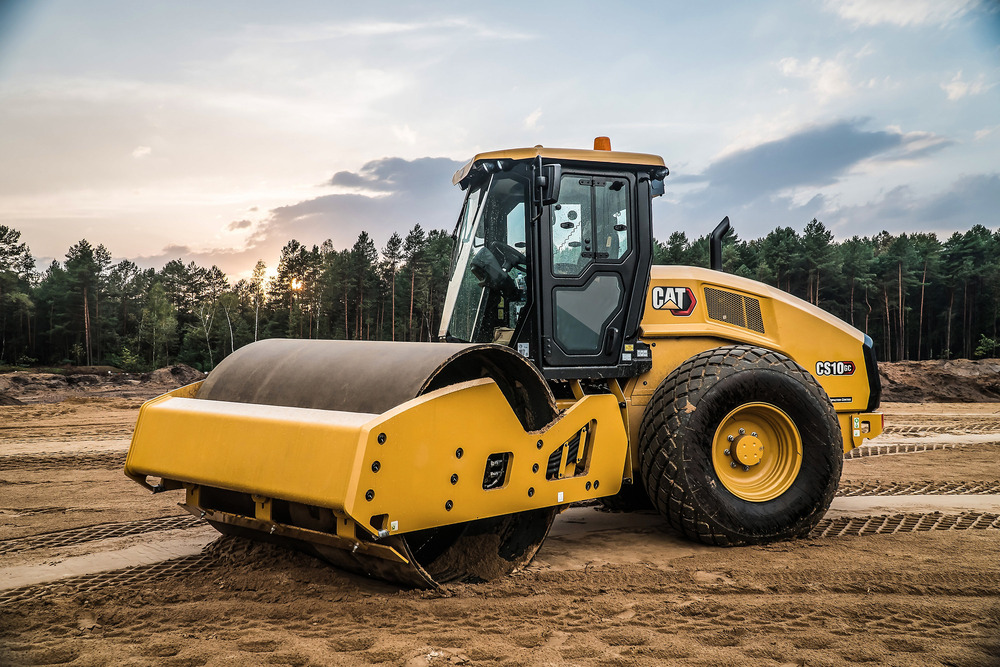
A yellow soil compactor machine parked on dirt, ready for construction work

5. Choosing a Convenient Location

Selecting an equipment rental provider near the job site offers construction companies significant benefits.

Benefits of Local Providers

  • Lower transportation costs when sourcing compaction machinery locally, like vibratory compactors and plate compactors.
  • Faster delivery times are critical to avoid project delays.
  • Ability to quickly return or exchange rented equipment if needed, without excessive travel.
  • Convenient for inspecting and picking up required machines.

Weighing Delivery Options

While a nearby rental yard is preferable, contractors must also consider the delivery options provided. For large equipment rentals or remote job locations, it’s essential to understand:

  • Equipment rental companies charge delivery and pickup fees.
  • Timeframes for delivering needed compactors or rollers to the construction site.
  • Minimum rental periods that apply if delivery is required.

Choosing a supplier with flexibility in location through rental yards or delivery can help reduce transportation costs. This allows businesses to get the best machines for soil compaction tasks while minimizing unnecessary expenses.

6. Assessing Provider Reputation

When renting machinery, the reputation of the equipment rental company is essential to evaluate. This provides insight into the quality of service.

Reading Customer Reviews

  • Online reviews give an unbiased assessment of customer service, equipment quality, and reliability from past clients.
  • Testimonials help determine if the rental provider understands the needs of construction businesses.
  • First-hand accounts indicate if the company stands behind its products to ensure projects run smoothly.

Evaluating Industry Standing

  • Reputation among competitors reflects a company’s expertise in equipment rental and ability to support customers’ machinery needs.
  • Fleet size and years in business demonstrate commitment to quality and experience handling a variety of compaction equipment rentals.
  • Certifications and partnerships within the construction industry instill confidence in their services.

A highly regarded supplier with positive reviews has processes to deliver on-time, functional machinery. This helps contractors complete soil compaction tasks efficiently while receiving excellent service during the rental period.

7. Ensuring Compliance and Support

When renting machinery, it’s essential to ensure the equipment rental company will stand behind its services and products for the duration of the rental period.

Verifying Insurance Coverage

Construction companies need confirmation that the rental provider carries adequate liability insurance to cover accidents or damage that may occur while operating rented equipment on the job site.

This includes verifying coverage for heavy machinery like vibratory compactors and smaller machines like skid steer loaders. Proper insurance protects the contractor and the equipment rental company from potential financial risks.

Evaluating Customer Assistance

It’s also critical to understand the level of technical support and customer service that will be provided. The response time and expertise of the rental supplier’s staff impact how quickly issues that arise during compaction tasks can be resolved.

Reasonable customer assistance advises contractors to make informed equipment maintenance or repair decisions and avoid project delays.

8. Reviewing Contracts and Policies

Thoroughly examining the rental agreement is necessary before renting compaction equipment.

Understanding Legal Obligations

  • Contracts outline responsibilities to avoid disputes over maintenance, repairs, or liability issues.
  • Payment schedules and terms prevent budgeting mistakes or late fees for renting machinery.

Protecting Against Risks

  • Cancellation policies protect businesses if job site conditions change to avoid penalties.
  • Return and exchange conditions outline contingencies if a different machine is needed.
  • Limitations of liability specify coverage in the event of accidents or damage claims.

Close inspection of the rental agreement lets construction companies comprehend potential costs, obligations, and risks upfront. This ensures the right rental provider will meet the specific needs of soil compaction projects while minimizing financial exposure through clearly defined legal policies.

Frequently Asked Questions (A Guide To Different Types Of Compactors)

Vibrational rollers, sheep foot rollers, pneumatic rollers, and vibrating plate compactors are compactors. These machines vary in design and function but commonly compact soil particles for construction projects.
Vibratory rollers use vibrations to compact soil efficiently, making them suitable for various soil types, including coarse-grained soils. They come in single and double drum configurations, offering versatility in effectively compacting uniform and coarse soils.
Pneumatic rollers, also known as pneumatic tired rollers, excel in compacting loose soil due to their ability to apply uniform pressure using pneumatic tires. This feature makes them ideal for achieving compaction in areas where other compactors struggle, such as coarse or uniform soils.
Vibrating plate compactors, also called plate compactors, are lightweight yet powerful machines that use vibratory plates to compact soil effectively. Their compact size and maneuverability make them ideal for compacting smaller areas or tight spaces, reducing operator fatigue while achieving optimal compaction.
Tandem rollers, featuring double drums or single drum configurations, offer superior compaction capabilities for various soil types. Their design, which includes steel bars or mounting steel sections, ensures efficient compaction of coarse soils, contributing to the success of construction projects while reducing operator fatigue.

Renting Compaction Equipment Guide – Key Features To Consider & Benefits

Mediapayperlead-com December 12, 2024

Renting Compaction Equipment Guide – Key Features To Consider & Benefits

Meta Description: Key steps to follow when renting compaction equipment for construction projects. Choose the right machine type, evaluate rental suppliers, and operate safely.

Proper soil compaction is essential for construction projects of all types and sizes. This article provides an in-depth overview of critical considerations for renting compaction equipment.

It examines evaluating your project needs, selecting the right machine type, choosing a rental supplier, and safely operating equipment. Understanding these factors helps construction professionals rent cost-effectively while ensuring soils meet density requirements.

Key Takeaways

  • Carefully assess your project needs and soil conditions to choose the best compaction equipment type.
  • Consider key machine features like size, force ratings, and maneuverability when renting.
  • Research local rental suppliers, compare rates, and read reviews to find a reliable company.
  • Inspect equipment thoroughly and test machinery before accepting delivery to avoid issues.
  • Maintain equipment properly and operate safely according to manuals to prevent damage or accidents on site.

Renting compaction equipment can be a practical solution for various construction, landscaping, or infrastructure projects where compacting soil, gravel, or other materials is necessary. Here’s a guide to help you navigate the process:

1. Understanding Your Project Needs for Soil Compaction

Proper soil compaction is crucial for construction projects to ensure stability and prevent issues like water seepage. The first step is to identify your specific compaction needs by determining the type of material that needs to be compacted, such as soil, gravel, asphalt, or other materials.

Determining the Type of Material to Compact

Common materials that require compaction include granular soils, cohesive soils, semi-cohesive soils, and aggregates like gravel or crushed stone. Understanding the material properties is essential to selecting the right compaction equipment.

Assessing the Project Scope and Size

Carefully assessing your project’s size, scope, and timeline will help determine the compaction capacity needed. Larger projects like road construction may require a double drum roller, while smaller jobs can utilize plate compactors or jumping jack tampers. The schedule should also factor in rental duration needs.

2. Choosing the Right Equipment Type

Selecting the proper compaction equipment is essential to complete your project efficiently. Different machines are suited for various soil and material types.

Plate Compactors

Plate compactors are widely used to compact granular soils, aggregates, and asphalt. They are available in various sizes, from walk-behind models to ride-on versions with large plates ideal for compacting around obstacles. Plate compactors deliver high static force and are maneuverable, making them a good option for tight spaces.

Jumping Jacks/Tampers

Also called tamping rollers, jumping jacks, or tampers, they are well-suited for compacting cohesive soils around structures in trenches and other narrow, confined job sites.

They deliver vibratory compaction through a small drum or plate and are easy to operate in tight areas where larger equipment won’t fit. Models with one or two wheels are available.

Vibratory Rollers

Vibratory rollers, also known as drum rollers, are commonly used for larger compaction projects like road construction and commercial landscaping. Models vary in drum size, with double drum rollers being heavier and able to compact thicker lifts of material more quickly.

Vibratory rollers deliver vibratory and static compaction force through a large steel drum, working well for granular soils, aggregates, and asphalt.

Trench Rollers

Trench rollers are specifically designed for compacting trench backfill. They are compact and can access tight job sites. Many models are walk-behind and deliver vibratory compaction through a small drum.

This makes trench rollers well-suited for compacting around utilities and infrastructure in tight spaces where larger vibratory rollers may not fit.

Rammers

Rammers, or plate tampers or whackers, are handy machines that deliver high static force through a small plate or face. They are well-suited to compacting backfill and base materials in confined areas and trenches with limited access. Rammers can also precisely compact semi-cohesive and cohesive soils around structures and obstructions.

3. Key Features to Consider When Renting Equipment

Carefully evaluating equipment specifications will help you select a suitable machine. Important attributes to examine include:

Engine Types

Consider whether gas, diesel, or electric power best suits your needs. Gas and diesel engines may offer more power and runtime but require more maintenance, while electric models reduce fuel and maintenance costs.

Size and Weight Specifications

Factors like plate size for compactors, drum size for rollers, and overall machine weight will impact compaction effectiveness and maneuverability. More significantly, heavier equipment can work faster but may struggle to access tight spaces.

Compaction Force Capabilities

Review the static and vibratory force ratings to ensure adequate compaction of different material types, such as granular soils, cohesive soils, and aggregates.

Higher force capabilities allow for the processing of thicker lifts of material. Operators also need to consider potential fatigue from high-vibration machines over extended periods.

Maneuverability and Ease of Use

  • Machine maneuverability and ease of operation are important considerations, especially for working in tight spaces around obstacles on a job site.
  • Compact skid steer loaders and mini excavators can access confined areas but may lack the compaction force of larger rollers.
  • Walk-behind plate compactors offer good maneuverability for compacting soil around structures.
  • Ride-on rollers and compactors benefit from vibratory compaction over a large area from an elevated operator platform, reducing fatigue over extended periods.
  • Controls and operational learning curves vary between most models. More straightforward machines make the most sense for occasional users and rental needs compared to heavy equipment operators.
  • Maneuverable equipment with good visibility allows for compaction to foundations, utilities, and other site features without risk of damage.
  • Equipment like rammers, jumping jacks, and trench rollers can access tight job sites where larger rollers cannot fit, which is essential for compacting backfill around infrastructure.
  • Ease of transport between project areas is also a consideration when renting and working on multiple job sites.

4. Evaluating Equipment Rental Companies

When renting compaction machinery, carefully considering your rental company options is essential. Thorough research will help you select a supplier that best meets your project needs.

Researching Local Rental Options

Start by identifying multiple rental companies in your area that offer a range of compaction equipment. Local suppliers will reduce delivery costs and response times. Consider rental companies of varying sizes that may offer different rates and service models.

Checking Reviews and Rates

Compare each rental company based on online reviews, reputation, rental rates, and additional fees. Rates can vary significantly, so getting quotes from multiple suppliers allows you to find the best rental deal. Look for reasonable rates as well as flexibility if your project timeline changes.

5. Important Clauses in Rental Agreements

Thoroughly reviewing a rental agreement is essential to understanding obligations and avoiding surprises. Key clauses include:

  • Rental Duration: Stipulate start and end dates to match your project schedule. Consider potential extensions to avoid late fees if delays occur. Daily, weekly, and monthly rates apply differently.
  • Costs and Additional Fees: Determine base rental rates and any delivery, pickup, fuel, and insurance charges. Compare total costs between companies. Additional fees can significantly impact overall budgets.
  • Deposits and Insurance: Understand deposit requirements and responsibilities for damage or loss. Verify insurance coverage of both equipment and liability. Requirements vary, so clarify responsibilities upfront.
  • Maintenance and Liability: Identify routine and breakdown maintenance responsibilities to control repair costs. Clarify liability for equipment damage from improper operation. Comprehensive agreements provide clarity and protection.

6. Inspecting and Testing Equipment Safely

  • Thoroughly inspecting rental equipment before accepting delivery is critical to avoiding issues or repair costs later. Some points to check include:
  • Examine the machine for any signs of damage to the frame, drum, plate, or other components from prior use or accidents. Check for leaks and loose or worn parts.
  • Verify safety features like guards, lights, and alarms are present and functional. Ensure all controls operate properly.
  • Review operating and maintenance logs to check machine hours and service history. This helps identify any existing problems or weaknesses.
  • Consider a test run to check engine performance and vibration levels and ensure all functions work as intended. This prevents surprises once the machine is needed on-site.
  • Note and photograph any existing defects to record the starting condition. Avoid accepting equipment without a complete inspection.
  • Only sign rental agreements for machinery deemed in good working order to avoid liability for pre-existing issues.

Benefits Of Renting Compaction Equipment

Here are some possible benefits of construction equipment rental, including:

  • Cost Savings: Renting compaction equipment like double drum rollers or single drum rollers instead of purchasing equipment can significantly save money, avoiding the high upfront costs of buying new equipment.
  • Access to Latest Models: Rent construction equipment to gain access to newer models with advanced features, ensuring efficient soil particle and material compaction.
  • Increase Productivity: Utilize rental equipment such as double drum rollers to compact materials efficiently, increasing productivity on construction sites and meeting project deadlines.
  • Flexibility with Rentals: Long-term rentals provide flexibility to choose from various equipment models based on project requirements, offering primary consideration for different soil types and conditions.
  • Expert Guidance: Receive expert advice and tips from rental professionals on the most suitable equipment for compacting soil particles, ensuring optimal performance and project success.

Frequently Asked Questions (A Guide To Different Types Of Compactors)

Vibrational rollers, sheep foot rollers, pneumatic rollers, and vibrating plate compactors are compactors. These machines vary in design and function but commonly compact soil particles for construction projects.
Vibratory rollers use vibrations to compact soil efficiently, making them suitable for various soil types, including coarse-grained soils. They come in single and double drum configurations, offering versatility in effectively compacting uniform and coarse soils.
Pneumatic rollers, also known as pneumatic tired rollers, excel in compacting loose soil due to their ability to apply uniform pressure using pneumatic tires. This feature makes them ideal for achieving compaction in areas where other compactors struggle, such as coarse or uniform soils.
Vibrating plate compactors, also called plate compactors, are lightweight yet powerful machines that use vibratory plates to compact soil effectively. Their compact size and maneuverability make them ideal for compacting smaller areas or tight spaces, reducing operator fatigue while achieving optimal compaction.
Tandem rollers, featuring double drums or single drum configurations, offer superior compaction capabilities for various soil types. Their design, which includes steel bars or mounting steel sections, ensures efficient compaction of coarse soils, contributing to the success of construction projects while reducing operator fatigue.

A Guide To Renting Vs. Buying Compaction Equipment

Mediapayperlead-com December 12, 2024

A Guide To Renting Vs. Buying Compaction Equipment

Meta Description: Discover the critical factors for renting or buying compaction equipment. Evaluate costs, flexibility, and tax benefits for your business needs.

Deciding whether to rent or buy construction equipment is a significant decision for contractors that requires evaluating multiple cost and operational factors over the long run.

This article analyzes critical considerations around the total cost of ownership, flexibility, maintenance responsibilities, and equipment availability to help contractors determine the most suitable option based on their unique business needs and project requirements.

Key Takeaways

  • Renting provides flexibility for varying needs, but purchasing offers more control over customization and availability.
  • Renting is often financially sensible for short-term projects, while ownership is preferred for long-term recurring use to offset a higher upfront cost over time.
  • The total cost of ownership must consider initial investments and ongoing operational, maintenance, and repair expenses, which purchasing absorbs.
  • Resale value, tax benefits, and avoiding rental rate fluctuations strengthen the case for owning equipment that has been used extensively for years.
  • Flexing between renting and owning depends on a business’s unique utilization patterns, cash flow, and ability to manage equipment lifecycle costs. A balanced assessment is critical.

Importance of Renting or Buying Compaction Equipment

For construction contractors, deciding between renting or purchasing compaction equipment has significant implications for long-term costs and operational efficiency. Renting offers flexibility for varying project needs but comes with recurring rental fees.

Purchasing compactors provides control over customization and ensures availability without relying on rental inventory. However, owning requires higher upfront investments and bearing maintenance responsibilities.

Contractors must carefully evaluate utilization rates, cash flow, and project timelines to determine the most cost-effective option that best meets their unique business needs.

Renting Vs. Buying Compaction Equipment – Key Factors to Consider

Whether renting or purchasing is the best option for your compaction equipment needs depends on evaluating several essential considerations. Your project requirements, expected frequency of use, timeframe, and long-term business goals require analysis to determine the ideal solution.

1. Your Project Needs

Every project has unique specifications that impact equipment selection. Consider the precise size, power capacity, and attachments required for your tasks. Renting enables flexibility to change configurations as needs evolve over the life of a job.

However, if you perform similar work regularly requiring specialized features, ownership allows customizing a machine to optimize efficiency. Matching the right equipment to your application is essential for productivity and cost-effectiveness.

2. Timeframe of Usage

  • The duration of your project plays a crucial role in deciding between renting or purchasing compaction equipment. Short-term jobs often make more financial sense to rent equipment and avoid a significant upfront cost.
  • However, the ongoing equipment rental expenses could exceed the purchase price if you need equipment access for an extended period or recurring jobs. Purchasing may prove more cost-effective for long-term heavy equipment utilization.
  • You must also consider the specific equipment requirements of future anticipated projects. Owning a machine provides flexibility if you expect to use similar compaction needs on upcoming jobs. Renting limits you to the rental period but has a lower initial investment if future requirements are uncertain.

3. Short-term vs. Long-term Needs

Balancing costs over different durations is essential in deciding whether to rent construction equipment or buy construction equipment.

Short-Term Projects

  • Renting construction equipment for the duration of a job often makes financial sense for short-term, temporary, or one-off projects. This avoids a significant upfront cost and provides flexibility without long-term expense if usage is sporadic.
  • Rental enables access to the precise compaction solution as needed without the rental costs of ownership, like storage when idle. It eliminates the risks of selling underutilized machines.
  • For contractors with intermittent work, renting equipment ensures access without significant capital investment tied to unused assets between jobs. Rental expenses can be quickly billed to individual projects.

Ongoing or Long-Term Projects

Purchasing may prove more cost-effective over time for contractors with regular and recurring needs for compaction equipment on long-term infrastructure or energy projects. While the initial investment is higher, avoiding rental fees throughout the extended period of heavy equipment utilization helps offset that upfront cost.

Owning also ensures reliable access to suitable machines as required without relying on rental availability or changing rental rates.

If the usage level remains high for years, the total expenditure could surpass the purchase equipment price with lower ongoing ownership costs. Depreciation may also create tax advantages for businesses.

4. Cost Considerations

Comparing total expenditures over time is essential when deciding between renting or purchasing construction equipment.

Initial Investment

The upfront cost of buying construction equipment can be substantial, requiring a sizeable down payment and securing financing. However, for long-term heavy equipment needs, this higher initial investment may prove more cost-effective in the long run compared to recurring rental fees.

It allows offsetting the purchase price by avoiding rental expenses over years of regular usage. Contractors must consider their cash flow and financial resources available to pay cash upfront versus ongoing rental payments from their business income.

Operational Costs

Operational costs, including fuel, insurance, and maintenance, are significant long-term expenditures. While rental rates cover maintenance by the rental company, owning equipment entails bearing these ongoing expenses to run the machines.

Frequent repairs and downtime can rapidly increase costs. However, if utilization remains high, well-timed maintenance keeps machines running productively. Purchasing also allows customizing insurance cost plans to the business needs.

Weighing total operational expenses over the long run is crucial in deciding whether renting or buying equipment makes the most financial sense.

Maintenance and Repair Costs

Maintenance and repair costs for owned equipment can be substantial over the long run if not appropriately managed. While rental rates cover regular maintenance by the rental company, purchasing requires contractors to bear these ongoing business expenses to keep machines running productively. Frequent downtime for heavy repairs rapidly increases ownership costs.

However, establishing preventative maintenance routines helps reduce repair bills. It may also make financial sense to purchase extended warranty or protection plans to limit repair liabilities for high-cost items. These long-term factors must be weighed carefully.

5. Flexibility and Customization

Renting construction equipment allows contractors to change configurations for different projects as needs evolve. It allows access to various machine types, sizes, and specialized attachments from rental companies.

However, owning equipment offers more customization options. Purchasing allows contractors to modify machines as required and outfit them with specific attachments optimized for regular work.

This enhances productivity and makes the equipment a tailored asset for business needs. Based on project requirements, it is essential to weigh flexibility versus customization.

6. Equipment Access and Availability

Relying on rental equipment requires planning to secure machines to avoid project delays. However, owning compaction solutions ensures they are readily available on demand without relying on rental company inventory.

This provides peace of mind, especially for urgent jobs or unpredictable weather conditions that can influence project schedules.

Purchasing equipment gives more autonomy than managing rental availability and rates, which may fluctuate. For contractors with regular needs, this accessibility and dependability make purchasing attractive despite higher initial investment.

7. Resale Value and Depreciation

Owning construction equipment long-term allows benefits if resale value holds up over the years of ownership. Well-maintained machines commanded higher used prices. While new equipment depreciates rapidly, later resale can offset some of the initial purchase cost

Rental equipment typically has no resale value for contractors. Depreciation is also a tax advantage that may reduce taxable income over the equipment ownership life.

Factoring in the potential resale value versus rental expenditures is prudent for long-term planning and total cost of operation calculations when deciding between renting or purchasing heavy machinery.

8. Maintenance Responsibilities

Whether renting or owning construction equipment, maintenance is crucial to equipment productivity and availability. Renting transfers repair responsibilities to the rental company, but owners bear this burden.

While maintenance costs can be substantial for owners, establishing preventative maintenance routines performed by qualified technicians helps reduce repair bills over the long run.

It also prevents downtime, which is costly for projects. For contractors regularly using machines, factoring in maintenance management and planning time commitment is essential. Outsourcing some repairs may benefit certain businesses based on needs.

Frequently Asked Questions (A Guide To Different Types Of Compactors)

Vibrational rollers, sheep foot rollers, pneumatic rollers, and vibrating plate compactors are compactors. These machines vary in design and function but commonly compact soil particles for construction projects.
Vibratory rollers use vibrations to compact soil efficiently, making them suitable for various soil types, including coarse-grained soils. They come in single and double drum configurations, offering versatility in effectively compacting uniform and coarse soils.
Pneumatic rollers, also known as pneumatic tired rollers, excel in compacting loose soil due to their ability to apply uniform pressure using pneumatic tires. This feature makes them ideal for achieving compaction in areas where other compactors struggle, such as coarse or uniform soils.
Vibrating plate compactors, also called plate compactors, are lightweight yet powerful machines that use vibratory plates to compact soil effectively. Their compact size and maneuverability make them ideal for compacting smaller areas or tight spaces, reducing operator fatigue while achieving optimal compaction.
Tandem rollers, featuring double drums or single drum configurations, offer superior compaction capabilities for various soil types. Their design, which includes steel bars or mounting steel sections, ensures efficient compaction of coarse soils, contributing to the success of construction projects while reducing operator fatigue.

Innovations In Compaction Equipment – A Comprehensive Guide

Mediapayperlead-com December 12, 2024

Innovations In Compaction Equipment – A Comprehensive Guide

Meta Description: Discover the latest revolutions in compaction equipment, from intelligent technologies to eco-friendly designs. Enhance efficiency and productivity.

Advancements in compaction equipment have significantly improved project outcomes for construction and infrastructure development. This article discusses some of the innovative technologies increasingly being adopted by manufacturers.

From enhanced monitoring and fleet management systems to intelligent compliance and improved sustainability, the latest innovations transform industry practices to deliver higher quality, safety, and productivity through data-driven insights and optimized operations.

Key Takeaways

  • Telematics and remote monitoring systems enable real-time fleet visibility and data-driven management for improved efficiency.
  • GPS and machine control provide precise compaction through automated guidance and feedback, especially for roadworks.
  • Intelligent compaction technologies optimize real-time processes using integrated sensors for uniform results.
  • Eco-friendly designs like hybrid powertrains significantly reduce emissions and fuel use during vibration operations.
  • Safety innovations such as remote control and ergonomic cabs minimize risks for roller operators over time.
  • Predictive analytics maximize uptime by identifying maintenance needs before failures through automated fleet-level insights.

There are many latest advancements in innovations for compaction equipment. Some of them are listed below.

1. Advances in Monitoring and Control Systems

Manufacturers have been integrating innovative monitoring and control systems into compaction equipment to improve fleet management, enhance compaction quality, and advance operator safety. Telematics integration and remote monitoring systems allow equipment owners and managers to gain valuable insights from operational data.

Integration of Telematics and Remote Monitoring

Telematics systems, equipped on many modern compactors, utilize integrated sensors and wireless connectivity to track machine performance metrics, maintenance needs, fuel usage, and other operational data from any location.

This data is automatically transmitted to cloud or web-based portals accessible by managers on computers or mobile apps.

Through telematics integration, fleet managers can remotely monitor a fleet of compactors working on multiple project sites from their offices.

They can optimize machine allocation, schedule preventative maintenance more efficiently based on actual equipment usage, and identify areas where operators may need additional training to improve productivity or reduce the overuse of fuel and other resources.

Remote monitoring allows for proactive issue resolution to minimize downtime. The real-time location data from telematics also aids in theft prevention and recovery. Telematics transforms fleet management by enabling data-driven decisions to improve equipment efficiency and uptime.

Precision With GPS and Machine Control

Integrating GPS technologies and machine control systems into compaction equipment allows for precise compaction, especially in road construction projects.

GPS guidance and real-time feedback systems help roller operators ensure uniform compaction across the entire surface area, minimizing rework and improving productivity.

These systems provide real-time insights into the machine’s location, speed, and vibration amplitude to guide operators and achieve consistent density levels throughout the material, whether asphalt, soil, or other construction materials.

The GPS and control units integrated into vibratory, tandem rollers, and other compactors enable high-level compaction accuracy, even in difficult terrain.

2. Intelligent Technologies for Optimal Compaction

Intelligent compaction technologies are revolutionizing the industry by enabling real-time optimization of compaction processes.

Intelligent Compaction Systems

Intelligent compaction (IC) systems use integrated sensors to monitor key compaction parameters like temperature, stiffness, and material density as the compaction process occurs. IC units installed on vibratory rollers, tandem rollers, and other compactors continuously track this data.

Real-Time Adjustments with Sensor Data

Onboard or cloud-based software systems analyze the sensor data captured. Based on the analytics, the compaction machine’s operational parameters, such as speed, vibration amplitude, and the number of passes, are automatically adjusted in real time.

This ensures uniform compaction is achieved across the entire project surface area, whether asphalt roads, construction site soil, or other materials.

Real-time adjustments minimize rework and the risk of under-compaction or over-compaction, improving quality outcomes and productivity. Intelligent technologies are driving significant advancements in the compaction industry.

3. Improving Efficiency and Sustainability

With a focus on reduced emissions and optimized resource usage, manufacturers are innovating more eco-friendly and cost-effective compactors.

Eco-Friendly Designs and Hybrid Powertrains

Leading compaction equipment producers are developing machines with cleaner and more efficient hybrid or electric powertrains where possible.

Some vibratory rollers, tandem rollers, and other compactors now utilize hybrid power systems combining diesel engines and electric motors or batteries to significantly lower emissions and fuel usage during operation and vibration.

Optimizing Fuel Usage with Automatic Shut-off

  • Many new compactors feature automated controls that shut off the engine completely when idle for pre-set periods, such as when unattended or during operator breaks.
  • This prevents unnecessary fuel consumption and exhaust, saving costs and reducing environmental impact.
  • Automatic idle shutdown optimizes machine productivity and efficiency across construction sites and projects.

4. Enhanced Compaction of Different Materials

As construction projects often involve compacting diverse material types, the latest innovations are focused on improving versatility.

Vibration and Oscillation Technology

Some compaction equipment manufacturers have introduced machines equipped with advanced vibration and oscillation systems.

These integrated technologies allow vibratory rollers, tandem rollers, and other compactors to compact everything efficiently, from thin asphalt layers to dense soil mixtures. The vibratory drums deliver optimal centrifugal force through variable frequency, providing consistent results across material types.

Achieving Higher Densities while Preventing Damage

The oscillating function helps distribute compaction energy evenly, achieving higher densities during fewer passes. This minimizes the risk of over-compaction that could damage sensitive materials like base layers.

Vibration and oscillation technologies improve compaction equipment’s versatility to handle various job site conditions.

5. Advancing Operator Safety

With a focus on risk prevention, manufacturers are developing innovative safety features.

Remote-Controlled and Autonomous Operations

Some companies now offer remote-controlled compactors to minimize hazards for roller operators working in confined or dangerous areas. Operators can perform compaction from a safe distance using integrated controls and cameras.

Research is also underway to develop autonomous compaction systems using technologies like computer vision. These systems have the potential to improve worksite safety further.

Improving the Operator Experience

Equipment producers are also enhancing the operator experience. New machines feature adjustable seats, ergonomic joystick controls, and panoramic visibility from the cab to minimize fatigue.

Wide drum widths allow uniform compaction in fewer passes, while pivot-steered tandem rollers easily navigate rugged terrain. Together, these improvements boost productivity while reducing the risk of musculoskeletal injuries for roller operators.

6. Data-driven Maintenance and Productivity

Leveraging insights gleaned from operational data, manufacturers are enhancing machine performance.

Analytics and Predictive Software

Many compaction equipment producers now offer advanced analytics software integrated into their machines. Intelligent systems capture critical parameters during operation and utilize this wealth of data through predictive algorithms.

Maximizing Uptime with Proactive Maintenance

These cloud-based analytics portals allow service technicians to schedule proactive maintenance for individual machines or entire fleets by identifying potential issues before failures. This helps minimize downtime due to unplanned repairs, reducing lifecycle costs.

By optimizing maintenance schedules, users can maximize the productivity and availability of their compaction units.

Data-driven insights transform how owners maintain and manage their equipment for higher performance over the long run. Such innovations will continue improving operational efficiency across construction projects.

7. Emissions Reduction Technologies

Emissions reduction is a key focus area for compaction equipment manufacturers. New technologies include hybrid diesel-electric powertrains that significantly lower emissions and fuel usage during vibration operations on rollers, tandem rollers, and other compactors.

Some machines now feature electric-powered vibration systems to minimize exhaust. Compactors with alternative fuel engines, such as CNG or propane, can also reduce greenhouse gas emissions on construction sites compared to traditional diesel. These innovations enhance sustainability without compromising compaction quality, productivity, or operator experience.

Benefits of Compaction Innovations

Here are some possible benefits of compaction innovations, including:

  • Enhanced Efficiency: Compaction innovations offer roller operators on construction sites valuable knowledge about newer, larger machines with broader drum widths, reducing weak spots in the base layer. This allows for more efficient asphalt compaction, saving fuel compared to other machines.
  • Improved Performance: The new generation of compactors provides excellent visibility for operators, allowing them to identify and adjust to any potential issues during compaction. The system reduces vibrations, ensuring a smooth, compacted surface.
  • Versatile Options: These innovations come with a range of compaction machines available as an option in the market, catering to various construction equipment needs.
  • Increased Productivity: These compactors, designed to compact efficiently and effectively, have been developed so that users can achieve higher productivity levels on construction sites.
  • Cost Savings: By utilizing compaction innovations, users can save on fuel costs and potentially reduce the need for additional machines, ultimately leading to cost savings in construction projects.

Frequently Asked Questions (A Guide To Different Types Of Compactors)

Vibrational rollers, sheep foot rollers, pneumatic rollers, and vibrating plate compactors are compactors. These machines vary in design and function but commonly compact soil particles for construction projects.
Vibratory rollers use vibrations to compact soil efficiently, making them suitable for various soil types, including coarse-grained soils. They come in single and double drum configurations, offering versatility in effectively compacting uniform and coarse soils.
Pneumatic rollers, also known as pneumatic tired rollers, excel in compacting loose soil due to their ability to apply uniform pressure using pneumatic tires. This feature makes them ideal for achieving compaction in areas where other compactors struggle, such as coarse or uniform soils.
Vibrating plate compactors, also called plate compactors, are lightweight yet powerful machines that use vibratory plates to compact soil effectively. Their compact size and maneuverability make them ideal for compacting smaller areas or tight spaces, reducing operator fatigue while achieving optimal compaction.
Tandem rollers, featuring double drums or single drum configurations, offer superior compaction capabilities for various soil types. Their design, which includes steel bars or mounting steel sections, ensures efficient compaction of coarse soils, contributing to the success of construction projects while reducing operator fatigue.

How Compactor Monitoring Can Save You Money

Mediapayperlead-com December 12, 2024

How Compactor Monitoring Can Save You Money

Meta Description: Discover how compactor monitoring can save money by optimizing waste management, preventing overflows, streamlining maintenance, and ensuring compliance.

Compactor monitoring provides valuable insights and data that can help businesses reduce waste management expenses.

This article details how solutions like these optimize collection schedules, prevent overflows and costly breakdowns, enable data-driven decisions, ensure compliance, and more. Specific focus areas will be explored around reduced hauling costs, maintenance benefits, and other financial advantages.

Key Takeaways

  • Compactor monitoring optimizes collection schedules to reduce unnecessary hauls and associated fuel costs.
  • Real-time alerts prevent expensive overflows and damage from wasted disposal.
  • Maintenance insights extend equipment lifespan while lowering repair expenses.
  • Usage data enables targeted efficiency improvements across operations.
  • Compliance with regulations is supported through validated collection practices.
  • Various financial benefits add up to significant waste management cost savings.

Several Ways to Save Money with Compactor Monitoring

Compactor monitoring can save you money in several ways:

1. Efficient Waste Management

By monitoring a compactor’s usage data through a monitoring system, businesses can use data insights to optimize waste collection schedules and reduce unnecessary pickups.

This allows efficient waste management, which prevents extra traffic and saves on labor and fuel costs, helping reduce companies’ overall waste management costs.

2. Preventing Overflows

Businesses can prevent expensive overflow situations by utilizing compactor monitoring technology and monitoring systems. The monitoring solutions allow companies to view a compactor’s current fill level and volume in real-time.

When the compactor nears its maximum capacity, a monitoring service provides alerts to schedule collection before it overflows. This saves money on cleanup and waste disposal costs for waste on the ground.

It also ensures waste compactors are performing as needed to efficiently manage trash volumes without causing disruptions to operations. Overall, overflow prevention is crucial for a waste management industry looking to reduce costs.

3. Equipment Maintenance

By leveraging compactor monitoring technology, businesses can benefit from more effective equipment maintenance practices. Monitoring systems provide crucial data on machine usage, pressure levels, and volume over time.

This helps facilities managers proactively service compactors before potential issues arise, reducing the risk of breakdowns and costly repairs that impact operations. Monitoring solutions help extend the lifecycle of expensive waste compactors, lowering long-term expenses.

They also save money and companies time by identifying maintenance needs earlier. Overall, the maintenance insights from monitoring allow waste management and other industries to maximize investments in compactor equipment for optimal performance.

4. Data-Driven Decisions

  • Compactor monitoring solutions provide valuable data on machine usage patterns, volume levels, and more over time.
  • Companies can analyze this data to identify opportunities within their operations to improve efficiency, reduce waste production, and lower expenses.
  • By leveraging monitoring technologies, industries like waste management can make more informed decisions to streamline processes based on equipment usage insights.
  • Data shows facilities managers where adjustments can save money, such as optimizing collection frequency or compactors.
  • Monitoring systems allow data-driven decisions to cut costs through targeted changes rather than guesses without data.

5. Regulatory Compliance

Specific industries have strict waste production, disposal, and management regulations to encourage environmental protection and efficiency. Compactor monitoring solutions can help companies meet these compliance standards through data-driven insights.

Monitoring systems provide visibility into compactor capacity and load levels to ensure waste is disposed of properly without exceeding limits. The technologies also track collection frequency to validate compliance with rules around pickup schedules.

This assists industries like waste management meet regulatory guidelines cost-effectively while avoiding fines. Overall, leveraging compactor monitoring supports both efficient operations and compliance simultaneously.

6. Reduced Hauling Costs

Businesses can reduce unnecessary hauling trips by optimizing collection schedules based on real-time compactor data from monitoring systems, lowering fuel costs and traffic around facilities. Monitoring solutions provide visibility into compactor capacity levels so waste collection can be scheduled precisely.

Fewer hauls mean lower billing costs from waste disposal companies. For industries managing high waste volumes regularly, the savings on hauling costs add up significantly.

Advantages of Compactor Monitoring

Here are the possible benefits of compactor monitoring technology, including

  • Efficiency: Compactor monitoring services ensure optimal usage of a commercial trash compactor, maximizing their efficiency in waste management.
  • Cost Savings: By monitoring the trash compactor usage, businesses can identify opportunities to save money through better waste management practices, reducing unnecessary expenses.
  • Time Savings: Monitoring services streamline waste management processes, saving time for building services personnel and allowing them to focus on other essential tasks.
  • Reduced Traffic: Efficient compactor monitoring leads to fewer waste collection trips, reducing traffic congestion around public safety buildings and enhancing overall traffic flow.
  • Environmental Benefits: Monitoring services facilitate one-haul and one-ton pickups, minimizing the environmental impact of waste transportation and promoting sustainability efforts.

Frequently Asked Questions (A Guide To Different Types Of Compactors)

Vibrational rollers, sheep foot rollers, pneumatic rollers, and vibrating plate compactors are compactors. These machines vary in design and function but commonly compact soil particles for construction projects.
Vibratory rollers use vibrations to compact soil efficiently, making them suitable for various soil types, including coarse-grained soils. They come in single and double drum configurations, offering versatility in effectively compacting uniform and coarse soils.
Pneumatic rollers, also known as pneumatic tired rollers, excel in compacting loose soil due to their ability to apply uniform pressure using pneumatic tires. This feature makes them ideal for achieving compaction in areas where other compactors struggle, such as coarse or uniform soils.
Vibrating plate compactors, also called plate compactors, are lightweight yet powerful machines that use vibratory plates to compact soil effectively. Their compact size and maneuverability make them ideal for compacting smaller areas or tight spaces, reducing operator fatigue while achieving optimal compaction.
Tandem rollers, featuring double drums or single drum configurations, offer superior compaction capabilities for various soil types. Their design, which includes steel bars or mounting steel sections, ensures efficient compaction of coarse soils, contributing to the success of construction projects while reducing operator fatigue.

GPS and Telematics Integration In Compaction of Soil

Mediapayperlead-com December 12, 2024

GPS and Telematics Integration In Compaction of Soil

Meta Description: GPS and telematics technology integration in compaction enables construction companies to capture critical equipment data through sensors for optimized fleet management, job site monitoring, and preventive maintenance planning using real-time location, operational, and diagnostic insights.

GPS and telematics integration is revolutionizing fleet management for construction equipment. By capturing critical location, operational, and diagnostic data through sensors, construction firms can now access real-time insights to optimize their operations.

This article discusses how GPS and telematics systems collect different types of valuable data and their various applications and benefits when integrated with compaction machinery. The future trends and everyday challenges of integration are also highlighted.

Key Takeaways

  • GPS and telematics integration helps capture location, operational, and diagnostic data through sensors for analysis.
  • This data is helpful for applications like fleet management, job site monitoring, preventive maintenance planning, and fuel usage optimization.
  • Benefits include increased productivity and efficiency, improved quality control, and reduced operational costs.
  • GPS systems, telematics devices, and various engine, environmental, and compaction sensors are involved.
  • Future trends point to advanced analytics, machine learning, and integration with technologies like AR and drones.

Technologies Used in GPS and Telematics Integration

With the advancement of technologies like GPS and telematics, integrating these systems has become easier for construction equipment. Proper integration helps gather critical data that can boost various operations. Some key technologies used in the integration process include:

GPS Systems

Global Positioning System or GPS technology plays a vital role in integration. GPS provides real-time location data of equipment, which is crucial for fleet managers to track machines and vehicles. It also helps capture other location-based data like routes taken, time spent at job sites, vehicle speeds, etc. This location data, along with operational parameters, helps construction companies optimize their fleet operations and improve asset utilization.

Telematics Systems

Telematics systems are installed on equipment to monitor and transmit various parameters. These systems collect critical information like fuel usage, operational hours, idle time, payload carried, etc.

They also track fault codes, which helps schedule preventive maintenance and reduces downtime. The data collected is transmitted to a central server in real-time using wireless networks. This real-time telematics and data sharing also enables fleet managers to keep track of the health, productivity, and efficiency of their assets.

Sensors and Modules

A variety of sensors and modules integrated with equipment capture critical operational data. For example, GPS modules provide location details. Accelerometers and gyroscopes fitted to machines track machine control and movements. Temperature and pressure sensors monitor engine parameters. Modern telematics systems also contain cellular modules to transmit data over mobile networks.

Compaction sensors determine how many roller passes are required to compact the soil or asphalt to the level of density needed. All such sensors and modules transmit captured compaction data back through the telematics system, which provides valuable insights into the intelligent compaction process.

The technologies discussed above are vital in digitally transforming compaction works through GPS and telematics integration. Their combined capabilities ensure all critical operational data is captured efficiently for enhancing other construction industry processes.

Data Collected Through Integration

GPS and telematics integration helps capture a wealth of valuable data from equipment. Construction companies can utilize this integrated data to optimize their operations. Some of the key types of data collected are:

Machine Locations

Location data is one of the most important information gathered through GPS systems. It provides real-time insights into where each vehicle or machine is located. Fleet managers can track their assets around various job sites and between locations. This location data also helps determine efficient routes for transporting materials.

Operational Parameters

A variety of operational parameters are recorded through sensors and the telematics system. This includes metrics like engine runtime hours, fuel consumption levels, idle time, payload carried, machine speed, and more. Tracking such operational data helps evaluate driver behavior and detect ways to reduce fuel costs. It also provides insights into periods of high utilization versus idle times to maximize asset productivity.

Environmental Conditions

Specific sensors capture environmental condition data as well. For example, asphalt temperature sensors record ambient temperature variations and critical information in asphalt paving works. Monitoring on-site weather conditions helps schedule tasks more efficiently. Air pressure and humidity sensors also provide helpful context for compaction works by determining optimal moisture levels in different materials.

Equipment Health

Fault codes, error messages, and maintenance alerts collected through telematics aid in equipment condition monitoring. This helps proactively address potential issues and reduce unexpected downtime.

Diagnostic data collection also enables remote troubleshooting and repairs through mobile applications, improving fleet uptime. Operational and diagnostic data give a holistic view of fleet health and performance over time.

Leveraging such integrated data allows construction firms to optimize fleet operations and boost productivity and asset utilization through informed decision-making. It also ensures safety and compliance through real-time monitoring of job sites.

Applications of Collected Data

Construction companies leverage the wealth of integrated data for various useful applications. This helps the company improve overall fleet operations and performance.

Fleet Management

Telematics systems enable remote fleet management capabilities. Fleet managers can track job site schedules, monitor fuel levels in real-time, and ensure machines reach sites on time through GPS. This data assists with the efficient routing of vehicles and dispatch planning to maximize productivity. Fleet management software gives insights into machine utilization and idle times.

Job Site Monitoring

Location tracking and operational updates from job sites provide remote visibility. Managers can track the progress of tasks and monitor for any issues that may impact timelines. They also receive alerts for unauthorized vehicle movement or unexpected shutdowns. This type of real-time monitoring improves safety and protects job site assets.

Preventive Maintenance

Diagnostic data and engine sensors help identify potential issues in advance. Telematics alerts fleet owners about required maintenance work to prevent breakdowns. Technicians can also remotely diagnose small issues to minimize downtime. Such condition-based maintenance improves overall equipment health and operational costs.

Fuel Usage Analysis

Detailed fuel consumption data collected through integration reveals wasteful habits. Analyzing this data assists with driver training programs to promote efficient operation techniques.

Managers identify routes requiring optimization and times when machines are left idling unnecessarily. Over time, such analysis significantly reduces unnecessary fuel costs.

Construction companies leverage integrated location, operational, and diagnostic data across various applications to enhance their fleet management capabilities. This improves asset utilization, lowers operating expenses, and streamlines maintenance planning.

Challenges During Integration

While GPS and telematics integration provides numerous benefits, certain challenges must be addressed. Construction companies must plan carefully to overcome integration hurdles.

Hardware Compatibility

Ensuring the right sensors, modules, and devices work seamlessly together is important. Fleet assets may have been purchased over time from different OEMs, so not all equipment components are standardized. Compatibility testing between hardware is required to avoid glitches.

Network Connectivity

Reliable network connectivity in remote job sites can sometimes be problematic. Temporary network disruptions impact real-time data transmission. Investing in robust cellular solutions becomes important for fleets operating across varied locations. Additional backups using satellite networks may be needed for truly off-grid environments.

Data Security

With valuable fleet and operational data accessible over the internet, cyber security is a rising concern. Proper authentication protocols and regular system updates are necessary to protect data from unauthorized access. Sensitive information like driver locations also require security measures to address potential safety and privacy risks.

Careful planning for these integration challenges and having contingency protocols ensure fleets enjoy seamless connectivity. This allows construction companies to maximize their return on investment from GPS and telematics technologies.

Benefits of GPS and Telematics Integration in Soil Compaction

Integrating GPS and telematics brings about significant cost benefits for construction equipment users. It helps enhance various aspects of the intelligent compaction process.

Increased Efficiency and Productivity

Real-time location tracking and operational monitoring allow for optimized scheduling of tasks. Idle times are reduced through the efficient routing of machines. Job site managers can also ensure equipment and crews are always fully utilized. Over time, this leads to higher overall equipment and workforce productivity.

Improved Quality Control

Data-driven insights aid in standardizing best practices. Parameters like the number of passes, environmental conditions, and machine movements help determine uniform compaction levels. Telematics alerts if deviations occur from specifications. Issues are addressed quickly through remote troubleshooting. This enhances the quality and consistency of compacted materials.

Reduced Costs

Condition-based maintenance through remote diagnostics eliminates unnecessary servicing. Quick resolution of minor issues using remote access prevents significant breakdowns.

Detailed analysis of fuel consumption patterns also helps identify wasteful habits for correction. As a result, overall operational costs significantly decrease through preventive measures and optimized processes.

In summary, GPS and telematics integration for compaction digitally transforms fleet operations to deliver drivers higher returns through increased productivity and reduced expenses. It also ensures compaction works meet stringent quality standards.

Future Trends in Integration

With continuous technological development and advancement, experts predict several exciting developments in GPS and telematics integration for construction equipment. Leveraging collected data through emerging technologies can optimize fleet operations even further.

Advanced Analytics

As integrated datasets grow exponentially with more connected assets, advanced analytics will become the norm. Techniques like predictive maintenance will analyze equipment health patterns to forecast breakdown risks. Deeper insights into driver behavior will emerge through machine learning on location and operational data. This will help reduce downtime and wastage proactively.

Machine Learning Applications

Leveraging machine learning algorithms, fleets will gain autonomous capabilities over time. Tasks like dynamic job site scheduling and fuel-efficient routing will be automated. As machines gain experience working alongside humans, they will gradually take over repetitive or hazardous tasks to boost safety and productivity. Over-the-air updates will continuously enhance their decision-making abilities.

Integrations With Other Technologies

Fleets will increasingly converge with digital technologies like augmented reality, drones, and 3D asset mapping. Real-time location data integrated with AR tools will transform on-site maintenance.

Drones inspecting job sites will stream high-resolution videos to remote experts. Integrating asset locations with 3D maps allows immersive monitoring of spread operations.

The future of GPS and telematics looks promising, with advancements in data analytics, automation, and multi-technology platforms working together seamlessly for optimized construction processes.

Frequently Asked Questions (A Guide To Different Types Of Compactors)

Vibrational rollers, sheep foot rollers, pneumatic rollers, and vibrating plate compactors are compactors. These machines vary in design and function but commonly compact soil particles for construction projects.
Vibratory rollers use vibrations to compact soil efficiently, making them suitable for various soil types, including coarse-grained soils. They come in single and double drum configurations, offering versatility in effectively compacting uniform and coarse soils.
Pneumatic rollers, also known as pneumatic tired rollers, excel in compacting loose soil due to their ability to apply uniform pressure using pneumatic tires. This feature makes them ideal for achieving compaction in areas where other compactors struggle, such as coarse or uniform soils.
Vibrating plate compactors, also called plate compactors, are lightweight yet powerful machines that use vibratory plates to compact soil effectively. Their compact size and maneuverability make them ideal for compacting smaller areas or tight spaces, reducing operator fatigue while achieving optimal compaction.
Tandem rollers, featuring double drums or single drum configurations, offer superior compaction capabilities for various soil types. Their design, which includes steel bars or mounting steel sections, ensures efficient compaction of coarse soils, contributing to the success of construction projects while reducing operator fatigue.

Advancing Quality with Future Trends in Compaction Technology

Mediapayperlead-com December 12, 2024

Advancing Quality with Future Trends in Compaction Technology

Meta Description: The latest market trends in the global compaction equipment market are explored, including how intelligent compaction and electric machines drive quality and efficiency.

The global compaction equipment market is witnessing significant transformations with advancing technologies and the rising worldwide focus on infrastructure growth.

This article explores the key trends shaping demand, including how solutions like intelligent compaction and electric machines support large-scale projects across diverse geographies and applications. The future outlook and factors influencing market dynamics in various regional markets are also examined.

Key Takeaways

  • The compaction equipment industry is driven by infrastructure growth in emerging economies and evolving construction demands.
  • Technologies like intelligent compaction, thermal imaging, and hybrid-electric machines enhance quality, efficiency, and sustainability.
  • Adopting innovations in connectivity, automation, and alternative fuels is addressing industry challenges.
  • Manufacturers are expanding product portfolios with solutions tailored for different applications and segments.
  • Asia Pacific and Latin America are expected to see significant market opportunities due to rising investments in civil engineering projects.

Emerging Technologies in the Compaction Industry

The construction industry has witnessed significant advancements and developments in compaction technologies in recent years. Several innovative solutions are being adopted to improve compaction quality and enhance productivity.

Intelligent Compaction Systems

Intelligent compaction systems are emerging as a critical trend transforming the compaction process. These systems integrate various technologies to optimize compaction efforts. Brilliant compaction rollers have accelerometers, GPS, and infrared sensors to monitor materials’ density and temperature in real time.

This allows operators to make informed decisions and ensure specifications are met consistently. Data from intelligent compaction machines also provides valuable insights into density mapping, which can be used for quality control and future construction projects.

Thermal Profiling Technologies

Thermal profiling technologies involve using infrared sensors mounted on pavers to detect the surface temperature variations of asphalt mats. Thermal profilers scan the mats at predefined intervals and analyze temperature segregation levels.

This helps paving crews identify non-compactable areas and take corrective measures before the material cools down. Using thermal profiling aids in achieving uniform densities across mats and reducing rework.

Hybrid and Electric Machinery

Adopting hybrid and electric machinery is also growing in the composite equipment landscape. Hybrid systems capture and reuse energy from operations like braking, significantly reducing fuel consumption. Electric machines eliminate emissions and offer quieter performance, suitable for urban construction sites and noise-sensitive areas.

Several OEMs are introducing prototype hybrid rollers and electric plate compactors catering to various compaction applications and infrastructure projects. The factors above are expected to drive wider acceptance of alternative fuel-powered machinery to meet sustainability targets and optimize operating costs in the future.

Improving Compaction Quality

Ensuring high soil compaction machines and quality is essential in the construction industry. Substandard soil or asphalt compaction can compromise the longevity and performance of infrastructure projects.

Ensuring Proper Soil Compaction

Proper soil compaction is vital for establishing stable foundations and load-bearing surfaces. Intelligent compaction systems provide real-time data on density levels across job sites, helping operators identify under-compacted areas for remediation. Thermal imaging technologies also aid in monitoring soil temperatures to avoid over-compaction. Compaction machines are being enhanced with larger drum widths and operating weights to process more material in fewer passes, thereby improving efficiency.

Achieving Target Densities in Asphalt

Achieving target densities in asphalt pavements is another focus area—intelligent compaction rollers equipped with accelerometers map density variations across mats. Infrared sensors on thermal profilers detect temperature segregation.

This helps crews make quick corrections to under-compacted sections before the material cools. Hybrid and electric compactors are gaining popularity due to their ability to work continuously without interruptions for refueling. Their precise operation allows for uniform compaction without density fluctuations.

Advanced technologies like connected site solutions will help contractors seamlessly share real-time compaction data across projects. This enables quality control teams to monitor density conformance remotely.

It also helps preserve compaction documentation for future reference. Continuous technology upgrades in machines, along with skilled operators, will be pivotal in driving consistent compaction quality. This ensures infrastructure assets meet design life expectancies with minimal maintenance requirements.

Enhancing Construction Efficiency

Improving efficiency is a constant pursuit in the construction industry to complete projects on time and budget. Equipment manufacturers are developing advanced solutions to streamline compaction processes and optimize machine performance.

Streamlining Compaction Processes

Intelligent compaction technologies allow real-time monitoring of density levels, enabling operators to focus on under-compacted areas for rework. Connected site solutions facilitate seamless data sharing across projects. This helps contractors schedule compaction operations efficiently based on material temperatures. Hybrid compaction machines with regenerative braking systems can capture and reuse braking energy, reducing non-productive time spent idling or moving between sites.

Optimizing Machine Performance

Compaction equipment OEMs are enhancing machines with more giant drums, plates, and widths to process more material per pass. Intelligent systems automate depth and frequency controls to maintain consistent performances. Ergonomic cabs with adjustable controls and suspension seats improve operator comfort for longer productive shifts. Connectivity integration allows remote assistance and predictive maintenance to minimize downtime.

New product launches expand the portfolio to cater to diverse applications like soil, asphalt, granular materials, and other construction segments. Lightweight electric machines further boost mobility for restricted job sites. Hybrid systems optimize fuel efficiency to lower operating costs over the long run. Such innovations will drive higher overall equipment effectiveness across varied project sites.

Advancing Through Machine Innovation

Equipment manufacturers continuously innovate compaction machinery to meet the evolving needs of construction projects. Advancements in machine ergonomics and connectivity are enhancing operational efficiencies.

Comfort and Control Enhancements

Comfort and control enhancements aim to optimize operator productivity. Suspension seats, adjustable controls, and air conditioning improve the working environment. Cabins are made more spacious to accommodate larger machines. Intelligent systems allow auto-guidance and depth control functions to be operated remotely. This reduces fatigue for more extended work shifts. Touchscreen displays integrated with machine sensors provide real-time performance data to the operator.

Connected Technology Integration

Connected technology is also transforming fleet management. Telematics solutions enable remote machine monitoring and predictive maintenance. Issues are diagnosed faster to minimize downtime. Software upgrades can be done wirelessly over the air.

Integrating intelligent compaction data with 3D design models through site connectivity improves workflow. Construction teams gain real-time insights into job progress and quality conformance from any location.

Augmented reality applications will enhance operator training programs. Virtual reality simulations of compaction operations will help recruits learn safely before operating actual equipment. Over time, technologies like robotics may introduce advanced automation and autonomy.

This will boost safety, especially for challenging tasks like compacting around utilities or confined areas. Continuous innovation is expected to drive higher productivity and optimized performance across diverse infrastructure projects.

Addressing Sustainability Challenges

The construction sector faces a competitive landscape and increasing pressure to reduce its environmental footprint. As infrastructure projects proliferate globally, compaction equipment manufacturers are tasked with curbing emissions and optimizing resource usage.

Reducing Environmental Impact

Adopting cleaner technologies can help lower the carbon impact of construction activities. Electric machines eliminate tailpipe emissions. Hybrid systems significantly reduce fuel consumption through regenerative braking. Intelligent systems also enhance compaction quality, requiring fewer reworks – saving on material wastage. More giant drums and plates allow fewer passes to finish jobs faster using less diesel—Telematics integration further aids in analyzing machine idle times to optimize job schedules.

Alternative Fuel Solutions

Alternative fuel solutions present opportunities to transition to greener energy sources. Factory-fitted CNG and LPG kits enable running machines on gas. Bio-diesel blends lower reliance on fossil fuels. Hydrogen fuel cells are being tested as another potential replacement. Tailor-made battery packs extend the operation times of electric rollers and plate compactors. Strategic partnerships for swappable batteries ensure uptime.

In the future, incentives like subsidies may accelerate fleet electrification plans. Standardizing refueling infrastructure can boost alternative fuel adoption. Tighter emission norms will force manufacturers to fast-track new product development. Collaborating with energy companies on renewable energy programs can create a win-win for businesses and the planet. Sustained innovations in this sphere will be vital for future-proofing the industry.

Market Drivers and Future Outlook

The global market size for compaction equipment is expected to be driven by several macroeconomic factors in the coming years. Rapid infrastructure development activities worldwide will be key in shaping future demand.

Infrastructure Growth in Emerging Economies

Emerging economies across the Asia Pacific and Latin America are witnessing significant market growth in their construction industries. Mega projects for roads, railways, airports, and other infrastructure verticals are underway. This propels the need for heavy compaction machines and machinery to ensure adequate soil and asphalt compaction. The increasing government investments in public infrastructure will open up lucrative opportunities for manufacturers.

Evolving Industry Demands

At the same time, evolving industry demands are pushing technological advancements. Customers expect compaction solutions that enhance overall productivity, reduce operating costs, and have a lower carbon footprint. A growing emphasis is on achieving higher compaction quality through real-time monitoring systems. Intelligent machines with advanced sensors and connectivity features are gaining traction. OEMs are developing electric and hybrid equipment to address sustainability priorities and save on fuel consumption.

Looking ahead, the market players need to track the dynamic requirements of end-users closely. Catering to evolving applications, tight workspaces, and emerging construction methods will be critical in gaining a competitive edge.

Adapting product portfolios, new product launches and customized aftermarket services will help manufacturers strengthen their presence and share across diverse market segments. Sustained investments in R&D will be important to drive further innovation and ensure the industry remains at the forefront of the global infrastructure boom in the future.

Frequently Asked Questions (A Guide To Different Types Of Compactors)

Vibrational rollers, sheep foot rollers, pneumatic rollers, and vibrating plate compactors are compactors. These machines vary in design and function but commonly compact soil particles for construction projects.
Vibratory rollers use vibrations to compact soil efficiently, making them suitable for various soil types, including coarse-grained soils. They come in single and double drum configurations, offering versatility in effectively compacting uniform and coarse soils.
Pneumatic rollers, also known as pneumatic tired rollers, excel in compacting loose soil due to their ability to apply uniform pressure using pneumatic tires. This feature makes them ideal for achieving compaction in areas where other compactors struggle, such as coarse or uniform soils.
Vibrating plate compactors, also called plate compactors, are lightweight yet powerful machines that use vibratory plates to compact soil effectively. Their compact size and maneuverability make them ideal for compacting smaller areas or tight spaces, reducing operator fatigue while achieving optimal compaction.
Tandem rollers, featuring double drums or single drum configurations, offer superior compaction capabilities for various soil types. Their design, which includes steel bars or mounting steel sections, ensures efficient compaction of coarse soils, contributing to the success of construction projects while reducing operator fatigue.

Automated Control Systems in Compaction Equipment

Mediapayperlead-com December 12, 2024

Automated Control Systems in Compaction Equipment

Meta Description: Discover how automated control systems are revolutionizing compaction operations through continuous monitoring, automatic adjustments, and intelligent analysis of data, improving efficiency, productivity, and accuracy for construction contractors.

This article discusses how automated control systems are revolutionizing compaction operations in the construction industry. It examines how these systems enable continuous monitoring of critical parameters during compaction.

The benefits of automatic machine adjustments and intelligent data analysis are also covered. Key areas such as optimized processes, compliance with specifications, and improved safety are explored. The future of connected compaction equipment with tighter integration is also outlined.

Key Takeaways

  • Automated control systems enable continuous monitoring, automatic adjustments, and intelligent data analysis to optimize compaction operations.
  • They improve efficiency, increase productivity, and enhance accuracy for contractors working with compaction equipment like compactors and motor graders.
  • Advanced connectivity and data analytics will transform compaction through real-time optimization, remote monitoring, and insights from massive datasets.
  • Contractors can leverage detailed compaction data collected to ensure compliance, lower costs, and improve future compaction plans through automated systems.

How Automated Systems Work

Automated control systems have revolutionized the way compaction operations are carried out. Through continuous monitoring, automatic adjustments, and intelligent data analysis, these systems ensure compaction requirements are met efficiently.

Continuous Monitoring and Measurement

Continuous monitoring and measurement are two key capabilities of automated control systems. Sensors installed on dynamic compaction machines precisely track parameters like pass counts, density levels, and cut depths at high frequencies.

This allows for generating real-time maps showing the progress of soil compaction across different regions of the site. Operators can continuously monitor these measurements on an in-cab display to identify areas that need further compaction. The systems also help avoid over-compaction through constant density monitoring.

Automatic Machine Adjustments

Based on the data from continuous monitoring, automated systems enable automatic adjustments to machine operations. For example, in grade control systems, sensors determine the precise location and finished grade of material placed by motor graders.

The machine control system then automatically adjusts the blade position for higher accuracy. Similarly, compaction control solutions can automatically control compactors’ operating speed and drum rotation to maintain optimum density levels. This helps improve compactor efficiency and quality while reducing rework.

Intelligent Data Analysis

Intelligent algorithms in automated control systems analyze measurement data to draw meaningful insights. They can determine the most efficient compaction pattern based on machine type and material properties. The intelligent compaction systems also use data analytics to generate reports showing if target passes, density, and specifications are met. This helps construction professionals ensure compliance and make improvements for future projects.

Transforming Compaction Operations

Automated control systems are revolutionizing how compaction operations are carried out across construction sites. Through optimized processes, compliance with specifications, and improved safety, they are transforming compaction.

Optimizing the Compaction Process

By precisely monitoring parameters like density levels and pass counts, these systems help operators of compaction machines like compactors and motor graders determine the most efficient compaction pattern. This optimizes the process to reach the target density levels with fewer passes.

By avoiding over-compaction or under-compaction, contractors can save fuel, material costs, and time. The systems also help prevent over-cutting and ensure uniform lift thickness when reworking existing layers of material.

Ensuring Compliance with Project Specifications

The detailed compaction data collected and intelligently analyzed by automated systems ensures compaction operations fully meet project specifications. By generating reports, they allow construction professionals to demonstrate compliance with specifications for density, maximum/minimum layer thickness, and other quality parameters.

Improving Safety and Sustainability

With features like automatic steering and blade control, automated systems improve safety by reducing operator fatigue and helping even inexperienced operators work efficiently. Intelligent machine control systems and data analysis also help lower costs through optimized fuel usage and minimize material waste. This enhances sustainability in the construction industry.

Benefits of Automated Control System in Compaction Equipment

Automated control systems have provided numerous advantages for contractors working with compaction equipment. Through features that enhance efficiency, productivity, and accuracy, they are helping operators achieve more with these machines.

Improved Efficiency

Precise grade control and intelligent compaction and monitoring capabilities of automated systems allow operators to maintain optimal operating parameters. This improves the efficiency of compaction machines like compactors, excavators, and motor graders.

Grade control systems help contractors reach target density levels and pass faster by enabling compactors to roll a more efficient pattern. Motor grader operators can place material at higher speeds while achieving millimeter accuracy. Excavators equipped with soil compactors with grade control also work with maximum productivity.

Enhanced Accuracy

Continuous monitoring delivers precise data on critical parameters like layer thickness, density, and cut depths. This enhances the accuracy of compaction, grading, and milling operations. Automated machine adjustments further improve precision. Contractors can achieve higher quality surfaces and finished grades, ensuring project specifications are met.

The Future of Connected Compaction Equipment

Advancements in automation and connectivity technologies are shaping the future of compaction equipment. Contractors can expect smarter machines with tighter integration between different systems.

Advanced Machine Integration

As construction equipment gains more intelligence, the integration between control systems across different machine types will become tighter. Grade control and compaction monitoring solutions will be seamlessly linked to machine control, allowing real-time data sharing between excavators, compactors, and motor graders working on the same project. This will optimize the coordination of tasks.

As huge volumes of construction data are generated, analytics capabilities will become more powerful. Contractors can leverage insights from datasets encompassing equipment types, project parameters, and environmental conditions to optimize future compaction plans. Over time, this will help reduce costs, improve sustainability, and elevate safety standards across the industry.

Frequently Asked Questions (A Guide To Different Types Of Compactors)

Vibrational rollers, sheep foot rollers, pneumatic rollers, and vibrating plate compactors are compactors. These machines vary in design and function but commonly compact soil particles for construction projects.
Vibratory rollers use vibrations to compact soil efficiently, making them suitable for various soil types, including coarse-grained soils. They come in single and double drum configurations, offering versatility in effectively compacting uniform and coarse soils.
Pneumatic rollers, also known as pneumatic tired rollers, excel in compacting loose soil due to their ability to apply uniform pressure using pneumatic tires. This feature makes them ideal for achieving compaction in areas where other compactors struggle, such as coarse or uniform soils.
Vibrating plate compactors, also called plate compactors, are lightweight yet powerful machines that use vibratory plates to compact soil effectively. Their compact size and maneuverability make them ideal for compacting smaller areas or tight spaces, reducing operator fatigue while achieving optimal compaction.
Tandem rollers, featuring double drums or single drum configurations, offer superior compaction capabilities for various soil types. Their design, which includes steel bars or mounting steel sections, ensures efficient compaction of coarse soils, contributing to the success of construction projects while reducing operator fatigue.

The Impact of AI and Robotics in Compaction of Soil

Mediapayperlead-com December 12, 2024

The Impact of AI and Robotics in Compaction of Soil

Meta Description: How AI and robotics optimize soil compaction through automated machines powered by advanced technologies like machine learning algorithms, sensors, and robotic manipulators for precision agriculture and construction applications.

Soil compaction plays a vital role in agriculture by creating an optimal environment for root growth and maximizing land productivity. With changing industry needs and environmental concerns, advanced technologies are revolutionizing traditional compaction methods.

This article discusses how integrating artificial intelligence, robotics, and data analytics enables automated, optimized, and sustainable compaction solutions for precision farming.

Key Takeaways

  • AI and robotics are emerging technologies that enable the automation of soil compaction processes through machines with precision.
  • Advanced technologies like robotic platforms, analytical sensors, and machine learning algorithms power AI-based automated compaction systems.
  • Automated compaction with lightweight robots boosts efficiency, while optimized techniques with data analytics maximize yields and protect soil health.
  • Benefits include increased productivity, reduced environmental impact, and ensuring uniform compaction for higher outputs.
  • Further development in precision agriculture and interoperability holds potential, but wider adoption faces challenges like integration and affordability.

Emergence of AI and Robotics

With the world’s growing need for efficient soil compaction techniques, AI and robotics have emerged as promising similar technologies in agriculture. Advancements in machine learning algorithms and computer vision capabilities have enabled the development of automated compaction systems.

Capabilities of AI and Robotics in Automation

  • AI and robotics provide capabilities for automating soil compaction processes through machines. Robotic systems can perform compaction independently with minimal human intervention.
  • Machines with advanced robotics, sensors, and computer vision can compact soil precisely. Robotic arms and manipulators allow compaction of different types of land, including uneven ground.
  • Lightweight collaborative robots working alongside humans can efficiently compact soil. This helps address labor shortages and challenges in performing physically demanding compaction work.

Advancements in Machine Learning and Computer Vision

  • Recent years have seen significant developments in machine learning algorithms for agricultural applications. Advanced algorithms like artificial neural networks and decision trees are helping robots analyze soil properties.
  • Computer vision through cameras, LIDAR, and other sensors provide detailed data to robots. This helps robots identify varying soil textures, moisture levels, and compaction requirements across a field.
  • Robotic systems equipped with these technologies can now autonomously analyze soil samples, structure data mining, and determine optimal compaction methods. Machine learning models also enable compaction precision comparable to skilled labor.
  • Such AI-powered vision and analysis capabilities allow compaction robots to substitute labor-intensive manual methods and larger machines effectively. This helps reduce costs, conserve resources, and boost overall productivity.

Key Technologies Enabling AI-Robotic Compaction

The integration of various technologies has enabled the development of advanced AI-powered robotic systems for compaction. These systems utilize sophisticated hardware and software capabilities.

Robotic Platforms and Manipulators

Robotic platforms such as wheeled robots and manipulator arms provide the physical capabilities for soil compaction. Lightweight robots with articulating arms allow precision compaction under challenging terrains and around crops.

Industrial robots are equipped to handle heavier compaction tools for larger areas. Vision systems and force sensors in manipulators allow compliance during compaction near plants and delicate surfaces.

Sensors for Soil Analysis

Compaction robots use a variety of sensors to analyze soil properties. Electrical engineering conductivity and moisture sensors provide data on soil texture and moisture levels. Depth sensors and load cells measure compaction levels across the field.

Cameras, LIDAR, and hyperspectral imaging tools supply data on variables like nutrient levels and identify weeds. The site automatically collects and tests soil samples, using sensors to build detailed maps of each site’s needs.

Machine Learning Algorithms

Advanced machine learning algorithms are at the core of analyzing sensor data. Artificial neural networks and decision trees structure vast amounts of sensor data.

Robots use these algorithms to correlate data parameters, recognize patterns indicating optimal compaction methods, and automate decision-making.

Models are regularly updated using new data to improve compaction system recommendations over time.

Farms deploying such AI-powered robotic systems can achieve higher levels of customized compaction with improved productivity and lower costs.

Applications of AI and Robotics in Soil Compaction

Robotic systems are now applied in various compaction operations, with advanced technologies powering them. AI and data analytics also optimize compaction process outcomes.

Automated Compaction With Robotics

Robotic machines equipped with compactors autonomously execute compaction tasks. Collaborative robots work safely alongside farm workers. Industrial robots handle heavier tools to compact large tracts of land. Robots can compact around the clock with consistent quality.

Compaction patterns are customized using machine learning models to suit varying soil needs across a field. Robots integrate compaction with seeding and fertilizing to boost productivity.

Optimized Compaction With AI and Data Analysis

Sensors on robots continuously provide soil data, which is then mined and structured using an artificial neural network, networks, and other algorithms. Parameters like moisture, nutrients, and compaction levels are analyzed.

AI recognizes complex patterns to determine optimal depth, pressure, and tool configurations for uniform compaction.

By correlating compaction with yield data over seasons, models recommend precision techniques. This helps farmers maximize outputs while minimizing compaction impacts on soil structure and plant health.

Benefits of AI-Powered Robotic Compaction Systems

Integrating artificial intelligence and robotics provides numerous advantages for soil compaction robot applications in agriculture. Robotic systems help address farm challenges, like labor shortages and rising production costs, by automating repetitive compaction tasks.

Increased Efficiency and Productivity

Robotic compaction machines equipped with AI and advanced sensors can operate around the clock with high levels of precision. This consistency helps boost overall land productivity significantly compared to manual techniques.

AI-based path optimization and real-time decision-making further augment work efficiency. Robots can replicate compaction patterns exactly, minimizing reworks to ensure fields are compacted optimally in the shortest turnaround time.

Uniform compaction across large tracts of land can be achieved much faster than traditional mechanical methods.

Reduced Environmental Impact

Automating compaction tasks decreases the use of heavy machinery and fuel consumption significantly on farms. This helps lower their overall carbon footprint and reduces soil damage.

AI-powered analysis of vast amounts of compaction and yield data helps apply only as much pressure and depth optimization as each soil type and function requires. This prevents over-compaction of soil structures and protects microbial activity in the gaining ground. Proper compaction levels are maintained uniformly across fields to support long-term soil health.

The conservation of resources and minimal ground disturbance enhances sustainability. Automated record-keeping and measurement of compaction parameters also help comply with evolving environmental regulations.

With robotic systems performing consistent compaction, the need for repetitive tilling is reduced, preserving topsoil quality over the seasons.

Ensuring Uniform Compaction

Robotic system compaction machines integrated with computer vision, sensors, and advanced machine learning algorithms can compact soil uniformly and precisely across fields. This helps eliminate compaction level variations between areas that could previously lead to uneven crop growth patterns.

AI-based models customized for each farm allow robots to replicate the exact depth, pressure, and tooling patterns needed for different soil zones within the same field.

Real-time optimization and remote monitoring using these technologies ensure compaction quality and maximized yield outputs.

Future Scope and Challenges

While AI and robotics present immense potential for optimizing soil compaction, further advancements can help address various challenges and unlock even greater benefits for precision agriculture.

Potential for Precision Agriculture

As machine learning and computer vision technologies continue to progress, compaction robots of the future will be able to analyze soil micronutrients, moisture, and structure variations at hyper-local levels. This will enable truly precision-based compaction customized for individual plant requirements.

Real-time optimization using drones, IoT sensors, and satellite imagery will maximize outcomes from each square meter of land. Advanced haptics and manipulators will allow delicate in-row compaction amid crops.

With more field data, artificial intelligence models will gain deeper insights to improve yields, conserve inputs, and build resilience against climate change.

Interoperability With Other Farm Systems

Compaction robots must seamlessly interface with irrigation controllers, autonomous tractors, milking machines, and other equipment for full automation across operations.

Adopting common data standards and open communication protocols between on-farm systems powered by AI will be critical.

Edge and cloud computing infrastructure must scale to handle massive sensor data volumes. Affordability remains challenging, for example, though newer lightweight, modular robots and cost-effective sensors are expanding access.

Addressing cybersecurity risks from interconnected machinery also requires careful planning.

Strategic partnerships between technology providers, universities, farmers, and interest groups can help overcome integration challenges to realize a fully integrated and efficient farm management ecosystem.

Continued R&D support will ensure robotic compaction and other precision tools live up to their tremendous potential for enhancing sustainability and food security worldwide. Standardization efforts must consider diverse crop types and soil conditions globally.

Frequently Asked Questions (A Guide To Different Types Of Compactors)

Vibrational rollers, sheep foot rollers, pneumatic rollers, and vibrating plate compactors are compactors. These machines vary in design and function but commonly compact soil particles for construction projects.
Vibratory rollers use vibrations to compact soil efficiently, making them suitable for various soil types, including coarse-grained soils. They come in single and double drum configurations, offering versatility in effectively compacting uniform and coarse soils.
Pneumatic rollers, also known as pneumatic tired rollers, excel in compacting loose soil due to their ability to apply uniform pressure using pneumatic tires. This feature makes them ideal for achieving compaction in areas where other compactors struggle, such as coarse or uniform soils.
Vibrating plate compactors, also called plate compactors, are lightweight yet powerful machines that use vibratory plates to compact soil effectively. Their compact size and maneuverability make them ideal for compacting smaller areas or tight spaces, reducing operator fatigue while achieving optimal compaction.
Tandem rollers, featuring double drums or single drum configurations, offer superior compaction capabilities for various soil types. Their design, which includes steel bars or mounting steel sections, ensures efficient compaction of coarse soils, contributing to the success of construction projects while reducing operator fatigue.

How To Prevent Accidents When Using a Compactor Machine

Mediapayperlead-com December 12, 2024

How To Prevent Accidents When Using a Compactor Machine

Meta Description: Learn essential safety precautions for operating compaction equipment like soil compactors and plate compactors to prevent accidents.

Compaction equipment is crucial in construction projects and poses certain safety risks if not properly operated. This article discusses the expected hazards of machines like soil compactors and measures to prevent accidents.

Key topics covered include selecting the right equipment for each job, using personal protective gear, safety protocols on worksites, operator training requirements, and the importance of routine maintenance in ensuring the safe operation of construction equipment.

Key Takeaways

  • Understand the hazards of compactor machines like rollovers, noise injuries, and crushed limbs from moving parts.
  • After evaluating the work environment and soil conditions, select the right equipment for each job.
  • Train all operators and ensure they use appropriate personal protective gear like steel-toe boots, gloves, eye protection, and earplugs.
  • Establish safety protocols on worksites like demarcating hazard zones and documenting emergency response plans.
  • Perform regular maintenance as manufacturers recommend and inspect compactors thoroughly before each use to prevent accidents.

1. Choosing the Right Equipment for the Job

Using suitable compaction equipment for each project to work safely and efficiently is important. Using the wrong machine can increase the risk of accidents.

Match the Machine to the Project Needs

The type of soil and the compaction depth required determine the appropriate machine. For example, rammers or jumping jacks are suitable for compacting moist soil in confined areas. Vibrating plate compactors can work on larger surfaces with up to 42 inches of compaction depth. Walk-behind rollers are versatile for soil as well as asphalt.

Assess the Work Environment

A jobsite evaluation is essential before selecting and operating any compaction equipment. Factors like slope of the ground, proximity to utilities or structures, soil type, and moisture content need consideration.

Compactors should only be used in well-ventilated areas away from flammable fuels as per OSHA standards. Battery-powered machines can eliminate the risks involved with diesel engines. The work area must be prepared with proper demarcation of zones using warning signs or barricades per safety guidelines. Hazardous terrain conditions may require using remote-controlled compactors from a safe distance.

Proper matching of project needs, environment, and equipment capabilities ensures compaction work meets occupational safety standards and prevents accidents. Following guidelines in the operator’s manual and inspection of machines before use also helps carry out tasks safely.

2. Using Personal Protective Equipment (PPE)

Appropriate personal protective equipment is essential for operators and workers involved in compaction activities to shield themselves from various jobsite hazards. Proper selection and usage of PPE as per standards plays a key role in ensuring safety.

Basic PPE Like Work Boots and Gloves

Sturdy work boots with steel toes and anti-slip soles protect feet from falling objects or pinch points. Heavy-duty work gloves help prevent injuries to hands from vibrations and chemicals and provide a firm grip. Gloves should be selected based on the task and replaced if worn out.

Head, Eye, and Hearing Protection

Hard hats are mandatory to make safety guards safeguard the head from impact by falling objects. Safety glasses with side shields shield eyes from dust or debris. Earplugs or earmuffs rated for noise levels above 90dB as per OSHA regulations are necessary to prevent permanent hearing damage from loud machinery.

Respiratory Protection

Inhalation of dust particles or toxic fumes on jobsite poses health risks. Appropriate respiratory PPE, like NIOSH’s certified dust masks, should be used for such tasks. Depending on ventilation and exposure time, a respirator may be needed near diesel equipment.

3. Maintaining Equipment Safety

Regular maintenance and inspection of compaction machines is important to identify any damage or issues and ensure continued safe machine operation. This helps prevent accidents.

Inspect Equipment Before Each Use

Operators should inspect machines thoroughly at the start of every shift for defects such as fluid leaks or loose or broken components as per manufacturer guidelines. This includes ensuring all the safety devices and features, like guards and shields, are intact and functional. Any damage observed must be reported and repaired by qualified personnel before use.

Follow Maintenance Schedules

Maintenance, as recommended in the operator’s manual, such as scheduled fluid changes, filter replacements, and component inspections, should be performed on time by trained technicians. This keeps the machine in good working condition. Unexpected breakdowns during operation, which can put workers at risk of serious injury, are less likely with planned servicing.

Adhering to inspection and maintenance protocols plays a key role in protecting operators from safety and health hazards posed by faulty equipment. Rental companies and contractors need to establish standard equipment checks and repair procedures. This helps achieve compliance with safety standards and prevent accidents on jobsite.

4. Establishing Worksite Safety Protocols

Having standard operating procedures for compaction work helps ensure a safe working environment. It is important to identify and barricade off high-risk areas of the construction site from the rest. This could include trenches, excavations, or where heavy equipment is operating. Using caution tapes or signs helps restrict the entry of unauthorized personnel into such zones.

Emergency Response Procedures

Well-documented emergency plans and training workers on required response help deal with any unexpected situations. Communication protocols, first aid arrangements, and evacuation methods must be defined. Primary and backup emergency contact numbers must be available at the site.

Establishing standardized safety protocols tailored to each jobsite and construction industry plays a vital role in compliance with regulations. It also aids in quick and appropriate reactions to occupational hazards, thereby protecting construction workers. Regular safety talks and drills help reinforce safe behaviors.

5. Common Accidents with Compactor Machines

Compactor machines can cause serious injuries if not operated properly. Some common types of accidents seen with equipment are rollover and tipping, struck-by incidents, noise and vibration injuries, and pinch points or crushing. Taking the right precautions can help prevent such accidents.

Rollover and Tipping Accidents

Rollovers and tipping incidents are among the most severe accidents with compactors. These machines often operate on uneven terrain and loose soil, which can become unstable. If the equipment loses balance, it can easily tip over. Operators must be trained to assess ground conditions, avoid steep slopes, and balance the machine.

Struck-by Accidents

When compactors operate, anyone working or moving near the equipment is at risk of being struck by injuries. Pedestrians and other workers can be hit if they come in the path of the moving machine. Establishing clear boundaries of the work zone using barricades or caution tapes can help prevent entry of unauthorized persons. Appointing spotters to guide the operator about surrounding activities can also avert such accidents.

Noise and Vibration Injuries

Extended exposure to high noise levels from equipment operation poses a risk of permanent hearing damage if not protected. Wearing appropriate earplugs or earmuffs certified by organizations like ANSI can shield workers from noise levels exceeding standards. Anti-vibration gloves are also helpful for operators experiencing hand-arm vibration syndrome after prolonged compactor use without protection. Regular health checks can help identify early symptoms.

Frequently Asked Questions (A Guide To Different Types Of Compactors)

Vibrational rollers, sheep foot rollers, pneumatic rollers, and vibrating plate compactors are compactors. These machines vary in design and function but commonly compact soil particles for construction projects.
Vibratory rollers use vibrations to compact soil efficiently, making them suitable for various soil types, including coarse-grained soils. They come in single and double drum configurations, offering versatility in effectively compacting uniform and coarse soils.
Pneumatic rollers, also known as pneumatic tired rollers, excel in compacting loose soil due to their ability to apply uniform pressure using pneumatic tires. This feature makes them ideal for achieving compaction in areas where other compactors struggle, such as coarse or uniform soils.
Vibrating plate compactors, also called plate compactors, are lightweight yet powerful machines that use vibratory plates to compact soil effectively. Their compact size and maneuverability make them ideal for compacting smaller areas or tight spaces, reducing operator fatigue while achieving optimal compaction.
Tandem rollers, featuring double drums or single drum configurations, offer superior compaction capabilities for various soil types. Their design, which includes steel bars or mounting steel sections, ensures efficient compaction of coarse soils, contributing to the success of construction projects while reducing operator fatigue.

Optimal Usage Techniques for Compaction Equipment

Mediapayperlead-com December 12, 2024

Optimal Usage Techniques for Compaction Equipment

Meta Description: This guide covers the optimal usage of vibratory rollers and Padfoot compactors on different soil types, maintaining proper moisture levels, achieving uniform density, and safety procedures to prevent accidents.

Proper soil compaction is critical to building durable roads that withstand heavy traffic loads. This guide will outline usage techniques for compaction equipment based on soil type and jobsite conditions.

We will discuss determining moisture levels, selecting the right equipment and machines for the task, ensuring uniform density, managing challenges, following safety procedures, and evaluating compaction results. Applying the practices covered here helps construct road bases to serve communities for years.

Key Takeaways

  • Proper soil compaction ensures roads can withstand heavy traffic loads.
  • Understanding soil composition and testing moisture levels is crucial before starting work.
  • Choosing the right compaction equipment for each job maximizes efficiency.
  • Achieving uniform density across all lifts prevents premature failure of the road base.
  • Following safety procedures and regulations helps prevent accidents on worksites.
  • Regularly evaluating compaction results ensures specifications are properly met.

Factors To Consider Before Compacting

There are several important considerations to examine before beginning the compaction process. A thorough understanding of these will help ensure optimal results.

Understanding Different Soil Types and Their Properties

Soil composition varies significantly depending on sand, silt, and clay proportions. Cohesive soils like clay contain higher clay content and particles that stick together. Granular soils like sand have no clay, and their loose particles crumble easily.

Due to their high organic matter content, organic soils cannot be compacted. Proper identification of the soil group is crucial, as cohesive, granular, and organic soils have different maximum densities and optimum moisture levels for compaction.

Testing and Maintaining Proper Moisture Levels

The moisture content within the soil affects how well it can be compacted. Using the hand test method, operators can evaluate if the soil is too dry, too wet, or at the ideal moisture level for compaction.

Too little moisture results in dry soils not binding together well under the compaction equipment, resulting in inadequate compaction.

It may become unstable and fail to achieve the required density specifications if it is too wet. It is important to test moisture levels regularly and adjust accordingly to maintain optimum conditions.

Choosing the Right Compaction Equipment

Selection of the appropriate machine helps maximize compaction efficiency. Vibratory rollers are well-suited for granular soils and can compact to deeper layers. Padfoot rollers are effective on cohesive soils.

Other equipment, like remote-controlled compactors, can access tight spaces safely. Proper consideration of variables like soil type, layer thickness, and job conditions ensures using the correct compaction equipment and compaction techniques for uniform compaction.

Regular inspection of factors like tire pressure is also essential for the remote control compaction equipment to perform as designed.

Ensuring Uniform Compaction

Consistent compaction is key to building a road base that can withstand traffic loads. Uniform density prevents premature failure.

Techniques for Consistent Density

Several techniques can help produce uniform compaction. Operators should make multiple passes with equipment oriented in different directions to compact all areas thoroughly.

Lifts should be packed in thin layers to reduce air voids, with each new layer overlapped onto the previous to ensure uniform compaction across boundaries.

Vibratory rollers are well-suited for this as they can compact deeper layers below the surface. Proper tire pressure and frequency/amplitude settings on vibratory machines also help achieve consistent density.

Regular nuclear gauge testing of deep layers can identify low-density pockets requiring compaction.

Avoiding Over-Compaction and Unnecessary Wear

Making too many passes in one direction with a compaction machine can over-compact the soil, reducing density. This also leads to unnecessary wear of equipment over time. Operators should monitor density readings closely to determine when sufficient compaction has been reached.

Avoiding compaction in very wet or dry conditions protects against quality issues. Following lift thickness specifications prevents the over-compaction of underlying layers.

Together, these techniques help prolong equipment life while reducing air voids, ensuring uniform compaction across the project site.

Selecting Optimal Equipment

Choosing the right compaction equipment for a given job is essential to achieving proper soil density. Considerations for material used, sandy soil type, and project conditions help maximize efficiency.

Choosing Vibratory Rollers for Granular Soils

Vibratory rollers are well-suited for compacting granular soils and materials like sand and gravel. Their vibratory force allows them to compact deeper layers below the surface. This helps reduce air voids and ensures uniform compaction.

Regular inspection of tire pressure helps maintain performance. Remote-controlled rollers can access tight spaces where operating conventional equipment may be dangerous.

Using Padfoot Rollers for Cohesive Soils

Padfoot rollers are an optimal choice for cohesive soils containing higher clay content. The padfoot drum applies focused compactive effort well-suited to binding the cohesive soil particles. This results in uniform compaction meeting specified density requirements.

Specialized Options for Unique Needs

For organic soils with high organic matter, specialty equipment may be required. Trench rollers can compact the soil around pipe installations within trenches.

Oscillating or plate compactors are good choices for confined areas where larger rollers cannot fit.

Operators should consider variables like soil type, lift thickness, moisture content, and jobsite conditions to determine the best compaction equipment and techniques to achieve the load-bearing capacity needed.

Frequently Asked Questions (A Guide To Different Types Of Compactors)

Vibrational rollers, sheep foot rollers, pneumatic rollers, and vibrating plate compactors are compactors. These machines vary in design and function but commonly compact soil particles for construction projects.
Vibratory rollers use vibrations to compact soil efficiently, making them suitable for various soil types, including coarse-grained soils. They come in single and double drum configurations, offering versatility in effectively compacting uniform and coarse soils.
Pneumatic rollers, also known as pneumatic tired rollers, excel in compacting loose soil due to their ability to apply uniform pressure using pneumatic tires. This feature makes them ideal for achieving compaction in areas where other compactors struggle, such as coarse or uniform soils.
Vibrating plate compactors, also called plate compactors, are lightweight yet powerful machines that use vibratory plates to compact soil effectively. Their compact size and maneuverability make them ideal for compacting smaller areas or tight spaces, reducing operator fatigue while achieving optimal compaction.
Tandem rollers, featuring double drums or single drum configurations, offer superior compaction capabilities for various soil types. Their design, which includes steel bars or mounting steel sections, ensures efficient compaction of coarse soils, contributing to the success of construction projects while reducing operator fatigue.