How To Choose The Right Crane Service Provider

Mediapayperlead-com December 11, 2024

How To Choose The Right Crane Service Provider

Meta Description: Discover essential factors for selecting a reliable crane service provider. Learn how to choose the right crane company to control costs effectively and ensure project success.

Choosing the right crane service provider is essential for any construction or industrial operation involving heavy lifts and material movement. This comprehensive guide examines the key factors to consider when evaluating and selecting a qualified partner.

By addressing criteria like safety compliance, equipment capabilities, pricing transparency, and customer service standards, businesses can make an informed choice to complete their projects on schedule and budget.

Key Takeaways

  • Thoroughly evaluate technical expertise, safety compliance, equipment capabilities, and pricing structures of potential providers
  • Inspect machinery, review maintenance records, and observe trial lifts to validate a provider’s abilities
  • Ask important questions about insurance, response times, references, and additional costs
  • Compare detailed quotes while also negotiating favorable rates and terms
  • Check online reviews and testimonials to learn from past customer experiences
  • Consider factors like expertise, resources, safety, and customer service to select the best partner for projects

Importance of Choosing the Right Crane Service Provider

Choosing the right crane service provider is crucial for any construction or industrial operation that requires lifting heavy equipment and materials. A poor decision can negatively impact projects, including costs, schedules, and safety. It is essential to understand these implications before selecting a new crane rental company or service.

Cost Implications of a Poor Decision

Opting for an inexperienced or unreliable crane service can result in unexpected maintenance issues, delays, and even accidents during a project.

Faulty repairs postponed annual inspections, and production impacts due to breakdowns can significantly halt operations and increase overall service costs. Without the right expertise, resources, and safety compliance, a construction site or facility may struggle to stay on budget or meet deadlines.

Impact on Project Timelines

Any delays in lifting or moving materials due to equipment downtime, lack of availability, or inadequate operator skills can negatively influence project timelines. Complex projects with tight schedules have little room for delay and rely on cranes operating smoothly.

Unplanned stoppages may force a site to remain idle until the issues are addressed, improving costs. Relying on a partner without the capacity to handle peak needs can also impact deadlines.

Safety and Legal Risks Involved

Improper equipment inspection and maintenance can compromise safety. An inexperienced technician working on annual inspections or repairs increases risks. Not ensuring cranes meet industry standards and regulations can also result in accidents, holding the operator and company legally responsible.

Without following permitting processes, a construction project may be issued fines or have operations halted by local authorities.

How To Choose A Crane Service Provider

When choosing a new crane rental company or service provider, evaluating their capabilities to handle specific lifting needs thoroughly is important. Carefully assessing technical expertise, equipment resources, and safety track records can help identify partners well-suited for construction projects and industrial operations.

Checking Technical Expertise and Experience

Request details on the number of certified crane operators and mechanics on staff. Experienced technicians ensure safe crane operation and timely repairs. Ask about credentials and qualifications to assess expertise in handling different lifting applications.

Consider experience in similar projects to determine the ability to handle load plans efficiently. Opt for providers with a proven history of safely executing jobs on schedule.

Assessing Equipment and Machinery

Inspect cranes, forklifts, and other lifting equipment to validate their condition and capacity for job requirements. Sufficient heavy equipment resources prevent delays due to overbooking. Maintenance records show a commitment to safety compliance and performance reliability over the long term. Quality machinery properly calibrated is essential on job sites to lift heavy materials without disruptions safely.

Evaluating Safety Procedures and Compliance

Review safety certifications, past inspection results, and emergency protocols. Accident history provides transparency on risk management. Strict adherence to permitting and industry best practices helps ensure worker and public safety near operations.

Ongoing training programs maintain operator skills and address compliance issues promptly. Strong procedures instill confidence in a provider’s ability to execute lifting applications safely.

Important Questions to Ask Potential Crane Service Providers

Learning more about their offerings through direct inquiry is essential when considering different crane service providers for an upcoming project. Asking the right questions helps evaluate pricing structures, support capabilities, and safety assurances. This allows for an informed comparison tailored to individual lifting needs and job requirements.

Questions Around Pricing and Additional Costs

Inquire about base rental rates for required cranes and equipment and any costs for delivery, installation, dismantling, or minimum rental periods. Understand additional charges for overtime use, mobilization between sites, or unique lift plans.

Ask how fuel, maintenance, and repairs are covered to budget accurately. Requesting itemized quotes helps compare total projected service costs and avoid unexpected fees.

Questions to Evaluate Customer Service Standards

Find out about the customer support process – request response times, on-call support windows, and typical response resolutions. Inquire about the process for urgent repairs or scheduling changes to understand flexibility. Ask for references to contact to learn about reliability in meeting deadlines and quality of communication. Good customer service helps ensure smooth operations and value.

Inquiries to Check Insurance and Risk Coverages

Request to review current insurance certificates to validate coverage types, limits, and provider ratings. Understand what is included, such as liability, vehicle, and cargo damage. Inquire about incident response protocols like investigations and claims handling.

Asking detailed questions gives insight into a partner’s ability to mitigate risks and provide adequate protection for ongoing sites.
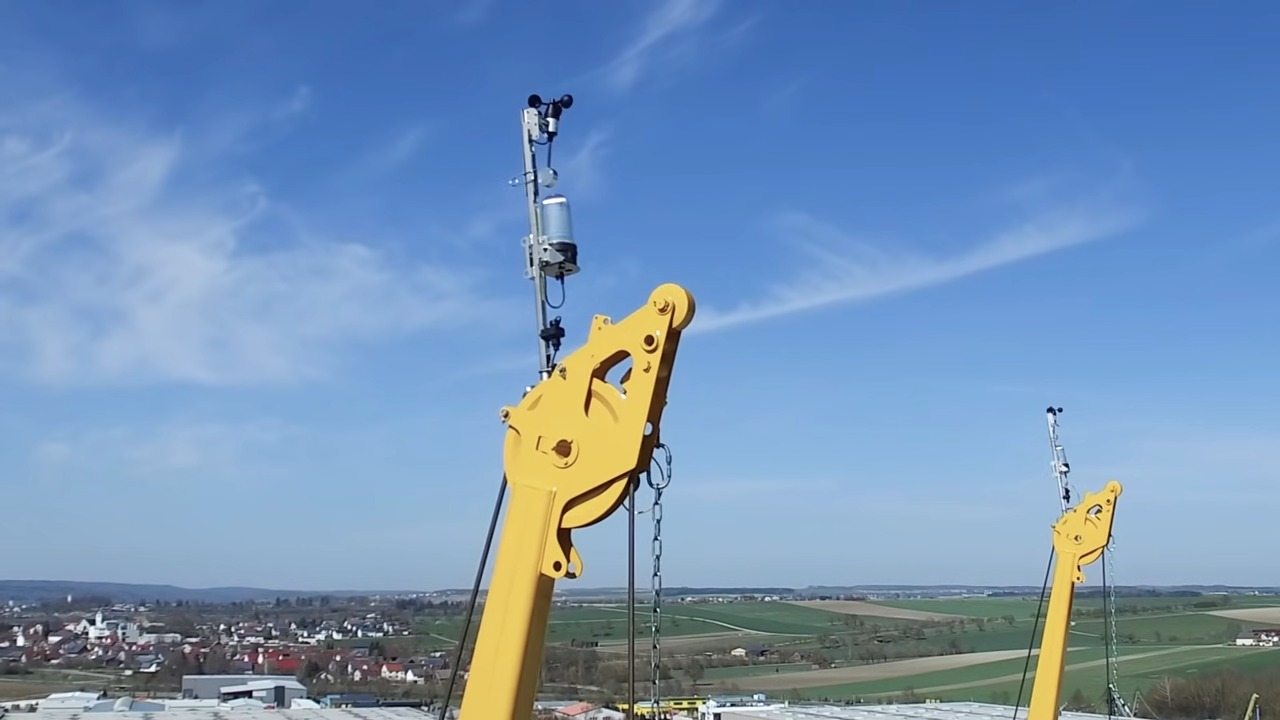
Installation of advanced wireless communication equipment on a high crane overlooking a scenic rural landscape under a blue sky

Inspecting Provider’s Equipment and Operations

Seeing critical assets and safety protocols in action is essential before committing to a new crane service provider. Hands-on evaluations validate capabilities are correctly aligned with the lifting needs of upcoming projects.

Steps for Inspecting Machinery on Site

Schedule time to physically inspect cranes and other heavy equipment at a provider’s facility. Check for leaks, cracks, or deficient components requiring repairs: test functions and note performance. Confirm equipment meets standards through visible certification seals. Familiarize with load charts to ensure equipment capacity.

Checking Maintenance Records and Certification

Request documentation of prior inspections and repairs. OSHA and manufacturer compliance certifications show adherence to regulations.

Note inspection dates and performed tasks. Ongoing preventative maintenance programs help identify partners committed to safe, reliable operations over the long term through timely services.

Observing Trial Lifts and Safety Demonstrations

Watch operator skills and machine capabilities first-hand in simulated lifts. Ensure handling of rated loads follows procedures. See emergency controls in action and note response coordination. On-site demonstrations provide realistic confidence in a provider’s expertise in handling complex lifting applications safely.

Comparing Multiple Quotes and Options

Thoroughly assessing all aspects of cost and service proposals is important when choosing between potential crane partners. Comparing itemized quotes side-by-side allows for an objective evaluation.

Key Factors to Evaluate in Written Quotes

When reviewing written estimates, consider equipment rates, minimum rental periods, mobilization/demobilization costs, fuel surcharges, overtime fees, expected downtime charges, and additional ancillary charges.

Ensure all pertinent details are clear upfront, like responsibilities for repairs or maintenance. This allows for an accurate “apples-to-apples” comparison of total projected service costs.

Tips for Negotiating Rates and Additional Services

  • Emphasize the long-term potential for repeat/referral business to negotiate rates
  • Inquire about volume discounts for projects requiring high levels of crane use
  • Ask about bundling services like operator labor into a single daily fee
  • Request waiving fees for equipment delivery/pickup that improves the efficiency of your operations
  • Confirm flexibility on rates for schedule changes that may alter needs
  • Negotiate including additional ancillary equipment in base quotes for complex jobs

Checking Online Reviews and Testimonials

Gathering feedback from past customers provides valuable insight into a provider’s performance, capabilities, and level of customer satisfaction.

Online reviews on third-party sites give an authentic perspective, mainly if multiple customers contribute. Consider consistency in comments around services, equipment, safety, and responsiveness. Positive reviews mentioning timely repairs, reliable crane operation through heavy lifting projects, and flexible scheduling reflect a provider able to meet the demands of construction sites and industrial facilities.

Negative reviews, like production impacts due to equipment downtime, warrant further investigation. But an otherwise strong profile with a few isolated issues shows that even the most reputable companies can’t satisfy all customers 100%.

Frequently Asked Questions (How To Choose The Right Crane Service Provider)

Assessing a crane company’s expertise, reputation, and resources is crucial when selecting a crane company. Look for a reputable crane service provider with ample resources, a solid service plan, and a history of reliable service to control service costs effectively.
Prioritize reliability by choosing a reputable crane service company with a long-standing reputation and stable customer relationships. Evaluate their previous customers’ experiences to make an informed decision about your next project.
When choosing a crane contractor, consider their technicians’ qualifications and experience. Opt for a crane rental service with skilled technicians who can efficiently handle your overhead crane and facility operation needs, minimizing production impacts.
The company’s reputation is pivotal in selecting a reliable crane service provider. A reputable crane company with many satisfied customers demonstrates its commitment to improving businesses. Choose a crane service provider with an excellent track record as your new partner for essential projects.
To control service costs effectively, collaborate with a crane service provider that values cost-effectiveness and offers transparent pricing. A reputable crane company will work with you to develop a service plan tailored to your facility’s requirements, preventing annual inspection delays and improving business operations.

How Much Does It Cost To Rent a Crane

Mediapayperlead-com December 11, 2024

How Much Does It Cost To Rent a Crane

Meta Description: Discover crane rental costs and average rates. Learn how much it costs to rent a crane, the factors influencing prices, and find the right equipment for your project needs.

Renting cranes is a practical option for many construction and industrial projects that require heavy lifting. This guide provides an in-depth look at average crane rental costs and the factors that impact pricing.

Understanding these project-specific variables is critical to properly budgeting for crane equipment rentals and choosing the right type of crane suited to lifting needs and job site conditions.

Key Takeaways

  • Rental costs for cranes vary significantly depending on the type of crane, its lifting capacity, project location, rental duration, and current market demand.
  • Additional expenses like delivery, assembly, permitting, and certified operators can increase overall rental budgets and should be considered.
  • Choosing the right crane involves matching the equipment to lifting needs while evaluating rental rates and factors specific to one’s project or job site. Proper planning is vital for effective heavy lifting.

Average Crane Rental Costs

Crane rentals can provide an affordable solution for lifting heavy loads on construction projects and other industrial tasks. The cost to rent equipment depends on several factors: crane type, lifting capacity, rental duration, and current demand. On average, smaller cranes tend to be more cost-effective for shorter-term renting.

Small Mobile Cranes

Smaller mobile cranes, also known as compact cranes or carry deck cranes, are among the most inexpensive cranes to rent. These cranes have lifting capacities ranging from 5-40 tons and are well-suited for residential job sites or smaller commercial projects that require lifting lighter materials and equipment for extended periods.

Mobile cranes in this category typically rent for around $200 per day, making them affordable for builders, contractors, and other professionals who need to rent cranes weekly or monthly without a large capital investment.

Large Operated Cranes

Larger-operated cranes, such as all-terrain, crawler, and rough-terrain cranes, support heavier lifting capacities from 40 to 400 tons. These cranes are well-suited for large construction projects that require lifting precast concrete panels, steel beams, and other heavy components into place.

Rental costs for large operated cranes vary based on the crane’s unique features and lifting capacity, with prices averaging $1,000 per day. Renters may offer discounts for longer rentals on a weekly or monthly basis to reduce clients’ capital investment.

Tower Cranes

Tower cranes are highly specialized cranes used for erecting buildings and other structures. They can lift weighty loads and provide access to high work areas. Due to their size and setup requirements, tower cranes typically have higher rental rates than mobile cranes.

Monthly rental prices start at $15,000 on average, depending greatly on demand, location, and the crane’s lifting capacity. Renting a tower crane eliminates the large capital costs and storage issues associated with purchasing one.

Additional Crane Rental Expenses to Consider

While the rental rate covers the basic use of the crane, some additional costs are involved with crane rentals, depending on project needs. Factoring these potential expenses into budgets helps avoid unexpected charges.

Delivery and Assembly

For some cranes, like crawler cranes, delivery to the job site by truck is required and may incur additional fees. Tower cranes also require professional assembly, which varies in cost depending on the crane’s size and lifting capacity. These specialized installation services are best sourced directly from crane rental companies.

Permit Fees

Permits are mandatory for operating cranes to ensure safety regulations are followed. Renters should ask local authorities about licensing or permitting costs for their crane equipment and project location. These vary dramatically depending on the region.

Certified Personnel

All cranes demand certified operators, riggers, and signal persons to conduct heavy lifting legally and prevent accidents. The costs for qualified personnel should be factored into rental projections, especially if overtime is required. Their expertise is important for the efficient lifting of heavy loads.

Factors That Affecting Rental Cost

Several important factors influence the ultimate cost of renting cranes. Understanding these variables helps determine budgets and choose the right equipment for projects.

  • Crane Type: The type of crane rented has a significant impact on rates. Smaller mobile cranes are more affordable than larger-operated cranes or tower cranes, which often have higher rental prices due to their size and setup requirements. The crane’s unique features also factor into pricing.
  • Lifting Capacity: Cranes with higher lifting capacities, sometimes measured in tons, generally command higher rental rates. They require more robust engineering and construction to lift and maneuver weighty loads safely.
  • Project Location: Where the crane will be used also affects pricing. Due to supply and demand trends in different regions, rental costs can vary dramatically depending on the job site’s location. Remote areas usually incur higher delivery and transport fees.
  • Rental Duration: The timeframe for which cranes are rented also influences rates. While longer rentals on a weekly or monthly basis are more expensive overall, some rental companies offer discounts for extended periods to reduce clients’ capital investment needs. Renting cranes long-term provides budget predictability.
  • Market Demand: During construction booms, crane rental prices tend to rise when demand is high. Heavy workloads mean rental companies can pass on higher rates.

Conversely, rates may drop in areas or times of low demand. Understanding current market conditions helps set appropriate budgets and schedules. High demand can also drive up prices for in-demand crane types.

Frequently Asked Questions (How To Choose The Right Crane Service Provider)

Assessing a crane company’s expertise, reputation, and resources is crucial when selecting a crane company. Look for a reputable crane service provider with ample resources, a solid service plan, and a history of reliable service to control service costs effectively.
Prioritize reliability by choosing a reputable crane service company with a long-standing reputation and stable customer relationships. Evaluate their previous customers’ experiences to make an informed decision about your next project.
When choosing a crane contractor, consider their technicians’ qualifications and experience. Opt for a crane rental service with skilled technicians who can efficiently handle your overhead crane and facility operation needs, minimizing production impacts.
The company’s reputation is pivotal in selecting a reliable crane service provider. A reputable crane company with many satisfied customers demonstrates its commitment to improving businesses. Choose a crane service provider with an excellent track record as your new partner for essential projects.
To control service costs effectively, collaborate with a crane service provider that values cost-effectiveness and offers transparent pricing. A reputable crane company will work with you to develop a service plan tailored to your facility’s requirements, preventing annual inspection delays and improving business operations.

A Complete Guide To Renting Cranes

Mediapayperlead-com December 11, 2024

A Complete Guide To Renting Cranes

Meta Description: Discover the essential guide to renting cranes for construction projects. Learn about factors, types, safety, and rental costs for efficient crane operations.

Renting cranes is essential to many construction, industrial, and logistics projects that require heavy lifting. This article provides a comprehensive guide to the end-to-end crane rental process.

It explains how to determine project needs, choose the right equipment type, evaluate rental companies, plan to lift operations safely, and ensure equipment support. Following the steps outlined here helps contractors and companies complete heavy-lifting tasks efficiently on multiple projects.

Key Takeaways

  • Carefully assess lift requirements like capacity, reach, and site conditions to select the proper crane type
  • Evaluate rental company credentials, fleet condition, and safety records to ensure quality service and compliance
  • Plan to lift operations thoroughly by conducting site assessments, determining permitting needs and safety protocols
  • Acquire transparent quotes specifying rental rates, terms, and emergency support to control costs
  • Maintain equipment properly and receive timely maintenance and repairs to avoid issues impacting project schedules

Importance of Renting Cranes

Renting cranes is essential for construction, logistics, and industrial projects that require safely lifting and moving heavy materials.

It makes more sense for contractors and companies to rent different types of cranes like mobile cranes, tower cranes, crawler cranes, and rough terrain cranes based on their specific lifting needs and job site conditions, rather than investing in purchasing such heavy-duty equipment, which involves higher costs. Renting ensures access to the right crane and flexible pricing to meet the lifting needs of various projects.

Understanding Your Project Needs Before Renting a Crane

It is crucial to carefully understand the specific lifting and maneuvering needs of the construction, industrial, or logistical project to determine the right type of rented crane. This involves assessing key factors such as the type of crane, lifting capacity, and reach requirements.

1. Determining the Right Crane Type

The type of crane, whether mobile cranes, tower cranes, crawler cranes, floating cranes, or rough terrain cranes, needs to be chosen based on the job site conditions and lift plan, considering space constraints and ground conditions. The capabilities and limitations of different crane types need to be researched to identify the most suitable equipment.

2. Calculating Lifting Capacity

The maximum weight or load capacity that needs to be lifted safely needs accurate calculation, whether it be tens of thousands of pounds of steel beams, heavy machinery, or other vehicles. The crane’s lifting capacity specification must be sufficient to handle the heavy loads over the required lift heights and reach distances.

3. Considering Reach Requirements

Factors like the space available at the construction or job site and the need to lift materials overhead or into tight spaces determine the minimum required horizontal and vertical reach of the crane. Rental companies with larger cranes offering flexible reach can help complete lifts planned in constrained areas.

Evaluating Equipment Rental Companies

Thoroughly evaluating potential crane rental companies is vital to ensure service safety, quality, and reliability. It involves validating key credentials and inspecting equipment conditions.

1. Validating Credentials and Certifications

Verifying that the rental company has the required licenses, certifications, and insurance per industry regulations is necessary. This provides confidence that proper procedures are followed for operating such heavy-duty equipment.

2. Researching Company Reputation

Reading online reviews and checking references from past clients gives an idea of the quality of service and potential hazards a reputable crane rental company faces. High demand and positive feedback over many years ensure satisfaction of current needs.

3. Inspecting Crane Condition and Maintenance Records

Careful inspection of specific cranes’ condition, maintenance completed monthly, and maintenance records indicate that the equipment is well-suited for upcoming projects. This reassures the rental fleet that it meets safety standards.

Choosing a rental company with a solid reputation and a well-maintained fleet of various crane types is critical to a successful project outcome.

Obtaining Detailed Quotes

Comparing cost-effective, detailed quotes is essential for any project requiring crane rental. It allows evaluation of the most suitable offer.

  • Requesting Itemized Rate Information: Seeking itemized quotes specifying rental rates for different crane types on an hourly, daily, or monthly basis, along with additional costs like transportation and setup, gives transparency to compare total rental costs.
  • Reviewing Contract Terms and Conditions: It is prudent to thoroughly examine terms like insurance coverage, parties’ responsibilities in case of crane-related accidents, and liability clauses in rental agreements. This clarifies the potential risks and costs of renting such heavy-duty equipment.

Planning for the Job Site

Thorough planning for crane operation at the specific construction site is essential. It ensures a safe working environment.

  • Conducting a Site Assessment: Inviting the rental company for an on-site evaluation allows for inspecting the job site for potential hazards posed by existing structures or underground utilities. It also helps determine if the ground condition is suitable for operating cranes or if stabilizers need to be used.
  • Determining Permitting Needs: Researching local regulations is prudent to determine whether authorities require permits to safely lift and maneuver heavy loads using cranes in tight spaces. This ensures that all operations comply with guidelines for the site’s location.

Ensuring Safety on Site When Renting a Crane

Safety should be the top priority at the job or construction site when renting heavy-duty equipment like cranes. Proper certification and features can prevent accidents.

  • Verifying Operator Certification and Experience: Checking that the crane operator provided has a valid license and certification helps ensure they can competently handle heavy loads. Their experience operating different types of cranes safely reduces risks at the site.
  • Confirming Safety Features and Inspections: Validation that the rental cranes have the necessary safety mechanisms and pass regular inspections as per industry standards is important. This gives confidence that potential hazards are addressed before equipment goes to work at the site.
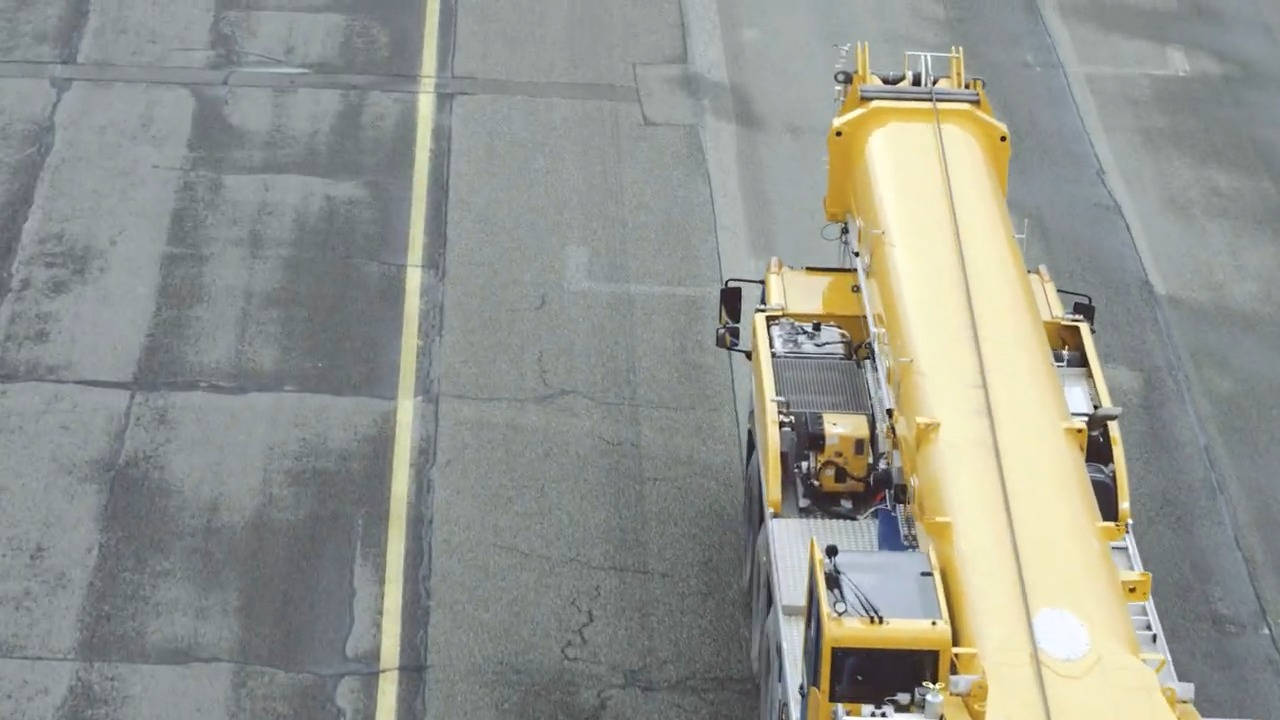
Aerial view of a yellow construction crane on a patchy asphalt road

Coordinating Logistics

Ensuring smooth logistics when renting heavy-duty equipment like cranes is essential for on-time job completion.

  • Managing Transportation and Access: Liaising with rental companies to coordinate the safe transportation of cranes to sites addresses factors like load capacity and ground conditions. This confirms that the equipment reaches tight job sites with enough space.
  • Planning for Setup and Assembly: Consulting assembly and setup requirements upfront for different crane types aids in planning sufficient time and space needs at the construction site. This facilitates quick commissioning without disrupting other project work.

Maintaining Equipment and Support For Crane Rental

Operating heavy-duty equipment like cranes requires reliable support during the rental period. Proper maintenance ensures smooth operations.

  •  Ensuring Emergency Support Availability: Verifying that the rental company provides 24/7 support in case of maintenance issues or emergencies is prudent when renting such equipment. This offers peace of mind while meeting tight project deadlines.
  • Confirming Maintenance and Inspection Procedures: Requesting records that confirm cranes undergo thorough inspections and maintenance every month as per standards is advised. This validates equipment reliability to safely lift heavy loads over the rental duration without unexpected breakdowns.

Benefits Of Renting a Crane

Here are some of the key benefits of renting a crane, including:

  • Cost Effectiveness: Renting cranes is a much more cost-effective solution than purchasing heavy-duty equipment outright. Contractors and companies can avoid high capital costs, costing thousands of dollars. The rental company also handles maintenance, repairs, and upgrades, making cranes accessible for projects of any size.
  • Access to the Latest Technology: Rental fleets constantly upgrade with the newest crane models, ensuring access to cutting-edge features that improve safety and performance. Features like load moment indicators, remote controls, and automatic setup functions give renters confidence in the equipment’s reliability and capability.
  • Expert Support: Reputable rental companies offer comprehensive support programs. Certified technicians are available 24/7 for emergency breakdown assistance. Regular preventative maintenance helps prevent accidents and downtime. Experienced project managers also guide lift planning and site logistics.
  • Flexibility for Varied Workloads: By renting different types of cranes as needed, contractors can easily accommodate projects with changing requirements. The right equipment is available, from mobile cranes for tight urban jobs to crawler cranes for off-road work. This saves costs compared to owning surplus capacity.
  • No Long-Term Ownership: Renting eliminates long-term ownership obligations that come with large capital equipment purchases. Contractors have the flexibility to quickly scale up or down crane capacity to match fluctuating construction workloads. This makes budgeting simpler compared to depreciation on purchased assets.
  • Budget-Friendly Pricing Structures: Well-structured rental rates like hourly, daily, or monthly charges make budgeting crane ownership costs straightforward for the duration of projects required. This provides better cost control than inflexible loans or lease payments on purchased cranes.

Frequently Asked Questions (How To Choose The Right Crane Service Provider)

Assessing a crane company’s expertise, reputation, and resources is crucial when selecting a crane company. Look for a reputable crane service provider with ample resources, a solid service plan, and a history of reliable service to control service costs effectively.
Prioritize reliability by choosing a reputable crane service company with a long-standing reputation and stable customer relationships. Evaluate their previous customers’ experiences to make an informed decision about your next project.
When choosing a crane contractor, consider their technicians’ qualifications and experience. Opt for a crane rental service with skilled technicians who can efficiently handle your overhead crane and facility operation needs, minimizing production impacts.
The company’s reputation is pivotal in selecting a reliable crane service provider. A reputable crane company with many satisfied customers demonstrates its commitment to improving businesses. Choose a crane service provider with an excellent track record as your new partner for essential projects.
To control service costs effectively, collaborate with a crane service provider that values cost-effectiveness and offers transparent pricing. A reputable crane company will work with you to develop a service plan tailored to your facility’s requirements, preventing annual inspection delays and improving business operations.

Evaluating Crane Rental Services

Mediapayperlead-com December 11, 2024

Evaluating Crane Rental Services

Meta Description: To ensure smooth operations for your construction project, carefully evaluate crane rental services. Consider reputation, safety, equipment, and customer service.

Choosing the right crane rental company is crucial for construction and industrial projects that require heavy lifting equipment. Many essential factors must be carefully evaluated to ensure safety, quality service, and on-time completion.

This comprehensive guide outlines vital aspects to examine when comparing providers, such as reputation, equipment, insurance, costs, etc. Follow this step-by-step process to make an informed decision that best meets your lifting needs.

Key Takeaways

  • Choosing an experienced crane rental company is essential for safe and efficient operations.
  • Evaluate multiple experienced crane rental companies to find the best fit for your project.
  • Look for reputable crane companies with skilled crane operators to ensure smooth operations.
  • Assess the expertise of crane operators when choosing a crane rental provider.

Understanding Crane Rental Services

Crane rental services provide vital equipment for industries like construction and steel erection. Proper evaluation of a crane rental company’s reputation, safety regulations compliance, insurance coverage, equipment quality, experienced operators, and customer service is crucial before renting cranes, tower, mobile, or rough terrain cranes.

Choosing the right crane rental company ensures your important project runs smoothly and safely on-site with the right equipment and comprehensive support.

Key Factors to Consider When Evaluating Crane Rental Service Providers

There are several important factors to consider when evaluating crane rental service providers. Choosing a reputable company that safely and effectively meets your project needs requires due diligence. Some key areas to examine include:

1. Reputation, Experience, and Past Project Performance

Before signing a contract, evaluate a company’s reputation, experience, and past performance. Seek out a crane rental provider with a proven track record in the industry.

Look for:

  • Multiple years of experience handling various projects across different industries like construction, steel erection, heavy lifting, and more.
  • Positive client testimonials and industry recommendations from experts who can vouch for the company’s expertise and ability to handle challenging jobs smoothly.
  • Details of past projects similar in scope and scale to yours, preferably with references you can contact. Inquire about their experiences working with that particular company.
  • Any industry awards, certifications, or accreditations demonstrate the high quality of their services and operations over the years.

2. Safety Protocols and Compliance

Safety is of utmost importance when renting heavy lifting equipment like cranes. It is prudent to thoroughly evaluate a provider’s commitment to operating safely and following all necessary regulations.

Inquire about their compliance with industry safety standards, such as those established by OSHA for construction sites. Ask for details on:

  • The company, its employees, operators, and equipment hold safety certifications and accreditations, including licenses, training, and crane operator qualifications.
  • Protocols for equipment inspections, maintenance, and repair to ensure all cranes, mobile cranes, tower cranes, crawler cranes, and other vehicles meet compliance standards.
  • Emergency response and incident reporting procedures to handle any issues promptly per regulations.
  • Safety rules and guidelines will be followed when your crane is onsite to minimize risks for workers.

Going with a company with a strong safety culture, dedicated safety team, and proper documentation showing they adhere to all regulations gives confidence they will safely operate and not compromise on your job site. This mitigates risks for both your project and personnel.

Assessing Equipment Quality, Type, and Availability

The condition and specifications of the cranes available for rental are an important consideration. Subpar or poorly maintained equipment can pose serious risks to safety.

When evaluating a provider’s fleet, pay close attention to:

Inspecting the Condition of Cranes and Fleet Vehicles

It’s best to carefully evaluate the quality and condition of the specific cranes and vehicles available before agreeing to a rental. Ask to inspect cranes like tower cranes, mobile cranes, rough terrain cranes, and crawler cranes the company has available. Check for:

  • Proper maintenance and repair records showing equipment meets compliance standards. This ensures safe and reliable performance onsite.
  • Certified professionals conducted recent inspections, and any necessary upgrades or recertifications were done.
  • Overall appearance and functionality – signs of wear, damage, corrosion, or needed repairs indicate potential issues.
  • Operability and capacity tests to verify rated lifting abilities.

Renting from a company with modern, well-maintained equipment in stock reduces risks compared to those still using older machinery. It also allows you to select the right crane type and size for your needs and work area.

Insurance, Licensing, and Operator Qualifications

Proper insurance coverage and certified operators are crucial when renting heavy machinery. This helps ensure safety compliance and protects all parties from unforeseen risks.

Certifications and Training Requirements

When reviewing a provider’s qualifications, be sure to inquire about:

  • Proof of adequate liability insurance for their equipment, vehicles, and lifting operations. This is important for your protection at the job site.
  • Valid licensing and accreditations held by the company for equipment operations. Look for reputable third-party certifications.
  • Crane operators must have qualifications, certifications, and ongoing training programs. Experienced, certified operators who understand industry safety rules are essential.
  • Certification records show that all operators are licensed and qualified to operate the cranes and models you require.

Going with a provider with appropriate insurance in place and rigorously training and certifying new and existing employees gives higher confidence in their ability to safely meet your crane rental and lifting needs at your construction or industrial site.

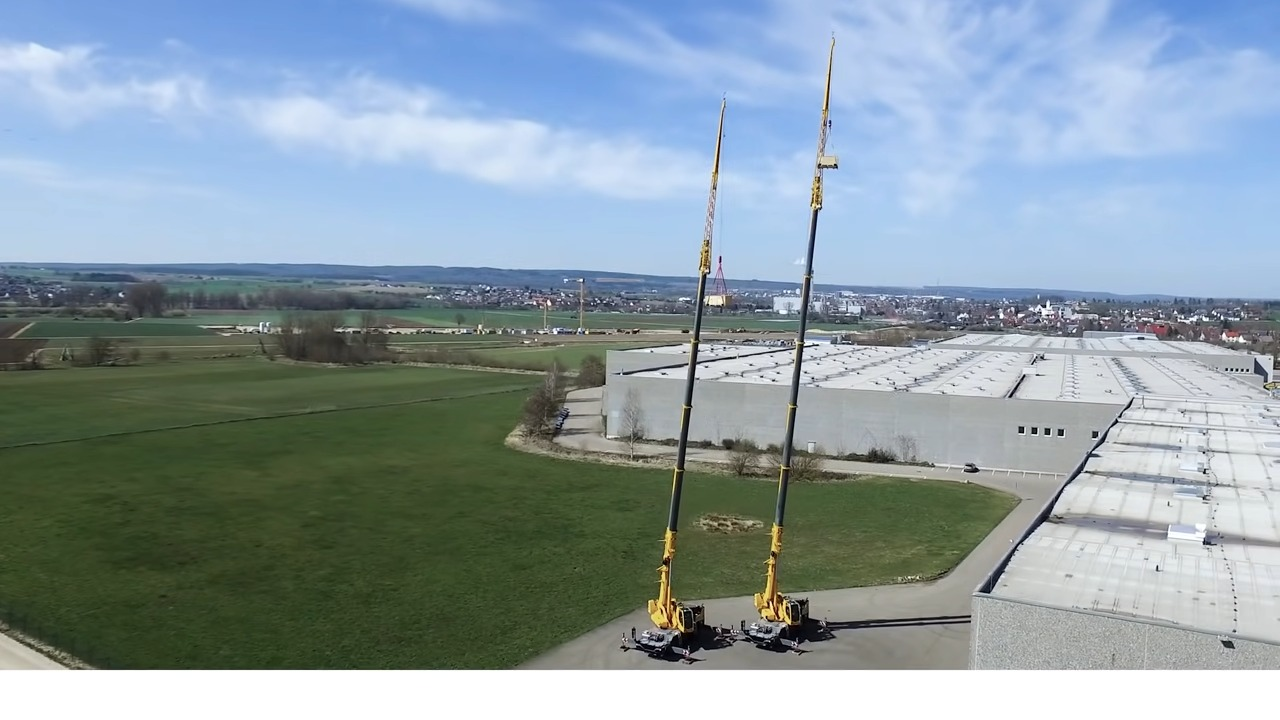
Aerial view of twin yellow cranes on industrial site near lush green field with distant urban skyline under blue sky

Understanding Costs, Contracts, and Payment Terms

Cost is an important consideration when renting cranes and equipment. Comparing rates, additional charges, payment schedules, and contract terms between multiple rental companies can help secure the best value.

Requesting detailed quotes upfront that clearly outline rental rates, duration, additional costs like delivery/pickup fees, and payment schedules ensures transparency and accountability between both parties during the rental period. This leads to properly understanding obligations to avoid surprises and allow for cost-effective project planning.

Evaluating Customer Service and Communication Policies

Customer service and communication are essential when renting cranes from rental companies. Knowing how a provider handles inquiries, addresses issues, and supports customers during the rental period through project planning, onsite operations, and after rental completion is crucial.

Evaluating their dedicated support team, response times, and customer service policies ensures you receive comprehensive assistance throughout your important project timelines. This helps your construction or industrial work run smoothly with the right equipment and expertise.

Location, Scheduling Flexibility, and Customization Options

A crane rental company’s location and ability to accommodate specific project needs and schedules are important. Considering providers with inventory and crews near your job or work site can help save costs and ensure quick response or deployment.

Accommodating Specific Project Needs and Timelines

When reviewing options, find out:

  • If the rental company has inventory stored locally or crews based close to your project location, reduce delivery/mobilization times.
  • Their capacity to support schedules outside regular hours or on weekends if your timelines require lifting after hours or on weekends.
  • What modifications or customizations can they offer, like special slings, rigging, or attachments required for lifting unique or large loads?
  • If they have experience handling similar projects to yours that involved unique logistical challenges.

Working with a flexible provider with local resources can help you efficiently get the right cranes, equipment, and support onsite within your project deadlines.

Checking References and Gathering Reviews On Crane Company

Taking the time to check past client references and reviews is invaluable when evaluating crane rental providers. It allows getting direct feedback on a company’s services from those who have worked with them.

Some things to validate include:

  • They asked past clients about their overall experience, specifically if projects were completed on time and within budget. Look for consistency in delivering as promised.
  • Inquiring if the provider’s equipment and operators met safety and performance standards. This indicates the quality of operations.
  • Finding out if the provider’s communication and customer service met expectations. Good service is essential during rental periods.
  • Reading online reviews from third-party sites and industry forums to learn about real-world experiences.
  • If you request specific client references, you can contact them directly to get first-hand accounts.

Thoroughly checking references allows getting a more complete picture of a provider beyond just their promotional claims. It helps make an informed decision when choosing who to rely on for your important lifting needs.

Frequently Asked Questions (How To Choose The Right Crane Service Provider)

Assessing a crane company’s expertise, reputation, and resources is crucial when selecting a crane company. Look for a reputable crane service provider with ample resources, a solid service plan, and a history of reliable service to control service costs effectively.
Prioritize reliability by choosing a reputable crane service company with a long-standing reputation and stable customer relationships. Evaluate their previous customers’ experiences to make an informed decision about your next project.
When choosing a crane contractor, consider their technicians’ qualifications and experience. Opt for a crane rental service with skilled technicians who can efficiently handle your overhead crane and facility operation needs, minimizing production impacts.
The company’s reputation is pivotal in selecting a reliable crane service provider. A reputable crane company with many satisfied customers demonstrates its commitment to improving businesses. Choose a crane service provider with an excellent track record as your new partner for essential projects.
To control service costs effectively, collaborate with a crane service provider that values cost-effectiveness and offers transparent pricing. A reputable crane company will work with you to develop a service plan tailored to your facility’s requirements, preventing annual inspection delays and improving business operations.

Crane Rental Agreement Guidelines

Mediapayperlead-com December 11, 2024

Crane Rental Agreement Guidelines

Meta Description: Explore the importance of crane rental agreement guidelines for project safety, OSHA compliance, and legal protection. Learn critical elements, responsibilities, and how a well-structured agreement reduces risks.

Crane rental agreements are an essential part of any equipment rental project. A clear understanding of agreement guidelines is critical to a successful rental experience for both parties.

This article analyzes the various aspects typically covered in a standard crane rental contract, from equipment details and operator qualifications to payment terms, liability clauses, and dispute resolution processes.

Key Takeaways

  • A thorough crane rental agreement outlines equipment specifications, rental period, delivery details, operator standards, and insurance responsibilities.
  • Guidelines clearly define maintenance obligations and the process for addressing repairs or breakdowns during the project.
  • Payment terms, dispute resolution policies, and cancellation clauses are established to minimize risks for both parties.
  • Ensuring all aspects are understood protects customers and businesses while facilitating a safe and compliant rental experience.

Importance of Crane Rental Agreements

A crane rental agreement is a legally binding contract that outlines the rights, responsibilities, and obligations of the equipment rental company and its customers during the crane rental period.

It is important for both parties to have a thorough understanding of crane rental agreement guidelines to ensure project safety, and compliance with regulations, and avoid unnecessary legal exposures.

What is a Crane Rental Agreement?

A crane rental agreement, or an equipment rental contract, is a formal document agreed upon and signed by the parties involved, i.e., the crane rental business and their customer.

This rental agreement defines specific terms and conditions regarding equipment details, rental rates, insurance and liability, maintenance responsibilities, payment terms, dispute resolution processes, etc.

The contract aims to clarify the responsibilities of each party, especially in areas like compliance with OSHA regulations, rigging workshops, liability for damages, and intellectual property.

Benefits of Having a Proper Agreement in Place

A well-drafted crane rental agreement reviewed and understood by both parties can help reduce risks and ensure a smooth rental experience. It establishes clear guidelines on aspects like good contract language, the customer’s acknowledgment, reasonable control, costs incurred by one party, agreement to specific terms, warranties, and indemnification.

This protects businesses and customers from unnecessary legal fees, liability claims, and other provisions affecting operations. It also holds parties accountable and provides a framework for agreement administration in case of typographical or clerical errors, disputes, or other unforeseen events.

Key Elements Covered in Crane Rental Guidelines

A standard crane rental agreement will typically outline essential guidelines related to equipment, rental period, delivery, and more. Carefully defining these elements upfront ensures clarity between parties.

  • Equipment Details: The agreement provides essential details about the rented equipment, including its type, size, capacity, and accessories. This helps determine responsibilities, liability, warranty terms, and intellectual property. The equipment section avoids unnecessary disputes by clearly stating which crane or attachments are part of the contract.
  • Rental Period and Rates: Guidelines specify the start and end dates of the rental period in clear terms. They also define the applicable daily or hourly rental rates to be paid by the customer. This protects businesses and customers by ensuring no misunderstandings regarding payment schedules, due dates, and full payment.
  • Delivery, Setup, and Transportation: This section determines obligations for delivering the crane to the rental site, setting it up safely, and dismantling it at the end of the project. It clarifies responsibilities and holds the responsible party accountable. Any additional transportation, setup, or repair costs are also in black and white.

Operator Qualifications and Responsibilities

The agreement guidelines clearly outline standards for crane operators during the rental period. This ensures safety compliance and addresses liability.

  • Crane Operator Provided by Rental Company: If the rental business provides the operator, the contract will document their qualifications, certifications, and experience. This protects customers by confirming that the operator is adequately trained and licensed to operate the specific equipment per regulations. The agreement also clarifies the obligations and reasonable control expected of the operator during crane operations.
  • Customer-Provided Crane Operator: If the customer chooses to provide their operator, the contract specifies the minimum safety certifications and qualifications they must possess. This could include requirements around rigging workshops, OSHA compliance, and liability for damage caused by operator negligence. The agreement may also hold the customer responsible for ensuring their operator understands all provisions and follows regulations.
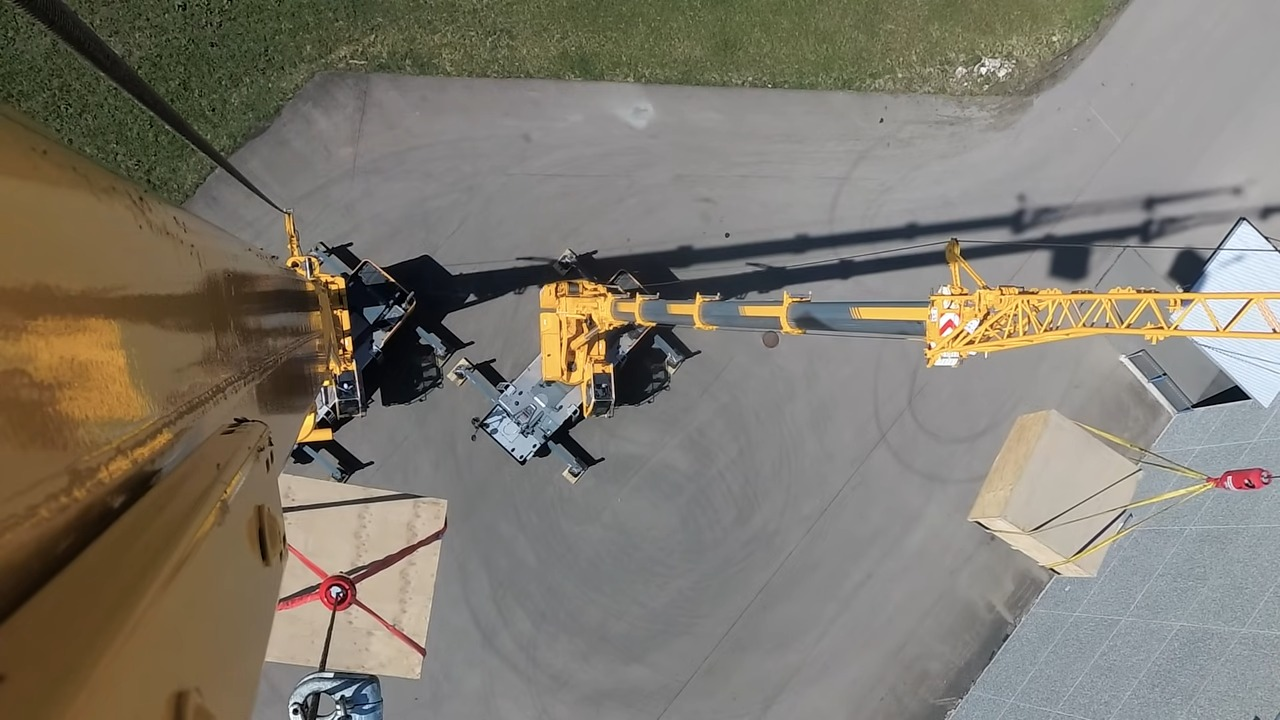
Aerial view of a mobile crane operating on a construction site, lifting heavy equipment with a dynamic shadow casting on the ground, illustrating industrial machinery in action

Insurance, Liability, and Safety During Rental

The agreement clearly defines responsibilities to minimize risks.

Insurance Coverage

  • Specifies whether the rental business or customer will bear the cost of obtaining necessary insurance.
  • Defines the types of coverage required, such as liability, property, or worker’s compensation.
  • Limits the business or customer’s direct exposure by outlining insurance obligations in clear contract language.

Liability for Damages or Injuries

The contract clarifies which party will be liable for expenses, costs, damage caused, or claims arising from injuries during crane operation. It may allocate responsibility based on factors like who directly controlled the equipment during the incident.

Ensuring Safety Compliance

Outlines the importance of complying with all applicable safety regulations, laws, and the rental business’s operating guidelines. It also specifies obligations for rigging workshops, OSHA compliance sample letters, and who will ensure that regulations are followed and non-compliance is avoided.

Maintenance, Repairs, and Equipment Care

Proper maintenance plays a crucial role in safety and equipment condition. The agreement outlines maintenance obligations.

Routine Maintenance Responsibilities

  • Specifies whether the rental business and their customer will perform regular maintenance checks and services to keep the crane in safe operating condition.
  • Defines the limited responsibilities of each party to avoid misunderstandings over maintenance costs incurred.

Handling Equipment Issues and Repairs

  • Outlines the protocol for addressing equipment defects, breakdowns, or necessary repairs during the rental period.
  • Determines which party will bear the costs of repairs or whether they will be limited, depending on the cause of damage.
  • Holds the responsible party accountable for repairs promptly to minimize disruption to customer operations.

The agreement helps ensure equipment reliability while protecting both parties from unnecessary liability exposures by clarifying maintenance and repair obligations.

Payment Terms, Dispute Resolution and Cancellation

Clear guidelines protect both parties and ensure obligations are met.

Payment Schedule and Fees

This section outlines the rental agreement’s payment terms, such as deposits, advance payments, payment due dates, and applicable penalties for late/non-payment. It reduces the likelihood of disputes over obligations.

Addressing Disagreements and Disputes

The contract establishes a process for resolving disputes in good faith through negotiations or an alternative dispute resolution approach. This avoids unnecessary legal fees and supports an amicable solution.

Cancellation and Termination Policies

The guidelines specify conditions under which either party can terminate or cancel the agreement at their sole discretion. They also clarify responsibilities during cancellation and applicable cancellation fees.

By proactively addressing these business terms, the rental agreement aims to minimize risks for all parties involved and ensure obligations are met as per the original contract language.

Frequently Asked Questions (How To Choose The Right Crane Service Provider)

Assessing a crane company’s expertise, reputation, and resources is crucial when selecting a crane company. Look for a reputable crane service provider with ample resources, a solid service plan, and a history of reliable service to control service costs effectively.
Prioritize reliability by choosing a reputable crane service company with a long-standing reputation and stable customer relationships. Evaluate their previous customers’ experiences to make an informed decision about your next project.
When choosing a crane contractor, consider their technicians’ qualifications and experience. Opt for a crane rental service with skilled technicians who can efficiently handle your overhead crane and facility operation needs, minimizing production impacts.
The company’s reputation is pivotal in selecting a reliable crane service provider. A reputable crane company with many satisfied customers demonstrates its commitment to improving businesses. Choose a crane service provider with an excellent track record as your new partner for essential projects.
To control service costs effectively, collaborate with a crane service provider that values cost-effectiveness and offers transparent pricing. A reputable crane company will work with you to develop a service plan tailored to your facility’s requirements, preventing annual inspection delays and improving business operations.

Crawler Crane vs Rough Terrain Crane

Mediapayperlead-com December 11, 2024

Crawler Crane vs Rough Terrain Crane

Meta Description: Explore the differences between crawler and rough terrain cranes, from their designs and features to their suitability for various job sites. Learn how each crane type excels in different terrain conditions.

This guide compares crawlers and rough terrain cranes, two famous pieces of heavy lifting equipment. Both crane types are well-suited to construction sites but have different designs that impact their mobility, stability, and ideal applications.

The following sections will outline critical differences in these cranes’ configurations, capabilities, suitable job sites, and factors to consider when determining the right crane for any lifting project.

Key Takeaways

  • Crawler cranes excel at lifting heavy loads and operating in rugged terrain thanks to their tracks, which provide excellent stability over uneven surfaces.
  • Rough terrain cranes are well-suited for tight job sites and changing conditions due to their maneuverable tire-based mobility system.
  • Factors like a project’s lift requirements, terrain challenges, and space constraints should influence rental decisions between these crane types for construction and heavy industry applications. Understanding each model’s strengths will ensure selecting the suitable equipment.

Crawler Crane Design and Features

Crawler cranes are designed to lift heavy loads and operate in rugged terrain. Their signature caterpillar tracks allow them to achieve excellent grip on unstable ground surfaces. The tracks are a vital component that provides crawler cranes with stability and the ability to traverse uneven terrain.

Track Configuration and Stability

With its railroad wheel-style tracks, the crawler crane’s track configuration gives it unparalleled stability when lifting loads or operating in rough terrain. The tracks combine the crane’s weight capacity over a large surface area, preventing the crane from sinking into soft ground.

This allows crawler cranes to achieve the same lifting capacity on unstable ground that other cranes require stable, level surfaces. The internal hydraulic system powering the tracks also gives crawler cranes more traction for lifting heavy objects or moving loads over rough terrain sites.

Cab and Control Systems

Crawler crane operators are positioned in an elevated cab that rotates 360 degrees, allowing for excellent visibility when lifting heavy loads.

The cab contains advanced control systems to operate the crane’s functions precisely. Hydraulic pumps and an internal hydraulic system power boom, fly jib, and track movements.

Crawler cranes commonly feature cab load moment and radius indicators to help operators work safely within the crane’s weight capacity and configure lifts for different job sites.

Lifting Capacities and Configurations

Crawler cranes are designed with the ability to lift heavier loads than other cranes and operate effectively in rugged terrain and uneven ground conditions.

Their lattice boom designs provide extra strength for lifting heavy objects and moving loads over rough terrain sites.

Operators can configure crawler cranes with different boom and jib lengths to meet the lifting and positioning needs of various construction sites and heavy lifting requirements.

Crawler cranes’ track mobility and stability allow them to achieve the same lifting capacity on unstable ground that mobile cranes require stable, level surfaces.

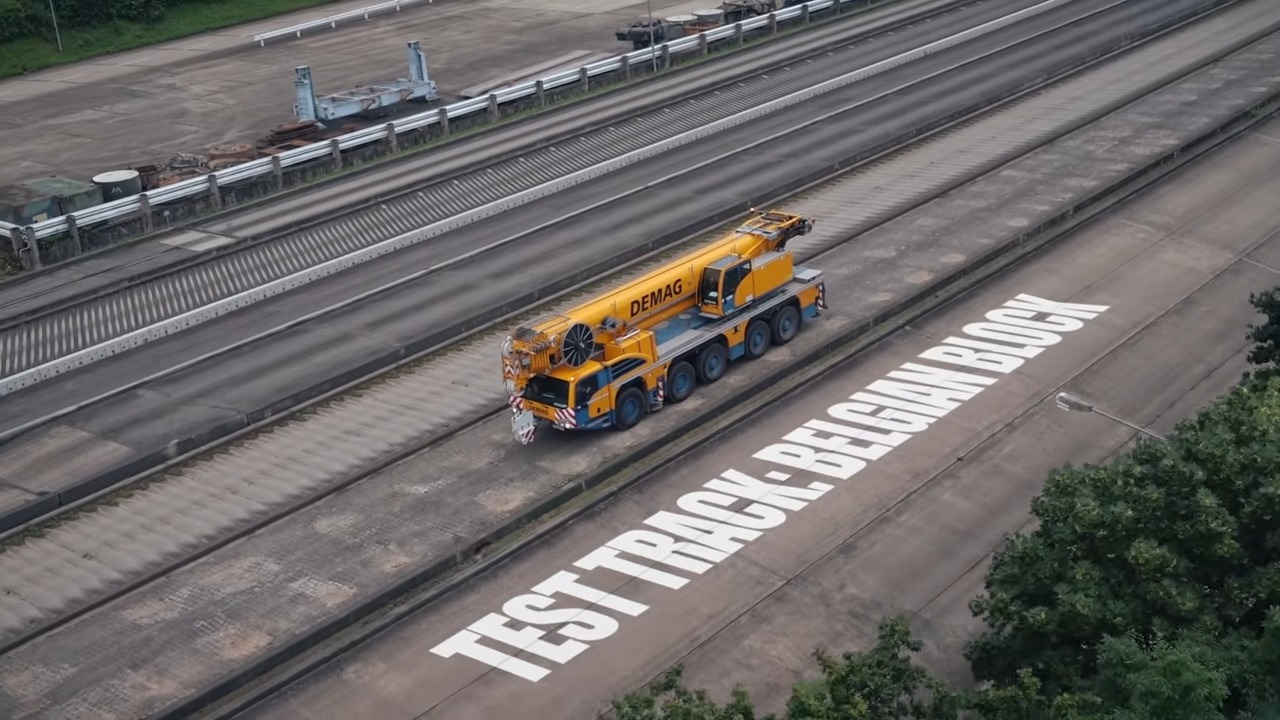
Yellow Demag rough terrain crane on test track

Rough Terrain Crane Design

Rough terrain cranes are well-suited for operating in off-road conditions and varied job sites. Their design prioritizes mobility and maneuverability over stability.

Tire-Based Mobility System

Rough terrain cranes have large rubber tires rather than tracks, giving them a tire-based mobility system. The tires provide excellent traction for traversing uneven terrain and surfaces, allowing rough terrain cranes to easily access tight spaces and navigate around obstacles on construction sites.

The tire configuration also helps these cranes handle changing weather conditions and environments well. Compared to crawler cranes, rough terrain cranes can more easily move between job sites over public roads when traveling.

Their tire design allows them to handle off-road hoisting operations that require hosting loads in rugged terrain.

Outrigger Leveling and Stabilization

Rough terrain cranes rely on outriggers and a hydraulic system to stabilize and level themselves for safe lifting. The outriggers are designed to extend from the crane’s chassis and deploy large pads that can distribute the crane’s weight capacity over a wide surface area.

This allows rough terrain cranes to achieve stability on uneven or sloped job sites that other cranes may not be able to access due to a lack of level ground. Hydraulic pumps then automatically level the crane’s base and keep it stable during lifting operations.

Boom and Jib Configurations

Like crawler cranes, rough terrain cranes can be configured with different boom and jib combinations to suit various lifting needs.

Operators can choose from extra-strength crane versions with lattice booms for heavy loads or traditional crane designs with truss booms well-suited to medium sites.

Telescoping boom extensions also allow these cranes to lift loads to greater heights. Jib attachments further widen the range of lifting configurations for positioning loads in tight spaces or over obstacles on construction sites.

Comparing Mobility and Terrain Suitability

One key difference between crawlers and rough terrain cranes is how they navigate various job sites and environments.

Tracks vs. Tires for Different Surfaces

Crawler cranes rely on their signature caterpillar tracks for mobility. The continuous band of tracks provides excellent grip, allowing them to traverse uneven terrain and unstable ground with more stability than tires.

Their tracks also allow them to lift heavier loads on soft surfaces where other cranes require more stable conditions. Conversely, rough terrain cranes have large rubber tires that offer superior maneuverability for navigating tight spaces and corners on construction sites.

Set-up processes

The set-up process for these cranes also differs based on their mobility system. Crawler cranes do not require outriggers for lifting stability since their tracks distribute weight evenly. They can pick and lift from their on-board position.

In contrast, rough terrain cranes rely on outriggers to extend pads and level themselves before operations, which takes more time and preparation on uneven job sites.

Frequently Asked Questions (How To Choose The Right Crane Service Provider)

Assessing a crane company’s expertise, reputation, and resources is crucial when selecting a crane company. Look for a reputable crane service provider with ample resources, a solid service plan, and a history of reliable service to control service costs effectively.
Prioritize reliability by choosing a reputable crane service company with a long-standing reputation and stable customer relationships. Evaluate their previous customers’ experiences to make an informed decision about your next project.
When choosing a crane contractor, consider their technicians’ qualifications and experience. Opt for a crane rental service with skilled technicians who can efficiently handle your overhead crane and facility operation needs, minimizing production impacts.
The company’s reputation is pivotal in selecting a reliable crane service provider. A reputable crane company with many satisfied customers demonstrates its commitment to improving businesses. Choose a crane service provider with an excellent track record as your new partner for essential projects.
To control service costs effectively, collaborate with a crane service provider that values cost-effectiveness and offers transparent pricing. A reputable crane company will work with you to develop a service plan tailored to your facility’s requirements, preventing annual inspection delays and improving business operations.

How New Technology Is Boosting Crane Safety

Mediapayperlead-com December 11, 2024

How New Technology Is Boosting Crane Safety

Meta Description: Discover how new technology is boosting crane safety with advanced features like remote operation, enhanced communication, and precise monitoring.

Advancements in technology are transforming the crane industry’s approach to safety. This article examines how the latest innovations—from load monitoring sensors to remote operation capabilities to predictive maintenance systems—are helping significantly reduce risks on job sites.

Critical areas like training, automation, and data-driven insights are also explored, highlighting how workers and businesses can benefit as technological barriers to safety are overcome.

Key Takeaways

  • Advanced sensors and monitoring systems now provide operators with real-time insights into critical factors like load weight and stability to prevent accidents.
  • Technologies like anti-sway controls, remote operation capabilities, and predictive maintenance are helping to boost precision, enhance reliability, and reduce risks.
  • Training, automation, and data analytics innovations also aim to minimize human errors and optimize safety protocols over the long run.

The Evolution of Crane Safety Technology

Cranes have been pivotal in construction and other heavy-lifting industries for centuries. Over the years, various technologies and safety mechanisms have been developed to reduce the risks associated with such operations.

Early cranes relied on manual processes and the experience of skilled operators. Over time, improvements were made to structural integrity, load monitoring, and communication systems to enhance safety.

Early Safety Mechanisms

Mechanisms like load charts, tag lines, and stabilized outriggers aimed to improve safety on early job sites. As the construction industry and lifting operations grew in scale and complexity, more advanced solutions were needed to manage heavy loads and hazardous situations effectively.

Emergence of Sensors and Monitoring Systems

Developing new sensor technologies enabled real-time data collection on key crane parameters like load weight, wind speed, and stability. Monitoring systems utilizing this data help operators avoid collisions and automatically adjust to changing conditions, allowing them to work from a safe distance.

Real-Time Operational Insights

Real-time data from advanced sensors and monitoring systems allows crane operators to make informed decisions.

  • Load Monitoring with LMI Systems: Load moment indicators (LMI) utilize load sensors and analytical systems, giving operators vital load capacity and stability data to prevent crane overload. This improves safety by ensuring cranes are operated within their limits.
  • Collision Detection and Avoidance: Proximity sensors, cameras, and collision avoidance technology help eliminate risky blind spots. The systems issue automated alerts and warnings to operators to help them avoid collisions with other equipment or obstacles on busy construction sites.

Enhanced Precision and Control

New technologies are helping to boost precision and stability.

  • Anti-Sway Mechanisms: Cranes equipped with anti-sway systems automatically compensate for swinging motions to enhance positioning accuracy and reduce safety risks during lifting operations.
  • Remote Operation Capabilities: Remote monitoring and control systems allow operators to schedule and perform lifting from a safe distance, improving safety in hazardous situations. The technology also optimizes operational efficiency.

Structural Reliability Advances

Materials science and engineering advancements have led to stronger yet lighter crane structures with improved load capacities.

  • Stronger Materials and Designs: New high-strength alloys and composites allow for cranes with enhanced structural integrity. Modern designs optimize these materials for maximum lifting performance. The industrial revolution of new technologies in this sector has elevated safety and efficiency.
  • Predictive Maintenance Systems: Predictive maintenance systems utilize real-time operational data to help crane operators and owners identify potential equipment issues before they cause accidents.

By monitoring wear and tear indicators, these systems ensure cranes are always in optimal working condition to handle heavy loads safely. The predictive data also improves scheduling and lowers long-term costs.

Training Innovation

To boost safety, the crane industry is revolutionizing training methods.

  • Simulated Practice with VR and AR: Immersive VR and AR technologies now allow operators to get valuable practice in virtual environments, reducing risks. Trainees can simulate hazardous situations and learn from mistakes in a controlled setting.
  • Improved Communication Protocols: Newly standardized protocols improve coordination and information sharing between all personnel on job sites, including operators, riggers, and supervisors. Clear communication plays a pivotal role in safety.

Automation and the Future of Lifting

Automation is set to enhance safety and efficiency.

  • Robotics and Autonomous Functions: Robotic and autonomous cranes can perform lifting tasks in hazardous areas, reducing risk to human operators. The technology also optimizes load scheduling for maximum productivity.
  • Data-Driven Insight Applications: Advanced analytics of real-time operational data from equipment fleets provide insights to improve safety protocols. It also helps optimize maintenance, lowering long-term costs and risks of accidents from equipment issues.

Boosting Safety for Workers and Jobsites

The construction industry has grown immensely, but hazardous conditions have also led to preventable accidents.

New crane technologies are helping boost safety across busy job sites by automating risky lifting tasks, allowing remote operation from safe distances, enhancing load monitoring for optimal crane performance, and improving communication between all personnel through standardized protocols.

Advanced analytics also help optimize safety training methods to minimize human error. Together, these innovations significantly help reduce the risk of accidents on construction sites and better protect workers.

Frequently Asked Questions (How To Choose The Right Crane Service Provider)

Assessing a crane company’s expertise, reputation, and resources is crucial when selecting a crane company. Look for a reputable crane service provider with ample resources, a solid service plan, and a history of reliable service to control service costs effectively.
Prioritize reliability by choosing a reputable crane service company with a long-standing reputation and stable customer relationships. Evaluate their previous customers’ experiences to make an informed decision about your next project.
When choosing a crane contractor, consider their technicians’ qualifications and experience. Opt for a crane rental service with skilled technicians who can efficiently handle your overhead crane and facility operation needs, minimizing production impacts.
The company’s reputation is pivotal in selecting a reliable crane service provider. A reputable crane company with many satisfied customers demonstrates its commitment to improving businesses. Choose a crane service provider with an excellent track record as your new partner for essential projects.
To control service costs effectively, collaborate with a crane service provider that values cost-effectiveness and offers transparent pricing. A reputable crane company will work with you to develop a service plan tailored to your facility’s requirements, preventing annual inspection delays and improving business operations.

Future Trends In Crane Technology

Mediapayperlead-com December 11, 2024

Future Trends In Crane Technology

Meta Description: Explore the transformative impact of future trends in crane technology on construction, manufacturing, and safety. Discover innovations in electric cranes, data-driven operations, and cutting-edge designs.

This article explores the critical trends shaping the future of crane technology. It examines how advancements in automation, electrification, data analytics, and augmented reality are enhancing crane operations and safety. The growing adoption of hybrid power systems and their benefits are also covered.

Key Takeaways

  • Crane technology is rapidly advancing through automation, electrification, and data-driven solutions to optimize performance, enhance safety, and lower emissions on job sites.
  • Hybrid power systems are gaining popularity due to benefits like reduced operating costs and a smaller environmental footprint compared to diesel equipment.
  • Technologies like augmented reality, predictive maintenance, and remote monitoring are helping improve efficiency, minimize downtime, and precisely coordinate complex lifting operations across various industries.

Importance of Crane Technology

Crane technology plays a vital role across industries like construction, manufacturing, and infrastructure development by enabling safe and efficient lifting of heavy loads.

Advancements in automation, remote monitoring, predictive maintenance, and hybrid power systems are helping cranes evolve significantly to handle greater weights, operate in compact urban environments, and reduce environmental impact through lower fuel consumption and emissions.

These cutting-edge innovations give crane operators precise load control while improving safety on busy job sites.

1. Growing Adoption of Electric and Hybrid Cranes

The future of crane technology increasingly points toward greater use of electric and hybrid power systems. Driven by goals to reduce environmental impact through lower emissions and fuel consumption, the crane industry is pursuing more energy-efficient solutions.

Advances in battery technology now allow electric and hybrid cranes to handle heavy loads for extended periods, making them viable alternatives to diesel-powered equipment.

Benefits of Electric and Hybrid Power Systems

Electric and hybrid cranes offer lower operating costs through reduced fuel usage. They also minimize environmental impact with quieter operation and zero direct emissions during use.

Integrating large-capacity batteries and efficient power management technology has enhanced electric cranes’ capability to lift heavy loads in construction and manufacturing applications.

Impact on Sustainability Goals

Adopting electric and hybrid cranes supports sustainability targets within various industries and urban infrastructure development. They enable compliance with tightening emissions regulations while continuing reliable lifting operations on job sites.

Over time, the expanded use of these cranes can significantly reduce greenhouse gas emissions and dependence on fossil fuels across the crane industry’s value chain.

Trends in Battery and Power Management Technology

Ongoing R&D is improving battery energy density and lifecycle, allowing electric cranes to work longer between charges. Advanced power electronics and software now optimize energy recovery and distribution.

These trends and falling battery costs make electric and hybrid systems an increasingly cost-effective choice for lifting tasks. Their competitive total cost of ownership is driving higher market share over the forecast period.

2. Leveraging Data Insights for Performance Optimization

The crane industry increasingly leverages data insights from telematics, IoT, machine learning, and AI technologies. Integrating sensors into cranes can capture a wealth of operational data, including load weights, fuel consumption, location, and machine runtimes. This real-time data fuels predictive maintenance programs and helps optimize crane performance.

Applications of Telematics and IoT Integration

Telematics and IoT allow remote monitoring of cranes across job sites, urban environments, and manufacturing facilities. Precise load and location tracking enables improved inventory management and material handling. The data also provides insights into operational effectiveness and opportunities to reduce environmental impact.

Remote Monitoring and Predictive Maintenance

Leveraging real-time monitoring capabilities, maintenance needs can be predicted rather than followed by rigid service schedules. This predictive approach minimizes downtime from unexpected issues. Remote diagnostics help reduce service costs by addressing minor problems before they escalate.

Optimizing Crane Operations Through Data Analytics

Machine learning algorithms analyze telemetry captured from connected cranes. They identify patterns to enhance safety, such as optimal load weights and movements within a crane’s safe operating radius. The insights also help lower operating costs by reducing unnecessary fuel consumption and improving coordination of lifting operations.

3. Enhancing Safety with Augmented Reality Technology

Augmented reality is emerging as an essential technology for improving safety across the crane industry. By overlaying digital information in the real world, AR solutions allow operators to maintain safe distances while moving heavy loads.

AR also enables precise predictions and control during complex lifting tasks in urban job sites and manufacturing facilities.

AR Applications in Crane Operations

AR interfaces can provide operators with real-time load weight and position data relative to the crane’s lifting capacity.

Overhead views integrate machine learning to identify optimal load movements. This enhances safety and reduces risks from human errors. The technology also helps coordinate activities between cranes and machinery on crowded work sites.

AR-Assisted Crane Maintenance

Technicians can utilize AR applications to guide maintenance and repairs. Step-by-step instructions are overlaid directly onto components, expediting issue identification and resolution.

By integrating with service history data, AR predictions also determine requirements for preventative maintenance, further improving safety by catching potential problems early.

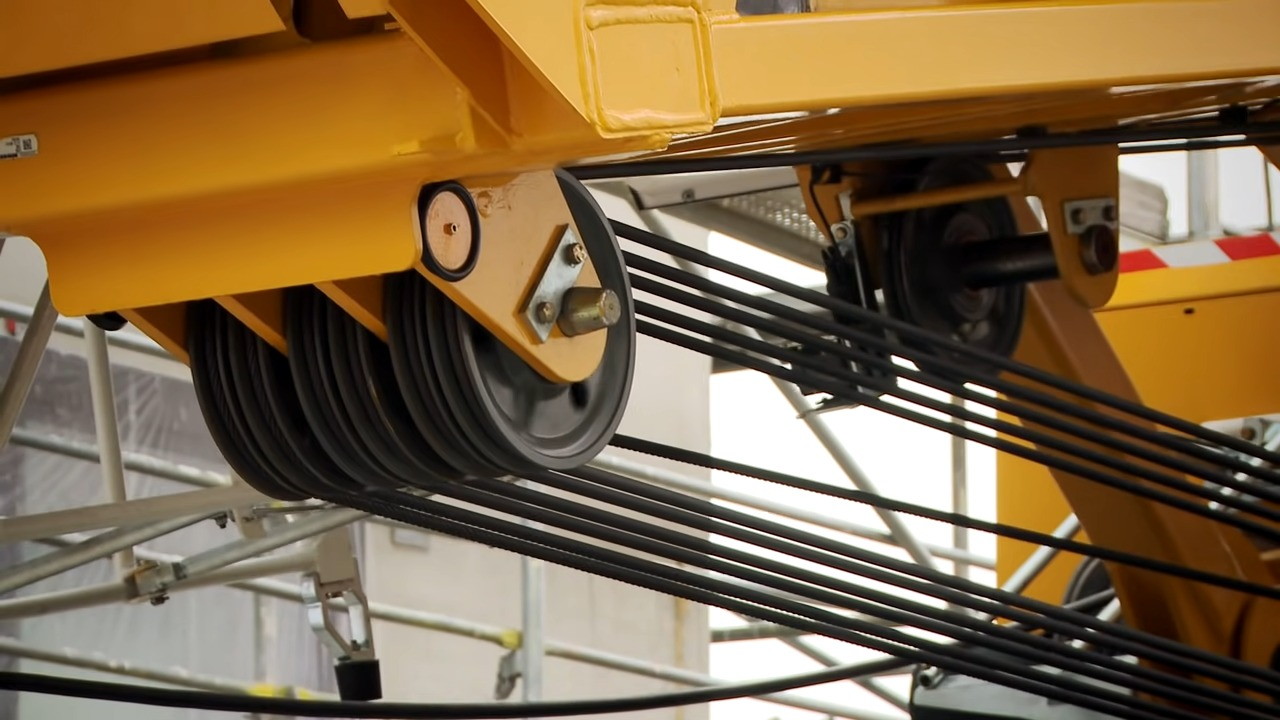
Close-up view of a yellow industrial crane's cable pulley system, featuring organized black cables and mechanical parts showing innovations in design

4. Innovations in Crane Design

The crane industry continues evolving to meet the modern needs of construction and manufacturing through cutting-edge innovations in design. Developments in materials and engineering are allowing crane manufacturers to build stronger yet lighter equipment.

Developments in Materials and Engineering

Advanced composites and alloys have significantly increased crane capacities and load-handling abilities. New cranes can now lift heavier payloads while occupying compact footprints, which is essential for urban job sites and factory floors. Engineering innovations in boom configurations further enhance versatility for diverse lifting tasks.

Adapting to Changing Industry Needs

As infrastructure and building projects become more complex, crane designs adapt to keep up with these changes. Remotely operated and autonomous functions allow lifting operations to continue safely even in crowded industrial environments.

Versatile, fuel-efficient models give contractors a competitive edge across diverse material handling needs.

5. Growing Role of Alternative Fuels

The crane industry is witnessing a growing role for alternative fuels like electricity, natural gas, and hydrogen. Driven by demands to reduce environmental impact and operating costs, manufacturers are bringing more hybrid and gas-powered equipment to market.

Trends in Electric, Hybrid, and Gas-Powered Equipment

Electric and hybrid-electric cranes are gaining popularity for their fuel efficiency and suitability in urban job sites and indoor applications.

Gas-powered cranes offer a lower-emission solution than diesel, especially for long-duration heavy lifting. Advanced fuel cell technology also shows the potential to power larger mobile cranes.

Total Cost of Ownership Considerations

While upfront costs of electric, hybrid, and gas-powered cranes may be higher, the total cost of ownership over the lifespan is becoming more competitive.

Lower fuel and maintenance requirements compared to diesel help offset initial expenses. As technologies mature, these alternative fuels are poised to capture a larger market share.

Frequently Asked Questions (How To Choose The Right Crane Service Provider)

Assessing a crane company’s expertise, reputation, and resources is crucial when selecting a crane company. Look for a reputable crane service provider with ample resources, a solid service plan, and a history of reliable service to control service costs effectively.
Prioritize reliability by choosing a reputable crane service company with a long-standing reputation and stable customer relationships. Evaluate their previous customers’ experiences to make an informed decision about your next project.
When choosing a crane contractor, consider their technicians’ qualifications and experience. Opt for a crane rental service with skilled technicians who can efficiently handle your overhead crane and facility operation needs, minimizing production impacts.
The company’s reputation is pivotal in selecting a reliable crane service provider. A reputable crane company with many satisfied customers demonstrates its commitment to improving businesses. Choose a crane service provider with an excellent track record as your new partner for essential projects.
To control service costs effectively, collaborate with a crane service provider that values cost-effectiveness and offers transparent pricing. A reputable crane company will work with you to develop a service plan tailored to your facility’s requirements, preventing annual inspection delays and improving business operations.

Enhanced Connectivity And IOT Applications In Cranes

Mediapayperlead-com December 11, 2024

Enhanced Connectivity And IOT Applications In Cranes

Meta Description: Discover how connectivity and IoT applications in cranes revolutionize operations, enhance safety, and optimize performance. Learn more about the benefits now.

IoT technology is enabling enhanced connectivity in cranes and material-handling equipment. This article discusses how leveraging IoT delivers significant benefits, such as improved safety, predictive maintenance, optimized operations, and real-time equipment insights.

Remote monitoring capabilities, automated protections, data-driven decision-making, and integrated management systems are transforming equipment management.

Key Takeaways

  • IoT sensors continuously monitor equipment parameters, enabling remote operations for enhanced safety.
  • Maintenance alerts optimize scheduling based on failure predictions from historical usage data.
  • Automated protections immediately detect overloads or operator fatigue to prevent accidents.
  • Insights into asset performance help identify efficient configurations and utilization periods.
  • Integrated systems facilitate coordination across supply chains through real-time data exchange.
  • Remote diagnostics expedite issue resolution to minimize costly downtimes.

How Enhanced Connectivity and IOT is Transforming Crane Operations

Integrating enhanced connectivity and IoT in cranes through dependable internet connectivity revolutionizes various industries such as construction.

Technologies like predictive maintenance, remote monitoring, and data analytics are helping crane operators and material handling equipment owners optimize resource allocation and streamline operations to achieve significant cost savings through ongoing operational improvements.

Real-Time Monitoring Through IoT Sensors

IoT sensors installed on cranes and other material handling equipment collect valuable data on parameters like load weight, boom angle, hydraulic pressure, fuel consumption, and environmental conditions.

This data is transmitted to cloud-based dashboards in real-time, allowing remote monitoring of equipment performance and health. Monitoring actual usage through IoT devices embedded in cranes helps identify periods of low utilization, aiding more accurate timing of preventive maintenance and resource allocation for maximum efficiency.

Remote control of cranes from safe distances is also now possible through dependable internet connectivity, enhancing safety on construction sites.

Remote Operation: A Game Changer for Safety

Technological advancements in IoT and connectivity have enabled remote monitoring and control of cranes and other equipment. This represents a significant shift that is enhancing safety across various industries.

Operating From Safe Distances

Dependable internet connectivity allows crane operators to control lifting equipment from ground level or another safe location away from overhead hazards. This helps protect key personnel on high-risk construction sites.

Remote operation facilitates work in dangerous areas, such as near power lines or crowded job sites, with a higher risk of accidents. Operators can maneuver cranes safely without exposure to live wires or other hazards.

The remote control also helps crane operators work safely in harsh environments like high winds or severe weather conditions that otherwise compromise safety. IoT devices provide real-time data on parameters like load weight, boom angle, and environmental conditions to guide operations securely.

Leveraging IoT and connectivity solutions, a single operator can remotely manage multiple cranes simultaneously from a centralized control room. This centralized monitoring and control improves safety supervision on large industrial sites and facilities with multiple lifting equipments.

Working in Harsh Environments

IoT sensors installed on cranes and other material handling equipment can provide operators real-time data on load weight, boom angle, environmental conditions, and fault status. This enables remote control of such equipment even in harsh weather conditions like high winds or severe storms.

Leveraging IoT connectivity, crane operators can now maneuver lifting devices securely from a safe distance without exposing themselves to potential hazards. IoT devices collect data on variables like fuel consumption, energy usage, and amperage ranges to guide efficient, dependable, and safe operations across varying weather events.

Predictive Maintenance for Improved Uptime

Leveraging IoT technology for predictive and preventive maintenance helps material handling equipment owners optimize uptime and reduce operational costs. Real-time component monitoring and data-driven failure predictions improve safety and efficiency.

IoT Sensors for Component Condition Monitoring

IoT sensors embedded in cranes, overhead handling equipment, and other machinery continuously collect fault codes, vibration data, and other parameters. This valuable equipment data is transmitted to cloud dashboards for analysis. Monitoring trends helps identify maintenance needs before failures occur.

Data Analytics for Predicting Failures

Machine learning algorithms can analyze historical maintenance data, usage patterns, and sensor readings from interconnected IoT devices. This facilitates predictive analytics that identify when specific parts may degrade past a pre-determined threshold.

Maintenance teams can then proactively replace components and minimize downtime, achieving significant cost savings compared to reactive repairs. Regular data exchange between the equipment and the cloud keeps predictions accurate using the latest operational insights.

Enhanced Safety with Automated Protections

IoT technology helps introduce several automated safety measures for cranes and material handling equipment. Remote alerts and shutdowns based on real-time data minimize risks.

Detecting Overloads and Imbalances

Sensors in lifting machinery monitor operational parameters like load weight, boom position, and variable frequency drives. They can instantly detect unsafe overload conditions or mechanical imbalances.

The system triggers visual/audio alerts on remote operator consoles, apps, and dashboards. IoT devices are programmed to initiate controlled descent or shutdown sequences to prevent accidents in emergencies.

Monitoring Operator Fatigue and Alerts

Collecting biometric data through wearable IoT devices can monitor crane operators’ fatigue and distraction levels. If the data crosses a pre-determined threshold, automated alerts are dispatched to supervisors, indicating reduced alertness, automated alerts are dispatched to supervisors.

For enhanced safety, supervisors can then schedule breaks or replace operators as a precautionary measure before accidents occur. Such safety measures are essential for job sites and shifts extending late into hours.

Optimizing Operations Through Data Insights

Leveraging valuable data collected from IoT sensors allows crane operators and equipment owners to streamline operations for improved efficiency.

Identifying Periods of Low Utilization

IoT devices track the actual usage parameters of cranes and material handling machines in real-time, including operating hours, energy consumption, and fault logs.

  • When analyzed with machine learning, this operational data reveals periods of low activity across variable shifts, seasons, or job functions.
  • Such insights help optimize resource allocation and schedule preventive maintenance during lean periods to minimize disruption to high-productivity seasons.
  • Identifying underutilized equipment also aids in better distribution of workloads to achieve maximum output from existing assets.

Overall, these data-driven decisions facilitate ongoing operational efficiency and cost savings improvements.

Determining Efficient Configurations

By analyzing valuable historical data collected from IoT sensors on multiple job sites, crane operators and material handling companies can identify the most efficient equipment configurations and setups for specific tasks.

Machine learning algorithms leverage parameters like energy consumption, operating hours, payload data, and fault logs to determine optimal equipment sizing, attachments, and setups matching each application.

This helps maximize productivity from existing assets while minimizing operational costs through improved efficiency and resource allocation. Data-driven insights also facilitate ongoing enhancements in safety, performance, and cost savings.

Close-up view of a large yellow mobile on a construction site, displaying heavy-duty tires and powerful lifting equipment

Integrated Management Systems for Coordination

Seamless integration of IoT solutions with other digital tools facilitates coordinated operations for enhanced efficiency.

Connecting to Project Planning Tools

Real-time equipment data collected from IoT sensors can be exchanged with project management software systems. This automatically updates crane availability and maintenance schedules into master project plans.

In turn, planned lifts and timelines from construction management tools feed into crane operator dashboards. Seamless data exchange between these interconnected devices ensures all key personnel access consistent and accurate information.

It also helps optimize the coordination of equipment, crews, and supplies across the supply chain, enabling just-in-time project execution within deadlines and budgets.

Interfacing with Inventory Systems

IoT sensors on cranes and other material handling equipment can track usage data of spare parts in real-time.

  • When integrated with inventory management software, this valuable data facilitates just-in-time reordering.
  • Automatic replenishment ensures the availability of critical components, avoiding production delays due to stockouts.
  • The two-way exchange of equipment health insights and stock levels between interconnected IoT devices and inventory systems optimizes resource allocation.
  • It helps achieve cost savings through reduced overstocking and faster turnarounds on maintenance needs identified via predictive analytics of operational data.

Overall, seamless data integration delivers improved visibility and coordination across supply chain operations for enhanced efficiency.

Remote Diagnostics for Rapid Issue Resolution

Leveraging IoT enables remote diagnostics that help resolve equipment issues quickly:

  • IoT sensors continuously monitor operational parameters and transmit real-time fault codes/error messages.
  • Technicians can remotely access this stream of equipment data through cloud dashboards for rapid troubleshooting.
  • Using fault pattern analysis and machine learning, they can identify root causes before on-site inspection.
  • Remote code downloads facilitate immediate fixes via software/firmware updates without physical access to machines.
  • Spare parts can be pre-configured for replacement based on predictive failure alerts to minimize downtime.
  • Event-based notifications keep key personnel updated on equipment health for a coordinated response.

Overall, IoT-enabled remote diagnostics significantly reduce downtimes and associated costs through faster issue resolution.

Benefits Of Enhanced Connectivity and IOT Technology in Cranes

Remote monitoring and control capabilities improve safety on high-risk construction sites by enabling operators to work from safe distances. IoT sensors provide real-time visibility of equipment operations.

Using data from embedded IoT devices, predictive maintenance helps material handling equipment owners optimize equipment uptime and reduce unexpected downtime through more accurate repair and replacement scheduling.

It has automated safety features that detect overloads, fatigue, and environmental hazards that safeguard operators, personnel, and machinery. Remote alerts enable instant corrective actions to be initiated.

Data-driven insights into asset usage and performance help crane operators and owners optimize resource allocation, streamline operations, and minimize operational costs through ongoing improvements.

Integrating IoT data with project planning tools and inventory systems facilitates coordinated operations across supply chains, enabling just-in-time project execution.

Remote diagnostics using fault codes and patterns transmitted from IoT devices expedite issue resolution, lowering downtimes and associated costs through faster response.

Frequently Asked Questions (How To Choose The Right Crane Service Provider)

Assessing a crane company’s expertise, reputation, and resources is crucial when selecting a crane company. Look for a reputable crane service provider with ample resources, a solid service plan, and a history of reliable service to control service costs effectively.
Prioritize reliability by choosing a reputable crane service company with a long-standing reputation and stable customer relationships. Evaluate their previous customers’ experiences to make an informed decision about your next project.
When choosing a crane contractor, consider their technicians’ qualifications and experience. Opt for a crane rental service with skilled technicians who can efficiently handle your overhead crane and facility operation needs, minimizing production impacts.
The company’s reputation is pivotal in selecting a reliable crane service provider. A reputable crane company with many satisfied customers demonstrates its commitment to improving businesses. Choose a crane service provider with an excellent track record as your new partner for essential projects.
To control service costs effectively, collaborate with a crane service provider that values cost-effectiveness and offers transparent pricing. A reputable crane company will work with you to develop a service plan tailored to your facility’s requirements, preventing annual inspection delays and improving business operations.

Crane Technology Innovations

Mediapayperlead-com December 11, 2024

Crane Technology Innovations

Meta Description: Discover how crane technology innovations reshape industries with automation, advanced monitoring systems, and optimized designs. Explore the latest advancements driving the industrial revolution forward.

Recent advancements in crane technology have led to improved safety features. This article explores computer systems, hydraulics, and equipment design innovations that enhance functionality for a mobile crane, overhead cranes, and operators.

New technologies, from updated operator cabs to automated operations, allow cranes to lift and maneuver with greater precision while minimizing risks on the job site.

Key Takeaways

  • Crane manufacturers have incorporated advanced computer and hydraulic systems to improve safety.
  • Mobile cranes now feature operator cabs with new technologies for greater precision and control during lifting cycles.
  • Hydraulic systems use energy-efficient pumps and valves for smoother, more efficient lifting movements.
  • Overhead cranes often have automated computer controls to minimize human errors during operations.
  • Overall, crane operators benefit from safer and more efficient lifting capabilities through innovations like these.

The Innovation of Crane Technology

Crane technology has seen numerous innovations that have transformed industries. From early manual cranes, technology has advanced to include automation, remote control capabilities, and smart systems powered by computer technology. Innovations in crane technology are driving the industrial revolution forward.

Automation and Remote Control Capabilities

Advanced technologies now allow for remote monitoring capabilities, enabling companies to collect real-time data on the equipment’s status. Modern cranes offer remote control functions through computerized control systems and driver’s cabs.

This allows operators to control cranes from a safe distance, improving safety when handling heavy loads. Automated functions also improve productivity by reducing human errors.

Some cranes now feature high-capacity winches and variable frequency drives for automated lifting and positioning. Cutting-edge innovations in computer technology are powering these automated capabilities.

Advanced Monitoring Systems

The latest innovations in crane technology focus on advanced monitoring systems. These computer-powered smart systems provide real-time data to enable smarter decisions.

Intelligent Service Panels and Fault Detection

Some new cranes have intelligent service panels, allowing operators to diagnose and correct faults more quickly. The crane detects its condition automatically through the service panel. This allows for predictive maintenance and prevents unwanted downtime.

Remote Data Collection and Usage Monitoring

In addition, modern cranes offer remote monitoring capabilities to collect equipment status and load weight data. This remote monitoring enables companies to track crane performance and warehouse energy consumption from a distance.

Operators can monitor usage and identify maintenance needs, improving efficiency. The data also helps optimize available storage space in facilities like steel mills.

Optimized Designs for Improved Performance

Advances in crane technology focus on optimized designs for cutting-edge performance. Innovations enhance lifting capacities, safety, and efficiency.

Optimized Pulley Rope Angles and Increased Rope Lifespan

One innovation is a crane with optimized pulley rope angles, which extend the life of wire hoisting ropes. This reduces wear on ropes, lowering maintenance costs.

Smart Systems for Component Condition Monitoring

Advanced systems now communicate the condition of critical components like ropes and recommend replacement when needed. This predictive maintenance enabled by intelligent systems helps prevent downtime.

Data collection supports smarter decisions about maintenance planning and operations. Overall, optimized designs are improving performance across industrial applications.

Customization and Scalability

The latest crane innovations focus on customization and scalability. This allows cranes to adapt to various industrial needs.

Modular Designs for reconfigurability

Some new cranes offer robust, intelligently designed modules that can be easily configured to meet various needs. With this modular type of crane technology, users can change or add new features over time, like remote diagnostics or automated positioning, depending on their application’s requirements.

This enables companies to scale their technology efficiently as business needs change. The configurability supports flexibility across industries, such as steel mills, ports, and manufacturing facilities.

Adding New Features Over Time

With modular crane technology, users can add new features depending on their business needs and industrial applications.

  • Additional features that can be incorporated include remote diagnostics, maintenance monitoring, load weight detection, and automated positioning.
  • This allows companies to customize their cranes and scale the technology based on available storage space, heavy load requirements, and efficiency goals.
  • As the crane industry advances, new technologies like variable-frequency drives, high-capacity winches, and cutting-edge computer systems provide more customization options.
  • Modifying cranes enables businesses to stay competitive in industries such as steel mills, ports, and warehouses that handle diverse operations.
  • Companies benefit from the flexibility to configure cranes based on their unique energy consumption, performance needs, and facility plans.

Frequently Asked Questions (How To Choose The Right Crane Service Provider)

Assessing a crane company’s expertise, reputation, and resources is crucial when selecting a crane company. Look for a reputable crane service provider with ample resources, a solid service plan, and a history of reliable service to control service costs effectively.
Prioritize reliability by choosing a reputable crane service company with a long-standing reputation and stable customer relationships. Evaluate their previous customers’ experiences to make an informed decision about your next project.
When choosing a crane contractor, consider their technicians’ qualifications and experience. Opt for a crane rental service with skilled technicians who can efficiently handle your overhead crane and facility operation needs, minimizing production impacts.
The company’s reputation is pivotal in selecting a reliable crane service provider. A reputable crane company with many satisfied customers demonstrates its commitment to improving businesses. Choose a crane service provider with an excellent track record as your new partner for essential projects.
To control service costs effectively, collaborate with a crane service provider that values cost-effectiveness and offers transparent pricing. A reputable crane company will work with you to develop a service plan tailored to your facility’s requirements, preventing annual inspection delays and improving business operations.

Automation And Remote Operation Of Cranes

Mediapayperlead-com December 11, 2024

Automation And Remote Operation Of Cranes

Meta Description: Discover how automation and remote crane operation revolutionize new container terminal handling at ports, enhancing safety and efficiency for operators worldwide.

This article discusses how automation and remote control technologies revolutionize heavy machinery operations across various industries. It examines the benefits of automated crane systems, particularly in improving safety and efficiency.

Challenges to adoption, like cybersecurity risks, are also covered. Critical applications and future potentials are explored in the context of enhanced productivity and logistical optimization.

Key Takeaways

  • Automated cranes enhance operators’ safety by allowing remote control from secure rooms.
  • Remote operations improve efficiency by ensuring consistent loading/unloading performance through multiple camera views.
  • Industries like construction, shipping, and manufacturing widely employ automated lifting machines for reliability and productivity.
  • Advancements in technologies like AI/IoT facilitate autonomous functions and predictive maintenance of cranes.
  • While automation delivers benefits, cybersecurity and technical challenges require focused solutions.

Understanding Remote Operation of Cranes

Automation of cranes involves controlling heavy lifting equipment using advanced technologies without direct human involvement. This allows operators to control cranes remotely from safe control rooms using remote control systems.

Automation helps improve the safety and efficiency of container handling at large terminals by enabling consistent operations through technologies like remote-controlled quay cranes, tower cranes, and other handling machines.

Remote-controlled operations of terminal equipment and cranes help achieve optimal efficiency of load and discharge processes.

Evolution of Crane Automation Technologies

Crane automation and remote operation have evolved significantly over the years. Early systems involved essential remote control technologies that allowed crane operators to control lifting equipment like quay and tower cranes from a safer distance. This helped improve operations at container terminals handling high container volumes.

Early Remote-Control Systems

The initial remote-controlled systems for conventional container cranes and terminal equipment allowed crane operators operating from control rooms to control the basic movements and functions of giant machines like quay cranes used for load and discharge processes. This helped them achieve a physical distance from hazards near the cranes.

Integration of Sensors and Automation

Automation solutions integrating advanced sensors and remote technologies were gradually developed for cranes.

This enabled features like monitoring load weights, consistency in operations through automated programs for load handling sequences, and remote assistance to crane operators through visibility, extending camera views of terminal operations. Combining automation and remote capabilities helped streamline container flow through large container terminals.

Methods of Automation and Remote Operations Of Crane

Various technologies have been developed and adopted to automate and operate cranes remotely at container terminals and ports. This helps improve overall operational efficiency through consistent performance.

Remote Control Systems

  • Remote control systems allow crane operators to operate terminal equipment like quay cranes, tower cranes, and other lifting machines remotely from a safe control room using control interfaces.
  • Crane operators can control the movements and functions of giant machines for container handling processes like ship-to-shore operations and onward supply chain operations beyond the terminal premises.
  • Remote control technology integrated with equipment like quay cranes enables smoother container flows through terminals by allowing operators to control multiple cranes simultaneously from a central location using features like multiple camera views of terminal operations.
  • Remote-controlled cranes improve safety by maintaining physical distance between operators and hazards near busy terminal equipment while enhancing productivity through consistent performance.

Automated Machinery and Programming

Automated machinery has become prevalent in container terminals to perform specific lifting and handling tasks consistently through programming.

Automated quay cranes and other terminal equipment are equipped with controls that can be programmed to follow predetermined sequences for optimal efficiency in load and discharge processes.

Cranes can be programmed to pick and place containers according to pre-defined loading plans, eliminating deviations and reducing human errors. This ensures container flows through terminals proceed according to schedule.

Sensor Technology for Monitoring

Advanced sensor technologies are vital in automating terminal operations and enabling remote control capabilities. Various sensors are integrated into cranes and other equipment to monitor critical operational parameters like load weights, lifting machine positions, environmental conditions, and other variables.

These sensors provide vital real-time data that helps automate sequences while extending remote operators’ visibility by monitoring operational stability and potential issues.

The sensor data also aids in developing more sophisticated automation and remote control solutions tailored for the efficient performance of cranes handling high volumes of containers at major ports and terminals.

Benefits of Automated Crane Systems

Integrating advanced automation technologies and remote operation capabilities into crane systems has provided several operational and financial benefits for container terminals and ports.

Increased Safety for Crane Operators

One of the primary advantages of automating cranes is the enhanced safety of crane operators. Automated and remotely operated cranes allow operators to control lifting equipment like quays, towers, and other terminal machinery from safe control rooms away from busy port areas.

This ensures the physical well-being of operators by maintaining distance from hazards near giant machines that handle containers.

It also reduces the risks associated with direct human operation of cranes in all weather conditions, thereby improving overall occupational safety at terminals handling high volumes of container traffic. The remote control systems also help reduce fatigue and improve the working environment for crane operators.

Improved Efficiency of Operations

Automated and remotely controlled crane systems help improve overall efficiency at container terminals through features like consistent performance of load and discharge processes.

Remote operators can control multiple cranes simultaneously using multiple camera views to enhance terminal operations’ visibility. This leads to optimal efficiency in container handling and flow through ports. Automation also reduces reliance on a human operator, improving quay operations’ efficiency through continuous operations.

Ability to Operate in Hazardous Environments

Equipping cranes with remote control technologies allows them to operate giant lifting machines even in hazardous environments that may be risky for direct human presence. This helps improve safety at terminals during inclement weather conditions.

Remote-controlled cranes also enable safer handling of hazardous cargo loads by extending visibility. Operating cranes remotely from a distance allows consistency in terminal operations, even during maintenance work on quay structures. This ensures optimal efficiency of on-dock rail services and ship-to-shore operations.

Large gray shipping container being lifted by a red mobile crane with extended boom under a clear blue sky, illustrating industrial transportation and logistics operations

Role of Advanced Technologies In Cranes

Various cutting-edge technologies have significantly helped develop more capable automated crane systems and improve remote operation capabilities.

Contributions of Robotics and IoT

  • Robotics technologies have enabled the integration of automated machinery in terminal equipment, such as quay cranes and other lifting machines used for container handling. This facilitates autonomous operations.
  • Sensors integrated using IoT (Internet of Things) provide real-time data on parameters such as load weights, crane positions, and environmental conditions.
  • IoT sensors facilitate remote monitoring of operational stability and consistency at container terminals, ensuring the efficiency of load and discharge processes.
  • Data from IoT sensors also helps extend visibility to remote operators, enabling them to maintain optimal efficiency through remote assistance to on-site personnel.
  • Robotics, automation, and IoT technologies have transformed conventional container cranes into sophisticated, remotely controlled systems with enhanced performance capabilities.

Leveraging Machine Learning and AI

Advanced machine learning and artificial intelligence algorithms are playing a growing role in automating crane operations.

These technologies can analyze vast amounts of real-time and historical data collected through IoT sensors to identify patterns and optimize performance. AI enables autonomous navigation of cranes within terminal premises according to dynamic loading plans.

It also helps improve remote assistance to crane operators through predictive recommendations. With further research, AI and machine learning have the potential to automate complex lifting sequences at container terminals completely.

Future of Autonomous Navigation and Maintenance

As data collection and analytical capabilities continue to progress, the future of crane automation is expected to involve increasingly autonomous functions. Cranes may be able to automatically navigate container yards and quaysides to lift boxes and transfer them between ships and transport modes.

Advanced robotics can also enable autonomous maintenance through automated inspections and minor repairs, ensuring optimal efficiency of on-dock rail services and equipment reliability.

Such developments aim to make heavy machinery more productive while reducing reliance on human involvement near hazardous operations. This will further aid operational stability at ports.

Industry Applications of Automated Cranes

Automated crane systems have widespread applications across different industries that involve heavy lifting and material handling on a large scale.

Construction Sector

In the construction industry, remotely operated tower cranes with sensors and automated functions are commonly used on challenging job sites to assemble structures efficiently. They enable the consistent performance of lifting tasks amidst continuously changing site conditions. Automated safety features also reduce risks for workers.

Shipping and Logistics

Ports and terminal installations handling high volumes of containers rely on advanced quay cranes, ship-to-shore cranes, and automated yard equipment with remote control capabilities to ensure consistency in the performance of critical load and discharge processes. This helps maintain the efficiency of supply chains.

Manufacturing Facilities

Large manufacturing plants employ automated overhead cranes and guided vehicles with remote monitoring to move raw materials and products reliably. This improves operational stability and productivity at facilities with complex logistics networks.

Challenges to Overcome For Automation and Remote Operations Of Cranes

While automation and remote technologies have provided numerous benefits, their large-scale adoption also presents challenges that must be addressed.

Cybersecurity Risks

As port terminals and other industries increasingly rely on networked systems and IoT sensors to monitor and control automated cranes and other critical infrastructure remotely, the risks of cyber attacks pose a serious concern.

Vital operational data and control systems could be compromised, disrupting supply chains and damaging expensive equipment. Therefore, terminal installations and other stakeholders must implement robust cybersecurity protocols to protect automation and remote control systems from threats.

Advanced authentication, encryption, and access control technologies are important in mitigating cyber risks and ensuring the continued reliability of remote crane operations that ports and other sectors have come to depend on for optimal efficiency.

Technical Reliability Concerns

Ensuring the reliable performance of automated crane systems, especially those operating remotely, remains a challenge. Downtime due to technical glitches can significantly impact terminal efficiency.

Equipment manufacturers thus focus on developing fail-safe automation solutions with redundancy measures to minimize disruptions to critical load and discharge processes. Remote condition monitoring also aids predictive maintenance for optimal crane uptime.

Regulatory Compliance

  • Regulatory standards and compliance requirements for automated terminal equipment vary across jurisdictions.
  • This complexity poses difficulties for terminal installations and ports operating remotely controlled cranes across multiple regions.
  • To avoid disruptions to remote crane operations, strict rules regarding safety, cybersecurity, and working conditions must be followed.
  • Regulators also work to establish global harmonization of regulations to facilitate new crane automation technologies and solutions seamlessly supporting international liner services and global supply chains.

Frequently Asked Questions (How To Choose The Right Crane Service Provider)

Assessing a crane company’s expertise, reputation, and resources is crucial when selecting a crane company. Look for a reputable crane service provider with ample resources, a solid service plan, and a history of reliable service to control service costs effectively.
Prioritize reliability by choosing a reputable crane service company with a long-standing reputation and stable customer relationships. Evaluate their previous customers’ experiences to make an informed decision about your next project.
When choosing a crane contractor, consider their technicians’ qualifications and experience. Opt for a crane rental service with skilled technicians who can efficiently handle your overhead crane and facility operation needs, minimizing production impacts.
The company’s reputation is pivotal in selecting a reliable crane service provider. A reputable crane company with many satisfied customers demonstrates its commitment to improving businesses. Choose a crane service provider with an excellent track record as your new partner for essential projects.
To control service costs effectively, collaborate with a crane service provider that values cost-effectiveness and offers transparent pricing. A reputable crane company will work with you to develop a service plan tailored to your facility’s requirements, preventing annual inspection delays and improving business operations.

AI and Machine Learning Integration In Cranes

Mediapayperlead-com December 11, 2024

AI and Machine Learning Integration In Cranes

Meta Description: Discover how AI and machine learning integration in cranes revolutionizes maintenance, optimizes operations, reduces downtime, and enhances safety.

Artificial intelligence and machine learning are revolutionizing crane operations through predictive maintenance, optimized lifting operations, enhanced safety features, and more.

This article discusses in detail how these advanced technologies are helping transform the industry by improving efficiency, reducing downtime, and leveraging data analytics for continuous performance optimization. The latest developments with AI and ML applications for cranes are outlined below.

Key Takeaways

  • AI and ML enable predictive maintenance through real-time equipment monitoring and data-driven failure predictions.
  • Machine learning optimizes lifting operations by determining the most efficient paths and speeds based on dynamic site conditions.
  • Computer vision and path planning with AI enhance safety by detecting hazards and automating collision-free movements.
  • Data analytics provides performance insights to improve energy efficiency and identify areas for productivity gains.
  • Virtual simulators supported by AI help train operators safely and effectively.

How AI and ML are Revolutionizing Crane Maintenance

As the document outlines, integrating artificial intelligence and machine learning allows cranes to analyze vast amounts of operational data like never before. This data-driven approach transforms several aspects of crane maintenance in revolutionary ways.

By leveraging technologies like predictive analytics, cranes can monitor their systems to head off potential issues before they impact productivity or safety.

Predictive Maintenance through Data Analysis

Using AI algorithms, cranes can continuously analyze metrics like motor speeds, load weights, environmental conditions, and more to identify patterns and predict when particular components may be nearing failure.

This enables proactive maintenance scheduling to replace or repair parts just before they cause downtime. Machine learning models can determine optimal maintenance windows to minimize disruption by analyzing real-time sensor and historical operational data. This reduces unplanned downtime and gets cranes back in service more quickly.

Remote Condition Monitoring for Proactive Maintenance

Advanced monitoring systems equipped with the latest AI and IoT technologies can track crane performance and component condition around the clock from any location. These AI-powered systems can identify early-stage issues by remotely collecting and analyzing data on factors like motor speeds, hydraulic pressures, vibration levels, etc.

This allows customers to schedule maintenance before minor problems escalate into more significant and costly breakdowns. Remote monitoring also enables proactive optimization of crane operations between services.

Optimizing Crane Operations with AI

AI integration allows cranes to operate with unprecedented levels of optimization and precision. Data-driven insights are helping to improve productivity while maintaining the highest safety standards.

  • Optimizing Lifting Operations in Real-Time: AI algorithms can determine the most efficient speeds and paths for lifting and transporting materials around busy construction sites by analyzing factors like load weight, wind conditions, crane configuration, and position in real-time. This helps maximize throughput without compromising on safety.
  • Automating Routine Tasks for Improved Precision: Machine learning models can automate repetitive tasks like load positioning, alignment of steel coils, and other operations. This frees up crane operators to focus on more critical activities while ensuring routine lifts are completed with unmatched accuracy through automated control systems. Precision is increased while potential human errors are reduced.

Enhancing Safety with Computer Vision and Path Planning

Leveraging AI to optimize safety has always been a top priority for the crane industry. The latest computer vision and path planning technologies are taking it to new heights.

  • Object Detection for Collision Avoidance: Advanced computer vision algorithms using technologies like deep learning can enable cranes to detect personnel and obstacles in their operating environment in real time. Recognizing other equipment, structures, or human workers on busy construction sites, these systems help avoid accidents by providing operators with live 360-degree awareness. This significantly reduces the risks associated with limited visibility and blind spots.
  • Path Planning for Seamless Workflow: AI can also assist with path planning to ensure the smooth flow of crane operations within each site’s constraints. Machine learning models can determine the most efficient routes between load pick-up and drop-off points while avoiding all potential hazards.

Energy Efficiency and Cost Savings Through AI

Machine learning algorithms can analyze historical usage data, including crane speeds, lift durations, payload weights, and environmental conditions, and optimize energy consumption in real-time. This reduces operational costs.

Training Operators Virtually for Improved Skills

Leveraging AI and ML technologies, cranes can now offer virtual simulators replicating real-world scenarios to train operators safely. This helps operators gain experience without risks and improve their skills through simulated environments, including dynamic loads, wind speeds, etc.

Leveraging Data Analytics for Performance Insights

AI-powered data analytics can provide valuable insights by analyzing vast amounts of operational data collected from cranes, including metrics like lift times, payload distributions, energy usage patterns, etc.

This helps identify inefficient processes, equipment performance issues, and utilization patterns to determine optimization strategies.

Data-driven recommendations can suggest targeted upgrades like improved motors or control systems to boost productivity across fleets significantly.

By leveraging insights from AI, managers can make informed decisions to scale operations efficiently based on actual performance metrics.

Regular analytics ensures continuous improvement by monitoring KPIs and highlighting potential areas for research and development.

Frequently Asked Questions (How To Choose The Right Crane Service Provider)

Assessing a crane company’s expertise, reputation, and resources is crucial when selecting a crane company. Look for a reputable crane service provider with ample resources, a solid service plan, and a history of reliable service to control service costs effectively.
Prioritize reliability by choosing a reputable crane service company with a long-standing reputation and stable customer relationships. Evaluate their previous customers’ experiences to make an informed decision about your next project.
When choosing a crane contractor, consider their technicians’ qualifications and experience. Opt for a crane rental service with skilled technicians who can efficiently handle your overhead crane and facility operation needs, minimizing production impacts.
The company’s reputation is pivotal in selecting a reliable crane service provider. A reputable crane company with many satisfied customers demonstrates its commitment to improving businesses. Choose a crane service provider with an excellent track record as your new partner for essential projects.
To control service costs effectively, collaborate with a crane service provider that values cost-effectiveness and offers transparent pricing. A reputable crane company will work with you to develop a service plan tailored to your facility’s requirements, preventing annual inspection delays and improving business operations.