Troubleshooting and Repair Techniques For Cranes

Mediapayperlead-com December 11, 2024

Troubleshooting and Repair Techniques For Cranes

Meta Description: Discover essential troubleshooting and repair techniques for cranes, ensuring safety and efficiency. Learn how to address electrical and mechanical issues to maintain optimal performance.

Proper maintenance and effective repairs are essential to ensure the reliable performance of cranes over time. This article discusses critical aspects technicians must consider when troubleshooting issues and performing repairs to restore cranes to safe and optimal working order.

The various steps, techniques, and safety precautions outlined here provide a comprehensive guide for crane service professionals. So, without getting into any additional details, let’s head away.

Key Takeaways

  • Follow a logical troubleshooting process starting with inspections and functional testing.
  • Leverage diagnostic tools to measure parameters for pinpointing issues precisely.
  • Review maintenance records for recurring faults or gaps needing to be addressed.
  • Employ replacement of broken parts and adjustments to optimize performance.
  • Ensure repairs follow safety protocols with proper equipment and certified staff.

Importance of Proper Troubleshooting and Repair

Proper troubleshooting and repair techniques are essential for cranes to ensure safety, reliability, and efficiency.

It is essential to systematically identify root causes by eliminating and inspecting components like the motor, contactor, and brake for issues like oil leakage, wiring errors, or contact pressure problems. Only qualified technicians should perform repairs to eliminate failures and maintain rated performance.

Key Steps in the Troubleshooting Process For Cranes

Proper troubleshooting of cranes requires systematically identifying issues through a logical sequence of steps. Narrowing down failures by thoroughly checking various components and parameters using established methods is important. This includes carefully:

Performing a Thorough Visual Inspection

  • Inspect all crane components, such as the motor, contactor, brake, and wiring, for issues such as oil leakage, contact pressure problems, or wiring errors.
  • Examine the rope diameter working surface and for any mechanical impurities.
  • Check for abnormalities in the rotor, like deformation, and issues in the bearing, like wear or damage.
  • Inspect the controller handle, reducer shaft, and other mechanical parts for signs of failure.
  • Look for problems in the connections, like loose or bad contact points.
  • Carefully observe the fixed and moving contacts in the contactor for pitting or burning.

Conducting Functional Tests

Functional testing helps identify malfunctions like motor or brake failures through operation. The crane is put through full lifts and slews while monitoring parameters such as current, voltage, speed, and load for any deviations from rated values that could point to electrical, mechanical, or hydraulic issues needing repair or component replacement.

Leveraging Diagnostic Tools

Diagnostic tools are essential aids that precisely measure vital inputs and outputs and detect subtle changes indicating problems. Specialized software and meters diagnose the control system, monitor pressure and flux in hoses and circuits, measure bearing vibration levels, and listen for abnormal sounds.

This precision diagnostic data helps narrow down faults needing corrective maintenance or remediation, like adjusting contact pressure or replacing worn parts.

Reviewing Maintenance Records

  • Inspect logs for any overdue maintenance or component replacements like bearing lubrication or slip ring cleaning
  • Check if repairs were performed as per OEM manual or industry best practices
  • Note if qualified technicians completed tasks or if repairs were done correctly
  • Review records for recurring issues that were not adequately eliminated, like contact wear or voltage problems
  • Look for gaps or missed maintenance that could lead to failures in the motor, brake, or hydraulic systems
  • Ensure all work was done as per design parameters and essential tips to avoid future faults

By thoroughly reviewing past maintenance and repair records, technicians can gain valuable insights for troubleshooting current issues and identify any defects in the maintenance process for continuous improvement.

Common Cranes Issues That Require Repair

Many issues can develop over time and use that require repair work on cranes. Two primary categories of faults include mechanical wear problems and electrical system issues. Addressing these common conditions is important for reliability and safety.

Mechanical Component Wear and Damage

Components like motors, brakes, ropes, bearings, and other moving parts are susceptible to degradation from friction, abrasion, corrosion, and overloading.

Issues like bearing wear, reducer shaft damage, rope deterioration, or contact surface pitting must be repaired by replacing worn parts or reconditioning worn surfaces.

Electrical System Faults

Cranes use complex electrical control and power systems that can develop problems. Troubleshooting is needed to fix faults in the wiring, contactor, slip ring, or other components.

Issues involving voltage drops, short circuits, relay failures, or loose connections require repairing or adjusting the motor, controller, or other electrical systems according to the design parameters.

Hydraulic System Leaks or Malfunctions

  • Check for oil leaks in hoses, pipes, pumps, and cylinders caused by wear and tear
  • Inspect hydraulic components like valves, motors, and filters for damage or clogging
  • Test the hydraulic circuit for pressure regulation issues, leaks at connections or couplings
  • Monitor for malfunctions in lowering, lifting, and braking caused by faults in the hydraulic control system
  • Address hydraulic fluid contamination or depletion below rated levels through cleaning and refilling
  • Repair hydraulic system malfunctions per design parameters to ensure full-speed operation and braking time
  • Replace worn or damaged hydraulic components like seals, hoses, and pumps to restore function

Proper troubleshooting and timely repairs are necessary to maintain performance and safety by fixing common hydraulic issues by replacing faulty parts or reconditioning components.

Effective Repair Techniques For Cranes

Technicians employ tried and tested repair methods to restore cranes to proper working order. These include replacement of damaged components as well as adjustments to optimize function.

Replacing Broken or Worn Parts

Replacing mechanical parts that are broken, worn, or damaged beyond repair is crucial. Slip rings, bearings, contractors, and other worn components are replaced using OEM or equivalent parts to rated specifications. This ensures full-rated performance and reliability.

Adjusting Settings for Optimal Performance

Technicians also carefully adjust settings like contact pressure, voltage levels, pump pressures, and speeds to stay within design parameters. Fine-tuning configurations eliminate issues like loose connections, slip rings, or under-voltage that lead to failures. Adjustments optimize operation for rated loads at full speed.

Applying Lubricants to Moving Parts

Proper lubrication of moving components is essential to repair cranes and restore rated performance. Technicians must carefully:

  • Grease bearings, shafts, gears, and other parts using the lubricants specified in manuals
  • Lubricate slip rings, contact surfaces, and other current-carrying components to reduce friction and wear
  • Apply lubrication to all parts subjected to pressure, tension, or abrasion from movement like ropes, linkages, and hydraulic cylinders
  • Re-lubricate components based on hours of operation or maintenance schedules for prevention of failures
  • Use lubricants suited for the ambient temperatures and working conditions faced by the crane
  • Inspect lubricated parts regularly to ensure adequate lubrication levels are maintained per design parameters

Technicians can minimize abnormal sounds and bearing damage from metal-to-metal contact over time by thoroughly cleaning and applying the correct grade and amount of lubricants.
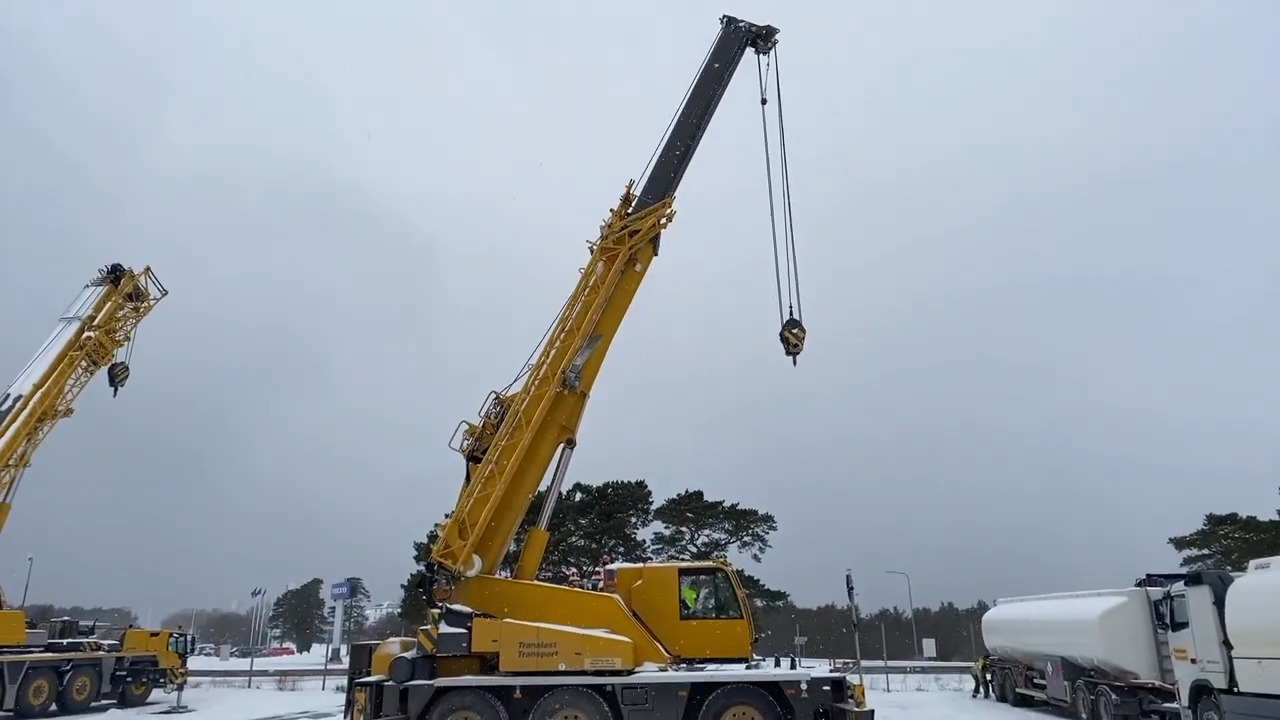
Yellow mobile cranes operating in a snowy construction site with cloudy skies, emphasizing industrial equipment during winter conditions

Ensuring Crane Repairs are Done Safely and Correctly

Safety is paramount when repairing cranes to prevent injuries. Technicians must follow strict protocols.

Using Proper Safety Equipment and Precautions

Repair work requires appropriate safety gear:

  • Wear protective clothing, gloves, and steel-toed boots at all times near moving components
  • Use insulated tools and safety glasses when working on electrical systems
  • Utilize fall protection like harnesses and railings for high-elevation maintenance
  • Properly secure cranes before repairs and tag out energy sources like compressed air lines
  • Refer to lock-out/tag-out procedures for repairing energized equipment per important tips
  • Never bypass or turn off safety devices – do repairs with full guarding of pinch points

Technicians can eliminate potential hazards during crane repairs by strictly employing safety practices.

Employing Trained and Certified Technicians

It is crucial to eliminate potential hazards by ensuring only qualified repair personnel work on cranes. Technicians must be trained on crane components, systems, essential tips, and approved repair methods.

They should understand troubleshooting techniques and electrical and mechanical maintenance requirements per industry standards. Certification demonstrates that technicians have the skills to correctly identify and resolve issues according to design parameters while following strict safety protocols.

Using certified professionals trained in crane repair helps ensure repairs are performed efficiently without the risk of future failures or injuries.

Frequently Asked Questions (Troubleshooting and Repair Techniques For Cranes)

Troubleshooting and repair techniques ensure smooth crane operations by examining and addressing various issues. This includes checking the connection method, time delay relay, and time relay contact for electrical concerns like short circuits and low coil voltage. Mechanical parts like bearing end covers and rotor cores are inspected for abnormal sounds and clean dirt accumulation.
To isolate the issue, the elimination method systematically checks components such as time delay relays, fixed contacts, and rotor end connections. In this scenario, inspecting the slip ring circuit for abnormalities like short circuits or poor contact can help resolve the crane failure and ensure smooth motor operation.
Troubleshooting involves inspecting wire rope conditions, diagnosing AC motor and relay failures, and checking connection methods and rotor circuits for faults. Techniques include examining time relay contacts, ensuring proper spring tension, and inspecting mechanical parts for optimal performance. Addressing abnormalities like rotor deformation and abnormal sounds contributes to efficient troubleshooting.
Repair crane techniques involve analyzing and resolving abnormal sounds and performance parameters by inspecting components such as the rotor end connection, motor shaft, and magnetic flux. Repair procedures ensure optimal crane functionality and safety by addressing concerns with time delay relays, fixed contacts, and emergency switches.
Inspecting mechanical parts like the main spring force and bearings is crucial when abnormal sounds occur from the end of truck wheels. Repair techniques involve checking for issues such as fixed part misalignment or worn-out components, ensuring proper functioning and rated load capacity, and cleaning dirt from the end cover and oil circuit.

real-time-diagnostics-for-cranes

Mediapayperlead-com December 11, 2024

real-time-diagnostics-for-cranes

Meta Description: Discover how real-time crane diagnostics ensure safety, maximize uptime, and streamline maintenance, utilizing advanced technologies and predictive analytics for optimal performance.

Real-time diagnostics for cranes play a crucial role in modern crane management. Monitoring equipment health through sensors and data analytics can identify potential issues early. This allows for proactive maintenance planning to optimize safety, uptime, and efficiency.

This article discusses real-time monitoring technologies and how their integrated use enables improved maintenance practices for safer and more productive crane operations.

Key Takeaways

  • Real-time diagnostics leverage sensors, data analytics, and remote monitoring to proactively detect crane issues through continuous equipment performance monitoring.
  • Predictive analytics of operating parameters help schedule optimized preventive maintenance to maximize safety and uptime while minimizing downtime costs.
  • An integrated approach analyzing usage insights aids decision-making for improvements in areas like operator training and maintenance planning for enhanced overall crane operations.

Understanding The Diagnostics For Cranes

Real-time diagnostics for cranes leverages continuous vibration monitoring systems and technology-based monitoring programs featuring wireless communication technologies to collect and analyze relevant operating data from cranes equipped with vibration sensors and monitoring installations.

Condition monitoring practices analyze vibration data and predictive maintenance through diagnostics systems to help provide a complete overview of crane components’ machine condition for preventative maintenance and minimizing downtime.

The Importance of Real-Time Crane Monitoring

Real-time crane diagnostics through continuous vibration monitoring systems and condition monitoring practices are crucial for critical crane applications. Technology-based monitoring programs leveraging wireless communication technologies and data storage capabilities provide a complete overview of crane components’ machine condition.

  • Ensuring Safety in Crane Operations: Real-time diagnostics systems monitoring vibration data and relevant operating data can identify issues early using vibration analysis. This helps prevent potential failures in hoist units, ropes, and other equipment, thus ensuring safety in crane operations.
  • Maximizing Crane Uptime and Productivity: Collecting operating parameters through monitoring a crane installation and predictive maintenance solutions helps schedule preventative maintenance, reducing downtime from unexpected failures. Remote monitoring from mobile devices also allows quick resolution of issues, maximizing crane uptime and productivity.
  • Reducing Unplanned Maintenance Costs: Condition monitoring practices and diagnostic purposes can assess machine conditions and monitor remaining service life. This helps plan maintenance for optimal operational efficiency. It also reduces unplanned maintenance costs by minimizing downtime through preventive maintenance based on vibration and other data trends.

A Deeper Look at Real-Time Crane Diagnostics Technologies

Real-time crane diagnostics leverage various monitoring systems and technologies to provide a complete overview of operating reliability. Not all monitoring systems can handle the same fundamental challenges cranes face in critical applications.

  • Sensor Technology for Performance Monitoring: Continuous vibration monitoring systems with sensors collect vibration and relevant operating data from crane components. Technologies like gear mesh frequency monitoring help detect anomalies in gear systems and other equipment, enabling predictive maintenance.
  • Advanced-Data Analytics for Anomaly Detection: Monitoring installations featuring wireless communication technologies transmit data to computer processing systems. Condition monitoring software then analyzes data records using vibration analysis and comparative data to identify issues. This advanced data analytics helps detect anomalies for preventative maintenance.
  • Predictive Maintenance through Condition Monitoring: Diagnostics systems monitor machine condition indicators like remaining service life. When drops in things like hoist units and rope hoist data are detected, predictive maintenance solutions can schedule repairs before potential failures. This minimizes downtime through condition monitoring practices.

Remote Diagnostics for Improved Issue Resolution

Remote monitoring through convenient remote diagnostics provides complete oversight of operating status. The demag status control system offers mobile device-based monitoring for multiple cranes.

This enables experts to access collected data and identify issues remotely. By leveraging wireless communication technologies, repairs can be guided remotely. This reduces downtime through minimizing downtime by resolving issues quickly from any location.

Data-Driven Insights for Optimizing Crane Operations

Real-time diagnostics generate vast amounts of relevant operating data through monitoring installations—condition monitoring practices and predictive maintenance extract valuable insights from this data.

Software with intuitive interfaces helps analyze usage patterns, component wear, and operator efficiency. This comparative data aids asset management and capital fund allocation decisions. It also identifies optimization opportunities, such as training needs, to improve operational efficiency.

Integrated Maintenance Management for Planning

Real-time diagnostics systems generate vast amounts of relevant operating data that can be used for integrated maintenance planning when connected to maintenance management software. Condition monitoring practices leverage this data to schedule preventative maintenance activities like:

  • Generating status reports on machine condition indicators to plan repairs and replacement of crane components like hoist units before remaining service life drops
  • Establishing pre-defined threshold values for vibration levels and other parameters to trigger maintenance alerts
  • Producing spare parts lists and requirements based on usage to streamline inventory management and minimize downtime from component failures
  • Providing a complete overview of the operating reliability of multiple cranes and industrial applications to aid capital funding allocation decisions

By integrating monitoring installations and diagnostic purposes data with maintenance management software, companies can save time and cost through more efficient preventative maintenance planning.

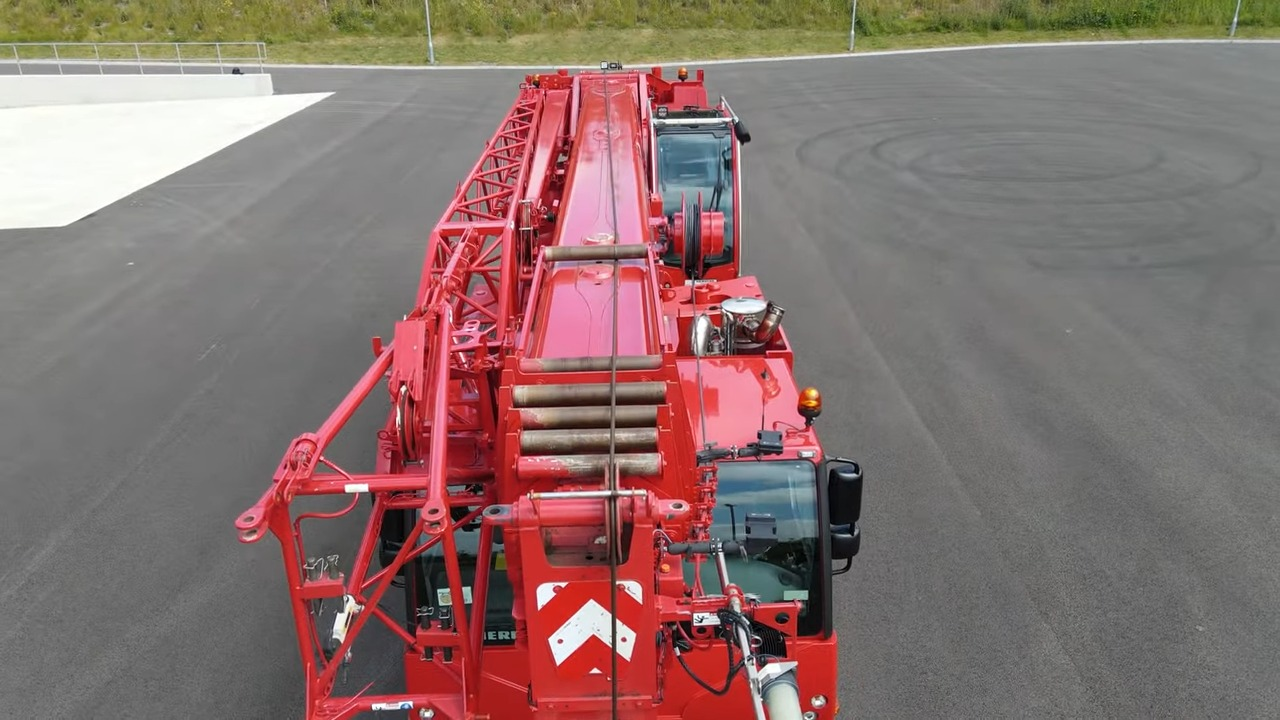
Aerial view of a large red mobile firetruck crane parked on a freshly paved road, showcasing its complex machinery and extended ladder unit for high reach operations in emergency situations

Advantages Of Real-Time Diagnostics For Cranes

Ensures safety in critical crane applications by enabling early detection of potential failures in crane components like hoist units through continuous vibration monitoring systems.

Maximizes crane uptime and operational efficiency by facilitating preventative maintenance through predictive vibration analytics and other relevant operating data collected from monitoring installations.

Reduces unplanned downtime and associated costs through condition monitoring practices that monitor machine condition indicators and schedule repairs/replacements before the remaining service life drops significantly.

Provides a complete overview of performance across multiple cranes and industrial applications to aid capital funding allocation decisions for optimized asset management.

Streamlines inventory management and minimizes downtime through integrated maintenance planning leveraging data from diagnostics systems and status reports on crane components.

It allows remote troubleshooting and repairs through convenient remote monitoring technologies, like the Demag StatusControl system, for quick issue resolution from any location via mobile devices.

Frequently Asked Questions (Troubleshooting and Repair Techniques For Cranes)

Troubleshooting and repair techniques ensure smooth crane operations by examining and addressing various issues. This includes checking the connection method, time delay relay, and time relay contact for electrical concerns like short circuits and low coil voltage. Mechanical parts like bearing end covers and rotor cores are inspected for abnormal sounds and clean dirt accumulation.
To isolate the issue, the elimination method systematically checks components such as time delay relays, fixed contacts, and rotor end connections. In this scenario, inspecting the slip ring circuit for abnormalities like short circuits or poor contact can help resolve the crane failure and ensure smooth motor operation.
Troubleshooting involves inspecting wire rope conditions, diagnosing AC motor and relay failures, and checking connection methods and rotor circuits for faults. Techniques include examining time relay contacts, ensuring proper spring tension, and inspecting mechanical parts for optimal performance. Addressing abnormalities like rotor deformation and abnormal sounds contributes to efficient troubleshooting.
Repair crane techniques involve analyzing and resolving abnormal sounds and performance parameters by inspecting components such as the rotor end connection, motor shaft, and magnetic flux. Repair procedures ensure optimal crane functionality and safety by addressing concerns with time delay relays, fixed contacts, and emergency switches.
Inspecting mechanical parts like the main spring force and bearings is crucial when abnormal sounds occur from the end of truck wheels. Repair techniques involve checking for issues such as fixed part misalignment or worn-out components, ensuring proper functioning and rated load capacity, and cleaning dirt from the end cover and oil circuit.

Professional Maintenance Services For Cranes

Mediapayperlead-com December 11, 2024

Professional Maintenance Services For Cranes

Meta Description: Professional crane maintenance services ensure safety, compliance, and minimal downtime. Our tailored solutions cover inspections, emergency repairs, and certification to meet your company’s needs.

Professional crane maintenance is crucial for operations that require heavy lifting. This article examines the key aspects and benefits of comprehensive maintenance services that keep cranes performing safely in the long run.

Regular inspections, preventive servicing, and emergency repairs will be discussed in detail, highlighting their importance for safety compliance, productivity, and cost savings.

Key Takeaways

  • Cranes require maintenance through inspections, preventive servicing, and emergency repairs to ensure safety and compliance.
  • Inspections identify wear and issues, while preventive maintenance addresses small problems before failures.
  • Emergency response minimizes costly downtime for job sites and customers.
  • Proper maintenance maximizes equipment lifespan, lowers costs, improves uptime, and supports continued safe operations over the long term.

Importance of Professional Crane Maintenance

Maintenance services for cranes through regular inspections, preventive maintenance, emergency repairs, and reliability-focused service are crucial for safety, performance, and minimizing costly downtime.

Cranes are highly specialized equipment that require well-trained technicians to conduct necessary inspections and mechanical repairs and ensure compliance with certifications for ongoing operations.

Why Cranes Require Regular Maintenance

Cranes are highly specialized equipment operating in demanding conditions, and they need professional maintenance services, including reliable service, preventive maintenance, and emergency repairs, to function safely and efficiently.

Regular inspections and compliance with certifications are essential to ensuring that these heavy-duty machines will continue to serve customers’ needs.

  • Heavy-Duty Usage and Hazardous Work Environments: Cranes are subjected to daily intensive lifting operations across different job sites, factories, and installations. They sometimes work in hazardous conditions, handling heavy components. This level of heavy-duty usage in such environments makes it crucial for technicians to conduct thorough inspections for any signs of wear and tear.
  • Safety Of Operators and Personnel: Being such complex equipment, any issues with a crane can put lives at risk. Regular maintenance through necessary inspections and mechanical repairs helps verify that safety systems are fully functional. This protects both crane operators working at heights and personnel on the shop floor.
  • Compliance With Regulations: Adhering to certifications and industry standards is essential from a legal standpoint. It also ensures these machines serving diverse customer needs function reliably without defects. Compliance is best achieved through trained servicing that inspects cranes as per regulatory mandates.
  • Maximizing Equipment Lifespan and Performance: In case of breakdowns, well-maintained cranes with preventive maintenance and emergency services have lower downtime. This improves productivity and reduces maintenance costs in the long run. Routine maintenance extends the productive lifetime of these valuable assets.

Key Aspects of Professional Crane Maintenance

Regular maintenance through inspection, preventive servicing, and emergency repairs keeps these vital machines operating reliably.

Inspections For Crane Maintenance Services

Inspections are crucial for cranes, giving technicians opportunities for improvement. Periodic checks verify safety.

  • Visual Checks and Measurements: Technicians conduct visual checks for signs of damage or defects in cranes. Measurements of wires, hooks, and other components ensure they continue to meet specifications.
  • Functional Safety Tests: Tests help ensure critical safety systems, such as brakes and emergency stops, activate as intended, reassuring operators and site personnel.
  • Identifying Wear and Tear: Close inspection allows reliable identification of parts wearing out or fatiguing under heavy usage. Replacing such components ahead of failures maintains performance and avoids unexpected downtime.

Preventive Crane Maintenance Services

Scheduled maintenance keeps cranes operating reliably by addressing minor issues before they cause downtime.

  • Routine Servicing and Lubrication: Technicians conduct preventive maintenance by regularly lubricating moving components like motors, wires, and pulleys, which reduces wear and tear.
  • Part Replacement and Adjustments: Anticipating part fatigue, technicians proactively replace such items along with necessary inspections. Adjustments optimize performance.
  • Minimizing Unexpected Breakdowns: Preventive maintenance services help avoid unplanned crane failure and the resulting costly customer delays by performing emergency repairs and addressing signs of deterioration. Reliablesing signs of deterioration. Safety is also increased through reliable preventive maintenance checks.

Emergency Repairs and Services

  • Professional crane maintenance services provide timely emergency response to unexpected breakdowns, helping minimize costly customer downtime.
  • Technicians are trained to handle any crane repair with reliable service, ensuring the safety of operations at hazardous worksites.
  • Emergency issues can be addressed promptly through mechanical repairs and necessary inspections to resume productive lifting and prevent disruptions.

Benefits of Professional Crane Maintenance

  • The safety of operators, site personnel, and the environment is maintained through strict compliance standards.
  • Maximized equipment lifespan through preventive maintenance, repairs, and reliability-focused services.
  • Minimized downtime and higher equipment uptime via quick emergency response.
  • Improved productivity for customers and job sites with reduced disruptions.
  • Lower overall maintenance costs through preventive servicing, catching small issues early
  • Performance optimization and utilization of cranes close to their total capacity.
  • Verified functionality of safety mechanisms and compliance with regulations.
  • Skilled technicians to handle inspections and repairs and ensure regulatory mandates are met.
  • Peace of mind with safety assurance and legal operation of vital lifting machinery.

Frequently Asked Questions (Troubleshooting and Repair Techniques For Cranes)

Troubleshooting and repair techniques ensure smooth crane operations by examining and addressing various issues. This includes checking the connection method, time delay relay, and time relay contact for electrical concerns like short circuits and low coil voltage. Mechanical parts like bearing end covers and rotor cores are inspected for abnormal sounds and clean dirt accumulation.
To isolate the issue, the elimination method systematically checks components such as time delay relays, fixed contacts, and rotor end connections. In this scenario, inspecting the slip ring circuit for abnormalities like short circuits or poor contact can help resolve the crane failure and ensure smooth motor operation.
Troubleshooting involves inspecting wire rope conditions, diagnosing AC motor and relay failures, and checking connection methods and rotor circuits for faults. Techniques include examining time relay contacts, ensuring proper spring tension, and inspecting mechanical parts for optimal performance. Addressing abnormalities like rotor deformation and abnormal sounds contributes to efficient troubleshooting.
Repair crane techniques involve analyzing and resolving abnormal sounds and performance parameters by inspecting components such as the rotor end connection, motor shaft, and magnetic flux. Repair procedures ensure optimal crane functionality and safety by addressing concerns with time delay relays, fixed contacts, and emergency switches.
Inspecting mechanical parts like the main spring force and bearings is crucial when abnormal sounds occur from the end of truck wheels. Repair techniques involve checking for issues such as fixed part misalignment or worn-out components, ensuring proper functioning and rated load capacity, and cleaning dirt from the end cover and oil circuit.

Mechanical Malfunctions In Cranes

Mediapayperlead-com December 11, 2024

Mechanical Malfunctions In Cranes

Meta Description: Learn about the causes, types, and prevention of crane mechanical problems, including common issues and risks associated with crane operations.

Mechanical malfunctions can disrupt crane operations and pose safety risks. This article examines common failures encountered in overhead, gantry, and mobile cranes. Fundamental causes, such as everyday wear, improper maintenance, overloading, and defects, are explored.

Understanding potential issues is crucial for selecting suitable preventative measures through proper training, scheduled inspections, and preventative maintenance practices.

Key Takeaways

  • If worn parts aren’t addressed, common crane malfunctions involve hoists, trolleys, bridges, and electrical/hydraulic systems.
  • Normal wear, improper maintenance, overloading, and rare defects are typical root causes of failures over time.
  • Following inspection/repair schedules per guidelines and operator training reduces risks of accidents from issues like cracked welds or gear damage.
  • Catching problems early through a preventative plan is more cost-effective than reactive repairs from full breakdowns impacting productivity.

Understanding Mechanical Malfunction in Cranes

Proper maintenance of crane components is essential to prevent costly downtime and safety risks. The most common mechanical issues for overhead and gantry cranes include worn wire ropes, hoist ropes, plain/ball bearings, and electrical faults in pendant cables if they are not regularly inspected and cleaned.

Over time, excessive wear and chemical exposure can eventually lead to crane failures if not addressed through preventative maintenance.

Common Types of Mechanical Issues in Cranes

Cranes are essential for lifting heavy loads but require proper maintenance to function safely and efficiently. Some common mechanical issues that can disrupt crane operations include hoist, trolley, and bridge malfunctions if worn components are not regularly inspected, repaired, or replaced.

1. Hoist Malfunctions

Worn wire ropes and hoist ropes are among the most common causes of hoist malfunctions in overhead cranes and gantry cranes. Over time and with frequent lifting loads, these critical lifting components can develop excessive wear, potentially leading to shock loads if snapped.

Preventative maintenance like thorough inspections for wire breaks and proper lubrication of plain and ball bearings can help prevent uncontrolled load movement.

2. Trolley Malfunctions

Trolley malfunctions involve issues with the trolley mechanism that moves the load horizontally along bridge beams.

Problems like oil leaks, alignment issues, or worn bearings that cause excessive heat can disrupt the crane’s ability to lift loads steadily if not addressed quickly through regular inspection and maintenance of trolley components like wheels. This can pose serious safety risks on busy job sites.

3. Bridge Malfunctions

Bridge malfunctions involve issues with the bridge structure that supports the trolley and moves horizontally along runway beams. Over time, fatigue from frequent loading can cause cracks in welded contacts of bridge components like girders.

This presents safety risks if not addressed through thorough inspections and preventative maintenance, such as chemical cleaning to prevent corrosion from environmental exposure. Bridge damage can also lead to costly repairs and downtime if not caught early.

4. Slewing Malfunctions

  • Issues with gears, motors, or hydraulic components in the slewing mechanism that enables rotation of the crane superstructure can cause alignment and skew issues. This disrupts the operator’s ability to properly position the crane for lifting loads.
  • Leaks in hydraulic lines, hoses, or cylinders also present safety and operational risks if they interfere with smooth rotation or cause excessive heat buildup over time.
  • Worn bearings that support the heavy rotating structure can similarly lead to alignment problems and potential damage to other components if not regularly lubricated and inspected.
  • Electrical faults must also be caught and repaired to prevent power disruption to slewing motors that control rotation for precise load positioning.

5. Electrical Malfunctions

As cranes rely heavily on electrical components like motors, controls, and pendant cables to operate reliably, regular inspections for faults that disrupt the power supply or pose safety risks over time are essential.

Issues like short circuits, insulation failures, or overheating in motors due to excessive load can lead to costly downtime if not addressed promptly through thorough inspections. This is especially important for overhead cranes that operate in wet or chemically exposed environments.

6. Hydraulic Malfunctions

Many heavy-lifting cranes also incorporate hydraulic systems for slewing, luffing, and other movements. Problems with hydraulic lines, cylinders, pumps, or hoses that cause leaks or pressure issues can interfere with smooth operation and load control.

Hose failures are a particular concern, and manufacturers’ guidelines on replacement schedules and tie-back inspection must be followed to prevent rupture and potential accidents from sudden hose whips. Regularly cleaning hydraulic components removes contaminants that can damage seals or cause excessive wear.

7. Structural Damage

Cranes are meant to lift and move heavy loads safely, but overloading, improper operation techniques, or accidents can cause structural damage over time if they are not properly maintained.

Issues like cracks in critical load-bearing components like booms, hooks, or outriggers must be inspected regularly to catch damage early before it worsens, leading to more severe problems.

Adhering to load limits and safe operating conditions is also essential to prevent damage that could cause accidents and costly repairs for worn structural elements.

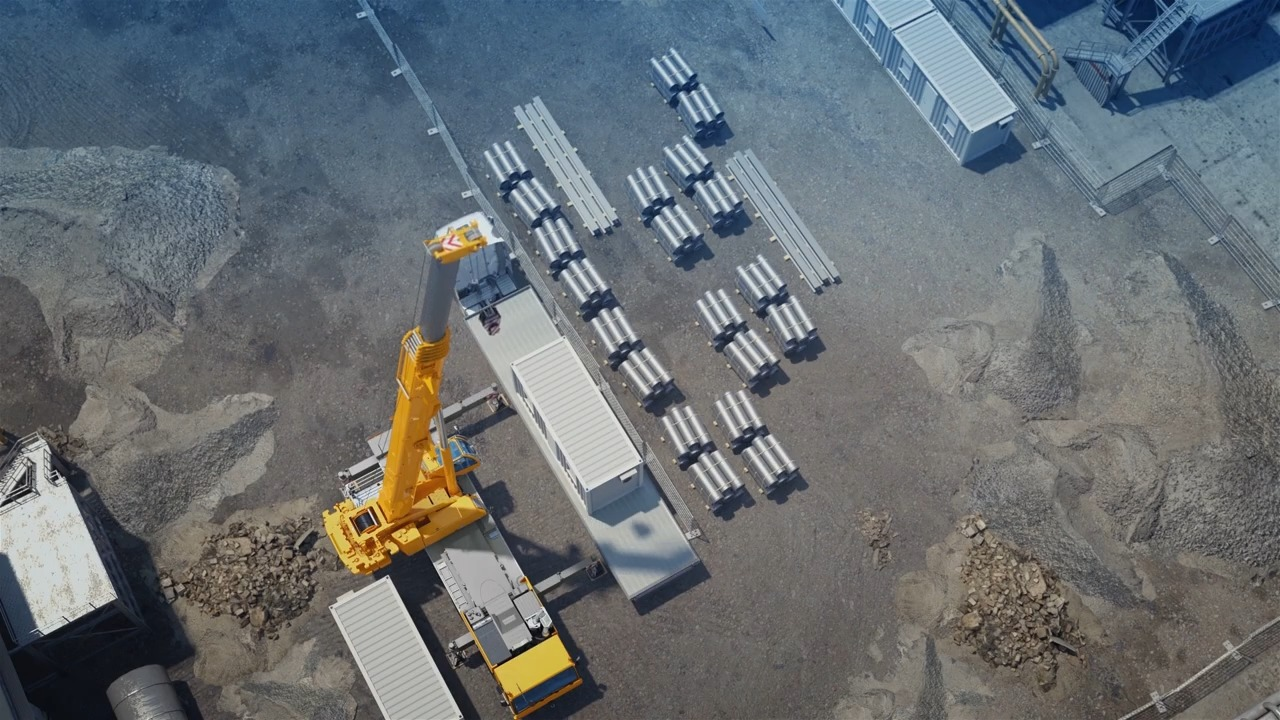
Aerial view of a construction site with a yellow crane, metal beams, and equipment on a gravel surface, emphasizing industrial development and heavy machinery usage

Causes of Mechanical Problems In Cranes

Many factors can lead to disruptive mechanical issues if not properly addressed through scheduled maintenance and inspections. Understanding the root causes is key to reducing the risks of failures.

Normal Wear and Tear

It is usual for crane components that experience frequent and heavy loads to experience some degree of wear over time. However, excessive wear that can compromise safety needs to be caught and addressed before potentially leading to failures.

Conducting thorough inspections and replacing worn parts per manufacturer guidelines can prevent issues from developing.

Improper Maintenance

Missing or delayed maintenance is a significant cause of mechanical malfunctions. Inspecting cranes regularly per a preventative plan and keeping accurate records of repairs are essential for identifying problems early.

Adhering to schedules ensures components are cleaned, lubricated, and adjusted properly to maximize usable life. Neglecting maintenance can result in costly repairs and downtime from avoidable damage.

Design or Manufacturing Defects

On rare occasions, mechanical failures can arise from design or manufacturing defects not caught during quality testing.

Issues like cracks or weaknesses in critical load-bearing components from the factory can potentially lead to accidents if excessive stresses are placed on damaged parts through regular operation or shock loads.

Thorough equipment inspections and adherence to load ratings help prevent damage from latent defects.

Overloading or Misuse

Ignoring load charts or misusing cranes by shocking or jerking loads can accelerate wear and potentially cause failures.

Careless operation practices go against manufacturer instructions and put operators and equipment at serious risk over the long run through added mechanical stresses. Education on proper techniques and compliance with safety protocols is important to avoid operator-induced issues.

Human Error

Even well-trained crane operators are susceptible to lapses that can lead to mechanical problems. Mistakes like leaving components unsecured during maintenance, dropping tools into machinery, or misaligning parts pose risks.

Strict lockout/tagout compliance and careful work practices are necessary to minimize preventable human errors that can cause safety incidents or require costly repairs.

Frequently Asked Questions (Troubleshooting and Repair Techniques For Cranes)

Troubleshooting and repair techniques ensure smooth crane operations by examining and addressing various issues. This includes checking the connection method, time delay relay, and time relay contact for electrical concerns like short circuits and low coil voltage. Mechanical parts like bearing end covers and rotor cores are inspected for abnormal sounds and clean dirt accumulation.
To isolate the issue, the elimination method systematically checks components such as time delay relays, fixed contacts, and rotor end connections. In this scenario, inspecting the slip ring circuit for abnormalities like short circuits or poor contact can help resolve the crane failure and ensure smooth motor operation.
Troubleshooting involves inspecting wire rope conditions, diagnosing AC motor and relay failures, and checking connection methods and rotor circuits for faults. Techniques include examining time relay contacts, ensuring proper spring tension, and inspecting mechanical parts for optimal performance. Addressing abnormalities like rotor deformation and abnormal sounds contributes to efficient troubleshooting.
Repair crane techniques involve analyzing and resolving abnormal sounds and performance parameters by inspecting components such as the rotor end connection, motor shaft, and magnetic flux. Repair procedures ensure optimal crane functionality and safety by addressing concerns with time delay relays, fixed contacts, and emergency switches.
Inspecting mechanical parts like the main spring force and bearings is crucial when abnormal sounds occur from the end of truck wheels. Repair techniques involve checking for issues such as fixed part misalignment or worn-out components, ensuring proper functioning and rated load capacity, and cleaning dirt from the end cover and oil circuit.

Comprehensive Guide To Hydraulic System Repairs For Cranes

Mediapayperlead-com December 11, 2024

Comprehensive Guide To Hydraulic System Repairs For Cranes

Meta Description: Discover effective crane hydraulic system repairs to ensure safe and efficient operation, from diagnosing issues to comprehensive repairs.

Hydraulic systems play a vital role in cranes’ safe and efficient operation. However, these complex systems can sometimes experience issues from wear and tear over time.

This article provides an in-depth overview of common hydraulic problems cranes encounter, steps for correctly diagnosing issues, and guidelines for repairing systems to restore dependable performance.

Key Takeaways

  • Hydraulic systems are critical to crane operations but are subject to wear issues, such as leaks, component damage, and fluid contamination from heavy usage.
  • Proper diagnosis of hydraulic problems involves visual inspection, identifying abnormal noises, and targeted testing of parts and functions.
  • Certified repair procedures include gathering replacement components, disassembling faulty areas, thorough cleaning and inspection, and reassembly to restore full functionality and prevent downtime.

Understanding Hydraulic Systems in Cranes

Hydraulic systems are crucial components of cranes that use pressurized hydraulic fluid and lifting cylinders to generate the necessary force for heavy lifting.

These systems can experience wear from frequent use at construction sites, and repairs often involve leak repair, replacing worn components like cylinders and pumps, and fluid maintenance. Proper repairs and maintenance are essential to ensure cranes can safely lift heavy loads without failures.

Common Issues with Hydraulic Systems in Cranes

Hydraulic systems in cranes are subject to frequent wear and tear due to the heavy lifting and movement of components at construction sites. Common issues include leakage, component damage, fluid contamination, and malfunctions.

1. Leakage

Frequent leaks in hydraulic hoses, cylinders, pumps, or other parts can develop due to normal system pressures and the movement of parts over long periods of operation. Leakage causes loss of hydraulic fluid, reduction in pressure, and potential safety issues if left unrepaired.

2. Component Wear and Damage

Parts like cylinders, pumps, valves, and hoses that experience heavy stress are most prone to wear over time. Worn seals, cracks, and damage can develop, impairing the system’s ability to generate sufficient force for lifting and operating safely.

3. Contamination of Hydraulic Fluid

Contaminants from dirt, debris, and wear debris can build up in hydraulic fluid if not changed or filtered properly. Contaminated fluid can cause damage to sensitive components and malfunctions.

4. Malfunctions

Failure of components like pumps, valves, or cylinders can cause the entire hydraulic system to malfunction, potentially at the worst possible moment when loads are suspended. Safety issues and downtime result if not addressed through comprehensive repairs.

Diagnosing Hydraulic System Problems In Cranes

Crane operators and service technicians must properly diagnose any hydraulic system issues. This involves thorough inspection and testing to identify root causes.

  • Inspecting for Visual Clues: A visual inspection detects leaks, damaged hoses, or worn components. Looking for fluid stains or residues around joints and examining parts for cracks and deterioration helps pinpoint the source of problems.
  • Identifying abnormal Noises or Movements: Listening and observing the crane during operation can provide clues. Noises from strained pumps or valves and sluggish movement or jerky motions when lifting loads suggest issues that require further investigation.
  • Testing and Troubleshooting: Hydraulic pressure gauges, flow meters, and diagnostic software allow each part and function to be systematically tested. Simulating workload and checking for pressure drops or inconsistencies helps technicians troubleshoot and determine the next steps for repair. Addressing issues promptly prevents further damage or safety concerns down the line.

Repair Procedures For Cranes

Once problems are diagnosed, certified technicians follow specific procedures to repair hydraulic systems safely and effectively.

  • Gathering Tools and Replacement Parts: Proper repair requires tools like wrenches, seals, and spare parts like pumps, valves, or cylinders. Having the necessary parts and tools on hand saves repair time without requiring additional trips for supplies.
  • Disassembling Affected Components: Isolating faulty components involves carefully removing hoses, pipes, and other parts to access problem areas. Disconnecting parts according to repair manuals is important for reassembly later on.
  • Inspecting and Cleaning: Thoroughly inspecting each part allows technicians to identify worn seals, cracks, or blockages. Cleaning contaminants from parts and flushing fluid lines removes debris that could cause issues. Addressing each issue found leads to a long-lasting repair.

Frequently Asked Questions (Troubleshooting and Repair Techniques For Cranes)

Troubleshooting and repair techniques ensure smooth crane operations by examining and addressing various issues. This includes checking the connection method, time delay relay, and time relay contact for electrical concerns like short circuits and low coil voltage. Mechanical parts like bearing end covers and rotor cores are inspected for abnormal sounds and clean dirt accumulation.
To isolate the issue, the elimination method systematically checks components such as time delay relays, fixed contacts, and rotor end connections. In this scenario, inspecting the slip ring circuit for abnormalities like short circuits or poor contact can help resolve the crane failure and ensure smooth motor operation.
Troubleshooting involves inspecting wire rope conditions, diagnosing AC motor and relay failures, and checking connection methods and rotor circuits for faults. Techniques include examining time relay contacts, ensuring proper spring tension, and inspecting mechanical parts for optimal performance. Addressing abnormalities like rotor deformation and abnormal sounds contributes to efficient troubleshooting.
Repair crane techniques involve analyzing and resolving abnormal sounds and performance parameters by inspecting components such as the rotor end connection, motor shaft, and magnetic flux. Repair procedures ensure optimal crane functionality and safety by addressing concerns with time delay relays, fixed contacts, and emergency switches.
Inspecting mechanical parts like the main spring force and bearings is crucial when abnormal sounds occur from the end of truck wheels. Repair techniques involve checking for issues such as fixed part misalignment or worn-out components, ensuring proper functioning and rated load capacity, and cleaning dirt from the end cover and oil circuit.

Crane Maintenance Guide: Ensuring Safety and Compliance

Mediapayperlead-com December 11, 2024

Crane Maintenance Guide: Ensuring Safety and Compliance

Meta Description: Learn the importance of crane maintenance for safe operations and compliance. Explore key areas of focus for effective preventative maintenance.

Proper crane maintenance is crucial for construction operations. This guide covers the key aspects of an effective preventative maintenance program, including inspection of critical components, safety checks, and documentation best practices.

Adhering to routine service schedules and addressing issues promptly helps reduce safety risks and prevent costly downtime from unexpected repairs.

Key Takeaways

  • Proper crane maintenance through regular inspections and addressing worn parts is vital for safety compliance and preventing unplanned downtime.
  • Developing a preventative program, including inspection of critical components like ropes, hooks, brakes, and gears, helps reduce risks.
  • Adhering to the manufacturer’s replacement schedules and service recommendations ensures lifting mechanisms function reliably over the long run.

Importance Of Crane Maintenance

Crane maintenance is crucial for safe operations and OSHA compliance. It helps identify potential safety hazards from worn wires, loose items, or improper working mechanisms before they put operators and workers at risk.

Regular inspections and following preventative maintenance schedules are essential for mobile cranes, overhead cranes, and all types of lifting equipment.

This ensures compliance with statutory inspection requirements and the manufacturer’s recommendations for replacing wheels, wires, brake pads, and other components after a certain number of operating hours or signs of excessive wear.

Why is Crane Maintenance Important?

Crane maintenance plays a vital role in construction operations. It helps ensure safe crane performance and prevents unexpected downtime and expenses. Some key reasons for prioritizing regular crane upkeep include:

Safety Benefits of Regular Maintenance

  • Identifying and addressing potential safety concerns like worn wires or parts that could fail.
  • Ensuring compliance with inspection standards and safety procedures.
  • Reducing safety risks to operators and workers below by detecting hazards in advance.
  • Maintaining proper alignment and operation of lifting mechanisms, brakes, and other components.

Preventing Unplanned Downtime and Costly Repairs

  • Catching issues like excessive wear or loose items before they cause repairs or repairs.
  • Avoid extended periods of downtime for unexpected repairs or replacements.
  • Reducing overall repair costs by performing routine maintenance versus reactive repairs.
  • Extending equipment lifespan and avoiding premature replacement of wheels, wires, and other parts.

Key Areas of Focus for Crane Maintenance

Inspecting and maintaining certain components are crucial to ensure safe crane operation and compliance. Addressing high-priority areas helps catch issues before they result in unsafe conditions.

Crane Inspections Cycle and Procedures

Developing a preventative maintenance program, including frequent visual inspections, allows for systematic compliance inspections and daily/weekly safety checks. This helps spot potential problems through routine inspections and ensures cranes are in proper working order.

Common Worn Parts and Their Replacement Schedule

Key parts like wire ropes, hoist chains, brake pads, and wheels are inspected periodically for serious wear according to hours of operation. Manufacturer’s recommendations provide guidance on maintenance schedules and requirements for replacing such consumable components after an extended period of use.

Safety Equipment Checks

Critical lifting mechanisms, hydraulic systems, and safety devices must be thoroughly inspected to verify proper operation. Ensuring compliance with proper alignment, calibration, and functioning of brakes, controls, and limit switches helps reduce safety risks.

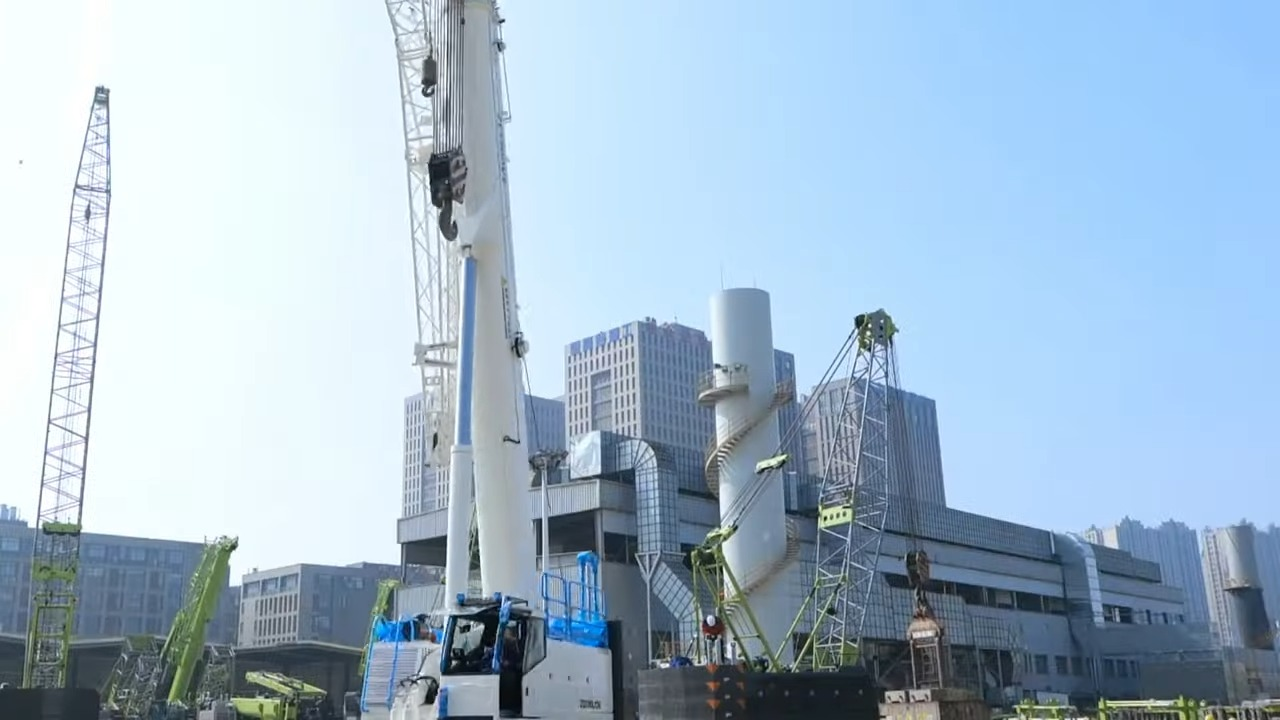
Active construction site with multiple cranes and modern urban buildings in the background on a clear sunny day

Maintenance of Crane Critical Components

Given the risks involved, specific components require close attention during inspections.

Proper Wire Rope Inspection

Wire ropes must be thoroughly inspected for broken wires or excessive wear. Manufacturer’s recommendations guide replacement based on usage and visible signs of damage. Catching broken strands early prevents potential safety risks.

Pulley Maintenance

Pulleys are key load-bearing parts and require regular visual checks. Inspecting for cracks, damage, or wear ensures proper operation and reduces the likelihood of failures or loose items. Pulley wheels, shafts, and bearings are examined to verify components are not excessively worn.

Hook and Chain Examination

Hooks and hoist chains connect the crane to materials, requiring careful inspection for deformations or serious wear indicators. Safety hazards can arise if cracks or 10% wear are present, so these critical parts are inspected according to standards.

Hook Upkeep

Crane hooks require vigilant inspection for cracks, deformations, or wear indicators that could compromise integrity if left unaddressed.

Operators carefully examine hooks used for hoisting materials to verify they function properly without 10% wear or other defects as specified in standards. This reduces potential safety risks posed by worn hooks failing under load.

Maintaining Brakes, Brake Drums, and Systems

Brakes, drums, and hydraulic/mechanical systems must be inspected on schedule. Maintenance, such as replacing worn brake pads according to the manufacturer’s recommendations, is also essential.

Ensuring brake alignment and response times meet specifications is also crucial for controlling load movement safely. Over time, addressing issues promptly prevents unsafe conditions from developing with these critical safety mechanisms.

Gear Systems

  • Gears are required to be inspected periodically for excessive wear on teeth and surfaces. This helps identify issues before the 25% wear limits are reached.
  • Proper lubrication is essential to reduce friction and wear on constantly moving parts. Gearboxes and differentials containing oils and greases are checked for leakage that could lead to failures over time.
  • Replacement or repair of gears is scheduled based on manufacturer recommendations, which consider hours of use to prevent safety risks from unexpected breakdowns under load. Addressing problems promptly also reduces downtime costs from unplanned repairs.

Thorough inspection and maintenance of high-stress components like gears help ensure lifting and load-bearing mechanisms function safely and reliably as intended by OEM specifications. This supports compliance and safe crane operation in the long term.

Frequently Asked Questions (Troubleshooting and Repair Techniques For Cranes)

Troubleshooting and repair techniques ensure smooth crane operations by examining and addressing various issues. This includes checking the connection method, time delay relay, and time relay contact for electrical concerns like short circuits and low coil voltage. Mechanical parts like bearing end covers and rotor cores are inspected for abnormal sounds and clean dirt accumulation.
To isolate the issue, the elimination method systematically checks components such as time delay relays, fixed contacts, and rotor end connections. In this scenario, inspecting the slip ring circuit for abnormalities like short circuits or poor contact can help resolve the crane failure and ensure smooth motor operation.
Troubleshooting involves inspecting wire rope conditions, diagnosing AC motor and relay failures, and checking connection methods and rotor circuits for faults. Techniques include examining time relay contacts, ensuring proper spring tension, and inspecting mechanical parts for optimal performance. Addressing abnormalities like rotor deformation and abnormal sounds contributes to efficient troubleshooting.
Repair crane techniques involve analyzing and resolving abnormal sounds and performance parameters by inspecting components such as the rotor end connection, motor shaft, and magnetic flux. Repair procedures ensure optimal crane functionality and safety by addressing concerns with time delay relays, fixed contacts, and emergency switches.
Inspecting mechanical parts like the main spring force and bearings is crucial when abnormal sounds occur from the end of truck wheels. Repair techniques involve checking for issues such as fixed part misalignment or worn-out components, ensuring proper functioning and rated load capacity, and cleaning dirt from the end cover and oil circuit.

What is a Water Truck

Mediapayperlead-com December 11, 2024

What is a Water Truck

Meta Description: Explore the essential role of water trucks in dust suppression, fire control, and soil compaction. Learn about the different types of water trucks, their main applications, and the benefits they offer to various industries.

Water trucks are an essential piece of equipment for many industries and applications. They are used for dust suppression, fire protection, and road maintenance. However, it is important to understand their key features and uses with different types of water trucks available.

This article provides a comprehensive overview of water trucks – what they are, common types, their benefits, and how choosing the right one can help various businesses.

Key Takeaways:

  • Water trucks come in different types for varied applications and terrains like standard, off-road, trailers, and special-use vehicles.
  • They carry water in tanks made from durable materials like steel and aluminum in capacities ranging from 300 to 60,000 gallons.
  • Renting a water truck provides benefits like dust suppression, fire control, road construction support, and agricultural/mining applications.
  • Choosing the right type based on needs can help businesses effectively handle tasks like soil preparation, fire safety, irrigation, and dust management.

Understanding of Water Truck

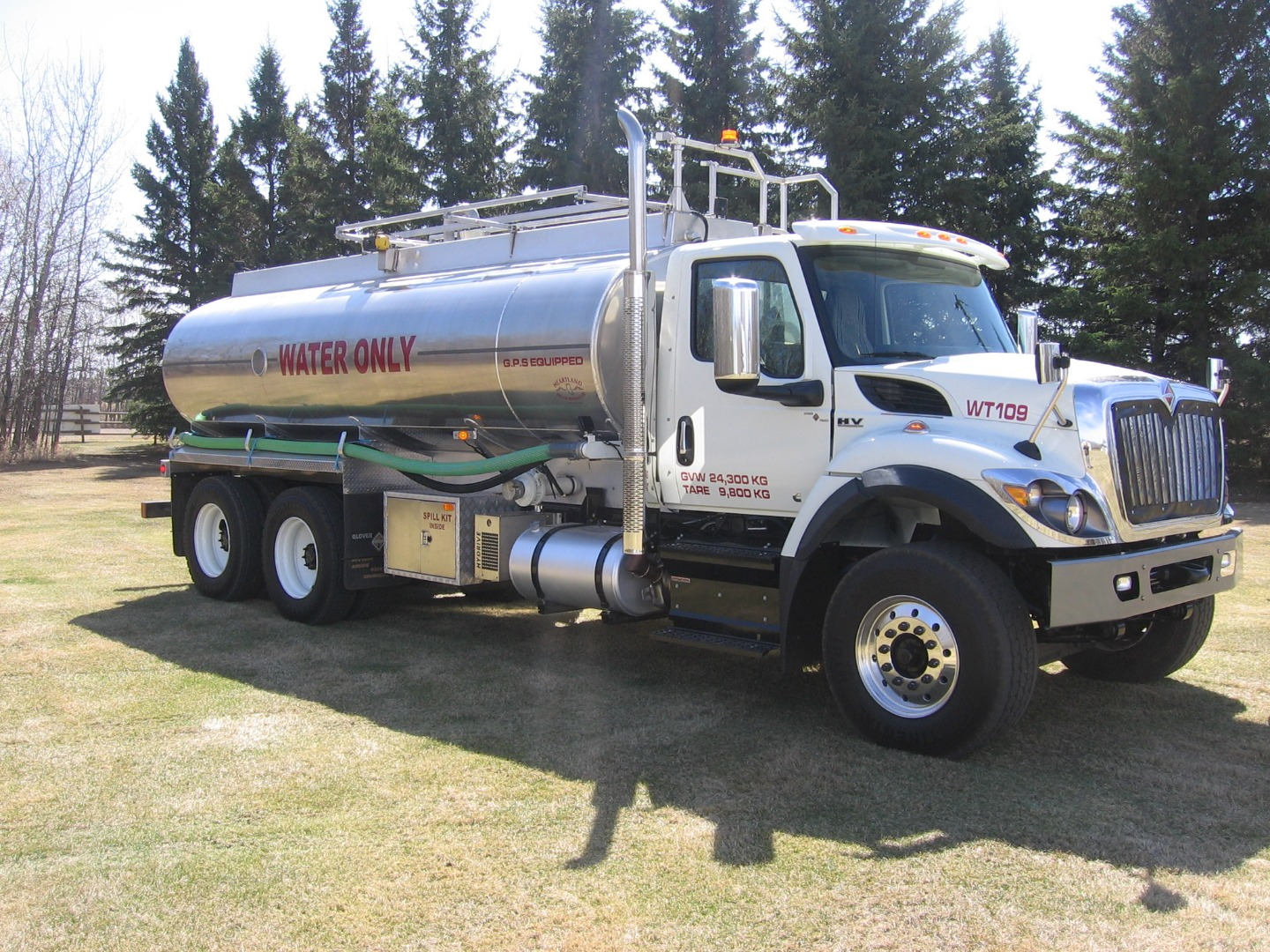
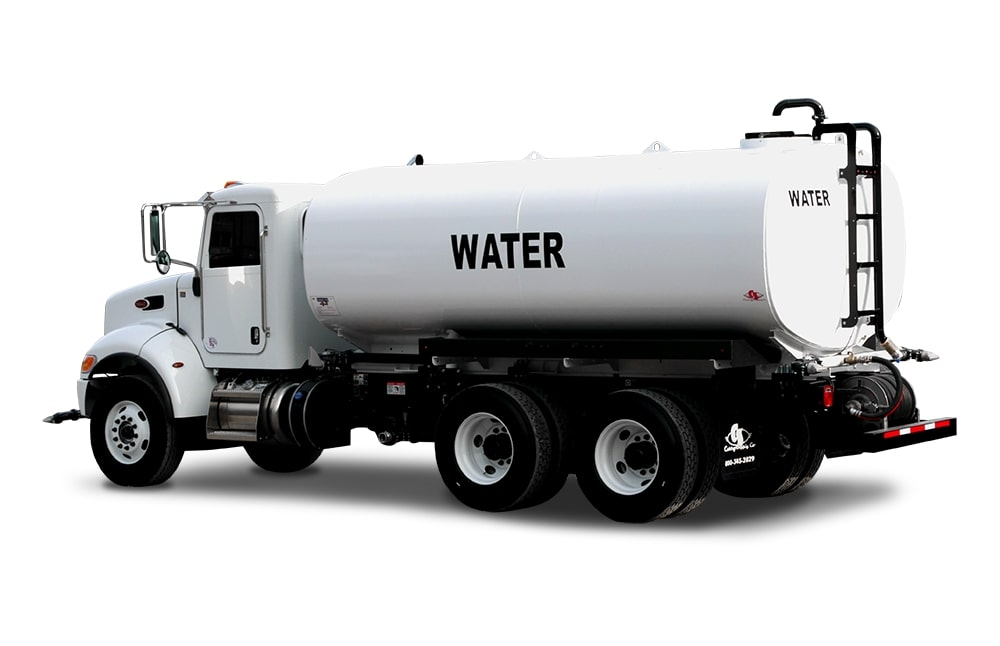
A water truck, also known as a water tanker, is a specialized truck that carries large volumes of potable water in its rectangular tank. It transports water to job sites, rural areas, construction sites, and mining sites to supply water for dust suppression, soil compaction, fire control, and keeping livestock alive.

Main Applications

Water trucks have four main applications:

  1. Dust suppression – They are used to carry water and spray it using spray nozzles and dribble bars to control dust at construction sites, mining sites, and other areas prone to air pollution from dust particles. This helps reduce lung and eye irritation for workers.
  2. Fire prevention and control – They transport water to rural areas and act as a mobile solution to help fire trucks in fire-prone areas. The water is used for fire hydrants and to fight fires, helping protect remote areas directly.
  3. Soil compaction and grading – Water trucks carry water to job sites, spraying it onto the soil to prepare the ground for activities involving heavy equipment like vibratory plates. Maintaining the right amount of water-to-soil ratio is important for effective soil compaction.
  4. Agricultural use – These specialized trucks are a familiar sight in the farming sector, where they transport drinking water and carry water for livestock and irrigation needs to keep crops and livestock alive in agricultural areas with sparse water supply.

Types of Water Trucks

Water trucks come in different types specialized for various jobs and terrains. The main types are:

Standard (Rigid, On-Road) Trucks

Standard water trucks, or rigid or on-road water trucks, are among the most common types. They have a rigid frame and are used for tasks like dust suppression at construction sites accessible by standard roads using spray nozzles. They transport potable water in their rectangular tank to job sites.

Off-Road (Rigid) Trucks

Off-road rigid water tank trucks are designed for rough terrains like mining and remote construction sites. They have higher ground clearance and are often used in mining and quarry sites for dust control, helping reduce lung irritation for workers.

The water is distributed using dribble bars for effective dust suppression.

Tank Trailers

You can find tank trailers in various sizes, which you can tow with different types of smaller vehicles like trucks. Smaller trailers often range from 300 to 3,000 gallons in tank capacity.

Tank trailers offer a flexible option to transport water to job sites, as they can be attached to various vehicles and are often used for smaller construction projects in urban and rural areas.

Special Use Trucks

Because water tankers are often custom-built, many special-use vehicles are available for large-scale construction or agricultural industry needs. Some common types include:

  • Scraper trucks outfitted with a custom tank to transport water on job sites for tasks like preparing soil.
  • Slide-in tank trucks allow a tank to slide into the back of a dump truck, transforming it into a water tanker for transporting large volumes of potable water on job sites.
  • Hook-lift trucks that can attach tank containers of just the right amount of water to distribute using spray nozzles for dust suppression at sites prone to air pollution from soil particles.

Water Tank Materials and Capacities

The tanks on water trucks are specialized to carry large volumes of potable water for various applications. The material used depends on the job.

Common Materials Used

The tanks are typically made of durable materials like steel or aluminum that can withstand harsh construction, mining, and agriculture job site conditions. Steel tanks are versatile and available in rectangular shapes, making them suitable for standard and off-road water trucks transporting water.

Fiberglass and polyethylene are also used as they are lightweight yet corrosion-resistant, important for carrying drinking water and preventing lung irritation.

Tank Capacities by Truck Type

Tank capacities vary depending on the truck type and application. Standard trucks commonly have tanks holding 2,000 to 6,000 gallons. Off-road trucks have larger capacities of 8,000 to 40,000 gallons to supply water for dust suppression at remote mining sites.

Smaller tank trailers range from 300 to 3,000 gallons, while larger trailers for trucks transport 4,000-12,000 gallons of water to job sites and rural areas. Special-use scraper trucks and slide-in tanks can hold even larger volumes.

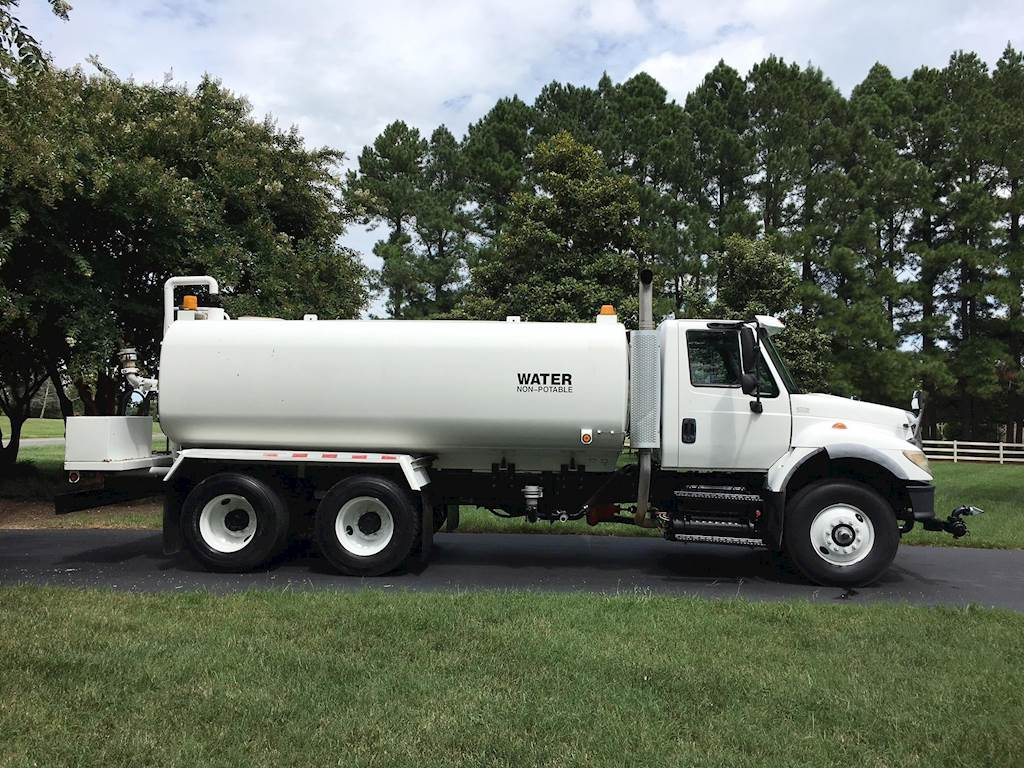
a white water truck parked on the side of a road

Benefits of Renting a Water Truck

Renting a water truck can serve valuable purposes for businesses involved in construction, mining, agriculture, and more by providing a mobile solution.

Dust Suppression

Water trucks rented for dust suppression can help reduce lung irritation for workers at job sites prone to air pollution from dust particles.

The water is sprayed using specialized spray nozzles and dribble bars to control dust at construction projects, mining sites, and rural areas. This improves the safety of workers.

Fire Prevention and Control

Renting a water truck also provides benefits for fire control and prevention. They can be a backup for fire trucks, transporting potable water to fire hydrants and rural areas far from fire stations.

The water is used to fight fires in fire-prone areas or wet down dry areas as a precautionary measure during hot seasons, helping protect remote job sites and agricultural lands from potential wildfires.

Road Construction and Maintenance

Renting a water truck is beneficial for road construction projects where water needs to be sprayed onto soil using specialized spray nozzles to prepare the ground and maintain the proper soil ratio.

This helps achieve adequate compaction of soil particles by heavy equipment like vibratory plates and grading equipment. Water trucks also spray soil and control dust on job sites during road works and maintenance activities.

Agricultural and Mining Applications

The agricultural industry and mining sites widely use rented water tankers to carry large amounts of potable water for various needs. In farming areas, water is required to irrigate crops and keep livestock alive.

Mining sites use water trucks for dust suppression by distributing water using dribble bars to control air pollution from dust at remote job sites. This helps reduce lung irritation in workers at such sites.

Frequently Asked Questions (Troubleshooting and Repair Techniques For Cranes)

Troubleshooting and repair techniques ensure smooth crane operations by examining and addressing various issues. This includes checking the connection method, time delay relay, and time relay contact for electrical concerns like short circuits and low coil voltage. Mechanical parts like bearing end covers and rotor cores are inspected for abnormal sounds and clean dirt accumulation.
To isolate the issue, the elimination method systematically checks components such as time delay relays, fixed contacts, and rotor end connections. In this scenario, inspecting the slip ring circuit for abnormalities like short circuits or poor contact can help resolve the crane failure and ensure smooth motor operation.
Troubleshooting involves inspecting wire rope conditions, diagnosing AC motor and relay failures, and checking connection methods and rotor circuits for faults. Techniques include examining time relay contacts, ensuring proper spring tension, and inspecting mechanical parts for optimal performance. Addressing abnormalities like rotor deformation and abnormal sounds contributes to efficient troubleshooting.
Repair crane techniques involve analyzing and resolving abnormal sounds and performance parameters by inspecting components such as the rotor end connection, motor shaft, and magnetic flux. Repair procedures ensure optimal crane functionality and safety by addressing concerns with time delay relays, fixed contacts, and emergency switches.
Inspecting mechanical parts like the main spring force and bearings is crucial when abnormal sounds occur from the end of truck wheels. Repair techniques involve checking for issues such as fixed part misalignment or worn-out components, ensuring proper functioning and rated load capacity, and cleaning dirt from the end cover and oil circuit.

What Are Water Trucks Used For

Mediapayperlead-com December 11, 2024

What Are Water Trucks Used For

Meta Description: Water trucks are used for dust control, firefighting, soil compaction, and irrigation support. They play a crucial role in various industries, including construction and agriculture.

Water trucks are versatile vehicles that serve essential functions across multiple industries. These specialized vehicles have large tanks to haul water and spray nozzles to disperse it where needed.

Water trucks are vital in managing dust at construction sites, supplying water for firefighting in rural areas, or supporting irrigation during drought. This article discusses the key uses of water trucks in detail and how these applications help improve business operations.

Key Takeaways:

  • Water trucks, also known as water tanker trucks, are familiar in various industries.
  • These specialized trucks have large water tanks of varying sizes for transporting water.
  • They are key in dust control, firefighting, soil compaction, and irrigation support.
  • Water trucks are custom vehicles designed for transporting water to where it’s needed most.

What Are Water Trucks?

Water trucks, also known as water tankers or tanker trucks, are specialized heavy equipment used to transport and distribute water. Equipped with large tanks and spray nozzles, these versatile vehicles haul potable water and distribute it where needed.

Uses of Water Trucks Across Different Industries

Water trucks are familiar at construction sites, mining operations, rural fire-prone areas, and agricultural lands, serving vital functions like dust control, soil compaction, firefighting, and irrigation support during drought.

They transport water for drinking, grading equipment operations, and keeping livestock alive in remote locations.

1. Dust Control

Water trucks effectively control dust at construction sites and mining operations by dispersing water through spray nozzles to suppress dust from heavy equipment like grading machinery.

Issues with Dust at Construction and Mining Sites

Dust at these sites can impede the progress of construction workers and miners. It also raises risks of lung irritation, eye issues, bronchitis, asthma, and heart disease for those working.

How Water Trucks Help Manage Dust

Water trucks ranging from 2,000 to 20,000 gallons help tamp down dust. Their spray nozzles remove harmful dust particles from workers’ air, improving safety.

Benefits of Dust Control

  • Protects environmental air quality by reducing air pollution
  • Speeds up work by improving visibility at sites
  • Lowers health risks for construction workers and miners
  • Ensures compliance with safety and respiratory standards

2. Firefighting

Water trucks are vital in fire control, especially for rural areas without nearby fire hydrants.

Need for Water Trucks in Rural Areas

These remote locations require water trucks to haul potable water supplies to fire trucks. They provide a critical water source to fight fires in countryside settings lacking alternative water sources.

Uses of Water Trucks in Fire Control and Prevention

Besides supplying water to firefighting vehicles, water trucks also help by dampening dry, fire-prone areas near agricultural and forest lands.

This prevents potential wildfires from spreading to wider remote areas and keeps livestock alive on grazing land. Their spray nozzles help control blazes and protect property in rural zones at risk of intense drought-fueled fires.

3. Soil Compaction

Proper soil compaction is critical in preparing stable foundations for large-scale construction projects like buildings, roads, bridges, etc. Heavy machinery works to densify the earth and remove air pockets, but maintaining the right water content within the soil is key.

Too little or too much moisture can compromise the integrity and safety of the final product. Water trucks play an invaluable role in supporting this process.

Process of Soil Compaction

The soil at construction sites undergoes compaction to form a flat, load-bearing surface. Equipment like vibratory plates, rollers, and rammers squeeze out air from the soil profile while preserving the optimum water content level.

Challenges in Maintaining Proper Water Content

With changing site conditions and equipment needs, it’s difficult for workers to monitor and control the water level in compacted soil continuously. Excess water leads to muddy, unstable grounds, while insufficient moisture hinders proper adhesion of dry particles.

Role of Water Trucks in Soil Compaction

Water trucks ranging from 2,000-20,000 gallons in size provide an adaptable solution. Their spray systems allow precise water distribution to maintain the ideal liquid-to-soil ratio recommended for compaction.

This critical function helps ensure structures can be built safely and to high-quality standards on compacted soil bases prepared with water trucks.

4. Farming

Agriculture is highly dependent on adequate water availability. Prolonged drought conditions can spell disaster for rural communities and the farming industry. Water trucks become indispensable during such crises, helping farmers endure a lack of rainfall.

Impact of Drought on Agriculture

Prolonged droughts severely impact crop yields and livestock well-being. With irrigation disrupted, entire harvests and herds are at risk. This threatens livelihoods and food security across vast rural regions.

How Water Trucks Support Irrigation During Water Shortage

Water trucks with capacities ranging from 2,000 to 20,000 gallons transport recycled water from other sources to arid farmlands. There, their spray nozzles precisely distribute the liquid to maintain the irrigation of crops.

This keeps agricultural production ongoing, saving both yields and livestock. Farmers rely on these specialized vehicles to weather even the most intense drought periods and protect their livelihoods. Without water trucks, entire harvest seasons could be lost, endangering the farming sector.

Frequently Asked Questions (Troubleshooting and Repair Techniques For Cranes)

Troubleshooting and repair techniques ensure smooth crane operations by examining and addressing various issues. This includes checking the connection method, time delay relay, and time relay contact for electrical concerns like short circuits and low coil voltage. Mechanical parts like bearing end covers and rotor cores are inspected for abnormal sounds and clean dirt accumulation.
To isolate the issue, the elimination method systematically checks components such as time delay relays, fixed contacts, and rotor end connections. In this scenario, inspecting the slip ring circuit for abnormalities like short circuits or poor contact can help resolve the crane failure and ensure smooth motor operation.
Troubleshooting involves inspecting wire rope conditions, diagnosing AC motor and relay failures, and checking connection methods and rotor circuits for faults. Techniques include examining time relay contacts, ensuring proper spring tension, and inspecting mechanical parts for optimal performance. Addressing abnormalities like rotor deformation and abnormal sounds contributes to efficient troubleshooting.
Repair crane techniques involve analyzing and resolving abnormal sounds and performance parameters by inspecting components such as the rotor end connection, motor shaft, and magnetic flux. Repair procedures ensure optimal crane functionality and safety by addressing concerns with time delay relays, fixed contacts, and emergency switches.
Inspecting mechanical parts like the main spring force and bearings is crucial when abnormal sounds occur from the end of truck wheels. Repair techniques involve checking for issues such as fixed part misalignment or worn-out components, ensuring proper functioning and rated load capacity, and cleaning dirt from the end cover and oil circuit.

Water Truck Spray Heads vs Water Cannons

Mediapayperlead-com December 11, 2024

Water Truck Spray Heads vs Water Cannons

Meta Description: A detailed comparison of water truck spray heads and cannons for effective water distribution. Choose the right system for your specific needs.

Water trucks serve essential functions like dust suppression, irrigation, and firefighting. An important consideration for water truck owners is choosing the right water distribution system. There are typically two main options – spray head nozzles or water cannons.

This article will provide a detailed comparison of these two systems, analyzing their key features, advantages, disadvantages, and suitable use cases. We aim to help you determine the best solution for your water distribution needs.

Key Takeaways:

  • Water cannons are suited for applications requiring precision targeting and coverage of large/hard-to-reach areas from a distance, like dust suppression and firefighting.
  • Spray head nozzles are best for broad and even water distribution needs over vast areas, such as irrigation and soil compaction.
  • Factors to consider include the intended use, terrain, budget, and operator expertise required for the advanced functionalities of cannons.
  • While cannons have benefits like control and versatility, nozzles are more affordable; the right choice depends on the specific water distribution needs.

What are Water Cannons?

Water cannons are high-pressure water delivery systems predominantly used in dust suppression, firefighting, and mining operations. They can pivot and be controlled remotely or manually to direct a powerful water stream to specific targets.

Key Advantages of Water Cannons

  1. Precision targeting allows users to aim at specific areas with accuracy
  2. Extended reach to cover significant distances owing to high-pressure capability
  3. Adaptable flow patterns with adjustable settings to modify spray patterns
  4. Efficient water usage with the ability to deliver water precisely and minimize wastage
  5. Versatility for adaptability to different environments like construction and firefighting
  6. Remote operation of the latest water cannons directly from the cab

Key Disadvantages of Water Cannons

  1. Higher costs requiring more investment and additional maintenance costs
  2. Training requirements for operation in specialized scenarios
  3. Potential for misuse, especially in crowd control situations that can cause injuries

What are Spray Head Nozzles?

Spray head nozzles are a traditional means of water distribution consisting of perforated nozzles or pipes designed to provide consistent and even water distribution over broad areas like plantations, roads, or construction sites.

Key Advantages of Spray Head Nozzles

  1. Broad coverage with even water distribution is ideal for watering vast stretches
  2. Adaptability to suit varying terrains and drench flat to uneven surfaces uniformly
  3. Cost-effectiveness with generally lower costs than water cannons and simpler maintenance
  4. Easy to use with simple design, making them suitable for users without expertise

Key Disadvantages of Spray Head Nozzles

  1. Limited reach requiring closer proximity to target areas, unlike water cannons
  2. Less precision as they are designed for even distribution over large areas
  3. Less control over water pressure and flow, which typically remains consistent

Comparing the Differences

The primary distinction between water cannons and spray head nozzles lies in their range, reach, maneuverability, and control capabilities.

Range and Reach Capabilities

Water cannons have the upper hand in delivering concentrated water streams over extended distances owing to their high-pressure and adjustable nozzle settings. They can cover significant distances, making them useful in target areas far from the truck.

In contrast, spray head nozzles have limited range and require closer proximity to the target, given their spray coverage.

Control Over Water Flow and Patterns

Water cannons offer flexible control with adjustable settings to modify spray patterns from a straight stream to fine mist as needed. This ensures efficient water use.

Spray head nozzles typically have consistent water pressure and cannot change the spray pattern for precision applications.

Precision Targeting Abilities

The ability to pivot and aim water cannons remotely or manually allows for directing powerful water streams to specific targets with high accuracy. At the same time, spray heads are designed for broad and even distribution over large areas.

Choosing the Right Option

When selecting between water cannons and spray head nozzles, it’s important to evaluate your specific needs and conditions.

Factors to Consider for Intended Use

The intended application plays a key role. Water cannons are well-suited for uses requiring precision targeting like dust suppression, whereas spray nozzles are more practical for routine tasks like irrigation where even distribution is primary.

Environmental and Operational Factors

Conditions like terrain and distance from the target area must be considered. In mining operations with obstacles, cannons can precisely apply water from afar to save time and fuel versus multiple trips. Their high-pressure delivery also ensures coverage of large or hard-to-reach areas.

Budget and Expertise Required

The initial investment, maintenance costs, and operator training needs must be evaluated based on individual budgets and skill levels. While cannons offer benefits, nozzles provide some users with a more cost-effective and easy-to-use solution.

When to Choose Spray Heads over Cannons

Spray head nozzles may be preferable for routine tasks that require broad coverage over large areas, such as:

  • Irrigation of vast plantations, roads, or construction sites for soil compaction
  • Their simple design and lower costs make them easy to use and maintain for everyday applications

When to Choose Cannons over Spray Heads

Water cannons are better suited when:

  • Precision targeting is essential for applications like dust suppression, firefighting,
  • The work area has obstacles, steep terrain, or locations far from the water truck
  • Versatility is needed to adapt to various environments, from mining to crowd control
  • Budget allows for higher investment, as benefits like extended reach and control justify costs
  • Operators require advanced functionalities for specialized operations like those in remote areas

Their pressure control and adjustable nozzles efficiently cover large or hard-to-reach areas from a safe distance. Overall, cannons’ precision and versatility advantages often outweigh the increased costs.

Frequently Asked Questions (Troubleshooting and Repair Techniques For Cranes)

Troubleshooting and repair techniques ensure smooth crane operations by examining and addressing various issues. This includes checking the connection method, time delay relay, and time relay contact for electrical concerns like short circuits and low coil voltage. Mechanical parts like bearing end covers and rotor cores are inspected for abnormal sounds and clean dirt accumulation.
To isolate the issue, the elimination method systematically checks components such as time delay relays, fixed contacts, and rotor end connections. In this scenario, inspecting the slip ring circuit for abnormalities like short circuits or poor contact can help resolve the crane failure and ensure smooth motor operation.
Troubleshooting involves inspecting wire rope conditions, diagnosing AC motor and relay failures, and checking connection methods and rotor circuits for faults. Techniques include examining time relay contacts, ensuring proper spring tension, and inspecting mechanical parts for optimal performance. Addressing abnormalities like rotor deformation and abnormal sounds contributes to efficient troubleshooting.
Repair crane techniques involve analyzing and resolving abnormal sounds and performance parameters by inspecting components such as the rotor end connection, motor shaft, and magnetic flux. Repair procedures ensure optimal crane functionality and safety by addressing concerns with time delay relays, fixed contacts, and emergency switches.
Inspecting mechanical parts like the main spring force and bearings is crucial when abnormal sounds occur from the end of truck wheels. Repair techniques involve checking for issues such as fixed part misalignment or worn-out components, ensuring proper functioning and rated load capacity, and cleaning dirt from the end cover and oil circuit.

Water Truck Maintenance

Mediapayperlead-com December 11, 2024

Water Truck Maintenance

Meta Description: Discover the importance of water truck maintenance and its benefits for industries. Learn about the key areas of focus, effective maintenance plans, and the role of Custom Truck One Source in providing reliable water truck solutions.

Water trucks are essential to many industries, helping transport water safely and efficiently wherever needed. However, operating in varied conditions can significantly wear and tear these vehicles.

This article discusses why proper maintenance is important to maximize the lifespan and performance of water trucks. Key benefits like safety, compliance, efficiency, and cost-savings will be covered, along with tips and a checklist for effective maintenance.

Key Takeaways:

  • Proper maintenance maximizes water trucks’ lifespan while minimizing repair costs through regular inspections and servicing.
  • Routine upkeep delivers benefits like improved safety, increased efficiency, ensured compliance, and protection of resale value.
  • Developing maintenance schedules, checklists, and record-keeping systems helps catch issues early to prevent expensive failures.
  • Addressing concerns promptly is important to avoid unnecessary downtime between critical water delivery operations across industries.

Understanding the Importance of Maintenance

Proper upkeep of water trucks is essential to maximize their usage lifespan while minimizing repair costs. Regular servicing is vital in keeping these vehicles operating efficiently for many industries.

Preventing Costly Breakdowns and Repairs

  • Regular maintenance tasks like changing air filters, inspecting hoses, and checking fluid levels help prevent potential damage to components like the engine and pumps.
  • Addressing minor issues promptly avoids costly repairs down the line. Neglecting fluid changes or leaks can accelerate wear and lead to breakdowns.
  • Inspections of lights, brakes, and other safety systems ensure safe operation and compliance with regulations. This avoids penalties and downtime from failures.
  • Checking items like tires, belts, and hydraulic fluid catches small issues before they require extensive repairs or cause accidents.

Maximizing Equipment Lifespan

  • Proper maintenance extends the usable life of water trucks, lowering long-term expenses versus premature replacements.
  • Tasks like lubricating moving parts and cleaning tank debris reduce friction and prevent corrosion over time.
  • Regular maintenance schedules catch defects early on, whether in the engine, hoses, or spray nozzles. This protects components from potential damage.
  • Maintaining items in good working condition, from fluid levels to the performance of the water pump, optimizes each system’s longevity.
  • Addressing concerns promptly and performing periodic services protects the initial investment in these valuable vehicles.

Benefits of Proper Maintenance

Regular upkeep offers various advantages for water trucks and their operations across industries.

1. Improved Safety

Proper maintenance is crucial to ensure the vehicle’s and its operators’ safety. Regular inspections of components like brakes, lights, and fluid levels can prevent accidents caused by faulty equipment.

Checking tires, hydraulic fluid, and spray nozzles reduce the risk of injuries on challenging job sites. Addressing issues promptly keeps these trucks functioning reliably to deliver water safely.

2. Increased Efficiency

Well-maintained water trucks can operate more productively, lowering fuel costs and emissions through efficient engine performance. Tasks like changing air filters and inspecting hoses improve combustion.

This enhances the truck’s fuel economy while extending the equipment’s lifespan. Routine maintenance improves traction over varied terrain through regular tire rotations and fluid level checks. Such optimization maximizes water delivery capabilities.

3. Ensuring Compliance

Water trucks must meet environmental and safety regulations to avoid penalties. Regular maintenance and inspections help meet emission standards through efficient operation. It also ensures trucks stay in good condition to pass mandatory inspections.

Proper upkeep is key to safely transporting and disposing of materials like chemicals according to compliance requirements. This protects businesses from legal risks.

4. Minimized Downtime

Unplanned breakdowns can significantly impact productivity. Inspection and servicing of engine, brakes, and other components helps identify issues before escalating.

For example, worn brake pads can be caught and changed, avoiding accidents. Routine fluid checks also reduce the risk of leaks that may ground the vehicle. Addressing concerns proactively minimizes repair downtime between water delivery tasks.

5. Higher Resale Value

Well-cared-for trucks fetch higher resale prices than those in poor condition. Maintenance ensures fewer major defects, making units more attractive to buyers. Service records also give confidence that the vehicle requires minimal additional work. This optimized residual value benefits the bottom line.

6. Protecting Business Reputation

Breakdowns, accidents, and non-compliance stemming from neglected maintenance undermine reputation. Proper upkeep prevents safety issues and equipment failures that delay projects.

It also ensures environmental standards and legal mandates are met when transporting materials. Compliance safeguards the business from penalties that hurt credibility and goodwill within industries.

A white water truck with a large tank on the back, parked on a road

Developing an Effective Maintenance Plan

Creating a structured preventative maintenance program is key to deriving the benefits of proper upkeep.

Establishing Routine Maintenance Schedules

Setting a schedule for regular oil changes, filter inspections, and other recurring tasks ensures components receive scheduled attention. This helps catch small issues before requiring costly repairs and avoids equipment downtime between critical water delivery operations.

Performing Periodic Inspections

Inspecting items like the engine, brakes, and spray nozzles regularly helps proactively identify signs of wear. This protects components from potential damage and catches defects early to optimize performance. Inspections also ensure safety and compliance standards are maintained across varied worksites.

Addressing Issues Promptly

Maintaining maintenance as issues arise is important, as neglecting small problems can accelerate wear. Quickly resolving detected concerns prevents minor repairs from becoming major ones. It also avoids unnecessary breakdowns and limits disruptions to water transportation schedules between industries.

Comprehensive Maintenance Checklist

Developing a checklist ensures routine inspections target all essential water truck components.

Safety Systems Check

From lights and signals to brakes, looking closely at safety equipment helps prevent accidents. Inspecting items like the backup alarm and fire extinguisher maintains regulatory compliance and worker protection on job sites.

Engine and Fluids Inspection

The engine powers water delivery operations across industries. Checking fluid levels, belts, filters, and hoses catches signs of wear before costly repairs are needed. Draining old oil helps maximize efficiency while protecting the engine for reliable water transportation in large quantities as required.

Water Delivery System Check

As the primary function, closely examining the water tank, pump, spray nozzles, and hoses protects this system.

Inspecting for leaks in the plumbing and cleaning debris from storage areas like the tank maintains optimal spray pressure. This ensures efficient dust suppression across mining worksites and irrigation for agriculture.

Other Key Areas of Focus

Inspecting other essentials like the hydraulic fluid, air filters, and fuel delivery also protects the truck’s performance.

Checking items that experience wear, such as brake pads and coolant levels, catches issues before requiring costly repairs or downtime between water delivery jobs in construction. Maintaining paint and decals also prevents corrosion, maximizing the vehicle’s lifespan.

Optimizing Maintenance Through Record-Keeping

Documenting inspections and repairs helps optimize future upkeep.

  • Tracking Service History: Note dates and details of fluid changes, filter replacements, and other routine maintenance tasks. Record issues noticed during inspections to catch developing trends early. Document parts replaced along with mileage at repairs for component lifespan analysis. Maintain work orders and invoices to track expenditures for budget planning.
  • Monitoring Repair and Replacement Trends: Recognizing frequently replaced items can guide preventative maintenance. This helps minimize downtime from repetitive unplanned repairs between water delivery jobs.
  • Planning Future Expenditures: Reviewing service records aids in budgeting for upcoming tasks. This ensures necessary maintenance before critical failures, avoiding costly emergency repairs that reduce truck reliability in industries like construction.

Frequently Asked Questions

Frequently Asked Questions (Troubleshooting and Repair Techniques For Cranes)

Troubleshooting and repair techniques ensure smooth crane operations by examining and addressing various issues. This includes checking the connection method, time delay relay, and time relay contact for electrical concerns like short circuits and low coil voltage. Mechanical parts like bearing end covers and rotor cores are inspected for abnormal sounds and clean dirt accumulation.
To isolate the issue, the elimination method systematically checks components such as time delay relays, fixed contacts, and rotor end connections. In this scenario, inspecting the slip ring circuit for abnormalities like short circuits or poor contact can help resolve the crane failure and ensure smooth motor operation.
Troubleshooting involves inspecting wire rope conditions, diagnosing AC motor and relay failures, and checking connection methods and rotor circuits for faults. Techniques include examining time relay contacts, ensuring proper spring tension, and inspecting mechanical parts for optimal performance. Addressing abnormalities like rotor deformation and abnormal sounds contributes to efficient troubleshooting.
Repair crane techniques involve analyzing and resolving abnormal sounds and performance parameters by inspecting components such as the rotor end connection, motor shaft, and magnetic flux. Repair procedures ensure optimal crane functionality and safety by addressing concerns with time delay relays, fixed contacts, and emergency switches.
Inspecting mechanical parts like the main spring force and bearings is crucial when abnormal sounds occur from the end of truck wheels. Repair techniques involve checking for issues such as fixed part misalignment or worn-out components, ensuring proper functioning and rated load capacity, and cleaning dirt from the end cover and oil circuit.

Tank Cleaning For Water Trucks

Mediapayperlead-com December 11, 2024

Tank Cleaning For Water Trucks

Meta Description: Meta Description: Learn the step-by-step process for thorough cleaning and disinfection of water truck storage tanks, hoses, and components. Discover the importance of tank cleaning for water trucks and get answers to frequently asked questions.

Cleaning the water tank trucks properly is essential to ensure safe water delivery. This guide will walk you through the step-by-step process to thoroughly clean and disinfect your water truck’s storage tank, hoses, and other components.

Learning the correct cleaning procedure to eliminate impurities and microbes that could otherwise contaminate the water supply during transport. Following these best practices will also help maintain your equipment between uses.

Key Takeaways:

  • Properly determine water type (potable vs non-potable) and select the right tank based on prior contents to transport water safely.
  • Thoroughly prepare by emptying and cleaning tanks, hoses, and pumps with the correct cleaning solution and equipment.
  • Follow the cleaning process by scrubbing tank interiors and running the detergent mixture through hoses to remove impurities.
  • Ensure disinfection by chlorinating tanks and hoses before a final rinse with clean water. Prepare equipment for next use.

Why Cleaning Water Trucks is Important?

Cleaning water trucks regularly is crucial to ensure high-quality, clean water delivery. Using the proper cleaning solution, process, and equipment, like a high-pressure jet or stiff brush, helps remove impurities from the tank, hoses, and pump.

This eliminates problems like chemicals, chlorine, bacteria, and other microbes from contaminating the water supply and areas where the water is transported.

Determining Water Type and Tank

When cleaning water trucks, it’s important to determine the type of water and select the proper tank.

Potable vs Non-Potable Water

  • Potable water that is transported must be in a clean tank, hoses, and pump free of chemicals and chlorine to ensure the quality and safety of the water for human consumption.
  • Non-potable water doesn’t require as thorough cleaning but still needs disinfecting to prevent problems for its intended use.

Selecting the Right Tank

  • Choose a tank that has only held clean water previously if transporting potable water to avoid contamination.
  • Consider tanks of appropriate size that can hold the required amount of water for the job.
  • Don’t use a tank that once carried milk or other liquids without thorough cleaning and disinfecting with the proper solution.

Preparation

Proper preparation is key before starting to clean water trucks.

Emptying the Tank

  • Empty the tank to be cleaned by opening valves and outlets to drain all water, chemicals, and residue.
  • Remove any tools like hoses stored inside so they can also be cleaned.

Gathering Cleaning Supplies

  • Collect all necessary equipment for cleaning, including a high-pressure jet, stiff brush, hot water, cleaning solution, and disinfectant.
  • Have a mixture of detergent and hot water ready to thoroughly clean tank interiors, hoses, and pumps.
  • Gather chlorine or other disinfectants to fill tanks and disinfect all parts afterward.

Cleaning Process

The cleaning process involves thoroughly cleaning the tank interior, hoses, pumps and using the proper cleaning solution.

  • Cleaning the Tank Interior: A mixture of detergent and hot water is applied to scrub the tank’s internal surfaces with a stiff brush or high-pressure jet to remove any residue or chemicals left inside.
  • Cleaning Hoses and Pumps: Hoses and pumps that may have collected debris from prior uses are cleaned by running the hot water and detergent mixture through them.
  • Using Detergent and Hot Water: When applied with equipment like a stiff brush or high-pressure jet, cleaning detergent with hot water helps dissolve and flush dirt and buildup from the tank, hoses, and pumps. Running the mixture through the hoses also cleans the inner surfaces.

Disinfection

  • Disinfecting the tank is an important step to ensure clean water transport.
  • Chlorine is added to fill the tank partially with clean water to disinfect and kill bacteria and microbes.
  • The disinfectant mixture is then run through hoses for an hour by pumping or filling one end to clean inner surfaces.

Rinsing and Completion

  • Tanks are thoroughly rinsed with clean water until all chlorine residue is removed.
  • Water is then filled and left to sit before emptying to check for any remaining chemicals.
  • Rinsing ensures the tank interior is clean and ready for the next load of potable water.

Frequently Asked Questions (Troubleshooting and Repair Techniques For Cranes)

Troubleshooting and repair techniques ensure smooth crane operations by examining and addressing various issues. This includes checking the connection method, time delay relay, and time relay contact for electrical concerns like short circuits and low coil voltage. Mechanical parts like bearing end covers and rotor cores are inspected for abnormal sounds and clean dirt accumulation.
To isolate the issue, the elimination method systematically checks components such as time delay relays, fixed contacts, and rotor end connections. In this scenario, inspecting the slip ring circuit for abnormalities like short circuits or poor contact can help resolve the crane failure and ensure smooth motor operation.
Troubleshooting involves inspecting wire rope conditions, diagnosing AC motor and relay failures, and checking connection methods and rotor circuits for faults. Techniques include examining time relay contacts, ensuring proper spring tension, and inspecting mechanical parts for optimal performance. Addressing abnormalities like rotor deformation and abnormal sounds contributes to efficient troubleshooting.
Repair crane techniques involve analyzing and resolving abnormal sounds and performance parameters by inspecting components such as the rotor end connection, motor shaft, and magnetic flux. Repair procedures ensure optimal crane functionality and safety by addressing concerns with time delay relays, fixed contacts, and emergency switches.
Inspecting mechanical parts like the main spring force and bearings is crucial when abnormal sounds occur from the end of truck wheels. Repair techniques involve checking for issues such as fixed part misalignment or worn-out components, ensuring proper functioning and rated load capacity, and cleaning dirt from the end cover and oil circuit.

Safety Inspections For Water Trucks

Mediapayperlead-com December 11, 2024

Safety Inspections For Water Trucks

Meta Description: A detailed guide to conducting safety inspections for water trucks, covering key components and operational aspects for maintaining functionality and safety.

Safety inspections are critical to maintaining water truck functionality and ensuring the safety of operators and the public. Regular inspections help identify potential issues and ensure compliance with safety regulations.

This article aims to provide a systematic approach to conducting comprehensive safety inspections for water trucks, covering key components and operational aspects.

Key Takeaways:

  • Regular inspections of water trucks are essential to catch safety issues early and ensure these important vehicles are roadworthy.
  • Inspectors must thoroughly check the truck’s interior, exterior, and operational components like the brakes, pump, and water distribution system.
  • Proper documentation of inspection findings is critical for compliance, accountability, and identifying maintenance or training needs.
  • Conducting inspections with a focus on high-risk areas can help water truck operators improve situational awareness and reduce hazards.

Pre-Inspection Preparation

Operators must ensure their water trucks are thoroughly prepared before a safety inspection. Taking the proper precautions and gathering the right tools can help facilitate an efficient vehicle evaluation.

Gather Necessary Tools and Equipment

Some essential items on hand include checklists to document the inspection process, torque wrenches to ensure tight fittings, fluid level indicators to check for leaks or contamination, and personal protective equipment like gloves, boots, and safety glasses to maintain a safe working environment.

Ensure a Safe Inspection Environment

The area around the water truck should be cleared of debris, mud, or puddles to avoid slipping hazards. Proper lighting and ventilation should also be verified, as some internal tank areas may require inspectors to enter confined spaces.

Signage or spotters may be needed if the inspection location is adjacent to a roadway. Operators must follow lock-out/tag-out procedures by draining tanks, disconnecting hoses, and isolating pumps before inspectors evaluate internal components and systems.

Exterior Inspection

A thorough visual check of the water truck’s exterior helps ensure the vehicle’s overall condition and ability to operate safely on the roadways.

Check for Signs of Damage or Wear

Inspectors should examine the truck’s body, frame, and attachments for any cracks, dents, rust, or tearing that could compromise structural integrity. Particular attention should be paid to stress points like welds and attachment points for hoses, pumps, and tanks.

Verify the Condition of Tires and Wheels

Tires are crucial to maintaining control and stability, especially when fully loaded. Inspectors must check for proper tread depth, bulges, cuts, or other issues that could lead to slippage or blowouts at operating speeds and weights.

Wheels should also be evaluated for cracks, bends, or looseness that could cause loss of inflation or alignment problems.

Inspect Lights, Signals, and Reflective Markings

All lighting and conspicuity devices help ensure the truck is visible to operators on various roads and working conditions. Inspectors must verify headlights, turn signals, brake lights, strobe lights, if equipped, and reflective tape are all in good working order and meet regulatory standards to reduce risks of accidents.

Inspectors should also ensure they have the correct specification documentation for the specific truck model as a reference during the evaluation.

Interior Inspection

In addition to exterior checks, thoroughly inspecting the water truck’s interior areas is essential to catch any issues that could impact safe operation.

Examine the Condition of the Driver’s Compartment

Inspectors must check for damage, debris, fluid leaks, and cleanliness in the operator’s seating area. Proper functioning of ventilation, windshield wipers, and defrosters is important to maintain visibility and situational awareness under various operating conditions.

Check the Functionality of Controls and Gauges

All critical controls like the steering wheel, gear shifter, brake, and accelerator pedals should be evaluated for excessive play and wear. Gauges indicating fluid levels, temperatures, and pressures must be calibrated and in working order to prevent sudden operational issues or overloading.

Verify the Condition of Safety Features

Seat belts, warning lights, and emergency equipment keep operators secure. Inspectors must confirm safety belts are not frayed or torn and that emergency items like fire extinguishers have not exceeded expiration dates and are properly mounted.

Tank and Pump Inspection

The water tank and pumping system are crucial components that must withstand pressure and safely contain their load.

Check the Integrity of the Water Tank

Inspectors need to examine the tank interior and exterior for corrosion, holes, cracks, or other signs of degradation. Tank thickness and materials should meet specifications to safely retain sufficient water levels and pressures without risk of spillage or bursting under load.

Inspect Hoses, Valves, and Fittings for Leaks or Damage

All connection points between the tank, pump, and plumbing need close evaluation for tears, leaks, or looseness that could cause water surges. Proper operation of valves is critical to control water flow and prevent accidental discharge or loss of load.

Verify the Functionality of the Water Pump

The pump motor, seals, and impeller must operate correctly to transfer water efficiently without causing mechanical failures or loss of prime pressure. Inspectors should confirm the pump performs as intended under various flow rates and pressures.

a white truck with a water tank on the back of it

Operational Test

While visual inspections are important, putting key systems through operational tests can uncover hidden issues affecting the water truck’s performance and safety.

Test the Functionality of the Water Distribution System

Inspectors should check that spray nozzles, valves, and hoses work as intended to control water flow and distribution patterns across various output intervals. This helps ensure the truck can be safely operated and oversaturation of the surrounding area is avoided.

Conduct a Test Run to Check Vehicle Performance

A trial drive allows the inspection of critical components like braking, steering, and pumping systems under working conditions. Inspectors can monitor for abnormalities in operation, fluid pressures, and gauge readings.

Acceleration and deceleration should be tested to confirm the truck’s weight and water load are properly managed to reduce risks of hazardous road accidents.

Documentation and Reporting

  • Thoroughly document the inspection process and results on a checklist for record-keeping
  • Note any deficiencies, repairs, or maintenance required to ensure safe operation.
  • Provide a full report of inspection findings, including photos of issues, to communicate with operators and managers quickly.
  • Record changes to component specifications, weight limits, or operating procedures following maintenance work.
  • Checklists and reports should include details on truck VIN, odometer reading, date, and inspectors’ names for accountability.
  • Maintain accurate records to monitor recurring issues, schedule future inspections, and ensure compliance with regulations.
  • Provide operators with a driver inspection checklist to encourage situational awareness and daily checks of fluid levels, leaks, and wear items before operating.
  • Use inspection data to identify training needs and improve safety through targeted lessons for operators on high-risk components, load securement, or defensive driving techniques

Frequently Asked Questions (Troubleshooting and Repair Techniques For Cranes)

Troubleshooting and repair techniques ensure smooth crane operations by examining and addressing various issues. This includes checking the connection method, time delay relay, and time relay contact for electrical concerns like short circuits and low coil voltage. Mechanical parts like bearing end covers and rotor cores are inspected for abnormal sounds and clean dirt accumulation.
To isolate the issue, the elimination method systematically checks components such as time delay relays, fixed contacts, and rotor end connections. In this scenario, inspecting the slip ring circuit for abnormalities like short circuits or poor contact can help resolve the crane failure and ensure smooth motor operation.
Troubleshooting involves inspecting wire rope conditions, diagnosing AC motor and relay failures, and checking connection methods and rotor circuits for faults. Techniques include examining time relay contacts, ensuring proper spring tension, and inspecting mechanical parts for optimal performance. Addressing abnormalities like rotor deformation and abnormal sounds contributes to efficient troubleshooting.
Repair crane techniques involve analyzing and resolving abnormal sounds and performance parameters by inspecting components such as the rotor end connection, motor shaft, and magnetic flux. Repair procedures ensure optimal crane functionality and safety by addressing concerns with time delay relays, fixed contacts, and emergency switches.
Inspecting mechanical parts like the main spring force and bearings is crucial when abnormal sounds occur from the end of truck wheels. Repair techniques involve checking for issues such as fixed part misalignment or worn-out components, ensuring proper functioning and rated load capacity, and cleaning dirt from the end cover and oil circuit.