A Step-By-Step Guide: How to Build a Dumpster Enclosure

Mediapayperlead-com December 10, 2024

A Step-By-Step Guide: How to Build a Dumpster Enclosure

Meta Description: Learn simple steps to construct a durable and secure fence enclosure for your dumpster through this guide on planning and building a temporary fence for a dumpster corral and how to build a full one to keep trash areas organized.

This article provides a step-by-step guide to building an effective dumpster enclosure for commercial properties. A dumpster enclosure is vital in keeping trash areas organized and out of public view. It prevents unwanted dumping and animal intrusion.

This guide will help you understand the key aspects of designing and constructing an enclosure that meets local regulations and serves the purpose of securing your dumpsters aesthetically and functionally.

Key Takeaways

  • A dumpster enclosure provides organization and security for dumpsters while keeping them out of sight.
  • Proper enclosure dimensions ensure dumpsters fit while allowing access to garbage trucks.
  • Building an enclosure involves choosing materials, digging post holes, installing posts and frameworks, and attaching panels or fencing according to design plans.

Understanding the Need for a Commercial Dumpster Enclosure

Having a dumpster on commercial property is essential for efficient waste management. However, uncovered dumpsters can lead to various issues that affect a business’s overall operations and aesthetics. Building an appropriate enclosure helps address such problems while meeting local regulations.

Benefits of Having an Enclosure

It prevents unauthorized access to the dumpster, keeping waste secured. This stops illegal dumping by strangers and reduces contamination that may result in unwanted fees.

Enclosures protect dumpsters from wind and animals, ensuring trash does not litter the area. This maintains a clean and hygienic environment and a fenced-in area around the property.

They offer visual screening for dumpsters, keeping them out of public view. This improves the curb appeal and image of an office building and the commercial space.

Common Problems it Addresses

Unauthorized access to an uncovered dumpster can result in improper waste disposal or overfilling temporary dumpsters. This can contaminate recyclables and lead to additional costs.

Open dumpsters attract stray animals like raccoons and birds that may scatter garbage. This causes unsanitary conditions and issues like odors.

Unguarded dumpsters allow wind to disperse litter across the property and neighboring areas. This hurts aesthetics and may result in complaints.

Ensuring Regulatory Compliance

Many municipalities mandate that commercial waste containers be shielded from public view. Non-compliance can attract fines and penalties.

Local codes and zoning regulations may specify enclosure design standards, including dimensions, materials used, and overhead clearances. It’s advisable to check the local building department’s website or contact them directly to understand the specific regulations and permit requirements in your area. Fulfilling these prevents issues with authorities.

Permits are sometimes required for enclosure construction. Proper approvals eliminate risks of censure or demands to teardown unauthorized structures.

Planning for the Enclosure

Proper planning is essential for building an effective and long-lasting dumpster enclosure for garbage service. Considering some key aspects during the planning stage helps ensure the enclosure is constructed correctly and fulfills its purposes.

1. Determining the Required Dimensions

The first step in planning is determining the dimensions needed for the enclosure to accommodate the dumpster and allow easy access. Measure and see how to build a dumpster enclosure and leave adequate space around it for workers and machinery to maneuver safely. Consider typical minimum dimensions as a starting point.

2. Choosing the Right Location

Selecting an appropriate location is important. Pick a site near the pickup area for convenience. Ensure the space is easily accessible, level, well-drained, and meets overhead clearance requirements. Also, check for potential obstructions like trees, overhead wires, or structures.

3. Selecting Durable Materials

Choosing durable, high-quality materials helps the enclosure withstand weathering and heavy use. Some good options are chain link fencing or metal panels for their strength and resistance to damage. Wood may also work if treated properly for outdoor conditions. Consider factors like maintenance needs, visual appeal, and local regulations.

Building a proper foundation is crucial for any structure that needs to withstand weathering over time. A used dumpster enclosure faqs is no different, as it will experience considerable wear and tear from frequent usage and exposure to elements like rain, wind, and sun. The foundation supports building a dumpster enclosure or faqs and helps it retain its shape and functionality for many years.

4. Laying Out the Space

The first step towards constructing the foundation is to restrict the space where the enclosure will be built accurately. One must measure the dimensions of the concrete surface of the dumpster to be used and determine the enclosure size accordingly.

Digging Post Holes with a Post Hole Digger

Digging post holes within the demarcated space allows for the DIY installation of sturdy support posts that will take the weight of the entire structure. The post holes also must be dug regularly, matching the planned post placement.

Their depth and diameter will depend on the building materials and design but are usually around three times the size of the posts. Digging is generally done using tools like post-hole diggers, which help break up the ground efficiently.

Some gravel is added to pour any other concrete surface or at the base of each post-hole digger to promote drainage.

5. Installing Support Posts

After the holes are ready, wooden or metal support posts are inserted. The posts are braced upright using framing components like 2×4 boards to keep them level and stable.

Commercial dumpster enclosure, temporary or commercial container, and dumpster corral are secured firmly into the ground by pouring quick-setting concrete mix into the holes.

The concrete forms a sturdy foundation around the bottom portion of each post. This helps them withstand any external forces exerted on the posts’ sturdy surrounding concrete pad and enclosure over an extended period. Once the concrete is set fully per specifications and the job site, the posts are ready to be built upon.

Next, to install fence panels, attach them securely to the posts ensuring they are perfectly level. It’s crucial to follow the manufacturer’s instructions for screwing the panels into place if they are pre-made, to guarantee a secure and stable installation.
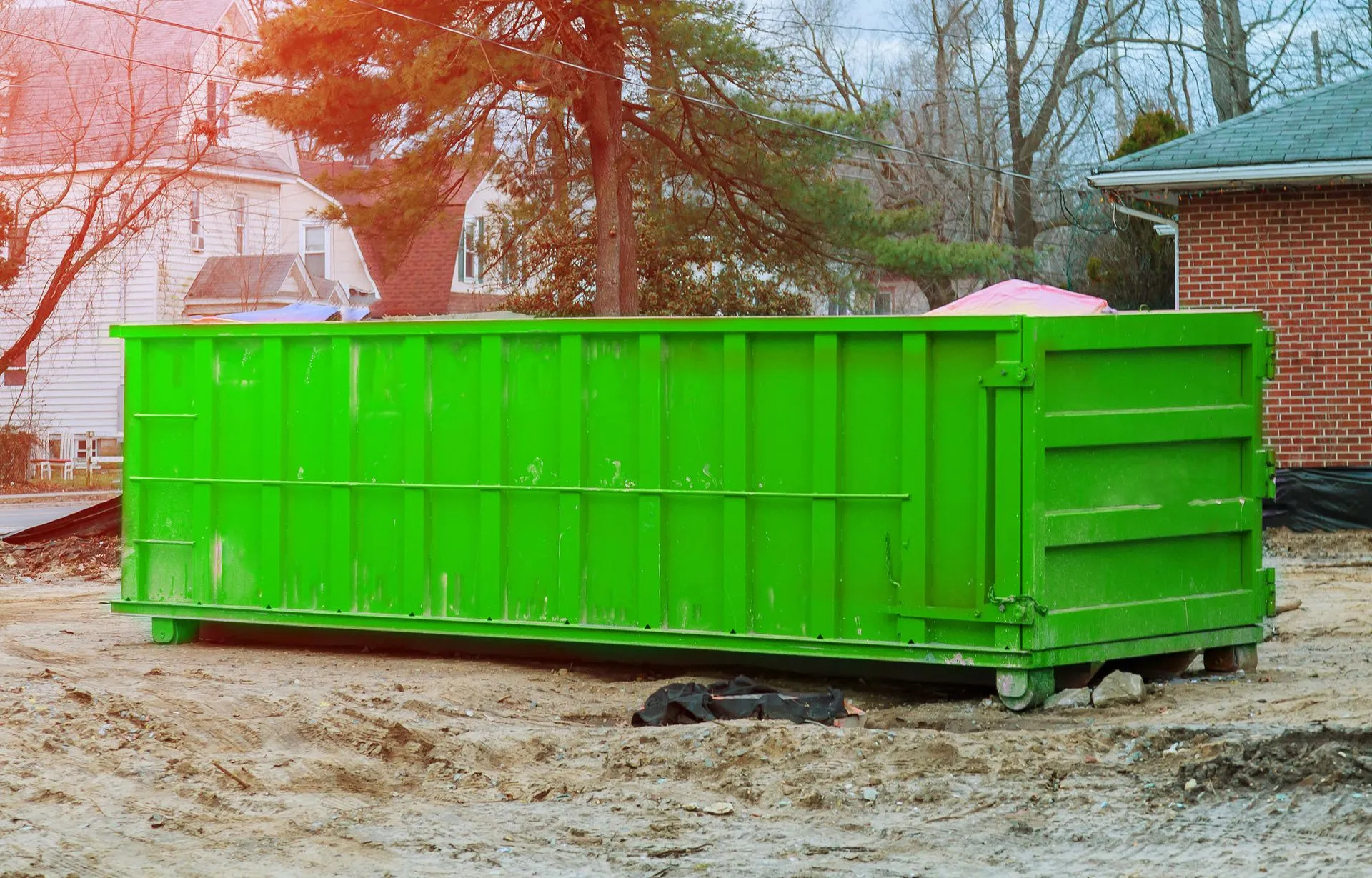
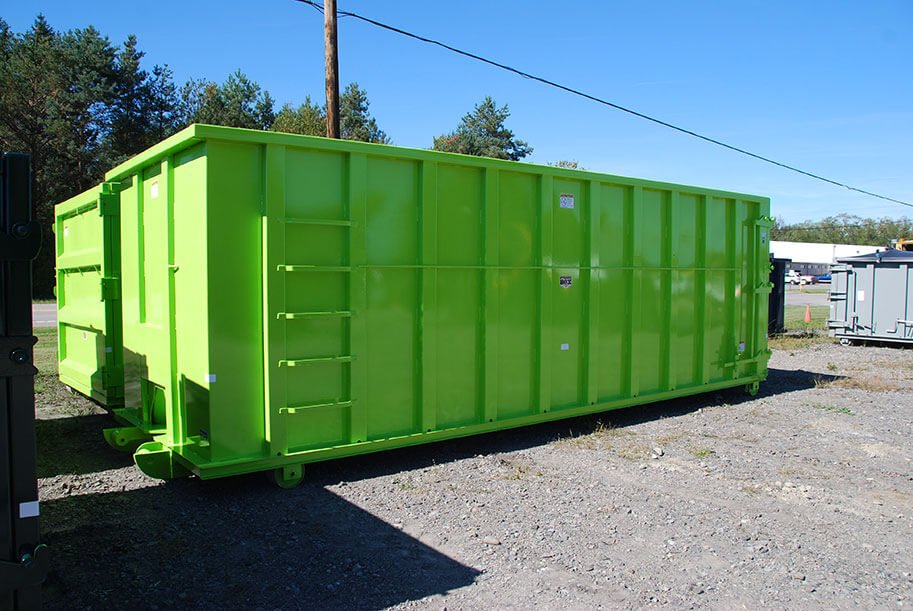
A green dumpster in a dirt lot

Creating the Framework

Building a sturdy framework is essential for constructing a long-lasting dumpster enclosure. The framework provides the structural foundation needed for the existing concrete foundation to support the walls, gates, and other components to build a dumpster enclosure. It is important to lay out the framework accurately according to the planned dimensions for a properly sized enclosure.

Adding Horizontal Beams

  • Step 1: Attach horizontal support beams between the posts to form the framework’s base. Depending on the material choice, beams can be made of wood boards or metal rails.
  • Step 2: Secure the beams tightly to all the perimeter posts. For wood boards, use galvanized lag screws long enough to anchor into the posts firmly. Metal rails can be attached with bolts or screws.
  • Step 3: Ensure the beams are level and evenly spaced. Measure diagonally to confirm the square framework base before adding additional structural elements.

Installing Vertical Panels

  • Step 1: Stand vertical panels, such as wooden boards or metal sheets, between the horizontal beams to form the enclosure walls.
  • Step 2: Install fence panels by attaching them securely to the horizontal beams, ensuring they are level. Follow the manufacturer’s instructions for screwing the panels into place if they are pre-made. This step is crucial for a secure and level installation.
  • Step 3: Attach the top and bottom of each panel securely to the beams using the appropriate hardware. Lag screws or nuts and bolts work well for securing wood and metal, respectively.
  • Step 4: Ensure the panels are upright and flush against one another to provide a neat and uniform appearance. Inspect for any gaps that may require additional fasteners.

Taking time to construct a sound framework with accurate horizontal beams and sturdy vertical panels creates a strong base for the dumpster enclosure.

The framework will support elements like gates, roofs, and other accessories while safely containing dumpsters used for temporary or commercial containers. Proper installation method of the framework is key before adding walls, doors, and other enclosure components.

Completing the Structure

Once all the concrete framework and panels of the dumpster enclosure are installed, it is time to finish building the structure. The gate or door needs to be added for convenient access. Other finishing touches are also required to complete the construction project.

Adding a Gate or Door

A gate or door allows easy entry into the enclosure for waste disposal or servicing the dumpster. It is important to choose a gate that suits the type and material of the enclosure.

For example, a metal gate would match a metal enclosure. The gate must be wide with enough space for the dumpster to fit through and easy to open and close.

Finishing Touches

Once the gate is installed, it is time to add the final details. Items like metal gate stabilizers or struts support the front gate opening. Latches, locks, bolts, and handles are fitted appropriately depending on the type of gate or door. Temporary or commercial containers may also require signage or numbering for identification.

Regular inspection and maintenance of all parts must be done to maximize the lifespan of the dumpster enclosures. The completed structure can safely store dumpsters or commercial containers while organizing the area. Proper disposal of waste in dumpsters prevents litter from blowing around.

Maintenance for Long-Term Use

Regular maintenance keeps dumpster enclosures in top working condition to serve businesses and properties for years. Minor upkeep tasks go a long way in preventing costly repairs and replacements. With proper care practices, enclosures withstand weathering and ensure continued protection.

Regular Cleaning Practices

Scheduled cleaning removes dirt and debris that accumulate over time. Pressure washing with water effectively removes grime from exterior surfaces like fences. For areas that collect more waste, such as inside corners and gate locking mechanisms, a stiff brush may be needed to scrub off stuck refuse.

Special attention must be given to hinges, latches, and other moving parts which are prone to jamming from neglect. Applying lubricant protects these components and ensures the smooth operation of gates. Prompt attention to any spills prevents permanent stains.

Routine cleaning maintains hygienic conditions inside enclosures and prevents odor issues. For commercial applications handling large volumes, pressure washing monthly works best. Residential usage may require less frequent cleaning every couple of months. Consistency in sanitization practices is important for the long-term performance of dumpster corrals’ heavy-duty

Inspection and Minor Repairs

Frequent visual checks allow early detection of small issues before they worsen. Inspecting fences, gates, concrete slabs, and posts reveals cracks, dents, rust, or loose fastenings.

For metal enclosures prone to oxidation, touching up coatings on surfaces protects the structural integrity. Prompt maintenance prevents the escalation of tiny problems into significant repairs.

Reinforcing weakened spots maintains the strength and durability of enclosures built to withstand years of usage. Regular upkeep plays a key role in maximizing the functional lifespan of these structures.

Frequently Asked Questions (A Step-By-Step Guide: How to Build a Dumpster Enclosure)

Building a dumpster enclosure serves several important purposes. It prevents unauthorized access to the dumpster, which can help reduce illegal dumping. The enclosure also keeps litter contained and protects the dumpster from weather elements. It improves the property’s aesthetics by hiding the dumpster from public view.
A dumpster enclosure should be at least 3 feet a few inches wider than the dumpster on each side. This allows enough room for easy access to the dumpster to dispose of waste.
The material for constructing a dumpster enclosure depends on budget, durability, maintenance requirements, and aesthetics. Common materials include wood, vinyl, chain link fencing, and concrete. Vinyl and wood dumpster enclosures serve to provide privacy but require more maintenance.
Its capacity, measured in yards, determines the dimensions of a dumpster. A 2-yard dumpster is approximately 6 feet wide, 4 feet deep, and 5 feet tall. Similarly, a 4-yard dumpster is around 8 feet wide, 6 feet deep, and 6 feet tall.
The permitting requirements for a garbage truck and constructing a dumpster enclosure vary between cities. It is best to first check with the local municipal office or waste management department to understand the regulations.

An Ultimate Guide to Renting Construction Dumpsters

Mediapayperlead-com December 10, 2024

An Ultimate Guide to Renting Construction Dumpsters

Meta Description: Learn the simple steps to rent a dumpster for your next home project. Find sizes, costs, and waste guidelines for hassle-free disposal with helpful tips from an expert.

Renting a dumpster is a practical solution for many homeowners and contractors to dispose of waste generated during remodeling or construction projects. This article provides a step-by-step guide to help readers understand the dumpster rental process and make an informed decision.

It discusses key aspects like choosing the right dumpster size, materials and prohibited items that can be disposed of, cost considerations, and tips for planning the rental. The aim is to simplify the process for users and help them with convenient waste management.

Key Takeaways

  • Renting a dumpster is an easy way to dispose of waste from home projects, with sizes ranging from 6 to 18 yards for different jobs
  • Determine the debris amount and choose the right size, know what can be disposed of to avoid fees, and schedule pickup when done
  • Contact local rental companies for all-inclusive quotes and timely service to get your dumpster delivered, used as needed, and picked up promptly

Why Rent a Construction Dumpster?

Debris removal is necessary for any construction project, whether home renovation, addition, or new build. Renting a dumpster is often the most cost-effective and convenient solution for contractors to dispose of this waste.

Benefits of Dumpster Rental for Construction Projects

  • Ease of disposal: A dumpster rental allows contractors to throw away all construction debris directly into the bin as work progresses. This saves time versus hauling materials to the landfill or recycling center individually.
  • Less mess: Having a dumpster on-site keeps the work area clean and organized, as debris isn’t piling up. This improves safety and productivity.
  • Volume discounts: Rental companies charge lower rates per ton of waste disposed when materials are consolidated in one bin versus multiple trips. This saves money versus individual disposal.
  • Compliance assistance: Dumpster rental firms understand local waste regulations, so contractors don’t need to research what can be thrown away or obtain permits. They handle compliance issues.

When is Dumpster Rental Necessary?

  • Major renovation projects: Remodeling a kitchen or bathroom, adding a deck, basement finish, etc., generate enough debris to require a dumpster.
  • New home construction: Building a new home from the ground up produces substantial waste that demands an on-site collection bin.
  • Demolition work: Tearing down structures, sheds, fences, or portions of homes creates debris that must be hauled away. A dumpster simplifies this.
  • Landscaping projects: Yard cleanups, tree/bush removal, sod installation, retaining wall builds, and patio construction all yield waste suitable for a rental bin.
  • Commercial construction: Any non-residential project like new commercial buildings, additions, or tenant build-outs involves enough debris to necessitate dumpster use.

Choosing the Right Dumpster Size

Choosing the correct dumpster size is one of the most important decisions in the rental process. Renting a dumpster that is too small or too large can result in additional costs and hassle. With so many dumpster sizes available, it is easy to feel overwhelmed by options. However, considering a few key factors can help narrow down the size best suited for the job.

Factors to Consider When Sizing a Dumpster

There are a few important factors to take into account when determining the right dumpster size for your needs:

  • Type and amount of debris: The nature of the waste you must dispose of will greatly impact the required size. For example, bulky items may necessitate a larger size than lighter materials. Estimating the expected volume of debris is crucial.
  • Weight limits: Most rental companies specify a maximum weight capacity. Heavier materials like concrete or metal appliances are more likely to exceed this than lighter waste. Knowing what you need to discard and doing some calculations can help you stay within weight restrictions.
  • Timeline for filling: Larger projects or cleanouts may require a dumpster to accommodate filling over several days. Consider how long the job may take and if multiple trips with a smaller size will be needed.
  • Space constraints: The footprint of a dumpster must fit in your intended location. Measure available space and consider access for the collection truck as well. Compact job sites require carefully selecting the smallest adequate size.
  • Cost-effectiveness: Larger dumpsters can reduce rental days but increase fees. Balancing cost with needs ensures the most economical choice. Reputable rental providers can help advise the most cost-effective option.

Common Dumpster Sizes

With these factors in mind, here are some of the most frequently rented dumpster sizes:

  • 10-yard. It is ideal for small renovations, bathroom or kitchen overhauls, or light commercial cleanouts.
  • 15-yard Suits medium-sized jobs like multiple-room renovations, deck replacements, or residential remodeling.
  • 20-yard is appropriate for more extensive work such as whole house gut jobs, basement conversions, or outdoor construction sites.
  • 30-yard Large commercial projects, multiple structure demolitions, and major landscaping overhauls.
  • 40-yard Extra large undertakings, including multi-unit building renovations, industrial site cleanups, or major land clearing.

Always consult directly with rental companies for their specific offerings, as sizes can vary slightly between providers and regions. With some planning, the right dumpster can efficiently handle any job while fitting your budget and location.

Dumpster Rental Costs

Understanding the costs of renting a dumpster is important for homeowners and contractors to plan their projects properly. While dumpster rental is often a more affordable waste removal option than hiring individual haulers, knowing what to expect pricing-wise helps create realistic budgets.

Understanding Pricing Models

There are a few common pricing structures used in the dumpster rental industry. The most straightforward is flat-rate pricing, where the total cost is presented upfront based on the dumpster size, rental duration, and maximum weight allowance. This model provides clarity on pricing with no surprises.

Another popular option is variable pricing, where the quoted base rate may not include all fees like fuel charges, taxes, or disposal costs. These extra costs are disclosed later, making the final payment higher than initially expected. It’s wise to ask rental companies about their specific pricing approach and what fees may apply to help compare transparently.

Additional Fees

While most rental companies aim to be upfront about pricing, certain factors beyond their control can sometimes incur additional fees. Exceeding the contracted weight limit usually incurs an overage fee per ton. Similarly, keeping the dumpster longer than agreed leads to daily rental extension charges.

Some disposal facilities also levy environmental fees for items like appliances containing refrigerants. It’s best to carefully review material prohibitions and estimate weight realistically to avoid potential overages. Proper planning and communication with rental companies help minimize unexpected costs.

Renting Process

The renting process for dumpsters is straightforward and designed with customers in mind. Getting the right equipment delivered for projects requires coordination, and rental companies aim to simplify each step to ensure a positive experience.

Getting a Quote

The first step is obtaining a quote for the needed equipment. Rental companies understand the importance of transparency, so they provide instant pricing online or via phone to give customers clarity on costs upfront.

Key details include the drop-off location, estimated debris types and amounts, and preferred rental duration. With this information, companies can recommend a properly sized dumpster and give a flat rate quote to prevent surprises.

Arranging Delivery and Pickup

Next is arranging for delivery and later pickup of the rented equipment. For scheduling delivery, customers should ensure clear access to the planned drop-off location, avoiding obstructions. They may need to acquire local permits, too.

Rental companies aim to deliver promptly within the promised timeframe. Later, customers notify the company by phone or online when the equipment is ready for collection. Timely pickup is standard to help projects stay on schedule.

Preparing Your Site

Proper preparation of the site makes the process smooth. Customers should stage debris near the planned dumpster spot if possible. They may want to place wood planks under the equipment to protect surfaces.

It’s also important to identify the best, most accessible location approved for equipment that meets local regulations. Working with rental companies, customers can easily rent the right-sized dumpster or other needed equipment and have it delivered and later collected with minimal hassle.

a green dumpster container sitting on the side of a road

Choosing a Reputable Dumpster Rental Company

When renting a dumpster for your cleanout needs, choosing a rental company you can rely on is important. Going with a company that provides consistent quality service and has clear policies is key to ensuring a smooth rental experience.

Service Quality Factors to Consider

There are a few important factors to consider regarding service quality. First, evaluate the company’s fleet. Rental companies with well-maintained trucks and modern dumpsters will offer a more reliable experience. Broken or damaged equipment can delay delivery or cause issues during pickup.

Payment policies should also be reviewed, as upfront pricing reduces surprises. Another consideration is the availability of customer support. Opt for a company with staff available for assistance during and after business hours. This allows addressing any issues quickly to avoid additional costs or delays to your project.

Important Policies to Review

In addition to service quality, carefully review company policies. Understanding policies regarding rental duration, weight limits, and additional fees provides clarity and avoids potential charges. For example, many companies have weight limits to prevent overloading dumpsters, so be aware of excess tonnage costs if exceeded.

It is also important to understand rental period policies, as daily rental fees may apply if the dumpster stays longer than initially agreed upon. Reviewing policies upfront prevents issues later on. Location services should also be verified to ensure the dumpster company services your area. Choosing a local company with transparent policies leads to the best rental experience.

What Goes in a Construction Dumpster?

When renting a dumpster for a construction project, it is important to understand what types of waste materials can and cannot be safely disposed of. The dumpster rental company will provide guidelines on acceptable and restricted waste types, but as the customer, it is also good to know these specifications. Proper waste disposal helps ensure regulations are followed and prevents unexpected fees.

Acceptable Waste Types

Common debris from construction projects can safely be placed in the rental dumpster. This includes wood scraps, drywall, bricks, concrete, glass, plastic pipes, insulation, roofing material, metal scraps, cardboard, and general trash.

Yard waste, such as tree branches and shrub clippings, is acceptable if it fits inside the dumpster. For large demolition jobs, the rental company may provide multiple dumpsters or a larger dumpster size to accommodate waste volume.

Restricted and Hazardous Materials

While construction dumpsters can handle most construction debris, some materials must be kept separate due to environmental and safety restrictions. Liquids cannot be placed in the dumpster since they can leak out. This includes paint, solvents, oils, gasoline, and other chemicals.

Usual household chemicals for cleaning out a home are also not suitable. Materials like asbestos require special disposal by licensed professionals due to health risks. According to local guidelines, other hazardous items, such as batteries, light bulbs, and aerosol cans, should be recycled or disposed of separately. Following these restrictions helps avoid contamination and unplanned expenses.

Tips for a Successful Dumpster Rental

Proper planning and waste management ensure a smooth dumpster rental experience. Following best practices for waste disposal and maximizing your dumpster space will help avoid additional costs and allow you to complete your project efficiently.

Proper Waste Disposal Techniques

When renting a dumpster, it’s important to be mindful of what items can and cannot be placed inside. Certain hazardous materials like paints, chemicals, oils, batteries, and other toxins require special handling and are prohibited in standard rentals.

Always check with your rental company about their policies and restrictions on hazardous waste disposal. It’s also a good idea to separate different material types like wood, metal, and garbage bags and roll off dumpsters to help facilitate proper sorting at the disposal facility. Keeping things organized makes dumpster unloading safer and more efficient for everyone involved.

Maximizing Dumpster Space

Getting the largest dumpster size possible isn’t always the most cost-effective approach. Taking simple steps to consolidate trash and reduce air pockets inside the bin can significantly increase how much you can fit. Breaking down cardboard boxes and flattening them when possible is one great way to maximize space.

You should also consider stacking heavier items on the bottom of separate dumpsters and lighter materials higher up. Avoid overloading by piling things so high they risk falling out during transport. Rental companies often charge fees if debris extends beyond the dumpster walls. Proper packing techniques help ensure you avoid these types of additional costs.

Whether renting a dumpster for residential cleanouts, commercial construction projects, or landscaping work, following the best waste handling and optimization practices will help every project succeed. Contact your local dumpster rental service provider today to learn more about options and guidelines for your specific needs. Proper planning upfront prevents issues down the road.

Frequently Asked Questions (A Step-By-Step Guide: How to Build a Dumpster Enclosure)

Building a dumpster enclosure serves several important purposes. It prevents unauthorized access to the dumpster, which can help reduce illegal dumping. The enclosure also keeps litter contained and protects the dumpster from weather elements. It improves the property’s aesthetics by hiding the dumpster from public view.
A dumpster enclosure should be at least 3 feet a few inches wider than the dumpster on each side. This allows enough room for easy access to the dumpster to dispose of waste.
The material for constructing a dumpster enclosure depends on budget, durability, maintenance requirements, and aesthetics. Common materials include wood, vinyl, chain link fencing, and concrete. Vinyl and wood dumpster enclosures serve to provide privacy but require more maintenance.
Its capacity, measured in yards, determines the dimensions of a dumpster. A 2-yard dumpster is approximately 6 feet wide, 4 feet deep, and 5 feet tall. Similarly, a 4-yard dumpster is around 8 feet wide, 6 feet deep, and 6 feet tall.
The permitting requirements for a garbage truck and constructing a dumpster enclosure vary between cities. It is best to first check with the local municipal office or waste management department to understand the regulations.

The Definitive Construction Dumpster Sizes Guide: What Size Fits Your Project?

Mediapayperlead-com December 10, 2024

The Definitive Construction Dumpster Sizes Guide: What Size Fits Your Project?

Meta Description: Find the right dumpster size for your construction or remodeling project. We break down common dumpster sizes like 10-30 yards and recommend uses to help match your construction debris needs with the most suitable container size.

This article overviews common dumpster rental sizes used in construction projects. Choosing the right dumpster size is important for efficient waste management at job sites. The sizes are compared to truck loads to help visualize their capacities.

Guidelines for suitable junk removal projects of each size are also discussed. This would help contractors select the dumpster that best fits their debris disposal needs and scale of work.

Key Takeaways

  • Common dumpster sizes for construction projects range from 10 to 40 cubic yards, with dimensions and weight limits outlined for each.
  • Larger dumpsters in the 20-40 yard range are best for substantial waste removal from demolition or excavation work.
  • Smaller 10-15 yard sizes suit smaller jobs like renovations, cleanups, or minor excavation, while mid-sizes like 18-25 yards work for mixed residential/commercial projects.

Common Dumpster Sizes and Their Uses for Various Construction and Remodeling Projects

Choosing the right dumpster size is important when planning a construction or remodeling project. The amount of waste generated will vary significantly depending on the scope and scale of work involved. A properly sized dumpster can help ensure a clean and organized job site. Some of the most commonly used dumpster sizes and their typical applications are:

10 Cubic Yard Dumpster

A 10 cubic-yard dumpster is well-suited for smaller-scale projects that generate modest amounts of debris. Some examples include interior renovations of a single room, light demolition of small structures, or yard cleanups and landscaping overhauls.

A 10-yard dumpster can accommodate around a 30-yard roll of 3-4 pickup truck loads of waste material at this site. It provides sufficient capacity for basic cleanups and minor remodels without excessive space.

15 Cubic Yard Dumpster

A 15-yard dumpster is often a good choice for medium-sized tasks that produce more debris. Projects like full bathroom or kitchen overhauls, siding replacements, or room additions typically generate enough waste to benefit from this size container. At 15 cubic yards, it can hold roughly 5-6 pickup truckloads of refuse. This dumpster works well for small residential jobs and commercial tasks that are limited in scope.

20 Cubic Yard Dumpster

Larger renovations and remodels and commercial undertakings of average scale are a natural fit for a 20-yard dumpster. Whole house makeovers, roof replacements, and mechanical upgrades require this size. With space for about seven pickup truck loads, it provides ample capacity while still fitting in most residential driveways and work areas. The 20 cubic or 30-yard dumpster option is popular, as it handles big domestic jobs without becoming too large.

30 Cubic Yard Dumpster

For major construction, demolition, or overhaul projects, the 30 cubic yard dumpster is typically needed. Large additions, ground-up rebuilds, and extensive commercial renovations create substantial debris that warrants this container’s size. At 30 yards, it can hold around ten pickup trucks or truckloads of waste materials. Jobs like these produce a lot of rubbish and debris, making the 30-cubic-yard dumpster a practical solution.

Converting Dumpster Size to Other Volume Measurements

When renting a dumpster for construction or commercial projects, it is important to understand how the size of the dumpster translates to real-world measurements that help visualize the capacity. While dumpsters are named by their cubic yard capacity, relating that volume to more tangible units like truck loads or trash bag loads helps determine if a dumpster service of a particular size is suitable.

Cubic Yards to Truck Loads

Dumpster companies assist in sizing decisions by providing the equivalent truckloads a full 40-yard dumpster can hold. For example, a ten cubic yard dumpster can accommodate around 3-4 full-sized pickup truck loads of debris. Larger sizes, like a 30 cubic yard dumpster, would equate to around 7-8 truckloads. This truckload comparison helps visualize if a dumpster size can reasonably service the waste removal needs of a commercial operation.

Cubic Yards to Bag Loads

Another useful conversion is from cubic yards to standard trash bag loads. While dimensions and weight limits vary, one cubic yard holds around 5-6 contractor bags or 8-10 household trash bags as a general reference. Knowing a 10-yard dumpster, for instance, can hold around 50-60 bags provides a tangible sense of the capacity.

This helps determine if the size will sufficiently accommodate the debris from a yard roll-off dumpster, commercial dumpster rental project, or dumpster-size job. Whether opting for a roll-off dumpster size or relating the dry technical measurements to real examples simplifies the selection process.

Specialty Dumpster Sizes

Certain dumpster sizes are specifically suited for efficiently handling particular types of hazardous waste and materials. These specialty dumpster sizes allow contractors, homeowners, and commercial entities to dispose of heavier items easily.

Dirt and Concrete Dumpsters

Dirt and concrete can be quite heavy to dispose of. The standard weight limits for dumpsters may not always accommodate large loads of earth or cement materials. Dirt and concrete dumpsters have higher weight limit restrictions, allowing maximum soil and rubble fill. Due to road safety regulations during transport, these specialty dumpsters often come in 10 cubic yard sizes. Their compact dimensions still provide ample capacity while meeting size constraints.

Commercial Front-Load Dumpsters

Larger commercial operations use front-load dumpsters serviced by special trash trucks with a lifting arm. These dumpsters have a different design with doors in the front rather than the rear for easy loading. The front-load access makes waste disposal simpler for bulkier items. Common sizes include 20, 30, and 40 cubic yard containers that can be used long-term for permanent placement.

Some key points to remember about specialty dumpster sizes:

  • Dirt and concrete dumpsters allow for safe and legal heavy hauling of earth and rubble due to higher weight limits in their compact 10-yard sizes.
  • Yard roll-off, construction, and commercial dumpsters are available for dirt removal and large-scale operations.
  • Front-load dumpsters with front-access doors facilitate convenient loading of bulky trash for businesses using a dumpster rental.
  • Contractors and commercial clients benefit from matching their dumpster needs with the right specialty size for heavier demolition debris or roll-on/roll-off convenience.
  • Homeowners and small businesses can check on dirt and concrete dumpster sizes and 10-yard and commercial front-load dumpster sizes online for their disposal requirements.
  • Dumpster size, commercial operations, dirt removal, and roll-off dumpsters are all catered to with unique specialty container options.
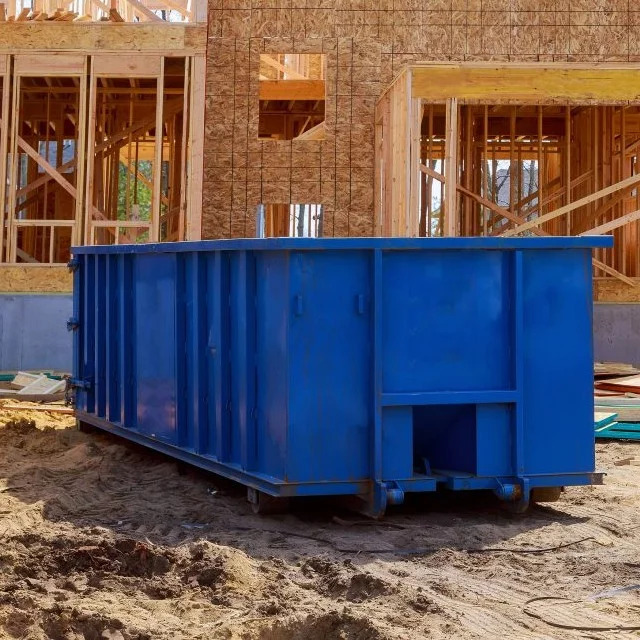
a blue dumpster sitting on top of a pile of dirt

Choosing the Right Dumpster Size for Your Project

There are several factors to consider when choosing the appropriate dumpster size for heavy debris from a construction or commercial project. Picking the right dumpster is important to dispose of all debris efficiently while staying within weight and size limitations.

Factors to Consider When Picking a Dumpster Size

  • Type of Debris: The waste being disposed of, such as dirt, concrete, wood, drywall, or mixed debris, will affect dumpster size. Heavier materials like dirt and concrete can fill a bin faster, so a smaller size may be needed.
  • Project scope: Larger projects involving demolition, excavation, or major renovations will require bigger dumpsters than smaller cleanups or repairs. Estimate waste amounts based on project scope.
  • Space available: Measure the space where the dumpster will be placed, including the driveway or job site. Consider dumpster dimensions and truck access to ensure there is adequate room.
  • Rental period: Short-term rentals for cleanup may only need a 10-yard size, but longer-term projects on construction sites may require multiple dumpsters or larger sizes they emptied more often.
  • Budget: Larger dumpsters can cost more but may prevent multiple rentals if properly sized for the job. Compare rates for different sizes to get the best value.
  • Weight limits: Heavier materials like concrete have lower volume-to-weight ratios—respect dumpster weight restrictions for safe transport.

Choosing the right dumpster size upfront can help reduce costs, prevent multiple dumpster rentals throughout, and allow for efficient disposal of all project waste within the necessary timeframe and location space. Consulting experienced rental experts can help determine the ideal dumpster configuration.

Frequently Asked Questions (A Step-By-Step Guide: How to Build a Dumpster Enclosure)

Building a dumpster enclosure serves several important purposes. It prevents unauthorized access to the dumpster, which can help reduce illegal dumping. The enclosure also keeps litter contained and protects the dumpster from weather elements. It improves the property’s aesthetics by hiding the dumpster from public view.
A dumpster enclosure should be at least 3 feet a few inches wider than the dumpster on each side. This allows enough room for easy access to the dumpster to dispose of waste.
The material for constructing a dumpster enclosure depends on budget, durability, maintenance requirements, and aesthetics. Common materials include wood, vinyl, chain link fencing, and concrete. Vinyl and wood dumpster enclosures serve to provide privacy but require more maintenance.
Its capacity, measured in yards, determines the dimensions of a dumpster. A 2-yard dumpster is approximately 6 feet wide, 4 feet deep, and 5 feet tall. Similarly, a 4-yard dumpster is around 8 feet wide, 6 feet deep, and 6 feet tall.
The permitting requirements for a garbage truck and constructing a dumpster enclosure vary between cities. It is best to first check with the local municipal office or waste management department to understand the regulations.

Essential Applications of Construction Dumpsters in Building Projects

Mediapayperlead-com December 10, 2024

Essential Applications of Construction Dumpsters in Building Projects

Meta Description: Learn about the different types of dumpsters used in construction projects, including dumpsters for commercial use, dump trucks for residential projects, and more. Find the best dumpster rental for your needs.

This article overviews dumpsters’ different types and storage capacities in various construction projects. Whether it is a small renovation work or a large infrastructure project, proper waste management is crucial.

Dumpsters play an important role in collecting and transporting debris efficiently. Understanding the suitable dumpster type and size can ensure a clean, safe, and organized work site. This article discusses the main commercial dumpster options and factors to consider for waste removal.

Key Takeaways

  • Dumpsters come in different types and sizes to suit various construction needs, such as commercial projects, residential renovations, and new building sites.
  • Proper placement of dumpsters is important to make waste disposal efficient and keep the construction area organized.
  • Using dumpsters provides benefits like waste segregation, cost savings, and ensuring safety and environmental compliance at construction job sites.

Managing Construction Waste Effectively

Managing Waste effectively is important to any construction project or cleanup process. Proper waste disposal methods can help reduce environmental impact and ensure a clean, safe workspace.

Collecting Debris from Demolition and Remodeling

During demolition and remodeling work, debris like wood, drywall, insulation, roofing materials, and concrete is commonly generated. Having the right waste collection options makes it easy to gather all this material efficiently.

Roll-off dumpsters provide a large capacity container right on the flooring removal construction site to collect debris. Workers can toss waste materials into the conveniently located dumpster as they work without transporting items elsewhere. This keeps the workspace tidy and eliminates the safety risks of leaving debris unattended.

Separating Recyclable Materials from General Waste

Construction materials like metal, wood, and drywall can be recycled instead of sending everything to landfills. Separating recyclable items from general Waste requires an effective sorting process. Roll-off dumpsters are well-suited, as multiple smaller dumpsters allow for waste segregation.

Designating one container or load dumpster for recyclables and another for landfill items makes it straightforward to divert reusable materials and reduce environmental impact. Workers can easily keep materials divided as they work. Then, the full dumpsters can be hauled away separately for recycling or disposal.

Storing Waste Compactly to Optimize Workspace

Leftover debris takes up valuable space during active construction phases. However, Waste is only temporarily stored on-site before removal. Roll-off dumpsters provide a compact storage method to optimize the workspace. Their large storage capacity means debris can be collected and stored within the confines of the container. This prevents scattered piles of Waste from cluttering up the work area. With debris neatly secured in dumpsters, there is more room for materials, equipment, and worker movement throughout the project.

Safely Disposing of Hazardous Materials

When undertaking construction projects, it is important to consider how to dispose of hazardous materials generated on-site safely. Some construction materials like asbestos and lead paint require special handling and removal due to their toxicity.

Containing Toxic Substances like Asbestos and Lead Paint

  • Asbestos and lead paint are commonly found in older buildings and must be contained safely during renovations or demolitions to prevent contamination.
  • These toxic substances can cause health issues if inhaled or ingested, so it is crucial to package and seal them before disposal properly.
  • Sealing asbestos or lead paint in heavy-duty plastic sheets or bags helps contain particles or dust. Duct tape reinforces the seals.
  • Labeling packages as hazardous Waste helps ensure they are transported and treated accordingly.

Transporting Dangerous Waste Responsibly for Removal

  • Transporting hazardous Waste requires following strict regulations to protect workers and the environment.
  • Placing sealed hazardous materials packages directly into dumpsters prevents exposure during loading and transport. Larger quantities may require roll-off dumpsters or specialized vehicles.
  • Only licensed hazardous waste hauliers can transport materials like asbestos to approved treatment and disposal facilities.
  • Records of manifests are important to demonstrate responsible handling of these toxic construction wastes from the start to the legal completion of the removal process.
  • Overall, containing and carefully transporting hazardous materials generated from construction sites and projects helps ensure their safe removal and prevents potential health issues.
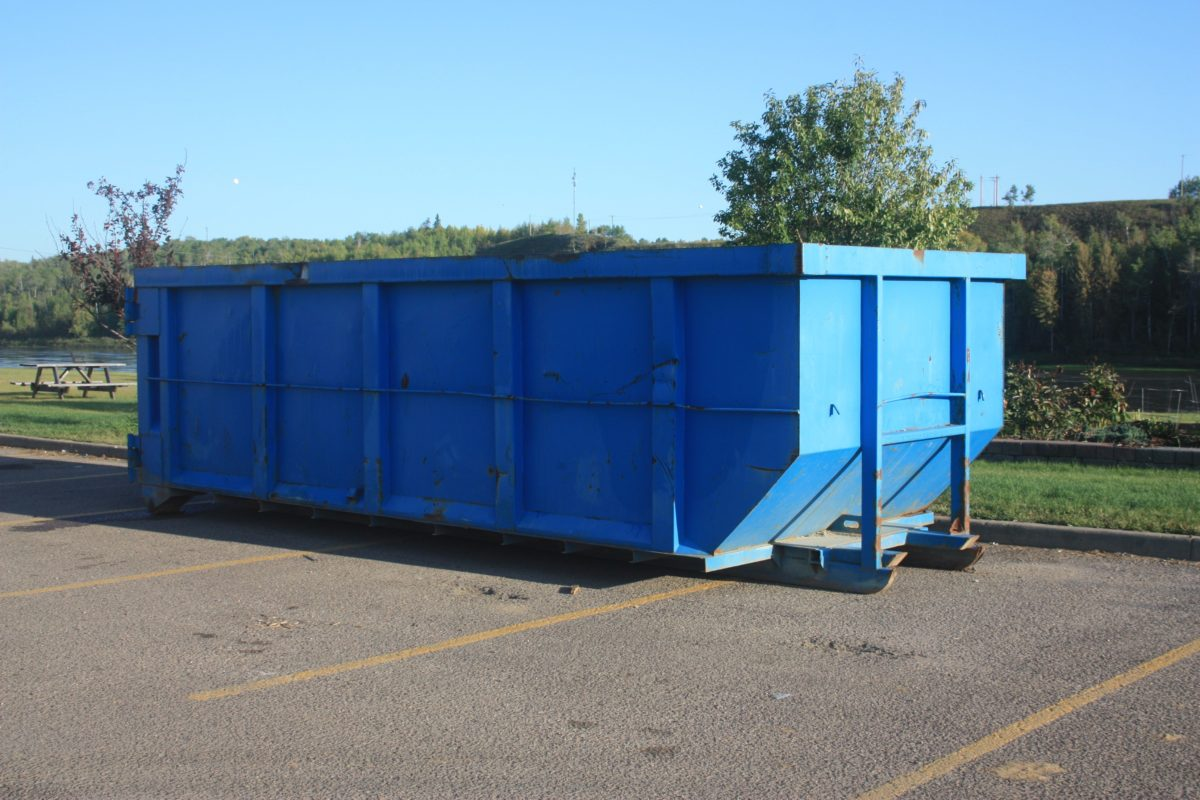
a blue dumpster sitting in the middle of a parking lot

Streamlining Cleanup and Organization

Proper waste management is essential for construction projects of all sizes. Using dumpsters allows debris to be collected and stored conveniently in one centralized location as work is ongoing. This helps keep the site tidy and reduces safety hazards.

Removing Fill after Excavation and Site Preparation

Significant excavation and site preparation often take place during construction. Large amounts of fill soil and yard waste are removed to make way for foundations and infrastructure. Placing dumpsters nearby makes it easy to deposit this material as work progresses. Once the dirt dumpster is full, the dumpster can be hauled away without further ado. This streamlines the process of clearing the site compared to multiple trips to the landfill.

Facilitating an Efficient Post-Project Cleanout

Once the building is completed, debris remains from packaging, leftover materials, and general cleanup. A dumpster provides a hygienic, clean concrete and organized solution to collect all this Waste in preparation for final inspection and use of the space. Workers can focus on finishing touches instead of hauling trash. When the dumpster is removed, the area is completely clean and ready for its intended use.

Construction projects can achieve a tidy site throughout the process and efficient final cleanout by using dumpsters for excavated fill, leftover building materials, and general Waste. This supports safety, compliance, and productivity. With dumpsters, the disposal and removal of construction waste like wood, drywall, brick, and dirt becomes simplified. Proper organization and timely removal of full dumpsters are key to streamlining site operations and turnovers.

Accommodating Large Volume Needs

When handling substantial amounts of Waste, it is important to have proper equipment to accommodate large volumes of heavy materials. Various construction projects and yard work require professional means for removing and disposing of Waste.

Handling Substantial Amounts from Major Demolition

Major demolition of older structures generates significant debris that needs careful handling and transportation. Large roll-off dumpsters provide a convenient solution for safely collecting demolition waste such as concrete, wood, and metal remnants.

Positioning an appropriate-sized dumpster near the demolition area allows direct disposal of materials, keeping the site organized. The sturdy containers can hold tonnes of debris with ease. Once the dump truck is full, the entire dumpster is towed away in one go for processing. This streamlines waste management and reduces disruption.

Collecting Yard Waste and Landscape Debris

Like pruning dead trees or removing old fences, yard maintenance produces considerable green Waste. Landscaping renovations also leave behind piles of clippings, wood chips, and soil that need removal. A roll-off dumpster serves as a central collection point, avoiding yard clutter.

Leaves, branches, and garden refuse from all over the property can be dumped directly into the dump waste bin. The dumpster’s large capacity means multiple trips to the disposal site are avoided. This simplifies green waste disposal from yard cleaning and construction projects.

Frequently Asked Questions (A Step-By-Step Guide: How to Build a Dumpster Enclosure)

Building a dumpster enclosure serves several important purposes. It prevents unauthorized access to the dumpster, which can help reduce illegal dumping. The enclosure also keeps litter contained and protects the dumpster from weather elements. It improves the property’s aesthetics by hiding the dumpster from public view.
A dumpster enclosure should be at least 3 feet a few inches wider than the dumpster on each side. This allows enough room for easy access to the dumpster to dispose of waste.
The material for constructing a dumpster enclosure depends on budget, durability, maintenance requirements, and aesthetics. Common materials include wood, vinyl, chain link fencing, and concrete. Vinyl and wood dumpster enclosures serve to provide privacy but require more maintenance.
Its capacity, measured in yards, determines the dimensions of a dumpster. A 2-yard dumpster is approximately 6 feet wide, 4 feet deep, and 5 feet tall. Similarly, a 4-yard dumpster is around 8 feet wide, 6 feet deep, and 6 feet tall.
The permitting requirements for a garbage truck and constructing a dumpster enclosure vary between cities. It is best to first check with the local municipal office or waste management department to understand the regulations.

What Are Construction Air Compressors and How Are They Used?

Mediapayperlead-com December 10, 2024

What Are Construction Air Compressors and How Are They Used?

Meta Description: Learn about the various types of air compressors used in construction, their applications in projects like drilling, lifting, and tunneling, and factors to consider when choosing one for your needs.

This article provides an overview of air compressors used in the construction industry. It discusses the types of compressors suitable for construction needs and how compressed air powers important tools on work sites.

Key factors to consider when choosing a compressor are also highlighted. The aim is to help construction contractors select the right compressor that meets their air supply quality demands while remaining cost-effective and reliable.

Key Takeaways

  • Air compressors are used to power pneumatic tools for drilling, hammering, and lifting equipment through compressed air.
  • Depending on the power needs, different sizes and types of air compressors are suited for industrial, commercial, and consumer applications.
  • Towable compressors are portable and ideal for construction sites to power tools as needed without being tied to utilities.

What is an Air Compressor?

An air compressor is a vital equipment or process that compresses air using an electric motor or engine. It provides compressed air, which is used to power or drive pneumatic tools and equipment across various industries.

How Does An Air Compressor Work?

  • An air compressor uses an electric motor or engine to turn a shaft connected to a piston or screw-type compressor. As the shaft rotates, it pushes the piston or screw, which compresses incoming air into a storage tank.
  • The incoming air first enters an air intake filter, removing dirt or debris. It then travels into the compressor body, where it is compressed. As the piston or screw moves, it reduces the volume of air but increases the pressure.
  • The compressed air is then stored in a storage tank at high pressure, usually between 75-150 pounds per square inch (psi). Access ports on the tank allow the compressed air to be distributed to pneumatic tools and equipment attached to the compressor via air hoses.
  • When a tool is turned on, it opens a valve that releases the compressed air from the tank through the hose and into the tool. The air powers the internal mechanism that drives the tool. As the tool is in operation, it consumes the compressed air until the job is completed or the tank needs to be refilled.
  • The air compressor automatically switches on via a pressure switch when the tank pressure drops and runs through the compression cycle to refill the storage tank. This ensures a continuous supply of compressed air is available on demand for powering portable air tools.

Types of Air Compressors Used in Construction

Several air compressors are commonly used in construction sites to power pneumatic tools and equipment efficiently. The right choice of compressor depends on the specific needs of the various job sites. Portable and towable compressors are especially popular in construction due to their mobility and ease of transportation between work locations.

Portable Air Compressors

Small and lightweight portable compressors are highly maneuverable, making them well-suited for jobs that require carrying the compressor to restricted or hard-to-access areas. Their compact size allows portable compressors to be easily loaded into delivery vans or pickup trucks for transportation between various construction areas.

Some portable compressors even have removable fuel tanks for enhanced portability. This mobility enables workers to take compressed air on busy construction job sites.

Towable Air Compressors

Towable compressors are another convenient option for construction sites. They are compact enough to be pulled by vehicles yet have enough size and stability to handle rough or uneven terrain commonly found in construction sites and areas.

Towable compressors are designed for jobs that require moving the compressor around, such as restoration work involving multiple locations. Their trailer setup allows towing the compressor between work sites while providing powerful air delivery.

Heavy Duty Air Compressors

Heavy-duty stationary compressors are suitable for the most demanding construction applications like road building and civil engineering projects that involve earthmoving. They are robust and weather-resistant, with high-performance capabilities to continuously run pneumatic tools and equipment in tough outdoor conditions.

Stationary compressors deliver reliable compressed air supply for large-scale jobs where mobility is less important than output and durability.

Choosing the Right Air Compressor for Construction Needs

When choosing an air compressor while working in construction, choosing the appropriate one is essential for maximizing efficiency on job sites. A compressor not meeting power or mobility needs can seriously hinder productivity. Contractors must carefully evaluate their tool requirements and environmental factors to select a machine suitable for reliable, versatile use.

CFM Requirements

One of the most important specifications is the compressor’s CFM rating. CFM refers to the cubic feet per minute output of compressed air, representing the unit’s power capacity. All pneumatic tools require a minimum CFM to function properly.

Evaluating one’s existing equipment and planned purchases allows selecting a compressor to handle present and future demands. Opting for a model that exceeds needs provides flexibility for taking on a wider scope range of projects over time.

Power Source Options

Another key decision is the compressor’s fuel type or electricity requirements. Portable gas-powered units offer mobility but come with refueling needs. Electric models are convenient for enclosed areas yet depend on available power sources on site.

Diesel operation provides fuel independence yet comes at higher initial and fuel costs. Towable air compressors to power and can access remote locations while avoiding fuel transportation. The most suitable power source depends on tasks, locations, and budget.

Size and Mobility Factors

For construction, compressors must allow working in various areas with ease. Smaller portable units are suitable for lifting and accommodating work in difficult spaces but lack power for heavy-duty use.

Larger stationary compressors prove ideal for main work areas but pose issues on multi-level projects. Towable compressors offer a balance of capacity and transportability. The most practical size comes down to the compressor’s intended uses and how easily it can be relocated as needs change.

Noise Level Considerations

In some environments, minimizing noise is also a factor. Residential projects may require keeping the disturbance low. Quieter compressors prevent disrupting other tasks and avoid issues with noise ordinances. However, more sound-insulated units tend to be less portable. The right balance relies on assessing location sensitivities and prioritizing either mobility or quiet operation based on specific needs.

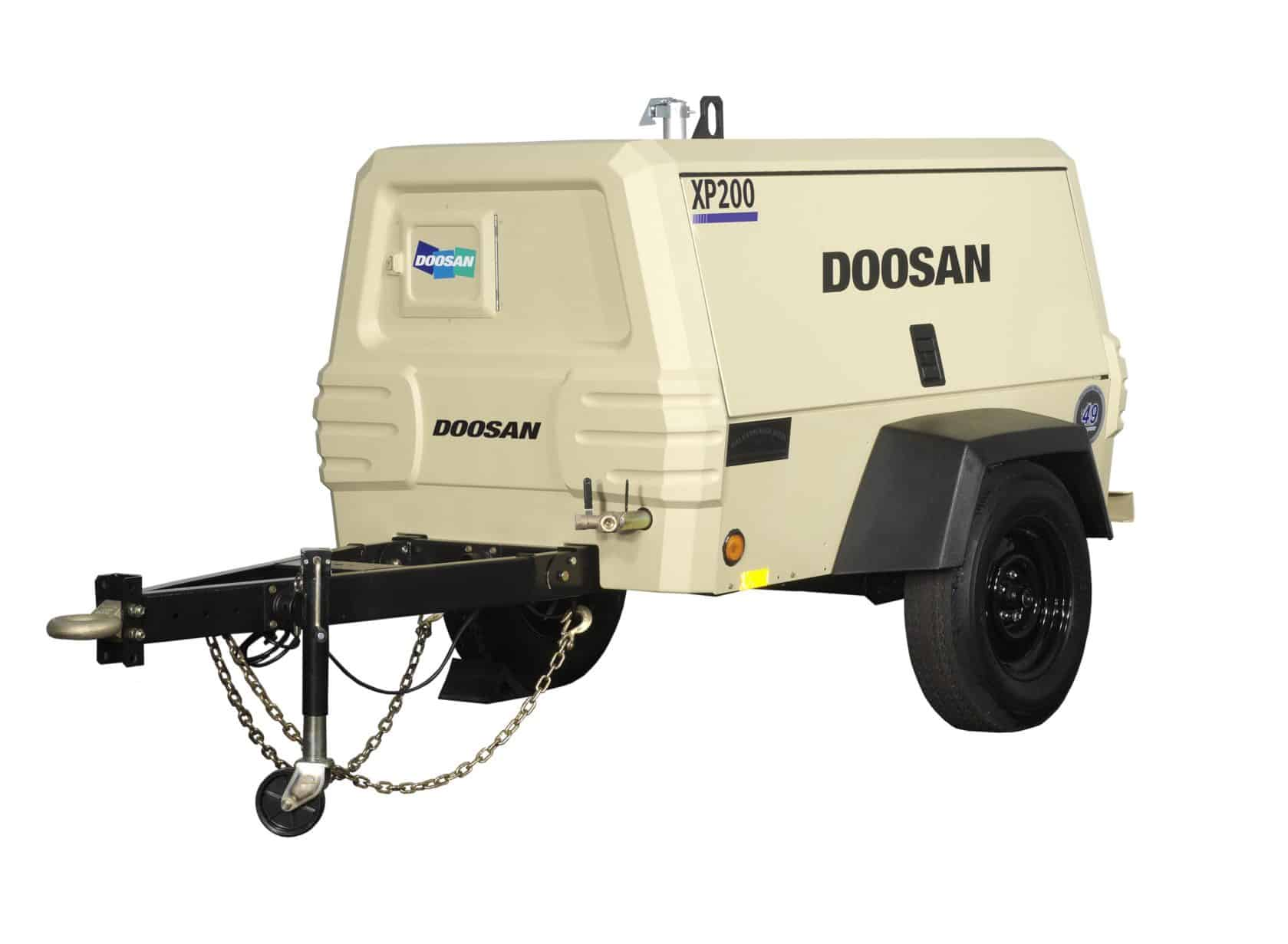
a towable air compressor

Common Uses of Air Compressors in Construction

The construction industry relies heavily on compressed and small air compressors for various applications. Air compressors provide a consistent supply of compressed air that can power numerous pneumatic tools safely and efficiently. Some of the most important uses of compressed air on construction sites include powering pneumatic tools, material handling equipment, and various digging and groundwork operations.

Powering Pneumatic Tools

One of the primary uses of compressed air in construction is to power pneumatic tools. These air-powered tools, also known as air tools, are very useful for drilling, hammering, sawing, and grinding. They are lighter than electric tools and have fewer moving parts, making them easier to use and maintain.

Air tools are also considered safer to operate as there is no risk of electric shock. Common air tools used on construction sites include jackhammers, drills, impact wrenches, grinders, sanders, and nail guns. A portable air compressor ensures a continuous supply of compressed air is available to power these pneumatic tools as needed.

Material Handling Equipment

Material handling equipment requiring compressed air is widely used on construction sites for lifting and lowering materials. Equipment such as hoists and lifting devices use compressed air to function reliably and safely handle loads.

Air-powered hoists help lift heavy construction materials like bricks, steel beams, and concrete panels into place quickly and precisely. Towable compressors are convenient for powering pneumatic equipment and machinery on job sites.

Digging and Groundwork Operations

Construction projects involve extensive digging and groundwork that can be completed more efficiently using compressed air. Road cleaning, digging trenches and tunnels, and cutting or breaking surfaces rely on compressed air. Air tools like jackhammers, drills, and saws use compressed air to efficiently dig through tough surfaces like rocks and pavement.

Road cleaning machines also use compressed air to power their systems to keep surfaces clean. When digging underground tunnels, controlled compressed air is used to balance the hydrostatic pressure of the surrounding earth. Portable air compressors can provide the mobile supply of compressed air needed for pneumatic digging and ground groundwork equipment on job sites.

Frequently Asked Questions (A Step-By-Step Guide: How to Build a Dumpster Enclosure)

Building a dumpster enclosure serves several important purposes. It prevents unauthorized access to the dumpster, which can help reduce illegal dumping. The enclosure also keeps litter contained and protects the dumpster from weather elements. It improves the property’s aesthetics by hiding the dumpster from public view.
A dumpster enclosure should be at least 3 feet a few inches wider than the dumpster on each side. This allows enough room for easy access to the dumpster to dispose of waste.
The material for constructing a dumpster enclosure depends on budget, durability, maintenance requirements, and aesthetics. Common materials include wood, vinyl, chain link fencing, and concrete. Vinyl and wood dumpster enclosures serve to provide privacy but require more maintenance.
Its capacity, measured in yards, determines the dimensions of a dumpster. A 2-yard dumpster is approximately 6 feet wide, 4 feet deep, and 5 feet tall. Similarly, a 4-yard dumpster is around 8 feet wide, 6 feet deep, and 6 feet tall.
The permitting requirements for a garbage truck and constructing a dumpster enclosure vary between cities. It is best to first check with the local municipal office or waste management department to understand the regulations.

Guide to the Common Types of Construction Rollers Used in the Industry

Mediapayperlead-com December 10, 2024

Guide to the Common Types of Construction Rollers Used in the Industry

Meta Description: Learn about the different types of construction rollers, including a smooth wheel, a vibratory roller, sheepsfoot, and more. Which roller is best for your project needs?

This article provides an overview of the common types of rollers used in construction projects. Rollers are essential equipment that compacts underlying surfaces to ensure stability for structures. The different roller types are suited to distinct materials and project needs.

Understanding the capabilities of each can help in selecting the right one. This guide describes the main roller categories, their uses, and factors to consider for proper matching to construction applications.

Key Takeaways

  • Construction rollers (compaction rollers) use compact surfaces like soil and asphalt to provide a stable base for building projects.
  • The main types are smooth wheel, vibratory, sheepsfoot, grid, pneumatic, and trench rollers—each suited for different materials and job site conditions.
  • Choosing the right roller depends on factors like the job site area, materials, and site layout to efficiently complete compaction work.

Types of Construction Rollers

Several construction rollers are commonly used on job sites to compact various surfaces and soils efficiently. The right construction roller must be selected depending on the specific project requirements to ensure the ground is properly compressed for stability.

1. Smooth Wheeled / Static Rollers

Smooth wheeled, road, or static rollers are widely used for leveling and compacting asphalt and other bituminous materials and soils. These rollers are available in two main types – single drum rollers and double drum rollers.

Single drum rollers feature a steel drum at the front and two wheels at the back. They can maneuver efficiently in tight spaces due to their compact size and are suitable for creating foundations and paving roads, sidewalks, and other surfaces.

Double drum rollers, called tandem rollers, contain two steel drums – one at the front and one at the back. Being heavier than single drum rollers, they are more productive as each pass compacts the surface twice. However, they require more power and are harder to steer.

2. Vibratory Rollers

Vibratory rollers are similar to smooth wheel rollers but have an additional vibrating function. The vibration of road rollers enables more effective compaction by allowing deeper compression of materials like soil, gravel, crushed rock, and asphalt. This expedites the process and results in well-compacted, stable surfaces essential for construction projects.

3. Sheepsfoot Rollers

Sheepsfoot rollers, or tamping or Padfoot rollers, feature numerous rectangular protrusions resembling sheep’s hooves on the drum. These “feet” allow for tamping action during compaction. The drum weight can be increased using ballast to boost pressure. Sheepsfoot rollers are suitable for cohesive soils like heavy clays and silts, kneading the material thoroughly.

4. Grid Rollers

Grid rollers have a drum pattern with crossed steel bars forming square spaces. This design permits high contact stress with minimal kneading. Being towed behind equipment, grid rollers are effective on coarse soils containing weathered rocks and for leveling subgrade and sub-base layers in road construction.

5. Pneumatic Rollers

Pneumatic rollers, also called tired rollers, utilize multiple rows of pneumatic (air-filled) rubber tires instead of a steel drum. These large ride-on machines distribute pressure uniformly across their width via the tires, making them suitable for compacting asphalt and closely graded sandy soils. Ballast additions can optimize pneumatic roller performance.

6. Trench Rollers

Trench rollers, also known as multipurpose compactors, perform well in cohesive soils that are difficult to compress, like silty or heavy clay clays, using powerful compaction energy and kneading from their padfoot drums. Remote-controlled for safety, trench rollers are commonly used in trenches and confined job sites like pipeline construction, dumping areas, and electric installations.

7. Cylindrical Rollers

Cylindrical or lawn rollers are basic walk-behind models with a single drum. Being lightweight, one person can manually maneuver these rollers. Cylindrical rollers are used for domestic tasks and minor construction works requiring simple surface leveling and compaction.

Why Use Construction Rollers?

Construction rollers, or compaction rollers, are essential pieces of heavy equipment used widely in construction projects. They are used to firm up and stabilize the underlying ground surface before any permanent structures are built upon it.

Benefits of Compaction

There are several key benefits to using construction rollers for compaction:

  • Compacting the ground surface removes any air pockets between construction materials like soil, gravel, sand, etc., laid down as sub-bases for foundations or roads. This ensures a stable surface free from any voids that could cause issues.
  • A well-compacted surface helps prevent uneven settling over time that can damage buildings, roads, and other structures. Loose soil tends to consolidate naturally, which leads to sinking or tilting if not compacted properly initially.
  • A solid compacted surface also offers stronger support for any loads like vehicular traffic or the weight of permanent structures. This reduces the risk of cracking or other damages to the final construction.
  • Certain rollers like vibratory and sheepsfoot types can compact even deep into the ground, well below the visible surface layers. This provides stability throughout, not just on the surface.

Preventing Foundation Issues

When foundations and load-bearing walls are built upon loose, uncompacted soil, it can lead to various issues in the long run:

Uneven settling can cause cracking in concrete slabs, foundations, and building structures. Over time, this may worsen and affect the integrity.

Wet or saturated soil that is not compacted properly may cause foundation sinks or tilts due to consolidation. This is a major cause of foundation issues.

Cracks in foundations allow water seepage, further weakening the soil conditions and exacerbating settlement problems.

In extreme cases, inadequate compaction leads to the collapse of retaining walls or other structures due to insufficient underlying support.

Using the right construction rollers helps ensure proper compaction of various soil types, including sandy soils, silty clays, and gravelly fills. This prevents issues arising from inadequate compaction of different materials.

Multiple rollers passes with suitable poundage pressure provide thorough compaction for meeting the density specifications. This is important for ensuring foundations and slabs laid over the compacted base are stable in the long run.

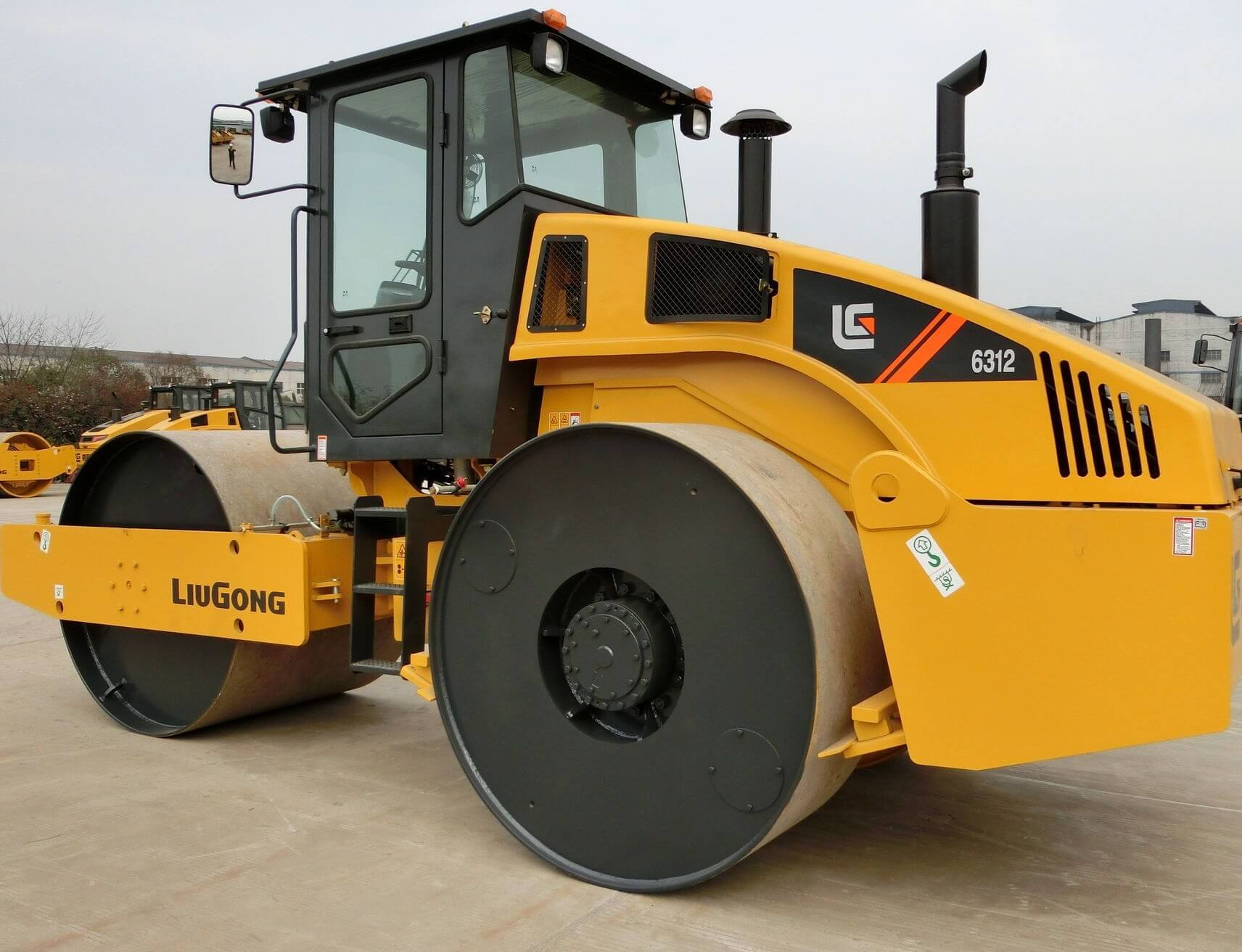
a large yellow road roller parked in a parking lot

Choosing the Right Roller

Choosing the appropriate roller for a construction project is essential. Using the wrong roller type can cause poor results and issues. There are a few key factors to consider when determining which roller best suits your project’s needs.

Project Type and Size

The size and scope of the project is an important consideration. Larger projects involving roads, highways, or large building foundations will require more heavy-duty options that can cover large areas quickly.

Compact walk-behind options or smaller ride-on models may better serve smaller jobs like residential driveways. Narrow or enclosed job sites may necessitate smaller, more maneuverable choices over larger rollers.

Surface Material

  • The material being compacted, such as soil type, gravel, asphalt, or concrete, will impact the best roller selection.
  • Clay-rich soils respond well to sheep foot rollers, while gravel is suited to grid rollers.
  • Pneumatic options provide uniform pressure well for asphalt and finer aggregates.

Budget

Cost is another factor, as larger, heavy-duty vibratory or tandem rollers involve a greater investment than walk-behind or single-drum options.

Rental rates should also be considered, as owning may not make financial sense for smaller jobs or infrequent needs.

Lifecycle costs like maintenance and fuel efficiency can influence long-term budget impacts.

These key considerations will help ensure the roller chosen is well-matched to the project’s unique characteristics and needs. This leads to better results, higher productivity, and reduced risk of issues.

Frequently Asked Questions (A Step-By-Step Guide: How to Build a Dumpster Enclosure)

Building a dumpster enclosure serves several important purposes. It prevents unauthorized access to the dumpster, which can help reduce illegal dumping. The enclosure also keeps litter contained and protects the dumpster from weather elements. It improves the property’s aesthetics by hiding the dumpster from public view.
A dumpster enclosure should be at least 3 feet a few inches wider than the dumpster on each side. This allows enough room for easy access to the dumpster to dispose of waste.
The material for constructing a dumpster enclosure depends on budget, durability, maintenance requirements, and aesthetics. Common materials include wood, vinyl, chain link fencing, and concrete. Vinyl and wood dumpster enclosures serve to provide privacy but require more maintenance.
Its capacity, measured in yards, determines the dimensions of a dumpster. A 2-yard dumpster is approximately 6 feet wide, 4 feet deep, and 5 feet tall. Similarly, a 4-yard dumpster is around 8 feet wide, 6 feet deep, and 6 feet tall.
The permitting requirements for a garbage truck and constructing a dumpster enclosure vary between cities. It is best to first check with the local municipal office or waste management department to understand the regulations.

Types of Construction Crane

Mediapayperlead-com December 10, 2024

Types of Construction Crane

Meta Description: Discover the various construction cranes used in different terrains and projects. From mobile and tower cranes to specialized stackers, find the right crane for your lifting needs.

Construction projects require heavy machinery for various lifting and moving tasks. Cranes are one of the most essential equipment used across different construction sites. However, with various types of cranes available, it is important to understand their key differences to select the right one for the job.

This article provides an in-depth overview of common crane types used in construction, along with their unique features and suitability for specific project needs.

Key Takeaways:

  • Various crane types are used across construction sites for efficient lifting based on project needs and terrain.
  • Mobile cranes, like rough terrain and crawler varieties, provide flexibility, while tower cranes maximize reach.
  • Specialized floating, aerial, and bulk-handling cranes address unique lifting needs.
  • Choosing the right crane involves considering factors like load weight, required positioning accuracy, and site accessibility.
  • Proper crane selection ensures safe and productive material movement for on-time project completion.

Understanding the Evolution and Uses of Construction Cranes 

Cranes have become integral to construction sites, lifting heavy loads to build tall buildings and infrastructure. Their design and applications have evolved significantly from ancient times to address the growing needs of the industry.

This article discusses the developmental journey of cranes and highlights the common types used today, along with their key features to handle tasks across various construction projects efficiently.

A Brief History of Construction Cranes 

Cranes have a long history dating back to ancient Greece when the first basic design was developed to aid construction. Over the following centuries, advancements were made to replace manual pulley systems with powered lifting mechanisms, especially during the Industrial Revolution.

Today’s modern cranes offer enhanced capabilities compared to earlier designs with the development of mobile, static, floating, railroad, aerial, and other specialized types. Each addresses lifting requirements more effectively on construction sites.

Common Types of Construction Cranes

Different cranes include mobile cranes like rough terrain, crawlers, carry decks, and vehicle-mounted cranes suited for different terrains. Tower cranes mounted on tall structures provide maximum reach. Telescopic, overhead, and gantry cranes installed on-site improve efficiency.

Floating cranes are constructed for marine projects while aerial cranes access difficult locations. Specialized stackers and bulk-handling cranes automate repetitive tasks.

Choosing the right crane depends on lifting needs, terrain, and safety factors to complete various construction activities successfully.

1. Mobile Crane

Mobile cranes are highly versatile and form the backbone of lifting activities across construction sites. Ranging from rough terrain cranes to carry deck varieties, each mobile type addresses specific terrain and accessibility needs for efficient lifting and movement of heavy loads.

Truck-mounted, crawler, and other wheeled mobile cranes feature in most projects, handling tasks from the initial site development to the final completion of structures and infrastructure with unparalleled flexibility.

2. Truck-Mounted Cranes 

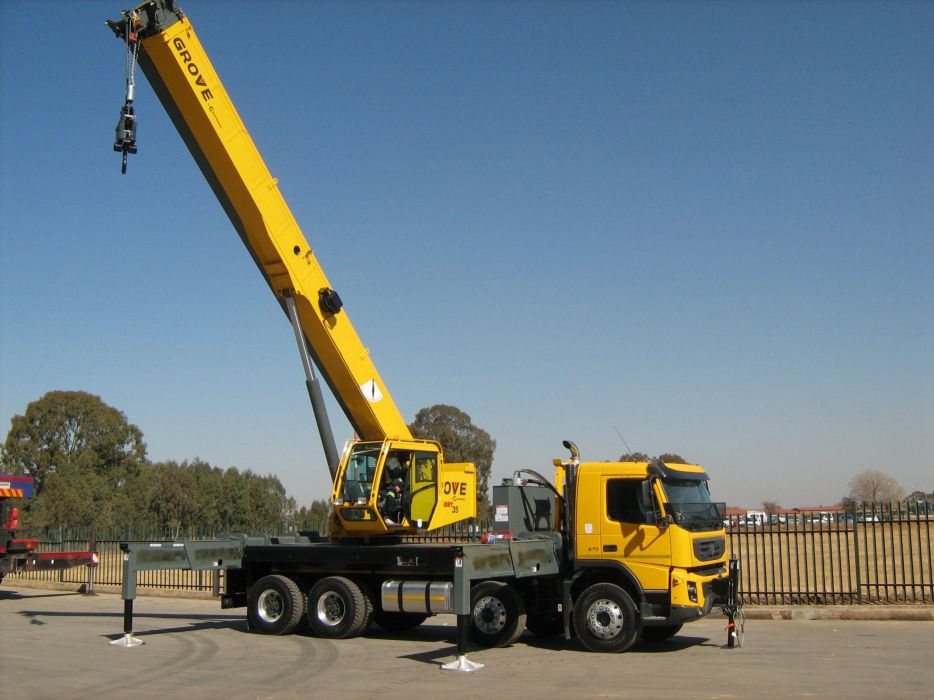
Truck-mounted cranes consist of a boom mounted on a truck chassis for highway travel between work sites. Fitted with outriggers for stability while lifting, they suit tasks requiring frequent shifting within a project area.

The truck acts as the carrier to transport the entire crane to the location where its overhead reach and lifting capacity are effectively used. Depending on the model, it can rotate 180 or even 360 degrees to lift materials using its hydraulic mechanism.

3. Crawler Crane 

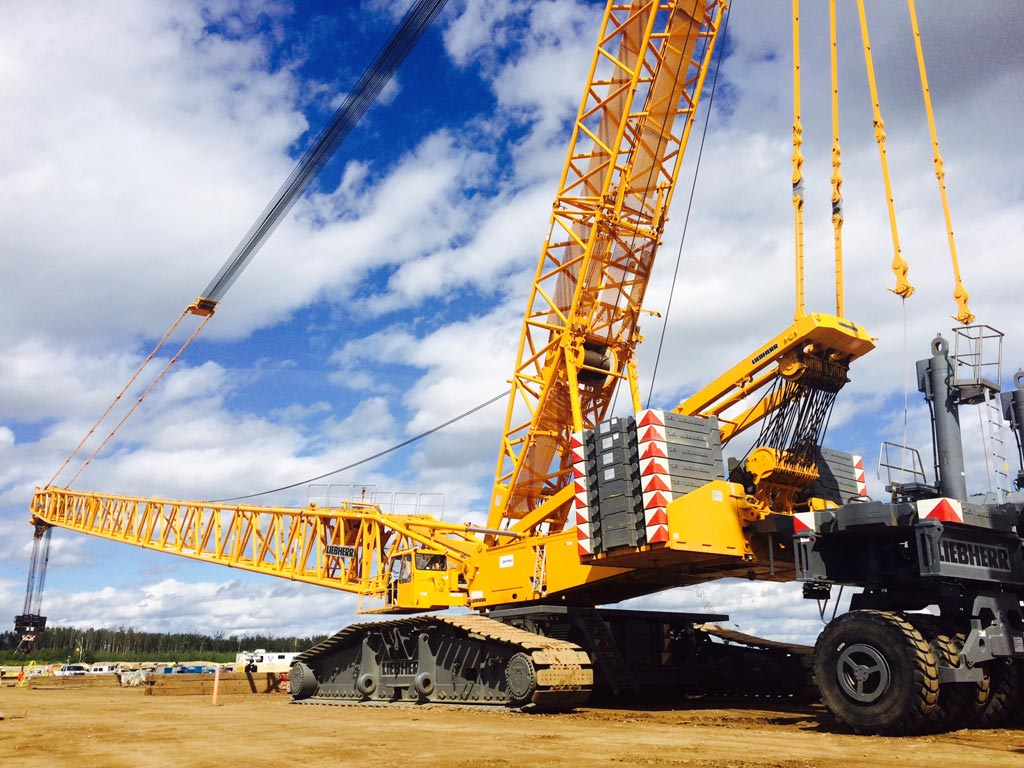
Crawler crane has a robust caterpillar track system enabling outstanding mobility even on soft or uneven terrain where wheeled cranes cannot access. The broad footprint of the tracks distributes weight effectively without sinking or getting stuck.

Crawler varieties feature telescopic or fixed booms to lift heavy loads to construct tall buildings, bridges, and other infrastructure. Some models have enhanced flexibility with an adjustable boom that can be elevated or lowered as a ‘luffing’ action. Crawler cranes are well-suited for long-term projects.

4. Rough Terrain Cranes 

Rough terrain cranes are highly maneuverable mobile machines designed for operation in rugged environments off-road. Equipped with four large tires instead of tracks, they can navigate through challenging job sites that other vehicle-mounted or crawler cranes cannot access.

Fitted with telescopic boom extensions and stabilizing outriggers, rough terrain cranes are well-suited for lifting heavy loads in tight and uneven terrain. Their versatile configuration supports working in space-constrained areas for tasks like constructing remote bridges and buildings.

5. Carry Deck Cranes 

Carry deck cranes are compact yet versatile mobile machines ideal for confined construction sites and indoor spaces. Mounted on four wheels for 360-degree rotation, their small footprint allows easy navigation. As one of the newer crane types, carry deck cranes evolved from earlier pick-and-carry models for lifting loads that require a low-profile machine.

Due to their ability to maneuver in very tight spaces while clearing overhead obstacles, they are well-suited for tasks like installing trusses, beams, and equipment on buildings under development. Carry deck cranes are simple to transport and set up, making them suitable for frequent shifting within crowded job sites.

a large towable crane

Fixed Cranes for Heavy Lifting

Fixed cranes installed on construction sites provide maximum lifting capacity and reach for maneuvering heavyweight materials to greater heights. Tower, overhead, gantry, and other fixed varieties with stationary masts efficiently facilitate material movement throughout projects.

1. Tower Cranes 

Tower cranes are common on large construction sites, particularly for building tall structures. Fitted with powerful lifting machinery, tower cranes have a telescopic boom that extends horizontally on a rotating platform mounted on a mast, anchored securely to the ground or structure on a concrete base.

Hammerhead and luffing tower crane models are widely used, with the latter featuring an adjustable jib arm. Tower cranes are an integral part of the project, growing taller along with the building as it rise to effectively lift loads and balance heavy building materials at varying elevations.

2. Hammerhead Cranes

The hammerhead crane is a robust fixed crane commonly used on large construction sites. It features a horizontal jib that can rotate a full 360 degrees around the mast at a fixed level. This heavy-duty design resembles an upside-down L-shape, making it well-suited for lifting various materials.

Hammerhead tower cranes are very stable and reliable for precise material handling. Their immense lifting capacity also allows the balancing of heavyweight loads at different elevations of tall buildings under development.

3. Telescopic Crane 

A telescopic crane is a fixed crane equipped with an extendable, collapsible boom that functions like a telescope. This unique telescopic boom system enables the crane’s reach to be adjusted based on project needs, providing flexibility not seen in other fixed crane types.

Mounted on static foundations or even truck carriers for portability, telescopic cranes are highly adaptable for tasks across construction sites and some rescue operations. Their compact design allows easy transport and setup at different locations.

Specialized Cranes for Unique Needs

While common crane types handle standard lifting tasks, specialized machines address unique project requirements like mass material movement and operating in hazardous conditions.

1. Bulk Handling Cranes 

Bulk handling cranes are designed specifically for tasks requiring the movement of large volumes of bulk materials. Fitted with a grabbing mechanism instead of a hook, these heavy-duty cranes can efficiently collect, hold, and transport bulk commodities like coal, grains, and minerals in massive quantities.

Their long reach and bucket configuration allow swift loading and unloading of bulk cargo from various transport modes and storage facilities. Bulk-handling cranes greatly improve productivity and are well-suited for port construction involving bulk cargo transfer.

2. Overhead and Gantry Cranes 

Overhead and gantry cranes are fixed crane varieties commonly installed inside factories, warehouses, and other indoor construction sites. An overhead crane has a hoist traveling along an overhead beam, while a gantry crane has two legs with a hoist in between.

Both types efficiently lift and transfer materials and equipment over long distances through their horizontal range of motion. Gantry cranes are also widely used at ports for loading and unloading heavy cargo from ships using their robust lifting capacity.

3. Aerial Crane 

Aerial cranes mounted on truck carriers provide mobile access to difficult locations for lifting that other crane types cannot reach. Equipped with extendable and articulating booms, aerial cranes can position their lifting hooks in narrow spaces over multi-level structures.

Suitable for tasks like the glazing of high-rise buildings, their elevated work platform holds operators safely for precision material placement and assembly activities. Aerial cranes require height and positioning flexibility in construction, maintenance, and rescue operations.

4. Sky Cranes

Sky cranes are specialized heavy-lift aerial cranes capable of transporting and positioning extremely heavy loads in remote locations. Mounted on a helicopter, they can lift loads several times heavier than the aircraft’s unladen weight and fly them to construction sites only accessible by air.

Used extensively in industries like power lines and pipeline construction, they are also valuable for disaster relief efforts requiring the delivery of large payloads.

5. Bridge Cranes 

Bridge cranes, called overhead cranes, are fixed gantry cranes commonly used in industrial facilities like factories, warehouses, and workshops. They consist of parallel runways with a traveling hoist bridge running on a system of tracks.

These Cranes are highly efficient for lifting and transferring materials over long distances through their horizontal range of motion.

Frequently Asked Questions (A Step-By-Step Guide: How to Build a Dumpster Enclosure)

Building a dumpster enclosure serves several important purposes. It prevents unauthorized access to the dumpster, which can help reduce illegal dumping. The enclosure also keeps litter contained and protects the dumpster from weather elements. It improves the property’s aesthetics by hiding the dumpster from public view.
A dumpster enclosure should be at least 3 feet a few inches wider than the dumpster on each side. This allows enough room for easy access to the dumpster to dispose of waste.
The material for constructing a dumpster enclosure depends on budget, durability, maintenance requirements, and aesthetics. Common materials include wood, vinyl, chain link fencing, and concrete. Vinyl and wood dumpster enclosures serve to provide privacy but require more maintenance.
Its capacity, measured in yards, determines the dimensions of a dumpster. A 2-yard dumpster is approximately 6 feet wide, 4 feet deep, and 5 feet tall. Similarly, a 4-yard dumpster is around 8 feet wide, 6 feet deep, and 6 feet tall.
The permitting requirements for a garbage truck and constructing a dumpster enclosure vary between cities. It is best to first check with the local municipal office or waste management department to understand the regulations.

Role of Crane Rentals in Eco-Friendly Construction

Mediapayperlead-com December 10, 2024

Role of Crane Rentals in Eco-Friendly Construction

Meta Description: Learn how crane rentals enable eco-friendly construction through sustainable equipment, expertise, and practices that reduce environmental impact and support green building goals.

Eco-friendly construction practices are becoming increasingly popular as the building industry aims to reduce environmental impact. One area often overlooked is the role of crane rentals in supporting sustainable construction methods.

In this article, we will examine the benefits of using crane rentals for green building projects, the types of cranes that are most eco-friendly, and key factors to consider when selecting a rental crane to minimize environmental damage. By choosing energy-efficient cranes and leveraging them strategically, construction companies can execute projects more sustainably yet cost-effectively.

Key Takeaways

  • Crane rentals play a vital role in eco-friendly construction through efficiency, flexibility, and access to green technology.
  • Strategic crane selection and operation minimize environmental impact via reduced emissions, waste, and land disturbance.
  • Newer crane models offer hybrid engines, electric power, and regenerative braking for sustainability.
  • Rental providers supply expertise in green practices, operator training, and maintenance for safety and efficiency.
  • As eco-construction expands, crane rentals will remain essential for meeting equipment needs and advancing sustainability.

Introduction to Eco-Friendly Construction

Eco-friendly construction practices aim to reduce the environmental impact of building projects through sustainable design, materials, and methods. Crane rental companies can play a crucial role in supporting eco-friendly construction sites by providing energy-efficient crane rentals and expertise to enhance sustainability on the job site.

When starting an eco-friendly construction project, project owners and construction companies need to evaluate the role of crane rentals in achieving environmental sustainability.

  • Proper crane selection, operation, and maintenance from rental companies can lower emissions, minimize construction waste, preserve local ecosystems, and prioritize safety on the construction site.
  • Additionally, renting newer cranes with features like hybrid engines and regenerative braking reduces energy use and emissions versus owning an older crane fleet.
  • Access to experienced crane operators specially trained in sustainable construction methods is invaluable for optimizing crane operations and minimizing environmental impact.
  • Keeping rental cranes well-maintained and serviced cuts down on leaks, malfunctions, construction accidents, and debris on the construction site.
  • Strategic lifting and placing sustainable building materials with cranes limits excavation and land disturbance.

Crane rental is a crucial but often overlooked element of eco-friendly construction projects. By leveraging expertise and the newest crane equipment from rental companies, sustainability certification standards can be met while controlling costs.

Leading construction companies must recognize the role of crane rentals in supporting green building aims and utilize rentals strategically.

Benefits of Using Crane Rentals for Eco-Friendly Construction Projects

Crane rental can provide numerous advantages for construction companies and project owners looking to implement eco-friendly building practices. The right equipment and expertise from rental providers allow organizations to meet sustainability goals while remaining on time and within budget.

1. Cost Savings from Renting Energy-Efficient Cranes

Renting modern, energy-efficient cranes with hybrid engines and optimized control systems reduces fuel consumption and emissions. Rather than outright purchasing an entire green crane fleet, construction firms can save significantly by renting only the sustainable equipment necessary for each project.

2. Maximizing Efficiency and Minimizing Waste

Expert crane operation streamlines material transport and placement while reducing spills and accidents that generate waste. Rental providers offer the training and knowledge needed to utilize cranes efficiently. Proper maintenance also minimizes leaks and malfunctions that disrupt operations.

3. Prioritizing Safety and Sustainability

Rental cranes meet the latest safety and sustainability certifications. This reduces risk on the construction site while ensuring environmental standards are met. Rental providers also supply specialized training in green practices.

4. Preserving Local Wildlife and Ecosystems

Strategic crane operation minimizes excavation and land disturbance that damages habitats. Cranes allow for the careful lifting and placing of materials, reducing pollution and impacting the ecosystem.

5. Providing Flexibility and Scalability

Renting cranes on demand allows flexibility to scale equipment needs up or down. Companies avoid the costs of purchasing and maintaining an entire fleet. This optimizes utilization and sustainability.

Types of Cranes Ideal for Eco-Friendly Construction

When selecting rental cranes for sustainable projects, it’s important to consider equipment options that are energy-efficient and designed to minimize environmental impact. The right cranes can help construction companies meet green building goals.

Hybrid Cranes

Hybrid cranes utilize both diesel engines and electric battery power. The electric battery allows the crane to operate with the diesel engine off for certain functions, reducing emissions and fuel consumption. Hybrid models optimize energy efficiency.

Electric Cranes

Fully electric cranes allow zero-emissions operation by relying solely on battery power instead of diesel fuel. They produce no pollutants and minimize noise on the construction site. Electric cranes are ideal for indoor or urban projects focused on air quality.

Cranes with Regenerative Braking Systems

Cranes equipped with regenerative braking systems capture energy when lowering loads and convert it into stored power. This increases efficiency by reducing the amount of energy lost during braking. Cranes with regenerative braking enhance sustainability.

When selecting eco-friendly rental cranes, companies should consider the latest hybrid, electric, and regenerative braking options to maximize energy efficiency and minimize environmental impact.

What to Look For When Renting a Crane for Green Construction

Choosing the right rental crane is key for eco-friendly construction projects. Companies should evaluate options based on sustainability factors like efficiency, safety, and environmental impact.

  • Fuel Efficiency and Emissions: Seeking cranes with hybrid engines or regenerative braking reduces fuel consumption and emissions. Review efficiency specifications and opt for equipment with the lowest environmental footprint.
  • Noise Levels: Excessive noise can disturb urban environments and wildlife. Consider electric cranes or models engineered to minimize noise pollution during operation.
  • Safety Features and Operator Training: Well-trained staff operating modern cranes with the latest safety features prevent on-site accidents and risks. Ensure operators have green construction expertise.
  • Condition and Maintenance Records: Properly maintained cranes are less likely to leak hazardous materials or malfunction. Review maintenance logs and inspect condition thoroughly before renting.
  • Ability to Lift and Move Materials Efficiently: Choose an optimally sized crane to transport and place heavy materials precisely. Efficient lifting reduces spills and minimizes disturbance to the site.

Evaluating cranes based on these sustainability criteria will help identify the best rental equipment for efficient, safe, and eco-friendly construction.

Frequently Asked Questions (A Step-By-Step Guide: How to Build a Dumpster Enclosure)

Building a dumpster enclosure serves several important purposes. It prevents unauthorized access to the dumpster, which can help reduce illegal dumping. The enclosure also keeps litter contained and protects the dumpster from weather elements. It improves the property’s aesthetics by hiding the dumpster from public view.
A dumpster enclosure should be at least 3 feet a few inches wider than the dumpster on each side. This allows enough room for easy access to the dumpster to dispose of waste.
The material for constructing a dumpster enclosure depends on budget, durability, maintenance requirements, and aesthetics. Common materials include wood, vinyl, chain link fencing, and concrete. Vinyl and wood dumpster enclosures serve to provide privacy but require more maintenance.
Its capacity, measured in yards, determines the dimensions of a dumpster. A 2-yard dumpster is approximately 6 feet wide, 4 feet deep, and 5 feet tall. Similarly, a 4-yard dumpster is around 8 feet wide, 6 feet deep, and 6 feet tall.
The permitting requirements for a garbage truck and constructing a dumpster enclosure vary between cities. It is best to first check with the local municipal office or waste management department to understand the regulations.

How Do Cranes Work in Construction?

Mediapayperlead-com December 10, 2024

How Do Cranes Work in Construction?

Meta Description: Learn how cranes safely lift heavy construction loads. This article explains crane components like booms, pulleys, and counterweights that provide leverage and mechanical advantage. Discover the different types of cranes used on sites.

Cranes are an indispensable piece of machinery in any major construction project. They allow workers to lift incredibly heavy loads to great heights safely and efficiently.

While cranes may seem simple on the outside, they are complex machines that utilize leverage, pulley systems, and counterweights to be able to lift thousands of pounds hundreds of feet into the air.

This article will explore the main components of cranes, how they are assembled, the different types used in construction, and how operators carefully control these machines to erect skyscrapers and other massive buildings.

Learning the basics of how cranes function gives an appreciation for modern construction projects’ sheer scale and complexity.

Key Takeaways

  • Cranes utilize leverage and pulley systems to lift heavy loads safely and to great heights. The boom acts as a lever, while pulleys provide mechanical advantage.
  • Counterweights offset the load’s weight to prevent tipping. Tower cranes climb themselves up during construction.
  • Mobile, crawler, tower, and overhead cranes each have advantages for different applications. Operators control cranes precisely using joysticks.
  • Choosing the optimal crane depends on load properties, reach/height, site access, and costs. Proper operation and maintenance are critical for safety.

Introduction to Cranes

Cranes are an essential piece of heavy machinery found on construction sites worldwide. Complex machines utilize leverage, pulley systems, and counterweights to safely lift and precisely position heavy loads like steel beams, precast concrete, HVAC units, etc. The crane lift plays a pivotal role in modern construction, enabling the lifting of heavy materials at significant heights with the aid of pulleys and levers, underscoring the indispensable nature of cranes in the construction industry.

Definition of a Crane

A crane is a machine capable of raising and lowering heavy objects and moving them horizontally with great control. Cranes allow construction workers to lift thousands of pounds of building materials and equipment to heights of hundreds of feet.

They typically have a tall tower or mast, a long horizontal jib or boom, wire ropes and sheaves, a counterweight system, and an operator cab. The jib or boom acts as a lever. At the same time, the system of pulleys provides a mechanical advantage to multiply the lifting force the crane can exert.

Importance of Cranes in Construction

Cranes are an indispensable piece of machinery in any major construction project. Lifting heavy structural components and building materials to the heights required for tall structures would be extremely difficult and hazardous without cranes.

Cranes allow these large and heavy objects to be precisely positioned, accelerating construction timelines. Their ability to lift enormous loads hundreds of feet into the air enables the construction of modern skyscrapers, stadiums, bridges, and other infrastructure.

How Do Cranes Work in Construction Projects?

Cranes are an essential piece of heavy machinery that allows construction to reach new heights, particularly through how tower cranes work to lift heavy materials like steel beams and precast concrete at construction sites. At the heart of every construction crane is a trained crane operator who uses joysticks and switches inside the operator’s cab to carefully control the crane’s movements.

The operator relies on complex calculations and load charts to understand the crane’s capacity and prevent overloading at different configurations. On the construction site, the operator works closely with signal people on the ground to safely coordinate every lift of heavy materials like steel beams and precast concrete using the crane’s pulley system and leverage.

Tower cranes are a common sight rising hundreds of feet into the air at construction sites. They are assembled piece-by-piece with a concrete pad foundation and climb higher using a hydraulic jack system and climbing unit.

Massive counterweights keep the crane balanced and prevent tipping as loads change. The horizontal jib utilizes leverage and allows the trolley to move building materials to the exact point needed through precise coordination by the operator. Overhead cranes are another important type used in industrial settings with bridge beams allowing coverage over a large area.

While cranes rely on the basic principles of pulleys and levers, they use this mechanical advantage to safely lift extremely heavy objects that would be impossible for human strength alone.

Their capabilities allow modern skyscrapers and infrastructure to be built. Crane operators skillfully control these complex machines through extensive training and a focus on safety.

Main Components of a Crane

Cranes are complex machines with many parts working together to lift and position heavy loads safely and precisely. The main components include the base, mast or tower, boom/jib, counterweights, cab, and controls. Each component serves an important function. Additionally, the role of the ‘counter jib’ is crucial in maintaining balance and stability in tower cranes. It extends in the opposite direction of the jib and helps the tower crane maintain its balance, with counterweights at the rear of the counter jib balancing the load of the lift to maintain stability.

Base

The base of a crane needs to be extremely stable to support the crane and its loads without shifting or tipping. Tower cranes are mounted on massive concrete foundations that weigh hundreds of thousands of pounds and are anchored to the ground with steel rebar. Mobile cranes have outrigger legs or crawler tracks to distribute weight.

Mast

The mast, also called the tower, is the vertical structure that heightens cranes. Tower sections are stacked and secured on each other, constructed from steel lattices or tubes. The height of the mast determines the hook height capacity.

Boom/Jib

The boom and jib are the horizontal arms where the hoist lines and hook are rigged. They act as a lever to lift and position loads at a distance from the mast. The boom length affects the maximum horizontal reach. Jibs can provide additional reach.

Counterweights

Counterweights are concrete blocks or steel plates that offset the weight of the load to prevent the crane from tipping. They are located at the machinery deck’s rear or the mast’s base. Proper counterweight is vital for crane stability.

Cab and Controls

The operator’s cab houses the controls and critical instrumentation to monitor loads, boom position, wind, etc. Cranes are operated with joysticks and switches. Modern cabs have creature comforts like climate control.

Types of Cranes Used in Construction

Several major types of cranes are utilized in the construction industry, each with advantages for different applications.

The most common types are mobile, crawler, tower, and overhead cranes. Understanding the unique features of each crane type helps determine the right crane for the job. In the context of tower cranes, hydraulic jacks play a crucial role in the crane’s ability to climb higher as the construction project progresses. These jacks lift the top of the crane enough to insert another tower section at the top of the mast. As the structure increases in height, tie-ins are installed, followed by a climbing operation to increase the total height of the tower crane.

Another specific type of crane used in construction is the luffing jib crane. This crane features a jib that can rotate up and down, with the hook fixed to the end of the jib. This allows the luffing jib crane to set its boom at a higher angle when not in use, reducing the radius needed for weathervaning. Its unique functionality and specific features make the luffing jib crane particularly useful for projects with space constraints or those requiring precise maneuvering of materials at height.

Mobile Crane and How It Works

Mobile cranes are mounted on crawlers or rubber tires, making them portable between job sites. They have hydraulic booms and telescoping jibs to adjust reach. Outriggers stabilize the crane when lifting. Mobile cranes are versatile for a range of construction projects.

Crawler Crane and How It Works

Crawler cranes have lattice booms and run on tracks that distribute weight and allow traversing rough terrain. Sections are transported on trucks and then assembled on-site. Crawler cranes excel at large outdoor jobs like civil projects. Their tracks provide stability when lifting heavy loads.

Tower Crane and How It Works

Tower cranes feature a fixed vertical mast, horizontal jib, and trolley to lift loads to great heights. They are assembled piece-by-piece and climb themselves up using a hydraulic jack system. Tower cranes are ideal for constructing tall buildings. Their high capacity and precision make them indispensable.

Overhead Crane and How It Works

Overhead cranes consist of a hoist that runs along bridge beams or gantry rails, allowing coverage over a large indoor area. While limited in height and capacity, overhead cranes efficiently handle loads in warehouse settings and industrial facilities. Their mobility offers flexibility.

a yellow crane sitting on top of a truck

How Cranes Lift Heavy Loads

Cranes can safely lift thousands of pounds of materials to great heights through leverage and mechanical advantage. The right combination of booms/jibs, pulley systems, and counterweights allows cranes to move loads that would be impossible for human strength alone.

Leverage and Mechanical Advantage

The long horizontal boom acts as a lever, with the turntable at the center as the fulcrum. The boom multiplies the lifting force through leverage. Using relatively little effort gives cranes a mechanical advantage to lift enormous loads. The longer the boom, the greater the leverage.

Pulley Systems

Cranes utilize complex pulley systems with multiple sheaves and hoist lines rigged from the boom tip. This allows the load to be distributed across many sections of wire rope rather than a single line. More supporting hoist lines increase the lifting capacity through mechanical advantage.

Counterweights for Balance

Massive concrete counterweights offset the weight of the load, preventing the crane from tipping forward when lifting. The counterweight system keeps the crane balanced and stable as the load changes. Proper counterweighting is critical to prevent catastrophic accidents.

Assembling and Operating Cranes

Before a crane can lift loads high into the sky, it must be transported, assembled properly, and operated safely by trained professionals. Getting a crane up and running takes careful coordination.

  • Transporting Crane Components: The components of large cranes are broken down into sections that are trucked to the job site, sometimes needing a dozen or more loads. Lattice boom sections can be nested while telescopic booms collapse. Precise logistics are required.
  • Assembling the Crane: Crane assembly may take weeks, starting with anchoring the tower base. A smaller assist crane lifts sections into place to stack the tower mast vertically. Then, the boom, jib, cab, and counterweights are installed.
  • Extending the Boom and Jib: Telescopic hydraulic booms and jibs are extended to the needed length using hydraulic cylinders. Lattice sections are pinned together. The correct boom angle and length are crucial for both capacity and reach.
  • Operating the crane Safely: Only certified operators run cranes after thorough inspections and communication with riggers. Joysticks smoothly swing and hoist loads while computers monitor weight limits and wind. Safe operation prevents accidents.

Choosing the Right Crane

Selecting the optimal crane for a construction project requires careful consideration of several factors, including the load properties, site constraints, and budget. The right crane maximizes efficiency and safety.

  • Load Weight and Height: The crane must have enough capacity to lift the heaviest loads that will be encountered, both near the tower and at maximum reach. Know the load weights and lifting heights needed.
  • Reach and Radius: Consider the horizontal and vertical radii required to position loads where they need to go. The crane’s boom length, jib, and luffing ability should sufficiently cover the work areas.
  • Site Access and Clearance: Review site access for trucking in crane components and the space available to assemble/disassemble the crane. Check for overhead obstacles like power lines within the operating radius.
  • Costs: Compare rental costs of different crane types and sizes that meet the capacity and reach needed. Bigger is not always better; a smaller assist crane can supplement a main crane for occasional heavy picks.

Frequently Asked Questions (A Step-By-Step Guide: How to Build a Dumpster Enclosure)

Building a dumpster enclosure serves several important purposes. It prevents unauthorized access to the dumpster, which can help reduce illegal dumping. The enclosure also keeps litter contained and protects the dumpster from weather elements. It improves the property’s aesthetics by hiding the dumpster from public view.
A dumpster enclosure should be at least 3 feet a few inches wider than the dumpster on each side. This allows enough room for easy access to the dumpster to dispose of waste.
The material for constructing a dumpster enclosure depends on budget, durability, maintenance requirements, and aesthetics. Common materials include wood, vinyl, chain link fencing, and concrete. Vinyl and wood dumpster enclosures serve to provide privacy but require more maintenance.
Its capacity, measured in yards, determines the dimensions of a dumpster. A 2-yard dumpster is approximately 6 feet wide, 4 feet deep, and 5 feet tall. Similarly, a 4-yard dumpster is around 8 feet wide, 6 feet deep, and 6 feet tall.
The permitting requirements for a garbage truck and constructing a dumpster enclosure vary between cities. It is best to first check with the local municipal office or waste management department to understand the regulations.

How Are Cranes Moved To Construction Sites?

Mediapayperlead-com December 10, 2024

How Are Cranes Moved To Construction Sites?

Meta Description: Explore the transportation of heavy cranes to construction sites, including the role of crane operators and the importance of proper planning for safe and efficient assembly.

Cranes are essential machinery used across various construction projects. With different types of cranes serving specific purposes, transportation of cranes to job sites requires careful planning.

This article analyzes how factors like crane type and size, site conditions, and access determine transport needs. It further explores the various methods deployed for efficiently moving mobile and fixed cranes so they are ready for use on construction sites.

Key Takeaways:

  • Crane type and size, as well as site conditions, determine transportation needs.
  • Mobile cranes with road access can drive between sites, while others traverse off-road.
  • Tower cranes are dismantled into smaller parts for transport and reassembled onsite.
  • Newer self-erecting and climbing tower cranes are installed with less effort.
  • Proper evaluation of project requirements aids in the selection of the right transportation solution

Types of Cranes Used in Construction

The construction industry relies on different types of cranes to lift and transport heavy materials. The two main categories are mobile cranes and fixed cranes.

Mobile Cranes

Mobile cranes like rough terrain cranes, crawler cranes, and truck-mounted cranes can move around job sites on their own power. Rough terrain cranes have large wheels allowing them to traverse uneven grounds safely.

Crawler cranes move on tracks and are suitable for operating in tight or limited spaces. Truck-mounted cranes with folding booms are ideal for lifting loads over short distances on public roads.

Fixed or Stationary Cranes

Fixed cranes include tower cranes and luffing jib cranes assembled on-site in separate components. Tower cranes, sometimes reaching several hundred feet, are disassembled into smaller component parts for transport.

A climbing unit or hydraulic jack allows certain tower cranes to climb the construction building. Luffing jib cranes have a movable horizontal boom that helps lift loads at variable heights efficiently. Both these fixed cranes require careful planning and coordination for transport and on-site assembly using smaller mobile cranes.

Determining Crane Transportation Needs

The type of crane needed for the job and site-specific factors dictate how cranes are transported.

1. Crane Type and Size

Whether it is a mobile crane like a rough terrain crane, tower crane, or luffing jib crane, the transportation method varies based on the crane’s type and size. Large tower cranes reaching several hundred feet are disassembled into smaller component parts for transport compared to medium-sized mobile cranes.

2. Site Conditions and Access

The conditions at the construction site, especially access, also impact crane mobility. Job sites located within tall buildings or with limited space require careful planning for assembling cranes on site.

Sites without road access necessitate cranes equipped to operate safely across uneven grounds, such as rough terrain cranes. Proper evaluation of potential hazards and obstacles aids the transportation of oversized loads.

Transporting Mobile Cranes

Mobile cranes provide flexibility for transporting and operating in different job sites.

Roadworthy Cranes

Many mobile cranes like truck-mounted cranes are roadworthy vehicles that can be easily driven on public roads over short distances between construction projects. These cranes with folding booms are suitable for lifting loads during transport.

Medium-sized mobile cranes can also drive on roads if permitted, with requirements like escorting vehicles in busy areas.

Cranes with Off-Road Capabilities

For construction sites without road access, rough terrain cranes with heavy-duty wheels/tracks and four-wheel drive are optimal. Equipped to traverse uneven grounds safely, they can access remote job sites and operate within tall buildings and limited spaces.

Crawler cranes similarly move on tracks and maneuver heavy loads over unstable surfaces. Proper evaluation of a crane’s mobility aids transportation depending on site conditions.

Advances in Crane Transportation

New technologies now make transporting and erecting tower cranes more efficient.

Self-Erecting Tower Cranes

As an innovative development, self-erecting tower cranes are driven to job sites assembled as a single unit. Using an internal hydraulic system, they can unfold and erect without dismantling. The crane is ready to lift and construct the building in about an hour. This spares the effort of disassembling and reassembling with smaller cranes on site.

Climbing or Jumping Tower Cranes

Certain tower cranes called ‘climbing units’ can climb the constructed building along with its progress. A hydraulic jack allows the crane and operator’s cab to lift itself floor by floor, always remaining at the top to lift loads.

Alternatively, ‘jumping cranes’ move up a few floors at a time, then jump to a higher position, ensuring efficient lifting throughout the project.

Choosing the Right Crane Transport Solution

Proper evaluation of project needs guides the selection of optimal transportation methods. Factors like the type and size of crane required, site conditions, load weight, and lifting capacity influence transport decisions. Tower cranes involving disassembly into smaller component parts for long-distance movement may need specialized trucks.

Mobile cranes traveling public roads must consider load dimensions, potential hazards, and permit requirements. Transporting taller cranes or oversized loads to jobs within tall buildings necessitates equipment like heavy-duty trailers and rigging.

Off-road capable cranes are suited for constructing remote sites without access. Overall, careful planning of a crane’s transport based on project needs ensures safe and efficient delivery for on-site operations.

Frequently Asked Questions (A Step-By-Step Guide: How to Build a Dumpster Enclosure)

Building a dumpster enclosure serves several important purposes. It prevents unauthorized access to the dumpster, which can help reduce illegal dumping. The enclosure also keeps litter contained and protects the dumpster from weather elements. It improves the property’s aesthetics by hiding the dumpster from public view.
A dumpster enclosure should be at least 3 feet a few inches wider than the dumpster on each side. This allows enough room for easy access to the dumpster to dispose of waste.
The material for constructing a dumpster enclosure depends on budget, durability, maintenance requirements, and aesthetics. Common materials include wood, vinyl, chain link fencing, and concrete. Vinyl and wood dumpster enclosures serve to provide privacy but require more maintenance.
Its capacity, measured in yards, determines the dimensions of a dumpster. A 2-yard dumpster is approximately 6 feet wide, 4 feet deep, and 5 feet tall. Similarly, a 4-yard dumpster is around 8 feet wide, 6 feet deep, and 6 feet tall.
The permitting requirements for a garbage truck and constructing a dumpster enclosure vary between cities. It is best to first check with the local municipal office or waste management department to understand the regulations.

High Rise Construction With Tower Cranes

Mediapayperlead-com December 10, 2024

High Rise Construction With Tower Cranes

Meta Description: Explore the crucial role of tower cranes in high-rise construction, including their assembly processes and safety measures. Real-world examples highlight their significance in construction projects.

Tower cranes play a vital role in constructing high-rise buildings and skyscrapers. They can safely lift heavy building materials over long distances and heights that no other equipment can match.

This article discusses these gigantic cranes’ components, assembly processes, and workings. It explores how tower cranes and the building structure are engineered to grow floor-by-floor. The article also examines how they are dismantled in a precise and planned manner at the end of a project.

Key Takeaways:

  • Tower cranes are vital in high-rise construction by safely lifting and transporting heavy materials over long distances and heights.
  • Different tower cranes include hammerhead, luffing jib, and self-erecting cranes.
  • They assemble and disassemble building components efficiently and provide crucial vertical access to workers as structures rise floor by floor.
  • Tower cranes boost productivity through streamlined lifting operations and enable construction to progress level-by-level smoothly.
  • Their flexibility and extensive reaching capabilities at varying heights make tower cranes invaluable for complex high-rise projects.

Role of Tower Cranes in High-Rise Construction

Lifting and Transporting Heavy Materials

Tower cranes play an indispensable role in high-rise construction with their ability to lift and transport extremely heavy materials over long distances and heights. As it rises, they lift materials like concrete, steel, machinery, and mast sections to various building floors.

Tower cranes allow construction workers and crews to account for and assemble heavy loads like steel beams, motors, counterweights, and concrete foundations quickly and efficiently.

With their lifting capacity and reach, tower cranes ensure smooth construction progress by delivering all necessary materials to the job site on time.

Assembling and Disassembling Construction Components

Tower cranes play a critical role in assembling various construction components at height. Through their lifting abilities, tower cranes allow crews to efficiently account for and assemble heavy machinery sections, mast sections, steel beams, and concrete foundations in their required locations.

The cranes also aid in the reverse order disassembling these components once the building is complete. Using their lifting hooks, blocks, and attached cables, tower cranes can precisely maneuver structural elements into place during erection and take them apart level-by-level during demolition.

Providing Access to Different Levels of the Building

By climbing higher through added tower sections, tower cranes provide crucial access to construction workers as the building rises. With their lifting reach extending long distances, tower cranes are the only practical means of transporting crews and their tools/materials to higher floors.

The cranes effectively enable the smooth construction progress by promptly delivering necessary loads and personnel to each job site level. This efficient vertical access is critical for high-rise projects being built floor-by-floor.

Types of Tower Cranes

There are three different types of tower cranes, including:

1. Hammerhead Cranes

One of the common types is the hammerhead tower crane which features a horizontal jib or working arm extending from the mast. These cranes are widely used for lifting tasks in high-rise construction sites due to their versatile lifting capacities.

The hammerhead type consists of a horizontal jib attached to the slewing unit at the top of the mast, allowing the crane to hoist loads over long distances. These tower cranes have lifting hooks, blocks, and cables extending from the jib end to maneuver structural elements like concrete foundations, steel beams, and mast sections into place during assembly.

With their ability to slew and rotate fully, hammerhead cranes provide efficient access to the entire job site as the building rises floor by floor.

2. Luffing Jib Cranes

Another common type is the luffing jib tower crane which features a working arm that can be raised and lowered. These tower cranes consist of a luffing jib crane mounted on the top of a mast. The luffing function allows lifting loads at variable radii from the mast by raising and lowering the horizontal jib section.

This gives luffing jib cranes flexibility to lift heavy materials from ground level to the top of tall buildings. They are widely used on construction sites for their ability to lift loads efficiently over changing distances throughout the building process.

3. Self-Erecting Cranes

Self-erecting tower cranes are capable of assembling themselves without the use of an external crane. These cranes are delivered to the job site in sections that are then lifted into place using the crane’s lifting capabilities.

The self-erecting function allows the crane to climb higher by utilizing climbing frames and hydraulic rams to push up mast sections one at a time, effectively building itself as the structure rises. This makes them an ideal choice for projects where space is limited or external lifting equipment cannot access the site.

Advantages of Using Tower Cranes in High-Rise Construction

Here are some of the possible advantages of using tower cranes in high-rise construction are as follows:

Increased efficiency and productivity

The unique lifting capabilities of tower cranes allow for highly efficient construction workflows. By transporting heavy building materials, machinery sections, crews, and tools directly to their required locations across different floors, tower cranes streamline assembly operations significantly.

They enable construction workers to account for and assemble structural elements smoothly without wasting time lifting loads manually or using multiple smaller cranes. This boosts overall productivity and ensures projects are completed on schedule.

Ability to work at great heights

With their lifting masts that climb higher through added tower sections, tower cranes provide crucial access to different construction levels as high-rise buildings rise toward the sky.

Their lifting reach extending over long distances is a practical means of transporting crews, tools, and loads to higher floors that would otherwise be difficult to access safely. This permits construction to progress level-by-level efficiently.

Flexibility in positioning and reaching

Tower cranes offer versatile flexibility through their ability to slew and rotate fully. Different types also feature adjustable lifting features like luffing jibs that allow precise positioning of loads over variable radii.

Coupled with their extensive lifting reaches, this maneuverability helps tower cranes access even the most difficult-to-reach areas of the job site. They can efficiently lift loads both horizontally and vertically during assembly operations.

Frequently Asked Questions (A Step-By-Step Guide: How to Build a Dumpster Enclosure)

Building a dumpster enclosure serves several important purposes. It prevents unauthorized access to the dumpster, which can help reduce illegal dumping. The enclosure also keeps litter contained and protects the dumpster from weather elements. It improves the property’s aesthetics by hiding the dumpster from public view.
A dumpster enclosure should be at least 3 feet a few inches wider than the dumpster on each side. This allows enough room for easy access to the dumpster to dispose of waste.
The material for constructing a dumpster enclosure depends on budget, durability, maintenance requirements, and aesthetics. Common materials include wood, vinyl, chain link fencing, and concrete. Vinyl and wood dumpster enclosures serve to provide privacy but require more maintenance.
Its capacity, measured in yards, determines the dimensions of a dumpster. A 2-yard dumpster is approximately 6 feet wide, 4 feet deep, and 5 feet tall. Similarly, a 4-yard dumpster is around 8 feet wide, 6 feet deep, and 6 feet tall.
The permitting requirements for a garbage truck and constructing a dumpster enclosure vary between cities. It is best to first check with the local municipal office or waste management department to understand the regulations.

What Are Construction Telematics?

Mediapayperlead-com December 10, 2024

What Are Construction Telematics?

Meta Description: Discover how construction telematics revolutionizes fleet management, optimizes asset allocation, reduces costs, and enhances safety. Real-world examples showcase its competitive advantages.

Telematics systems have revolutionized how construction companies and equipment rental businesses manage their assets and operations. By leveraging telematics data, owners can make informed decisions, increase efficiency and reduce costs.

This article overviews telematics solutions and their key benefits – from optimizing asset allocation and fuel efficiency to improving safety and maintenance planning. Real-world examples will demonstrate how companies are utilizing telematics to gain competitive advantages.

Key Takeaways:

  • Telematics provides real-time visibility into equipment usage and location to optimize asset allocation and fuel efficiency.
  • Engine runtime and fault code monitoring can improve maintenance planning and schedules.
  • Valuable insights into fuel consumption, operator performance, and asset utilization help construction firms reduce costs and submit more accurate bids.
  • Safety is enhanced via driver behavior tracking and equipment theft prevention.
  • Customer satisfaction increases due to job site monitoring and completed projects within estimated budgets and timelines.

What Are Construction Telematics?

Telematics refers to leveraging telecommunications and information technologies to track equipment usage metrics and transfer this data for analysis. Telematics systems utilize hardware components like GPS trackers integrated with software platforms to capture valuable insights from construction equipment operations.

Some key aspects of telematics include fuel consumption information collected from onboard diagnostics, GPS tracking of vehicle location, and monitoring of machine hours and fault codes via cellular networks.

How Telematics Systems Work?

Telematics systems leverage various hardware and software components to capture and transfer data on construction equipment usage. At the core, telematics solutions involve GPS trackers installed on vehicles and equipment that monitor locations using GPS technology.

These devices then transfer fuel consumption information, machine hours, and other operational metrics to cloud-based software platforms via cellular networks. Fleet managers can access the telematics data through web or mobile apps to gain valuable insights.

Telematics solutions integrate onboard diagnostics, GPS tracking, and data collection technologies.

Benefits of Telematics For Construction Businesses 

  1. Optimized asset allocation – Telematics data provides insights into equipment usage, fuel costs, and location across job sites. This helps construction firms ensure the right equipment is onsite and reduce operating costs from unused assets.
  2. Improved maintenance planning – Monitoring engine hours, fuel usage, and fault codes allows predictive maintenance schedules. This lowers maintenance costs and improves equipment life through preventive repairs.
  3. Reduced fuel consumption – Identifying unauthorized usage or excessive idling from telematics insights helps enforce efficient practices that save on fuel costs.
  4. Increased fuel tax refunds – Detailed fuel consumption information qualifies construction companies for larger refunds on taxes paid for off-road usage.
  5. Safer driver behavior – Telematics can track speeding or unsafe operations, helping correct operator performance through training. This also improves efficiency.
  6. More competitive bidding – Accurate job costing data from telematics-informed reports provides the basis for optimized future project bidding and estimates.

Optimizing Asset Management with Telematics

Telematics provides real-time visibility into equipment location and usage metrics, empowering construction firms to allocate assets better.

Real-time asset tracking

By leveraging GPS tracking capabilities, fleet managers can monitor the precise location of all vehicles and equipment on job sites. This helps quickly locate assets needing fuel, maintenance, or repair. Telematics also deters unauthorized usage or movement through geo-fencing alerts.

Maximizing asset utilization

Analyzing telematics data reveals asset utilization trends across projects. Underused equipment can be reallocated to sites requiring more resources while replacing persistently underperforming assets, improving overall efficiency.

Construction businesses optimize fleet utilization through performance insights on fuel consumption, operating hours, and repair schedules.

Improving the allocation of resources

By leveraging telematics data insights, construction firms can optimize asset allocation to maximize equipment utilization across job sites.

Fleet managers rely on GPS location tracking through telematics to gain visibility into which heavy equipment, vehicles, and non-powered assets are deployed on each construction site.

Performance trends showing fuel consumption, operating hours, and repair schedules help identify underused assets.

Telematics then empowers improved allocation decisions – redeploying underutilized equipment to sites requiring additional resources based on project workloads and schedules. This ensures the right equipment is onsite to boost efficiency.

Increasing Operational Efficiency with Telematics

Telematics delivers real-time equipment data to help construction firms maximize efficiency across all operational aspects.

1. Reducing fuel consumption and costs

By leveraging fuel consumption information and GPS tracking, fleet managers can identify unauthorized usage or excessive idling from telematics to enforce more fuel-efficient practices. This lowers operating costs while increasing equipment life through reduced engine hours.

2. Optimizing maintenance and repair schedules

Accessing machine hours, fuel usage, and fault code data enables predictive maintenance planning to schedule repairs before downtime occurs. Telematics also provides maintenance data to ensure equipment is serviced on schedule as per manufacturer guidelines.

3. Improving productivity through data-driven insights

Telematics generates valuable insights like operator performance trends and asset utilization metrics. Construction firms leverage these to boost efficiency through training programs or optimized resource allocation across job sites based on project workloads.

4. Enhancing Job Site Safety

Telematics provides insights to help construction firms safeguard workers and assets and meet compliance standards.

5. Monitoring operator performance

Fleet managers can identify unsafe driving behaviors by tracking metrics like speed and braking frequency through telematics. This helps correct operator habits and improve efficiency through targeted training programs.

6. Preventing equipment theft

Leveraging GPS tracking capabilities, companies can monitor the precise location of all vehicles and equipment. Geo-fencing alerts also help deter unauthorized movement or usage, which reduces theft risks.

7. Ensuring regulatory compliance

Accessing fuel consumption and engine run-time data assists with accurate reporting for emissions regulations. Telematics further helps schedule maintenance per manufacturer guidelines to comply with safety and compliance standards.

Frequently Asked Questions (A Step-By-Step Guide: How to Build a Dumpster Enclosure)

Building a dumpster enclosure serves several important purposes. It prevents unauthorized access to the dumpster, which can help reduce illegal dumping. The enclosure also keeps litter contained and protects the dumpster from weather elements. It improves the property’s aesthetics by hiding the dumpster from public view.
A dumpster enclosure should be at least 3 feet a few inches wider than the dumpster on each side. This allows enough room for easy access to the dumpster to dispose of waste.
The material for constructing a dumpster enclosure depends on budget, durability, maintenance requirements, and aesthetics. Common materials include wood, vinyl, chain link fencing, and concrete. Vinyl and wood dumpster enclosures serve to provide privacy but require more maintenance.
Its capacity, measured in yards, determines the dimensions of a dumpster. A 2-yard dumpster is approximately 6 feet wide, 4 feet deep, and 5 feet tall. Similarly, a 4-yard dumpster is around 8 feet wide, 6 feet deep, and 6 feet tall.
The permitting requirements for a garbage truck and constructing a dumpster enclosure vary between cities. It is best to first check with the local municipal office or waste management department to understand the regulations.