Waste Disposal Regulations In Construction

Mediapayperlead-com December 10, 2024

Waste Disposal Regulations In Construction

Meta Description: Explore the importance of proper waste management in construction, including regulations, waste streams, and best practices. Learn about hazardous waste disposal regulations.

Proper waste management is a crucial but often overlooked aspect of construction project management. This article provides an in-depth overview of key regulations, procedures, and best practices for waste disposal at construction sites.

We will examine requirements around waste segregation, storage, handling, and transportation. The aim is to help construction professionals ensure compliance and avoid common issues by thoroughly understanding recommended methods for responsible waste management.

Key Takeaways:

  • Proper waste management is crucial for construction projects and regulatory compliance.
  • Key steps include sorting, storing, documenting, and using qualified haulers to transport waste to licensed receiving facilities for proper treatment or disposal.
  • Methods like planning, segregation, reduction techniques, and record-keeping help reduce costs, support sustainability, and create safer job sites.
  • Careful selection of licensed professionals assists in managing waste materials and debris.

Understanding the importance of proper waste management

Proper waste management is crucial for construction projects to be completed safely and efficiently and comply with environmental regulations. Improper handling and disposal of construction waste can pose severe risks to worker health and safety, damage site infrastructure, and result in hefty fines if not addressed according to local codes.

Therefore, construction professionals must thoroughly understand recommended methods for sorting, storing, transporting, and disposing of different waste materials generated at construction sites.

Overview of common waste streams in construction projects

Some of the most common waste streams produced during construction include:

  • Excess construction materials: Wood, concrete, bricks, drywall, and other materials left over from building processes. These must be kept dry and protected from weather.
  • Packaging waste: Cardboard, plastic, wood, and other packaging from delivered building supplies and equipment. This waste should be flattened or broken down for more efficient storage and transportation.
  • Landscape waste: Vegetation, stumps, and rocks removed during site preparation. Landscape waste can be composted or recycled in many areas rather than sent to landfills.
  • Hazardous waste: Paints, solvents, adhesives, and other chemicals require special handling per EPA guidelines. They must be stored, transported, and disposed of only at approved facilities.
  • Sanitary waste: Portable toilets, hand washing stations, and food waste from worker areas. This waste needs regular removal to avoid health issues.

By properly sorting, storing, and tracking these common waste streams, construction professionals can help projects stay on schedule and budget and comply with all applicable regulations.

Key Regulations Around Waste Disposal

Regulations governing hazardous waste disposal

Properly handling of hazardous waste materials is strictly regulated to protect construction workers, the community, and the environment. The main regulations that govern hazardous waste disposal from construction projects in the United States include:

  • The Resource Conservation and Recovery Act (RCRA) establishes a system for controlling hazardous waste from generation, transportation, treatment, storage, and disposal. It mandates proper labeling and disposal of hazardous materials like asbestos, lead paint, and solvents.
  • Environmental Protection Agency (EPA) regulations provide detailed guidelines on the classification, storage, transportation, and manifesting of hazardous and non-hazardous construction wastes. The EPA oversees approved facilities that can receive different types of dangerous debris and contaminated soil for treatment and disposal.
  • Occupational Safety and Health Administration (OSHA) standards require construction contractors to provide safety training to workers handling hazardous materials. They set rules for personal protective equipment, exposure limits, and health monitoring programs to protect workers from lung cancer, human health risks, and other negative impacts of unsafe exposure.
  • State environmental agencies also have regulations governing hazardous waste disposal that may be more stringent than federal rules. Permits are usually required to transport and dispose of hazardous debris and to close contaminated sites properly.

Regulations around disposal of non-hazardous waste

The disposal of non-hazardous waste from construction projects is still heavily regulated to promote reuse/recycling and proper handling. Some of the main regulations include:

  • The Environmental Protection Act requires construction firms in the UK to manage all waste produced as part of their construction or demolition works. It aims to significantly reduce the vast majority of waste materials going to landfills through proper disposal or reuse.
  • State environmental agencies set rules for the disposal of common non-hazardous wastes like wood, drywall, concrete, cardboard, and plastic packaging. These wastes must be source-separated and taken to approved facilities for recycling or disposal in landfills.
  • Local waste management plans and policies mandate record-keeping of waste streams and the use of certified waste haulers. They also restrict certain wastes from landfill disposal to encourage more recycling of resources and conservation of natural materials.

Permitting requirements for waste disposal

In addition to following general regulations, most areas require construction contractors to obtain permits for waste disposal and recycling activities. This includes:

  1. Waste transport permits are needed to haul loads of construction debris, including non-hazardous wastes, to off-site processing facilities using dump trucks or roll-off containers.
  2. Disposal facility permits are required by landfills and material recovery facilities accepting construction waste materials.
  3. Large construction sites may need Temporary waste storage permits to keep debris on-site in roll-off boxes or other containers until removal.

Waste Reduction Techniques

Proper planning is key to reducing waste generation on construction projects. By implementing best practices for waste reduction, contractors can significantly lower disposal costs and better serve the environment.

Planning to minimize waste generation

Thorough project planning includes estimating material quantities accurately to order only what is needed. This prevents waste of leftover building materials like wood, drywall, and concrete that would otherwise go to landfill.

Careful planning of construction sequencing also helps reduce waste. For example, coordinating trades to install pipes and wires before wall framing prevents last-minute cutting and damage that yields scrap wood and drywall.

Digital building information modeling (BIM) allows contractors to visualize the project, optimize material orders, and catch design issues early to avoid rework. BIM coupled with Lean Construction practices can substantially reduce waste.

Procuring materials in optimized sizes matching project dimensions further reduces trimmings and offcuts. Recycling facilities can process most excess wood, drywall, cardboard, and plastic for reuse rather than disposal.

Implementing lean construction practices

Lean construction principles focus on maximizing value and minimizing waste at the jobsite. Techniques like just-in-time material delivery, 5S organization (sort, straighten, sweep, standardize, and sustain), and continuous process flow help reduce waste generation.

Visual jobsite management using kanban boards and andon cords also makes waste obvious to address immediately. Combined with careful planning, these lean methods can significantly reduce excess materials, rework, and debris.

Reducing, reusing, and recycling construction materials

Following the waste hierarchy is key to minimizing environmental impact. Projects should focus on reducing raw material needs through efficient design and construction sequencing.

Reusing durable components like doors, windows, and equipment cuts waste and costs. Salvaging usable materials from demolition for future jobs diverts them from landfills.

Recycling programs for common recyclable materials like wood, drywall, cardboard, metals, and masonry prevent these resources from depleting in landfills.

On-site sorting into clearly labeled bins makes recycling easy. Some areas require minimum recycling rates; diverting recyclables from disposal supports compliance.

Waste Storage and Handling Requirements

Proper interim storage and handling of construction waste materials is important for safety, regulatory compliance, and environmental protection.

Temporary waste storage areas

Regulations specify how waste must be stored temporarily on construction sites. Designated storage zones should be marked and located away from traffic areas, storm drains, and waterways.

Storage of non-hazardous debris in covered roll-off bins or fenced stockpiles prevents waste from becoming airborne or contaminated by rain runoff before removal.

Best practices for waste container handling

All waste containers should be properly labeled to identify contents. Workers must use appropriate personal protective equipment like gloves and masks when handling debris to prevent exposure to hazardous materials. Spill kits should be readily available to contain and clean up any releases.

Waste haulers must secure loads with tarps to prevent spills during transport. Clean-up of spillage on roadways caused by unsecured loads is the contractor’s responsibility.

Safe handling procedures protect workers and the public and prevent environmental incidents during interim storage and transportation of construction waste materials off-site.

Proper waste storage and handling helps ensure construction projects comply with all applicable health, safety, and environmental regulations governing these activities.

Documenting waste disposal

Keeping accurate records of all waste materials removed from construction sites is important for compliance, cost tracking, and process improvement. Key documentation includes:

  • Waste manifests: Haulers provide documents signed by disposal facilities detailing types and weights/volumes of debris transported off-site. These confirm proper treatment/disposal.
  • Disposal receipts: Receipts from landfills, recycling centers, and other waste processors itemize transport costs and handling each waste stream type. This aids invoice verification and budgeting for future projects.
  • Internal waste logs: Onsite logs track waste generation by date, material type, and source trades. Weigh scales can record weights of debris removed in roll-off containers.
  • Diversion records show waste diversion rates through reuse, recycling, and composting programs. These help demonstrate efforts to reduce landfill disposal.
  • Inspection reports: Reports from third-party audits verify proper waste segregation, storage, and loading procedures were followed.
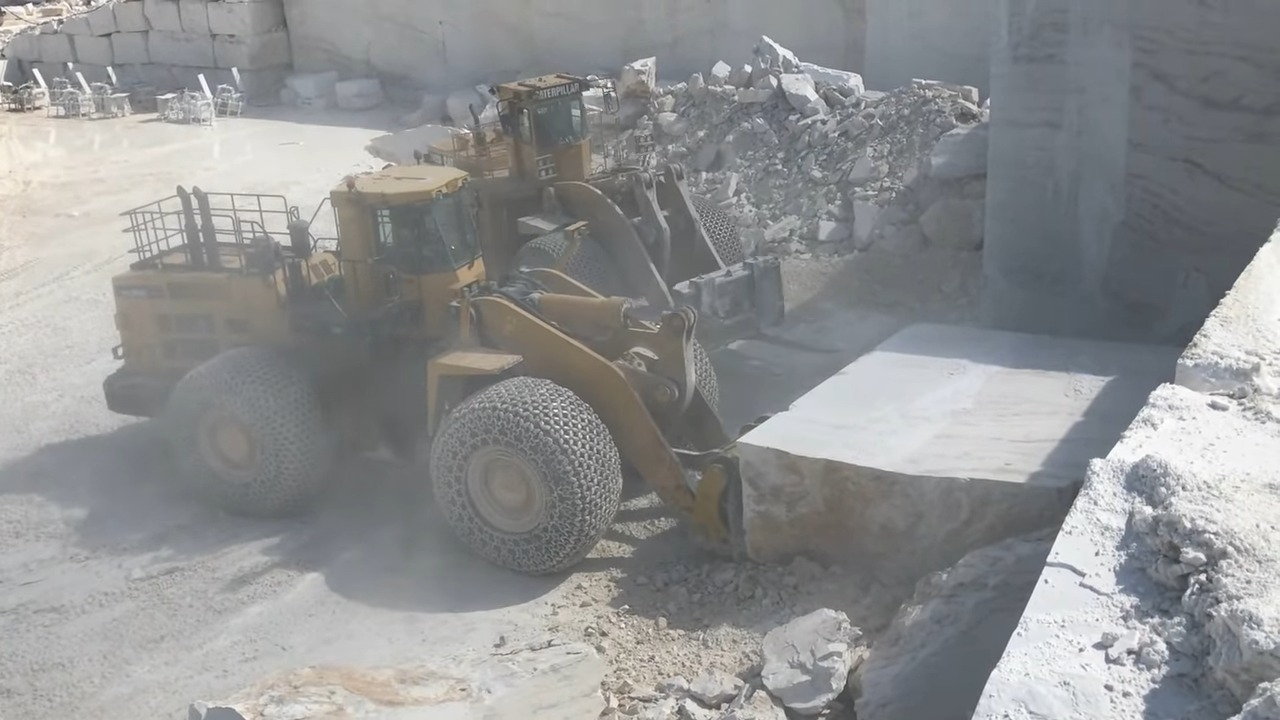
Two Caterpillar wheel loaders working in a marble quarry, one lifting a large block while the other waits behind

Choosing Licensed Waste Transporters and Receivers

Properly selecting qualified waste transport and processing companies is crucial for construction projects to comply with all applicable regulations.

Factors to consider when selecting waste haulers

Factors like licensure, equipment, and safety records should be evaluated when choosing haulers to remove construction debris. Licenses are required to transport both hazardous and non-hazardous wastes.

Haulers should have properly permitted trucks, roll-off containers, and other equipment suited to contain different waste types during transport without risk of spillage.

Ask for certificates of insurance and review safety records to ensure haulers have not incurred penalties from regulatory agencies like the DOT or EPA in the past. Accident history demonstrates a company’s commitment to responsible practices.

Also, consider disposal and recycling facility permits when selecting waste receivers. Choose locally licensed facilities to reduce transportation distances and related emissions. Receivers must properly treat or dispose of all waste streams.

Proper vetting of qualified waste transport and processing companies helps construction firms manage debris appropriately according to all relevant regulations while avoiding issues that could compromise projects, worker safety, or the environment.

Ensuring proper disposal through licensed facilities

Once construction waste materials have been properly sorted, stored, documented, and transported off-site, it is crucial they are received by licensed facilities qualified to handle each waste type. Receiving facilities must:

  • Maintain valid permits from local environmental regulatory agencies to accept specific waste streams like hazardous debris, contaminated soil, or construction and demolition materials.
  • Follow all applicable disposal regulations depending on waste characteristics, including special handling, treatment, or disposal requirements for asbestos, lead paint, or liquid wastes.
  • Properly treat, dispose, or recycle each waste stream according to the hierarchy. For example, masonry and concrete may be recycled into new products rather than sent to landfills.
  • Provide certificates or waste profiling documenting the treatment/disposal method used for each load to satisfy regulatory record-keeping needs.
  • Be properly equipped to prevent runoff, leachate, or other environmental issues from temporarily or permanently stored waste materials.

Ensuring construction waste is ultimately received at licensed receiving facilities is the final step to confirm it is managed responsibly from cradle to grave in full compliance with all applicable regulations. This protects worker and community safety as well as the environment.

Frequently Asked Questions (Waste Disposal Regulations In Construction)

The construction industry must adhere to waste disposal regulations and implement site waste management plans. These plans focus on responsible demolition waste and emphasize reusing materials, reducing resource depletion, and promoting a cleaner environment.
A site waste management plan is integral to construction sites, guiding the proper disposal of building waste, particularly during demolition projects. By prioritizing using non-hazardous materials and promoting the industry’s responsibility to produce less waste, these plans ensure materials are properly disposed of, reducing the negative impact on natural resources.
Waste management plans in construction prioritize responsible disposal, including damaged materials. By emphasizing the use of new materials and ensuring non-hazardous materials are properly disposed of, these plans mitigate the negative impact on the environment, fostering sustainable practices in the construction process.

Site Safety Inspections In Construction

Mediapayperlead-com December 10, 2024

Site Safety Inspections In Construction

Meta Description: Prioritizing construction site safety inspections ensures worker wellness, regulatory compliance, and enhanced productivity. Real-world examples demonstrate the benefits.

Construction site safety is an important yet often overlooked aspect of any building project. From ensuring worker wellness to protecting expensive equipment and machinery, prioritizing safety on construction sites brings vital benefits.

This article provides a comprehensive overview of construction site safety inspections – what they entail, why they are necessary, and the best practices for conducting thorough and adequate inspections. The goal is to help contractors and site managers establish robust safety protocols at their worksites.

Key Takeaways:

  • Construction site safety inspections are crucial to protect worker health and safety and ensure regulatory compliance.
  • Inspections should be conducted routinely in critical areas like daily site checks, health and safety, fire safety, and quality control.
  • Thorough documentation, addressing issues promptly, and involving trained inspectors are best practices.
  • Prioritizing safety improves productivity and efficiency, enhances reputation, and supports compliance, benefiting business operations and construction workers.

Why are Construction Site Safety Inspections Important?

Construction site safety inspections ensure worker safety, protect expensive equipment and machinery and avoid costly delays or penalties on construction projects. Regular inspections help construction site managers and contractors identify potential hazards, enforce safety standards, and take corrective action before injuries or other negative incidents occur.

Some of the key reasons why construction site safety inspections are so important include:

  • Worker safety: Inspecting for safety hazards regularly helps protect the health and well-being of construction workers. The construction industry faces high risks of accidents, so inspections aim to reduce these risks and prevent injuries.
  • Compliance: Inspections ensure construction sites comply with relevant occupational safety and health administration regulations. This helps avoid potential fines or penalties for regulatory noncompliance.
  • Quality control: Inspections identify issues that could negatively impact the quality or structural integrity of the final product. Addressing these issues supports quality management.
  • Equipment protection: Costly construction equipment and heavy machinery require protection from safety hazards that could cause damage. Inspections help identify risks to this expensive equipment.
  • Project schedule: Safety incidents can cause delays that threaten project schedules. Inspections aim to prevent accidents that disrupt the completion of works, handover inspection, and the overall construction process.
  • Waste management: Environmental risks are inspected to ensure compliance with waste management and environmental policy standards. This supports efficient project management.

Regular site safety inspections and follow-up corrective actions are essential for construction site management, health, and safety processes, and delivering projects on time and within budget.

H2: Types of Construction Site Safety Inspections

Here are some common types of construction site safety inspections, including:

Daily Site Inspections

Daily site inspections are necessary routine inspections that are conducted regularly, usually daily, by the construction site manager or site superintendent. These inspections ensure that safety standards are being adequately enforced and that any safety hazards identified from previous inspections have been addressed through appropriate corrective actions.

Daily inspections also track the ongoing progress of construction works to help ensure the overall construction project schedule is on track for completion. Any issues identified during daily site inspections can be addressed immediately, reducing risks to worker safety and equipment.

Health and Safety Inspections

Health and safety inspections are essential inspection processes that help protect worker safety and enforce occupational safety standards. Health and safety representatives or licensed engineers typically conduct these monthly inspections to ensure construction sites comply with relevant health administration regulations.

Health and safety inspections identify potential hazards like heavy machinery, environmental risks, or unsafe conditions that could cause harm. Addressing issues found through health and safety inspections helps prevent injuries to construction workers and penalties that can arise from failure to meet safety requirements.

Building Regulation Inspections

Building regulation inspections are essential to ensure sites adhere to relevant safety standards and codes set forth by the construction industry. These inspections help ensure the structural integrity and quality of the finished product being built.

Building regulation inspections are usually performed by the local building department or a licensed engineer during the construction process.

They aim to track progress and confirm the construction project follows the approved plans, drawings, and specifications. This helps parties deliver the final product as intended while avoiding potential safety hazards.

Quality Control Inspections

Quality control inspections play a vital role in construction site safety by helping enforce quality management standards. These inspections identify issues that could negatively impact the finished product and catch problems before they arise.

Conducted routinely by site managers, quality control inspections assess whether safety processes and procedures are being correctly followed at all times by construction workers.

Any deviations can then be addressed through corrective actions to help ensure high safety and quality standards are maintained throughout construction.

Fire Safety Inspections

Fire safety inspections are critical to protecting workers from fire hazards often present at job sites, especially when dealing with heavy machinery, welding activities, and other construction equipment. These inspections are usually performed by the local fire department regularly, such as monthly.

Fire safety inspections ensure adequate safety standards and protocols are in place to prevent fires from starting and help protect construction workers should a fire occur. Issues identified during these inspections are quickly addressed through corrective actions to reduce the risk of potential harm from fire.

Best Practices for Conducting Safety Inspections

There are several best practices that construction site managers and contractors should follow when conducting safety inspections to help identify issues, ensure compliance, and protect worker safety.

  • Use inspection checklists – Develop comprehensive inspection checklists that cover all key areas like those addressed in building regulation, health and safety, fire safety, and other inspections. Checklists help ensure thorough and consistent inspections.
  • Involve trained inspectors – Rely on qualified parties like licensed engineers who can properly identify and understand potential hazards and enforce standards.
  • Perform routine inspections – Whether daily, weekly, or monthly, establish set inspection routines to catch issues early and allow for follow-up corrective actions.
  • Document findings – Fully document inspections, any hazards identified, and corrective actions required through detailed reports. Maintain records for future reference.
  • Address issues promptly – Take immediate corrective action on any failures or safety issues identified to protect workers and stay on schedule with completion works handover inspection.
  • Use technology – Inspection software on mobile devices can facilitate paperless, consistent inspections and data-driven corrective action tracking.
  • Train workers – Ensure all construction workers understand safety protocols and what to look for through routine safety training programs.
  • Monitor progress – Continue inspections even after corrective actions to track progress in addressing issues until fully resolved.

Thorough, well-documented inspections aligned with best practices help keep construction sites and workers safe.

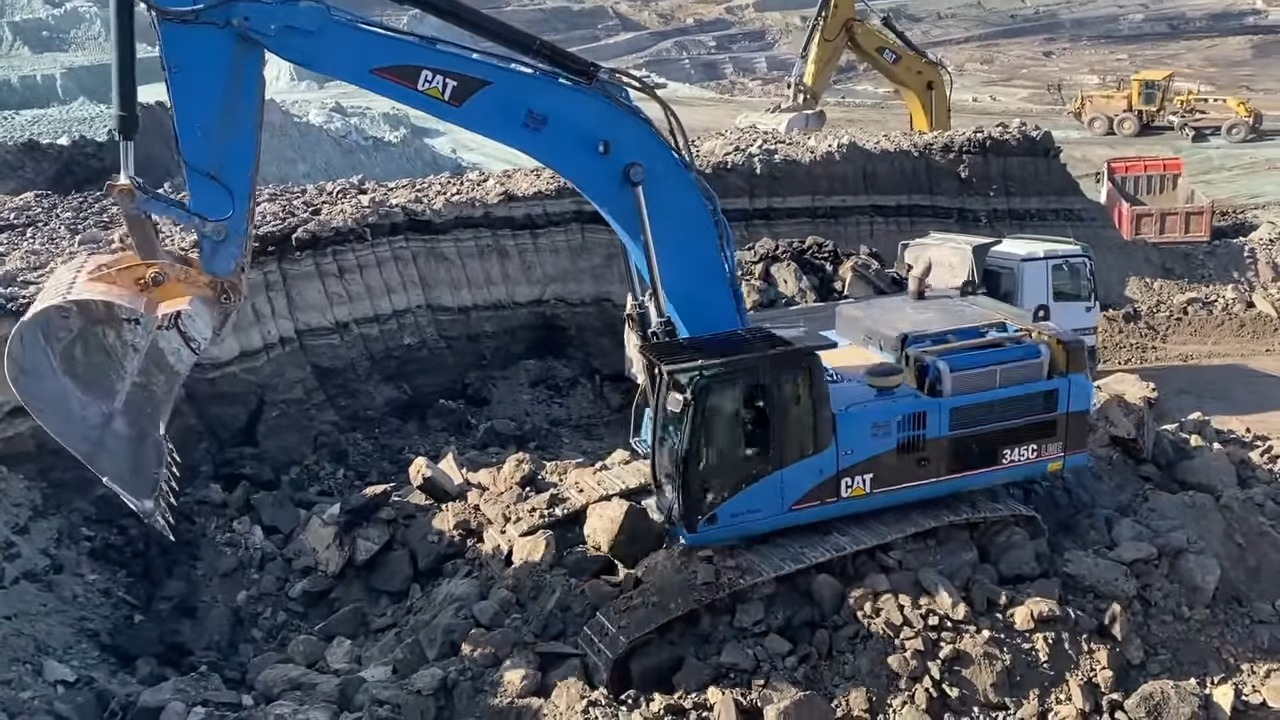
A blue excavator with the CAT logo working on a construction site, digging up dirt and rocks with its large bucket. Other construction equipment and vehicles are visible in the background

Components of a Comprehensive Safety Inspection Report

A thorough safety inspection report is crucial for documenting issues, planning corrective actions, and ensuring accountability. Key components include:

Project Details

This section provides overview details of the construction project, site, schedule, and parties involved. This helps put findings in proper context.

Inspection Findings

A detailed accounting of the inspection process and any safety hazards, or noncompliances identified. Photos can support findings. This forms a record of issues to address.

Recommendations and Corrective Actions

The report recommends how identified issues should be resolved to protect safety and quality. It establishes a corrective action plan with responsibilities and timelines to remedy failures and stay on schedule.

Sign-off and Tracking

Requiring sign-off from the contractor and site manager to confirm responsibilities. Tracking progress prevents issues from falling through the cracks. It also allows site superintendents to monitor corrective action completion works handover inspection.

Comprehensive, consistent reporting is important for project management, addressing safety issues, and ensuring accountability across the construction process. Documentation supports compliance and protects worker health and safety.

Benefits of Prioritizing Construction Site Safety

Improved Worker Safety and Retention

Making safety a priority on construction sites leads to important benefits like fewer injuries and increased worker job satisfaction. This can help with retaining skilled construction workers and avoiding costly turnover. Strong safety programs make workers feel their health and safety are respected, leading to higher morale.

Comprehensive safety training also better prepares workers to avoid accidents through proper protocols and the use of protective equipment. Overall, prioritizing safety creates a safer job site environment and culture that supports construction worker safety.

Enhanced Reputation and Client Trust

Contractors with exemplary safety records gain a competitive advantage as their strong focus on safety is visible to current and prospective clients.

By conducting thorough site inspections, documenting compliance, and implementing best practices for safety standards and corrective action, contractors demonstrate their commitment to protecting all parties involved.

This level of accountability and transparency builds long-term trust with clients and helps win more bids and contracts. It also supports environmental standards and waste management at sites. A sterling safety reputation is valuable for attracting and retaining clients in the highly competitive construction industry.

Increased Productivity and Efficiency

Prioritizing safety on construction sites through thorough inspections and corrective actions leads to increased productivity and efficiency. Fewer accidents mean less downtime, fewer costly delays to schedules, and less disruption to construction processes. Workers are healthier, happier, and more focused when their safety is protected.

Contractors can avoid penalties from missed deadlines through on-time completion of works handover inspection. Safety protocols also ensure proper equipment handling, reducing repairs and maintenance issues that impact budgets.

Overall project management is streamlined through compliance with safety standards and programs.

Regulatory Compliance

Comprehensive safety inspections and documentation help contractors meet their obligations for regulatory compliance with occupational safety and health administration standards. This protects them from penalties, fines, or legal issues in the event of an audit.

It also ensures environmental policy standards for waste management are followed to avoid citations. Compliance is increasingly important as construction regulations continue to evolve. Prioritizing safety demonstrates a contractor’s commitment to these legal responsibilities and ability to adhere to all applicable codes and requirements throughout construction.

Frequently Asked Questions (Waste Disposal Regulations In Construction)

The construction industry must adhere to waste disposal regulations and implement site waste management plans. These plans focus on responsible demolition waste and emphasize reusing materials, reducing resource depletion, and promoting a cleaner environment.
A site waste management plan is integral to construction sites, guiding the proper disposal of building waste, particularly during demolition projects. By prioritizing using non-hazardous materials and promoting the industry’s responsibility to produce less waste, these plans ensure materials are properly disposed of, reducing the negative impact on natural resources.
Waste management plans in construction prioritize responsible disposal, including damaged materials. By emphasizing the use of new materials and ensuring non-hazardous materials are properly disposed of, these plans mitigate the negative impact on the environment, fostering sustainable practices in the construction process.

Safety Standards For Site Services Equipment

Mediapayperlead-com December 10, 2024

Safety Standards For Site Services Equipment

Meta Description: Explore the crucial role of safety standards for site services equipment in construction, including OSHA regulations, best practices, and real-world examples.

Construction work involves various safety hazards that can put workers’ lives at risk. As experts with extensive experience in construction safety standards and their implementation, We have analyzed several topics discussed in competitor articles and safety guides.

In this article, we will discuss key areas like fall protection, scaffolding safety, steel erection rules, and more. We aim to provide an overview of essential OSHA regulations and best practices for ensuring worksite safety.

Key Takeaways:

  • Construction work involves many hazards, so following proper safety standards and protocols is essential.
  • Compliance with OSHA regulations helps control risks from falls, electrocutions, excavations, and more.
  • Employers must conduct training, inspections, and hazard assessments and have emergency plans to protect worker health and safety on job sites.
  • A comprehensive safety program that addresses all potential risks is necessary to promote a strong safety culture and safe working environment.

Common Construction Site Hazards

Some of the most prevalent hazards faced on construction sites include falls, struck by objects, electrocutions, and caught-in/caught-between incidents. According to OSHA statistics, these hazards, known as the “fatal four, ” account for over half of construction fatalities.

Other common risks include heavy equipment like aerial lifts, contact with power lines, wall openings without proper protective systems, and exposure to hazardous materials. Ensuring compliance with OSHA standards helps control these potential hazards through proper protocols, equipment selection, hazard communication, and safety training.

Benefits of Workplace Safety

Promoting a safety and health culture on job sites benefits construction companies and their employees. Regular safety training, inspections, protective equipment, and fall protection gear can help reduce injuries and illnesses, minimizing downtime and medical costs.

A safe, hazard-free work environment increases employee retention as workers feel valued and secure. Productivity is improved when employees feel their well-being is a top priority. Compliance with OSHA regulations avoids the risk of costly penalties and lawsuits in the event of an accident.

Safe job sites protect the health administration osha of workers from common construction hazards. A positive safety culture fosters effective communication and a shared responsibility for safety between management and employees.

Key Site Safety Standards and Guidelines

Site work involves various potential hazards that require strict adherence to safety standards to protect workers. Some key regulations that reduce common risks on job sites are discussed below.

1. Fall Protection Requirements

Falls are one of the leading causes of injuries in construction, so OSHA has developed extensive standards for fall protection under Subpart M of the 29 CFR 1926 regulations.

These standards cover guardrails, safety nets, fall arrest systems like personal fall arrest systems and positioning device systems, controlled access zones, safety monitoring systems, covers, and other fall protection methods depending on the type of work performed and the height of exposed elevations.

Proper implementation of fall protection protocols is crucial considering falls from heights of even six feet can result in serious injuries or death.

2. Scaffolding Safety Standards

Scaffolding is essential equipment for various construction activities but also presents fall and structural collapse hazards if not erected and used correctly. OSHA’s scaffolding standards under 29 CFR 1926.450-454 aim to prevent accidents by requiring competent erection, bracing, guardrails, loading limits, footing, and inspection of scaffolding systems.

Employers must also ensure that trained employees only access scaffolding with the necessary protective equipment like hard hats for overhead hazards. Proper maintenance and tagging of scaffolding for repairs or deficiencies is important for worker safety.

3. Excavation Safety Regulations

Excavation work presents risks such as trench collapses that can be mitigated through following OSHA standards under 29 CFR 1926 Subpart P. These regulations require all excavations and trenches over five feet deep to have protective systems like sloping, benching, or support systems to prevent cave-ins.

Employees working within an excavation must be trained in the hazards posed by excavations and the necessary safety protocols. Utilities must also be located and de-energized if necessary before digging. Compliance with excavation standards helps protect construction workers from one of the most serious hazards on job sites.

4. Personal Protective Equipment (PPE) Standards

OSHA’s PPE standards under 29 CFR 1926 Subpart E require protective equipment like head, eye, and face protection, footwear, and protective clothing for various construction activities. PPE helps shield workers from impact and penetration hazards from falling or flying objects, electrical hazards, and other dangers.

Employers must assess workplace hazards and the necessary PPE to control exposures. Workers must be trained on proper PPE selection, inspection, and use. Regular inspection and replacement of worn or damaged PPE is important for continued protection.

Essential Site Safety Training

Providing proper safety training to workers is key to promoting safe behaviors and safety culture on job sites. OSHA requires employers to train employees on potential hazards and protective measures.

New Worker Safety Orientation

Before starting work, all new hires must undergo a thorough safety orientation covering company policies, emergency procedures, site-specific hazards, and safety rules. Orientation training helps protect workers from injury or accidents by ensuring they understand potential risks and how to work safely.

Topics should include hazard communication, fall protection, lockout/tagout, PPE, heavy equipment, electrical safety, fire prevention, ladders, rigging, excavation hazards, and tool operation. A competent person should conduct the training using proper safety guides and materials.

New employees should demonstrate competency in safe work practices, proper use of equipment, and emergency protocols before being allowed to perform construction work independently. Regularly inspecting worksites verifies workers are following learned safety protocols. Ongoing refresher training ensures continued safe operations.

Ongoing Safety Education

Ongoing training is important to reinforce learned safety practices and address emerging hazards. Toolbox talks, weekly safety meetings, and monthly training sessions help keep safety in mind for workers.

These short sessions review proper procedures, address close calls or incidents, and update staff on regulatory changes. They help promote a culture where safety is prioritized, not just at initial orientation.

Training records should demonstrate an employer’s commitment to training employees and protecting their health administration osha.

Specialized Training Programs

Construction activities like working with hazardous materials, heavy equipment operation, confined space entry, or work at heights require more extensive training programs. These specialized training programs approved by OSHA ensure workers gain proper qualifications before performing high-risk jobs.

For example, aerial lift operation training covers inspection, set-up, safe operating practices, and emergency procedures to prevent the risk of accidents. Training programs help competent workers safely use tools, operate machinery, and complete tasks while avoiding common causes of injuries.

They foster an efficient work environment where all employees have the skills and knowledge needed for their duties.

Developing a Comprehensive Safety Program

A well-rounded safety program that addresses all aspects of construction work is key to protecting workers from harm. The following elements should be included.

  • Hazard Assessment and Mitigation: Regular job hazard analyses allow employers to identify potential hazards employees may face. Through these assessments, appropriate controls can be selected to reduce or eliminate risks of injuries. Hazard mitigation ensures compliance with OSHA standards.
  • Emergency Response Planning: All sites require emergency procedures for medical emergencies, fires, natural disasters, and other incidents. Workers must be trained on evacuation routes and procedures through drills. Well-planned responses minimize the impact of emergencies on health.
  • Safety Policies and Procedures: Documented safety policies on hazard reporting, incident investigations, PPE use, and disciplinary actions support a positive safety culture. Procedures ensure consistent, safe work practices are followed.
  • Accident Investigation Process: Thorough investigations after any incident or near-miss can identify root causes. Findings from investigations allow employers to take corrective actions to prevent future accidents and protect other workers from similar risks or hazards.

Frequently Asked Questions (Waste Disposal Regulations In Construction)

The construction industry must adhere to waste disposal regulations and implement site waste management plans. These plans focus on responsible demolition waste and emphasize reusing materials, reducing resource depletion, and promoting a cleaner environment.
A site waste management plan is integral to construction sites, guiding the proper disposal of building waste, particularly during demolition projects. By prioritizing using non-hazardous materials and promoting the industry’s responsibility to produce less waste, these plans ensure materials are properly disposed of, reducing the negative impact on natural resources.
Waste management plans in construction prioritize responsible disposal, including damaged materials. By emphasizing the use of new materials and ensuring non-hazardous materials are properly disposed of, these plans mitigate the negative impact on the environment, fostering sustainable practices in the construction process.

Safety Signage And Warnings On Construction Sites

Mediapayperlead-com December 10, 2024

Safety Signage And Warnings On Construction Sites

Meta Description: Construction site safety signs prevent accidents and promote a safe work environment. Learn about their importance, types, and role in accident prevention.

Safety signage plays a crucial role in ensuring the well-being of construction workers. According to the US Department of Labor, many worker injuries and fatalities can be prevented with properly formatted and prominently placed health and safety signs on construction sites.

In collaboration with the American National Standards Institute (ANSI), the Occupational Safety and Health Administration (OSHA) has established regulations and protocols for construction site signage nationwide.

This article will provide an overview of construction site safety signs, including their types, requirements, and placement, to help promote a safer work environment.

Key Takeaways:

  • safety signage and warnings are crucial for accident prevention on construction sites.
  • Occupational Safety and Health Administration (OSHA) and American National Standards Institute (ANSI) collaborate on construction site safety signage regulations.
  • Construction site safety signs should be sized properly, use highly visible colors, and include crucial signal words.
  • Safety signs include hazard warning signs, prohibition signs, mandatory signs, and emergency information signs.
  • Safety signage is vital in alerting workers, reinforcing safety protocols, and communicating emergency response information.

Importance of Construction Site Safety Signs:

Construction site safety signs are crucial for alerting workers to potential hazards and maintaining a secure work environment. Warning, caution, and danger signs play vital roles in conveying specific risk severity levels.

These signs use different colors, symbols, and words to indicate the potential dangers and necessary precautions. By placing safety signs strategically and ensuring their visibility, businesses can effectively communicate safety procedures and reinforce the importance of adhering to them.

Construction site safety signs are essential tools for preventing accidents, minimizing injuries, and protecting the well-being of workers on the job.

ANSI Protocols for Construction Site Safety Signs:

ANSI protocols provide detailed guidelines for construction site safety signs. These protocols cover various components of safety signage, including the overall size, highly visible colors (such as yellow, orange, and red), crucial signal words (such as “Warning,” “Danger,” and “Stop”), letter font and size, and proper placement of signs and labels.

Following ANSI protocols ensure consistency and effectiveness in conveying important safety messages to workers on construction sites. By implementing these protocols, businesses can enhance the visibility and comprehension of safety signs, reducing the risk of accidents and injuries.

Components of construction site safety signs

Components of construction site safety signs are essential for effectively conveying safety messages to workers. The following elements are crucial in creating impactful and compliant signage:

  1. Overall size: Safety signs should be appropriate to ensure visibility from a distance and grab workers’ attention.
  2. Highly visible colors: Using colors such as yellow, orange, and red enhances visibility and draws attention to the signs.
  3. Crucial signal words: Signal words like “Warning,” “Danger,” and “Caution” alert workers to potential hazards and emphasize the importance of adhering to safety procedures.
  4. Letter font and size: The font and size of the letters should be clear and legible, allowing workers to read and comprehend the safety messages easily.
  5. Proper placement for signs and labels: Signs and labels should be strategically placed where workers can easily see them, ensuring they are aware of potential risks and safety instructions.

By incorporating these components into construction site safety signs, businesses can effectively communicate important safety information, minimize risks, and protect the well-being of workers on the job site.

Types of Safety Signage and Warnings

Safety signage and warnings are vital in promoting a safe construction site environment. Here are different categories of safety signs:

  1. Hazard warning: Signs, such as “Danger: High Voltage,” alert workers to potential dangers and hazards on the construction site.
  2. Prohibition signs: Signs like “No Entry” indicate areas or strictly prohibited actions to maintain safety and prevent accidents.
  3. Mandatory signs: Signs such as “Hard Hat Area” communicate necessary safety requirements and instructions that workers must follow to protect themselves.
  4. Emergency information signs: Signs like “Emergency Assembly Point” provide crucial information and directions for emergency workers.

By using these various types of safety signage and warnings, businesses can effectively communicate potential risks, necessary precautions, and emergency procedures to ensure the well-being of employees on the construction site.

Role of Safety Signage in Accident Prevention

Safety signage prevents accidents and promotes a safe construction site environment. Here are the key ways in which safety signage contributes to accident prevention:

Alerting workers and visitors to potential hazards:

Safety signs, such as warning signs and danger signs, serve as visual cues that draw attention to potential hazards and risks present on the construction site.

By prominently displaying these signs, businesses can effectively communicate the dangers associated with specific areas, equipment, or materials, making workers and visitors aware and encouraging them to exercise caution.

Reinforcing safety protocols and procedures

Safety signs also serve as reminders and reinforcements of safety protocols and procedures. Signs displaying messages like “Wear Hard Hats” or “Safety Glasses Required” remind workers to adhere to specific safety practices.

By consistently displaying these signs, businesses can create a safety-conscious culture, ensuring that workers follow established guidelines and minimize the risk of accidents.

Communicating emergency response information

Safety signs provide vital information on emergency response procedures and evacuation routes in an emergency. Signs indicating “Fire Exits” or “Emergency Assembly Point” help workers and visitors navigate to safety quickly and efficiently.

By clearly communicating emergency information, safety signage enables prompt and organized responses to critical situations, potentially saving lives.

By incorporating safety signage that includes keywords from the file, businesses can effectively alert workers and visitors to potential hazards, reinforce safety protocols, and communicate essential emergency response information.

This proactive approach significantly contributes to accident prevention and enhances the overall safety of the construction site environment.

Frequently Asked Questions (Waste Disposal Regulations In Construction)

The construction industry must adhere to waste disposal regulations and implement site waste management plans. These plans focus on responsible demolition waste and emphasize reusing materials, reducing resource depletion, and promoting a cleaner environment.
A site waste management plan is integral to construction sites, guiding the proper disposal of building waste, particularly during demolition projects. By prioritizing using non-hazardous materials and promoting the industry’s responsibility to produce less waste, these plans ensure materials are properly disposed of, reducing the negative impact on natural resources.
Waste management plans in construction prioritize responsible disposal, including damaged materials. By emphasizing the use of new materials and ensuring non-hazardous materials are properly disposed of, these plans mitigate the negative impact on the environment, fostering sustainable practices in the construction process.

Risk Management And Safety Audits At Construction Sites

Mediapayperlead-com December 10, 2024

Risk Management And Safety Audits At Construction Sites

Meta Description: Explore the crucial role of safety audits in construction, including risk management, best practices, and real-world examples.

Safety is a top priority in any construction project. This article discusses effective safety audit practices for construction sites. It highlights the importance of conducting comprehensive safety audits to identify potential hazards and ensure compliance with regulations.

The article also provides insights into developing an audit program and best practices to evaluate risks on job sites and protect workers from accidents.

Key Takeaways:

  • Conducting regular safety audits is vital for identifying hazards, ensuring compliance, and protecting construction workers.
  • Developing an effective audit program that includes inspection, documentation, risk assessment, and corrective actions is important.
  • Leveraging technology like audit apps, drones, and VR training can enhance audits and safety practices on job sites.
  • Following best practices around auditor training, thorough inspections, and documentation leads to comprehensive risk management.

Risk Management in Construction

Identification of potential hazards and risks

Comprehensive identification of potential hazards is the first step in effective risk management. Construction companies must conduct thorough site inspections and hazard identification to recognize safety hazards such as hazardous materials, faulty equipment, electrical issues, and other risks.

Trained auditors are important in identifying hidden hazards to protect construction workers. Documentation of all identified hazards is also crucial.

Assessment of risks and their potential impact

Risk assessment involves evaluating the likelihood and potential impact of each identified hazard. This helps determine which risks require immediate mitigation to safeguard workers.

Construction firms must use proven qualitative or quantitative risk assessment techniques to optimize corrective measures and resources for managing risks most effectively. A thorough assessment establishes the appropriate risk level.

Strategies for mitigating and managing risks

Developing mitigation strategies is key to addressing safety issues. Companies should establish procedures to implement corrective actions within set timelines based on risk assessment.

This could involve enforcing standard operating procedures, using personal protective equipment, safety training programs, and installing fall protection systems. Ongoing monitoring and evaluation of safety performance ensures risks remain managed effectively.

Understanding the importance of safety audits in construction

Safety audits play a vital role in the construction industry by helping reduce job site risks and protect workers from harm. As anyone involved in construction knows all too well, it is one of the most dangerous professions due to the variety of hazards involved.

Safety should be the top priority, with large and heavy equipment, hazardous materials, excavation work, and other dangers present each day. Conducting thorough audits is key to achieving this.

Reducing accidents and ensuring worker well-being

Safety audits play a crucial role in preventing workplace accidents and ensuring the well-being of construction workers. Conducting regular safety audits helps construction companies identify potential safety hazards and address issues proactively before they can lead to injuries.

This process is important to spot and eliminate risks from hazardous materials, faulty equipment, electrical systems, and other safety hazards that risk worker health and safety.

By mitigating potential risks through the audit process, construction firms can significantly reduce accidents on job sites and improve the overall safety culture within the construction industry.

Compliance with safety legislation

Comprehensive safety audits are also essential for construction companies to assess compliance with industry regulations and safety legislation. Various regulatory bodies have implemented standards and guidelines to promote regulatory compliance and create a safe working environment for construction workers.

Adhering to these safety protocols is important from a legal perspective, but also ensures that appropriate safety measures are in place to protect workers from preventable accidents.

The audit process allows companies to proactively identify gaps and take corrective measures to meet all compliance requirements. This is crucial to avoid penalties from regulatory agencies and maintain a strong safety culture.

Elements of an effective safety audit program

Planning and preparation

Thorough planning and preparation are crucial for successful safety audits that identify hazards, ensure regulatory compliance, and create a safer working environment for construction workers.

Construction companies must establish a comprehensive safety audit program that includes training auditors to recognize potential risks from hazardous materials, faulty equipment, or unsafe work practices.

It is also important to understand industry regulations and assess compliance regularly through inspection reports and documentation of audit findings. Consulting with insurance providers and industry groups can help develop standard operating procedures for the audit process and ongoing construction site monitoring.

Inspection and documentation

A key element of the audit program involves conducting thorough site inspections to identify potential hazards and assess adherence to the company’s safety policy and procedures. Auditors must examine all construction site areas, paying attention to issues like electrical systems, material storage, and fall protection systems.

They should also review safety documentation such as incident reports, training records, and emergency response plans. Any non-compliance or gaps must be carefully documented, along with recommendations for corrective measures to address risks proactively.

Comprehensive inspection and documentation play a vital role in the audit process and help protect worker health and safety.

Hazard identification

Identifying potential hazards is a critical part of any safety audit program. Auditors must conduct thorough site inspections to recognize safety hazards such as hazardous materials, unguarded machinery, electrical issues, and other risks.

Using proven hazard identification techniques helps ensure comprehensive assessments. Auditors should be trained to identify hidden hazards to protect construction workers from accidents and workplace injuries. Documentation of identified hazards is also essential for developing corrective actions.

Risk assessment

Equally important is assessing the level of risk posed by each identified hazard. Construction companies must evaluate the likelihood and potential impact of hazards to prioritize them.

This involves using qualitative or quantitative risk assessment methodologies to determine which risks require immediate mitigation. Proper risk assessment helps optimize corrective measures and resources to manage risks most effectively.

Corrective actions and follow-ups

Developing corrective actions is vital for addressing safety issues uncovered during audits. Companies must establish procedures for implementing corrective measures within set timelines based on the risk assessment.

Follow-ups, including re-inspections, ensure that actions address each hazard completely and create a safer working environment for construction workers. Ongoing monitoring and evaluation of safety performance helps reinforce a strong safety culture.

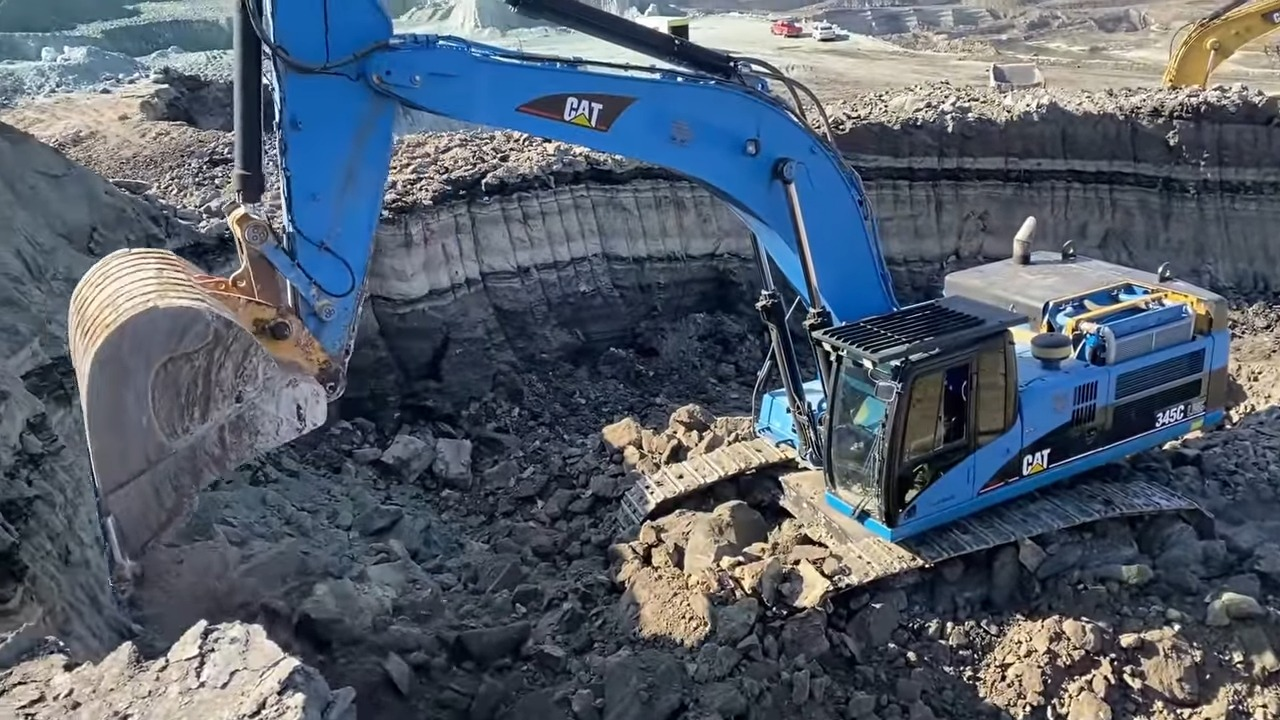
Blue Caterpillar excavator digging in a large rocky construction site

Best practices for conducting safety audits

Training and qualifications of auditors

Ensuring auditors are properly trained in hazard identification, risk assessment, applicable industry regulations, and safety standards is crucial for effective safety audits.

Auditors must have the skills and qualifications to conduct comprehensive assessments and identify potential risks from hazardous materials, faulty equipment, or unsafe work practices. Providing ongoing safety training programs helps auditors continuously enhance their knowledge and competencies.

The thoroughness of inspections

Thorough site inspections are key to identifying hazards, assessing regulatory compliance, and developing corrective actions.

Auditors must examine all construction site areas, paying close attention to electrical systems, material storage, fall protection systems, and other safety protocols. Inspections should also include reviewing documentation such as incident reports, emergency response plans, and inspection reports.

Clear documentation of findings

Proper documentation of audit findings, non-compliance, recommendations, and corrective measures. This includes details of identified hazards, risk levels based on assessment, and timelines for implementing mitigation strategies.

Documentation ensures accountability and provides a basis for ongoing monitoring and evaluation of safety performance. It also helps reinforce a strong safety culture.

Using technology to enhance safety audits

Safety audit applications

Leveraging user-friendly safety audit applications allows for more efficient inspections and comprehensive assessments. Apps integrated with other systems streamline documentation of audit findings, hazards identified, and corrective actions taken.

Real-time updates ensure issues are addressed promptly to protect workers. Apps provide a convenient way to conduct thorough site inspections and ensure regulatory compliance.

Drone surveillance

Incorporating drone surveillance provides insights often difficult to see from the ground. Aerial drone mapping helps identify risks like unstable structures or overhead power lines. This assists in hazard identification and developing mitigation strategies. Using drones safely and within regulations allows for assessing large sites more quickly.

Virtual reality training

Immersive VR training simulates real-life hazards and scenarios to prepare workers without risk. It offers risk-free practice and immediate feedback to reinforce safe behaviors.

VR helps construction teams understand emergency procedures and assess situations in a simulated environment. This cost-effective training method plays a key role in ongoing safety performance improvement.

Frequently Asked Questions (Waste Disposal Regulations In Construction)

The construction industry must adhere to waste disposal regulations and implement site waste management plans. These plans focus on responsible demolition waste and emphasize reusing materials, reducing resource depletion, and promoting a cleaner environment.
A site waste management plan is integral to construction sites, guiding the proper disposal of building waste, particularly during demolition projects. By prioritizing using non-hazardous materials and promoting the industry’s responsibility to produce less waste, these plans ensure materials are properly disposed of, reducing the negative impact on natural resources.
Waste management plans in construction prioritize responsible disposal, including damaged materials. By emphasizing the use of new materials and ensuring non-hazardous materials are properly disposed of, these plans mitigate the negative impact on the environment, fostering sustainable practices in the construction process.

Regular Service Schedules For Construction Equipment

Mediapayperlead-com December 10, 2024

Regular Service Schedules For Construction Equipment

Meta Description: Ensuring the longevity and efficiency of construction equipment through regular service schedules and preventive maintenance. Maximize fuel efficiency and minimize repair costs for heavy machinery.

Routine maintenance is essential for maximizing the productivity and lifespan of construction equipment. This article provides a comprehensive guide to developing and implementing an optimal maintenance program.

We will discuss key elements like inspection schedules, preventive measures, and response planning. We will also explore equipment-specific needs and how to train teams. The goal is to help you establish maintenance best practices that improve safety, efficiency, and cost-effectiveness.

Key Takeaways:

  • Regular heavy equipment maintenance schedule maximizes equipment lifespan and efficiency.
  • Scheduled preventive maintenance prevents costly breakdowns and repairs.
  • Maintenance tasks are essential for maintaining equipment on construction projects.
  • Implementing a scheduled preventive maintenance plan improves safety and cost-effectiveness.

Understanding the Importance of Regular Service Schedules

Regular service schedules for construction equipment are vital for maximizing equipment life, performance, and cost-effectiveness. By establishing preventive maintenance and routine inspections, construction companies can prevent costly breakdowns and repairs that result in expensive downtime.

Skid steer loaders, excavators, and other heavy machinery are subjected to harsh working conditions on construction sites daily. Without proper maintenance through planned service schedules, these machines will not function properly and remain in optimal condition over time.

Regular maintenance allows early detection of issues through visual inspections and ensures all fluid levels, like engine oil and hydraulic fluid, are topped up. This prevents equipment failure and unexpected breakdowns. During routine maintenance, checking components like the fuel filter and tank to catch any potential problems is important.

Adhering to scheduled services helps construction equipment operate at peak performance, improving efficiency on the construction site. With proactive maintenance through scheduled tasks, fuel consumption is optimized, and operating costs are reduced.

Comprehensive service schedules that include necessary preventive maintenance jobs like changing engine coolant and hydraulic oil help extend equipment life. When equipment remains in good working condition through scheduled maintenance, future repairs, and downtime are minimized.

Benefits of Condition-Based Maintenance

In addition to routine maintenance through scheduled services, condition-based maintenance provides key benefits for construction equipment management.

This involves continuous monitoring of equipment performance parameters to detect early signs of deterioration.

Leveraging technologies like predictive analytics helps construction companies schedule maintenance based on real-time operating conditions. This optimizes service intervals and avoids unnecessary downtime.

Condition-based maintenance allows a more tailored approach and helps allocate resources more efficiently. Overall, it improves equipment reliability and reduces maintenance costs in the long run.

Ensuring Safety Through Preventive Maintenance

Routine preventive maintenance through regular service schedules ensures the safety of machine operators and workers on construction sites.

The construction industry involves various hazards, so planned maintenance allows the identification of faulty parts or worn equipment that could pose risks through visual inspections. Preventive maintenance alleviates potential safety issues before they arise by checking fluid levels, tire pressure, and the functioning of components.

This ensures construction equipment remains in optimal condition to operate safely without issues on busy construction projects. Preventive maintenance is essential for safety in the industry through routine scheduled services.

Maximizing Efficiency and Productivity

Well-maintained equipment with a preventive maintenance program and schedule operates at peak performance. When construction equipment is in top condition through proper maintenance, it can handle heavy workloads without experiencing frequent equipment breakdowns and costly downtime.

Regular planned maintenance through inspection and replacing parts like the fuel filter helps optimize engine performance. This results in seamless operations and timely completion of construction projects on schedule and budget.

Routine maintenance through scheduled services also minimizes unexpected equipment failure and repairs, improving efficiency on site.

Leveraging predictive maintenance and condition monitoring further reduces disruptions to ensure construction equipment remains in reliable condition for maximum productivity.

Key Elements of an Effective Service Schedule

Regular service schedules form the foundation of effective maintenance management for construction equipment. Establishing the right processes helps maximize uptime and performance.

Developing Comprehensive Inspection Procedures

Thorough inspection procedures are crucial for any preventive maintenance plan or schedule. Inspections allow for early detection of issues through visual inspection and monitoring fluid levels, engine performance, and other components.

It is important to consider the various equipment types used in construction projects to develop comprehensive procedures. Different machines may require distinct inspection criteria based on workload and working conditions.

Inspection schedules should also account for equipment usage, with more frequent checks for high-usage machinery. A well-defined checklist ensures consistent and complete inspections. Training maintenance technicians ensure inspections are performed properly.

Inspections catch small issues before they escalate and cause costly downtime. They further help track equipment history and identify recurring faults for continuous improvement. A comprehensive inspection enables optimal performance through scheduled services.

Implementing Routine Preventive Maintenance Tasks

A key part of any service schedule is routine preventive maintenance tasks that catch small issues before they escalate.

Tasks like changing engine and hydraulic oil help maintain equipment and extend its life. Regular greasing of moving parts ensures optimal performance. Replacing worn components prevents costly repairs.

Inspections and scheduled tasks are vital to catch potential problems with construction equipment used in varied conditions. Routine maintenance improves reliability through preventive jobs in scheduled services.

Creating a Response Plan for Breakdowns

Despite proactive maintenance, unexpected equipment failures still occur on construction sites. Having an efficient response plan is crucial to minimize costly downtime in such cases. Assigning trained technicians familiar with equipment ensures quick repairs.

Maintaining an inventory of commonly required spare parts like the fuel filter prevents delays. Prioritizing critical repairs based on project impact is important. The plan should include clear communication protocols and timelines for restoration.

An optimized response to breakdowns keeps projects on track through scheduled services and maintenance management.

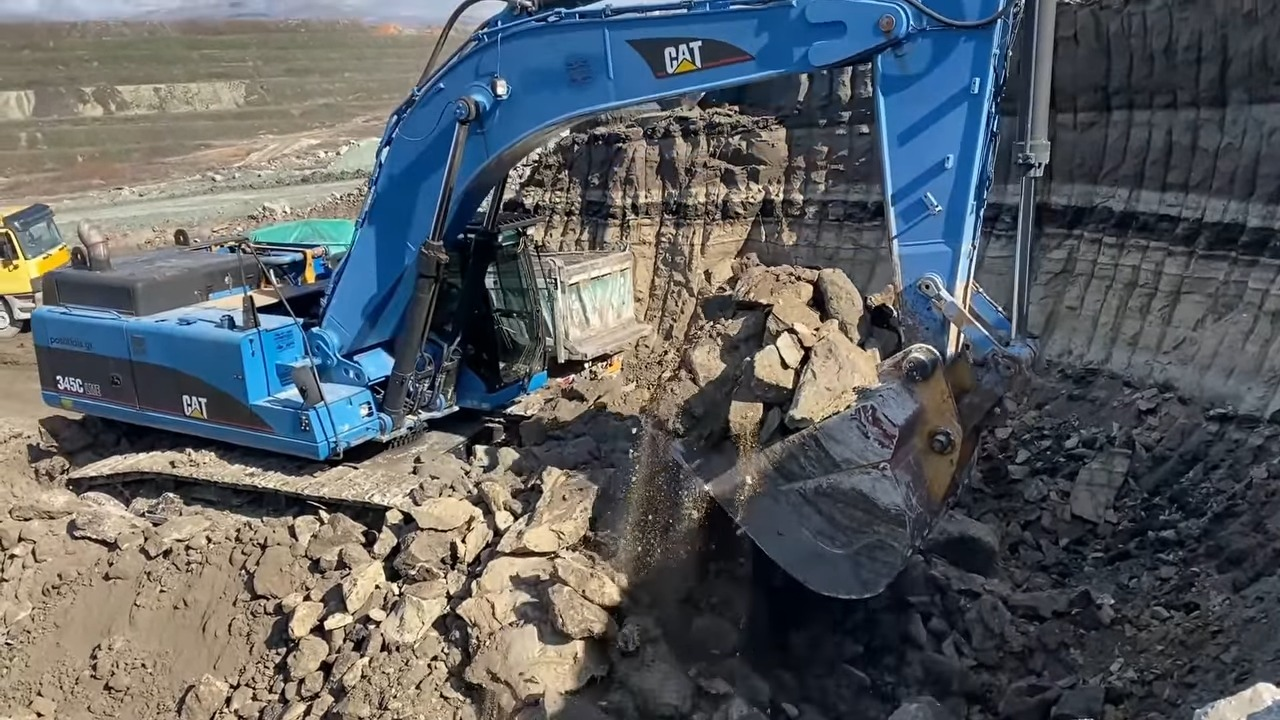
A blue Caterpillar excavator moving rocks at a construction site

Tailoring Service Schedules to Equipment Type

One size does not fit all when it comes to maintenance schedules. Accounting for specific needs optimizes uptime.

Earthmoving Machinery Service Needs

Earthmoving equipment like skid steer loaders requires cleaning air filters to prevent restricting airflow. Regular hydraulic fluid and filter checks are also necessary, given their use. Inspections ensure safe and efficient operations across varying terrains.

Maintaining Material Handling Equipment

For equipment used in lifting and transporting materials, scheduled tasks focus on mechanisms, chains, and cables used for these operations. Proper lubrication prevents the wear of moving components like pulleys and gears. Calibration maintains accurate load readings.

Keeping Construction Vehicles in Top Condition

Construction vehicles demand engine and brake system-focused maintenance to maximize performance. Inspecting spark plugs and brake pads/shoes helps ensure safety. Checking fluid levels and changing filters prevents issues. Regular maintenance through optimized schedules keeps fleets reliably operating.

Tailoring preventive maintenance and inspections to equipment types maintains performance in diverse working conditions. This reduces maintenance costs and downtime in construction projects.

Step-by-Step Service Schedule Process

A systematic approach ensures maintenance tasks are not overlooked.

Conducting Thorough Inspections

The first step is inspecting equipment using a checklist. Technicians perform visual inspections, check fluid levels, and monitor engine performance/functioning through planned preventive maintenance. This allows small issues to be caught before requiring costly repairs.

Performing Routine Maintenance Checks

Regular maintenance checks involve scheduled tasks like changing engine oil, hydraulic oil, and filters. Greasing moving parts ensures smooth operation. Replacing worn components extends equipment life. These routine preventive maintenance jobs improve reliability if performed at recommended intervals through the schedule.

Testing and Calibration Best Practices

Testing and calibration are important parts of the service schedule process to ensure construction equipment functions accurately. Planned preventive maintenance allows monitoring of systems for optimal performance.

Regular testing of safety features prevents accidents on worksites. Inspections ensure that braking mechanisms, lights, and alarms work properly through preventive maintenance.

Calibration maintains precision in equipment operations. Adjusting sensors ensures accurate load readings, pressure levels, and other measurements. This maximizes efficiency through scheduled services.

Scheduled testing of hydraulic and electrical systems catches small issues before requiring costly repairs. It also establishes performance baselines for predictive maintenance using data. Documentation of testing results allows equipment history to be tracked. This aids in identifying repeat faults for continuous improvement through the maintenance program.

Training Crews for Maintenance Success

Ensuring personnel have the skills to implement service schedules is crucial.

Building Core Maintenance Skills

New technicians require training on equipment systems, inspection procedures, and routine maintenance tasks like fluid changes. This provides fundamental knowledge to conduct preventive maintenance through scheduled services properly.

Implementing Ongoing Training Programs

Refresher courses and safety training help update existing staff. As equipment and practices evolve, continuing education keeps crews qualified. Demonstrations on repairs and calibration techniques improve repair efficiency. Crews gain expertise in handling unexpected equipment failures through simulated scenarios.

Proper training results in thorough inspections and timely completion of scheduled maintenance tasks. Well-versed teams minimize downtime and maximize equipment life, helping reduce operating costs. An emphasis on development ensures smooth service schedule execution.

Leveraging Technology in Service Management

Digital tools streamline maintenance operations.

Utilizing Maintenance Software and Apps

Maintenance management software allows for scheduling preventive maintenance tasks and tracking completed inspections. This helps ensure all items on the schedule are addressed. Mobile apps give technicians access to manuals, checklists, and training modules in the field. Paperless record-keeping improves documentation of equipment history.

Embracing IoT and Predictive Analytics

The industrial Internet of Things (IIoT) enables remote equipment monitoring. Sensors provide real-time data on operating parameters that predictive models analyze for maintenance scheduling.

This proactive, condition-based approach helps allocate resources efficiently and reduce unexpected costly downtime through data-driven insights. Digitalization maximizes uptime through optimized, technology-enabled service management.

Frequently Asked Questions (Waste Disposal Regulations In Construction)

The construction industry must adhere to waste disposal regulations and implement site waste management plans. These plans focus on responsible demolition waste and emphasize reusing materials, reducing resource depletion, and promoting a cleaner environment.
A site waste management plan is integral to construction sites, guiding the proper disposal of building waste, particularly during demolition projects. By prioritizing using non-hazardous materials and promoting the industry’s responsibility to produce less waste, these plans ensure materials are properly disposed of, reducing the negative impact on natural resources.
Waste management plans in construction prioritize responsible disposal, including damaged materials. By emphasizing the use of new materials and ensuring non-hazardous materials are properly disposed of, these plans mitigate the negative impact on the environment, fostering sustainable practices in the construction process.

Personal Protective Equipment For Construction

Mediapayperlead-com December 10, 2024

Personal Protective Equipment For Construction

Meta Description: Explore the importance of properly fitting Personal Protective Equipment for construction workers. Learn about required PPE, hazards, and safety standards to ensure a secure and compliant work environment in the construction industry.

Personal protective equipment, or PPE, protects construction workers from workplace hazards. This article provides an in-depth overview of the types of PPE required in different construction jobs and the importance of properly using PPE to minimize risks.

We will evaluate common hazards, identify the appropriate PPE through hazard assessment, and discuss key PPE types, regulations, proper usage, and more.

Key Takeaways:

  • Properly selecting and using personal protective equipment (PPE) is vital for construction worker safety.
  • A hazard assessment identifies risks to determine appropriate head-to-toe safety gear like hard hats, gloves, and boots.
  • Regulations require fall protection, high-visibility clothing, and equipment for hazards like dust, chemicals, and loud noises.
  • Training, inspections, and enforcement of PPE protocols help protect workers and ensure compliance on job sites.

The Importance of PPE in the Construction Industry

Working in construction comes with daily exposure to various workplace hazards. From falling objects and heavy machinery to hazardous materials and electrical hazards, construction sites present many risks that can lead to serious injuries, health issues, or even death if not properly protected.

As the construction industry employs millions of workers nationwide, they must be provided with adequate protection to minimize exposure to potential dangers and reduce workplace injuries.

Personal protective equipment, commonly known as PPE, plays a crucial role in protecting the health and safety of construction workers. PPE refers to protective clothing, helmets, gloves, face shields, safety shoes, and other equipment designed to shield workers from safety and health hazards on the job site.

By properly wearing the appropriate PPE as required, construction workers can help reduce unnecessary risks that could otherwise result in head injuries, eye injuries, or other severe injuries.

According to labor statistics from the Occupational Safety and Health Administration (OSHA), the construction sector accounts for a significant percentage of work-related injuries each year compared to other industries.

Common Hazards in Construction Worksites

There are various workplace hazards commonly faced by construction workers daily. From falling objects to hazardous materials, construction sites present many potential dangers that can negatively impact worker safety.

Falling objects from scaffolding, cranes, or other elevated work can lead to head injuries or serious injuries if not protected with a hard hat. Working near heavy machinery and equipment operators also poses risks of injury.

Electrical hazards from power tools and exposed wiring require proper precautions through insulation, grounding, and protective equipment like hard hats and gloves. Hazards may also include exposure to harmful chemicals through paints, solvents, or other materials requiring respiratory protection and chemical-resistant gloves.

Proper hazard assessment and awareness of potential hazards is important to determine the appropriate PPE needed.

Injury and Fatality Statistics

Statistics gathered by OSHA through the labor statistics highlight the risks construction workers face. According to data, the construction industry accounted for over 20% of all workplace injuries in a given year despite only employing a small percentage of the workforce.

Falling from heights, electrocutions, and being struck by heavy objects were among the top causes of fatal and nonfatal injuries on construction sites. In 2021 alone, there were over 951 construction-related fatalities reported.

Proper implementation and enforcement of PPE protocols could help lower these numbers by protecting workers and minimizing exposure to hazards like falling electrical and impact risks.

Evaluating Worksite Hazards and Risks

Before determining the appropriate personal protective equipment needed, evaluating the hazards present at a construction worksite is important. A thorough hazard assessment is necessary to identify potential dangers to which workers may be exposed properly.

Conducting a Hazard Assessment

Conducting an effective hazard assessment involves carefully observing all aspects of the job site and taking inventory of potential risks. This includes inspecting the work environment and processes, examining equipment and tools, and reviewing job responsibilities and requirements.

It is also important to consult construction workers, as they often have first-hand experience of hazards on site.

A hazard assessment can identify physical risks like falling objects, falling or tripping hazards, operating heavy machinery, electrical hazards, and exposure to high noise levels. Chemical hazards from paints, adhesives, and welding materials can also be recognized.

Special attention should be paid to risks affecting vulnerable groups like female construction workers or those performing high-risk tasks like working at elevations.

Determining Risk Levels

Once potential hazards have been identified through the assessment process, it is important to determine the level of risk posed by each hazard. This involves considering the likelihood of harm and the probable severity of injury or health impact.

Evaluating risks allows employers to prioritize the hazards that require more urgent attention and protective measures. Some common risks assessed at construction sites include:

  1. Falling from heights: The risk of serious head or bodily injuries is high for tasks like working on roofs or near unprotected edges. Fall protection equipment like guardrails, fall arrest systems, or travel restraint systems may be required for elevated jobs.
  2. Being struck by falling or flying objects: The risk of head injuries is significant during overhead work, where loose materials may dislodge. Hard hats are often necessary to minimize this risk.
  3. Exposure to hazardous chemicals: The risk of long-term health issues like respiratory illnesses depends on factors like concentration of chemicals and duration of exposure. Proper respiratory protection and chemical-resistant gloves may help reduce this risk level.
  4. Contact with live electrical sources: The risk of electrocution or electrical shock injuries is high during tasks near exposed wiring or the use of power tools. Insulated tools, rubber gloves, and safety shoes can help lower this risk level.

By evaluating each risk, employers can determine the appropriate protective measures, safety training, or work process adjustments needed to provide workers with adequate protection. This helps ensure OSHA requirements are met for controlling identified hazards.

Key Types of PPE for Construction Workers

Several types of personal protective equipment are commonly used in the construction industry to shield workers from workplace hazards. Proper selection and use of PPE is vital in minimizing risks and protecting worker safety.

Head Protection

Hard hats are an essential form of head protection for construction workers. With risks like falling objects or the risk of bumping against fixed structures on site, head injuries are a serious concern. Hard protective helmets designed to ANSI standards help provide adequate protection from impact and penetration hazards.

They also offer electrical protection in some cases. Regular inspection and replacement of hard hats is important to ensure proper fit and that the hat is not damaged.

Eye and Face Protection

Another important type of PPE is protective eyewear that meets ANSI standards. On construction sites, workers face risks such as flying debris, dust, sparks, and chemical splashes that can easily cause eye injuries without proper protection.

Safety glasses with side shields, goggles, or face shields help shield worker’s eyes and faces from hazards. Those who wear prescription glasses will require over-glasses or prescription safety eyewear. Proper fitting is important to ensure eye protection is worn as required.

Hearing Protection

Many construction jobs involve exposure to high noise levels from equipment, power tools, or work activities. Long-term exposure to loud noises can lead to permanent hearing loss over time. Appropriate hearing protection must be worn in high-noise areas to protect workers hearing.

This may include earmuffs or disposable earplugs that meet ANSI standards. It is important that hearing protection is properly fitted, worn during all times in loud areas, and replaced as needed.

To reduce sound exposure, employers should also consider noise controls through engineering or administrative measures.

Respiratory Protection

Dust, chemicals, and other airborne hazards occur daily on construction sites, putting workers’ lungs and respiratory systems at risk if they are not properly protected. Appropriate respiratory PPE must be provided and worn for tasks exposed to gases, vapors, or harmful dust.

Options include N95 dust masks for protection against particles and more advanced respirators approved for various materials. Those requiring respiratory protection must complete medical evaluation and training on proper use.

Tight fitting and regular maintenance help ensure the equipment effectively protects workers from inhalation hazards.

Hand Protection

The hands are particularly vulnerable to injuries on construction sites. Chemical-resistant gloves are needed for tasks involving solvents, adhesives, or other hazardous materials to prevent skin absorption and contact. Welding gloves help offer protection for welding activities.

General-purpose work gloves with reinforced palms and fingers protect from scrapes, cuts, burns, rough surfaces, and vibration.

Depending on the task, specialty gloves may also be required to handle hot or cold materials and provide cut resistance or electrical insulation. Proper fitting and glove selection are important based on dexterity needs and hazard exposure.

Foot Protection

Falling objects, heavy rolling equipment, and sharp materials at a worksite can easily injure feet. All workers must wear substantial footwear, such as steel-toed safety boots or shoes, with impact and compression resistance.

Soles should be slip-resistant and puncture-resistant to help prevent slips and trips and protect feet from nails, sharp edges, and falling objects. Specialty footwear may also be needed for electrical work or chemical handling tasks.

Body Protection

Full-body harnesses and personal fall arrest systems are important for workers exposed to hazards like falling objects or at risk of falls from height. These are connected to strong anchor points to prevent workers from falling or minimize fall distance.

High visibility vests are also essential for workers near traffic or heavy equipment to increase visibility and protect from impact. Other body protection types include chemical-resistant and full-body suits for specialized tasks.

A CAT excavator working at a construction site with a large pile of rocks, and a dump truck loaded with debris in the background

Selecting the Appropriate PPE

Choosing the correct personal protective equipment for construction workers involves carefully considering the hazards present and employees’ ergonomic needs. Proper PPE selection helps shield workers from risks without compromising comfort, fit, or task performance.

Matching PPE to Identified Hazards

The hazard assessment and risk evaluation process helps determine what workplace dangers must be controlled. PPE is then selected based on the specific hazards identified. For example, protective equipment like insulated gloves and hard hats are chosen if electrical hazards exist.

Where chemical exposure is present, an appropriate respirator is selected. Proper PPE also considers compliance with regulatory standards like ANSI or OSHA requirements.

Considering Comfort and Fit

It is important that any protective equipment provided is designed for all-day wear and does not burden workers. Features like breathability, adjustability, and lightweight materials help promote proper usage. PPE is available in various sizes to fit a range of body types and ensure protective coverage.

Disposable or reusable options may be offered depending on task needs. Regular employee input on comfort helps improve PPE selection over time. Protective equipment should not hinder productivity or task performance when properly selected.

Proper Use and Maintenance of PPE

Once the appropriate personal protective equipment is selected, it is crucial that construction workers properly use and maintain their PPE. This helps maximize the protective function of equipment and minimize risks on the jobsite.

Inspection, Storage, and Replacement

Regular inspection of PPE by workers helps identify signs of damage or deterioration. Damaged protective gear must be immediately replaced to avoid hazards. Proper storage helps prolong equipment life when not in use.

Manufacturers generally provide replacement guidelines, but harsh conditions may require more frequent replacement. Employers should track inspections and replacements.

Cleaning and Repair

Cleaning PPE helps remove contaminants, keep it sanitary, and extend its useable life. Methods vary by equipment but may involve low-pressure washing, wiping, or airing. Some PPE-like respirators require special disinfection procedures.

Minor repairs like replacing loose straps can help. Workers should be trained in proper cleaning and repair techniques. Employers must provide replacement PPE as needed to affected workers.

Regulations and Standards for Construction Personal Protective Equipment

Personal protective equipment used in construction must meet certain regulatory standards to help safeguard workers. Government agencies and standards organizations have developed guidelines to help ensure PPE provides proper protection from hazards.

OSHA Requirements

The Occupational Safety and Health Administration sets minimum requirements that employers must follow regarding hazard prevention and protection of employees. OSHA regulations include hazard communication, machine guarding, respiratory protection, and PPE usage.

Employers have a general duty to provide appropriate PPE and training to protect workers from identified risks. They must also comply with specific OSHA standards for industries like construction.

ANSI and NIOSH Standards

The American National Standards Institute works with the National Institute for Occupational Safety and Health to develop voluntary consensus standards for PPE design and performance. ANSI specifications provide head, eye, face protection, footwear, and more guidelines.

Following these standards helps ensure construction PPE is robustly tested to perform as intended when worn properly. Both employers and PPE manufacturers refer to ANSI/NIOSH standards to ensure compliance.

Ensuring Worker Compliance and Safety

While selecting the proper protective equipment and following regulations is important, ongoing efforts are also needed to guarantee workers consistently use PPE correctly. This involves training, monitoring, and leadership commitment to safety.

Training Workers in PPE Use

All employees must receive training on PPE requirements and properly inspect, don, doff, adjust, and wear equipment. Training covers what PPE is necessary for specific hazards and ensures proper fitting. Workers learn cleaning and maintenance practices as well as limitations of protection.

Training may involve demonstrations and opportunities to handle different PPE types. Retraining helps address issues or refresh skills over time.

Monitoring and Enforcement of PPE Protocols

Compliance monitoring should be conducted to confirm appropriate PPE is always worn as required. Supervisors monitor for proper PPE use, especially in high-risk areas. They address any lapses promptly through respectful coaching.

Administrative or disciplinary policies may be utilized only as a last resort. Safety leaders conduct periodic audits of PPE selection, condition, and usage. Hazard reassessment and PPE review help determine additional steps to prioritize protective solutions and continuously safeguard workers. Leading by example also promotes a safety culture.

Prioritizing protective measures helps construction companies meet their moral and legal duty to safeguard workers from risks on the jobsite each day. Proactive compliance efforts also help reduce injuries and ensure tasks can be performed safely.

Frequently Asked Questions (Waste Disposal Regulations In Construction)

The construction industry must adhere to waste disposal regulations and implement site waste management plans. These plans focus on responsible demolition waste and emphasize reusing materials, reducing resource depletion, and promoting a cleaner environment.
A site waste management plan is integral to construction sites, guiding the proper disposal of building waste, particularly during demolition projects. By prioritizing using non-hazardous materials and promoting the industry’s responsibility to produce less waste, these plans ensure materials are properly disposed of, reducing the negative impact on natural resources.
Waste management plans in construction prioritize responsible disposal, including damaged materials. By emphasizing the use of new materials and ensuring non-hazardous materials are properly disposed of, these plans mitigate the negative impact on the environment, fostering sustainable practices in the construction process.

Legal And Environmental Compliance In Construction

Mediapayperlead-com December 10, 2024

Legal And Environmental Compliance In Construction

Meta Description: Discover the key environmental regulations and best practices for legal compliance in construction. Ensure a compliant and sustainable construction operation.

This article provides an overview of key environmental regulations that construction contractors must know. Whether you are involved in site work, demolition, or new builds, following applicable laws and guidelines are essential to running a compliant operation.

We will explore several important acts related to water, air, waste, and more, along with best practices for common activities like hazardous material handling. Keep reading to learn how to stay on the right side of environmental compliance.

Key Takeaways:

  • Construction projects require adhering to various legal & environmental regulations to ensure compliance.
  • Understanding applicable laws and obtaining necessary permits and licenses is essential.
  • Implementing best practices like waste management and sustainable construction methods can help minimize environmental impact.
  • Maintaining health and safety standards through training and clear protocols is also important.
  • Seeking expert guidance and integrating compliance into planning and monitoring helps control site risks and issues.

Legal Compliance in Construction

Overview of construction laws and regulations

Whether ensuring safety standards, prioritizing waste management, or obtaining necessary environmental permits, legal & environmental compliance is crucial in the construction industry.

Projects must adhere to regulations surrounding air and water quality, hazardous materials, human health, resource conservation, and more. Careful planning is required to comply with various laws surrounding zoning, emissions, quality control measures, erosion control, and other site-specific environmental requirements.

Contractors should know the regulatory requirements for large-quantity generators and have emergency procedures to protect workers and preserve natural resources.

 Building codes and standards

Adhering to building codes is essential for construction projects to ensure safety standards, environmental compliance, and regulatory requirements are met.

Codes outline quality control measures and technical specifications for various aspects of building construction, like structural integrity, indoor air quality, fire protection, and energy efficiency.

It is important for contractors to understand codes and standards surrounding air quality, hazardous materials, emissions, and more to obtain necessary permits and maintain compliance.

Permits and licenses required for construction projects

Depending on the scope and location of projects, contractors must be aware of obtaining permits, such as environmental permits, to address waste generation, erosion control, and other site-specific environmental requirements.

Permits for activities involving large quantity generators of hazardous waste or impacts to water quality and natural resources may be needed. Careful planning is required to understand permitting processes and inspection requirements and ensure all licenses are in order before beginning construction to avoid potential project delays or legal penalties.

Compliance with zoning and land use regulations

Zoning laws regulate construction site activities and development to address environmental impact, hazardous materials, emissions, and the protection of natural resources. It is important for contractors to understand zoning requirements for project locations to avoid potential legal penalties or delays.

Careful planning and compliance with regulations surrounding land use, setbacks, parking, and other site-specific zoning rules is crucial. Adhering to zoning and preserving air/water quality is vital for maintaining regulatory compliance and environmental standards.

Local authorities may require site inspections to ensure compliance with zoning laws and address any non-compliance issues throughout the construction process.

Environmental Compliance in Construction

Impact of construction activities on the environment

Construction projects can have a significant environmental impact if not properly managed. Activities involving hazardous materials, waste generation, emissions, and erosion control need compliance with various environmental regulations to address issues like air and water quality, human health, and protecting natural resources.

Construction companies must employ sustainable practices like reducing carbon emissions, employing green building materials, and ensuring proper management of acutely hazardous waste to minimize adverse environmental effects from air pollution and preserve surrounding air and water quality.

Careful planning is required using project management tools to sustain regulatory compliance, control environmental impact, and maintain environmental standards throughout site construction activities.

Environmental laws and regulations relevant to construction

Federal, state, and local regulations aim to reduce the environmental impact of construction activities like air pollution, hazardous waste generation, and water contamination. Understanding laws surrounding emissions, resource conservation, endangered species protection, and more is crucial for maintaining compliance throughout projects.

Best practices for minimizing environmental impact during construction

Implementing sustainable practices like properly managing hazardous materials, employing energy-efficient equipment, and controlling erosion and stormwater runoff can help reduce the site’s environmental footprint.

Careful planning using management systems is also important to sustain environmental performance standards and control significant impacts on air and water quality.

Waste management and recycling on construction sites

Proper waste management practices must be established to handle waste generation in an environmentally responsible manner. Contractors should understand regulatory requirements for large quantity generators of construction debris and hazardous waste to ensure safe disposal.

On-site recycling programs can help maximize resource conservation and efficiency while minimizing project costs and reducing carbon emissions.

Health and Safety Compliance

Occupational health and safety regulations for construction workers

Adhering to safety regulations is essential in construction to protect workers from various hazards. Regulations aim to ensure proper safety standards and emergency preparedness and maintain human health on sites. This involves requirements surrounding the use of protective equipment, fall prevention, hazardous material handling, and more.

Safety protocols for construction sites

Establishing clear safety protocols is important for controlling environmental concerns like airborne silica and lead exposure. Projects must implement protocols like scaffolding/ladders, heavy machinery operation, confined space entry, and energy control during activities. Compliance with protocols helps reduce safety risks and legal penalties.

Training and awareness programs for construction workers

Regular training programs are vital for educating workers on safety measures and emergency procedures and ensuring regulatory compliance. Proper safety protocols and hazard communications help maintain a sustainable industry with high safety performance and standards.

Training is important for issues like hazardous waste handling and first aid to preserve human health and well-being on most construction sites.

Case Studies and Examples

Examples of legal & environmental compliance in construction

Studying past projects that prioritized compliance through careful planning, proper waste management, and sustainable practices can provide valuable insights.

The new LEED Gold-certified municipal building incorporated various compliance requirements around resource conservation, emissions control, and indoor air quality standards through its construction process.

The project owners successfully minimized environmental impact while completing on schedule by implementing management systems and compliance protocols.

Lessons learned from past cases of non-compliance

Alternatively, examining the challenges companies face dealing with legal repercussions from non-compliance issues can help prevent similar issues. After facing significant fines and project delays due to improper hazardous materials handling, one contractor established new training programs and protocols for workers.

They now conduct regular site inspections and internal audits to control environmental concerns better, protect human health, and maintain regulatory compliance on future projects.

Best Practices for Legal & Environmental Compliance

Here are some of the best practices for legal & environmental compliance, including:

Collaboration with legal experts and environmental consultants

Seeking guidance from knowledgeable professionals well-versed in applicable regulations can help construction companies effectively address compliance requirements. Partnering with consultants experienced in permitting processes, hazardous materials management, and sustainability can help identify risks and establish proper protocols to control environmental impact.

They can also assist with compliance planning, conducting internal and site audits, emergency response procedures, and staff training programs. This collaboration supports maintaining compliance, minimizing non-compliance and non-compliance issues, and helping reduce potential legal penalties and project delays.

It also promotes a sustainable industry through leveraging various project management tools and expertise to preserve natural resources and human health.

Integration of compliance considerations into project 

Thorough planning is key to addressing compliance requirements and should involve all project stakeholders. Incorporating compliance protocols into management systems and construction processes helps control environmental impact proactively.

Careful evaluation of zoning, permitting needs, and compliance costs during planning ensures standards are maintained and delays avoided.

Continuous monitoring and improvement of compliance practices

Ongoing assessment of compliance performance is important for preserving regulatory compliance, worker health, and environmental responsibility. Conducting periodic site inspections and internal audits supports identifying and correcting non-compliance and compliance issues throughout projects.

Gathering stakeholder feedback also helps drive continuous improvement in compliance protocols, training programs, and overall environmental practices to reduce risks further.

Frequently Asked Questions (Waste Disposal Regulations In Construction)

The construction industry must adhere to waste disposal regulations and implement site waste management plans. These plans focus on responsible demolition waste and emphasize reusing materials, reducing resource depletion, and promoting a cleaner environment.
A site waste management plan is integral to construction sites, guiding the proper disposal of building waste, particularly during demolition projects. By prioritizing using non-hazardous materials and promoting the industry’s responsibility to produce less waste, these plans ensure materials are properly disposed of, reducing the negative impact on natural resources.
Waste management plans in construction prioritize responsible disposal, including damaged materials. By emphasizing the use of new materials and ensuring non-hazardous materials are properly disposed of, these plans mitigate the negative impact on the environment, fostering sustainable practices in the construction process.

Understanding Emergency Protocols for Construction Equipment

Mediapayperlead-com December 10, 2024

Understanding Emergency Protocols for Construction Equipment

Meta Description: Learn how to develop comprehensive emergency protocols for construction equipment. From risk assessment to response plans, ensure safety and preparedness.”

Creating an effective emergency action plan is crucial for every construction site to ensure safety and business continuity during unexpected disasters or accidents.

This article provides a detailed guide to developing a comprehensive emergency plan by analyzing potential hazards, defining roles, establishing procedures, ensuring equipment and facilities, training employees, and reviewing the plan periodically.

Key Takeaways:

  • Health administration standards require construction sites to have adequately trained emergency personnel.
  • Employees must be trained to operate fire extinguishers and perform rescue operations.
  • Designated assembly areas ensure the safe gathering of employees during an emergency.
  • Practice drills and training lead to fewer injuries and improved emergency response.
  • Compliance with OSHA standards is essential for maintaining a safe work environment.

Importance Of Emergency Protocols In Construction Equipment Operations

Construction sites involve operating heavy machinery and equipment, posing unique safety risks. It is essential for emergency plans to clearly outline protocols for safely shutting down or isolating equipment during an evacuation.

This helps prevent further hazards and damage in an emergency. Proper training on equipment emergency procedures protects workers and responders from additional threats.

Key Objectives Of Implementing Effective Emergency Protocols For Construction Sites

Here are seven key objectives of implementing effective emergency protocols for construction sites:

  • Ensure the safety of employees, subcontractors, and the general public in case of any emergency.
  • Prevent property damage and minimize financial losses by promptly responding to incidents.
  • Maintain business continuity and protect project schedule from delays due to emergencies.
  • Comply with occupational health and safety regulations through a systematic emergency management system.
  • Clearly define the roles and responsibilities of staff to coordinate an organized emergency response.
  • Educate employees on emergency procedures through regular training and drills to improve preparedness.
  • Continuously review and update the emergency plan based on lessons learned from drills or past incidents.

Risk Assessment and Planning

Risk assessment and emergency planning help construction companies effectively manage workplace emergencies.

Identifying Potential Emergency Scenarios

The first step is to identify potential emergency scenarios by examining common hazards at construction sites.

Analyzing common emergencies related to construction equipment

By reviewing past incidents and the equipment used at the job site, like cranes, excavators, and scaffolding, companies can understand which emergencies are most likely to occur and prepare by establishing procedures for safely operating fire extinguishers, shutting down systems, and evacuating personnel while using required personal protective equipment and first aid kits.

Training employees on these protocols helps ensure they can respond effectively to protect workers and alert emergency responders if additional hazards are created, like releasing hazardous materials.

Assessing the impact of emergencies on workers, equipment, and project timelines

Emergency incidents can disrupt critical plant operations, harm rescue or medical employees, and create additional hazards for emergency responders. They may also cause schedule delays by releasing hazardous materials that require shutting down the job site.

It is crucial to evaluate how emergencies can affect workers, damage expensive construction equipment, and jeopardize the timely completion of construction projects.

Identifying external factors that may contribute to emergencies

Identifying external factors beyond the construction company’s control that may contribute to emergencies like natural disasters, technical failures of external emergency services, hazardous material transport accidents nearby, or workplace violence.

Assessing these potential emergencies helps establish procedures for orderly emergency evacuation, effective communication with local emergency responders, and use of first aid kits and personal protective equipment to protect workers until external emergency services arrive.

Developing Emergency Response Plans

Creating comprehensive emergency response plans for fires, chemical spills, severe weather, and workplace violence. The plans outline protocols for orderly emergency evacuation, the use of emergency equipment like fire extinguishers and first aid kits, and procedures to safely shut down critical plant operations and equipment to prevent further hazards.

Establishing protocols for communication, evacuation, and medical assistance

Establishing protocols for effective communication with emergency responders during incidents, alerting workers through alarm systems, and guiding evacuation routes and exit assignments to designated assembly areas.

The plans also determine employer and employee actions and duties of trained emergency response teams to perform rescue operations and provide medical assistance to injured workers using personal protective equipment until external emergency services arrive.

Procedures are included for accounting for all employees and further evacuation if the emergency expands in size and scope. Regular practice drills help evaluate plans and adequately train personnel to respond effectively to potential workplace emergencies.

Training and Preparedness

Employee Training and Education

Here are some of the common employee training education for construction sites, including:

Providing training on emergency procedures

Providing training on comprehensive emergency procedures like evacuation routes, assembly points, emergency communication systems, and employer and employee actions during incidents.

Training also covers the operation of critical emergency equipment like fire extinguishers, first aid kits, and personal protective equipment to prepare personnel to respond to potential workplace emergencies adequately. Regular practice drills help evaluate plans and sufficiently train employees, especially those performing rescue and medical duties, to respond appropriately in an emergency.

Refresher sessions ensure workers remain prepared to evacuate the construction site safely and in an orderly manner and alert other workers through alarm systems in case of fire, chemical spills, or other hazards.

Conducting regular practice drills and simulations

Conducting regular practice drills and simulations to prepare workers for potential workplace emergencies like fires, medical emergencies, and severe weather events.

Drills help evaluate emergency plans and train employees, especially those performing rescue and medical duties, to respond appropriately during an actual emergency through orderly evacuation and use of emergency equipment.

Ensuring employee awareness of critical emergency preparedness

Ensuring employee awareness of critical emergency preparedness aspects like emergency exits, exit route assignments, first aid stations equipped with first aid kits and supplies, locations of fire extinguishers, and other emergency equipment through signage and training.

Regular refresher sessions aid in keeping workers alert to evacuation routes and procedures in case a disaster strikes, such as a chemical spill, fire emergency, or workplace violence at the job site that requires safely evacuating the construction site.

Equipment Maintenance and Readiness

Implementing regular maintenance checks and inspections

Implementing regular maintenance checks and inspections for critical emergency equipment like fire extinguishers, first aid kits, personal protective gear, and spill kits to confirm they remain in operable condition and fully stocked with supplies. This helps protect workers and ensure an effective emergency response.

Ensuring the availability and functionality

Ensuring the availability and functionality of key emergency response tools and communication devices like radios, mobile phones, and computer systems that facilitate coordination with external emergency services. Maintenance keeps this emergency equipment in working order to summon aid during emergencies.

Establishing clear protocols

Establish clear protocols for the orderly shutdown and securing of heavy machinery and equipment during evacuations to prevent additional hazards.

This includes procedures for safely isolating utilities and hazardous materials to stabilize the emergency scene until responders arrive. Planned maintenance of emergency systems supports these important shutdown procedures.

A yellow Caterpillar excavator loading dirt into a red dump truck on a construction site with another truck in the background

Communication and Coordination

Here are some possible communication and coordination protocols for construction equipment.

Establishing Communication Protocols

  • Designating qualified emergency response personnel like a site manager as the emergency coordinator and defining their communication roles and channels, whether through alarm systems, mobile phones, radios, or other means, for effective coordination during emergencies.
  • Implement a reliable system for workers to report emergencies quickly through clear reporting procedures and alert all construction site employees through audible alarm signals. This helps initiate an orderly evacuation and summon external emergency services through the emergency communication system.
  • Coordinating in advance with local external emergency services like fire departments and emergency medical personnel to facilitate their timely response. Sharing site plans and establishing protocols for the emergency response plan helps external emergency services effectively support the construction company’s emergency management.

On-Site Coordination and Leadership

  • Assigning roles and responsibilities to designated qualified emergency response personnel like a site manager, safety officer, and first aid providers to coordinate an effective response during emergencies. This includes communicating alerts, overseeing evacuation, operating emergency equipment, and providing medical assistance.
  • Establishing a defined chain of command and decision-making authority for the construction site’s emergency response plan so trained personnel can respond effectively under the leadership of emergency coordinators during time-critical workplace emergencies.
  • Coordinating in advance with project managers and site supervisors to integrate the emergency response plan into day-to-day operations. This helps the construction company’s emergency management seamlessly interface with construction projects and activities through procedures for orderly evacuation, shutdown of critical plant operations and equipment, and protection of workers during potential emergencies.

Response to Specific Emergencies

Fire Emergencies

  1. Implementing fire prevention measures like restricting smoking and welding to designated areas, maintaining clear emergency exits, and using flame-resistant materials. Early detection systems like smoke detectors, sprinklers, and manual/automatic alarm systems help quickly alert workers to fire emergencies.
  2. Establish clear evacuation procedures to guide workers safely through the nearest emergency exit to predetermined exterior assembly areas. Regular maintenance and placement of adequate fire suppression equipment like extinguishers, hoses, and sand buckets in strategic locations ensures timely control of small fires before external emergency services arrive.
  3. Coordinating in advance with the local fire department and other emergency responders to review the construction site’s fire response plan. This helps external emergency services support the construction company’s emergency management through pre-planning for firefighting, rescue operations, and medical response during a fire emergency.

Medical Emergencies

  • Providing approved first aid training to workers, especially those designated for medical duties, and maintaining adequate supplies of well-stocked first aid kits, personal protective equipment, and AED devices. This equips personnel to effectively respond to injuries and medical emergencies until external help arrives.
  • Establishing clear protocols for workers to report accidents or medical issues through the reporting procedures. Trained emergency response teams will assess the situation, provide first aid, and request ambulance services through the emergency communication system if needed.
  • Coordinating in advance with local medical facilities, clinics, and ambulance services to review the construction site’s medical emergency plan. This helps external emergency services effectively support the construction company’s emergency management through pre-planning for treatment, stabilization, and transport of injured workers during a medical emergency.

Equipment-related Emergencies

  1. Establishing clear protocols for workers to report equipment malfunctions, structural collapses, or accidents through the reporting procedures. Trained personnel will assess the situation and follow shutdown procedures to isolate utilities and hazardous materials safely.
  2. Maintaining evacuation procedures to guide workers away from equipment-related hazards quickly. Trained teams will establish a perimeter and secure the emergency area to prevent additional risks like releasing hazardous materials. They will also coordinate emergency lighting and traffic control until the emergency is resolved.
  3. Partnering with equipment manufacturers, maintenance teams, and regulatory authorities to review procedures for equipment emergencies. This helps external stakeholders effectively support the construction company’s emergency management through guidance on safe shutdown, inspections after incidents, and compliance with regulations during equipment-related workplace emergencies.

Review and Continuous Improvement

Post-Emergency Evaluation

  1. Conducting thorough debriefings and evaluations after any workplace emergency to assess the effectiveness of the emergency response. This involves gathering feedback from workers, emergency responders, and authorities.
  2. Identifying areas of strength and opportunities for improvement in emergency protocols, procedures, equipment, training, and coordination based on lessons learned during the emergency response and from any near misses.
  3. Updating the emergency response plan, evacuation plans, communication protocols, and other emergency preparedness aspects based on evaluation findings. Regularly reviewing and revising plans ensures the construction company maintains high emergency management standards to protect workers through optimized emergency action plans, first aid supplies, and orderly emergency evacuation in case future disasters strike at the job site.

Ongoing Training and Preparedness

  1. Scheduling regular refresher training sessions on comprehensive emergency procedures and protocols to ensure all workers on the construction site remain adequately prepared to respond effectively in various emergencies.
  2. Conducting planned practice drills periodically that simulate potential workplace emergencies like fires and medical issues. This helps evaluate if the emergency response plan is optimized based on lessons learned and if workers follow protocols. Drills aid in identifying additional training needs.
  3. Implementing feedback mechanisms like surveys to gather employees’ input on their understanding of the emergency response plan, evacuation routes, equipment operation training, and overall emergency preparedness at their job site. Worker feedback helps identify focused training requirements and opportunities for enhancing emergency management.

Resources

Here are some additional resources for developing an emergency plan:

  • OSHA Guidance: OSHA provides guidelines on solid emergency action plan elements. Their recommendations cover training, drills, and coordinating with local responders.
  • Emergency Kit Checklist: Ensure all required supplies are stocked in first aid kits, fire extinguishers, and emergency response backpacks. Replace items regularly.
  • Incident Reporting Form: Document details of emergencies and near misses. Use findings to enhance procedures and near-miss reporting.
  • Safety Meeting Topics: Discuss elements of the emergency plan during monthly meetings. Refresh responsibilities and highlight any updates.
  • Contractor Resources: Coordinate with subcontractors to ensure role clarity and consistent protocols across the job site.
  • Equipment Manuals: Consult manuals for shutdown and isolation procedures for on-site machinery.

Maintaining preparedness requires ongoing effort. However, a well-planned, practiced emergency response program safeguards the construction workforce from potential disasters.

Frequently Asked Questions (Waste Disposal Regulations In Construction)

The construction industry must adhere to waste disposal regulations and implement site waste management plans. These plans focus on responsible demolition waste and emphasize reusing materials, reducing resource depletion, and promoting a cleaner environment.
A site waste management plan is integral to construction sites, guiding the proper disposal of building waste, particularly during demolition projects. By prioritizing using non-hazardous materials and promoting the industry’s responsibility to produce less waste, these plans ensure materials are properly disposed of, reducing the negative impact on natural resources.
Waste management plans in construction prioritize responsible disposal, including damaged materials. By emphasizing the use of new materials and ensuring non-hazardous materials are properly disposed of, these plans mitigate the negative impact on the environment, fostering sustainable practices in the construction process.

At What Height Is Fall Protection Required In Construction

Mediapayperlead-com December 10, 2024

At What Height Is Fall Protection Required In Construction

Meta Description: Understand OSHA’s fall protection requirements for construction. Learn about height thresholds, safety measures, and Training to prevent workplace falls.

Understanding the proper height requirements for fall protection is crucial for workplace safety compliance and preventing injuries. This article will discuss OSHA’s standards for fall protection in detail based on an analysis of common fall protection situations.

The topics covered include OSHA’s basic requirements, common exemptions, and best practices to ensure compliance. The goal is to provide clear and actionable information to help protect workers from height-related hazards on the job.

Key Takeaways:

  • Fall protection standards are important for worker safety, especially when working at heights.
  • OSHA requires fall protection for workers in various situations, including stairs and ladders.
  • Safety net systems and positioning belts can prevent serious injuries from fall hazards.
  • Employers must train workers on properly using fall protection systems, especially for fixed ladders and heights of more than two stories.

Understanding OSHA’s Fall Protection Requirements

Understanding OSHA’s fall protection requirements is key, as the standards provide guidance on height thresholds for necessitating fall arrest systems, delineate regulations for various industries and situations, and aim to safeguard workers from potential falls.

The Basics of OSHA’s Standards

The Occupational Safety and Health Administration (OSHA) has established basic requirements for fall protection in general industry and construction. For general industry workplaces, fall protection is required for any worker over 4 feet according to OSHA standard 1910.28(b)(1)(i). In construction, fall protection is needed for heights over 6 feet, as stated in standard 1926.501(b)(1).

These minimum height rules help protect employees from fall hazards. However, there are also exceptions where fall protection is necessary below these heights, such as when working over dangerous equipment or machinery.

Personal fall protection equipment like harnesses and lanyards can prevent serious injuries from falling at any height per standard 1910.28(b)(6).

General Industry vs. Construction Standards

The standards differ slightly between general industry and construction due to differences in typical work. In construction, job sites involve dynamic work like building, demolition, and renovation that can introduce new fall hazards.

As a result, construction standards under Subpart M may have some exemptions not applicable to the general industry.

Employers and employees alike need to understand the specific standards for their industry. General industry workers must be trained on fall protection requirements for open-sided platforms and other fall hazards per 1910 regulations.

Training under 1926 standards in construction is crucial to properly use personal fall arrest systems, safety nets, guardrails, and other equipment for fall protection over 6 feet or on scaffolding and steelwork over 10 feet. Complying with all applicable OSHA standards helps protect workers from falls, the leading cause of injuries across these sectors.

Common Heights Where Fall Protection is Required

Here are some common heights where fall protection is required.

General Industry Requirements

  • Per OSHA standard 1910.28(b)(1)(i), fall protection is required for any general industry worker over 4 feet, such as those exposed to fall hazards from open-sided platforms.
  • Under the minimum height rule of 1910.28(b)(6), fall protection like harnesses and lanyards must be used at all heights when working over dangerous equipment or machinery to prevent serious injuries from falls.
  • Employees must receive fall protection training as required by OSHA regulations to properly use personal fall arrest systems, safety nets, and other protective equipment.
  • Employers must provide fall protection measures and ensure all employees exposed to fall hazards are trained to recognize fall hazards and avoid falls from any height in the workplace.

Construction Requirements

OSHA’s construction standard 1926.501(b)(1) mandates fall protection for heights over 6 feet, protecting workers during dynamic construction, demolition, and renovation work.

Additional requirements for scaffolding and steel erection activities exist under Subpart L and Subpart R, requiring fall restraint systems like guardrails or harnesses over 10 and 15 feet, respectively.

Training conducted according to 1926 standards is vital for safely using fall protection systems when working at heights, on scaffolding, steel members, or fixed ladders.

Other Special Situations

  • Fall protection must be used on stairways and fixed ladders if the climb exceeds 24 feet or the ladder extends above 24 feet per 1926.1052 and 1926.1053.
  • Vertical rebar assemblies may provide fall protection like fixed ladders under certain OSHA standards, but workers still require fall arrest equipment and safety training.
  • Early childhood education programs involving three or fewer children have some exemptions for scaffolding safety requirements. However, proper fall protection is still important to protect young lives.

Exceptions to the Basic Requirements

Scaffolding Exceptions

Per OSHA standard 1926.451(g)(1), fall protection is not required on scaffolding until workers are greater than 10 feet off the lower level.

This exception allows for work on single-level frame scaffolds between 6-10 feet tall without fall arrest systems, providing flexibility for construction tasks. However, scaffolding still requires guardrails and must be properly erected and inspected to protect employees.

Steel Erection Exceptions

Under Subpart R, steel erection regulations allow some leniency. Workers erecting steel are not required to use personal fall protection equipment until reaching heights of 15 feet, according to 1926.760(a)(1).

Additionally, connectors have even more flexibility without fall restraint systems up to 30 feet or two stories. But at these heights, positioning belts must be available to workers in case a tie-off becomes necessary.

Stairs and Ladders Exceptions

Per 1926.1052(c)(12) and 1926.1053(a)(18), stairways under four risers or below 30 inches do not require railings for employee safety. Fall protection may not always be needed on portable ladders depending on height.

But fixed ladders over 24 feet in unbroken length must have safety cages or nets installed to protect workers with maximum vertical reach.

Vertical Rebar Assemblies

As per the OSHA steel erection standard, vertical rebar assemblies offer fall protection alternatives to guardrails or harnesses during climbing. However, employers must still ensure any rebar system is thoroughly inspected for integrity before use.

Workers also require fall arrest training and equipment like positioning belts once reaching their work area for additional protection on scaffolding.

Ensuring Proper Fall Protection

Conducting a Risk Assessment

Proper fall protection starts with identifying all fall hazards on construction sites through risk assessment. Employers must recognize fall hazards, evaluate work tasks, and determine appropriate safety measures to protect employees exposed to falls.

A thorough assessment allows for compliance with OSHA regulations by addressing hazards from open platforms, steel members, electrical equipment, and other dangers.

Creating a Fall Protection Plan

Once hazards are recognized, OSHA requires the development of a detailed written fall protection plan. Based on the risk assessment, this plan must select fall arrest systems, guardrails, safety nets, or other equipment suitable for each task or area. It also outlines the assembly, maintenance, and inspection of all fall protection systems that ensure integrity.

Implementing Safety Measures

The fall protection plan is implemented by implementing the selected safety equipment wherever fall hazards exist. This could include installing toe boards and guardrail systems around exposed edges and positioning personal fall arrest systems like harnesses and lanyards for workers near unprotected sides or openings above 6 feet.

Training Workers

All workers exposed to fall hazards must receive thorough Training in fall protection safety. Training covers OSHA regulations, safe equipment usage, inspection, assembly, and more.

This equips employees to avoid falls through situational awareness and proper use of all fall protection devices, systems, and plans.

Inspecting Equipment

Periodic inspections of all fall protection gear and systems are critical to maintain compliance. Inspecting harnesses, lanyards, guardrails, rebar assemblies, and other equipment before each use and annually ensuring it is free of defects and properly assembled/installed to continue providing fall protection for workers as intended.

Frequently Asked Questions (Waste Disposal Regulations In Construction)

The construction industry must adhere to waste disposal regulations and implement site waste management plans. These plans focus on responsible demolition waste and emphasize reusing materials, reducing resource depletion, and promoting a cleaner environment.
A site waste management plan is integral to construction sites, guiding the proper disposal of building waste, particularly during demolition projects. By prioritizing using non-hazardous materials and promoting the industry’s responsibility to produce less waste, these plans ensure materials are properly disposed of, reducing the negative impact on natural resources.
Waste management plans in construction prioritize responsible disposal, including damaged materials. By emphasizing the use of new materials and ensuring non-hazardous materials are properly disposed of, these plans mitigate the negative impact on the environment, fostering sustainable practices in the construction process.

Pros And Cons Of Renting Construction Equipment

Mediapayperlead-com December 10, 2024

Pros And Cons Of Renting Construction Equipment

Meta Description: Discover the pros and cons of renting construction equipment for your projects. Save costs, gain flexibility, and access the latest machinery.

Whether you need heavy machinery for a short-term project or ongoing construction work, choosing between renting and buying can be a complex decision. This article provides a detailed breakdown of critical factors any contractor must examine to make the optimal choice based on their business needs.

We will analyze both options’ total costs, responsibilities, flexibility, and long-term benefits. By understanding the pros and cons through practical examples, you can confidently select the most suitable alternative for your project requirements and budget.

Key Takeaways

  • Renting construction equipment provides flexibility for varying needs and saves on storage/transportation costs.
  • Ownership makes sense for specialized customizations or long-term projects where total rental costs exceed the purchase price.
  • Availability during peak seasons and customization limitations are downsides to consider with renting.
  • Financial analysis is key to evaluating full rental versus ownership expenses, especially for extended multi-year projects.

Pros of Renting Construction Equipment

Here are some pros of renting construction equipment: cost-effectiveness, flexibility and access, maintenance and support, and many more.

Cost-Effectiveness

The first pros of renting construction equipment is cost-effectiveness.

Comparison of Rental Costs vs. Purchase Costs

One of the most significant factors construction companies consider is costs. For any contractor, saving money wherever possible is essential to maximize profits. When examining rental costs versus outright purchasing construction equipment, the initial investment required for buying is significantly higher than renting short-term.

Renting allows firms to avoid the high upfront costs of equipment ownership. Purchasing a new excavator, bulldozer, or other heavy machinery can range from $100,000 to $500,000 per piece of equipment without accounting for additional repair and maintenance costs.

Meanwhile, rental payments for specialized construction equipment needed for a job are much lower and spread out over the rental period.

This makes renting heavy equipment, earthmoving machinery, and other tools more cost-effective for contractors requiring equipment for only a few construction projects or jobs.

Financial Benefits for Short-term Projects

Renting construction equipment delivers clear financial benefits, especially for contractors tackling short-term projects or jobs requiring a limited period of machinery.

When equipment is only needed for a project, typically a few months or less, total rental costs through incremental payments are much lower than long-term ownership costs like insurance, storage, and maintenance.

This makes renting the most cost-effective option for firms working on temporary infrastructure jobs, a few construction projects, or seasonal work that doesn’t require year-round access to heavy machinery.

Flexibility and Access

Other pros of renting construction equipment are flexibility and access.

Access to a wide range of specialized equipment

Another major advantage of renting is the flexibility it provides to construction firms. Companies must own every heavy machinery needed for different job sites and projects. However, major rental providers have extensive inventories housing a wide range of construction equipment, earthmoving machinery, and specialized tools.

Renting allows contractors to access just the right equipment for each job. Whether you require a bulldozer for site clearing, an excavator for foundation work, or a crane for lifting heavy materials, rental providers offer specialized equipment options.

This is beneficial when job requirements change, or you take on work needing unique machinery. Rather than being limited to owning just a few pieces, renting opens up access to all the heavy machinery from a single rental store or rental company.

Contractors can pick and choose on a project-by-project basis. If specific heavy equipment is required only temporarily or periodically, renting is more practical than purchasing, which ties up capital unnecessarily. The flexibility to rent specialized machinery as needed maximizes equipment utilization at every jobsite.

Benefits for small and medium-sized contractors

  • Renting allows contractors to scale up quickly or down equipment needs based on project demand.
  • It gives access to high-quality, heavy machinery without significant upfront investments that smaller firms can’t afford.
  • Maintenance, repairs, and transportation are handled by rental providers, saving on operating expenses.
  • Insurance and storage costs are avoided since the equipment isn’t owned long-term.
  • Specialized tools can be acquired for unique jobs that aren’t regularly required.
  • Cash flow remains stable with low rental payments spread over time instead of one large purchase.

Maintenance and Support

Maintenance and support are other benefits of renting construction equipment.

Responsibility of the rental company for maintenance and repairs

Maintenance and repairs are among the most significant long-term expenses of owning construction equipment. However, rental construction equipment includes a full-service maintenance package in rental rates.

The rental provider or store takes on complete responsibility for all repair and maintenance costs of their rental machinery. This ensures rented equipment like excavators, loaders, and cranes are always in top working condition to keep job sites running efficiently.

Reduction of maintenance costs and downtime

When you own the equipment, unplanned breakdowns directly cut into profits through expensive repairs and lost productivity.

They are renting and transfer this risk entirely to the rental company. Their trained technicians promptly handle any issues to minimize machinery downtime.

This reliable support from rental providers lowers operating expenses versus paying for repairs. It also reduces the risk of job delays due to equipment failure disruptions. Overall uptime is maximized through the rental company’s commitment to keeping their extensive rental fleet well-maintained.

Storage and Transportation

Renting construction equipment delivers clear advantages over equipment ownership regarding storage and transportation logistics. As a contractor, avoiding these additional expenses is appealing.

When owning machinery, storage yards are necessary to house idle heavy equipment like excavators, bulldozers, cranes, and loaders securely.

This requires dedicating valuable land area and resources. Transporting machinery between the storage site and job sites also incurs costs for specialized trailers, fuel consumption, and acquiring comprehensive load permits.

However, renting transfers full responsibility for storage and delivery to the rental provider. They maintain centralized rental stores to house large inventories efficiently. Delivery and pick up of rented equipment are included in rental rates. This saves contractors storage yard costs and personnel needed to maintain owned inventory levels.

Renting also eliminates fuel, trailer, and permit expenses associated with transporting machinery. Rental companies efficiently shuttle equipment where it’s needed using company-owned trucks.

As a contractor focused on construction, these eliminated transportation and logistical hassles associated with equipment ownership are very appealing. Rental truly handles all storage and movement of machinery between jobs.

By renting rather than owning heavy equipment, contractors gain major savings on storage and transportation expenses that can be reallocated to growing their business. This improved cash flow makes renting an attractive option worth serious consideration.

A large yellow wheel loader with muddy tires is moving through a quarry, carrying a block of white marble in its lifted bucket. There are other heavy construction vehicles and machines working in the background

Cons of Renting Construction Equipment

Below are some of the common cons of renting construction equipment.

Long-Term Costs and Financial Analysis

The total accumulated rental costs must be carefully evaluated against purchasing options for large projects extending six months or longer. While individual rental rates may seem reasonable, they can add up substantially over many months or years.

Ongoing rental payments for core equipment used on multi-year infrastructure or commercial jobs often surpass the overall cost of ownership if the equipment were purchased and depreciated. Thorough financial modeling is required.

Contractors must forecast rental expenses accurately, including potential extensions or replacements, to compare to depreciation estimates if the asset was purchased. Carrying out customized cost projections is essential to avoid unexpected cost overruns that cut into profits on long-duration projects.

In some situations, particularly where resale value after several years of use is factored in, the total cost of purchasing equipment may work out to be more cost-effective than renting for the long term. Proper analysis is needed for each case.

Availability and Seasonal Constraints

One challenge of relying on rental equipment is not having guaranteed access during high-demand periods. The busy summer construction season sees increased competition for popular machinery as more contractors rent simultaneously. This can potentially impact project schedules if preferred equipment is unavailable.

Rental providers maintain large fleets to serve customers, but shortages still occur for certain in-demand equipment during peak times. Contractors must plan ahead and reserve priority rentals well before busy seasons. Last-minute equipment delays due to lack of availability pose risks to timelines.

Seasonal fluctuations in rental demand can also impact pricing at different times of the year. Rates may increase when supply is constrained during the summer months. Contractors lose some ability to lock in consistent pricing long-term compared to ownership.

Severe weather events like hurricanes may also disrupt rental company inventory in affected regions. Owning equipment provides more stability and certainty for contractors working in areas prone to seasonal disruptions.

Frequently Asked Questions (Waste Disposal Regulations In Construction)

The construction industry must adhere to waste disposal regulations and implement site waste management plans. These plans focus on responsible demolition waste and emphasize reusing materials, reducing resource depletion, and promoting a cleaner environment.
A site waste management plan is integral to construction sites, guiding the proper disposal of building waste, particularly during demolition projects. By prioritizing using non-hazardous materials and promoting the industry’s responsibility to produce less waste, these plans ensure materials are properly disposed of, reducing the negative impact on natural resources.
Waste management plans in construction prioritize responsible disposal, including damaged materials. By emphasizing the use of new materials and ensuring non-hazardous materials are properly disposed of, these plans mitigate the negative impact on the environment, fostering sustainable practices in the construction process.

How To Rent Construction Equipment

Mediapayperlead-com December 10, 2024

How To Rent Construction Equipment

Meta Description: Learn how to rent construction equipment for your project needs. Discover the benefits, types of equipment, steps to renting, and FAQs in our comprehensive guide.

Whether you need equipment for a short-term project or occasional job site needs, renting construction machines is a smart option. This guide provides a comprehensive overview of renting heavy equipment – from understanding the process and benefits to selecting the right equipment for your specific application, researching rental options, and ensuring a successful rental experience.

We’ll explore best practices for maximizing equipment rental and tips to help contractors effectively utilize rental machinery on a construction site.

Key Takeaways:

  • Determine your equipment needs, research rental companies, and get quotes upfront.
  • Carefully review the rental agreement and understand all terms and costs.
  • Inspect equipment thoroughly upon delivery and report any issues.
  • Ensure proper safety training and understand operating instructions.
  • Communicate with the rental provider about maintenance or repairs.
  • Clean and prepare equipment properly before returning or scheduling pickup.
  • Maximizing uptime, building relationships, and choosing the right equipment can help lower overall project costs.

Types of Construction Equipment

The following section will explore the types of construction equipment commonly rented for job sites. For decades, contractors have relied on specialized machinery to complete projects efficiently and effectively.

Whether the need is for heavy lifting, digging trenches, or leveling terrain, the right tools allow work to progress smoothly.

Heavy Equipment

Excavators, bulldozers, and cranes are examples of heavy equipment that provide the power and strength needed for demanding tasks. Excavators can excavate or demolish structures through their digging functionality.

Bulldozers are well-suited to clearing land or preparing work areas through their ability to shift large volumes of dirt. Cranes are indispensable for lifting heavy materials and positioning them precisely. Renting such machinery is a cost-effective means to access their capabilities without the high ownership costs.

Earthmoving Equipment

Earthmoving equipment encompasses loaders, backhoes, and compactors optimized for moving soil and aggregates. Loaders are available in wheeled and tracked varieties, making them flexible enough to operate in both open areas and tight spaces.

As multi-function tools, backhoes combine digging and loading in one machine. Compactors are used to firm and stabilize earthen materials like backfill. These equipment rentals allow contractors to shift site materials efficiently without maintaining their fleets.

Material Handling Equipment

Forklifts and conveyors are types of material handling equipment that are commonly rented to assist with moving supplies. Forklifts are versatile machines that can transport pallets, crates, and other goods on job sites with their lifting functionality.

They are available in electric, gas, or propane-powered options. Conveyors streamline the transport of bulk materials like soil or aggregates from one location to another through continuous motion belts or chains. Together, forklifts and conveyors can optimize how supplies enter and flow throughout construction sites.

Construction Vehicles

Dump trucks, concrete mixers, and other vehicles are also necessary for many projects. Dump trucks enable efficient hauling of dirt, demolition debris, and other loose materials to and from areas. Concrete mixers homogenize and transport wet concrete for placement.

A wide selection of vehicle rentals is available to suit your specific hauling or mixing needs. By partnering with a reputable rental provider, you can access this equipment as needed and focus resources on core construction operations.

Whether you require forklifts for inventory management, conveyors for internal site logistics, or trucks for material transport, many rental companies have solutions that can help improve your workflow. Contact a provider to discuss adding the right tools to your operations in a cost-effective manner.

Steps to Renting Construction Equipment

The rental process involves a few important steps to ensure you secure the right equipment for the job. Careful planning will lead to a successful rental experience.

Determine the Equipment Needed

The first step is identifying the required equipment based on project specifications and job site conditions. Consider the tasks involved and match them to suitable machinery.

For example, excavators or backhoes may be needed if digging is involved. A clear idea of the expected applications will guide you in selecting the proper equipment types from the various available options.

Research Rental Companies

Thoroughly researching rental providers is key. Consult multiple rental companies and rental equipment guides to compare their available inventory, rental rates, and safety training requirements.

Weigh factors like fleet sizes, rental agreements, insurance coverage, and transportation services to determine the most trustworthy company.

Considering cost-effectiveness and choosing high-quality equipment are important to complete construction projects on budget efficiently. User reviews can also provide valuable insight into service quality.

Request Price Quotes and Availability

Obtaining price quotes and checking availability from multiple rental companies is important. Contact rental providers to inquire about their rental rates and inventory levels for different periods. This allows comparing total rental costs and ensuring the equipment can be procured within the required timeframe.

Compare Rental Terms and Conditions

Evaluating the terms, conditions, and policies outlined in each rental agreement is necessary. Compare factors like insurance coverage, fuel costs, additional fees, repair responsibilities, and termination clauses among rental contracts. Ensuring compatible rental terms prevents unforeseen expenses or issues later.

Reserve the Equipment

Reserve the desired equipment once the most cost-effective and reliable rental provider is identified. Confirm delivery dates, rental duration, and other specifics to formally lock in the equipment for the jobsite. Taking these steps facilitates securing the right equipment at competitive rates.

A large yellow Caterpillar loader with a full bucket preparing to dump its load into a dump truck, which already contains some material, with another empty dump truck parked nearby on a dirt construction site

Rental Agreement and Terms

Carefully reviewing the rental agreement is important to understanding obligations and avoiding issues later.

Understanding the Rental Agreement

The rental agreement outlines key terms that should be examined closely, such as:

  • Rental period and rates: Daily, weekly, or monthly rental fees, overtime charges, and minimum rental periods.
  • Equipment specifications: Make, model, attachments, condition, and inclusion of keys/manuals.
  • Delivery and pickup: Address, dates, responsibilities for loading/unloading, fuel levels, and transportation costs.
  • Damage coverage and responsibilities: Definitions of damage vs. normal wear, insurance coverage, liability for repairs.
  • Payment terms: Deposit amounts, payment deadlines, collection procedures, cancellation fees.
  • Maintenance and repairs: Responsibilities for routine maintenance, fueling, cleaning, or repairs during the rental period.

Insurance and Liability Considerations

The agreement will outline insurance responsibilities to have clarity on liability. It will specify if the rental company provides coverage or if renters must carry their own.

Common risks addressed include property damage to the rented equipment, cargo insurance for transporting materials, and liability coverage in case of accidents. Understanding insurance obligations upfront prevents disputes in case of losses.

Equipment Delivery and Pickup

Logistics like addressing transportation costs, coordinating delivery and return dates, and responsibilities for loading and unloading will be defined. The contract specifies if delivery is free for a minimum rental period or charged separately. Adhering to the agreed terms ensures smooth coordination with the rental provider.

Equipment Inspection and Operation

Inspecting the Equipment upon Delivery

Thoroughly examining the condition of rented equipment upon arrival is important. It establishes the baseline for its state before use on the jobsite. Inspect for pre-existing damage, required tools/manuals, and fuel levels. Take photos of any issues found for records.

Noting the equipment condition upfront prevents disputes over responsibility for any damage later. It also allows addressing concerns with the rental provider promptly to avoid delays in commencing work. Inspections take only minutes but provide valuable protection for the renter.

Understanding Equipment Operation and Safety Guidelines

Rental providers should supply equipment manuals and safety training. Familiarizing yourself and operators with controls, safety features, and recommended precautions helps prevent accidents. Following guidelines on daily inspections, maximum capacities, and protective equipment ensures jobsite safety compliance.

Referring to operations manuals also addresses any questions on recommended maintenance schedules or repair procedures. Taking time to understand safe equipment usage fully protects everyone on the worksite.

Reporting Issues or Malfunctions

If problems arise, promptly reporting them to the rental provider allows for quick resolution. Note any performance issues, breakdowns, or needed repairs. Most companies offer 24/7 support for critical issues. Addressing glitches immediately facilitates repairs with minimal downtime.

It also permits addressing safety concerns without risking further equipment damage. Maintaining open communication benefits both parties.

Returning the Equipment

Cleaning and Preparing the Equipment for Return

Renters should clean both the interior and exterior thoroughly before returning. Remove any mud, debris, or materials that were transported. Check for any damage, leaks, or needed repairs. Refuel to the agreed fuel level per the rental agreement terms.

Proper cleaning saves on additional cleaning fees and ensures the machinery is ready for the next renter. Noting equipment condition issues beforehand allows for promptly addressing maintenance costs or liability with the rental provider.

Returning the tools in clean, documented condition is a courtesy that fosters positive relationships between contractors and equipment suppliers.

Scheduling Equipment Pickup

Contact the rental provider to schedule a return date for equipment pickup. Specify an estimated time and ensure personnel are available to inspect the machinery. Coordinating in advance allows them to plan their fleet management and prevents unnecessary charges.

It also ensures prompt removal so the equipment does not take up valuable storage space longer than necessary.

Settling Final Payments and Charges

Inspect the equipment with the rental provider upon pickup to note any issues. Resolve outstanding costs like rental fees for additional days or repair charges. Payment for rental periods, fuel refills, or other outstanding balances completes the transaction.

Obtaining a receipt provides documentation for expense tracking or audits. Closing out financial aspects properly maintains positive relationships for future equipment needs.

Maximizing the Rental Experience

By following best practices, contractors can optimize their equipment rentals.

Use Equipment Efficiently

Maximize uptime by promptly addressing any issues. Have an alternate plan if a piece of machinery breaks down to avoid delays. Proper maintenance per the manual extends the life of components. Operate equipment within its rated capacities to prevent damage.

Communicate with the Rental Provider

Informing the rental company of project timelines allows for planning. Notifying them promptly about needed repairs or parts replacements facilitates quick turnarounds. Requesting operator training sessions in advance reserves slots. Providing feedback helps suppliers continuously improve service quality.

Consider Rental Purchase Options

Some companies offer rental-to-purchase agreements where rental fees can be applied toward eventual ownership. This allows “test driving” equipment over time. Rentals also provide flexibility to return machinery that is no longer required, avoiding depreciation costs.

Build Relationships for Future Needs

Treating equipment and staff with respect builds goodwill. Requesting the same machinery and operators for repeat jobs fosters familiarity. Rental providers prioritize reliable customers. Positive relationships open doors to special pricing, new product trials, or support beyond standard agreements.

By optimizing equipment use and collaboration, contractors maximize value from rentals while strengthening industry partnerships. This ensures high productivity and quality service for the long term.

Frequently Asked Questions (Waste Disposal Regulations In Construction)

The construction industry must adhere to waste disposal regulations and implement site waste management plans. These plans focus on responsible demolition waste and emphasize reusing materials, reducing resource depletion, and promoting a cleaner environment.
A site waste management plan is integral to construction sites, guiding the proper disposal of building waste, particularly during demolition projects. By prioritizing using non-hazardous materials and promoting the industry’s responsibility to produce less waste, these plans ensure materials are properly disposed of, reducing the negative impact on natural resources.
Waste management plans in construction prioritize responsible disposal, including damaged materials. By emphasizing the use of new materials and ensuring non-hazardous materials are properly disposed of, these plans mitigate the negative impact on the environment, fostering sustainable practices in the construction process.